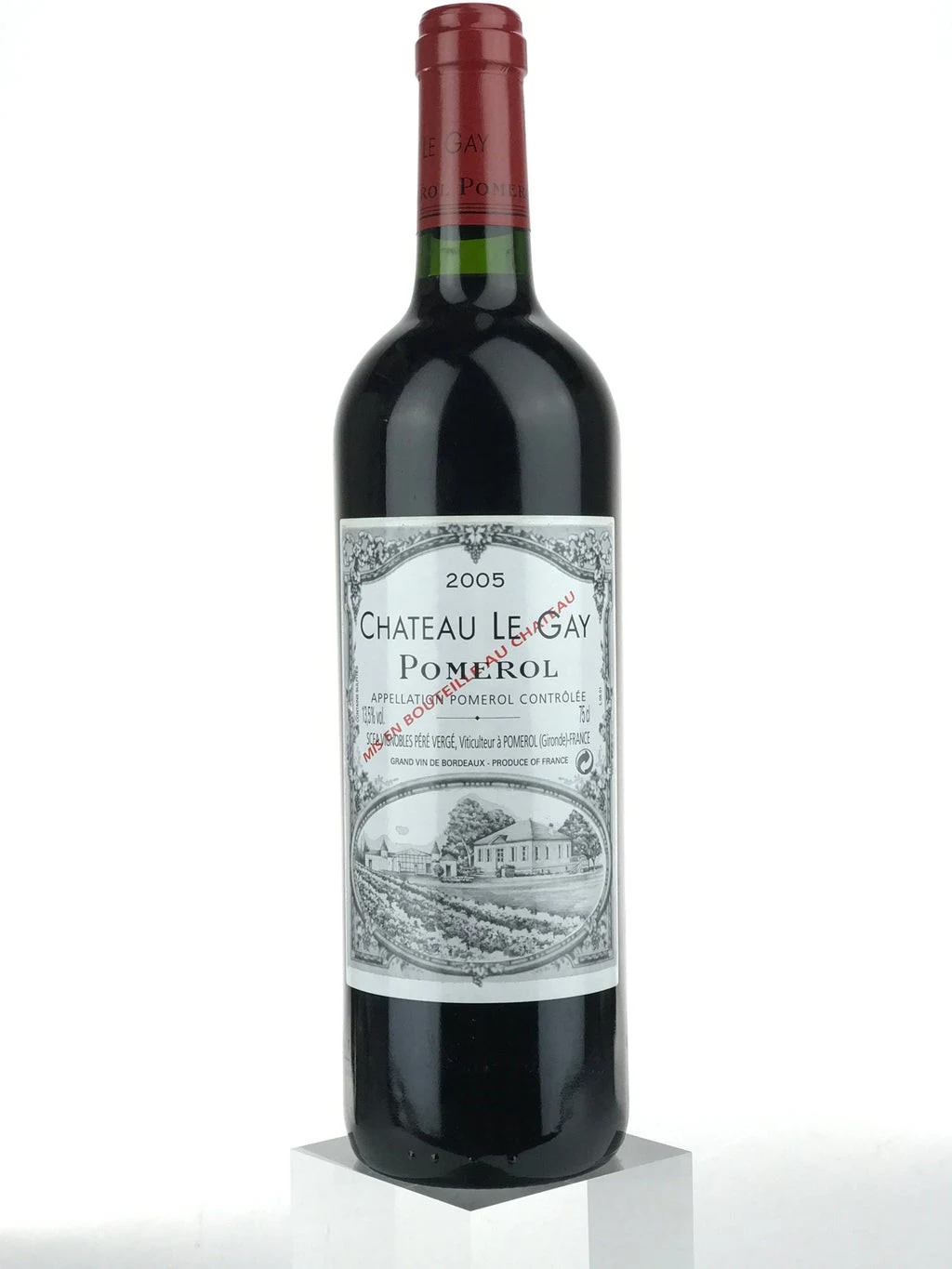
Micro-vinified Pomerol from clay-gravel soils
- Falstaff Winery - 3 Stars · 2026
- Pearl 3 Star Prestige · 2025
Clay and gravel before ownership
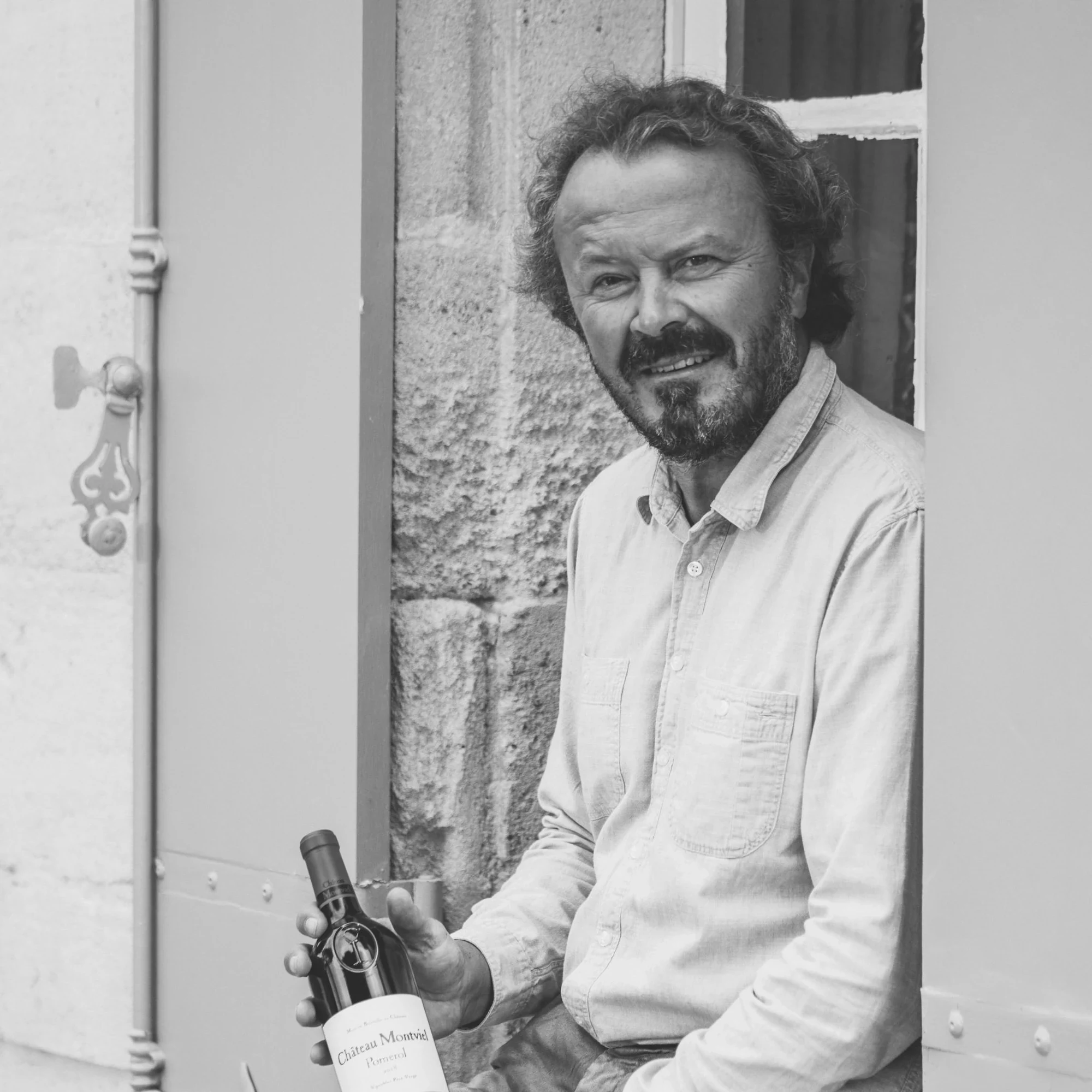
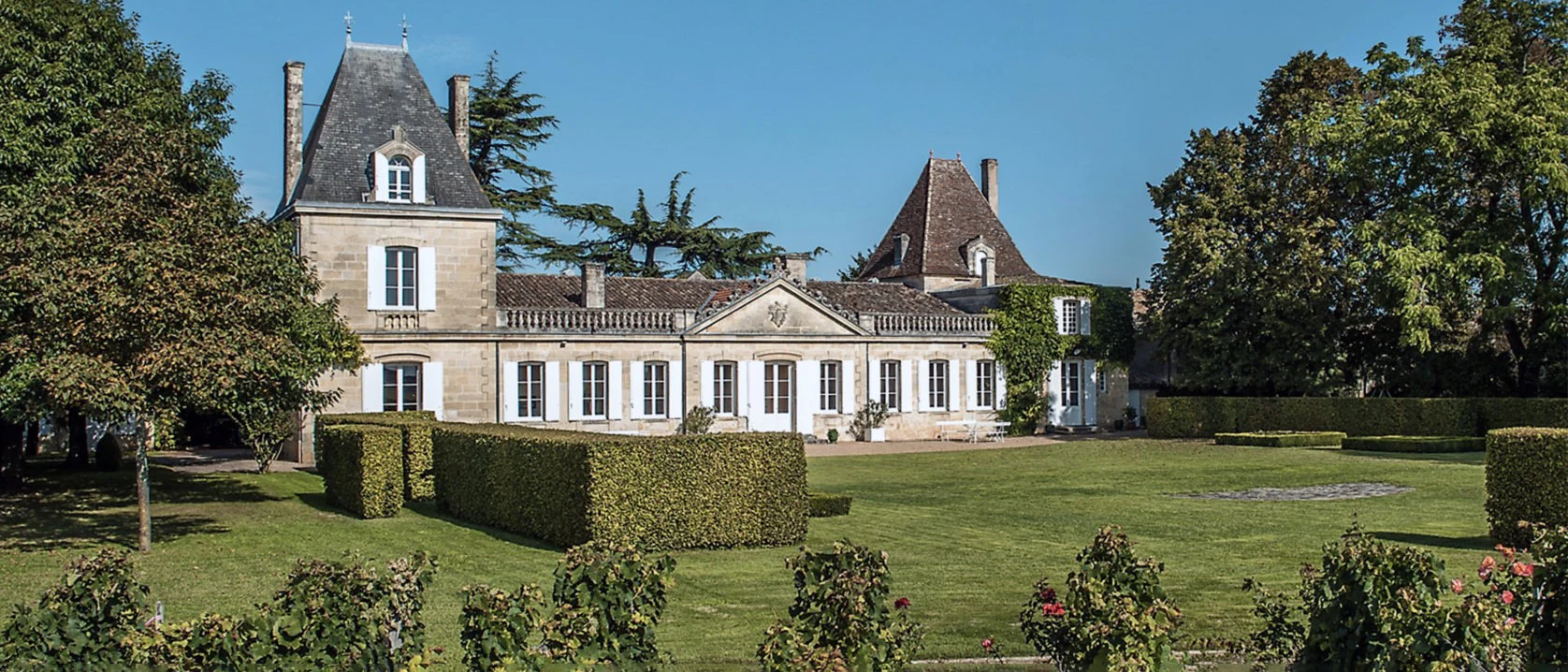
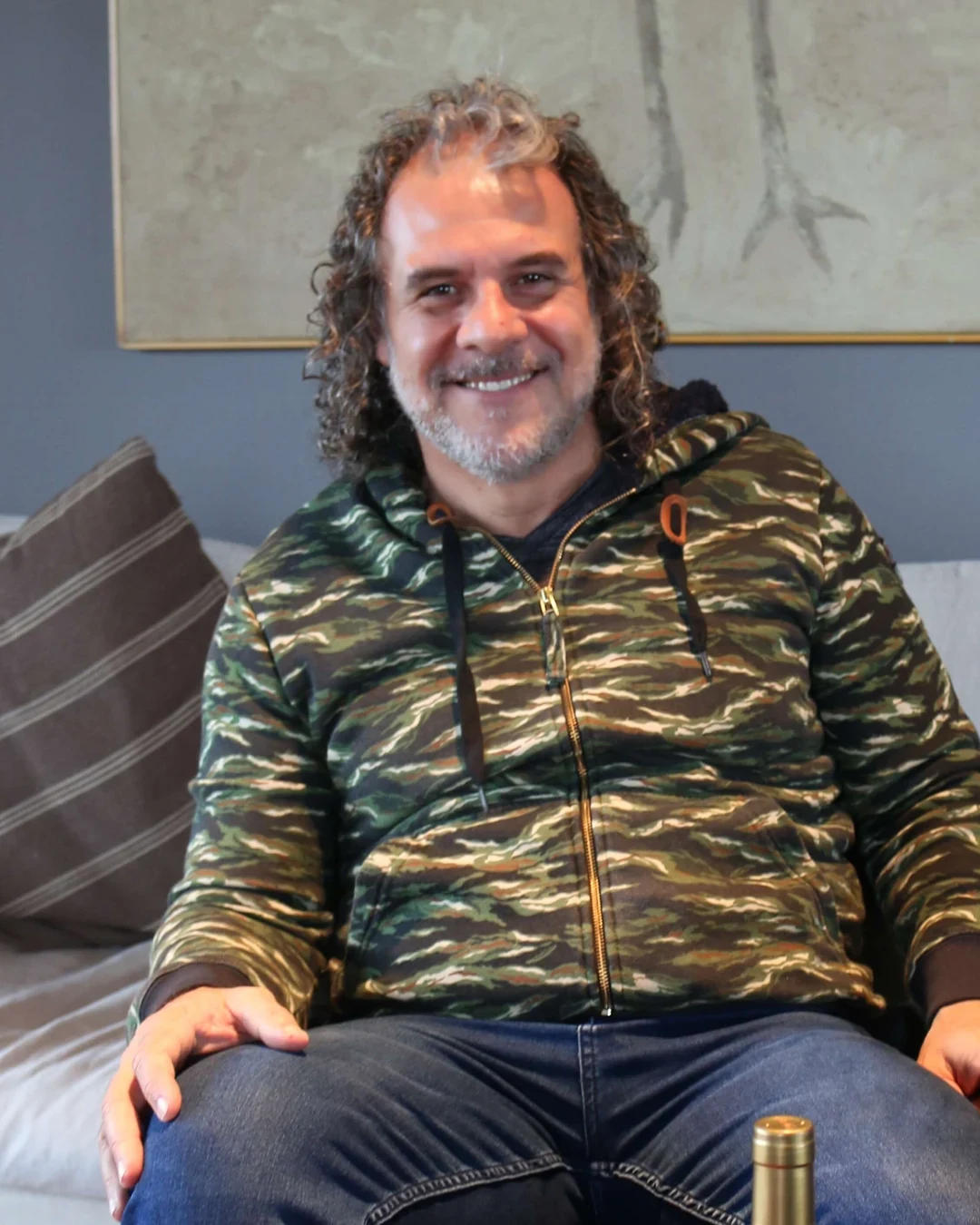
The clay-gravel lots set the tempo for Henri Parent, co-owner of Château Le Gay in Pomerol. He has worked at the estate since 2013, not as a proprietor imposing a signature, but as the person giving direction to a house that he has described through service: the château belongs first to the Pomerol appellation. That distinction matters here. The property dates to 1845, and its work sits on 10.5 hectares of the Pomerol plateau, where Merlot and Cabernet Franc carry the estate’s red wine program. Parent’s role is less bench-side than architectural, a bottom-up strategy across the company and its collaborators, with continuity between vintages as the discipline. The language around the estate is austere and precise, closer to a cellar notebook than a salon. In difficult years, that structure becomes visible: decisions pass through the same insistence on qualitative continuity, rather than through a desire to make each vintage speak louder than the last.
Micro-vinification at small scale
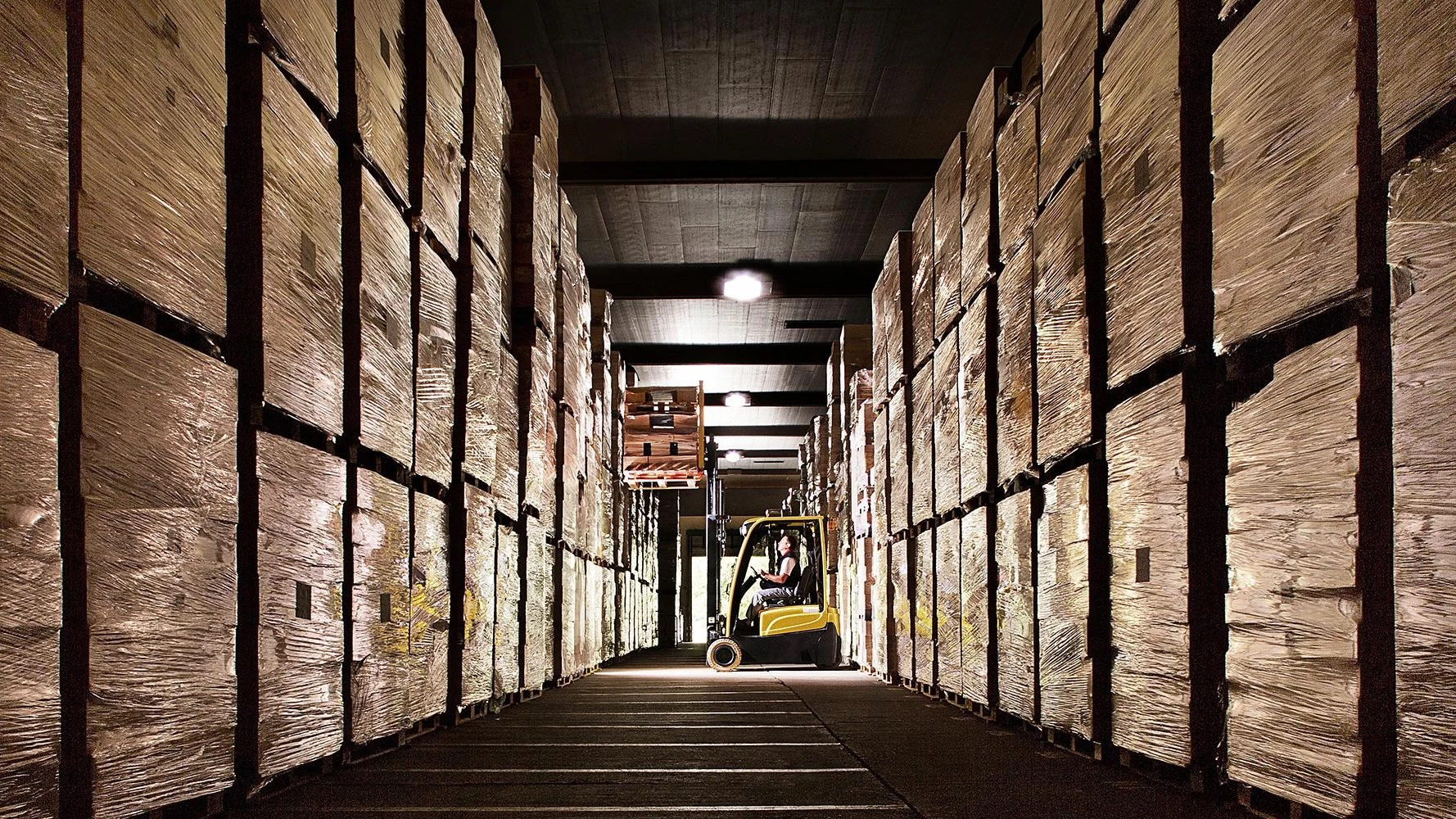
The method here is built for separation before blending. Château Le Gay works with micro-vinification equipment in recently renovated facilities, a choice that lets the estate hold smaller parcels and decisions apart long enough for the cellar to read them properly. The grand vin remains small in scale, approximately 1,200 cases annually, with Manoir de Gay drawn from younger vines as the second wine. That scale changes the feel of the work. Fermentation, élevage, and selection can stay close to the material rather than dissolve into volume. The stated philosophy is sustainable, and the practical emphasis is precision: Merlot and Cabernet Franc from clay-gravel soils, still red wines under Pomerol AOC, structured for age rather than immediate ease. Barrel tasting and cellar tasting suit this kind of place because the important differences are often still forming, in texture, tannin, and the way the wine takes up its frame. The house does not ask the room to perform. The program stays with the fruit, the vessels, and the length of the vintage.
The cellar keeps the room quiet
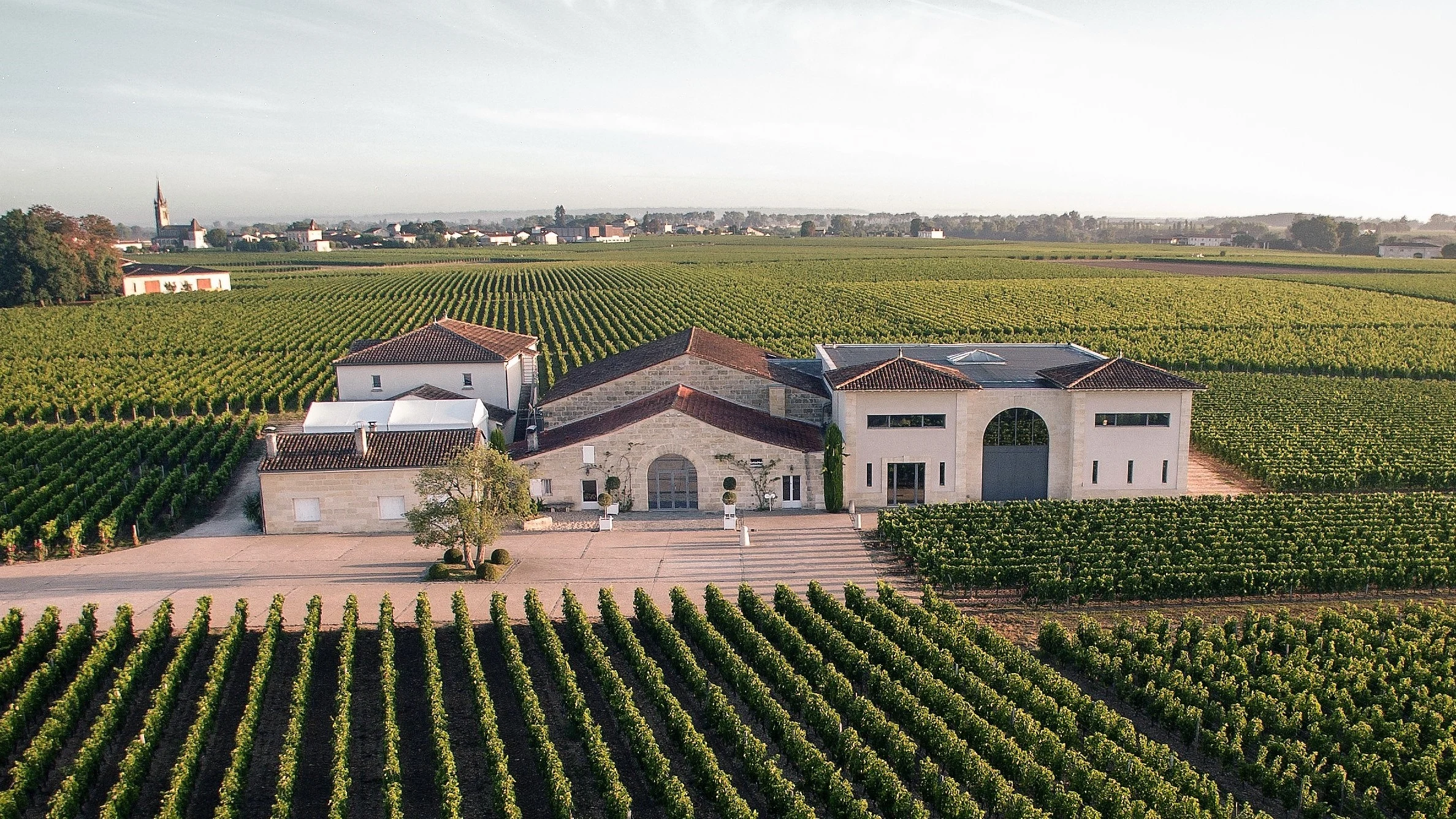
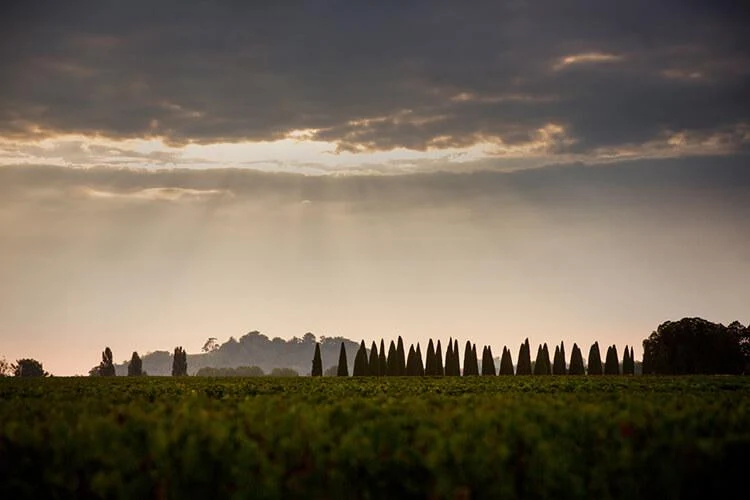
The estate’s atmosphere is quiet, traditional, and terroir-focused, with renovated working spaces set against the weight of an older Pomerol property. The cellar, the barrel rooms, and the micro-vinification area give the visit its register: measured, technical, and inward-facing. Nothing in the setting needs to compete with the plateau outside. The 10.5 hectares remain the point of origin, and the clay-gravel soils give the work its gravity before any tasting begins. In the glass, the emphasis is not hedonism for its own sake, but structure, line, and the patience required of Merlot-based wine made for time. Parent’s direction keeps that patience attached to the estate rather than to a personality. A barrel sample of Château Le Gay from Pomerol AOC, not yet finished, is already bound to its clay-gravel source.
Questions
Frequently asked
Who is behind Château Le Gay?
Henri Parent, co-owner, has worked at Château Le Gay since 2013 and guides the estate’s direction.
What kind of wine does Château Le Gay make?
The estate works on 10.5 hectares of the Pomerol plateau with Merlot and Cabernet Franc from clay-gravel soils, producing red wines under Pomerol AOC.
What is Château Le Gay known for in the cellar?
It uses micro-vinification equipment in recently renovated facilities, with a focus on small-scale parcel separation, fermentation, élevage, and selection.
How does booking work for a visit?
Visits are by appointment only, and the estate lists smart casual dress.
Is there parking on site?
Yes, Château Le Gay lists on-site parking.
The field
How it compares
| Place | Notes |
|---|---|
| Château Le Gay | Pomerol, $$$$ |
| Château La Conseillante | Pomerol |
| Château La Fleur-Pétrus | Pomerol |
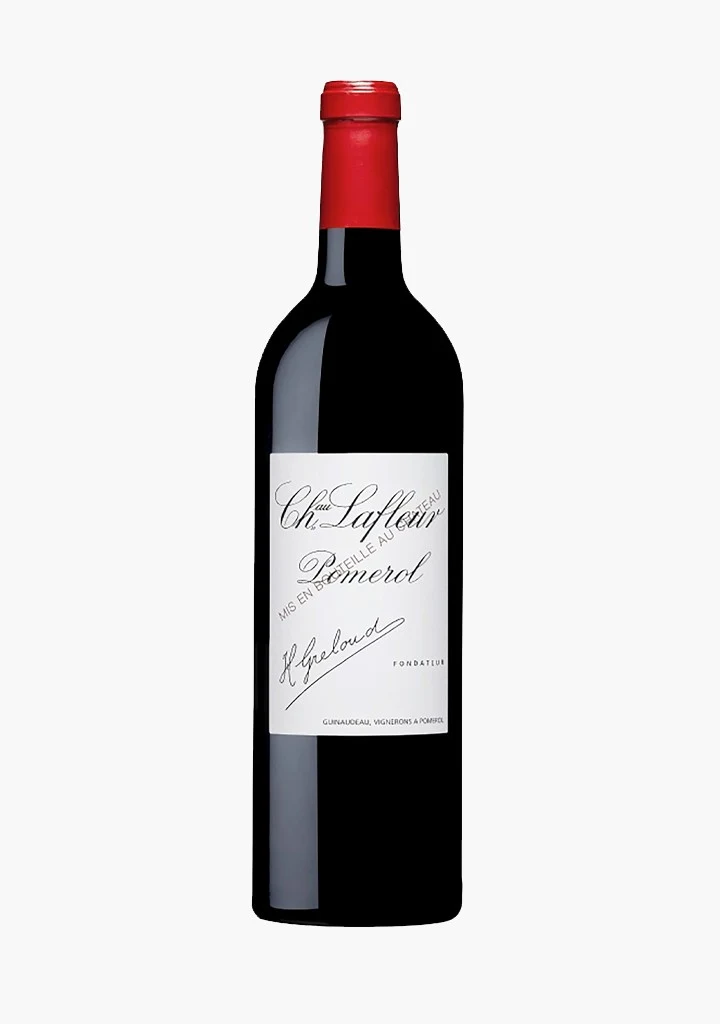
| Château Lafleur | Pomerol |
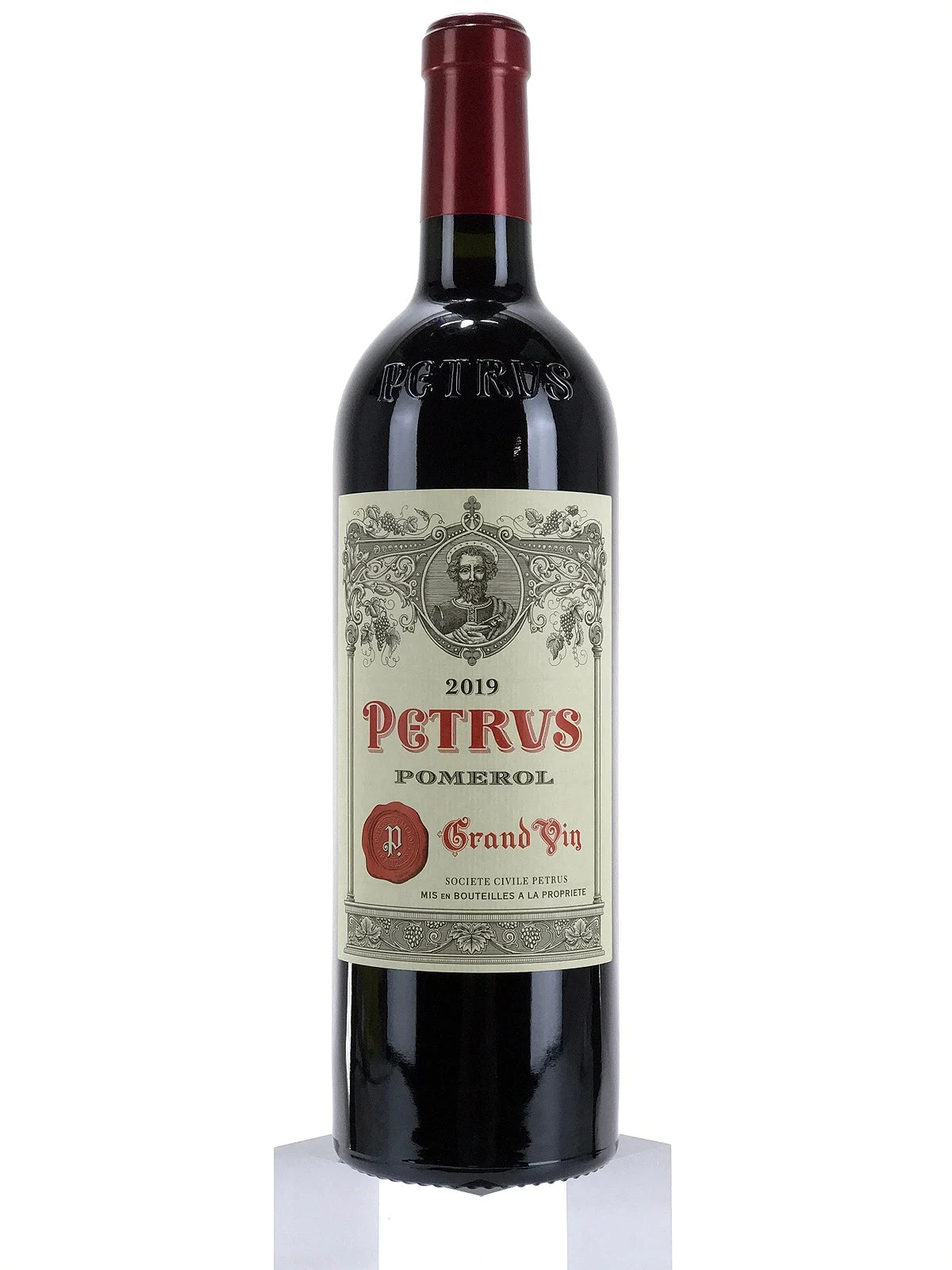
| Chateau Petrus | Pomerol |
| Château Trotanoy | Pomerol |
| Vieux Château Certan | Pomerol |