- Falstaff Winery - 4 Stars · 2026
- Michelin 1 Grape · 2026
Where the Plateau Speaks
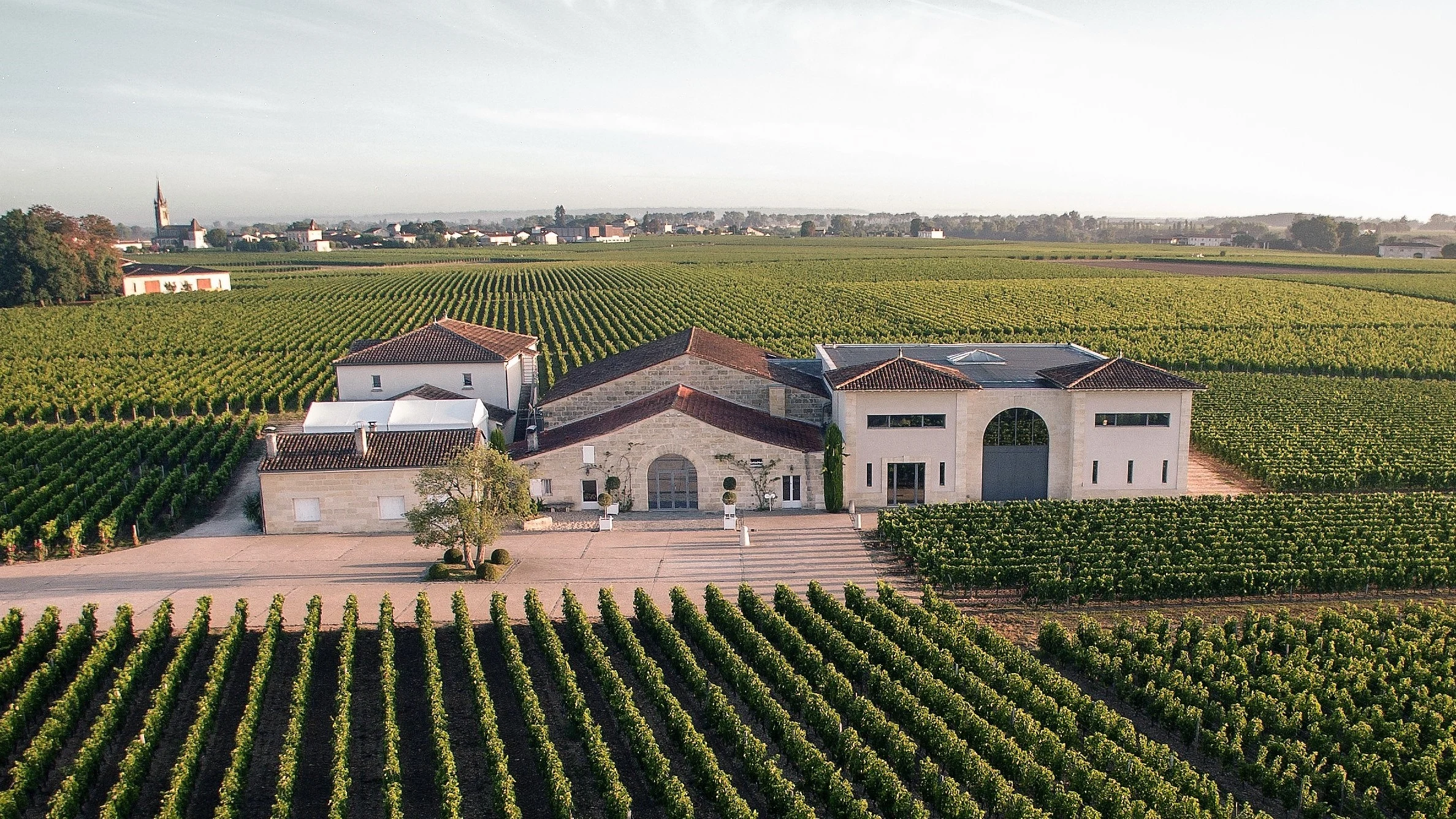
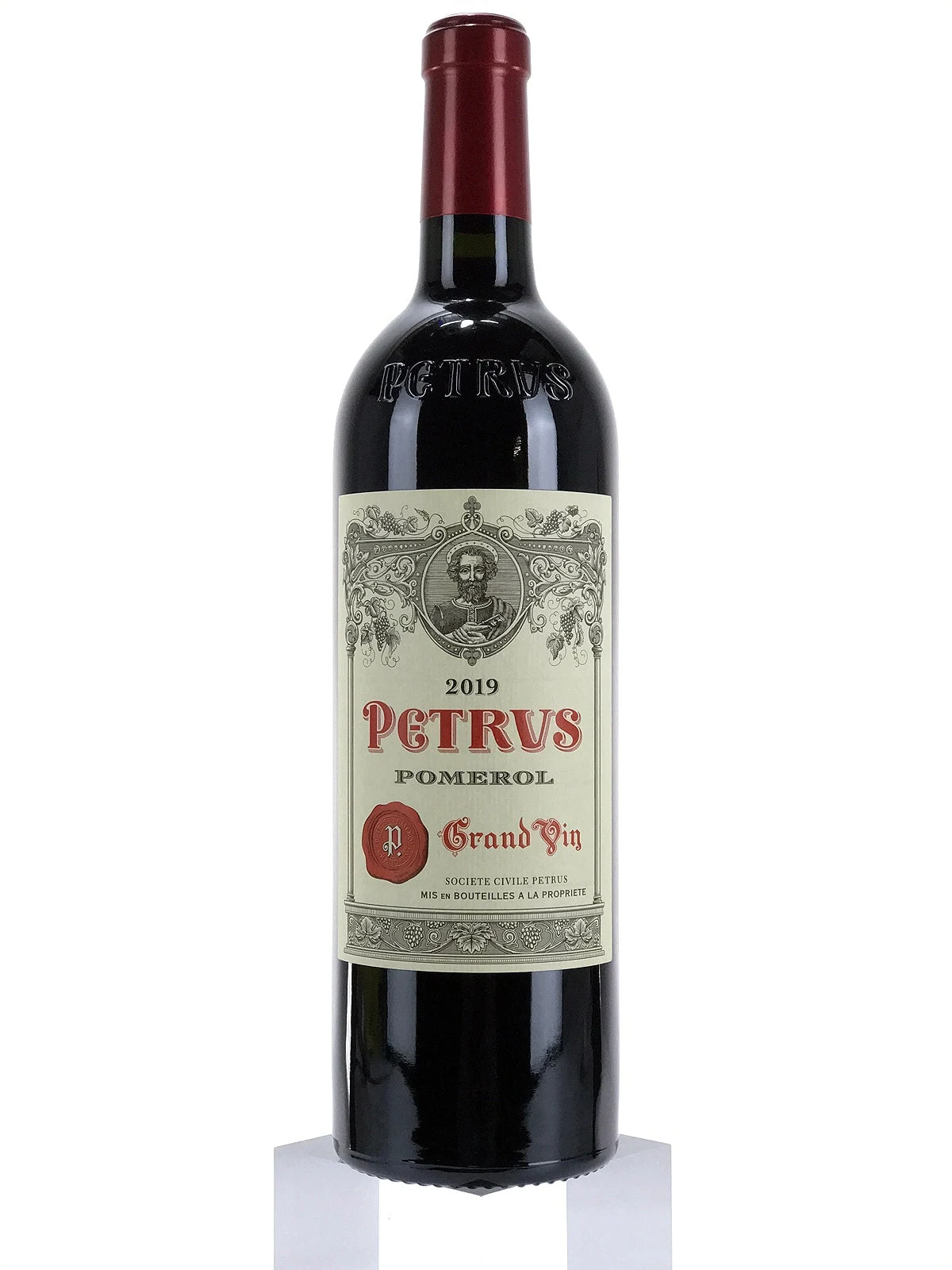
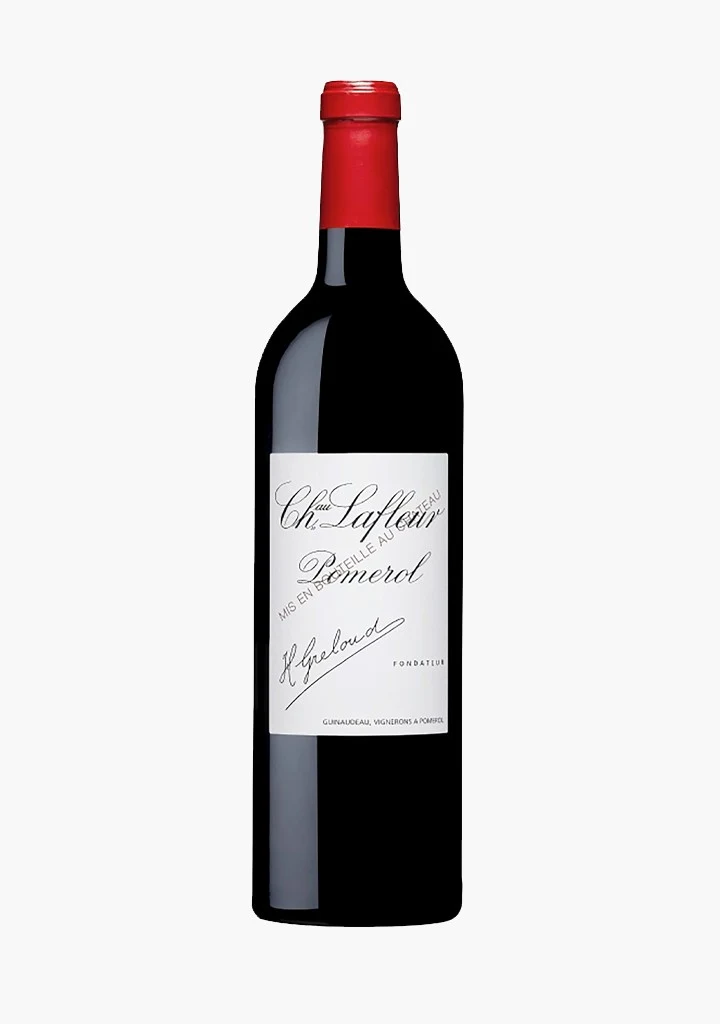
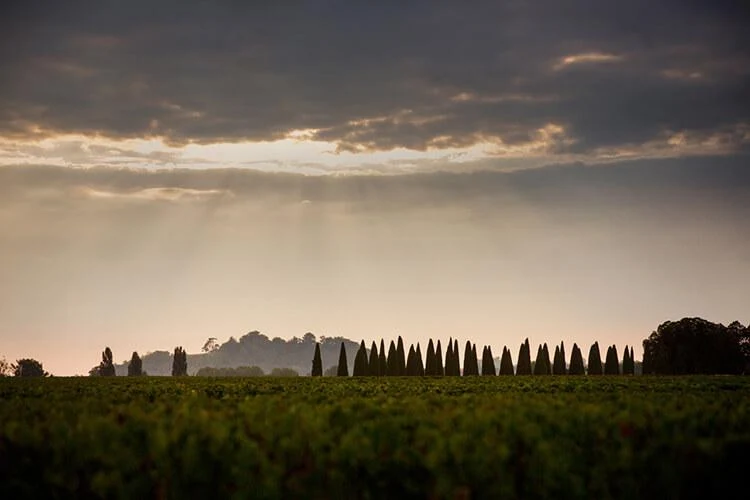
Cross the unmarked boundary between Saint-Émilion and Pomerol on the D245 and the land shifts almost without announcement. The plateau here is flat and unpromising to the untrained eye, the soils a grey-blue clay beneath a thin gravel skin. It is precisely this geology, shared, in part, with the communes most revered parcels, that has made addresses on Pomerol's central plateau some of the most carefully watched in Bordeaux. Château L'Évangile occupies a critical position on that plateau, its vineyards sharing a northern border with Pétrus and approaching those of Château Lafleur to the west. The estate is notable because the ground beneath it consistently produces wines that collectors and merchants treat as a reliable barometer for Pomerol's vintage character.
A Continuum Since 1741
Few Bordeaux estates can trace a documented production history to the mid-eighteenth century, but L'Évangile's first vintage dates to 1741, placing it among the oldest continuously operating wine estates in the appellation. That longevity matters beyond historical curiosity. It means the estate has accumulated an observational archive of how these specific parcels behave across centuries of climatic variation, knowledge that sits inside the land itself, legible only to those who have tended the same vines across generations. For a region that prizes continuity, this kind of depth functions as a form of credibility that younger estates cannot replicate regardless of investment. Elsewhere in France, producers like Albert Boxler in Niedermorschwihr and Chartreuse in Voiron similarly lean on centuries-long institutional memory as a key differentiator from newer, technically proficient competitors.
Clay, Gravel, and the Logic of Merlot
Pomerol's argument for Merlot begins in the soil. The appellation sits on what geologists describe as the Pomerol Plateau, a formation of crasse de fer, iron-rich clay hardpan, capped with varying depths of gravel and sandy deposits. This subsoil retains water with a consistency that favours Merlot over Cabernet Sauvignon, which tends to struggle in cooler, wetter clay environments. The result is a house style across Pomerol's leading addresses that reads as plush, textured, and deeply aromatic in youth but has the structural density, primarily from clay-driven mineral tension and natural acidity, to age for decades. L'Évangile's specific parcel position, on the eastern flank of the plateau closest to the Saint-Émilion border, adds a dimension of gravel that moderates the clay's influence and produces wines with slightly more precision than the fuller, rounder expressions typical of addresses at the plateau's centre. Peer estates including Château Gazin and Château Trotanoy offer a useful reference point: Gazin's larger production from sandier soils reads as more open-textured; Trotanoy, on deeper iron clay, runs denser and darker. L'Évangile sits between those poles.
Winemaking in the Terroir Tradition
L'Évangile's winemaking is technically precise, empirically grounded, and focused on parcel-by-parcel observation rather than intervention. Since the Rothschild acquisition in 1990, the estate has invested in sorting tables, temperature-controlled fermentation, and a gravity-feed cellar layout. This philosophy aligns L'Évangile with a broader Pomerol tendency toward restraint in the cellar. The appellation's leading addresses generally resist the kind of extractive, heavily oaked winemaking that characterised parts of Bordeaux in the 1990s and early 2000s. Neighbours like Château L'Eglise Clinet and Château Clinet operate within the same framework, calibrating extraction to the vintage's natural concentration rather than imposing a house style through technique. For context on how Bordeaux's other appellation traditions approach similar cellar decisions, Château Bélair-Monange in Saint-Emilion provides an instructive comparison from across the appellation boundary.
The Blend and Its Annual Variations
L'Évangile's grand vin is predominantly Merlot, typically supported by Cabernet Franc, a proportion that varies with vintage conditions. In cool, difficult years, the Cabernet Franc component tends to contract; in warmer, more even ripening seasons, it can contribute meaningfully to the blend's structural framework. This annual recalibration is not unique to L'Évangile, it is characteristic of Pomerol production at the upper tier, but the estate's parcel diversity gives Vazart meaningful raw material to work with at blending. The second wine, Blason de L'Évangile, absorbs younger vine fruit and parcels that don't reach the quality threshold for the grand vin in a given year, maintaining the grand vin's consistency across variable vintages. This tiering is now standard practice at serious Pomerol addresses; Château Le Gay follows a comparable model. For collectors building a Bordeaux right-bank vertical, both wines repay attention, since the second wine in strong vintages can overdeliver significantly against its price position.
Placing L'Évangile in the Pomerol Hierarchy
Pomerol has no official classification, which means quality hierarchies are constructed informally through critic scores, merchant allocation priority, and secondary market pricing. L'Évangile occupies a consistent position in the upper tier of that unofficial ranking, priced and allocated in a bracket below Pétrus but above the commune's mid-tier addresses. It competes for collector attention alongside estates of comparable parcel quality and institutional history, and it tends to perform most distinctively in vintages where the eastern plateau's gravel component provides drainage advantages during wet autumns. For en primeur buyers, the primary route through which most serious Bordeaux is acquired, L'Évangile's allocation is handled through the Bordeaux négociant network, and demand across strong vintages requires engagement with a merchant well in advance of release.
Visiting and Acquiring
Pomerol itself is a commune of working estates rather than a wine tourism destination in the conventional sense. L'Évangile, at 2 Chemin de Maillet, 33500 Pomerol, is most practically approached from Libourne, the nearest town with accommodation, restaurants, and rail connections to Bordeaux Saint-Jean. The broader context of Bordeaux wine travel rewards planning: the right-bank appellations, Pomerol, Saint-Émilion, and their satellites, cluster within a short drive of each other, and a well-structured itinerary can include estates across multiple appellations. For those building a Bordeaux itinerary that extends beyond wine, Château Bastor-Lamontagne in Preignac and Château Batailley in Pauillac anchor opposite ends of the Gironde and repay inclusion.
Questions
Frequently asked
Who works at Château L'Évangile?
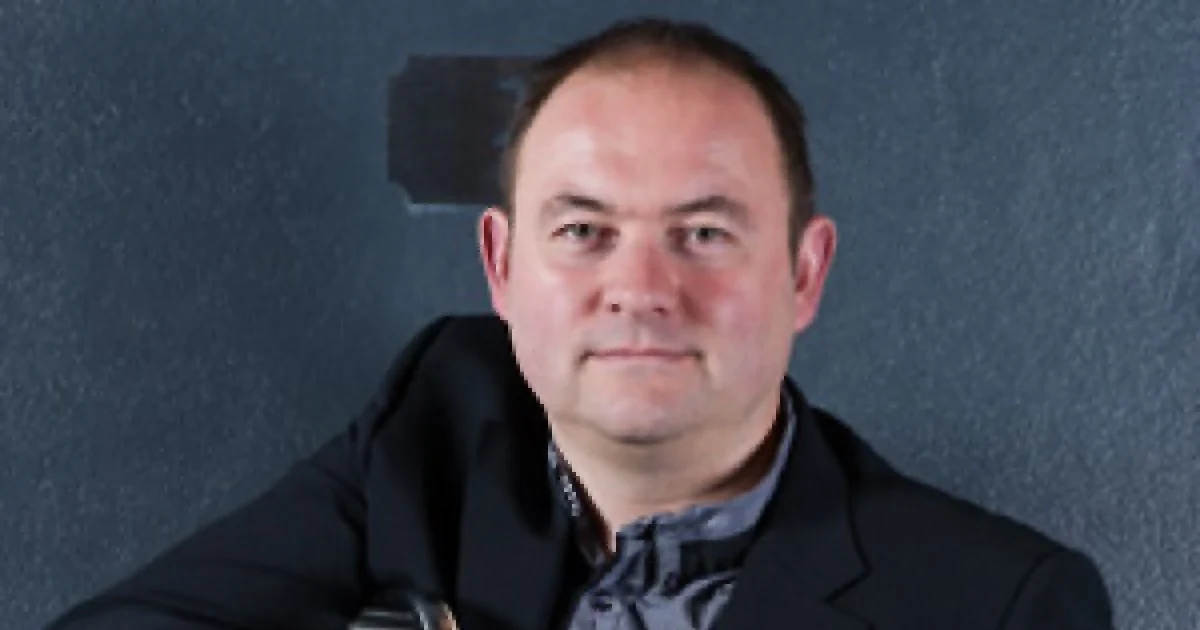
Made By profiles Jean Pascal Vazart (Winemaker) at Château L'Évangile.
How expensive is Château L'Évangile?
Château L'Évangile is listed at a price level of $$$$.
The field
How it compares
| Place | Notes |
|---|---|
| Château L'Évangile | Pomerol, $$$$ |
| Château La Conseillante | Pomerol |
| Château La Fleur-Pétrus | Pomerol |
| Château Lafleur | Pomerol |
| Chateau Petrus | Pomerol |
| Château Trotanoy | Pomerol |
| Vieux Château Certan | Pomerol |