Clos L'Eglise
- 01CityPomerol, France
Merlot from iron-rich Pomerol clay
- Falstaff Winery - 3 Stars · 2026
A winemaker reading the vineyard first
Hélène Garcin Lévèque tastes for structure before the barrel decision; as winemaker at Clos L'Eglise in Pomerol, she works a small Right Bank estate where the vineyard sets the pace. Her training at Paul Bocuse Institute gives the work a disciplined frame: precision, repetition, process, and the patience to let a site declare itself without being forced into another model. Clos L'Eglise is one of Pomerol's old names, its origins tied to the 18th century and to a farmhouse from the estate's early life. The word Clos usually implies enclosure, yet this house is one of the Pomerol châteaux carrying the name without a walled vineyard. That small contradiction suits the place. Its identity rests less on architecture than on soil, parcel, and the long adjustment between Merlot and Cabernet Franc. Alain Raynaud brings the consultant's eye to that frame, a role built on tasting, timing, and keeping an estate's shape intact. His public profile includes Clos L'Eglise among the wines through which his work is read: balance, precision, and a sense of site that does not need ornament.
Eight parcels on clay and gravel
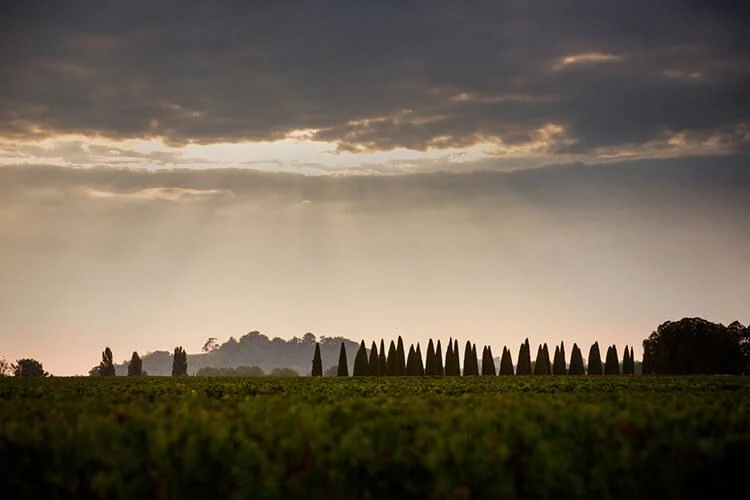
The vineyard is compact, about 5.89 hectares, planted to 70% Merlot and 30% Cabernet Franc. The ground carries clay and gravel with iron-rich subsoil, the Pomerol material that gives the wine its depth, tannic breadth, and need for time. The estate farms organically and sustainably, with HVE 3 certification, and harvests by hand. Vine density is kept at 7,150 vines per hectare. Most vines average 35 years old, while an old Cabernet Franc parcel remains from the 1940s, giving the blend a line of aromatic structure that Merlot alone would not supply. In the cellar, Clos L'Eglise works with eight 55-hectoliter insulated stainless steel tanks, installed after earlier oak vats and concrete vats had given way to tighter temperature control. Malolactic fermentation takes place in barrel. The grand vin then ages in 100% new, 300-liter French oak barrels for 18 to 24 months. The house produces around 2,400 to 2,800 cases of grand vin a year, a scale that keeps selection close to the hands.
The Sunday letter
Find new places through the people who run them.
Our Sunday email brings you the chefs, winemakers and hoteliers behind our newest stories. See a sample before you subscribe.
See a sample of the Sunday emailOne email a week. Unsubscribe from any issue.
The cellar beside the plateau
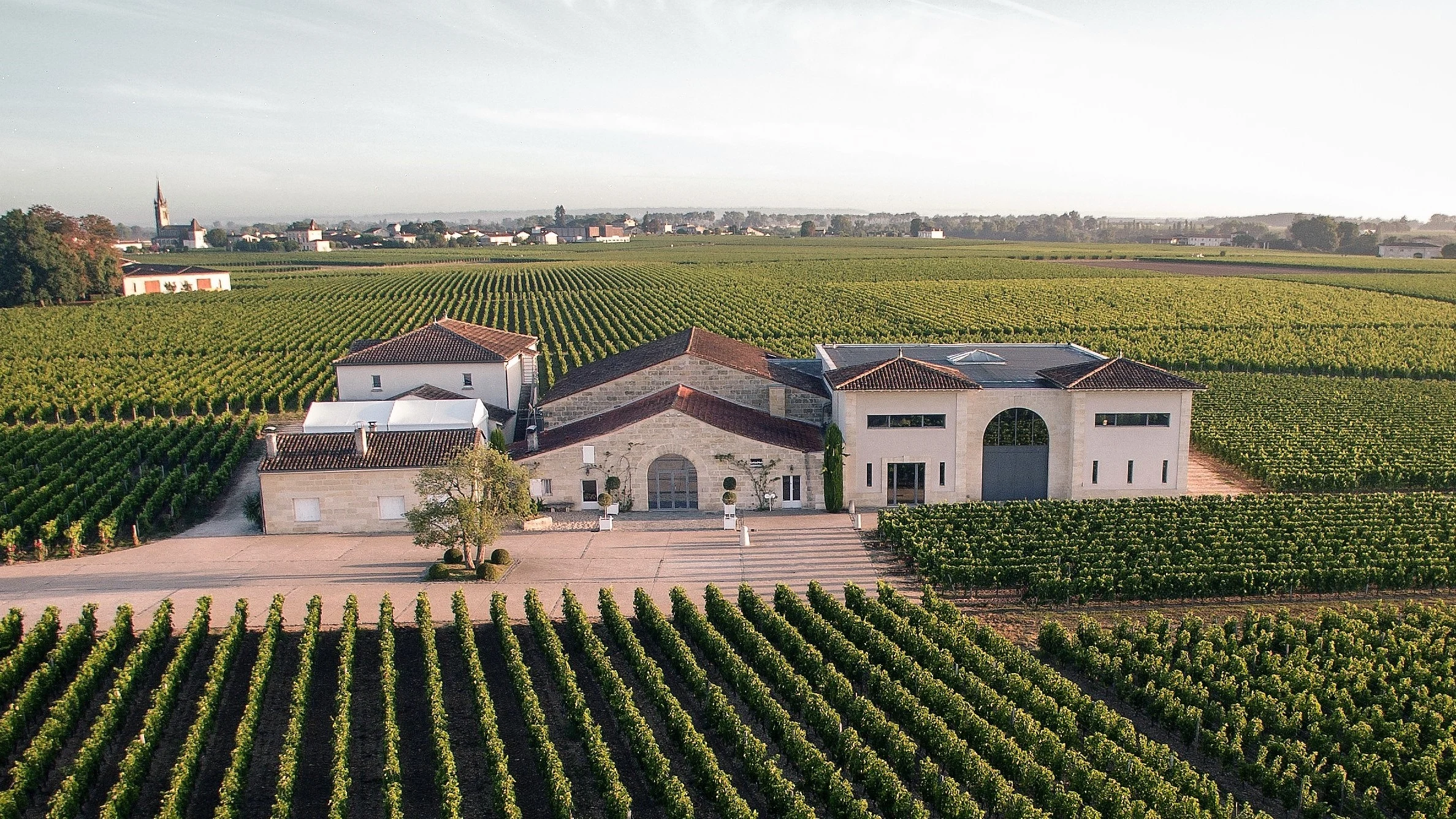
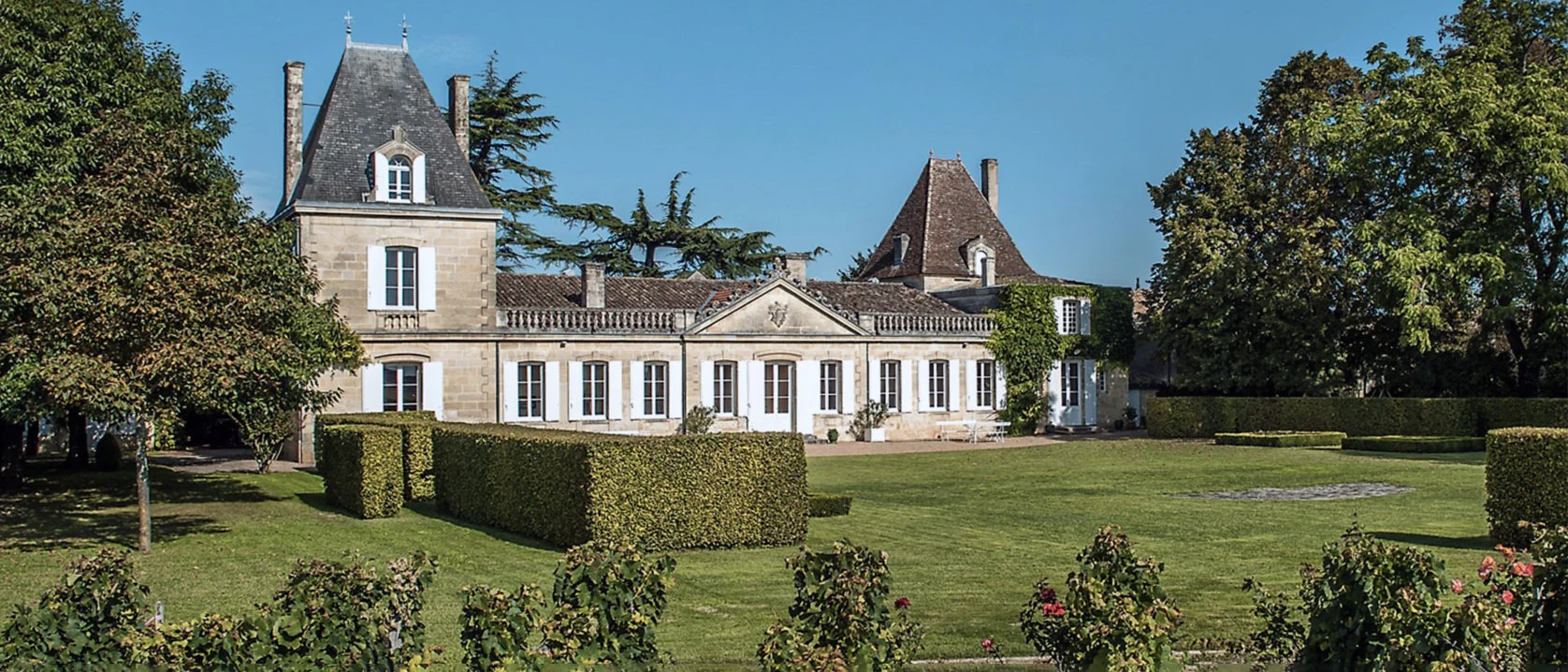
The room here is quiet in the way serious cellars are quiet: not empty, but concentrated. Clos L'Eglise sits on the Pomerol plateau among vineyard rows rather than a tourist circuit, with a traditional farmhouse and winery buildings gathered around the work. The wines follow that setting. They are built from ripe plum, chocolate, floral notes, and the firmer undertow of clay, gravel, and iron. The estate's second wine, Esprit de L'Eglise, gives another reading of the same ground, while the grand vin keeps the stricter selection and the longer élevage. In bottle, the patience remains part of the method; Clos L'Eglise is usually given years before it shows its full register. Its craft is Merlot, Cabernet Franc, eight parcels, and Esprit de L'Eglise.
Questions
Frequently asked
Who makes the wines at Clos L'Eglise?
Hélène Garcin Lévèque is the winemaker at Clos L'Eglise, and Alain Raynaud brings a consulting role to the estate.
What is Clos L'Eglise known for?
The estate is a small Pomerol property shaped by clay, gravel, and iron-rich subsoil, with grand vin built around Merlot and Cabernet Franc.
How is the vineyard farmed?
Clos L'Eglise farms organically and sustainably, with HVE 3 certification, and the grapes are harvested by hand.
Does Clos L'Eglise take bookings, and is there parking on site?
Visits are by appointment only, and there is an on-site parking lot.
The field
How it compares
| Place | Notes |
|---|---|
| Clos L'Eglise | Pomerol, $$$$ |
| Château La Conseillante | Pomerol |
| Château La Fleur-Pétrus | Pomerol |
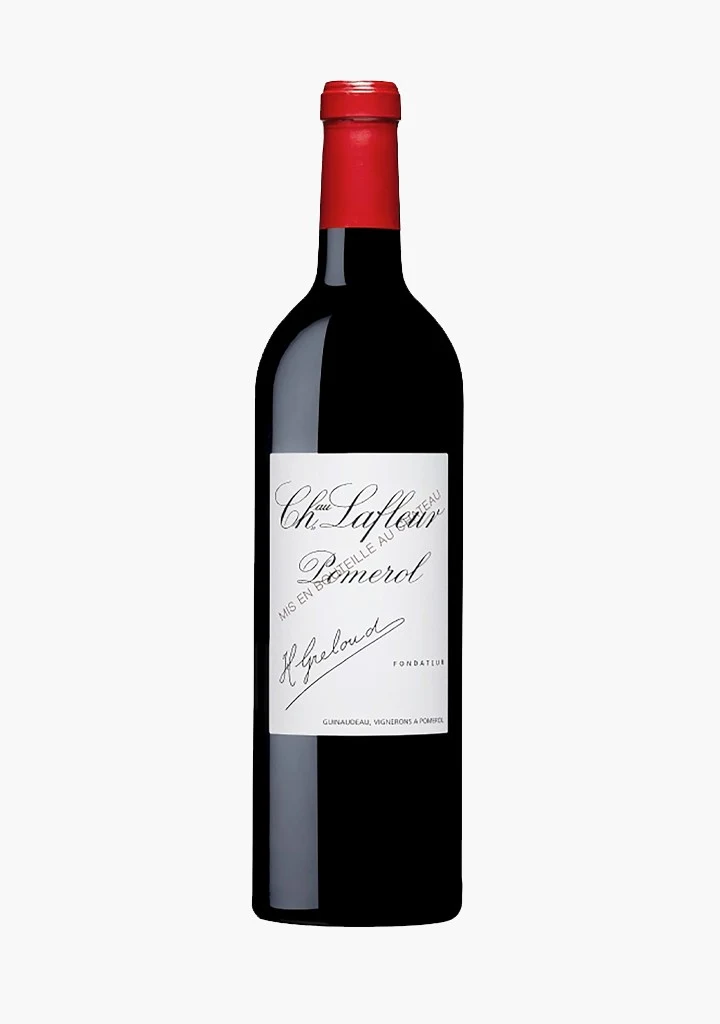
| Château Lafleur | Pomerol |
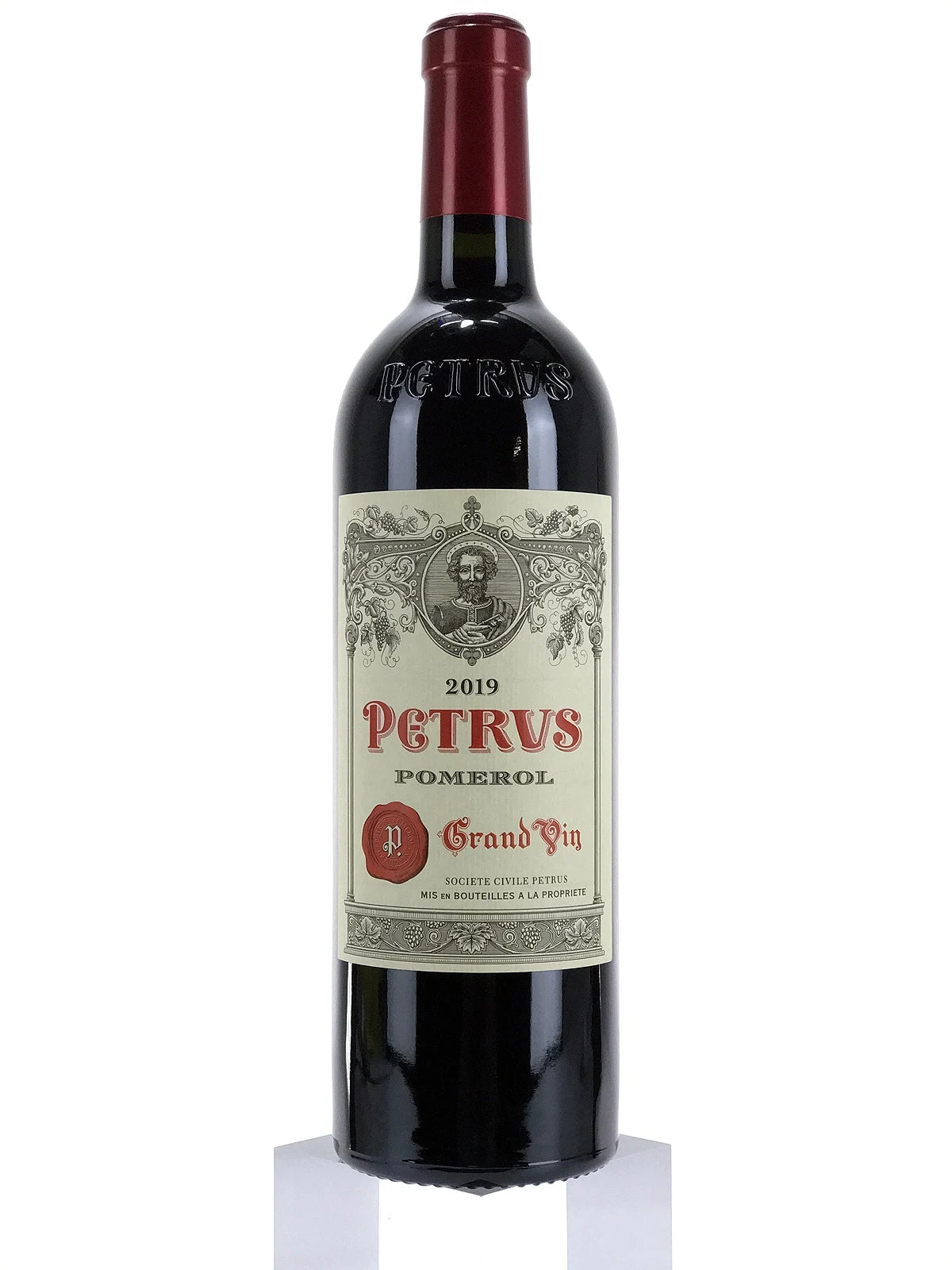
| Chateau Petrus | Pomerol |
| Château Trotanoy | Pomerol |
| Vieux Château Certan | Pomerol |
Similar places
The Sunday letter
Get the next Made By story in your inbox.
We send one email every Sunday morning with the places and people we covered that week.
See a sample of the Sunday emailOne email a week. Unsubscribe from any issue.