Made ByWinery

Domaine Bouchard Père et Fils in Beaune pairs cave tastings and vineyard views at a historic estate, with 2026 recognition from Michelin and Falstaff.
At a glance
- Price
- $$$
- Neighborhood
- Beaune
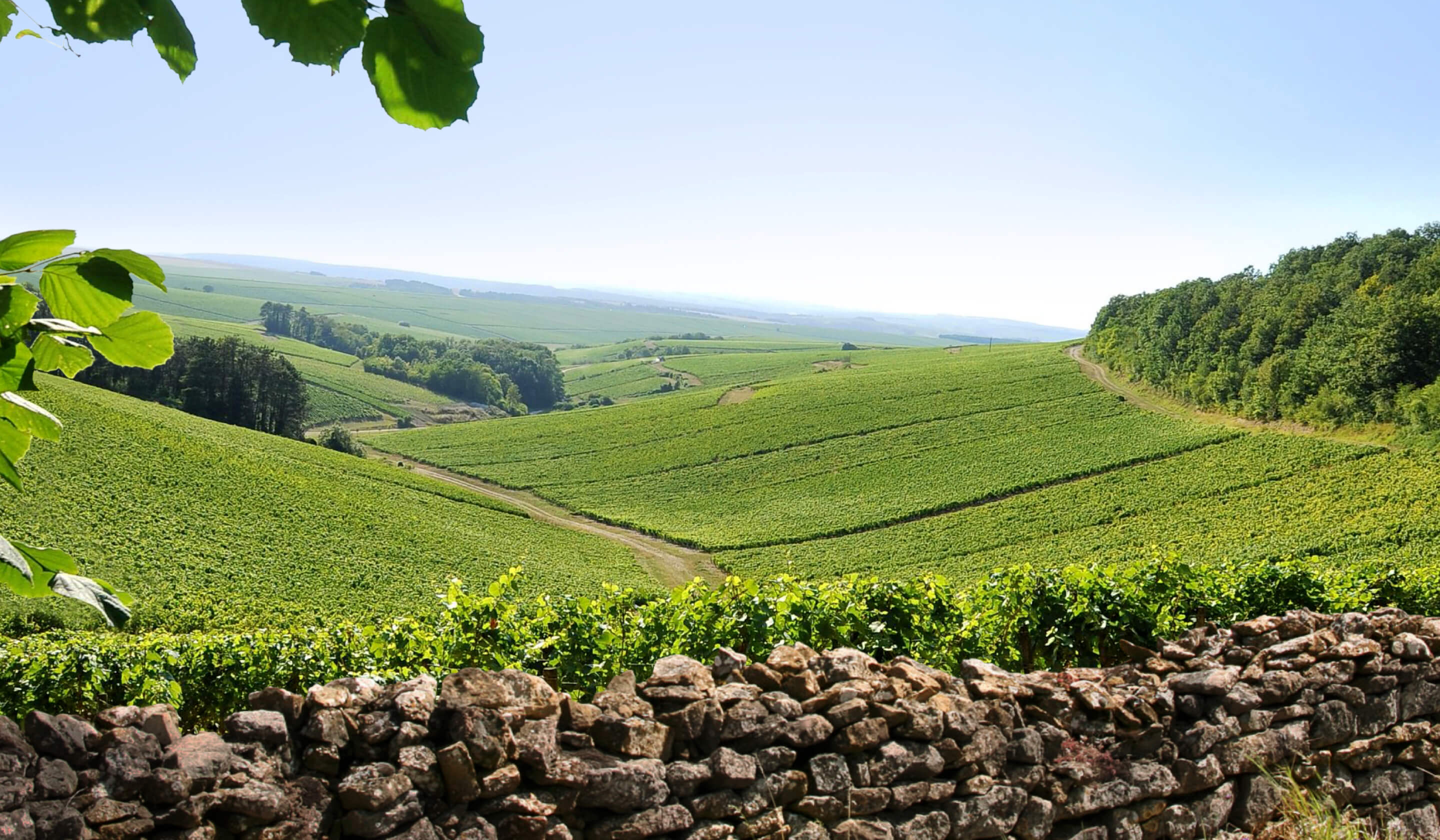
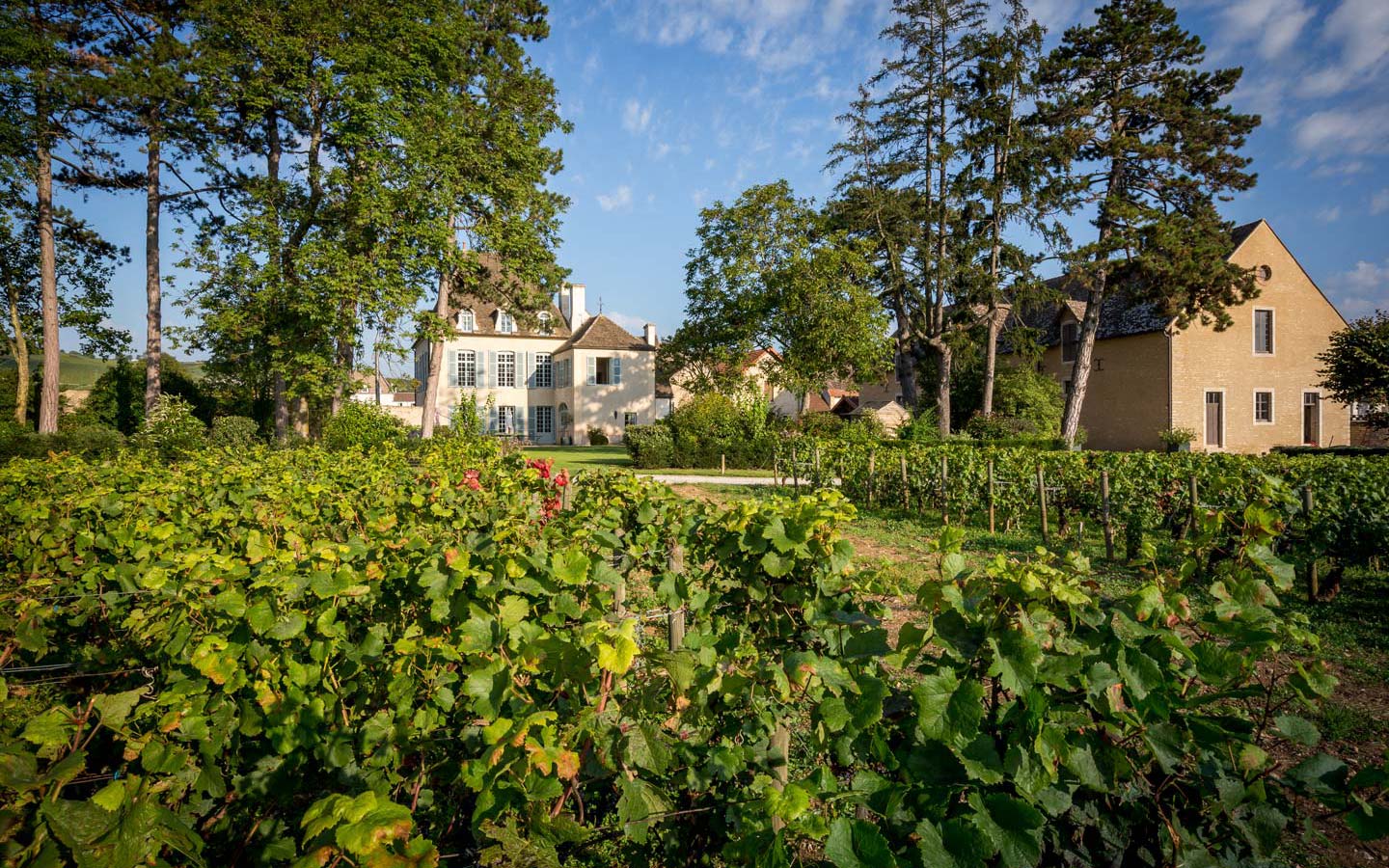
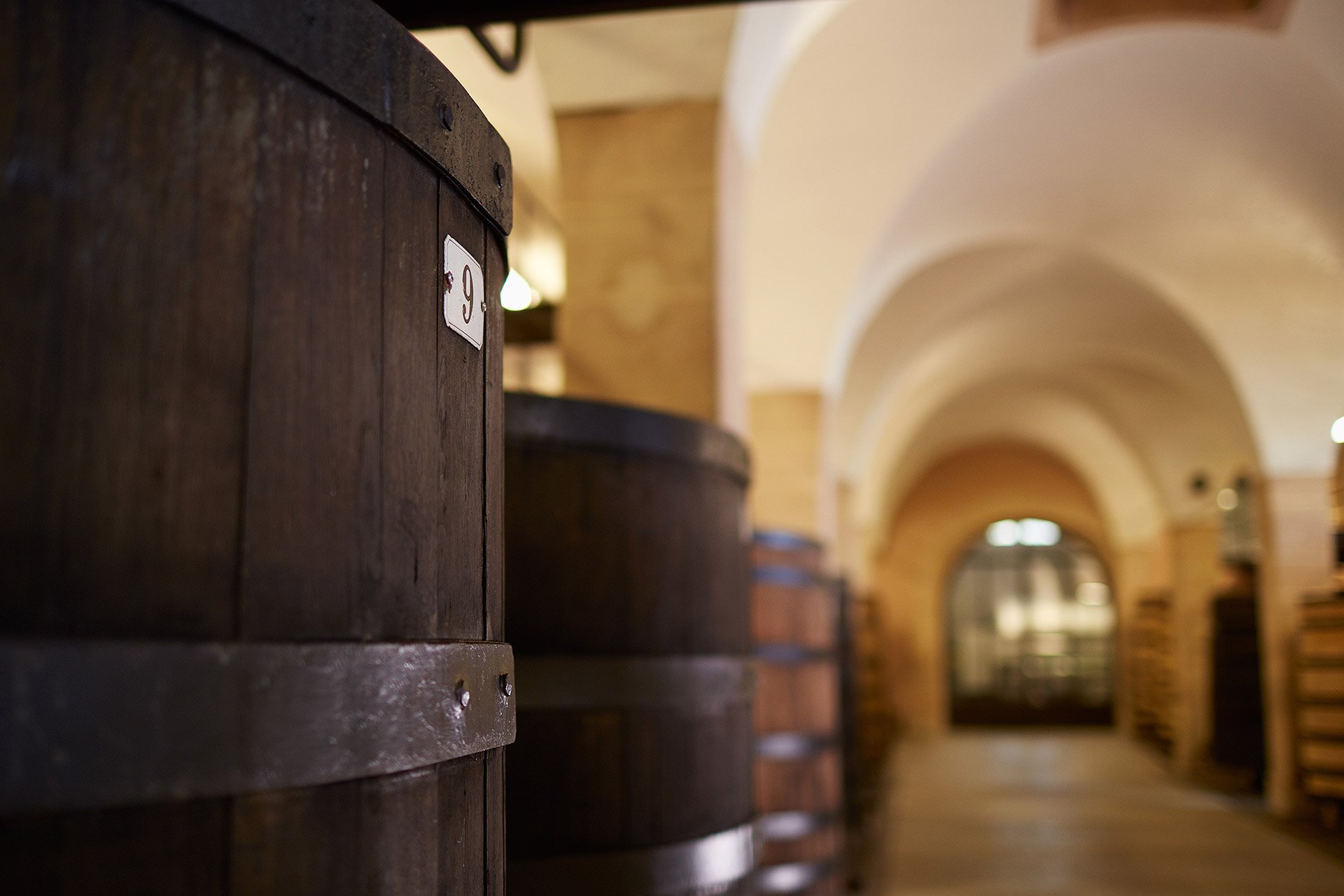
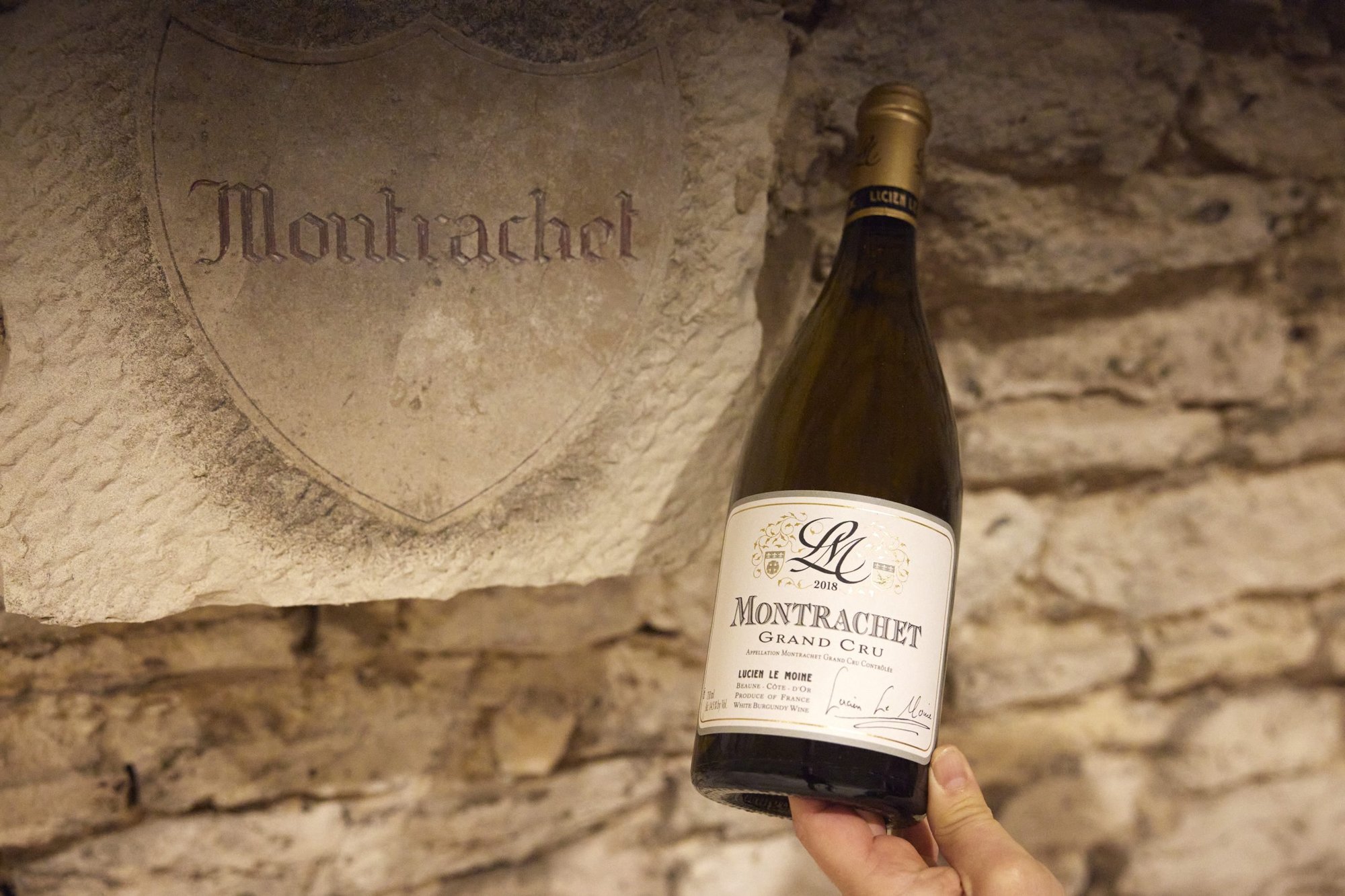
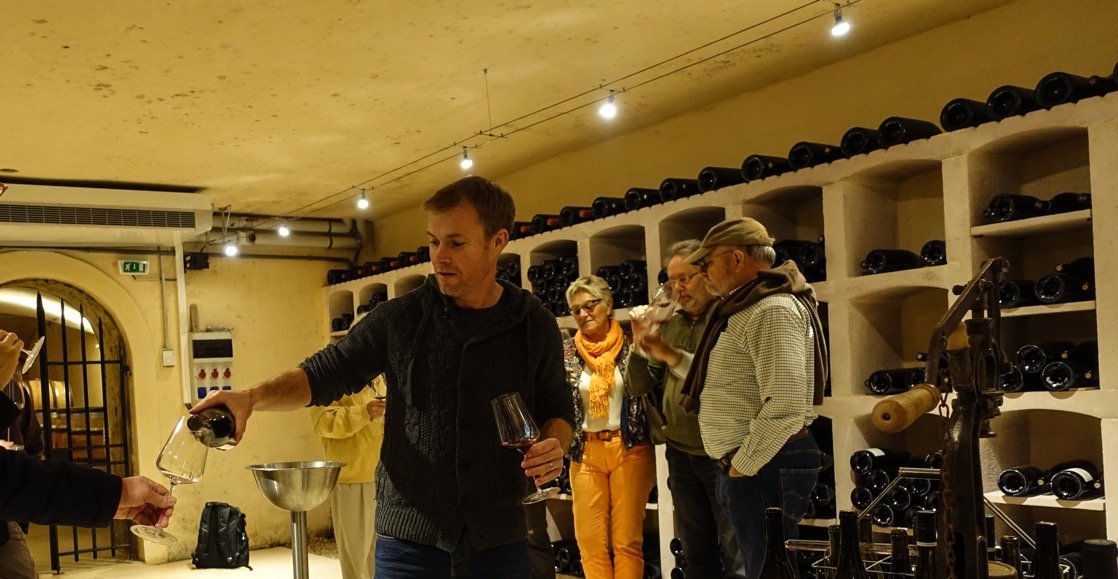
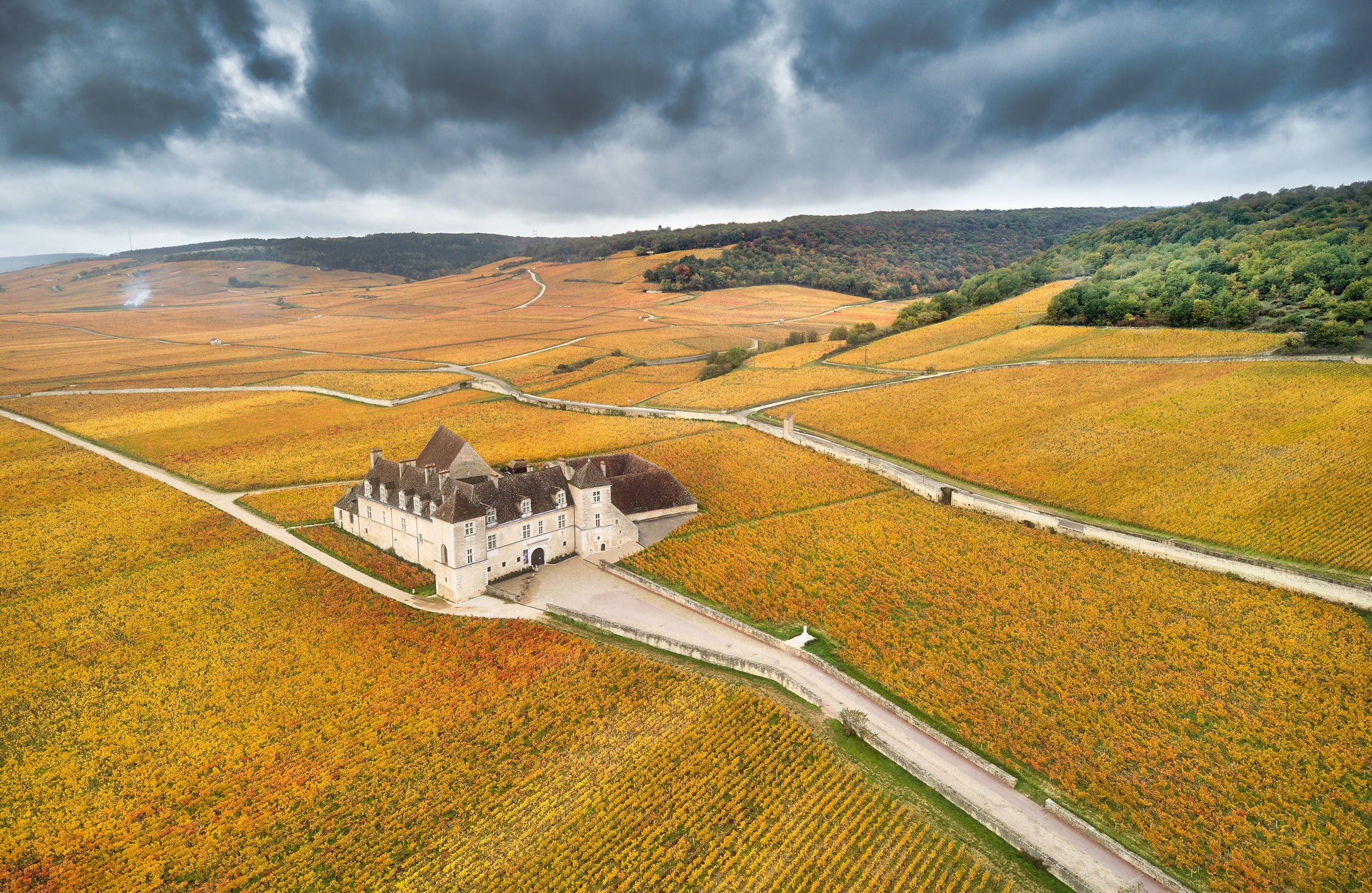
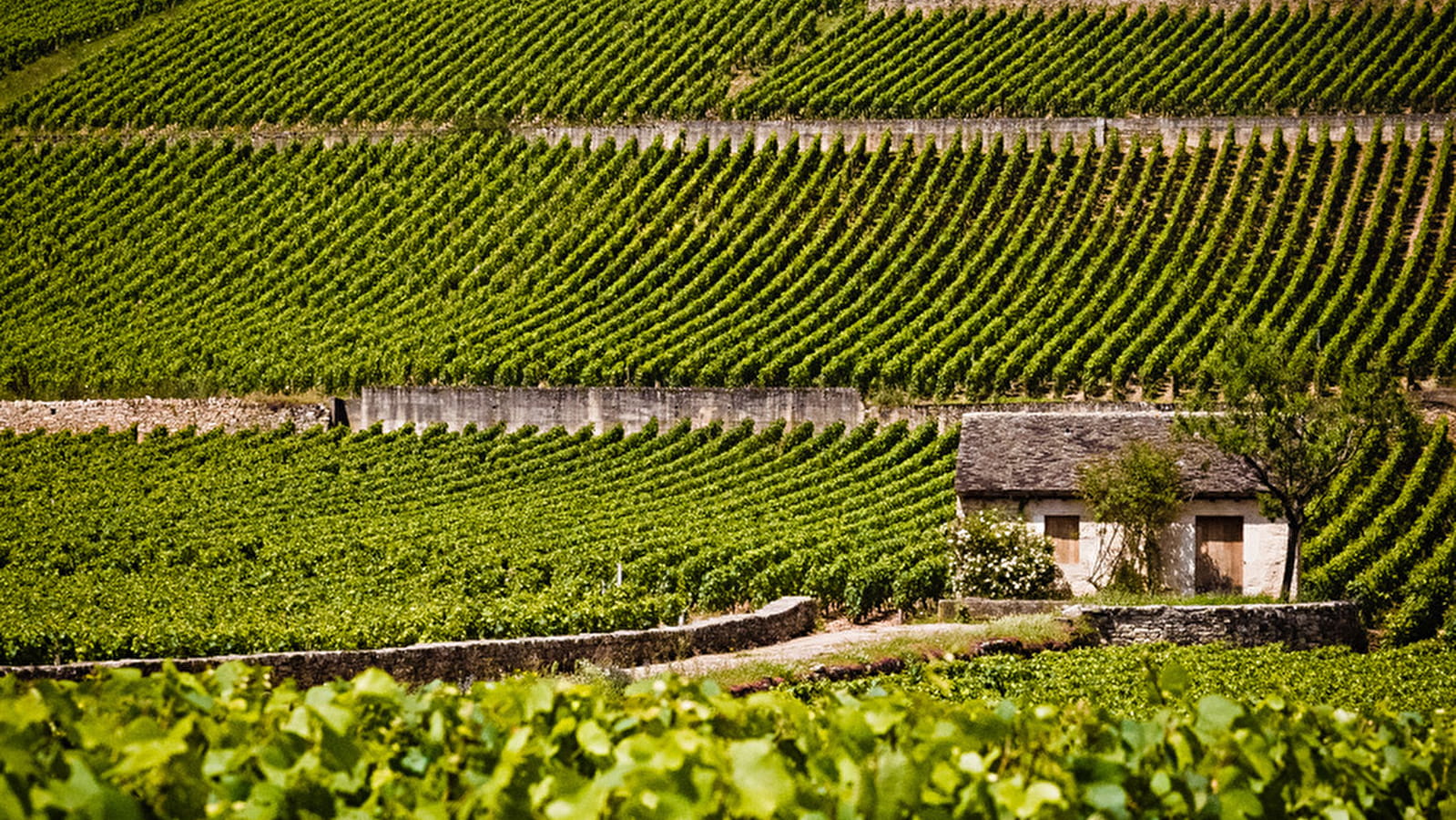
Burgundy's negociant system, a commercial architecture distinct from the small-holding domaine model, developed as a response to the region's extreme vineyard fragmentation and has shaped the trade structure of fine Burgundy since the eighteenth century. The negociant house buys grapes, must, or finished wine from contract growers and independent vignerons, then ages, bottles, and distributes under the house name rather than under the vineyard owner's label. The model permits scale and consistency that few Burgundy domaines can achieve independently: a negociant may bottle thirty or forty appellations in a single vintage from parcels too small for any single vigneron to farm profitably. Bouchard Père & Fils, founded in 1731 and operating continuously from Beaune since that date, is among the oldest of the great Burgundy negociant houses and remains one of the largest landholders in the Côte d'Or, with 130 hectares under ownership, a vineyard surface that places it inside the top tier of Burgundy proprietors by total holding and permits the house to bottle both estate fruit and purchased fruit under the same label architecture. The house holds premier cru and grand cru parcels across Beaune, Savigny-lès-Beaune, Volnay, Pommard, Meursault, Puligny-Montrachet, and Corton, and the cellar beneath the Beaune headquarters, vaulted fifteenth-century stonework running several hundred meters beneath the town ramparts, functions as both a working aging facility and as the house's principal trade asset, holding upward of two million bottles in a climate-controlled environment that has remained functionally unchanged since the Renaissance. Frédéric Weber has served as chef de cave and director of winemaking at Bouchard Père & Fils since 2005, inheriting a cellar program shaped by more than two centuries of incremental refinement inside the same physical plant. The house was acquired by Champagne Joseph Henriot in 1995, ending a long period of family ownership but preserving the Beaune facility and the estate vineyard structure intact. Weber's tenure sits inside that post-acquisition technical evolution: the Henriot ownership brought capital investment in sorting tables, temperature-controlled fermentation capacity, and a shift toward earlier picking and shorter oak regimes relative to the house style of the 1980s and early 1990s. The current cellar protocol runs toward whole-cluster fermentation on a portion of the grand cru reds (typically 30 to 50 percent whole cluster for Corton and Beaune Grèves, less for village-level bottlings), indigenous yeast fermentation across the range, and oak aging that favors 228-liter Burgundy pièces with modest new-oak percentages, 25 to 35 percent new for grand cru reds, 15 to 25 percent for premier cru, and as low as 10 percent for village appellations. The white program is handled with similar restraint: Meursault and Puligny premier crus see 20 to 30 percent new oak and are aged on lees with weekly bâtonnage through the first six months, then left static until bottling. The house bottles its own fruit and its negociant fruit through the same cellar, but estate parcels are vinified separately and identified on the label with the phrase 'Domaines du Château de Beaune,' a designation that signals wholly owned fruit rather than purchased must or wine. The estate holdings are concentrated in three appellations: Beaune premier cru (the house owns parcels in Grèves, Teurons, Clos de la Mousse, and Marconnets), Savigny-lès-Beaune premier cru (Lavières), and Volnay premier cru (Caillerets, Taillepieds). The Beaune Grèves parcel is among the house's most historically significant: an estate holding of 3.5 hectares planted to Pinot Noir on mid-slope limestone, farmed organically since 2017, and typically harvested in late September with whole-cluster percentages at the higher end of the house range. The wine is aged for 16 to 18 months in oak, bottled unfined and unfiltered, and released two years after harvest. It sits inside the Beaune premier cru peer set as a structured, high-acid example with firm tannin and a long aging curve, closer in profile to the mid-weight style of Domaine des Croix in Savigny than to the richer, earlier-drinking style that defines much of the negociant output from Maison Louis Jadot or Domaine Albert Bichot. The Volnay Caillerets, a 2-hectare parcel on the upper slope above the village, runs even leaner: whole-cluster fermentation is rare here, oak aging is limited to 15 months, and the wine is typically bottled with lower alcohol (12.5 to 13 percent) than the house norm. It competes directly with Benjamin Leroux's Volnay bottlings and with the Volnay Caillerets from small-holder domaines like d'Angerville and Lafarge, a peer set defined by restraint, high natural acidity, and a refusal to chase ripeness. The white holdings are less extensive but include significant parcels in Meursault Genevrières (0.5 hectares) and Chevalier-Montrachet (0.6 hectares). The Chevalier-Montrachet, planted in 1975 and farmed under organic certification since 2017, is harvested at lower must weights than the house white norm, typically 12.5 to 13 percent potential alcohol, and aged in 30 percent new oak for 14 months before bottling. The wine is released three years after harvest and is priced into the upper tier of Chevalier bottlings, sitting near the output from Domaine de la Romanée-Conti and Domaine Leflaive in the trade peer set. The Meursault Genevrières runs warmer and richer, with higher new-oak percentages (25 to 30 percent) and a longer lees-contact period (eight to ten months with bâtonnage), and is positioned as the house's most accessible premier cru white, a wine that competes with the Meursault Perrières from Maison Joseph Drouhin and with the village Meursault from Coche-Dury and Roulot in the small-holder domaine lane. Negociant program at Bouchard Père & Fils accounts for roughly two-thirds of total annual production, with purchased fruit sourced from contract growers across the Côte de Beaune and Côte de Nuits. The house bottles village-level appellations (Gevrey-Chambertin, Chambolle-Musigny, Vosne-Romanée, Nuits-Saint-Georges) from purchased must and finished wine, as well as a range of premier cru bottlings from appellations where the house owns no estate parcels: Pommard Rugiens, Corton-Charlemagne, Puligny-Montrachet Les Pucelles, and Chassagne-Montrachet Morgeot. The negociant fruit is vinified under the same cellar protocol as the estate fruit, indigenous yeast, modest new-oak percentages, minimal intervention at bottling, but the wines are labeled without the 'Domaines du Château de Beaune' designation and are priced 20 to 40 percent below estate equivalents. The negociant Corton-Charlemagne, sourced from three contract growers in the appellation and aged in 25 percent new oak for 12 months, is released at approximately €80 per bottle on the French wholesale market and competes directly with the Corton-Charlemagne from Drouhin, Jadot, and Bichot, all large negociants working the same commercial tier. The estate Chevalier-Montrachet, by contrast, is released at €250 to €300 per bottle and competes with small-holder domaines rather than with negociant peers. House operates a direct-sales allocation system for estate grands crus and for select premier crus, with priority access granted to long-standing trade accounts and to members of the Bouchard mailing list. The allocation list is not public, but trade buyers report that estate Beaune Grèves, Volnay Caillerets, and Chevalier-Montrachet are typically available only through the house's direct allocation channel and are rarely released to open distribution. The negociant program, by contrast, is distributed widely through the three-tier system in the United States and through traditional wholesale channels in Europe and Asia. The house maintains a tasting room and retail shop in Beaune, open to trade and public visitors daily except Sundays, with cellar tours available by appointment. The retail shop carries the full range of estate and negociant bottlings, with pricing at approximately 20 percent above French wholesale for current-release wines and at secondary-market levels for older vintages held in the house library. Bouchard Père & Fils sits inside the top tier of Burgundy negociant houses by both scale and by critical reputation, alongside Drouhin, Jadot, and Faiveley. The house's estate holdings place it closer to the domaine model than most negociants can claim, the 130-hectare vineyard surface is larger than all but a handful of Burgundy domaines, but the commercial architecture remains that of a negociant: the majority of production is sourced from contract growers, and the house name carries more commercial weight than any single vineyard designation. The cellar program under Weber has shifted the house style toward restraint and toward earlier drinking windows relative to the old-school Burgundy negociant norm, but the wines remain structured and acid-driven compared to the softer, rounder profiles that define much of the modern negociant output in the region. For trade buyers sourcing Burgundy at scale, Bouchard offers a rare combination of reliability, depth of range, and access to grand cru and premier cru fruit that would be difficult to source from small-holder domaines. For collectors and sommeliers building verticals, the estate grands crus, Beaune Grèves, Chevalier-Montrachet, Corton, function as benchmark examples of the appellations and are priced below the peer set from DRC, Leflaive, and Rousseau, though the allocation structure limits open-market availability. The negociant program, by contrast, is widely available and offers a transparent entry point into premier cru Burgundy for buyers who cannot access domaine-bottled equivalents. The house's longevity, nearly three centuries of continuous operation from the same Beaune facility, is itself a trust signal inside the Burgundy trade, and the physical cellar remains one of the region's most significant working assets, both as a storage facility and as a historical reference point for the evolution of Burgundy viticulture and vinification practice over the longue durée. Frequently Asked Questions What is the difference between Bouchard Père & Fils estate bottlings and negociant bottlings? Estate bottlings are labeled 'Domaines du Château de Beaune' and are produced exclusively from the house's 130 hectares of owned vineyards across the Côte d'Or. Negociant bottlings are sourced from contract growers and purchased must or wine, vinified under the same cellar protocol, but labeled without the estate designation. Estate bottlings are priced 20 to 40 percent above negociant equivalents and are typically available only through the house's direct allocation channel for grands crus and select premier crus. How does Bouchard Père & Fils' winemaking style compare to other large Burgundy negociants? The house runs toward restraint and high acidity relative to the modern negociant norm. Whole-cluster fermentation on grands crus, modest new-oak percentages (25 to 35 percent for estate reds, 10 to 25 percent for negociant reds), and early picking produce structured, acid-driven wines with firm tannin and long aging curves. The style sits closer to mid-weight domaine-bottled Burgundy than to the richer, softer profiles that define much of the output from Jadot and Bichot. Where can I purchase Bouchard Père & Fils wines? Negociant bottlings are distributed widely through three-tier wholesale in the United States and through traditional wholesale channels in Europe and Asia. Estate grands crus and select premier crus (Beaune Grèves, Volnay Caillerets, Chevalier-Montrachet) are available primarily through the house's direct allocation list, with limited open-market release. The house maintains a retail shop in Beaune open to trade and public visitors daily except Sundays, carrying the full range of estate and negociant bottlings at approximately 20 percent above French wholesale for current releases. What is the aging potential of Bouchard Père & Fils estate reds? Estate premier crus and grands crus are structured for long aging curves. Beaune Grèves typically peaks at 10 to 15 years after harvest, Volnay Caillerets at 8 to 12 years, and Corton at 12 to 20 years. The house's modest new-oak percentages and whole-cluster fermentation on grands crus produce firm tannin structures that require extended bottle age to soften. Negociant reds run earlier-drinking, with peak windows at 5 to 10 years for premier crus and 3 to 7 years for village appellations.
Know before you go
- Dress code
- smart_casual
- Reservations
- appointment_only
- Parking
- street
Address
15 Rue du Château, 21200 Beaune
Beaune · Burgundy
How it compares
- Cuisine
- Pinot Noir, Chardonnay
- Price
- $$$
- Awards
- 1 recognition
- Notes
- Beaune
- Cuisine
- Pinot Noir, Chardonnay
- Price
- $$$
- Awards
- 1 recognition
- Notes
- Beaune
- Cuisine
- Pinot Noir
- Price
- $$$
- Awards
- 1 recognition
- Notes
- Volnay
- Cuisine
- Pinot Noir, Chardonnay
- Price
- $$$
- Awards
- 1 recognition
- Notes
- Beaune
- Cuisine
- Pinot Noir, Chardonnay
- Price
- $$$
- Awards
- 1 recognition
- Notes
- Beaune
- Cuisine
- Pinot Noir, Chardonnay
- Price
- $$$
- Awards
- 1 recognition
- Notes
- Beaune