Made ByWinery
- Michelin 1 Grape · 2026
- Pearl 2 Star Prestige · 2025
The Sunday letter
Find new places through the people who run them.
Our Sunday email brings you the chefs, winemakers and hoteliers behind our newest stories. See a sample before you subscribe.
See a sample of the Sunday emailOne email a week. Unsubscribe from any issue.
Meursault's white Burgundy tradition sits inside a narrow technical corridor defined by controlled-malolactic fermentation, judicious lees-stirring regimes, and oak programs that privilege integration over extraction. The village's premiers crus have been shaped by a small number of multi-generational domaines whose cellar protocols were codified in the 1970s and 1980s and have remained largely stable since. Domaine Bernard-Bonin, established by Nicolas Bernard and Véronique Bonin with their first independent vintage in 1998, operates inside that technical frame but reflects the 1990s-era shift toward lower-sulfur viticulture and extended lees contact that distinguished a cohort of younger Meursault vignerons from the cooperative-volume producers who had dominated the appellation in the prior generation.
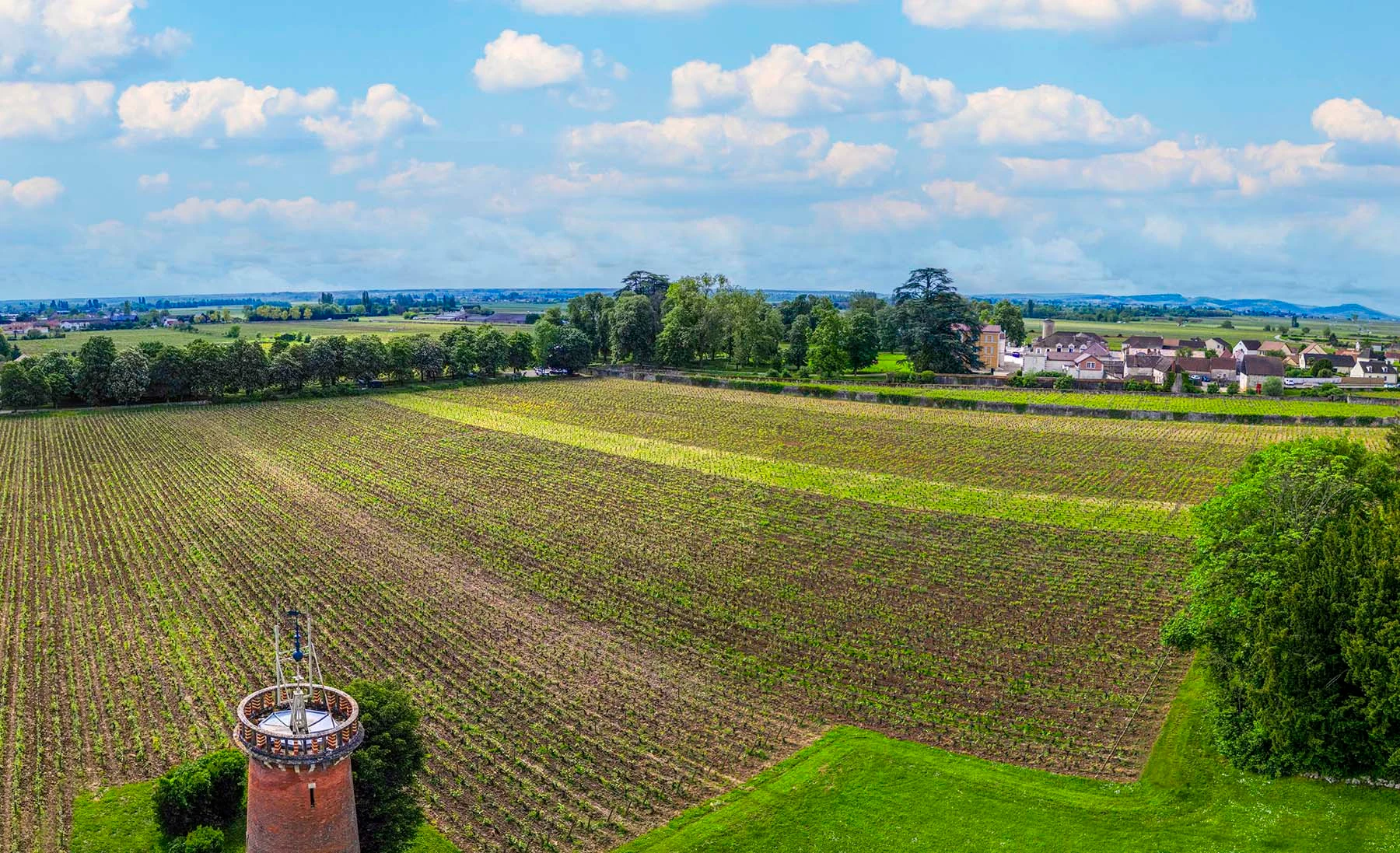
Nicolas Bernard took over family holdings that had been farmed under contract-grower arrangements for several decades before his first estate-bottled vintage. The transition from bulk-grape sales to estate bottling in the late 1990s placed the domaine inside a broader Burgundy pattern: a generation of vignerons who assumed family parcels at the same moment that international fine-wine markets began absorbing Meursault allocation at price multiples previously reserved for the grands crus of Puligny-Montrachet and Chassagne-Montrachet. The domaine's holdings are concentrated in village-level Meursault and a small parcel of Puligny-Montrachet premier cru, a distribution pattern typical of mid-tier Côte de Beaune family domaines that lack the capital or historical inheritance to hold significant grand cru acreage.
The domaine's viticulture program follows the low-intervention baseline that became standard among serious Burgundy white-wine producers in the 2000s: no herbicides, manual canopy management, restricted yields through green harvesting, and whole-cluster pressing after hand-harvesting. These are now entry-level practices for any domaine seeking placement on allocation lists in major fine-wine markets, and Bernard-Bonin's adherence to them reflects the technical floor rather than a point of differentiation. The cellar regime is similarly aligned with contemporary Meursault orthodoxy: native-yeast fermentation in 228-liter oak barrels, a proportion of which are new each vintage (typically 20 to 30 percent for village-level Meursault, higher for premier cru holdings), with malolactic fermentation proceeding in barrel and lees contact extending through at least twelve months before racking. The resulting wines sit inside the reductive, high-extract style that defines modern Meursault production and distinguishes it from the lighter, more oxidative Chablis program to the north.
Bernard-Bonin's bottlings are distributed primarily through allocation channels to négociants and importers in Northern Europe and the United States, a distribution structure typical of small Burgundy domaines that lack the scale to maintain open retail distribution. Annual production is modest, likely in the range of 3,000 to 5,000 bottles across all cuvées, though the domaine does not publish precise figures, and the wines appear intermittently on trade lists rather than as standing inventory.
The domaine's premier cru holdings in Puligny-Montrachet represent the highest tier of Bernard-Bonin's production and command pricing that reflects Puligny-Montrachet's stronger market position relative to Meursault village-level bottlings. Puligny-Montrachet premier cru from small-volume producers typically trades at three to four times the price of Meursault village appellation, a premium driven by the grands crus (Montrachet, Bâtard-Montrachet, Chevalier-Montrachet, Bienvenues-Bâtard-Montrachet) that anchor the appellation's reputation. Bernard-Bonin's Puligny-Montrachet cuvée sits inside this pricing architecture as a second-tier offering, accessible relative to the grands crus but positioned above the domaine's own village-level production.
Meursault itself operates under Appellation d'Origine Contrôlée rules that specify Chardonnay as the sole permitted white variety, minimum alcohol levels (typically 11 percent by volume for village-level wines, 11.5 percent for premier cru), and maximum yields of 45 hectoliters per hectare for village-level production. These regulations define the technical floor for any Meursault bottling and distinguish the appellation from adjacent Burgundy villages where yields are permitted to run higher. Bernard-Bonin's compliance with these rules is a baseline requirement for appellation status and does not in itself constitute a point of differentiation within the peer set. What does distinguish the domaine is its position inside the post-1990s cohort of Meursault producers who estate-bottle rather than sell to négociants, a shift that fundamentally altered the appellation's market structure and raised the technical bar for vineyard management and cellar handling.
The domaine's oak sourcing follows the standard Burgundy pattern of French oak from Allier or Nevers forests, air-dried for two to three years before cooperage, with medium-toast barrels preferred over heavy-toast alternatives. This is the Burgundy white-wine baseline and reflects a half-century of consensus around oak's role in Chardonnay production: barrels are fermentation and élevage vessels rather than flavor-addition tools, and the integration of wood tannins into the wine's structure is prioritized over overtly oaked sensory profiles. Bernard-Bonin's oak regime does not deviate from this consensus, and the resulting wines express Chardonnay varietal character and terroir-driven minerality rather than oak-derived vanilla or spice notes.
The domaine's lees-contact protocol, bâtonnage, or lees stirring, at intervals during the first six to eight months of élevage, follows the Meursault tradition of moderate intervention to build mid-palate texture without excessive phenolic extraction. Bâtonnage frequency varies by vintage and by cuvée, with premier cru holdings receiving more frequent stirring than village-level wines, a stratification that reflects both the higher extract potential of premier cru fruit and the higher price points those wines command. This is standard practice across Meursault and does not represent a technical departure from the broader Côte de Beaune white-wine program, but it does require skillful timing: over-stirring can lead to reductive off-flavors, while under-stirring leaves the wine thin and unstructured. Bernard-Bonin's execution of this protocol is competent within the peer set, producing wines that show the characteristic Meursault richness without the sulfur-driven reduction faults that occasionally mar lesser producers' bottlings.
Domaine's vineyard holdings are farmed under lutte raisonnée, a French viticultural designation that translates roughly to 'reasoned struggle' and sits between conventional chemical viticulture and certified organic or biodynamic programs. Lutte raisonnée permits the use of synthetic inputs where necessary but restricts their application to specific circumstances, typically pest pressure or disease outbreaks that cannot be managed through cultural practices alone. This is a pragmatic middle path common among Burgundy producers who lack the financial cushion to absorb the yield losses that can accompany full organic conversion, and it reflects the economic realities of small-scale viticulture in a region where land prices are prohibitively high and vineyard holdings are fragmented across multiple parcels. Bernard-Bonin's adoption of lutte raisonnée places the domaine inside the mainstream of contemporary Burgundy viticulture rather than at the vanguard of organic or biodynamic practice.
Domaine's fermentation temperatures are managed to stay within the 18 to 22 degrees Celsius range typical of barrel-fermented white Burgundy, a temperature corridor that preserves aromatic complexity while allowing for sufficient extraction of texture and weight. This is cooler than the fermentation temperatures used in many New World Chardonnay programs, which often run as high as 24 to 26 degrees Celsius to maximize tropical fruit expression, and it reflects the Burgundy preference for restraint and minerality over overt fruit character. Bernard-Bonin's adherence to this temperature regime is consistent with the broader Meursault peer set and contributes to the wines' characteristic profile of citrus, white stone fruit, and saline minerality rather than pineapple or mango notes.
Domaine's bottling timing, typically 15 to 18 months after harvest for village-level wines, 18 to 24 months for premier cru holdings, follows the standard Burgundy élevage calendar and allows for sufficient lees contact and oak integration before release. Bottling is done without filtration in most vintages, a practice that has become increasingly common among quality-focused Burgundy producers over the past two decades and reflects a broader shift away from the heavy filtration and fining protocols that were standard in the 1970s and 1980s. Unfiltered bottling preserves texture and aromatic complexity but requires careful cellar hygiene to avoid microbial instability, and Bernard-Bonin's consistent execution of this protocol over multiple vintages indicates a competent cellar-management program.
Domaine's sulfur additions are kept to the lower end of the Burgundy white-wine range, typically 80 to 100 milligrams per liter of free SO2 at bottling, a level that provides sufficient microbial stability without the excessive sulfur character that can mask fruit and mineral expression. This places Bernard-Bonin inside the post-2000 low-sulfur cohort but not at the extreme low-sulfur or zero-sulfur end of the spectrum occupied by producers like Domaine Arnaud Ente, whose wines often show less than 50 milligrams per liter of free SO2 at bottling and require careful handling in distribution. Bernard-Bonin's sulfur regime reflects a balance between market expectations for clean, stable wines and the contemporary preference for minimal chemical intervention, a balance that characterizes much of the serious mid-tier Burgundy production today.
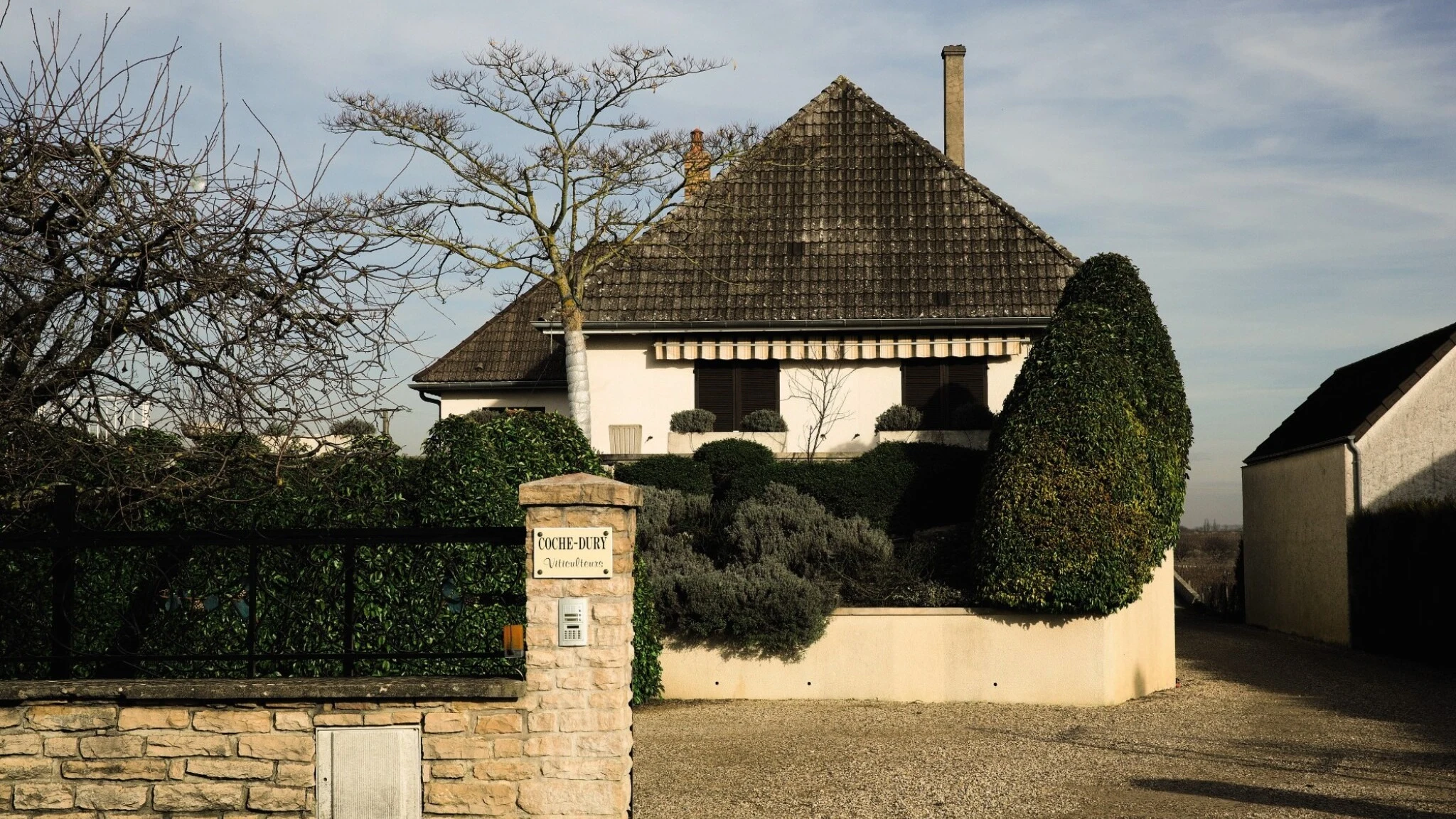
Domaine's pricing structure places village-level Meursault in the €30 to €45 per bottle range at release, with premier cru Puligny-Montrachet commanding €60 to €90 per bottle, figures that reflect the domaine's position inside the serious but not elite tier of Burgundy production. These prices sit below the release prices of canonical Meursault producers like Coche-Dury, whose village-level Meursault can command €150 to €200 per bottle on allocation, but above the cooperative-volume wines that represent the majority of Meursault production by volume. Bernard-Bonin's pricing reflects the domaine's post-1990s founding date and its limited track record relative to multi-generational domaines, as well as the modest scale of its holdings and the absence of grand cru parcels in its portfolio.
Domaine's market presence is strongest in Northern European markets, particularly Belgium and the Netherlands, where allocation channels for small Burgundy domaines are well-established and fine-wine buyers have a high tolerance for the vintage-to-vintage variation that characterizes low-intervention viticulture. The domaine's presence in the United States is more limited, with only a handful of importers carrying the wines and distribution concentrated in major coastal markets rather than broad national coverage. This distribution pattern reflects the broader economics of small Burgundy importation, where high per-bottle costs and limited production volumes restrict market reach to the most developed fine-wine retail and restaurant channels.
Domaine's vineyard management includes cover-cropping between rows to promote soil health and biodiversity, a practice that has become standard among quality-focused Burgundy producers over the past two decades and reflects the influence of organic and biodynamic viticulture on the broader appellation. Cover crops, typically a mix of grasses and legumes, reduce erosion, fix nitrogen, and support beneficial insect populations, all of which contribute to long-term vineyard health and resilience. Bernard-Bonin's adoption of cover-cropping is consistent with contemporary leading practices and indicates a long-term view of vineyard stewardship rather than a focus on maximizing short-term yields.
Domaine's relationship with négociants is limited, with the vast majority of production sold under the domaine label rather than in bulk to merchant houses. This reflects the broader shift in Burgundy over the past three decades toward estate bottling, a shift driven by rising fine-wine prices and the premium that allocation-list buyers place on domaine-bottled wines over négociant blends. Bernard-Bonin's commitment to estate bottling from its founding vintage forward placed the domaine inside this trend at its inception, and the domaine has maintained that structure consistently across all vintages since 1998, a continuity that has allowed the domaine to build a modest but stable reputation inside the Meursault peer set.
Questions
Frequently asked
Who works at Domaine Bernard Bonin?
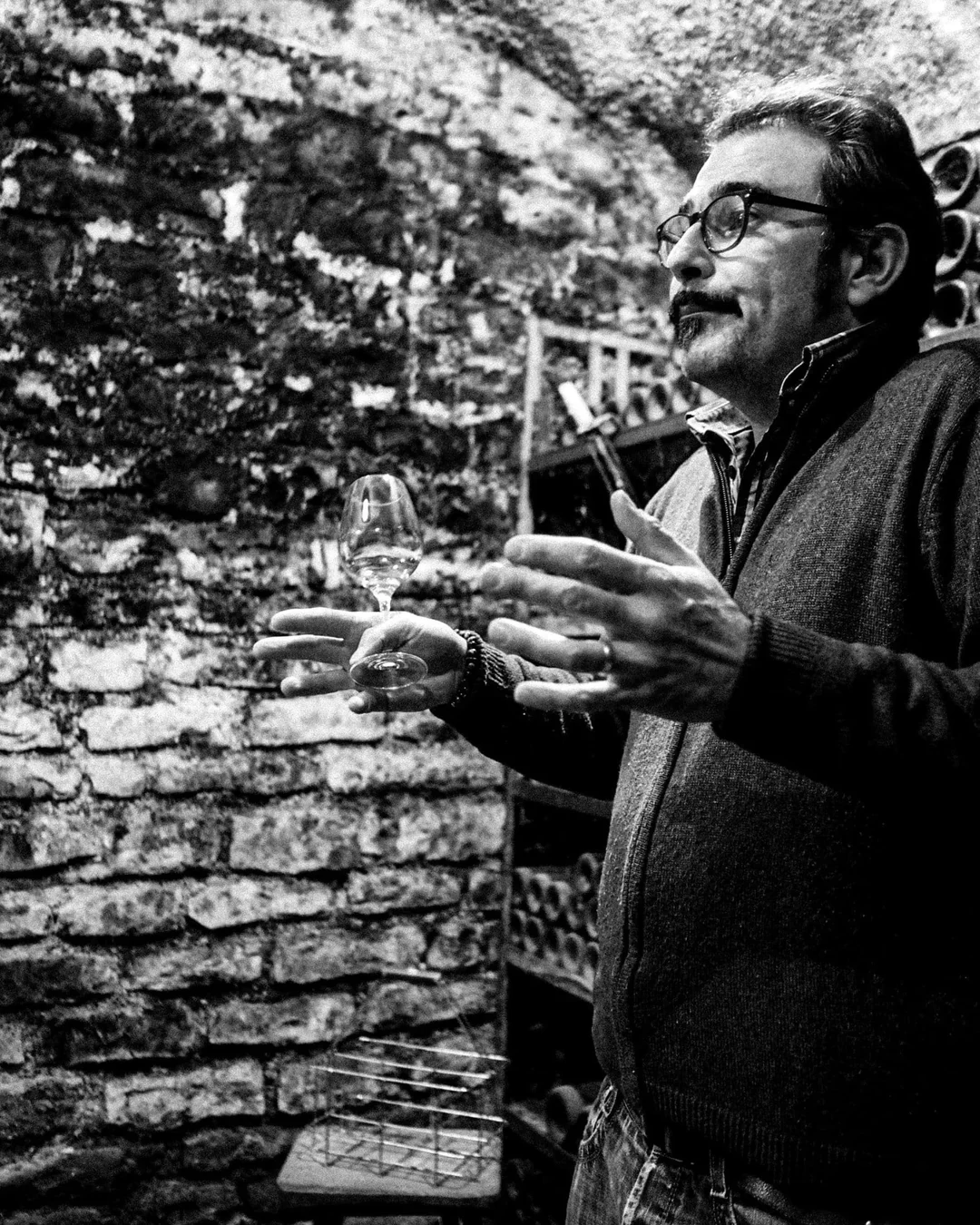
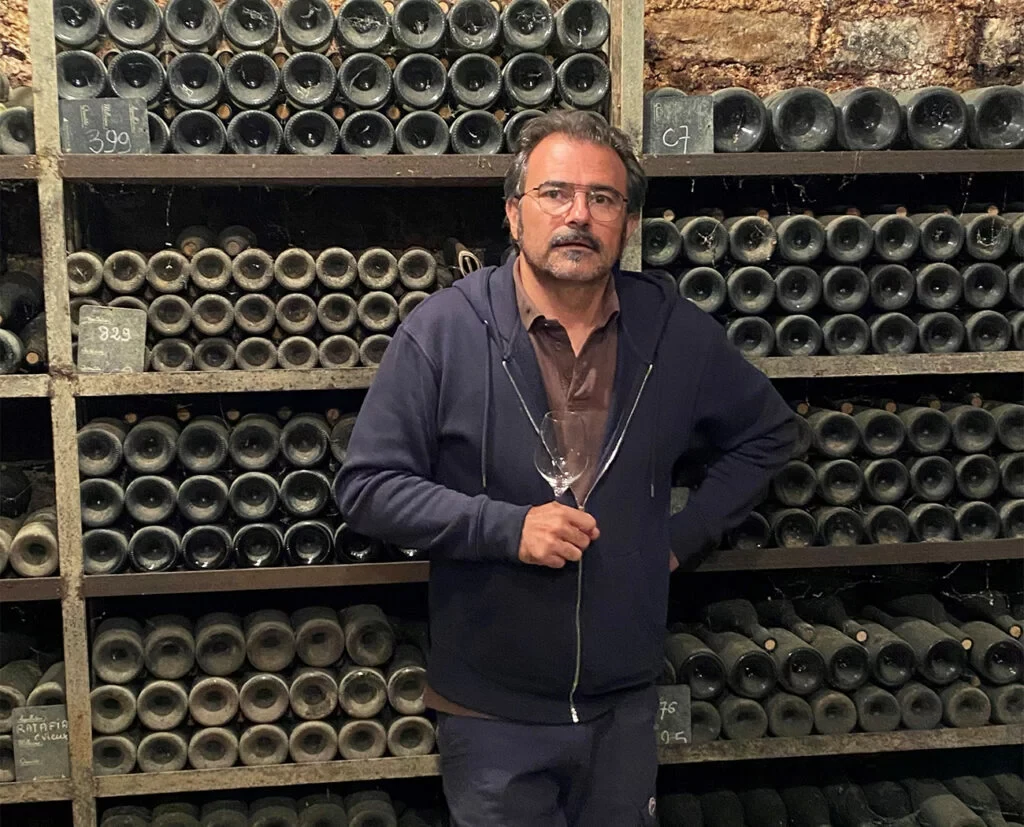
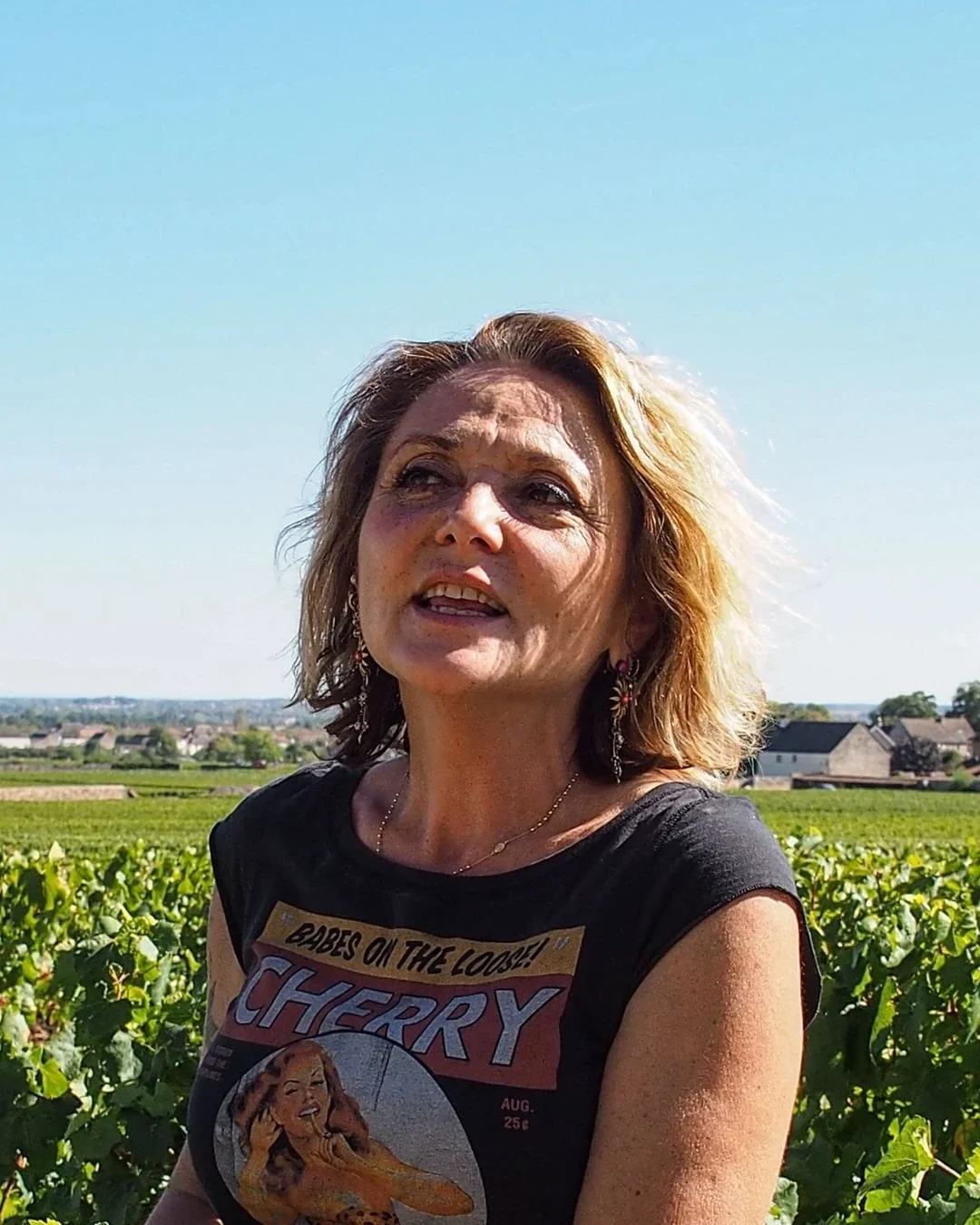
Made By profiles Nicolas Bernard (Winemaker) and Véronique Bernard Bonin (Winemaker) at Domaine Bernard Bonin.
How expensive is Domaine Bernard Bonin?
Domaine Bernard Bonin is listed at a price level of $$$.
The field
How it compares
| Place | Notes |
|---|---|
| Domaine Bernard Bonin | Meursault, $$$ |
| Domaine Arnaud Ente | Meursault |
| Domaine Coche-Dury | Meursault |
| Domaine des Comtes Lafon | Meursault |
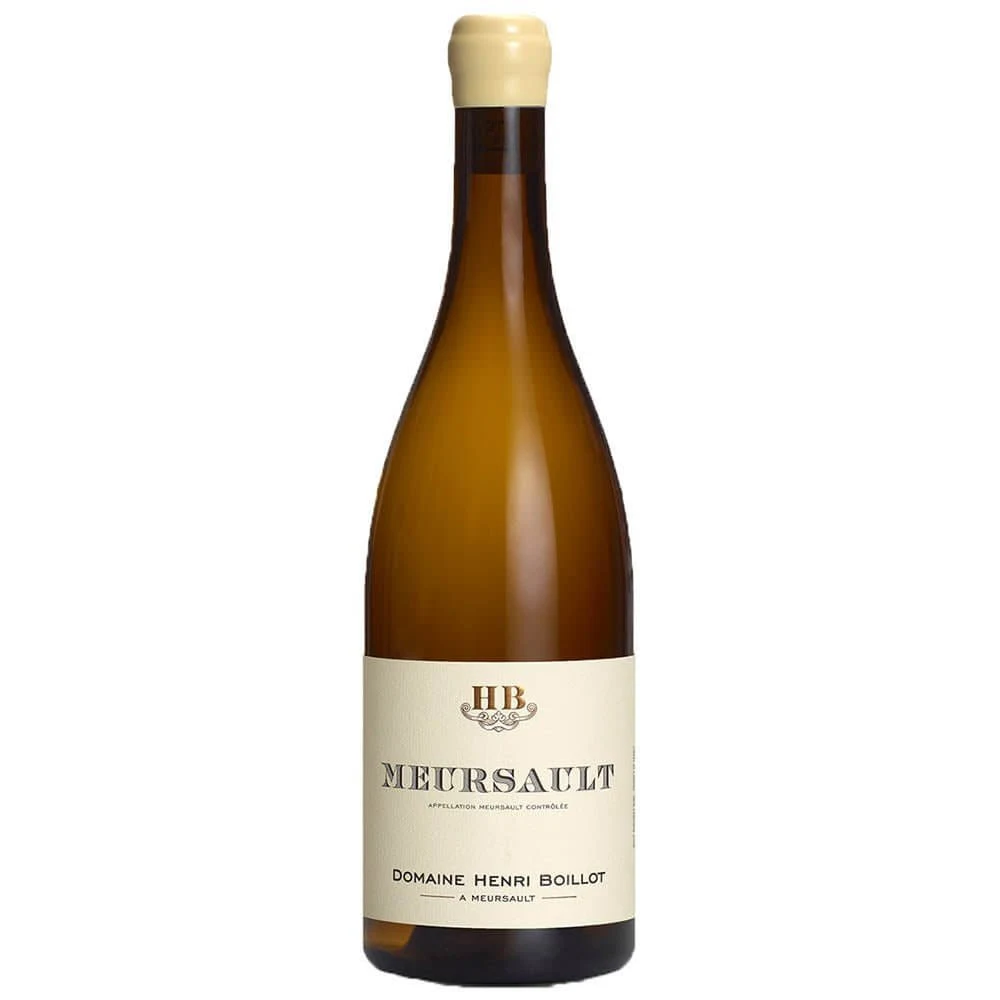
| Domaine Henri Boillot | Meursault |
| Domaine Jacques Prieur | Meursault |
| Domaine Roulot | Meursault |
In residence
Similar places
The Sunday letter
Get the next Made By story in your inbox.
We send one email every Sunday morning with the places and people we covered that week.
See a sample of the Sunday emailOne email a week. Unsubscribe from any issue.