Winemaker
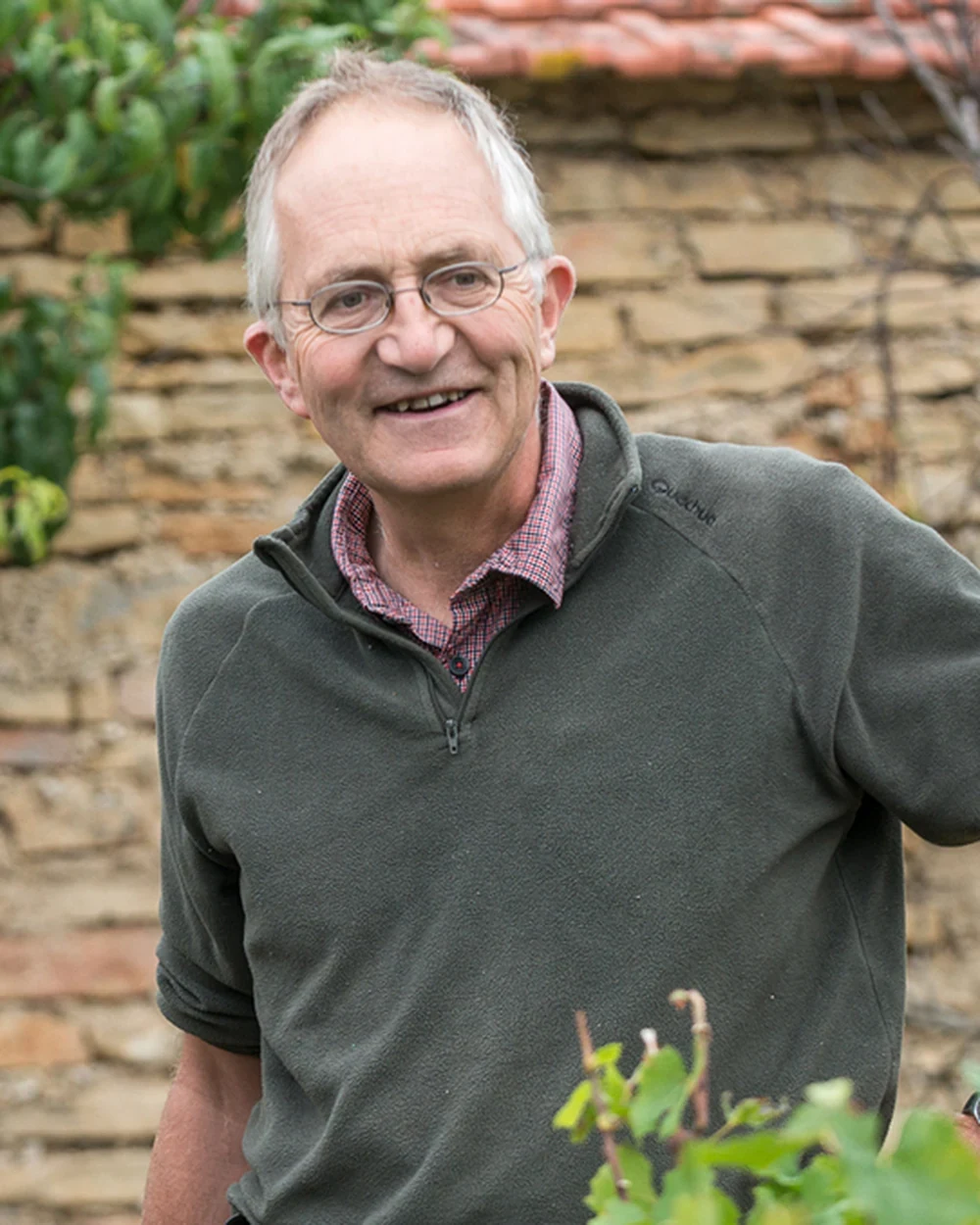
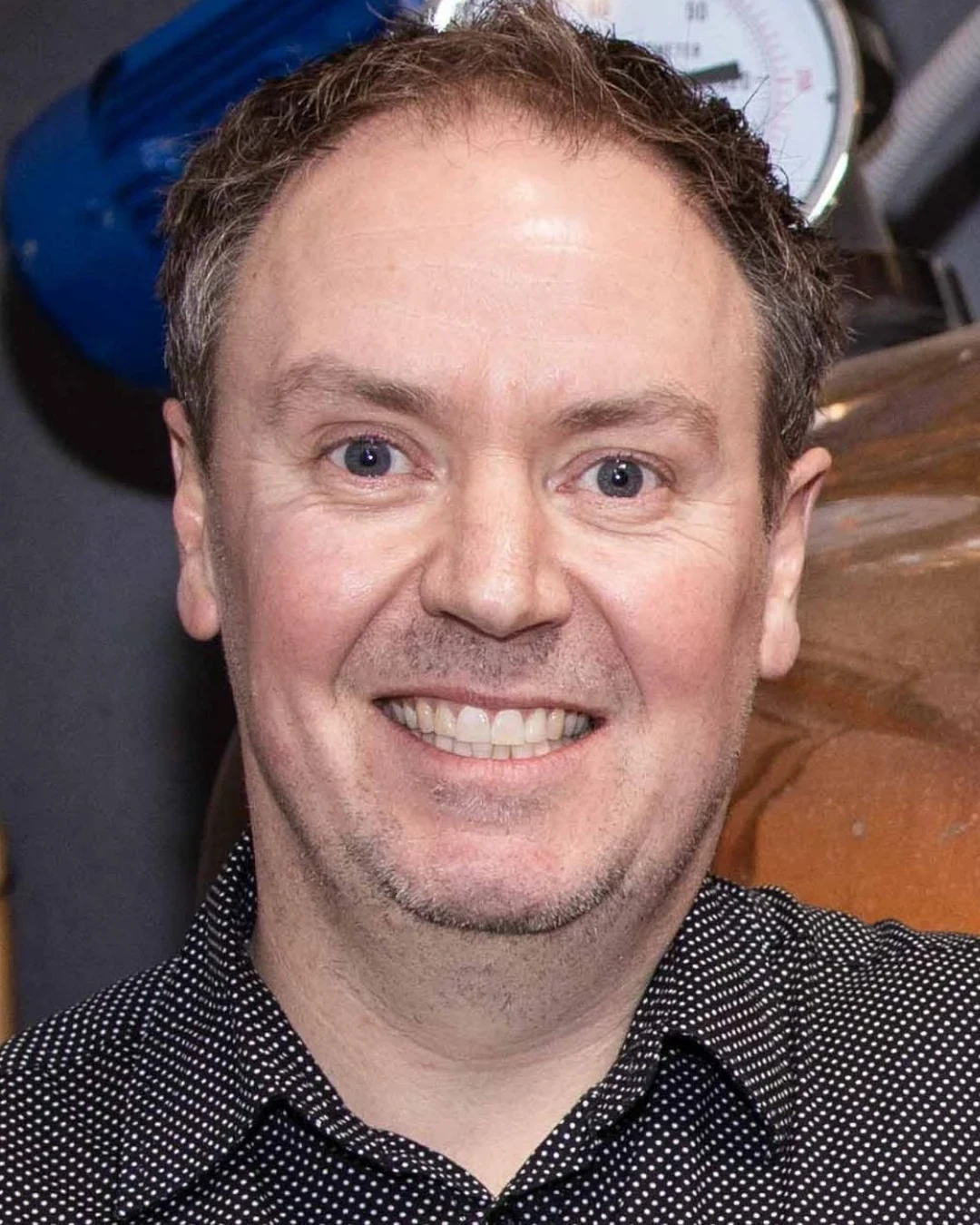
Frédéric Lafarge
- Discipline
- Winemaker
- Based in
- Volnay, France

i. Biography
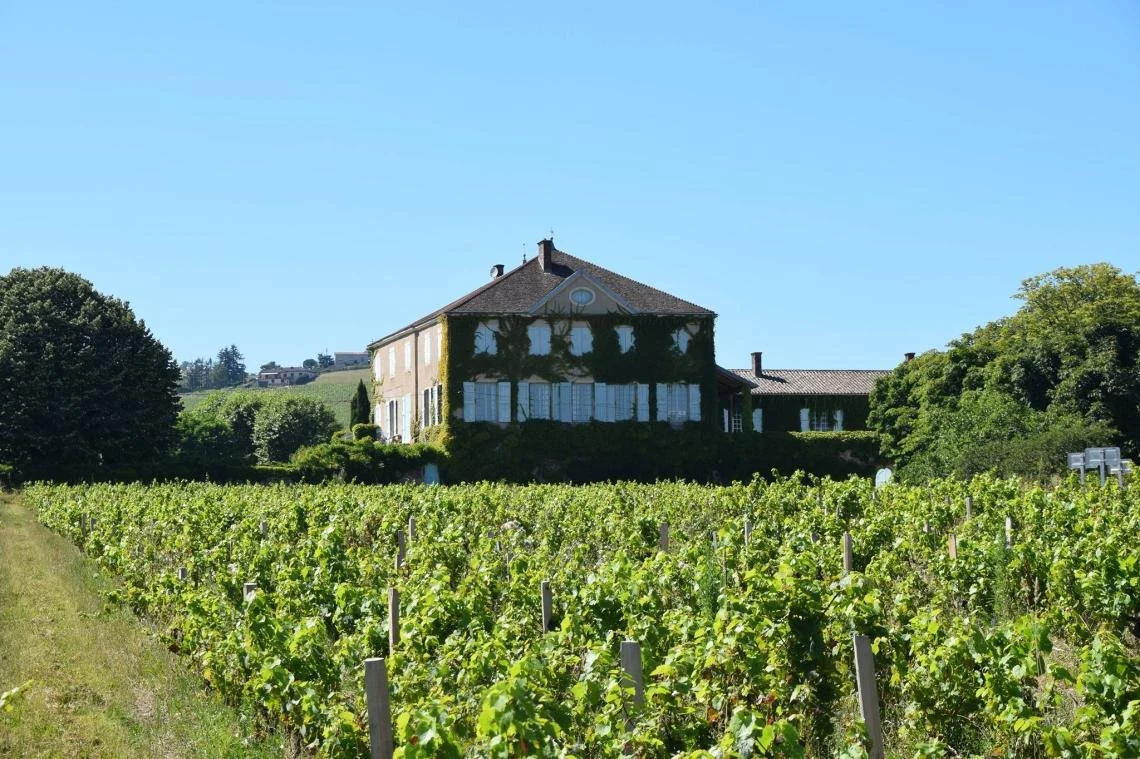
The contemporary estate at Domaine Michel Lafarge in Volnay, France, is directed through accumulated cellar and vineyard decisions rather than display. In Frédéric Lafarge's work, that standard runs from joining his father in 1978 at the family domaine to the creation of Domaine Lafarge-Vial in Fleurie, Beaujolais, with Chantal Lafarge in 2014. The working principle is consistent: discipline in shaping the wine, restraint in handling it, and a cellar role that clarifies rather than covers the material.
The Ascent
Winemaking at Domaine Michel Lafarge and Domaine Lafarge-Vial depends on continuity as a practical discipline. In Frédéric Lafarge's current titles as winemaker of both domaines, the work is expressed through harvest calls, fruit scrutiny, and the decisions that set the terms for how a vintage is carried through the cellar. Volnay asks for control without heaviness. At Domaine Michel Lafarge, Frédéric Lafarge entered that Burgundian framework when he joined his father in 1978, learning within a domaine where authority came from attention to vineyard, cellar, and season. That apprenticeship moved into stewardship without changing the central demand: keep the work close enough to the place that the wine is not redirected by technique. Fleurie gave the same standards another field of application. The establishment of Domaine Lafarge-Vial in Fleurie, Beaujolais, with Chantal Lafarge in 2014 extended the method rather than replacing it: careful farming, measured extraction, and the refusal to let cellar technique override origin.
Present Day
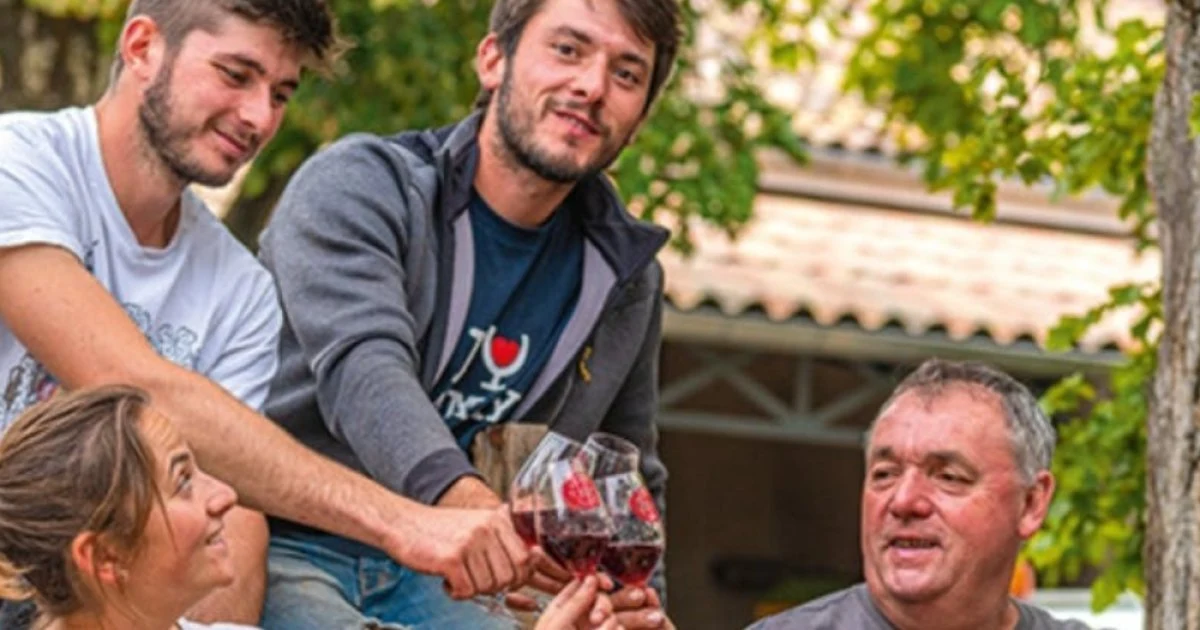
Direction at Domaine Michel Lafarge in Volnay remains tied to the family's Burgundian standard. Frédéric Lafarge also runs Domaine Lafarge-Vial with Chantal Lafarge, while at Domaine Michel Lafarge he works alongside Chantal and their daughter Clothilde, extending that work into Beaujolais while keeping the same preference for clarity, precision, and controlled handling. The cellar protocol at Domaine Lafarge-Vial is built to limit excess intervention. Grapes are hand-harvested and sorted; fermentation uses indigenous yeasts in concrete tanks with typically 15% to 25% whole clusters; extraction is gentle; and the wines age 12 months in used oak barrels and large-format foudres. Each choice sets a boundary: sorting protects the quality of the intake, indigenous yeasts keep fermentation close to the fruit, concrete tanks and measured whole-cluster use avoid overstatement, and used oak barrels with large-format foudres keep élevage from masking the wine. Across Volnay, Fleurie, and Chiroubles, the craft position is legibility of site. Frédéric Lafarge's work is not organized around imposing one mark across regions, but around maintaining enough discipline for each place to carry its own structure and texture.
Peer Recognition
The estate's credentials sit inside a broader working preference for restrained intervention, natural fermentations, limited new oak, and transparent site expression. Certified Demeter organic and biodynamic principles also guide Domaine Lafarge-Vial. Across both estates, the recognition is tied to farming, cellar restraint, and the precision required for Volnay, Fleurie, and Chiroubles to read clearly in the glass.
Profile updated July 2026
FAQ
Asked of Frédéric
What does Frédéric Lafarge currently do?
Frédéric Lafarge is winemaker at Domaine Michel Lafarge in Volnay and Domaine Lafarge-Vial in Fleurie and Chiroubles.
What is Frédéric Lafarge known for?
Domaine Michel Lafarge's red wines are known for ethereal finesse, aromatic complexity, and graceful aging.
What is Frédéric Lafarge's craft?
Winemaking at Domaine Michel Lafarge in Volnay and Domaine Lafarge-Vial in Fleurie and Chiroubles, with cellar protocols built on restrained intervention, indigenous fermentations, measured whole-cluster use, and élevage in used oak and large-format foudres.
Explore
Featured in
Similar Winemakers