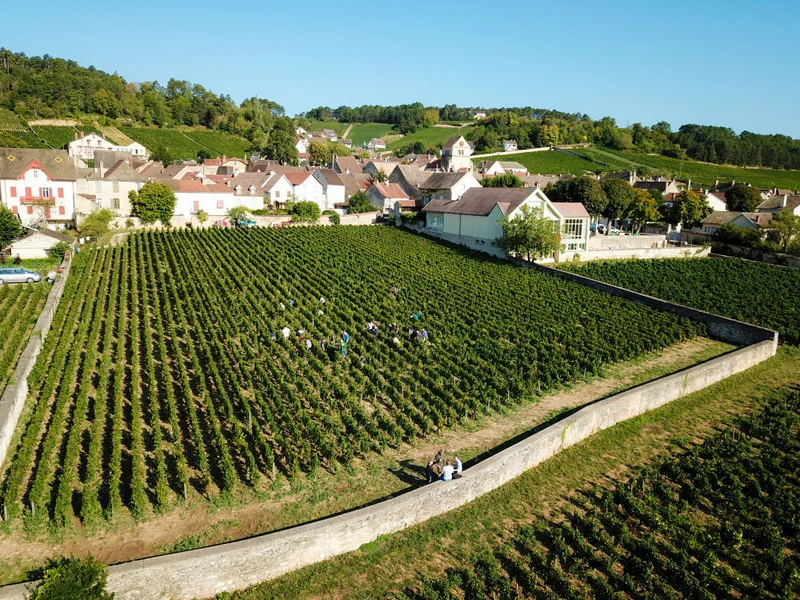
Biodynamic Volnay below stone
- Michelin 1 Grape · 2026
- Falstaff Winery - Listed · 2026
- Pearl 4 Star Prestige · 2025
Cellar decisions under Volnay
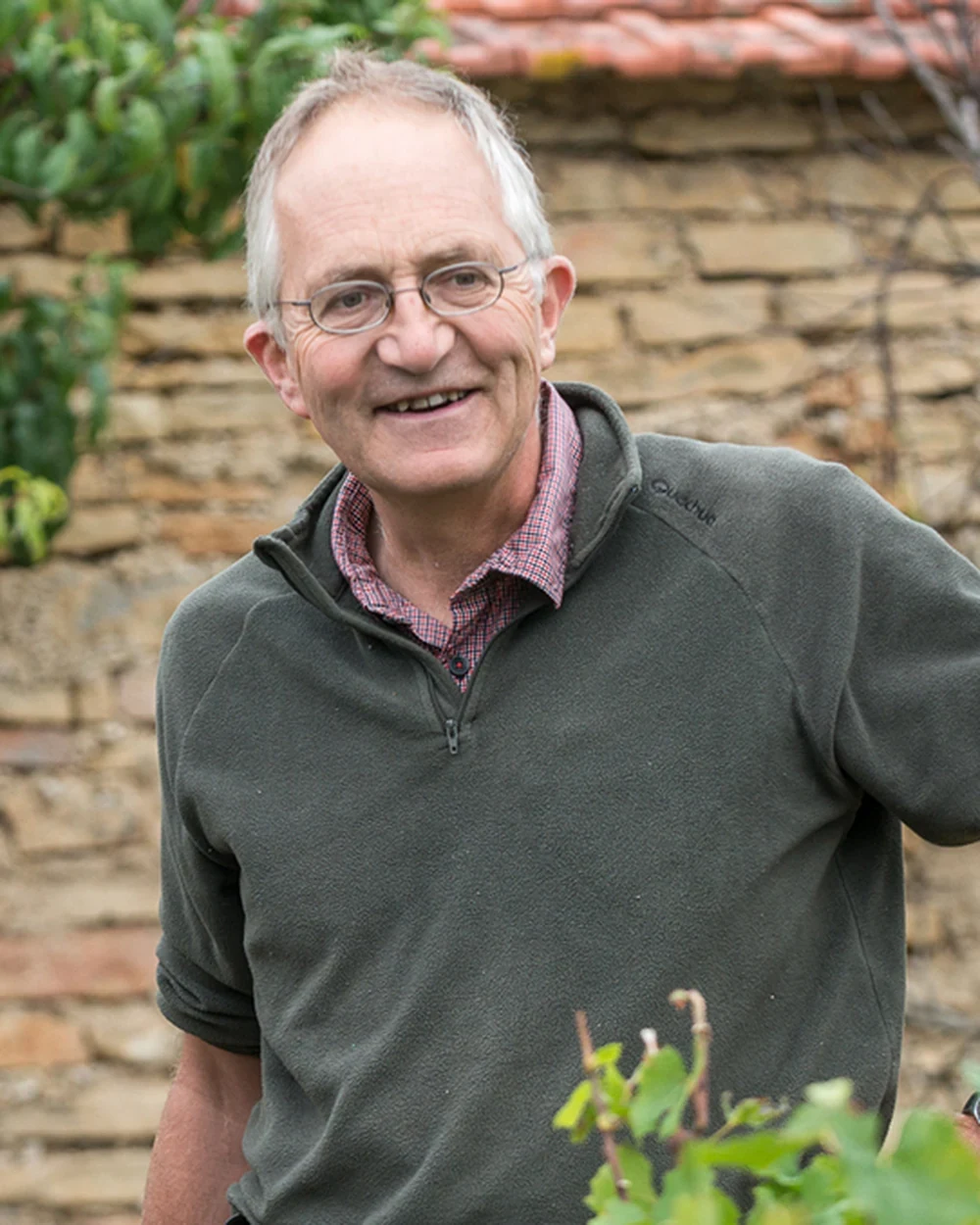
The harvest call reaches the cellar before the fruit does. Frédéric Lafarge, winemaker at Domaine Michel Lafarge in Volnay, keeps that decision close to the bench, where vineyard work and cellar restraint meet without ceremony. He joined his father at the family domaine in 1978, entering a Burgundian apprenticeship in which authority came through season, site, and the repeated judgment of what not to force. The work now sits in his hands as stewardship rather than display.
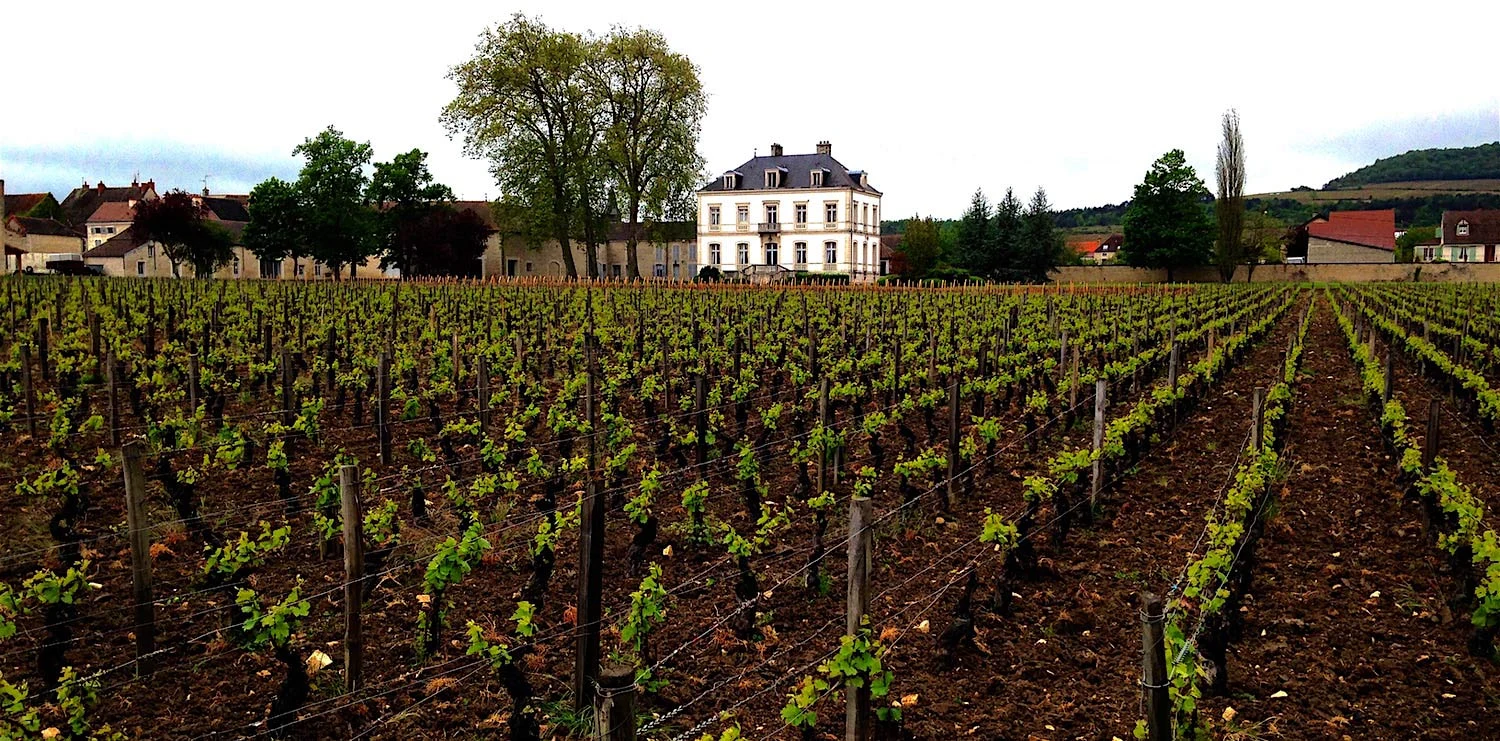
At this address, the discipline is Volnay. The domaine farms on a small scale, 12 ha, under a biodynamic philosophy, and the wines remain tied to Pinot Noir, Chardonnay, Aligoté, and Gamay within a village whose east-facing slopes ask for control without weight. Lafarge also runs Domaine Lafarge-Vial in Fleurie and Chiroubles with Chantal Lafarge, created in 2014, but the Volnay cellar keeps its own pressure on the method. The task is not to impose a family signature across places. It is to let each parcel carry its structure cleanly enough that the cellar clarifies rather than covers.
A monopole carried without excess
The program at Domaine Michel Lafarge is shaped by biodynamic farming, restrained handling, and the patience required by Volnay AOC still red wine. The house works with premier cru material including Clos du Château des Ducs, a monopole that gives the cellar a specific burden: fruit from one enclosed holding must arrive with enough definition that technique does not need to rescue it. Lafarge’s position, stated through the work rather than through noise, is legibility of site.
The scale is small. The farming is biodynamic. The tasting life of the place can move from cave tasting to barrel tasting, which puts the visitor near élevage rather than at a distance from it. In that setting, oak, extraction, and time are not presented as spectacle. They are choices held in check, in service of a wine that should read as Volnay before it reads as cellar work.
The 13th-century cellar below the village
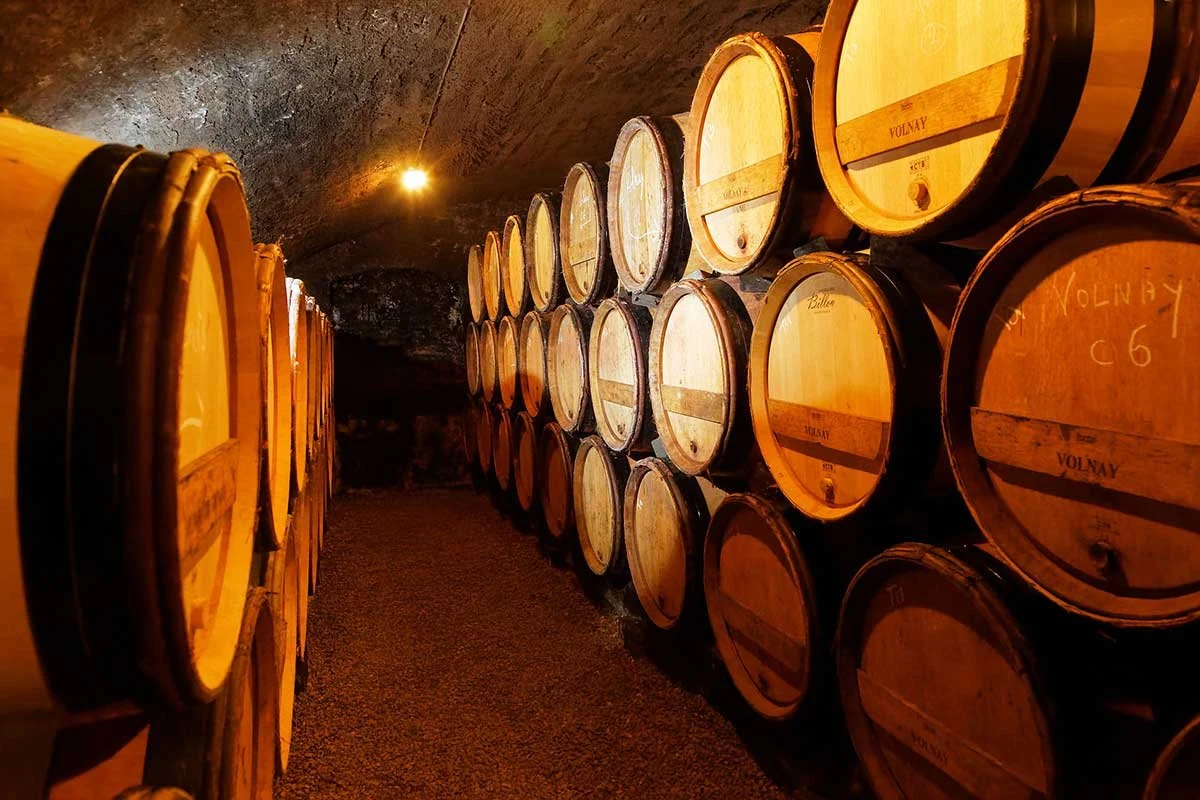
The cellar sits underground in Volnay, reached by elevator, with low ceilings and a dimness that makes the work feel close to the hand. Its history reaches to the 13th-century, when the space belonged to the Dukes of Burgundy, but the room does not need that fact polished. Stone, shadow, barrel, and quiet do the carrying. This is a cellar for listening to ferments and tasting through texture, not for staging the romance of age.
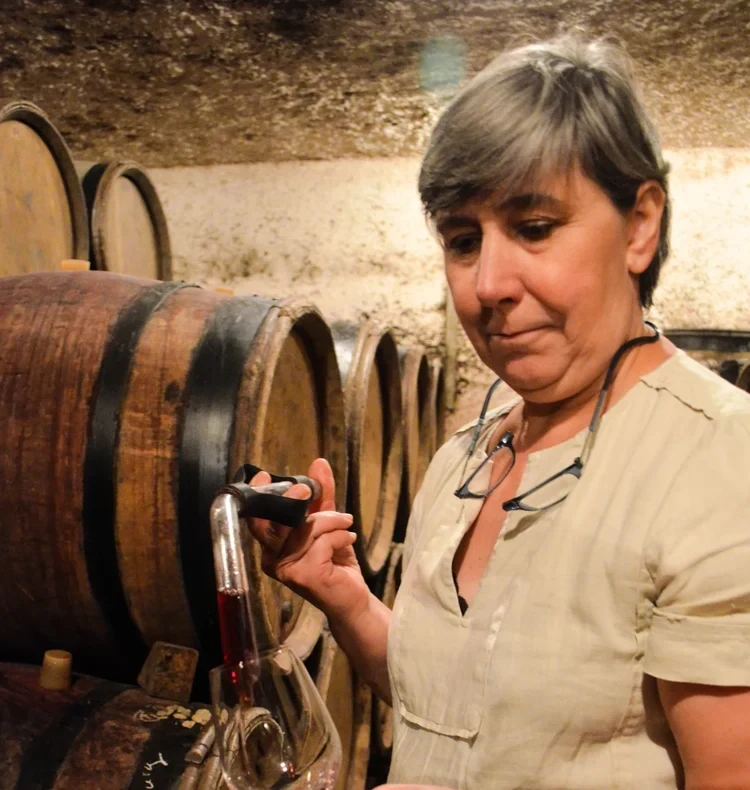
During a cave tasting, the pace belongs to the wine. The village is above; the cellar is cooler, narrower, and more exacting. Barrel tasting here changes the scale of attention, because a sample asks for unfinished judgment rather than verdict. Lafarge’s craft lives in that interval, after farming has set the terms and before bottle has fixed them. The last word belongs to Volnay fruit resting below Domaine Michel Lafarge’s low ceiling.
Questions
Frequently asked
Who makes the wines at Domaine Michel Lafarge?
Frédéric Lafarge is the winemaker at Domaine Michel Lafarge in Volnay, and he joined his father at the family domaine in 1978.
What is the domaine known for?
The domaine farms on a small scale, around 12 hectares, under a biodynamic philosophy, and its work is closely tied to Volnay, with wines from Pinot Noir, Chardonnay, Aligoté, and Gamay.
What can a visit include?
Visits can move from cave tasting to barrel tasting, so the tasting experience can take place close to the cellar work rather than at a distance.
How are visits arranged?
The domaine is appointment only, and street parking is available at the address in Volnay.
The field
How it compares
| Place | Notes |
|---|---|
| Domaine Michel Lafarge | Volnay, $$$ |
| Domaine Bernard & Thierry Glantenay | Volnay |
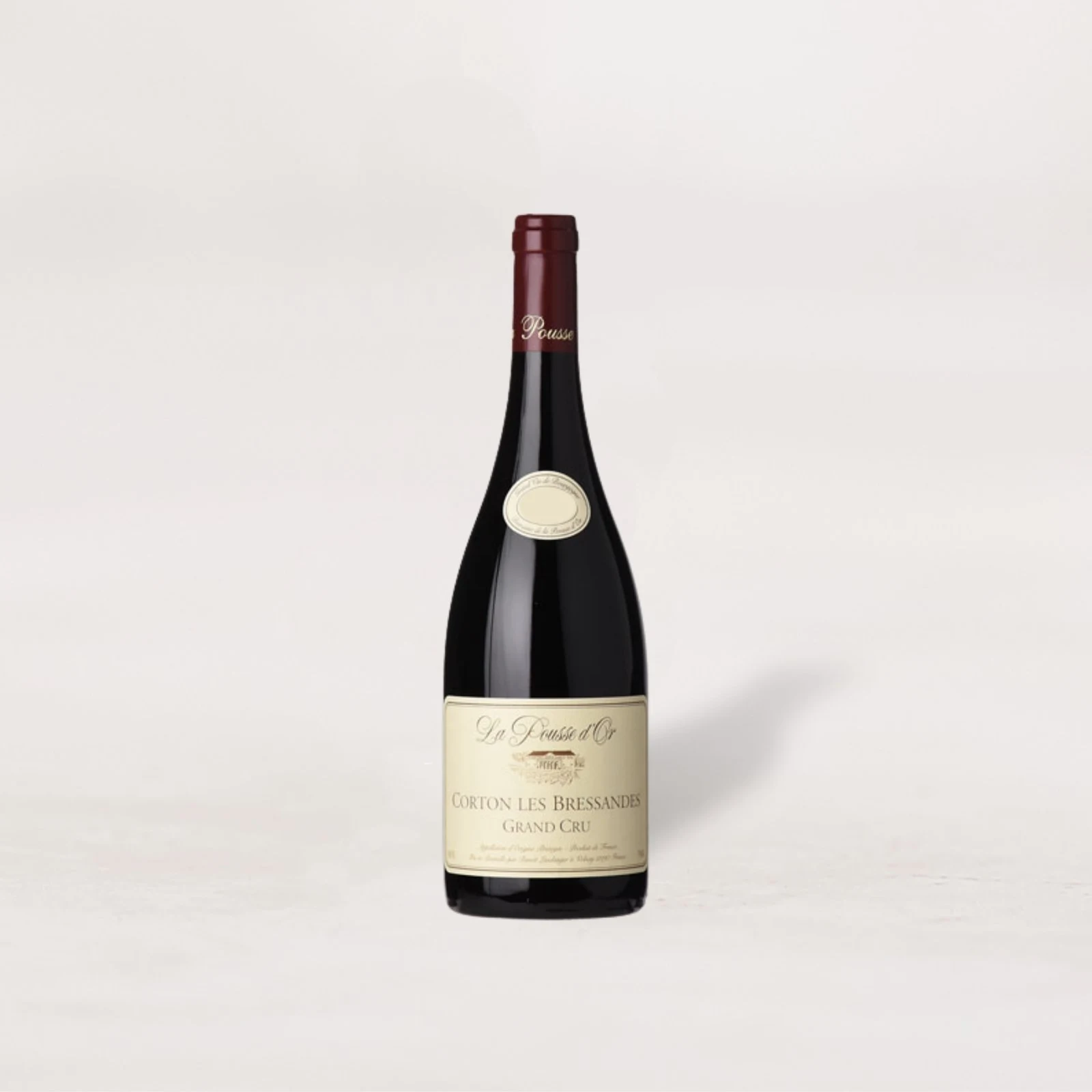
| Domaine de la Pousse d'Or | Volnay |
| Domaine de Montille | Volnay |
| Domaine Joseph Voillot | Volnay |
| Domaine Marquis d'Angerville | Volnay |
| Domaine Thomas Bouley | Volnay |