Winemaker
Jean-Marc Vincent
Winemaker, Domaine Jean-Marc Vincent
- Discipline
- Winemaker
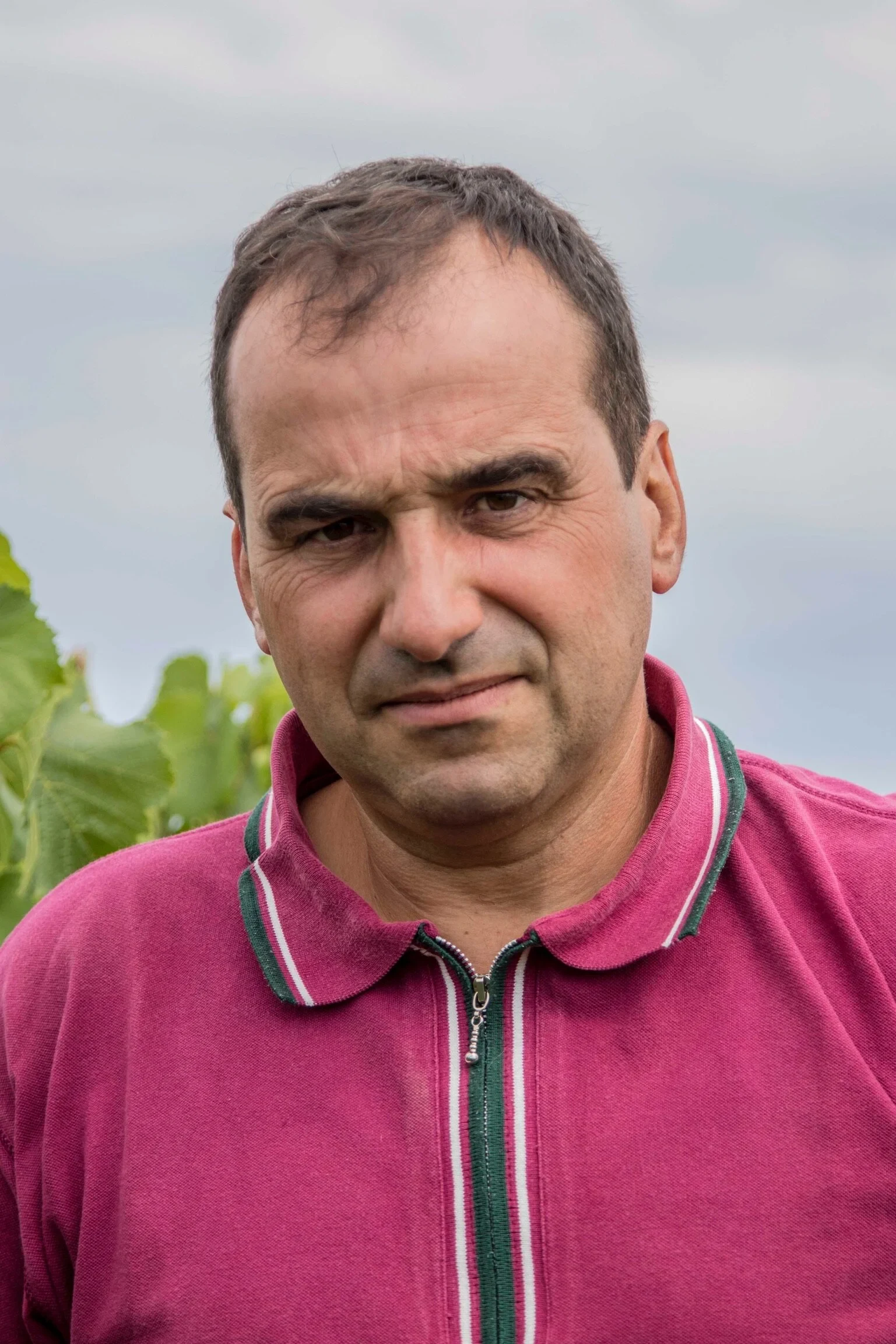
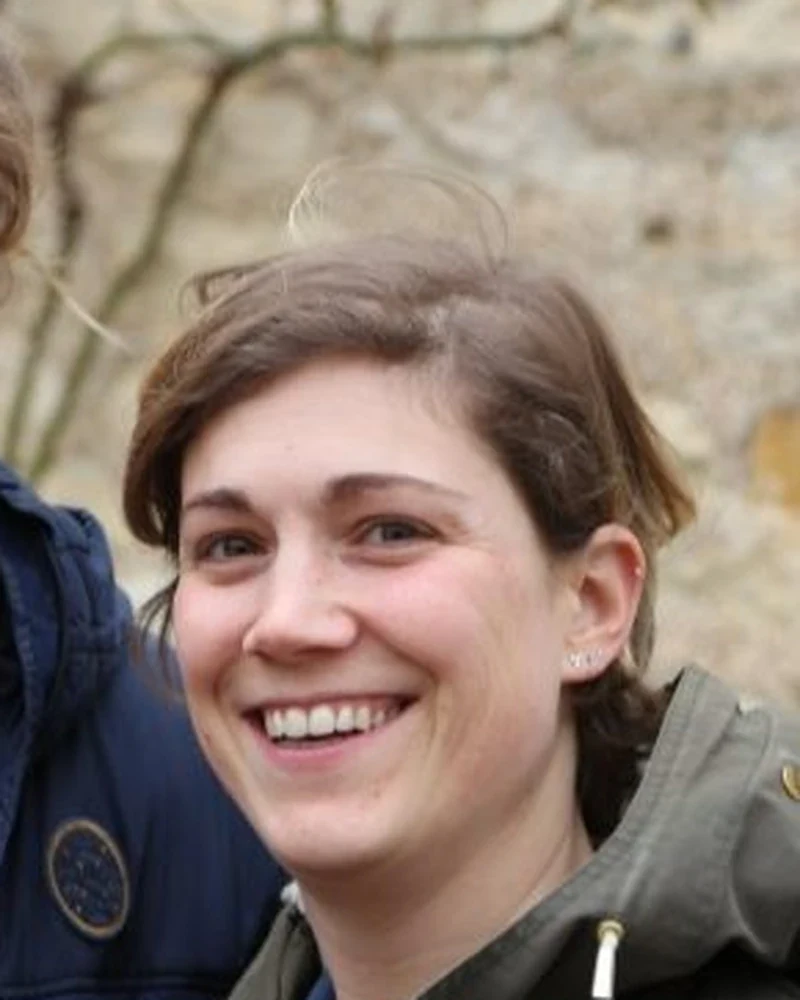
Portrait of Jean-Marc Vincent
i. Biography
The Route
Appellation work depends on daily proximity to growers, parcels, seasons, and the defense of a village name over time. Early in his career, Jean-Marc Vincent served as president at Santenay producers association in Santenay, France, a role that put that local work before him in practical terms. That grounding carries into Domaine Jean-Marc Vincent, where he is co-founder and producer since 1997, and where the home village and Auxey-Duresses are treated as places requiring precision rather than shorthand. Continuity between growers’ association work and domaine work shows in the estate’s emphasis on local fabric. The task is to move fruit from soil to cellar with restraint and close attention, keeping each site readable rather than turning the wines into a house style detached from place.
The Sunday letter
Read Made By's new profiles every Sunday.
Meet the chefs, winemakers and sommeliers behind the places we cover. See a sample below before you subscribe.
See a sample of the Sunday emailOne email a week. Unsubscribe from any issue.
The Work Today
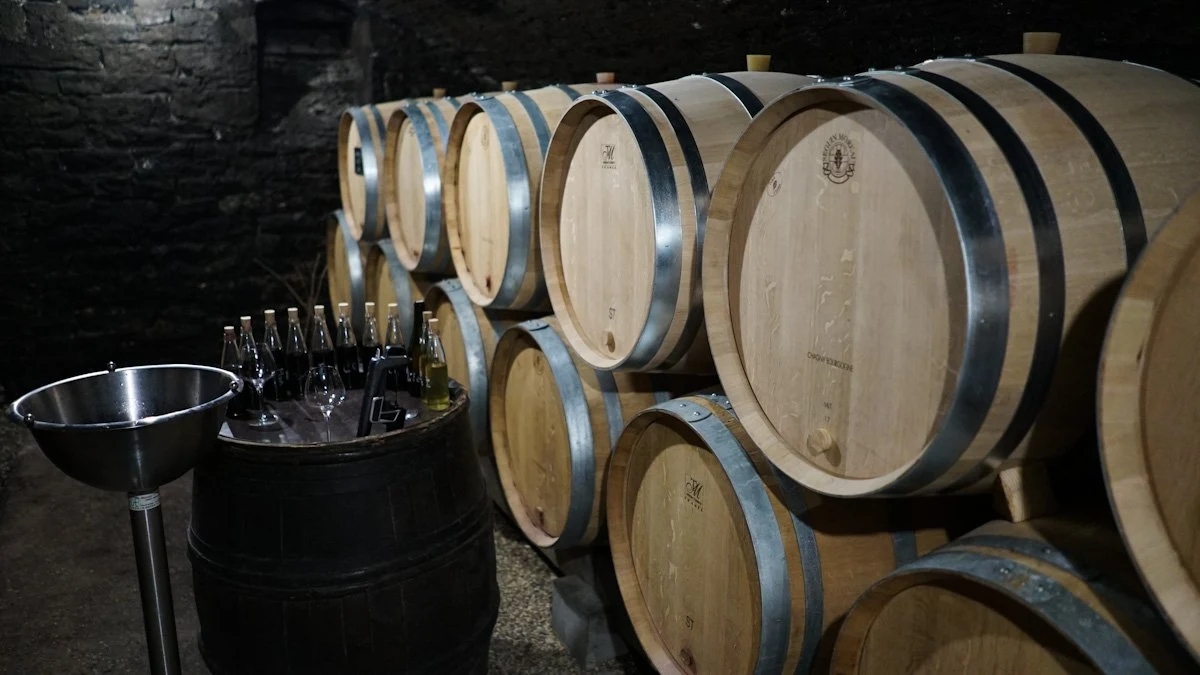
The range is built around wines from the home appellation and Auxey-Duresses: three premier cru reds and two premier cru whites from the former, plus a red and a white Auxey-Duresses. That focus keeps the work inside a defined set of origins while allowing contrast between red and white, village and premier cru, and between individual sites. Vineyard practice is centered on handwork and soil balance. Vincent and Anne-Marie prefer handwork in the vineyard and stopped using heavy tractors; the estate focuses vineyard work on respect for living organisms and soil balance, avoids chemical products and heavy machinery, and maximizes handwork. High-density plantations are central, with some vineyards planted up to 14,000 vines per hectare. Grapes are hand-harvested through several vineyard passes to pick at optimal ripeness, a choice that favors observation and selection over speed. Cellar work is set up to preserve what the vineyard has delivered and avoid altering grape quality, with the stated aim of letting terroirs express themselves. Reds and whites are vinified and aged for as long as possible without sulfites. Whites are slowly pressed, carefully clarified, and fermented slowly in oak barrels in cool cellars; Vincent’s working phrase is direct: “I construct a white like I construct a red.” The point is structural thinking applied to white wine, not a separate or lighter register. Red-wine handling remains conditional on vintage and plot. Reds are partially destemmed depending on vintage and plot, then undergo pre-fermentation maceration and about twenty days of slow, gentle maceration at moderate temperatures. The wines are aged for 18 months in 500- and 600-liter barrels, using both vessel size and time to support structure while keeping the wines tied to their origin.
Career - Co-founder and producer — Domaine Jean-Marc Vincent, Santenay, southern Côte de Beaune, France (1997–present) - President — Santenay producers association, Santenay, France
Acclaim
The wines are characterized by rich, layered fruit, intense expression of individual terroir, and solid structure. The craft position is concentration without heaviness and detail without fragility. Vincent is described as open-minded, willing to try new initiatives and methods, and willing to take advice to improve wine quality—useful traits in a producer working inside tradition without treating it as fixed. The defense of Santenay also involves timing. “It’s a shame that when people see Santenay on the label they think ‘Oh I should drink that in 2-3 years'” The remark points to a trade problem as much as a market one: wines from the appellation are often judged before their structure has had time to show. Vincent’s work argues for Santenay as a source of wines with fruit, structure, and site expression that can be missed when opened too early.
FAQ Where did Jean-Marc Vincent work before? Earlier in their career, Jean-Marc Vincent worked at Santenay producers association. What is Jean-Marc Vincent known for? Santenay and Auxey-Duresses wines, including three premier cru reds and two premier cru whites from Santenay plus a red and a white Auxey-Dure
Explore
In the same rooms
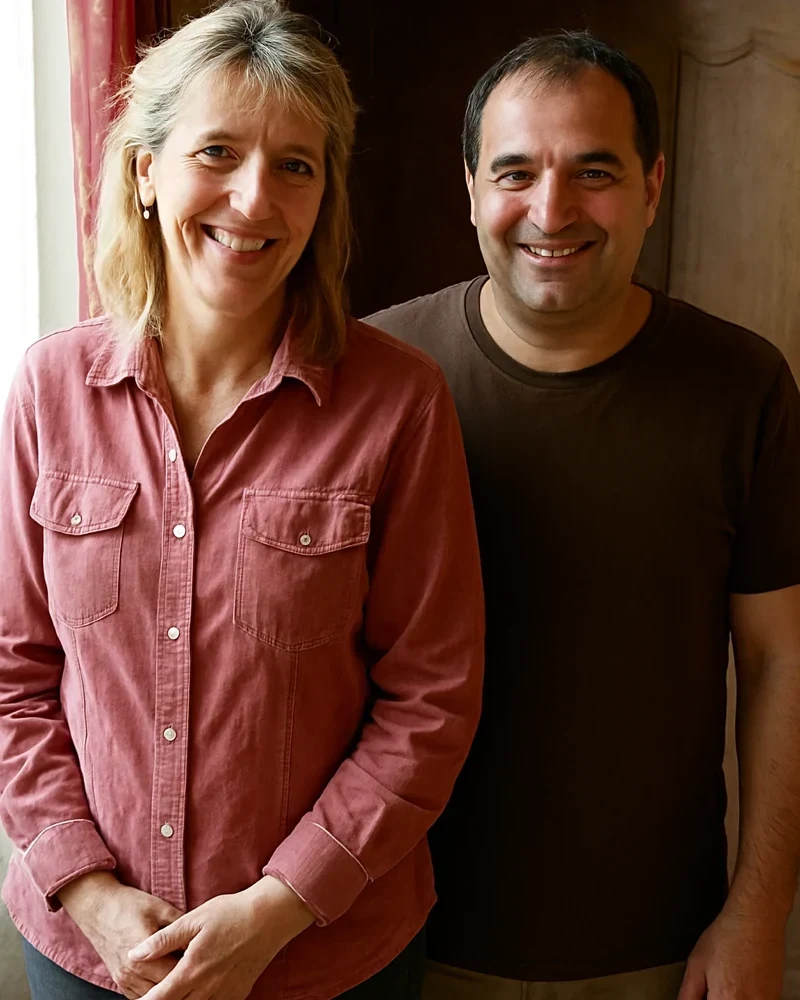
Similar Winemakers

The Sunday letter
Get the next Made By profile in your inbox.
We send one email every Sunday morning with the people we profiled that week.
See a sample of the Sunday emailOne email a week. Unsubscribe from any issue.