- Falstaff Winery - Listed · 2026
Approaching Santenay, Domaine David Moreau belongs to a quieter Burgundy register. The picture is of a small, quality-focused domaine with an artisanal, terroir-driven ethos, the kind of place whose appeal rests on attention and restraint rather than on a highly staged visitor experience. Its appeal is not a polished tourist facility, but an understated setting centered on careful vineyard work and precise, energetic Pinot Noir wines.
For travelers reading Santenay as part of a broader Burgundy itinerary, that restraint is the point. Domaine David Moreau is best understood through its focus on site expression and a classic, low-key atmosphere rather than through claims about visitor formats, vineyard holdings, cellar techniques, or awards. In a region where reputation can easily be flattened into labels and headline names, this is a reminder to look more closely at tone: the way a domaine presents itself, the seriousness of its vineyard language, and the absence of unnecessary spectacle.
Santenay Through a Terroir-Driven Lens
Domaine David Moreau is presented as a small Burgundy domaine in Santenay, with quality and terroir at the center of its identity. The emphasis is on Pinot Noir wines with energy and precision, shaped by careful vineyard work rather than a hospitality concept built for spectacle. That distinction matters, because it points toward a Burgundy experience built around interpretation of place, not around performance. The wines are framed less as luxury objects than as expressions of site, with the domaine’s personality coming through in clarity, restraint, and focus.
Because the available data is limited, specific claims about cuvées, parcel sizes, vine ages, cellar methods, tasting formats, or production scale should be treated cautiously unless confirmed directly with the domaine. What can be said with confidence is that the estate’s public-facing character is classic, understated, and focused on wine rather than tourism polish. This is a useful boundary for travelers: appreciate the domaine for the qualities actually visible in its positioning, and avoid filling in the gaps with assumptions borrowed from other Burgundy addresses.
That makes the domaine most relevant for Burgundy travelers who value quiet detail: the feel of Santenay, the language of Pinot Noir, and an artisanal approach that places vineyard work before branding. It also suits visitors who are comfortable with nuance. The attraction is not the promise of a grand narrative, but the sense of a small producer working within a specific place and allowing that place to carry much of the meaning.
Why the Santenay Context Matters
Santenay gives Domaine David Moreau its frame. Rather than relying on broad claims about Burgundy prestige, the domaine’s identity is local, focused, and rooted in a terroir-driven approach. The atmosphere is not described as grand or theatrical; it is classic and restrained. In practical terms, that means the village context should not be treated as background scenery. It is central to understanding why the domaine reads the way it does: measured, site-conscious, and more concerned with precision than display.
For itinerary planning, it is better to compare Domaine David Moreau with other dining, wine, and travel options in Santenay in general terms rather than attach unsupported specifics. If you are building a day around the village, keep the focus on Santenay itself and confirm practical details directly before visiting. This is especially important for a domaine whose appeal is described through character and ethos rather than through published visitor infrastructure. The right expectation is a thoughtful Burgundy stop anchored in wine culture, not a guaranteed set of amenities.
Within that context, Domaine David Moreau stands out for the kind of Burgundy experience that favors precision, vineyard attention, and understated character over a polished visitor-facing facade. Its relevance is strongest when it is placed among the quieter pleasures of Burgundy travel: attention to village identity, sensitivity to site, and an interest in producers whose seriousness is expressed through the wines rather than through overt presentation.
The Traveler Fit: Burgundy Without the Theatre
This is a fit for travelers who are drawn to small, quality-focused Burgundy domaines and who care about terroir, vineyard work, and Pinot Noir. The tone is artisanal and understated, so expectations should be set around quiet seriousness rather than a luxury hospitality production. Visitors looking for spectacle, extensive interpretation, or a highly polished tourism model may find the description too modest; travelers who enjoy Burgundy at its most focused may find that modesty precisely appealing.
What is clear is the broad character: a Santenay domaine with a careful, terroir-driven ethos and a classic atmosphere centered on precise Pinot Noir. Read on those terms, Domaine David Moreau is not a venue to inflate with unsupported detail, but one to approach with the right kind of attention. Its appeal lies in the disciplined, low-key Burgundy register already present in the description: quality over noise, vineyard work over branding, and a sense of place carried through energetic, precise wines.
Questions
Frequently asked
Who works at Domaine David Moreau?
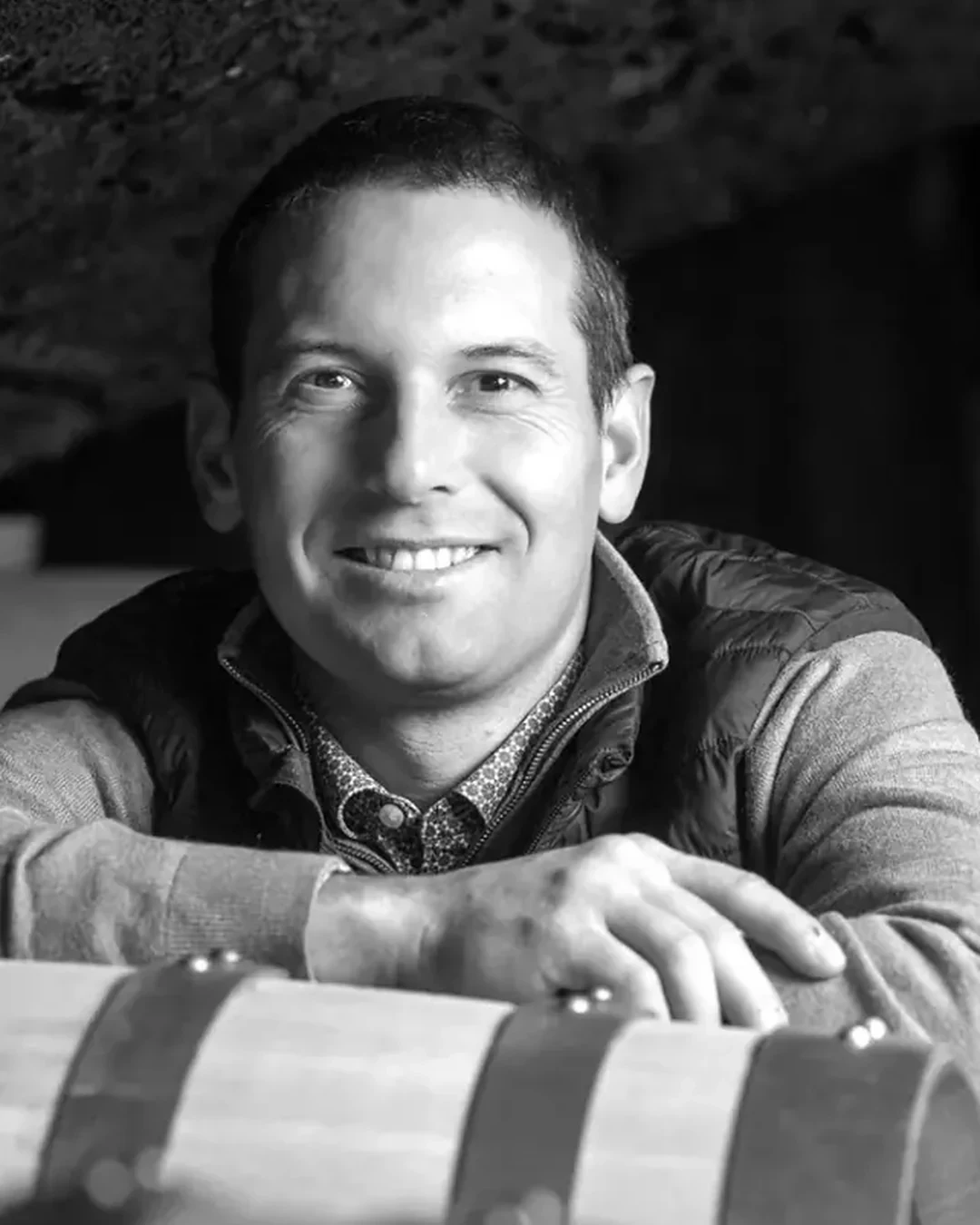
Made By profiles David Moreau (Winemaker) at Domaine David Moreau.
How expensive is Domaine David Moreau?
Domaine David Moreau is listed at a price level of $$$.
The field
How it compares
| Place | Notes | Awards |
|---|---|---|
| Domaine David Moreau | Santenay, $$$ | · |
| Castello Banfi | Montalcino | World's 50 Best |
| Domaine Abbaye de Santenay | Santenay | · |
| Domaine Jacques-Frédéric Mugnier | Premeaux-Prissey | · |
| Domaine Jean-Marc Vincent | Santenay | · |
| Domaine Roger Belland | Santenay | · |
| Vega Sicilia | Valbuena de Duero | · |