Premier cru fruit, bottled at home
- Falstaff Winery - Listed · 2026
Grass left between the rows
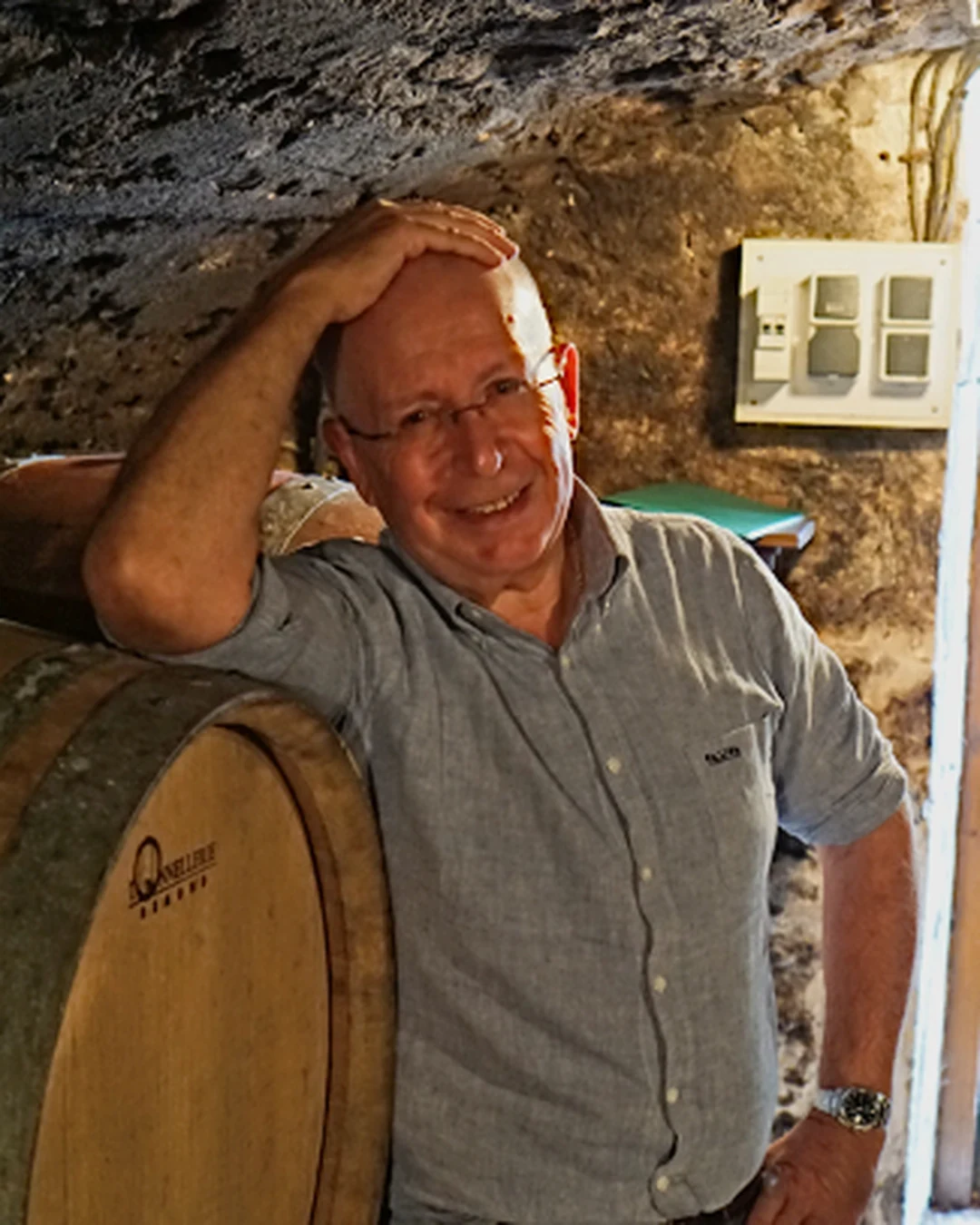
Roger Belland clears the summer canopy so air can move through the fruit, working as winemaker at Domaine Roger Belland in Santenay. Roger Belland is the fifth generation at the family domaine, an estate first established in 1839, and his work stays close to a direct Burgundian premise: the vineyard must give the cellar material with enough substance to hold its shape. He speaks of solid material, power and concentration, not as weight for its own sake, but as the base that keeps terroir expression clear when the weather turns near harvest.
The domaine sits in the Côte de Beaune, with vines in Santenay and holdings that reach into Chassagne-Montrachet, Puligny-Montrachet, Meursault, Volnay, Pommard and Maranges. Its scale remains small, but the map is exacting: premier cru sites, a Chassagne-Montrachet premier cru monopole at Clos Pitois, and a parcel in Criots-Bâtard-Montrachet. Belland’s lineage is not presented as ornament here. It is practical inheritance, carried through pruning, sorting, fermentation, élevage and the decision to bottle at the domaine.
Premier cru fruit, handled by hand
The method begins before the cellar door. The domaine encourages grass growth between vine rows and clears excess canopy in summer, a choice that gives the grapes sun exposure and drying winds while reducing pressure from rot. Harvest and sorting are done by hand, so the pass from vine to vat stays selective. Chardonnay and Pinot Noir carry the house, shaped into still white and red Burgundy under the Santenay AOC and neighboring appellations.
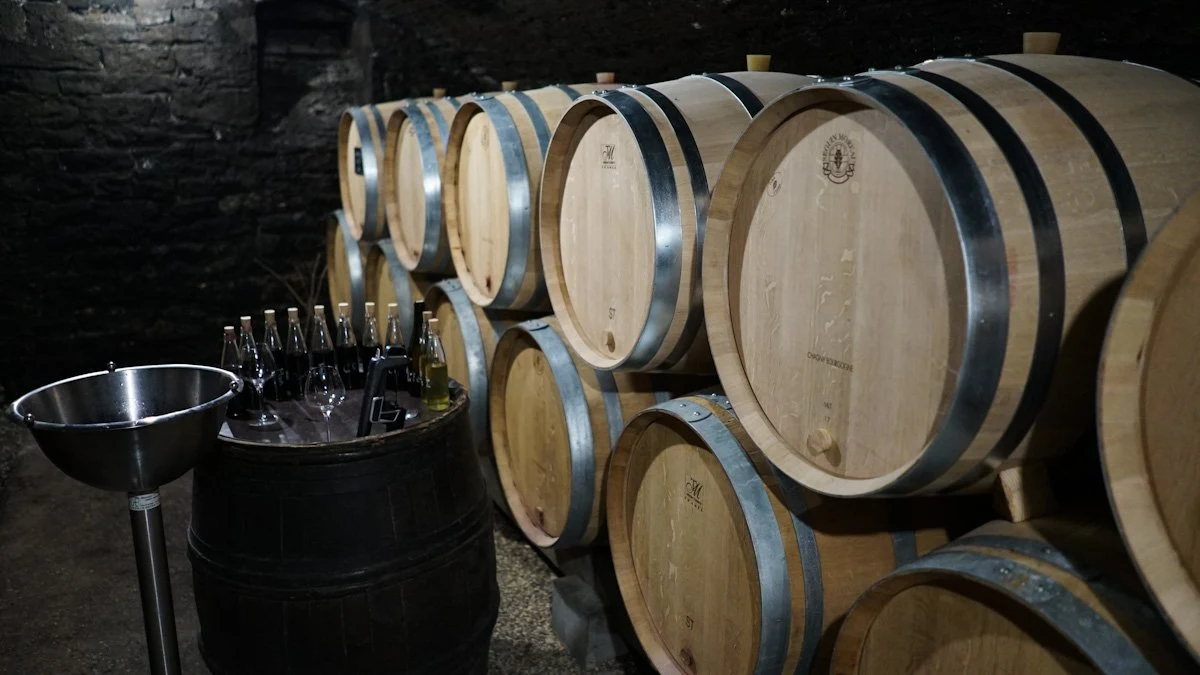
In the winery, the Bellands use low-temperature maceration and fermentation to protect aromatics and fruit purity, then move the wines into French oak barrels before bottling on site. The 2023 Santenay Beauregard Blanc spends 8 months in French oak. Beauregard itself sits in eastern Santenay, 500 meters from the terroirs of Chassagne-Montrachet, a small distance that matters in Burgundy because slope, exposure and limestone can redraw a wine’s frame parcel by parcel. Clos Pitois adds another register: half of that premier cru monopole is planted to Pinot Noir, giving the domaine a red Burgundy from a site more often discussed for white wine.
The cellar keeps a village tempo
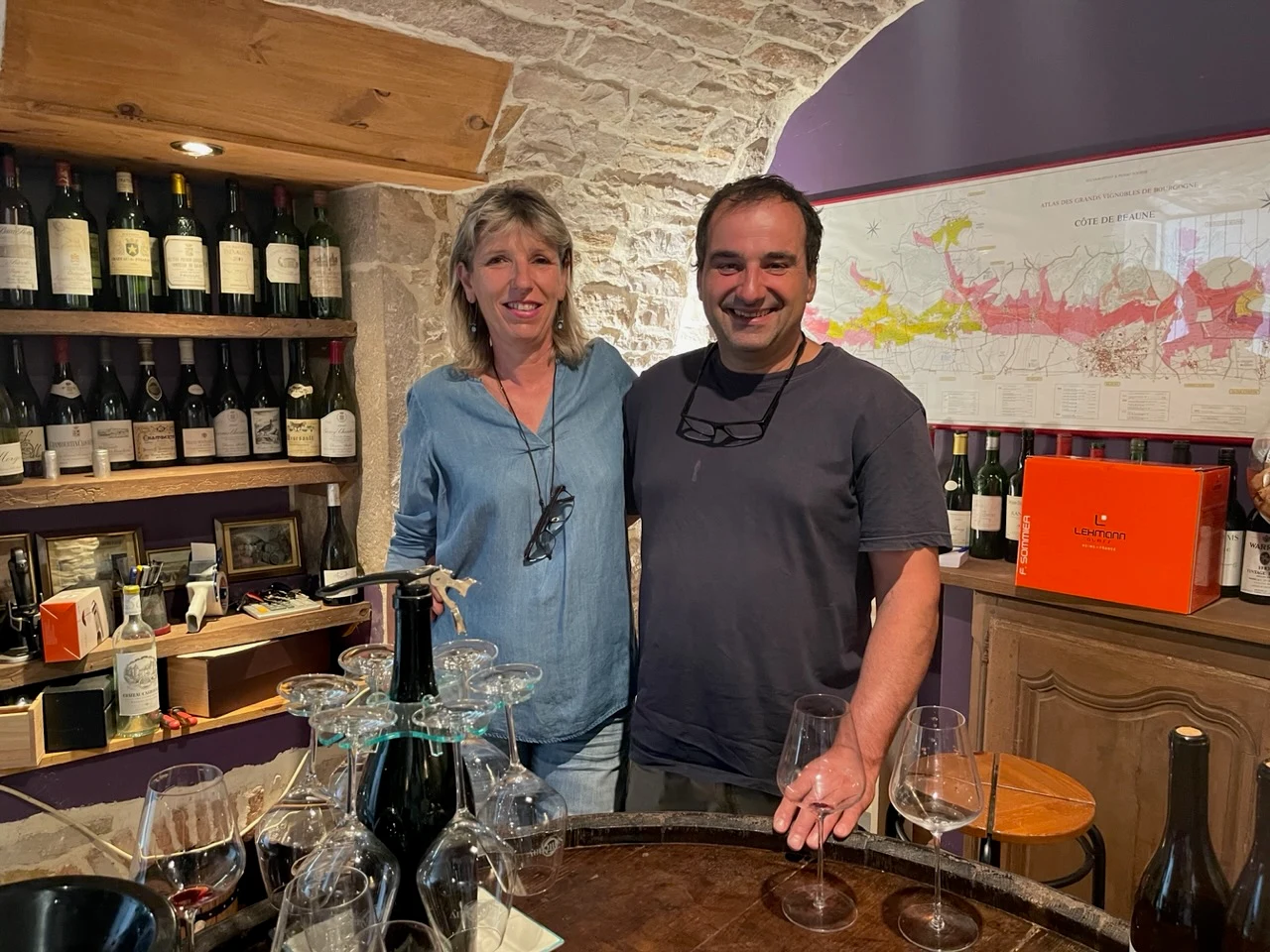
The room at Domaine Roger Belland is quiet in the way working cellars are quiet, with attention moving between barrels, samples and the next decision rather than toward display. The place has the feel of a family station that has not needed to invent a mood around itself. Santenay gives the frame, the Côte de Beaune gives the discipline, and the cellar keeps both close enough to read in the glass.
That restraint suits the wines. The red and white cuvées are known for drinking earlier than many Burgundies from the region, especially when Santenay’s natural generosity meets fruit picked with concentration intact. The useful close is not a slogan, but a name on a bottle: Santenay Premier Cru Beauregard, Clos Pitois, Criots-Bâtard-Montrachet.
Questions
Frequently asked
What is Domaine Roger Belland known for?
Domaine Roger Belland makes still white and red Burgundy from its own vineyards in Santenay and nearby appellations in the Côte de Beaune. The estate works Chardonnay and Pinot Noir, with a focus on premier cru fruit and bottled-at-the-domaine wines such as Santenay Premier Cru Beauregard, Clos Pitois and Criots-Bâtard-Montrachet.
Who is behind the domaine?
Roger Belland is the fifth generation at the family estate, which was first established in 1839. His work runs through the vineyard, sorting, fermentation, élevage and bottling on site.
How is the wine made here?
The domaine encourages grass between the vine rows and clears excess summer canopy so air can move through the fruit. Harvest and sorting are done by hand, then the wines go through low-temperature maceration and fermentation before spending time in French oak barrels and being bottled at the estate.
What kinds of vineyard sites does the estate have?
The holdings extend from Santenay into Chassagne-Montrachet, Puligny-Montrachet, Meursault, Volnay, Pommard and Maranges. The map includes premier cru sites, the Chassagne-Montrachet premier cru monopole Clos Pitois, and a parcel in Criots-Bâtard-Montrachet.
Can you visit without an appointment?
Visits are by appointment only.
The field
How it compares
| Place | Notes | Awards |
|---|---|---|
| Domaine Roger Belland | Santenay, $$$ | · |
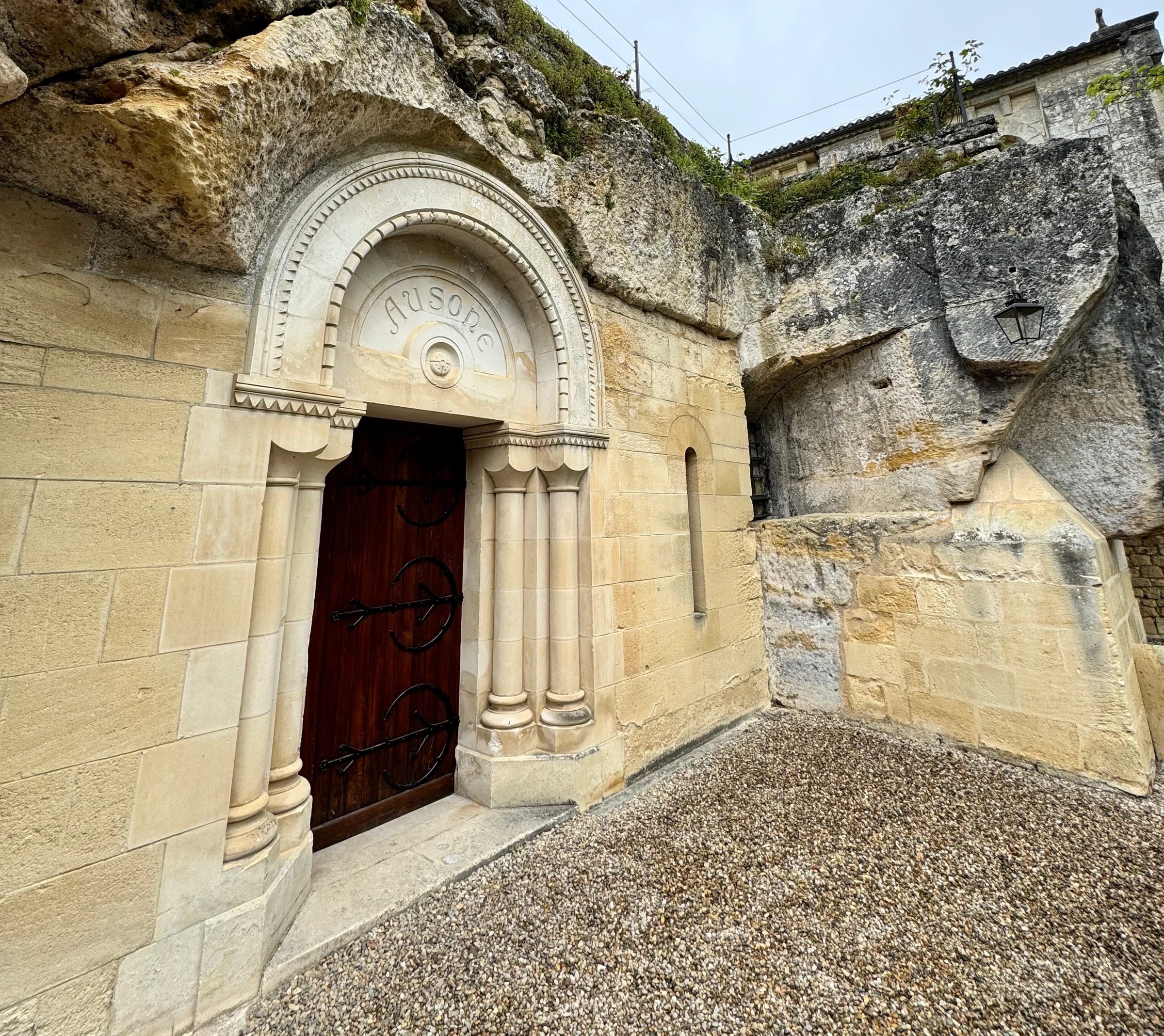
| Chateau Ausone | Saint-Émilion | · |
| Domaine Abbaye de Santenay | Santenay | · |
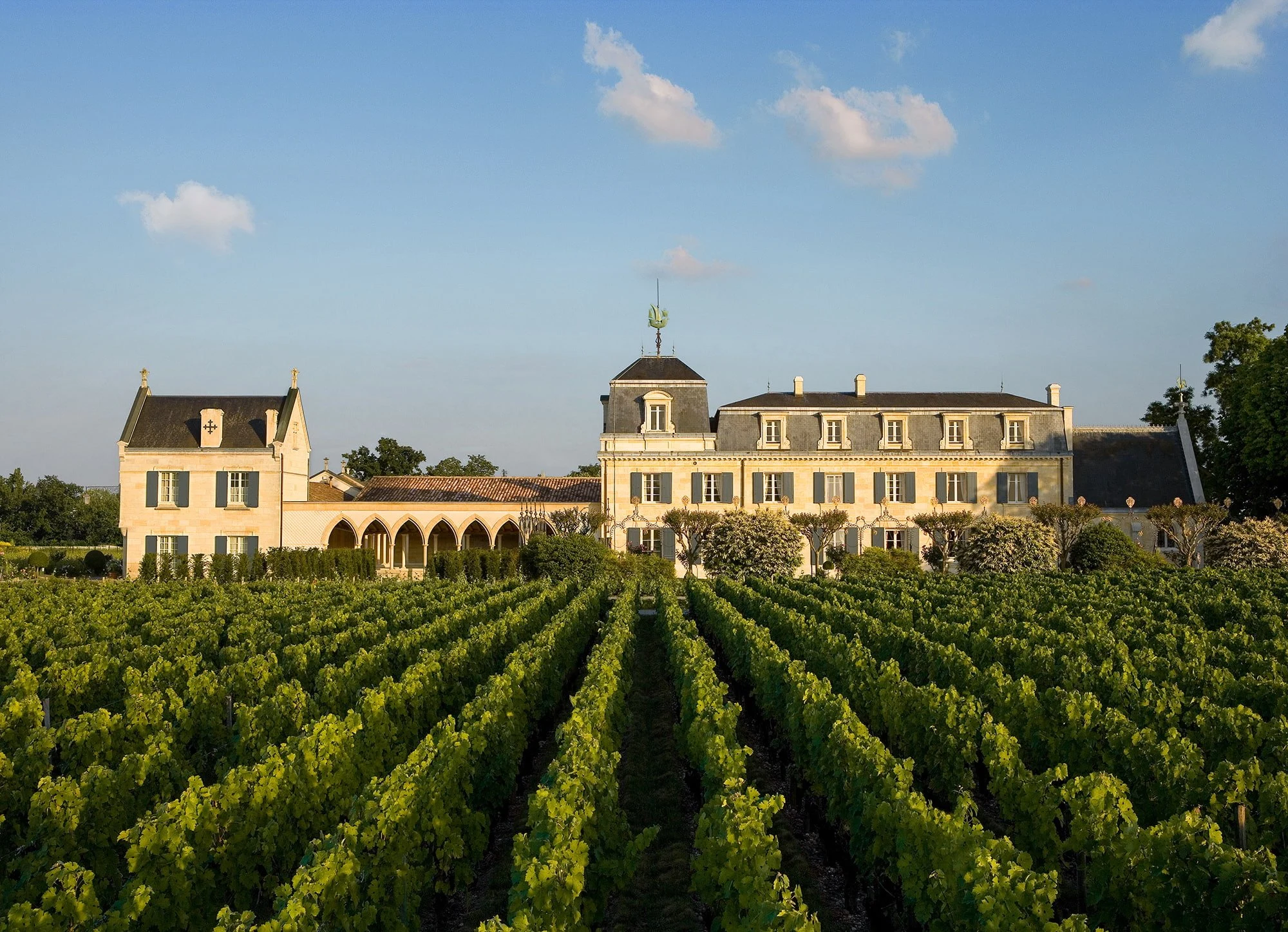
| Domaine Clarence Dillon | Pessac | · |
| Domaine David Moreau | Santenay | · |
| Domaine Jean-Marc Vincent | Santenay | · |
| Quinta do Noval | Pinhão | World's 50 Best |