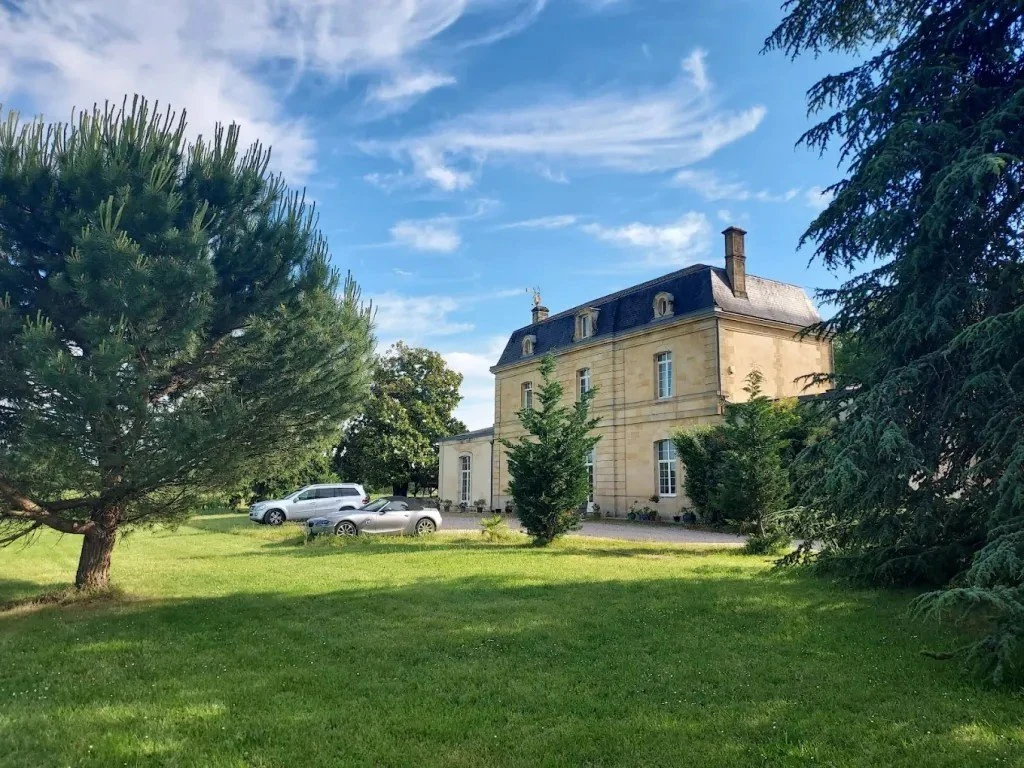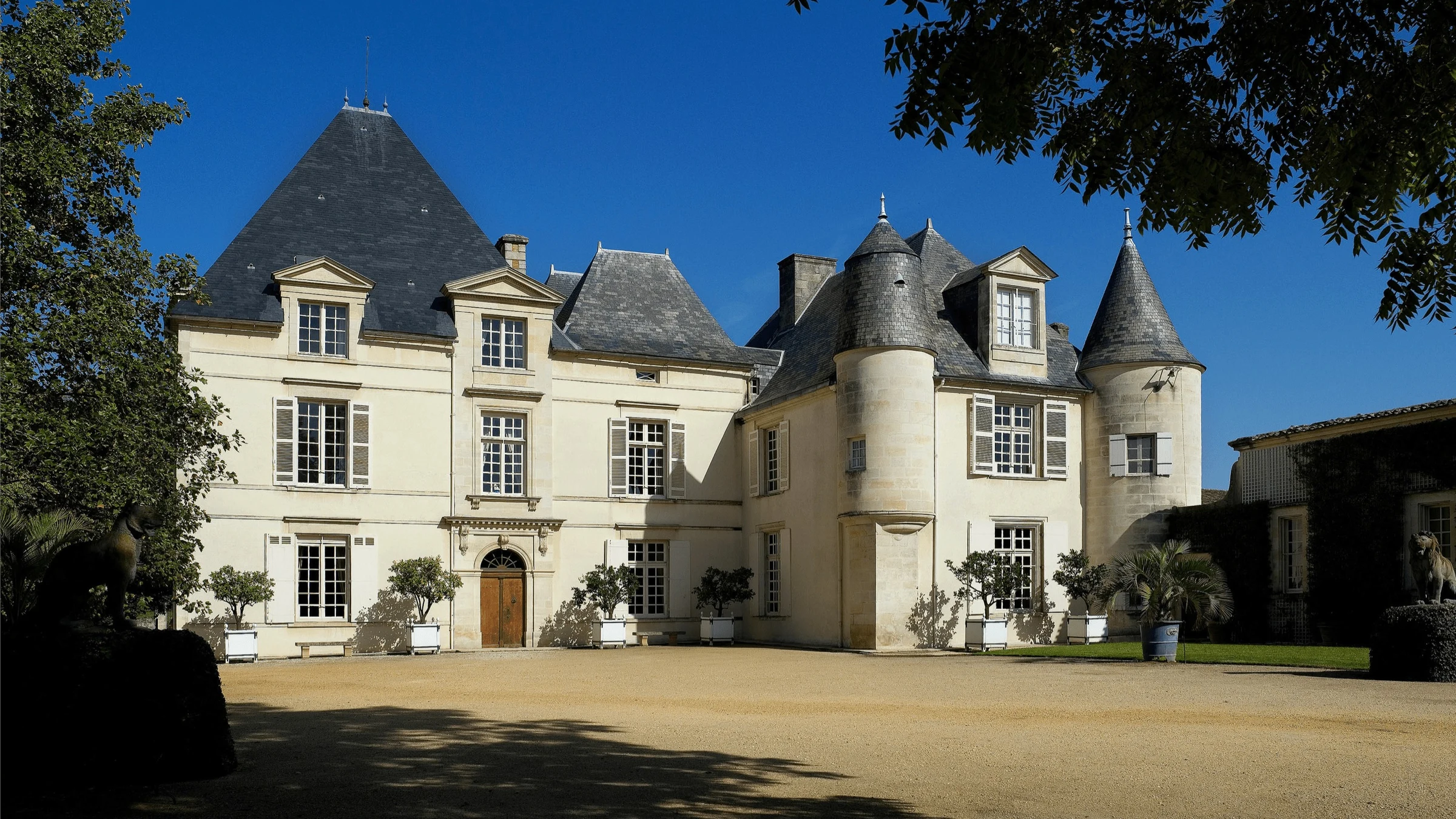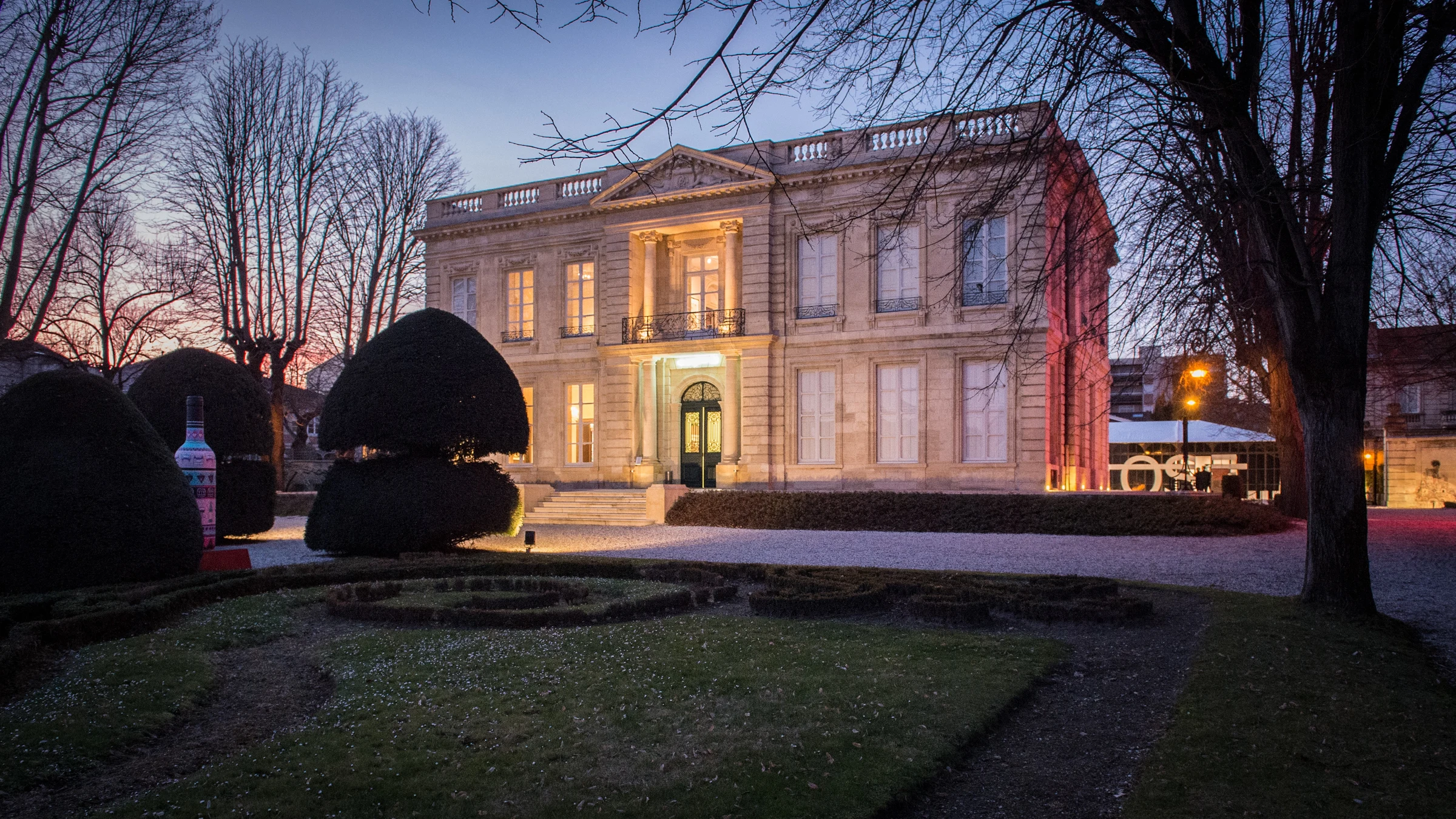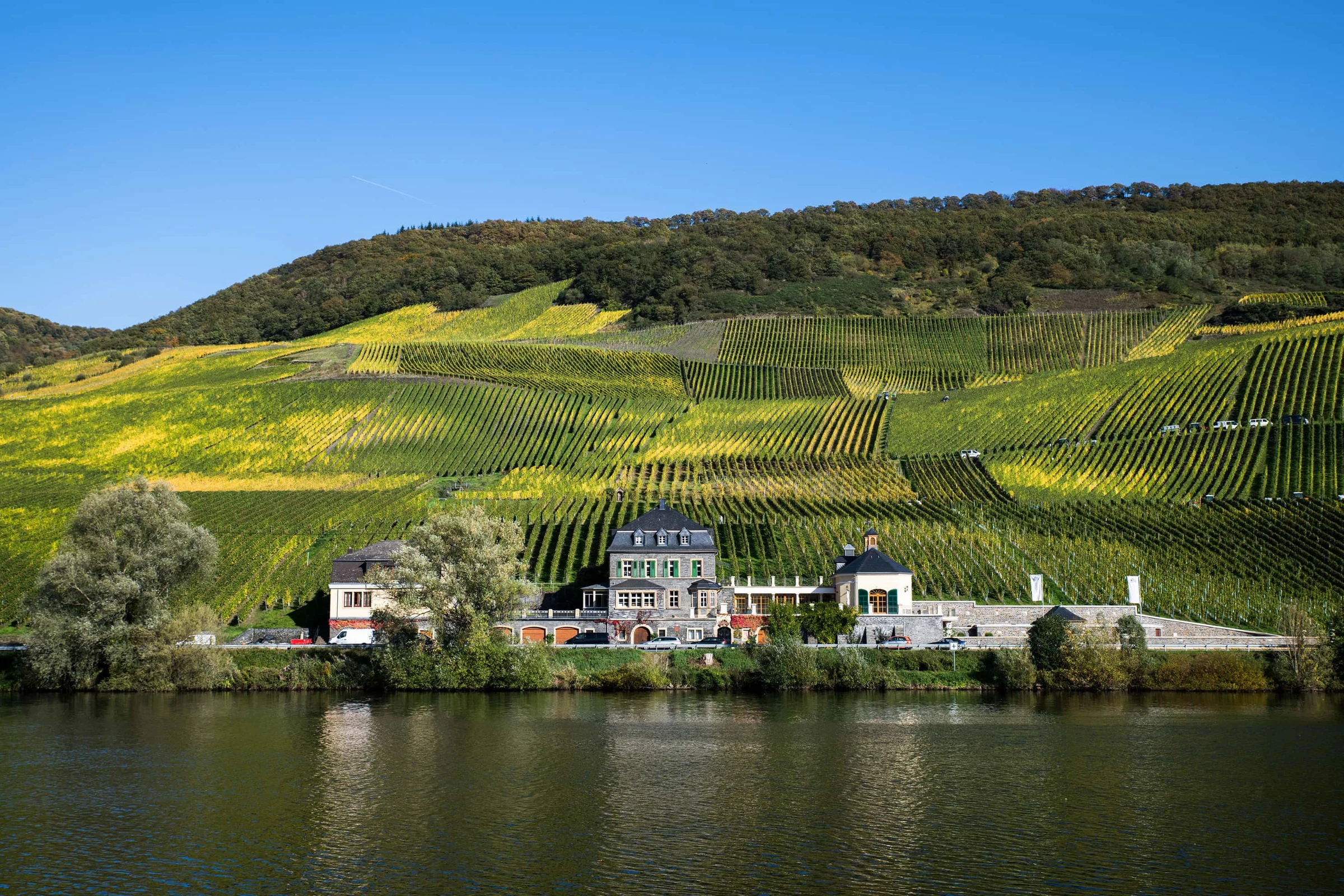
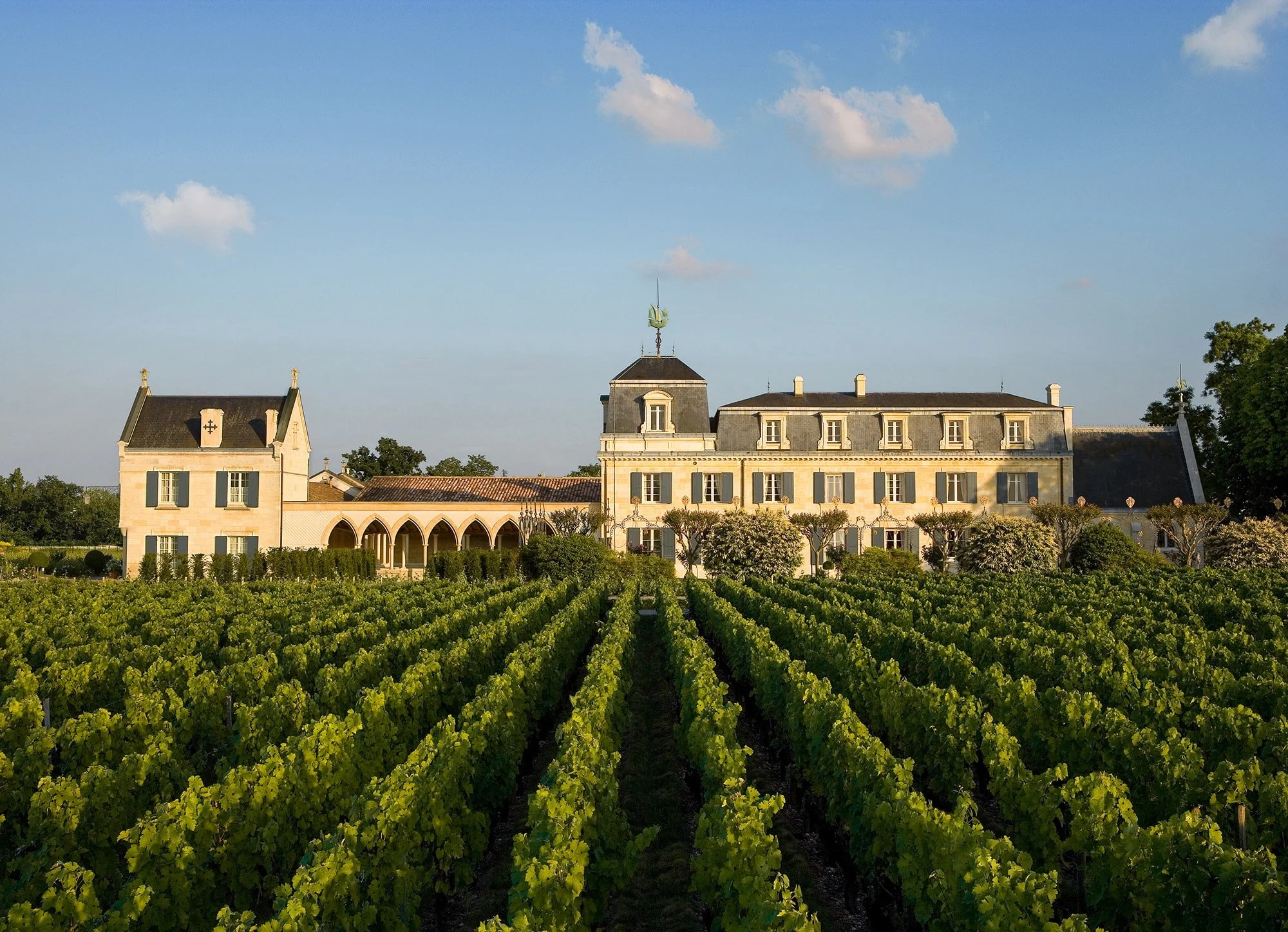
Domaine Clarence Dillon operates from the heart of Pessac-Léognan, one of Bordeaux's most historically significant appellations. The domaine holds a Pearl 5 Star Prestige award (2025), placing it among the upper tier of Graves producers. For collectors and visitors serious about left-bank terroir, this address on Avenue Jean Jaurès is a reference point in the appellation.
<h2>Pessac-Léognan and the Logic of Graves Terroir</h2><p>The gravel-rich soils that define Pessac-Léognan are not a romantic convenience, they are a geological argument. Deep beds of Günzian and Mindel-era gravel, deposited by the Garonne over hundreds of thousands of years, drain fast, force vine roots deep, and retain heat through the night. The result is a growing environment that the rest of Bordeaux cannot replicate. Where the Médoc to the north produces its structure from clay beneath limestone, and where Saint-Émilion draws complexity from its plateau calcaire, the Pessac-Léognan terroir operates on a different thermal register entirely. Wines grown here carry a mineral tension and a smoky, almost graphite-like quality that critics have associated with the appellation for generations, and that no amount of winemaking intervention fully explains away.</p><p>Domaine Clarence Dillon sits on Avenue Jean Jaurès in Pessac, positioned within this appellation at the point where the urban fringe of Bordeaux meets the vine. The address matters: the northern parishes of Pessac-Léognan, closest to the city, sit on some of the deepest gravel deposits in the Graves. This is the same geological corridor that gives <a href="https://www.enprimeurclub.com/wineries/chateau-haut-brion">Chateau Haut-Brion</a> and <a href="https://www.enprimeurclub.com/wineries/chateau-pape-clement-pessac">Château Pape Clément</a> their particular character, properties whose wines have served as the reference point for Pessac expression for over a century.</p><h2>A 2025 Pearl 5 Star Prestige in Context</h2><p>Domaine Clarence Dillon holds EP Club's Pearl 5 Star Prestige (2025). In an appellation where prestige is densely concentrated and It signals a producer whose terroir expression, consistency, and presentation meet the criteria that place it alongside the appellation's leading names.</p><p> The appellation produced its own classification in 1953, revised in 1959, with only sixteen properties earning the Cru Classé de Graves designation across both red and white categories. Outside that formal classification, a smaller number of producers have built reputations through long-run quality and collector recognition rather than institutional rank. Domaine Clarence Dillon occupies a position in that broader prestige corridor, where the award credential operates as a quality signal in the absence of a formal classified ranking.</p><h2>The Graves Tradition: What the Land Asks of the Producer</h2><p>Producing at the Pessac-Léognan level places specific demands on a domaine. The gravel soils require precision in canopy management, the vines are naturally vigorous on well-drained ground, and over-cropping dilutes the mineral concentration that distinguishes appellation-level fruit from generic Bordeaux. The region's leading producers work with low yields, and the vintage-to-vintage variation in this part of the left bank can be more pronounced than in the more sheltered Pauillac or Saint-Julien. Warmer years amplify the gravel's heat-retention properties; cooler, more linear vintages tend to sharpen the graphite and tobacco register that defines the appellation at its most classical.</p><p>The white wine tradition of Pessac-Léognan adds a further layer of complexity. Sauvignon Blanc and Sémillon grown on these soils produce some of the most age-worthy dry whites in Bordeaux, wines that outlast many white Burgundies in structure and longevity. The appellation carries a designation specific to white wines that is granted only to properties meeting stricter production criteria, a regulatory acknowledgment of the terroir's dual capability. For producers operating at prestige level here, the white programme is as much a statement of terroir fidelity as the red.</p><p>Across the broader Bordeaux region, the contrast in terroir ambition is instructive. Properties like <a href="https://www.enprimeurclub.com/wineries/chateau-branaire-ducru-st-julien">Château Branaire Ducru in St-Julien</a> and <a href="https://www.enprimeurclub.com/wineries/chateau-batailley-pauillac-winery">Château Batailley in Pauillac</a> draw their identity from the Médoc's clay-limestone mix, while <a href="https://www.enprimeurclub.com/wineries/chateau-belair-monange-saint-emilion-winery">Château Bélair-Monange in Saint-Émilion</a> represents the plateau calcaire register that dominates the right bank. The Graves operates on a separate axis, and that separation is what gives Domaine Clarence Dillon's terroir its editorial argument.</p><h2>Pessac as a Wine Address</h2><p>Pessac itself is often read as an extension of Bordeaux city, a commuter suburb that happens to contain some of the most consequential vineyard land in the world. The Avenue Jean Jaurès address places the domaine in the practical heart of this dual identity: close enough to the city for easy access, embedded deeply enough in the appellation's northern sector to draw on its most valued soils. For visitors approaching from Bordeaux, the journey is short. The wine tourism infrastructure of Pessac-Léognan has developed considerably over the past decade, with several classified growths now offering structured visits and tasting programmes that make the appellation a coherent day-destination from the city.</p><p>The wider appellation map rewards methodical exploration. <a href="https://www.enprimeurclub.com/wineries/chateau-cantemerle-haut-medoc">Château Cantemerle in Haut-Médoc</a> sits to the north, while <a href="https://www.enprimeurclub.com/wineries/chateau-boyd-cantenac-cantenac-winery">Château Boyd-Cantenac in Cantenac</a> represents the Margaux corridor further up the left bank. Coming from the south, <a href="https://www.enprimeurclub.com/wineries/chateau-bastor-lamontagne">Château Bastor-Lamontagne in Preignac</a> and <a href="https://www.enprimeurclub.com/wineries/chateau-d-arche-sauternes-winery">Château d'Arche in Sauternes</a> map the transition to the sweet-wine country of the Cirons river valley.</p><p>For collectors building a comparative cellar, the Graves terroir sits alongside other French classics worth understanding in parallel. <a href="https://www.enprimeurclub.com/wineries/albert-boxler-niedermorschwihr-winery">Albert Boxler in Niedermorschwihr</a> represents the Alsatian tradition of soil-specific, low-intervention white wine at comparable prestige level. Beyond France, <a href="https://www.enprimeurclub.com/wineries/accendo-cellars">Accendo Cellars in St. Helena</a> demonstrates how Napa's leading producers have absorbed the Bordeaux varietal framework while expressing an entirely different geological substrate. The contrast sharpens the argument for what the Pessac-Léognan gravel does that no other appellation can duplicate.</p><h2>Planning a Visit</h2><p>Domaine Clarence Dillon is located at 133 Avenue Jean Jaurès, 33600 Pessac, within direct reach of central Bordeaux by car or public transport. Given the absence of published opening hours or a booking line in the practical approach is to make contact via the domaine's official channels before planning a visit. Visits are appointment only. Pessac-Léognan's leading domaines follow the same logic.</p>
Domaine Clarence Dillon is located at 133 Av. Jean Jaurès, 33600 Pessac, Pessac.
Domaine Clarence Dillon has received recognition including: Pearl 5 Star Prestige (2025).
The domaine is rooted in Pessac-Léognan, an appellation where Cabernet Sauvignon-dominant blends shaped by deep Günzian gravel beds define the house style. Specific current releases and vintages are best confirmed directly with the domaine at 133 Avenue Jean Jaurès, Pessac, as the portfolio can shift with each harvest cycle.
The principal draw is the combination of Pessac-Léognan terroir and institutional standing: the domaine earned a Pearl 5 Star Prestige rating from EP Club in 2025, placing it at the recognised upper tier of the rating framework. Its address at 133 Avenue Jean Jaurès puts it within one of Bordeaux's most consequential vineyard zones, where gravel soils demand precision viticulture that registers clearly in the glass.
Visits to Pessac-Léognan estates of this standing typically require advance appointment rather than walk-in access. Contact the domaine directly at 133 Avenue Jean Jaurès, 33600 Pessac, to confirm current visit arrangements, tasting availability, and any group or trade requirements.
133 Av. Jean Jaurès, 33600 Pessac
Pessac