Made ByWinery

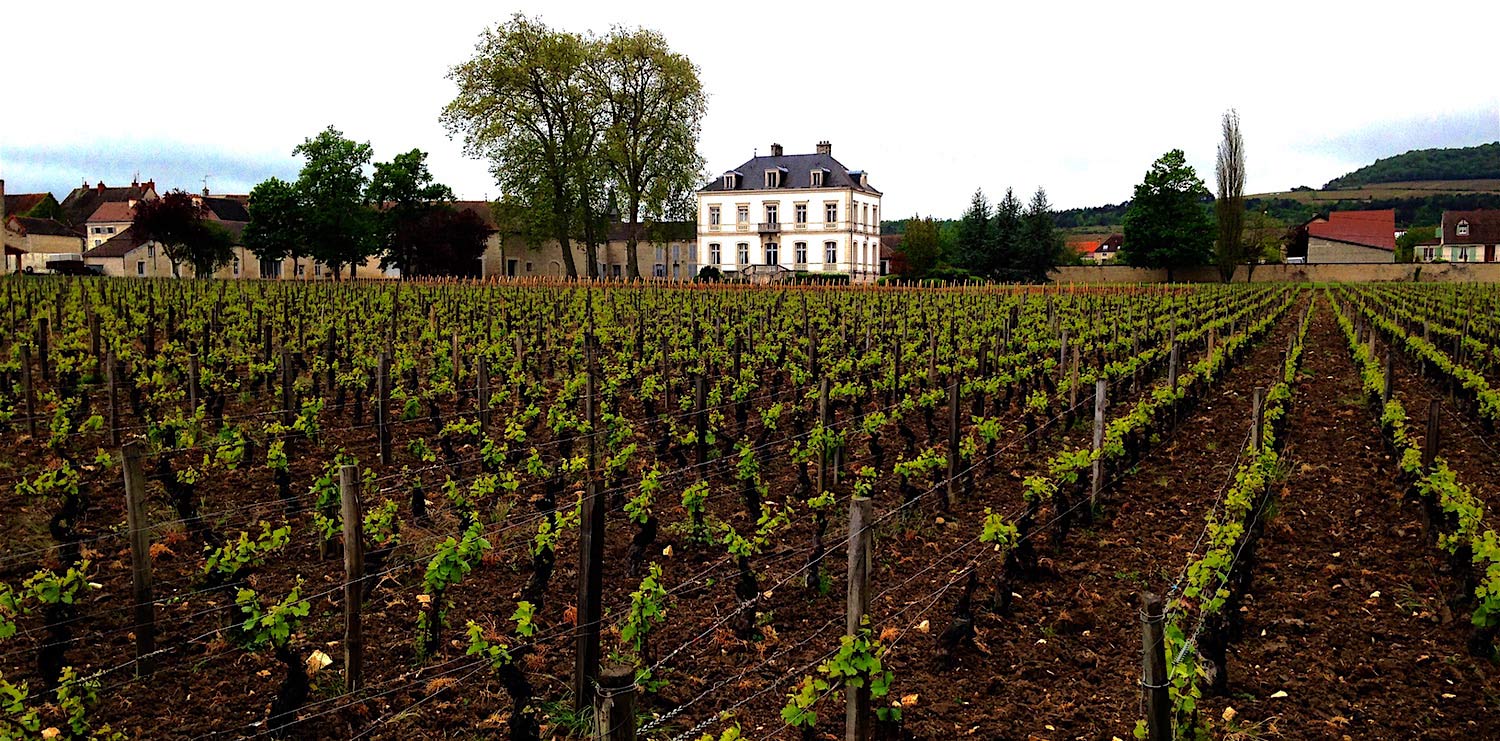
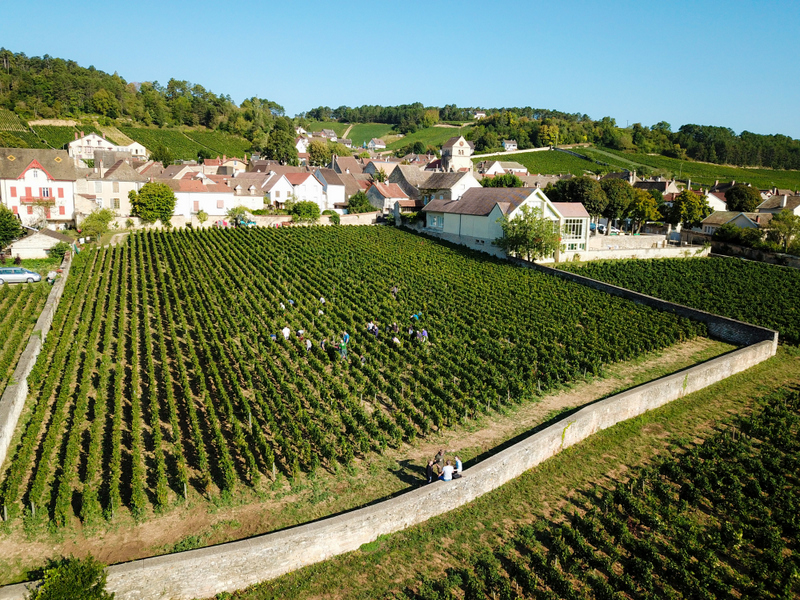
Domaine de Montille pairs vineyard views with quiet, smart casual tastings and barrel room and cave tasting access across a biodynamic, organic estate.
At a glance
- Price
- $$$
- Per person
- $85
- Neighborhood
- Volnay
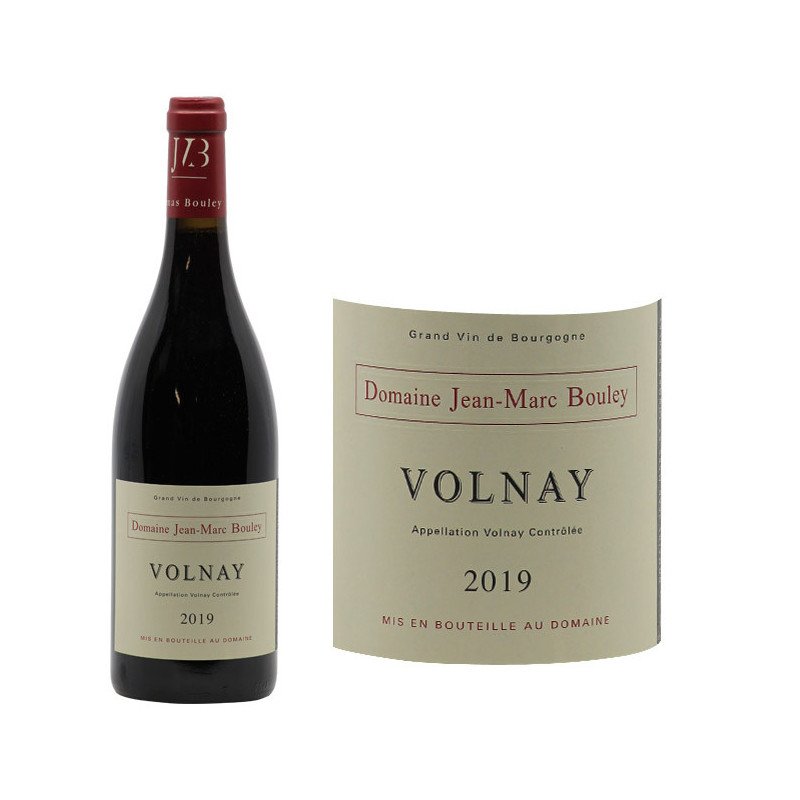
The Côte de Beaune's premier cru vineyard architecture, small-parcel Pinot Noir holdings on mid-slope limestone, village-level appellations sitting below grand cru and premier cru tiers, has produced a cluster of family domaines working inside the traditional Burgundian model: estate-bottled, lutte raisonnée farming, whole-cluster fermentation programs, and long oak aging in Allier and Tronçais pièces. Domaine de Montille, seated in Volnay since the 1730s, with the estate renamed Domaine de Montille in the early 20th century following the union of Étienne Joseph Marie Léonce Bizouard de Montille, and now led by fourth-generation winemaker Étienne de Montille, operates inside that traditional frame but with a stricter whole-cluster protocol than most Côte de Beaune estates and a longer pre-bottling élevage than the regional baseline. The domaine's Volnay premier cru holdings, Taillepieds, Champans, Mitans, are farmed biodynamically (certified Demeter since 2005) and vinified with 100% whole-cluster inclusion across all premier cru and grand cru cuvées, a protocol that sits closer to the Domaine de la Romanée-Conti and Domaine Dujac house styles than to the more common 30% to 50% whole-cluster ratios practiced at neighboring Volnay estates like Domaine Marquis d'Angerville and Domaine Michel Lafarge. Hubert de Montille, Étienne's father, ran the domaine from 1947 until his death in 2014 and established the estate's technical signature: rigorous late-harvest timing (often the last domaine to pick in Volnay), minimal sulfur additions at crush (typically 20 to 30 ppm versus the 50 to 70 ppm regional average), and extended barrel aging that runs 18 to 22 months for village-level cuvées and 22 to 26 months for premier cru bottlings, against a Côte de Beaune average of 16 to 18 months. Hubert was a practicing lawyer in Dijon throughout his tenure as winemaker, commuting to Volnay on weekends and during harvest, a biographical detail that became part of the domaine's legend but that understates the technical rigor he maintained across four decades at the cellar. The domaine's production during Hubert's tenure sat at approximately 3,000 to 4,000 cases annually across 15 to 18 cuvées, a small-volume output by Burgundy standards but typical of the premier cru-focused family domaine model. Étienne de Montille took full winemaking control in 2006 after working alongside his father for the previous decade and has expanded the estate's holdings significantly through acquisition and long-term farming contracts, adding parcels in Beaune, Pommard, Corton, and Puligny-Montrachet, and expanding into the Côte de Nuits with holdings in Vosne-Romanée and Nuits-Saint-Georges. The current portfolio spans approximately 40 cuvées across 27 hectares of vines, with annual production now sitting at roughly 8,000 to 10,000 cases, a near-tripling of volume since 2006 but with the same whole-cluster protocol and extended élevage applied across all cuvées. Étienne trained at the Lycée Viticole de Beaune and staged briefly at Domaine Leflaive in Puligny-Montrachet before returning to Volnay. Domaine Leflaive converted to biodynamics in 1997 under Anne-Claude Leflaive, and Étienne brought that protocol to Domaine de Montille's holdings beginning in 2001, completing Demeter certification by 2005. The domaine's Volnay premier cru program remains the technical core of the estate. Volnay sits on thin topsoil over Bathonian limestone with high iron content, a geological profile that produces Pinot Noir of finer tannin structure and higher perfume than the deeper clay soils of neighboring Pommard. Domaine de Montille's Volnay 1er Cru Taillepieds, a 2.1-hectare climat on the southern slope of Volnay adjacent to Meursault, is vinified with 100% whole-cluster inclusion, native-yeast fermentation in open-top wooden cuves, and a 22- to 24-month élevage in 30% to 40% new Allier oak. The resulting wine typically shows higher stem tannin and more pronounced herbal and floral aromatics than destemmed Volnay bottlings from the same climat, a stylistic choice that aligns with the Domaine Dujac school in Morey-Saint-Denis rather than with the majority Volnay house style. The Taillepieds cuvée is allocated globally through a mailing list maintained by the domaine and through a small number of importing partners in the U.S., U.K., and Japan; retail pricing for recent vintages sits at approximately €120 to €150 ex-domaine, with secondary-market pricing on mature vintages (2005, 2009, 2010) running €250 to €400 per bottle. The domaine's grand cru holdings, acquired during Étienne's tenure, include parcels in Corton-Clos du Roi (Aloxe-Corton), Corton-Renardes (Aloxe-Corton), and Corton-Charlemagne (Aloxe-Corton, white), with the red grand cru cuvées vinified under the same whole-cluster protocol as the Volnay premier cru bottlings. Corton-Clos du Roi from Domaine de Montille runs at 24 to 26 months in barrel with 40% to 50% new oak, a longer élevage and higher new-oak proportion than the domaine's village-level and premier cru reds, and the wine is typically not released until four to five years after harvest. This extended pre-release aging sits against the more common two- to three-year release window practiced at most Burgundy estates and reflects Hubert de Montille's original philosophy that Burgundy should not be released until the tannins have softened and the wine has begun to show secondary development. The practice is expensive; extended barrel aging ties up capital and cellar space and has become less common in Burgundy as market demand has shortened release cycles. Domaine de Montille has maintained the protocol across Étienne's tenure. The domaine's white program, smaller in volume than the red, includes holdings in Puligny-Montrachet 1er Cru Le Cailleret (0.5 hectares) and the grand cru Corton-Charlemagne (0.45 hectares). The white cuvées are vinified in barrel with native-yeast fermentation, full malolactic conversion, and 18 to 20 months of élevage on fine lees with minimal bâtonnage, a protocol closer to the Domaine Leflaive house style than to the more reductive, high-bâtonnage programs practiced at some Côte de Beaune white specialists. New oak on the white cuvées runs at 20% to 30% for premier cru and 30% to 40% for grand cru, lower than the 40% to 60% new-oak ratios common at top Meursault and Puligny domaines, and the resulting wines show less toast and vanilla character and more direct expression of the limestone soils. The Puligny-Montrachet 1er Cru Le Cailleret bottling is typically released at approximately €80 to €100 ex-domaine, with the Corton-Charlemagne grand cru released at €150 to €180 ex-domaine, pricing that sits slightly below the top Meursault premier cru and grand cru bottlings from Domaine Coche-Dury and Domaine des Comtes Lafon but above the regional Puligny-Montrachet baseline. Access to Domaine de Montille's wines is allocation-driven. The domaine does not operate a tasting room open to walk-in visitors and does not sell direct to consumers outside the allocation list. Trade buyers and private collectors gain access through the domaine's importing partners or through direct allocation application to the domaine, with preference given to long-term buyers and to restaurants with Burgundy-focused lists. The allocation model is standard for premier cru- and grand cru-focused Burgundy domaines at this scale and reflects the structural undersupply of top Burgundy relative to global demand. Recent-vintage availability on the U.S. market sits at approximately 200 to 300 cases annually across all cuvées, with the Volnay premier cru bottlings allocated first and the grand cru cuvées held back for later release. Secondary-market pricing on mature vintages (pre-2010) runs at 1.5× to 3× the original ex-domaine price depending on the cuvée and the vintage, with the Volnay 1er Cru Taillepieds and the Corton-Clos du Roi commanding the highest multiples. The domaine's peer set inside the Volnay appellation includes Domaine Marquis d'Angerville, Domaine Michel Lafarge, Domaine Roblet-Monnot, and Domaine Yvon Clerget, all of whom farm premier cru holdings in Volnay and practice estate-bottled production. Domaine de Montille's 100% whole-cluster protocol distinguishes it technically from the majority of that peer set; Domaine Marquis d'Angerville, for example, typically runs 30% to 50% whole-cluster inclusion depending on the vintage and the climat, and Domaine Michel Lafarge practices partial destemming on most premier cru cuvées. The extended élevage and delayed release schedule also sit outside the Volnay norm, with most Volnay premier cru producers releasing wines two to three years after harvest versus Domaine de Montille's four- to five-year timeline on grand cru bottlings. The result is a house style that reads as more structured, more tannic, and more age-dependent than the more immediately approachable Volnay baseline, and the domaine's critical reception reflects that stylistic choice. Professional reviewers and collectors with a preference for age-worthy Burgundy rate Domaine de Montille's wines at the top of the Volnay peer set, while critics and buyers who favor early-drinking Burgundy often place the domaine's wines below more forward examples from Domaine d'Angerville or Domaine Lafarge. The domaine's broader Burgundy peer set, estate-bottled, biodynamic, premier cru- and grand cru-focused producers working inside the traditional whole-cluster fermentation school, includes Domaine de la Romanée-Conti in Vosne-Romanée, Domaine Georges Roumier in Chambolle-Musigny, Domaine Dugat-Py in Gevrey-Chambertin, and Domaine Cécile Tremblay in Morey-Saint-Denis. Domaine de Montille's 100% whole-cluster protocol aligns most closely with DRC and Domaine Dujac; Domaine Roumier and Domaine Dugat-Py both practice partial destemming on most cuvées. Within that peer group, Domaine de Montille's pricing sits below DRC and Domaine Roumier but above Domaine Dugat-Py and Domaine Tremblay on recent-vintage ex-domaine releases, and the secondary-market multiples on mature vintages reflect a similar relative positioning. The domaine's critical reputation has strengthened under Étienne's tenure, with consistently high scores from Burghound (Allen Meadows), Vinous (Neal Martin), and Decanter on recent vintages of the Volnay premier cru and Corton grand cru cuvées, and the domaine is now widely considered among the top five to ten Volnay producers and among the top 20 to 30 Burgundy producers overall by professional trade reviewers. For further context on the Burgundy wine region and its premier cru and grand cru classification system, see our full regional guide. Related domaines working inside the biodynamic Burgundy school include Jean-Marc & Thomas Bouley in Volnay. For broader Volnay dining, lodging, and tasting-room options, see our full Volnay restaurants guide, our full Volnay hotels guide, our full Volnay bars guide, our full Volnay wineries guide, and our full Volnay experiences guide.
Know before you go
- Dress code
- smart_casual
- Reservations
- appointment_only
- Parking
- on_site_lot
- Payment
- credit_card, debit_card
- Outdoor seating
- Yes
- Groups
- Welcomed
Address
2 Rue du Pied de la Vallée, 21190 Volnay
Volnay · Burgundy
How it compares
- Price
- $$$
- Awards
- 1 recognition
- Notes
- Volnay, Pinot Noir, Chardonnay
- Price
- $$$$
- Awards
- 1 recognition
- Notes
- Volnay, Pinot Noir, Chardonnay
- Price
- $$$$
- Awards
- 1 recognition
- Notes
- Volnay, Pinot Noir, Chardonnay
- Price
- $$$$
- Awards
- 1 recognition
- Notes
- Volnay, Pinot Noir, Chardonnay
- Price
- $$$
- Awards
- 1 recognition
- Notes
- Volnay, Pinot Noir, Chardonnay
- Price
- $$$
- Awards
- 1 recognition
- Notes
- Pommard, Pinot Noir, Chardonnay