Made ByWinery
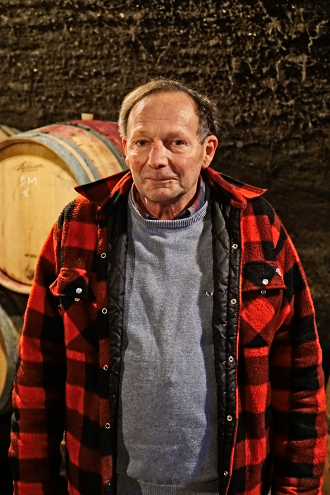
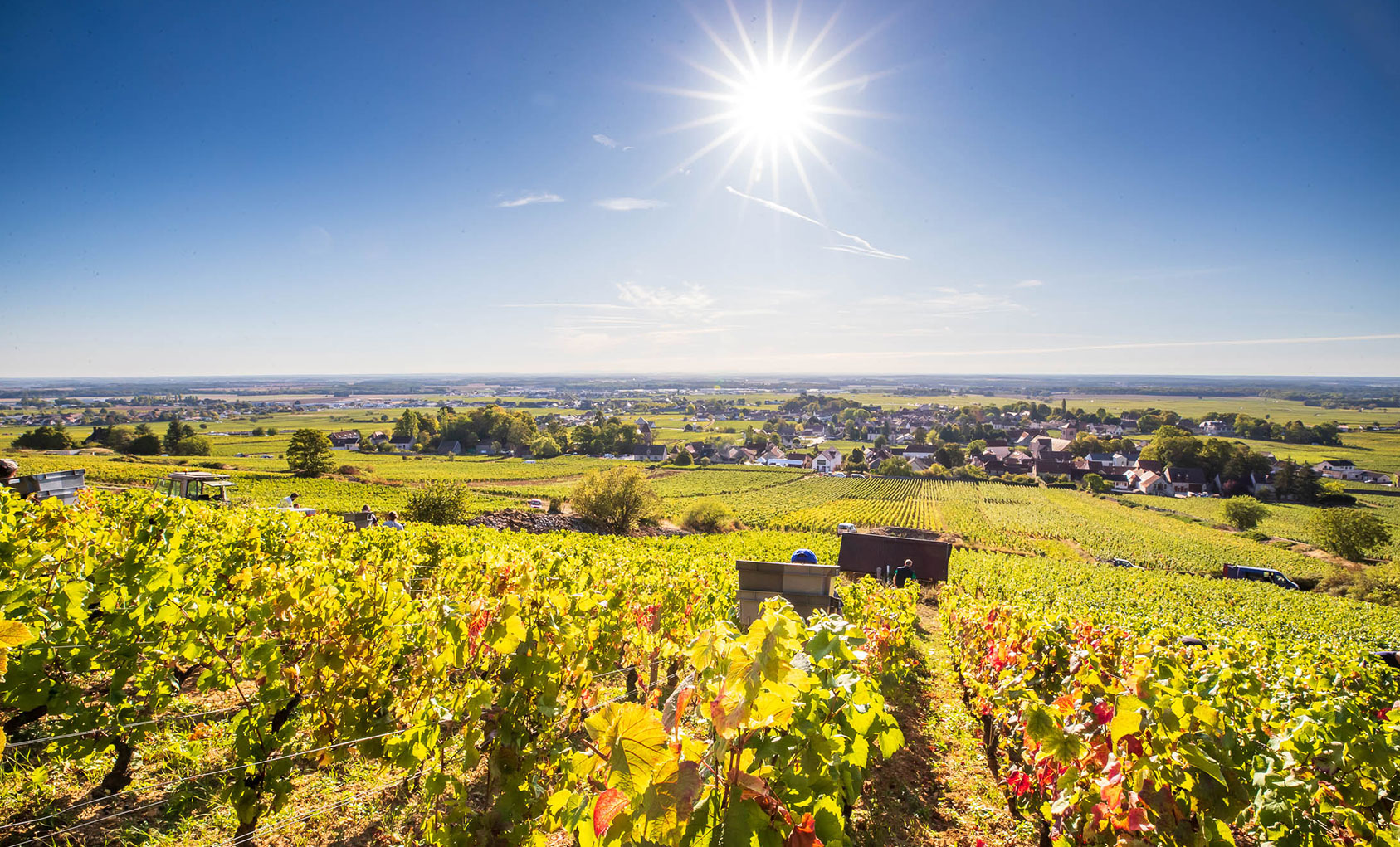
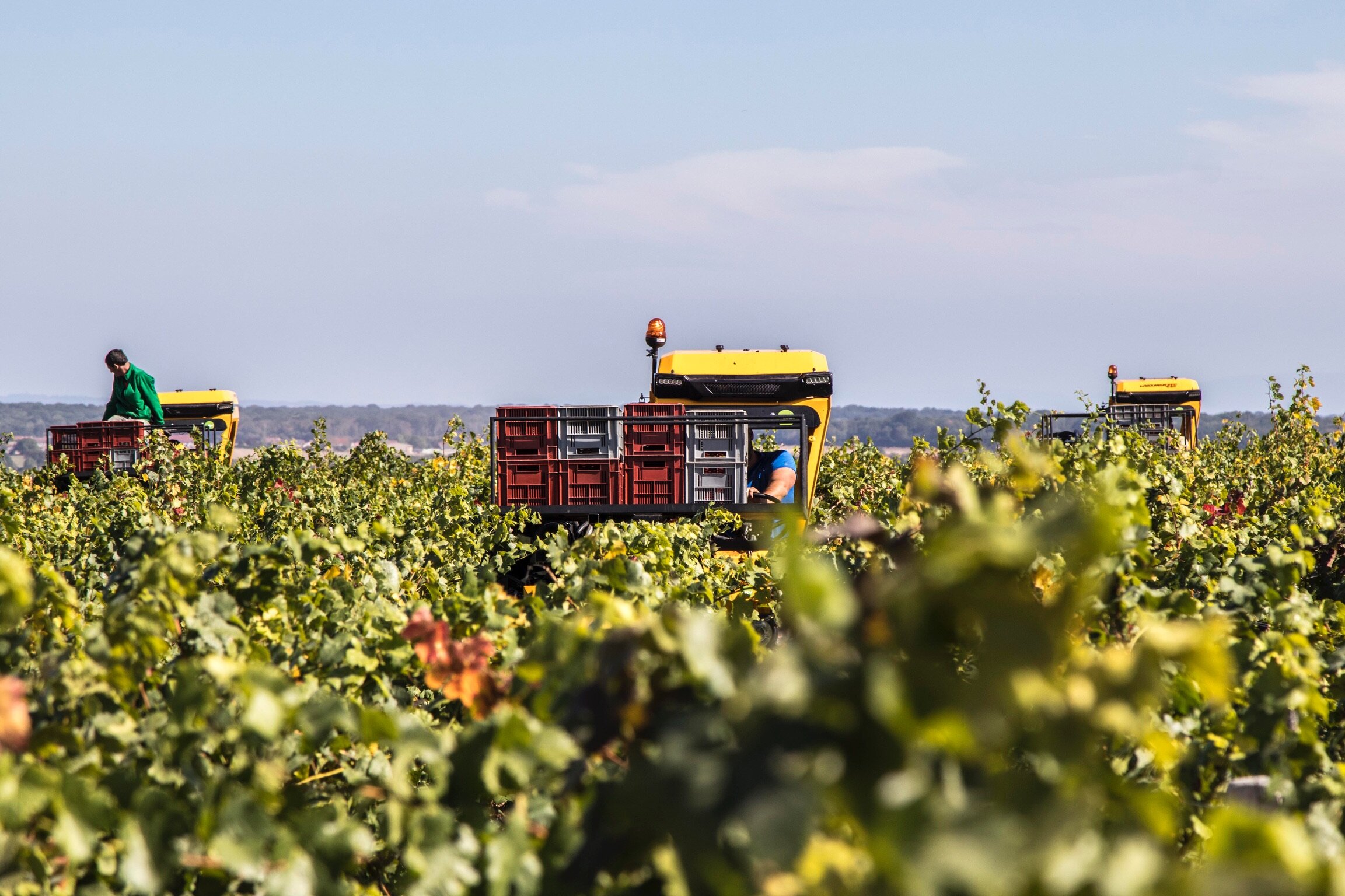
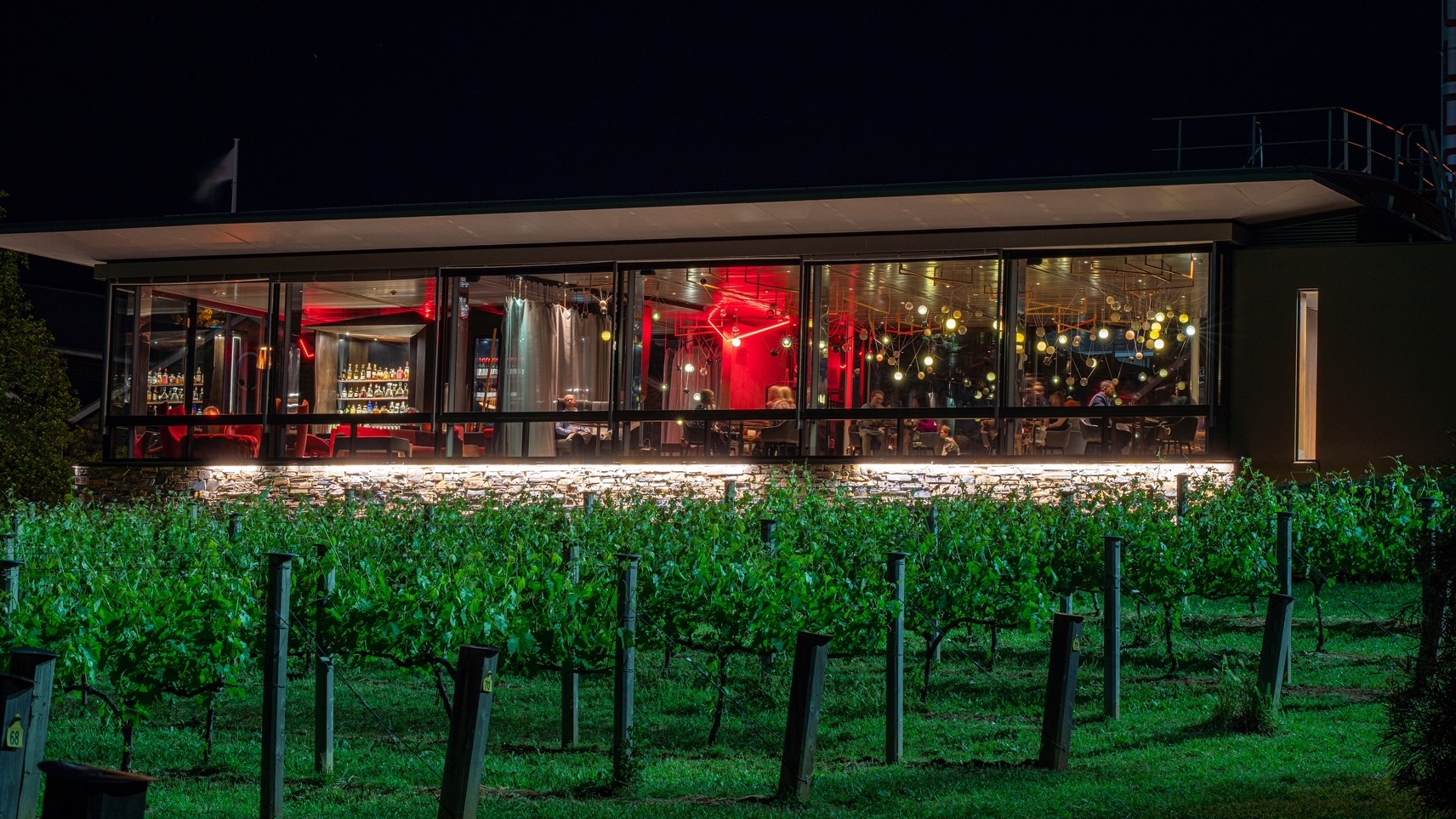
Domaine Bruno Clair at 5 Rue du Vieux Collège in Marsannay-la-Côte pairs vineyard views and a quiet setting with vineyard tours and cave tastings, fitting a slower tasting visit.
At a glance
- Price
- $$$
- Neighborhood
- Marsannay-la-Côte
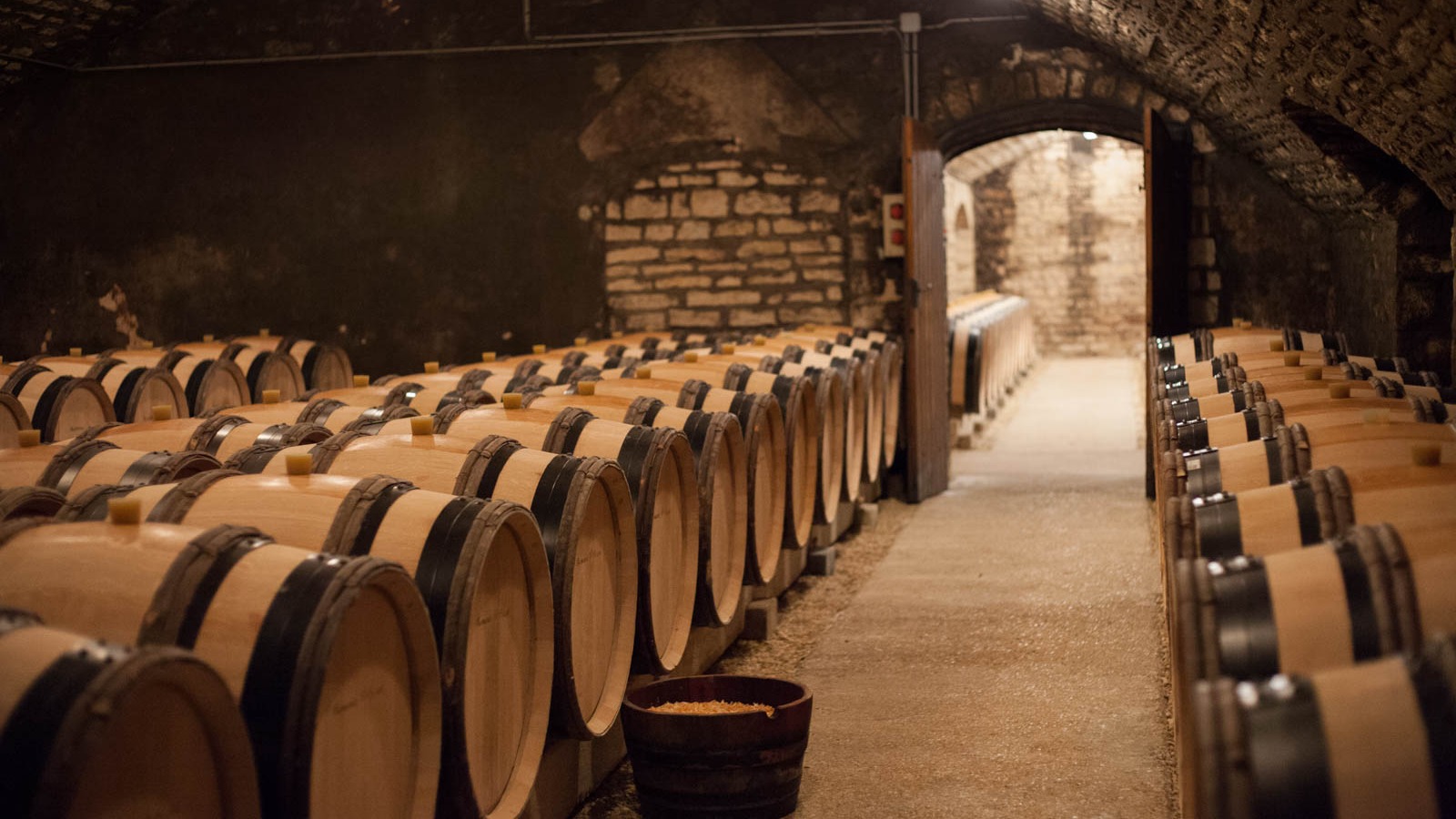
The post-war parcellaire reconstruction of Burgundy's Côte d'Or produced a generation of domaine-bottlers who moved away from the négociant model that had dominated the region through the mid-century. Domaine Bruno Clair, anchored in Marsannay and working holdings across Gevrey-Chambertin, Morey-Saint-Denis, Vosne-Romanée, and Savigny-lès-Beaune, sits inside that lineage, a producer whose current cellar program reflects the technical consolidation that began when Bruno Clair took over family parcels from Domaine Clair-Daü in 1986. The domaine works inside the classic Burgundian house style: native-yeast fermentation, judicious new-oak percentages scaled to appellation hierarchy, and a cellar régime that prizes transparency over extraction. First plantings on the family holdings date to 1954 under Joseph Clair; Bruno Clair's tenure since the mid-1980s has shaped the current technical program across approximately 27 hectares of vines spanning nine appellations from Marsannay to Corton-Charlemagne. The domaine's holdings cluster in two bands. In Marsannay, where the family holds its largest contiguous parcels, Clair works roughly 6 hectares across multiple lieux-dits, including parcels in Longeroies, Grasses Têtes, and Vaudenelles, producing both varietal Pinot Noir and smaller quantities of Chardonnay and Pinot Blanc. The Marsannay program sits at the entry tier of the range but reflects the same cellar protocols applied to the premier cru and grand cru bottlings: hand-harvested fruit, whole-cluster percentages typically in the 30–50% range depending on vintage stem ripeness, native-yeast fermentation in open-top wooden cuves, and élevage in 228-litre Burgundian pièces with new-oak percentages running 15–25% for village-level wines. The second band of holdings runs through the Côte de Nuits grands crus: Clos de Bèze in Gevrey-Chambertin, Corton-Charlemagne in the Corton hill, and Bonnes-Mares straddling Chambolle-Musigny and Morey-Saint-Denis. These grand cru parcels represent less than 2 hectares of the total domaine footprint but anchor the top tier of the range, with new-oak percentages rising to 40–60% and élevage extending to 18 months before assemblage and bottling. Bruno Clair's cellar program reflects the mainstream Burgundian consensus that emerged in the 1990s and has remained largely stable since: minimal intervention in the vineyard (organic practices without certification, green harvesting to control yields, manual harvesting at full phenolic ripeness), native-yeast fermentation with no temperature control beyond ambient cellar cooling, punch-downs rather than pump-overs during cuvaison, and a controlled oxidative régime during élevage with racking frequency adjusted to the vintage. The whole-cluster fermentation percentage, a variable that distinguishes house styles across Burgundy more sharply than oak or élevage length, sits in the mid-range of contemporary practice. Domaines working at the stem-inclusion extremes (Comte Liger-Belair at 100%, Ponsot historically above 80%, Rousseau in the 70–90% band) produce a more structured, spice-driven profile; producers working with full destemming (Méo-Camuzet, Roumier on most cuvées, Dujac on entry-tier bottlings) produce a rounder, fruit-forward profile. Clair's 30–50% whole-cluster program places the domaine in the technical middle, closer to the Dujac or Ponsot schools than to the full-destem camp, but without the stem-saturated tannin load that defines the highest whole-cluster practitioners. The domaine's grand cru holdings provide the most direct peer-set comparison. Clos de Bèze, a 1.4-hectare parcel within the larger Chambertin-Clos de Bèze appellation, is the domaine's flagship red. Clair's Clos de Bèze bottlings from the 2000s and 2010s sit stylistically between the Rousseau and Drouhin-Laroze renditions of the same climat, less extracted and less new-oak-dominated than Rousseau's, more structured and longer-lived than Drouhin-Laroze's village-style approach. The wine typically shows moderate colour density, red-fruit aromatics with floral and spice lift from whole-cluster inclusion, and a mid-weight palate structure that rewards cellaring over 10–20 years. Secondary-market pricing for Clair's Clos de Bèze reflects this mid-tier positioning within the appellation: trade pricing runs roughly 40–60% of the Rousseau equivalent in comparable vintages, and the wine does not command the allocations premiums assigned to the handful of Clos de Bèze producers working at Rousseau's or Dugat-Py's pricing tiers. Corton-Charlemagne, the domaine's sole white grand cru, represents roughly 0.5 hectares on the Corton hill and is vinified in a style that mirrors the red program: native-yeast fermentation, élevage in 228-litre barrels with new oak running 30–40%, batonnage frequency adjusted to the vintage, and bottling after 12–15 months without fining or filtration. The wine sits inside the classic Corton-Charlemagne profile, richer and more phenolic than Puligny or Chassagne, less reductive and less tightly wound than Chablis grand cru, built for aging over 10–15 years, and competes directly with the Bonneau du Martray, Coche-Dury, and Faiveley bottlings from the same hill. Clair's Corton-Charlemagne does not reach the secondary-market multiples of the Coche-Dury (where allocation scarcity and cult demand drive pricing to 3–5× the Clair equivalent) but sits comfortably in the second tier of the appellation alongside Faiveley and Jadot, with trade pricing typically in the €80–120 range on release. The domaine's Marsannay program, though positioned at the entry level of the range, reflects the same technical discipline applied to the grand cru parcels and offers the clearest window into the house style at scale. Marsannay as an appellation was refined to AOC status only in 1987, late in the Côte d'Or's denominational history, and the appellation's price positioning has remained compressed relative to Gevrey-Chambertin and Morey-Saint-Denis despite proximity and similar terroir. Clair's Marsannay rouge bottlings, from Longeroies, Grasses Têtes, and Vaudenelles, show the whole-cluster spice signature, moderate extraction, and mid-weight structure that define the house style, and are priced into the €20–30 range on release, making them one of the more accessible entry points into the domaine's program. The Marsannay blanc, a small-production Chardonnay bottling from parcels in Longeroies, sits stylistically closer to a Meursault village wine than to the grand cru whites, with new-oak percentages in the 20–25% range and a rounder, less mineral-driven profile than the Corton-Charlemagne. Bruno Clair's career in the cellar spans nearly four decades under his own label, following the 1986 breakup of Domaine Clair-Daü, the family négociant business that his father ran through the mid-century. The Clair-Daü holdings were divided among family members in the mid-1980s, with Bruno Clair retaining the largest share of vineyard parcels and establishing the current domaine structure. The transition from négociant to domaine-bottler mirrors the broader regional shift that reshaped Burgundy's commercial structure in the post-war decades: where the négociant model had dominated distribution through the 1960s and 1970s, the 1980s and 1990s saw a sharp rise in estate bottling, with producers retaining control over vinification, élevage, and direct-to-market distribution. Clair's domaine sits squarely inside that second-generation estate-bottling cohort, alongside producers such as Méo-Camuzet (re-established in 1985 after decades of contracted vineyard management), Ponsot (shifted to full estate bottling in the 1980s after years of mixed production), and Roumier (consolidated estate bottling under Jean-Marie Roumier in the same period). The domaine's production volume and distribution model reflect the mid-sized Burgundian producer's economic reality. With approximately 27 hectares under vine and yields controlled to AOC maximums (typically 40–50 hectolitres per hectare for reds, slightly higher for whites), total annual production runs roughly 8,000–10,000 cases across the full range of cuvées. The grand cru bottlings represent less than 10% of that total volume, with Clos de Bèze production typically around 400–600 cases per vintage and Corton-Charlemagne production around 200–300 cases. The bulk of the domaine's volume sits in the Marsannay and Savigny-lès-Beaune village wines, which are distributed through traditional three-tier channels in export markets and through direct domaine sales and French caviste networks domestically. Allocation pressure on the grand cru bottlings is moderate, the wines do not sell out on release in the manner of DRC, Leroy, or Rousseau, but access requires established trade relationships or mailing-list placement for retail buyers. Access to the domaine is structured through a traditional Burgundian allocation model. The domaine does not operate a public tasting room or a direct-to-consumer web-shop; visits are by appointment only, and the majority of production moves through long-standing négociant relationships and through direct allocation to importers in key export markets (United States, United Kingdom, Japan, and northern Europe). Retail buyers and restaurateurs seeking access to the grand cru bottlings typically work through regional importers or through Burgundy specialist négociants such as Becky Wasserman or Martine Saunier, both of whom have carried Clair's wines in their portfolios since the 1990s. The domaine releases wines roughly 18–24 months after harvest, following the standard Burgundian calendar, and does not hold back library stock for delayed release, a practice more common among négociants than among estate producers. The domaine's position inside the Burgundian quality hierarchy is legible through secondary-market pricing and through critical reception in trade publications. Clair's grand cru bottlings have been reviewed consistently by Burgundy specialist critics, Allen Meadows at Burghound, Neal Martin at Vinous, Jasper Morris MW in his Inside Burgundy series, and the domaine's scores sit in the 88–93 range for village and premier cru wines, rising to the 91–95 range for grand cru bottlings in strong vintages. These scores place the domaine in the upper-middle tier of Burgundian producers: above the cooperative and négociant baseline, below the cult-tier producers (DRC, Leroy, Rousseau, Dujac, Roumier) whose scores consistently run 94–98 and whose secondary-market pricing reflects that critical consensus. The critical positioning aligns with the pricing data: Clair's Clos de Bèze trades on the secondary market at roughly €150–250 per bottle for recent vintages (2015–2020), where Rousseau's Chambertin-Clos de Bèze from the same vintages trades at €400–700 and DRC's Romanée-Saint-Vivant trades at €1,500–3,000. Bruno Clair's technical program has remained stable across the four decades of his tenure, reflecting the producer's position inside the Burgundian mainstream rather than at its experimental edges. The domaine has not adopted biodynamic certification (unlike Leroy, Leflaive, or Comte Liger-Belair), has not moved toward zero-sulfur bottlings (unlike the Burgundian natural-wine fringe represented by producers such as Pierre Overnoy or Jean-Claude Rateau), and has not adopted the ultra-long élevage régimes (24–36 months) practiced by a small cohort of producers including d'Auvenay and Hubert de Montille. The stability of the program is itself a positioning choice: where some Burgundian producers have used technical innovation or cellar experimentation as a differentiation strategy, Clair has held to a mid-century technical consensus and allowed the parcellaire, the grand cru holdings, the premier cru sites, the Marsannay lieux-dits, to carry the differentiation load. This approach aligns the domaine more closely with the Drouhin, Faiveley, or Jadot houses than with the avant-garde wing of estate Burgundy, and the commercial results reflect that alignment: steady demand, stable pricing, reliable allocations, and a trade reputation built on consistency rather than on vintage-to-vintage experimentation. The domaine's next-generation transition has begun with Bruno Clair's children entering the business in operational roles, a common succession pattern across family-held Burgundian estates. The technical program has not shifted materially with the younger generation's involvement, and the cellar continues to operate under Bruno Clair's oversight as of the early 2020s. The succession model mirrors the slow-transition pattern seen at other mid-sized Burgundian domaines: a decades-long handoff period during which the founder remains involved in key decisions (harvest timing, oak purchasing, blending, release pricing) while operational cellar work and vineyard management shift to the next generation. This model contrasts with the abrupt transitions seen at some high-profile estates (Domaine Dujac's shift from Jacques Seysses to his sons in the early 2000s, Domaine Ponsot's contested transition in the 2010s) and reflects the economic and reputational stability that allows for gradual succession.
Know before you go
- Dress code
- smart_casual
- Reservations
- appointment_only
- Parking
- on_site_lot
Address
5 Rue du Vieux Collège, 21160 Marsannay-la-Côte
Marsannay-la-Côte · Burgundy
How it compares
- Cuisine
- Pinot Noir, Chardonnay
- Price
- $$$
- Awards
- 1 recognition
- Notes
- Marsannay-la-Côte
- Cuisine
- Pinot Noir, Chardonnay
- Price
- $$$
- Awards
- 1 recognition
- Notes
- Nuits-Saint-Georges
- Cuisine
- Pinot Noir, Chardonnay
- Price
- $$$
- Awards
- 1 recognition
- Notes
- Volnay
- Cuisine
- Pinot Noir, Chardonnay
- Price
- $$$
- Awards
- 1 recognition
- Notes
- Vosne-Romanée
- Cuisine
- Pinot Noir, Chardonnay
- Price
- $$$
- Awards
- 1 recognition
- Notes
- Beaune
- Cuisine
- Chardonnay, Pinot Noir
- Price
- $$$
- Awards
- 1 recognition
- Notes
- Meursault