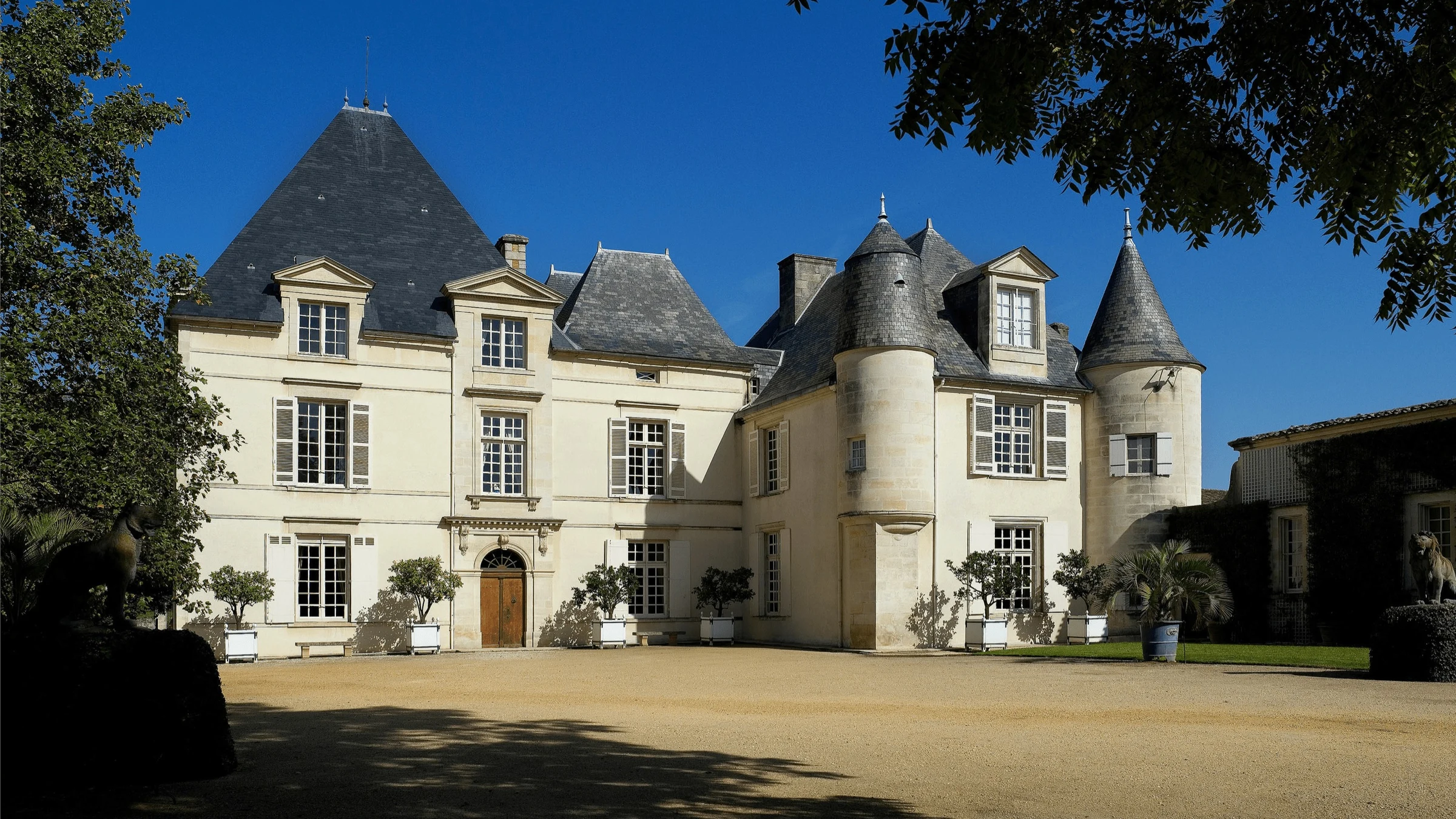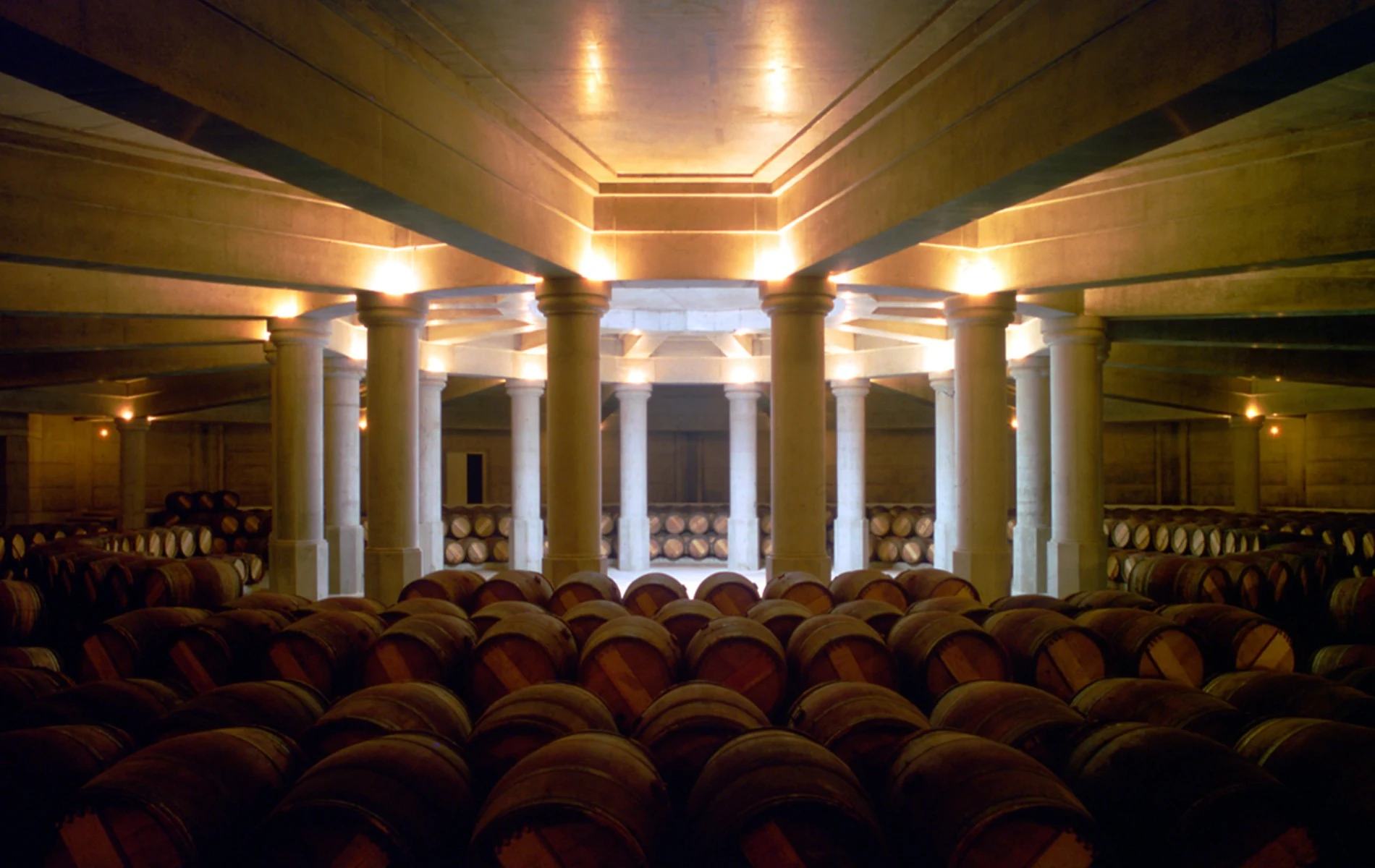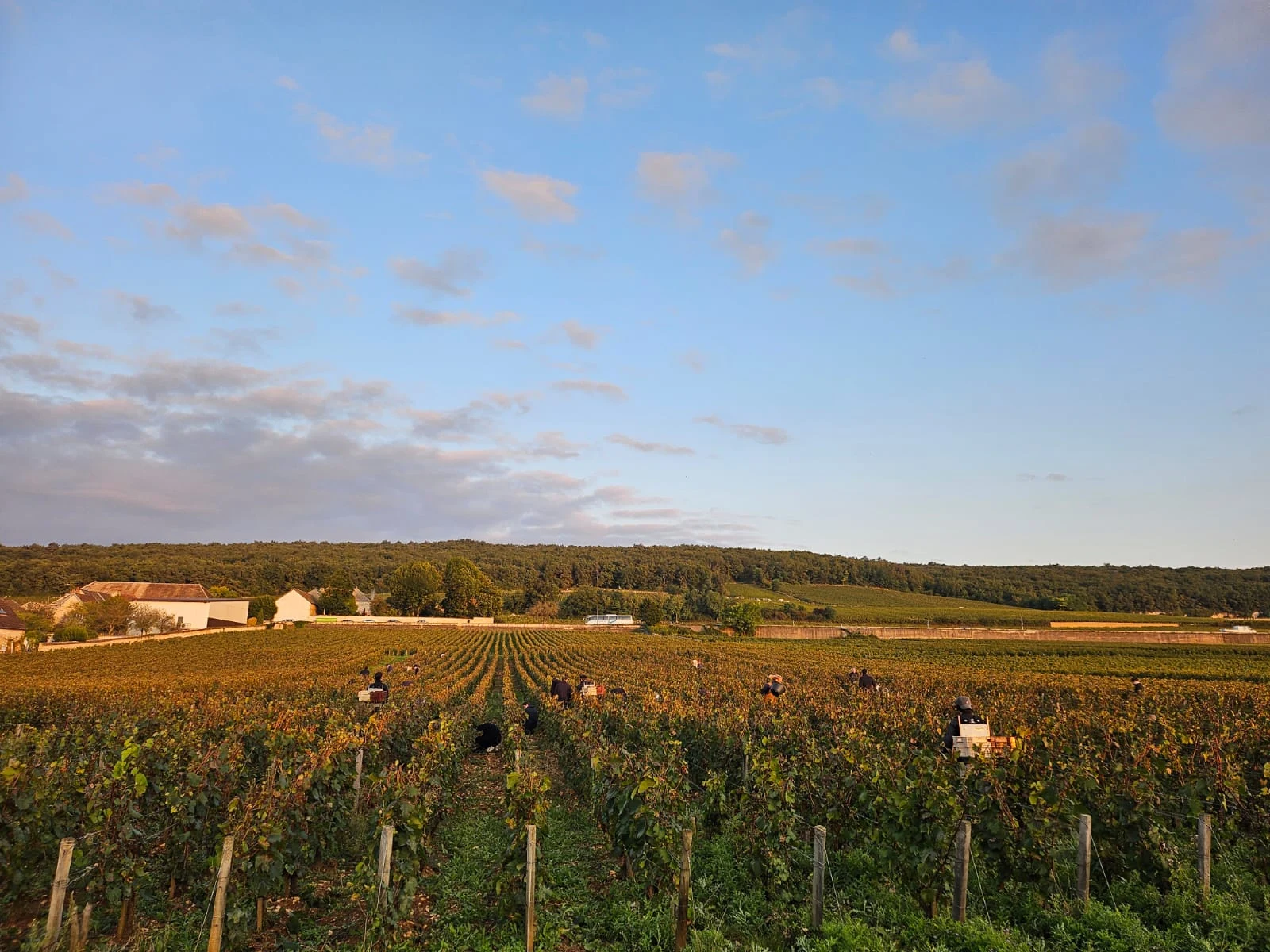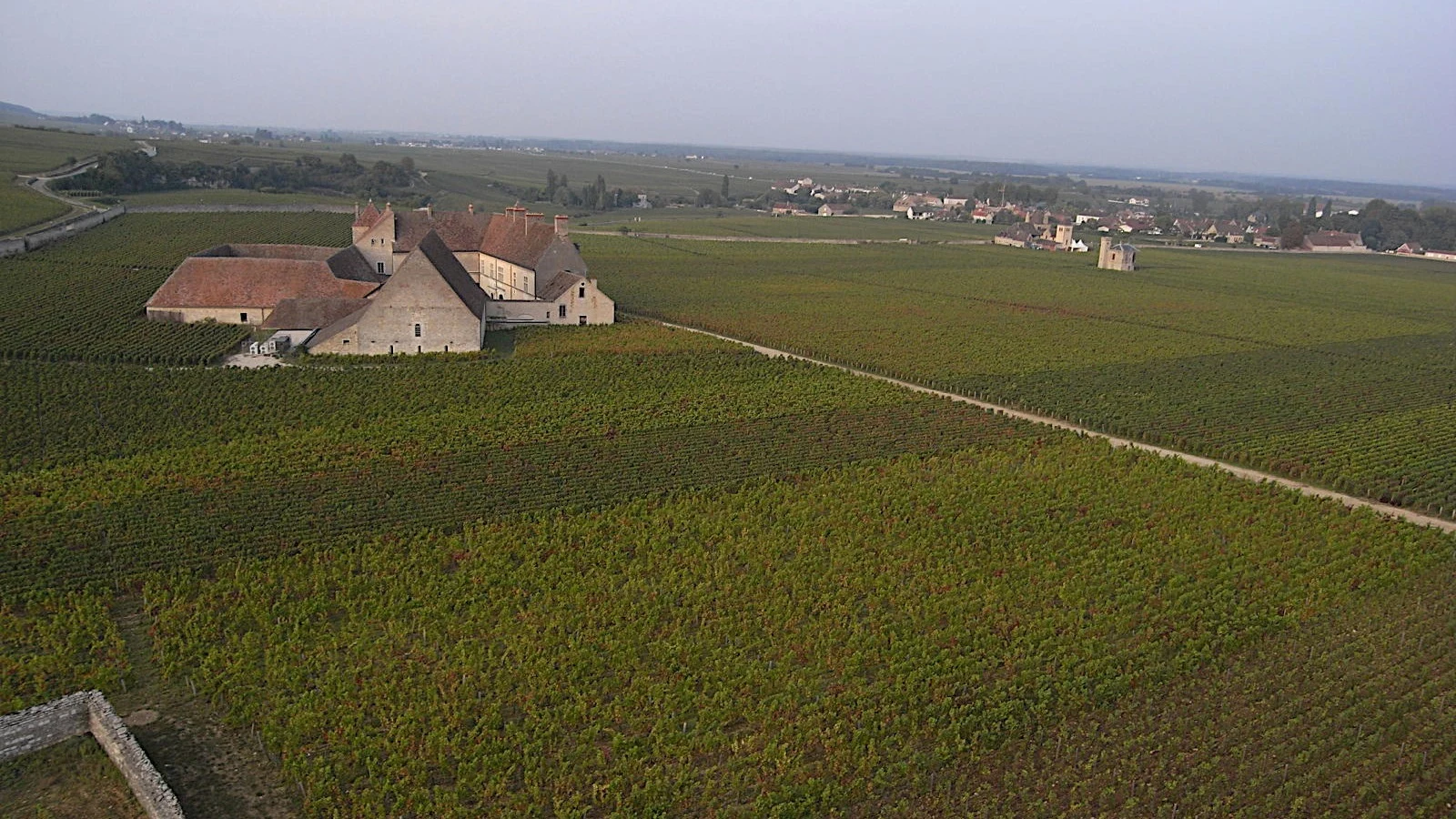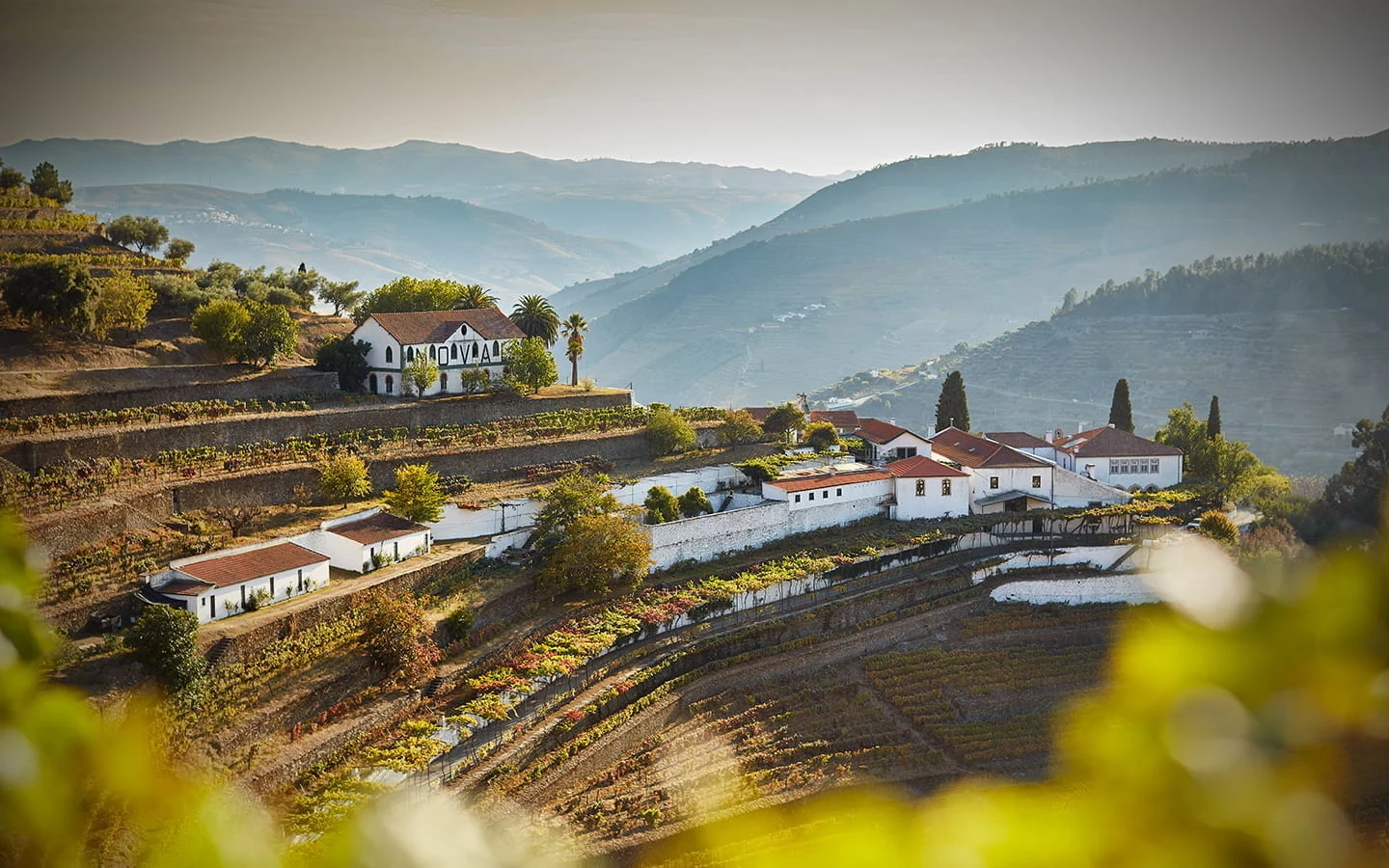
Penfolds Magill Estate sits on the original 1844 vineyard site in the foothills east of Adelaide, where the Barossa and Adelaide Hills converge in Grange's founding block. Awarded Pearl 5 Star Prestige in 2025, the estate anchors the Penfolds story at its geographical source, connecting the brand's most celebrated wines directly to the soils that shaped them.
<h2>Where Adelaide's Eastern Foothills Meet a 180-Year Winemaking Record</h2><p>The drive up Penfold Road through Magill's suburban fringe ends abruptly at a site that predates the surrounding houses by more than a century. The original stone cottage, planted vines, and cellar structures recall a colonial agricultural settlement because, historically, that is exactly what this was. Christopher Rawson Penfold planted the first cuttings here in 1844, and the 5.2-hectare Grange Vineyard block on that same slope now carries one of the most documented terroir lineages in the Southern Hemisphere. That continuity of place is the reason the estate functions differently from most winery visitor centres, which tend to exist at some remove from the vineyards that matter most.</p><p>South Australia's wine geography pulls most premium attention toward the Barossa Valley and McLaren Vale, and rightly so. But the Adelaide Plains and the immediate foothills around Magill represent an older, denser urban viticulture that preceded both regions in terms of commercial scale. Magill sits at the convergence of warm continental air from the plains and the cooling elevation of the Mount Lofty Ranges, a combination that produces grapes with more structural tension than the flatlands and more immediate warmth than the higher Adelaide Hills sites. For those tracking terroir rather than brand narrative, this distinction matters. The Grange Vineyard block at Magill produces Shiraz used in Grange itself, not as a regional component but as the founding address of the blend.</p><h2>Terroir at the Origin Point</h2><p>Australian Shiraz has developed several distinct regional identities over the past three decades. The Barossa floor delivers density and alcohol. McLaren Vale layers chocolate and earth. The cooler climate expressions from the Adelaide Hills or Clare Valley run toward peppery restraint. Magill's contribution to the Penfolds house style sits in a different register: a clay-loam soil profile over sandstone and quartzite, moderate altitude, and a vine age in the Grange block that stretches back generations. Old vine material in South Australia carries documented provenance that is rare even by European standards, given that phylloxera never reached most of the state's key regions. That absence allowed the original rootstocks to persist, which is a material fact about the wine, not just a heritage detail.</p><p>The terroir discussion at Magill is also inseparable from what blending means in the Penfolds model. Grange is not a single-vineyard wine in the Burgundian sense. It draws from multiple South Australian sites each vintage, and the Magill block is one anchor in that blend. Comparing this to how, say, <a href="https://www.enprimeurclub.com/wineries/bass-phillip-gippsland-winery">Bass Phillip in Gippsland</a> or <a href="https://www.enprimeurclub.com/wineries/cape-mentelle-margaret-river-winery">Cape Mentelle in Margaret River</a> express single-region terroir shows how differently Australian producers have approached the relationship between place and wine identity. Penfolds chose accumulation and consistency across decades; others chose singular geographic expression. Neither is a lesser strategy, but they produce fundamentally different wine cultures.</p><h2>The 2025 Pearl 5 Star Prestige Recognition</h2><p>The Pearl 5 Star Prestige award (2025) places Magill Estate within the upper tier of Australian wine estate recognition. In a national wine scene that includes respected properties across Victoria, South Australia, and Western Australia, this distinction functions as a peer-set signal rather than simply a marketing credential. Estates carrying this level of recognition tend to share common characteristics: consistent critical scores across multiple vintages, infrastructure capable of hosting serious wine education, and a wine range that extends beyond a single label. For the visitor planning a South Australian wine itinerary, it positions Magill Estate alongside properties like <a href="https://www.enprimeurclub.com/wineries/bird-in-hand-adelaide-hills-winery">Bird in Hand in the Adelaide Hills</a> and <a href="https://www.enprimeurclub.com/wineries/angove-family-winemakers-renmark-winery">Angove Family Winemakers in Renmark</a> in terms of estate experience depth, while its historical scale places it in a separate category from newer operations.</p><p>Comparison with peers outside South Australia reinforces the point. <a href="https://www.enprimeurclub.com/wineries/brokenwood-hunter-valley-winery">Brokenwood in the Hunter Valley</a> and <a href="https://www.enprimeurclub.com/wineries/brown-brothers-king-valley-winery">Brown Brothers in the King Valley</a> both carry multi-generational depth and significant visitor infrastructure. <a href="https://www.enprimeurclub.com/wineries/all-saints-estate-rutherglen-winery">All Saints Estate in Rutherglen</a> occupies a similar heritage-estate position in Victoria. What Magill Estate holds that few can match is a documented continuity of production on the same parcel of land, at the origin point of one of Australia's most studied wine brands.</p><h2>The Estate Experience in Context</h2><p>Premium wine estate visits in Australia have matured considerably since the cellar-door-and-cheese-board model that dominated the 1990s. The current tier of serious estate experiences tends to split between large-format tourism operations with high throughput and lower-capacity programs built around wine education, vertical tastings, and access to older library vintages. Magill Estate operates in the latter register. The address at 78 Penfold Road, Magill SA 5072, places it approximately 9 kilometres east of the Adelaide CBD, which means it sits within easy reach of the city without the full regional day-trip commitment that Barossa or McLaren Vale require. For the visitor working through a tight Adelaide schedule, that proximity is a practical advantage.</p><p>The estate's experience architecture, from heritage cellar tours to museum wine access, reflects a broader shift in how Australian wineries with significant back-catalogues have repositioned themselves. Where once old vintages were a stockroom asset, they now function as the core of premium programming. This model has parallels in how <a href="https://www.enprimeurclub.com/wineries/bests-wines-great-western-winery">Leading's Wines in Great Western</a> handles its own historic material, or how distillery heritage tourism at operations like <a href="https://www.enprimeurclub.com/wineries/archie-rose-distilling-co-sydney-winery">Archie Rose in Sydney</a> and <a href="https://www.enprimeurclub.com/wineries/bundaberg-rum-distillery-bundaberg-winery">Bundaberg Rum Distillery</a> uses provenance as the primary visitor draw. At Magill, the provenance argument is unusually strong because the founding site is still producing.</p><h2>Placing Magill in the Adelaide Wine Circuit</h2><p>Adelaide's wine geography rewards visitors who think in circuits rather than single destinations. The city sits at the centre of five distinct wine regions within an hour's drive, and the standard itinerary pushes outward to the Barossa, Eden Valley, or McLaren Vale. Magill's position within the eastern suburbs means it functions well as an opening or closing stop on any of those circuits, a place to establish historical context before heading into a regional day, or to consolidate it on return. Those building a more focused South Australian premium itinerary might pair Magill with <a href="https://www.enprimeurclub.com/wineries/blue-pyrenees-estate-pyrenees-winery">Blue Pyrenees Estate in Pyrenees</a> or cross-reference the estate winery model against something structurally different like <a href="https://www.enprimeurclub.com/wineries/casella-family-yellow-tail-griffith-winery">Casella Family in Griffith</a> or <a href="https://www.enprimeurclub.com/wineries/aberlour-aberlour-winery">Aberlour in Aberlour</a> to understand how differently heritage can be deployed across production scales.</p><p>For broader context on what Magill and its surrounding area offer, our full Magill restaurants and venues guide covers the neighbourhood in detail. Those extending into South Australia's broader wine circuit should also consider how <a href="https://www.enprimeurclub.com/wineries/accendo-cellars">Accendo Cellars in St. Helena</a> handles a similarly terroir-focused, prestige-tier positioning in a completely different wine culture, which throws Magill's Australian context into useful relief.</p><h2>Planning Your Visit</h2><p>Magill Estate sits 9 kilometres east of central Adelaide, making it one of the few prestige wine estates in Australia accessible without a car if needed, though most visitors arrive independently. Given the estate's consistent recognition and the draw of museum wine programming, advance booking for formal tasting experiences is advisable, particularly during the South Australian harvest period in late summer and early autumn when regional wine tourism peaks. The Pearl 5 Star Prestige recognition (2025) reflects an operation that handles volume without sacrificing the depth of experience, but capacity at the cellar door and dining room does not accommodate walk-in demand at peak periods. Advance booking is recommended.</p>
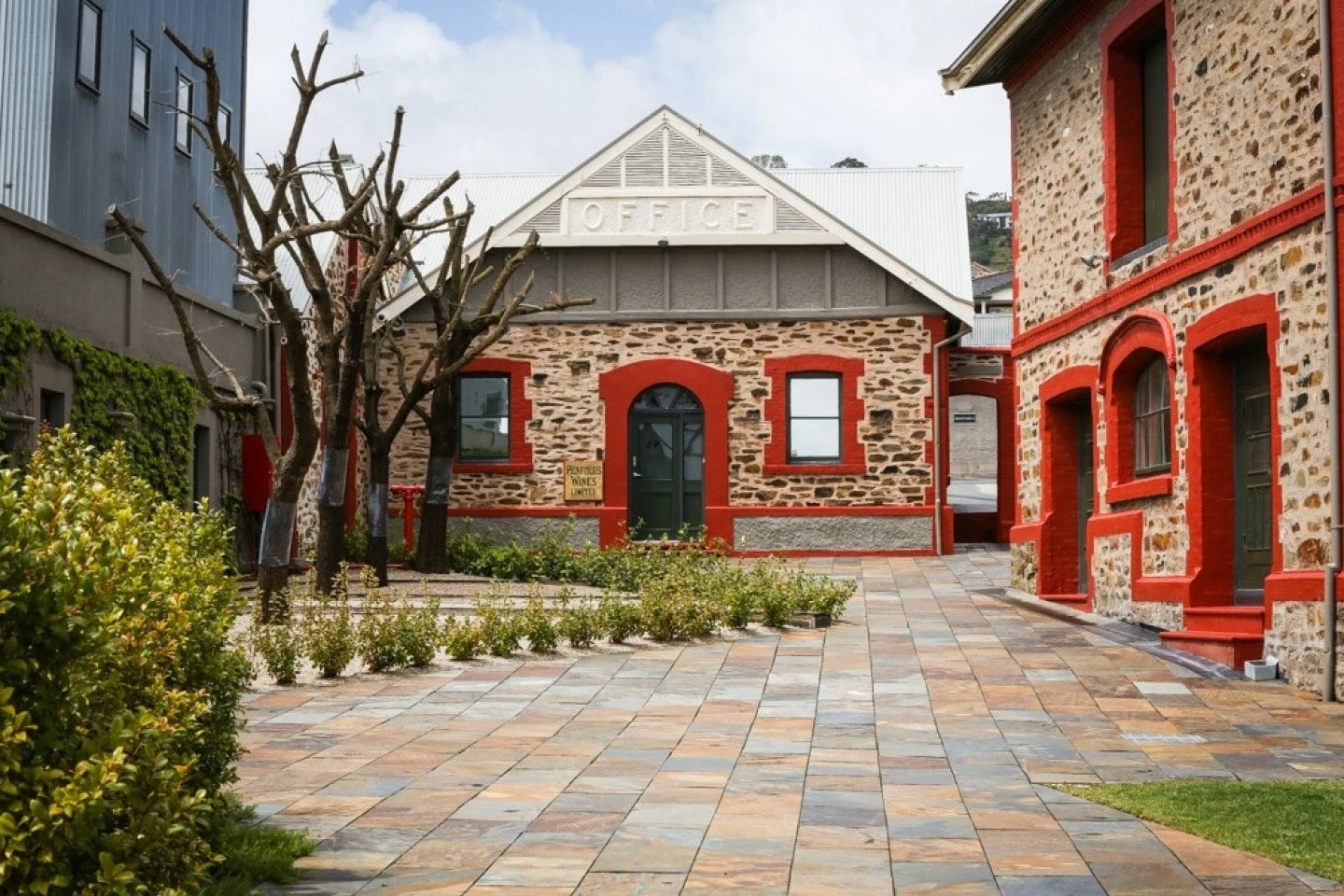
The estate occupies a working historical vineyard on Penfold Road, within Adelaide's eastern suburbs, which means the setting reads as a living agricultural site rather than a purpose-built tourist venue. Original stone buildings from the 1840s sit alongside a functioning winery, giving the property a layered sense of operational continuity. The Pearl 5 Star Prestige recognition (2025) reflects a level of experience programming that goes well beyond a standard cellar door.
Penfolds Magill Estate is located at 78 Penfold Rd, Magill SA 5072, Magill.
Penfolds Magill Estate has received recognition including: Pearl 5 Star Prestige (2025).
The founding vineyard block at Magill is where Penfolds Grange originated, making this address the documented source of Australia's most scrutinised premium red wine. The estate also produces the single-vineyard Magill Estate Shiraz, drawn exclusively from vines on the property. Both wines are central to any serious engagement with Australian Shiraz history.
The primary reason is direct access to historical context: this is the site where Max Schubert developed Grange in the early 1950s, and the winery buildings from that period remain intact. Premium experience programs at the estate allow visitors to taste library vintages on the same ground where they were made, which is a combination that no other Australian cellar door can replicate. The 2025 Pearl 5 Star Prestige award signals that the structured experience offering now matches the historical significance of the location.
For any tasting experience beyond a basic cellar door visit, advance booking is advisable. Programs involving older library wines or heritage site access have limited placement and are known to sell out, particularly during South Australia's peak visitor season. Walk-in availability for premium sessions at a Pearl 5 Star Prestige-rated estate should not be assumed.
78 Penfold Rd, Magill SA 5072
Magill
Tin Shed Distilling Co (Iniquity)