Winemaker
Charles Ballot
Winemaker, Domaine Ballot-Millot
- Discipline
- Winemaker

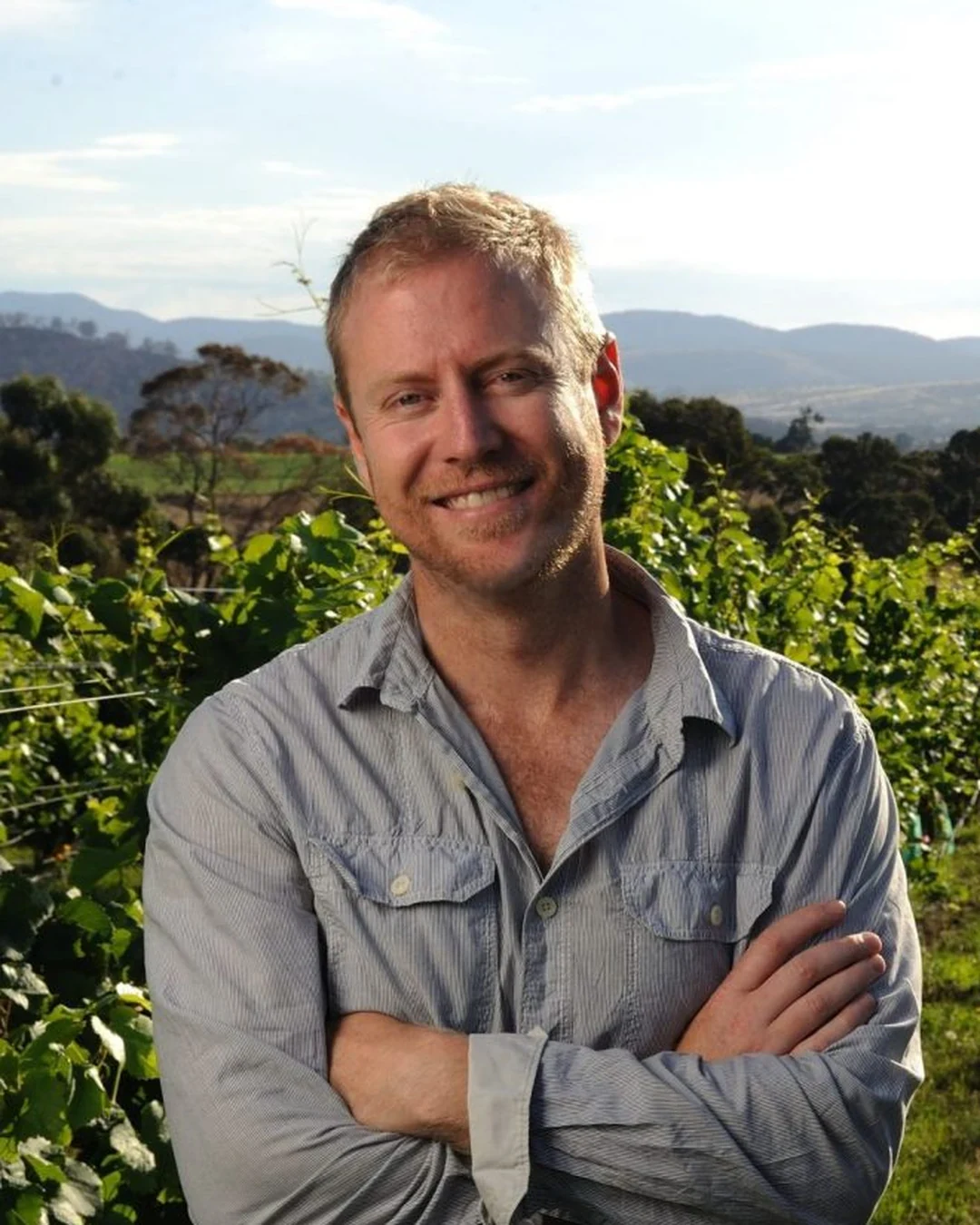
Portrait of Charles Ballot
i. Biography
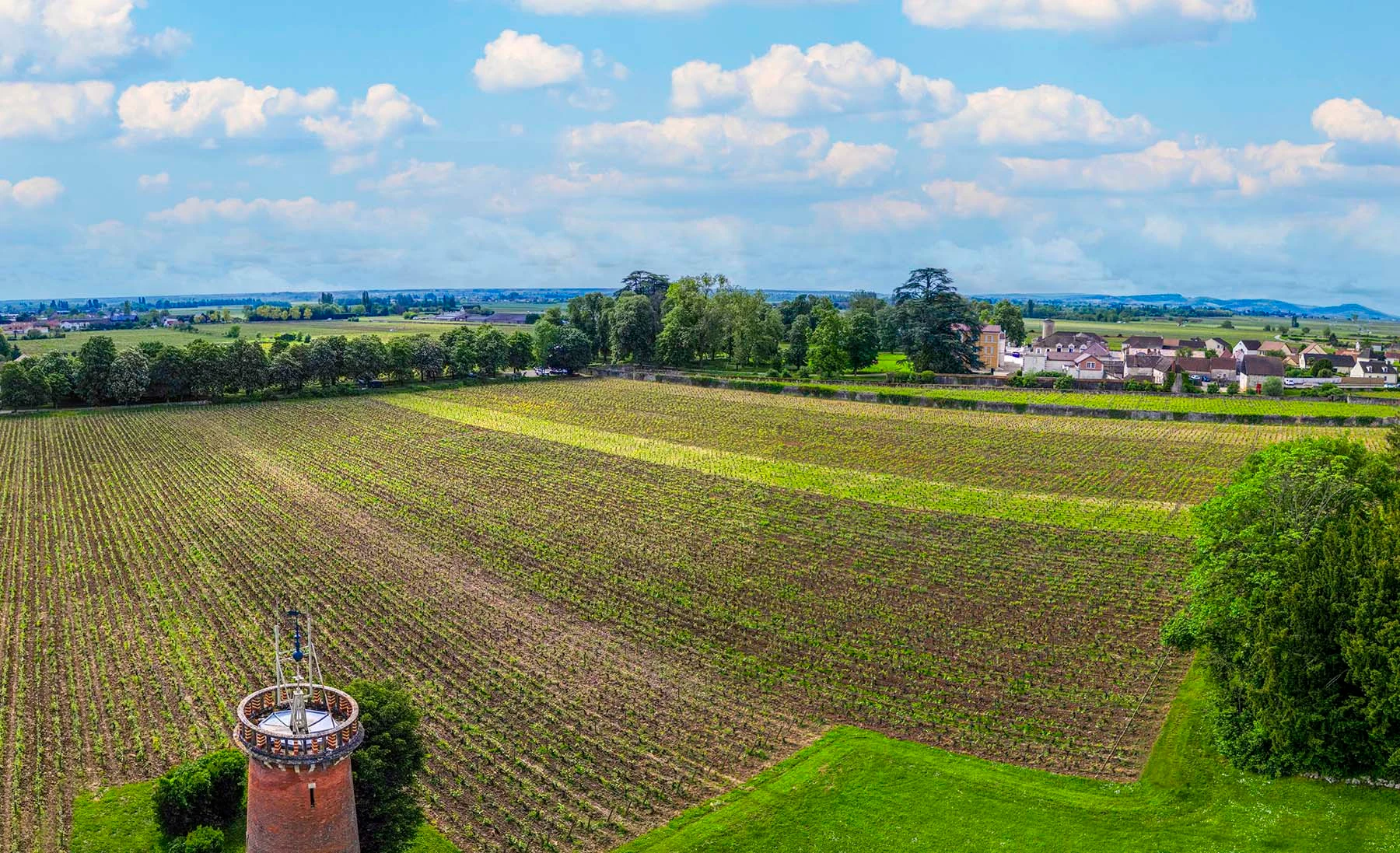
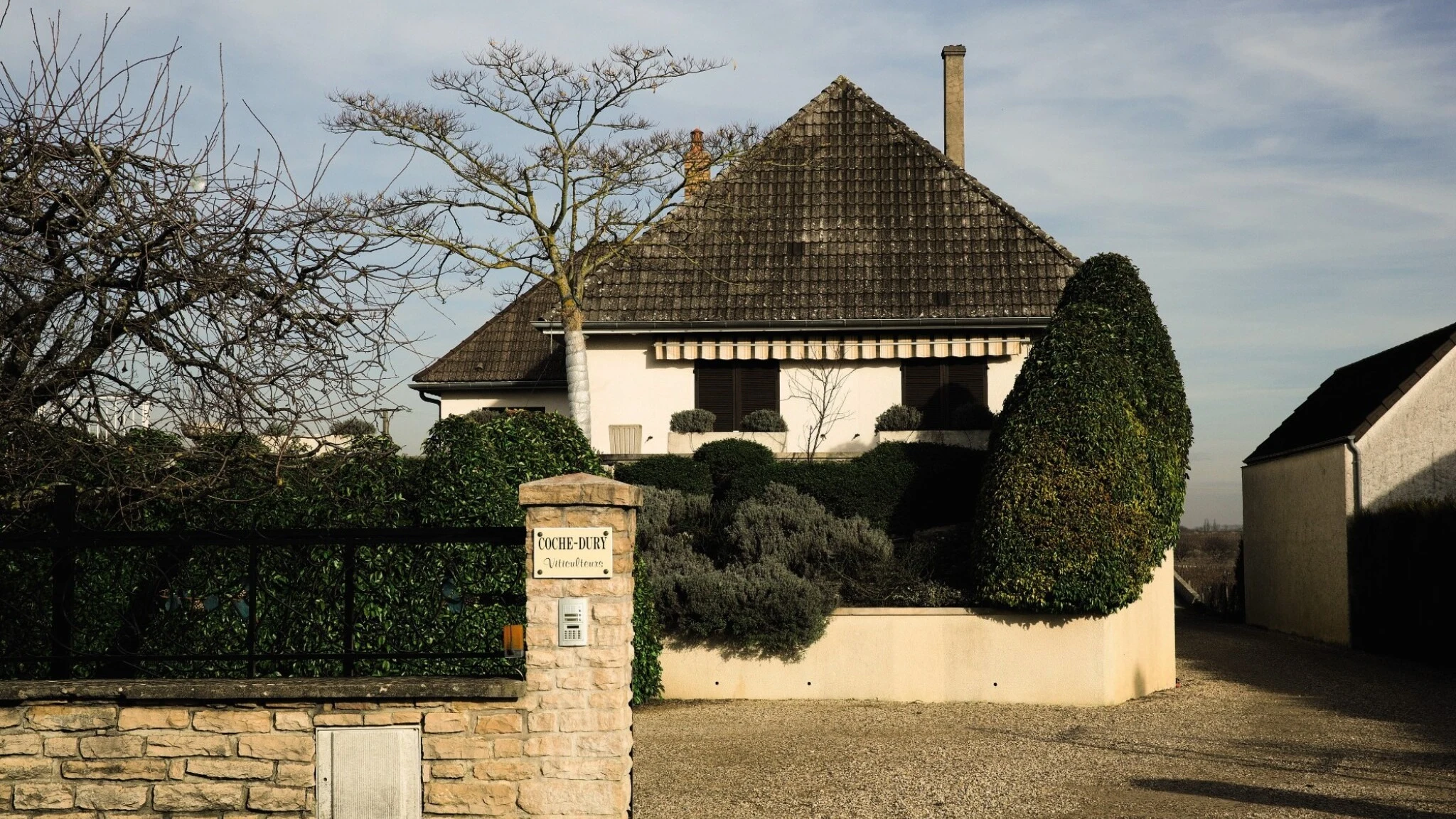
Meursault work at Domaine Ballot-Millot sits inside a long village line: 17 generations tied to the wines of Meursault, France, reaching back to the French Revolution. Charles Ballot is the current evidence of that continuity, with inheritance treated less as display than as an obligation to keep parcel, vintage, and cellar work readable.
The Sunday letter
Read Made By's new profiles every Sunday.
Meet the chefs, winemakers and sommeliers behind the places we cover. See a sample below before you subscribe.
See a sample of the Sunday emailOne email a week. Unsubscribe from any issue.
Formation
Since 2001, the family domaine has been led by Charles Ballot as vigneron and head of Domaine Ballot-Millot. The role joins farming, cellar judgment, and succession: a Meursault lineage carried forward through decisions made each season rather than through preservation for its own sake. Parcel work in Meursault depends on fine distinctions, and Ballot's practice is framed around keeping those distinctions legible. The emphasis is refinement rather than reinvention: observation before harvest, careful farming, and cellar choices that avoid covering the site with technique.
The Work Today
Vineyard work today is organic in practice and also described as lutte raisonnée: generally organic farming, with stronger intervention reserved for a significant vineyard threat. In Ballot's hands, that is a practical discipline, adjusted to vine health and the conditions of the year rather than used as a marketing line. Cellar work follows the same restrained logic. Grapes are sorted in the vineyard, completely destemmed, pressed into barrel, and fermented slowly with native yeasts in a cold cellar. Lees are not stirred. The aim is a pure, focused, unmasked profile of each vineyard, with time and temperature doing more of the work than overt handling. Aging runs 12–18 months on lees in barrel, with 15% to 50% new wood depending on vintage and cru. The wines are then racked to tank before bottling at about 18–20 months after vintage. Sulfur is kept as low as possible, and naturally occurring carbon dioxide is retained as protection against bacterial growth and oxidation. The technical line is clear: protect precision without adding weight or polish that would blur origin. The range is white and red Burgundy from Meursault: linear, mineral white wines with great precision, and perfumed, expressive red wines. Ballot states the working target as "a better balance between fruit and structure." In trade terms, that puts the emphasis on composition, freshness, tension, and site clarity rather than force.
Career - Vigneron; head of family domaine — Domaine Ballot-Millot, Meursault, Burgundy, France (2001–present)
Acclaim
External reading of the domaine's balance can be seen in three 2008 wines. Wine Spectator described Meursault Narvaux as fresh, tight, linear, mineral, and long-finishing; it came from two parcels in Narvaux Dessous with vines aged 35 and 60 years. Meursault Perrières, also from 2008, was described by Wine Spectator as a firm, upright, mineral-driven white with fine density and length, drawn from 40-year-old vines.
FAQ What role does Charles Ballot hold? Charles Ballot Runs Domaine Ballot-Millot. What is Charles Ballot known for? Racy, tensile Meursault wines in the so-called "Roulot-school" style rather than a fatter, honeyed, nutty style.


The Sunday letter
Get the next Made By profile in your inbox.
We send one email every Sunday morning with the people we profiled that week.
See a sample of the Sunday emailOne email a week. Unsubscribe from any issue.