Made ByWinery
- Falstaff Winery - Listed · 2026
- Michelin 1 Grape · 2026
- Pearl 2 Star Prestige · 2025
The Sunday letter
Find new places through the people who run them.
Our Sunday email brings you the chefs, winemakers and hoteliers behind our newest stories. See a sample before you subscribe.
See a sample of the Sunday emailOne email a week. Unsubscribe from any issue.
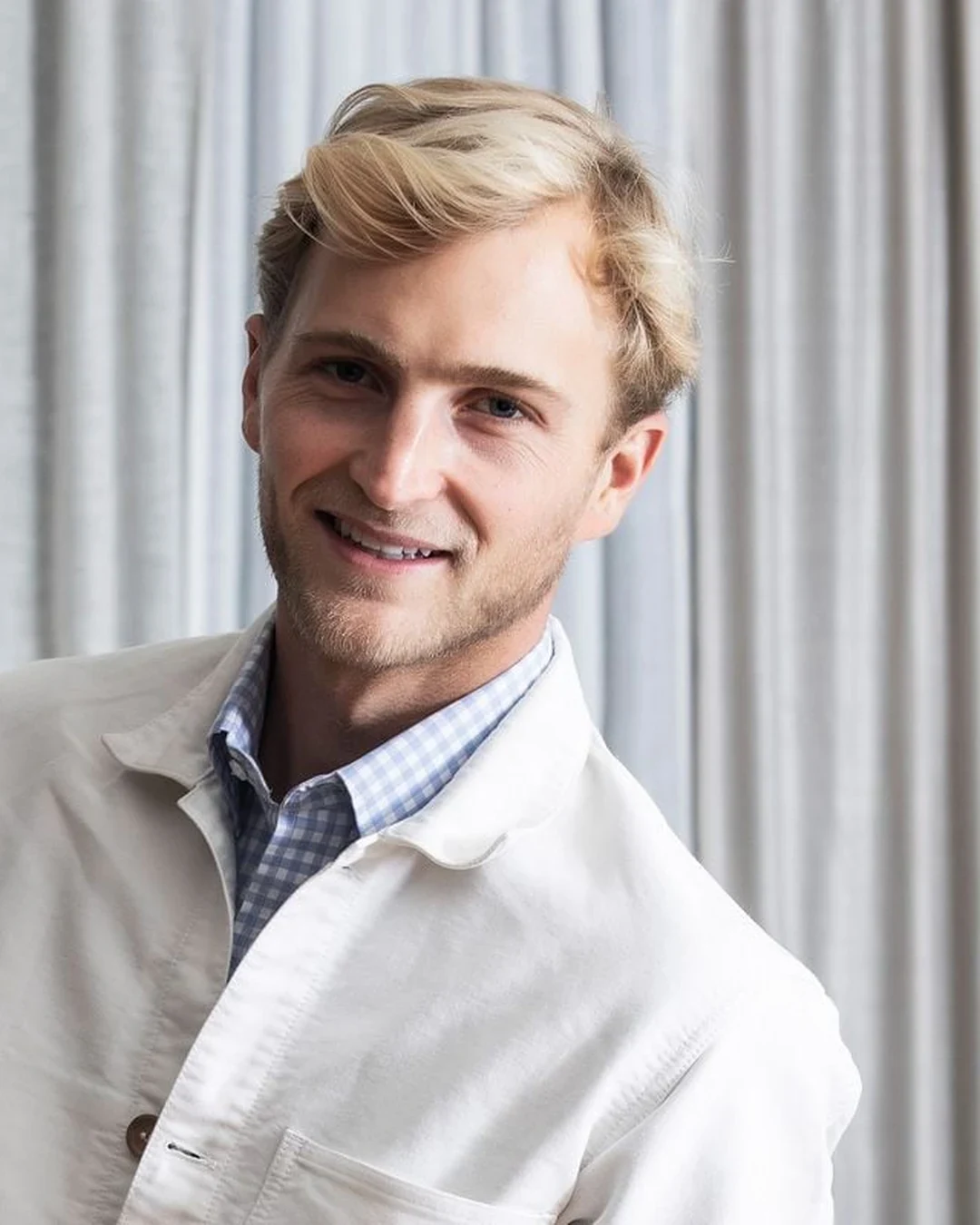
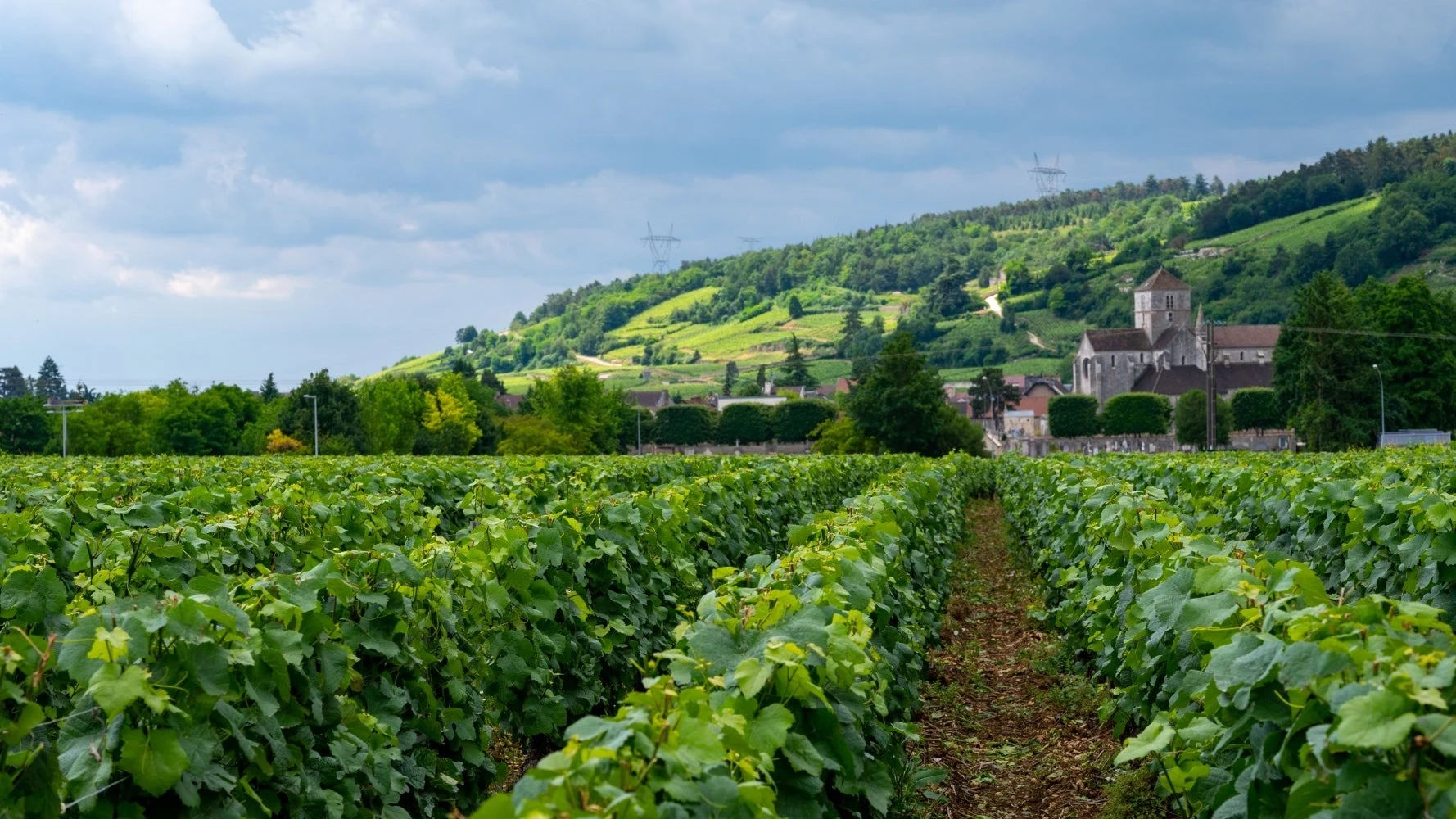
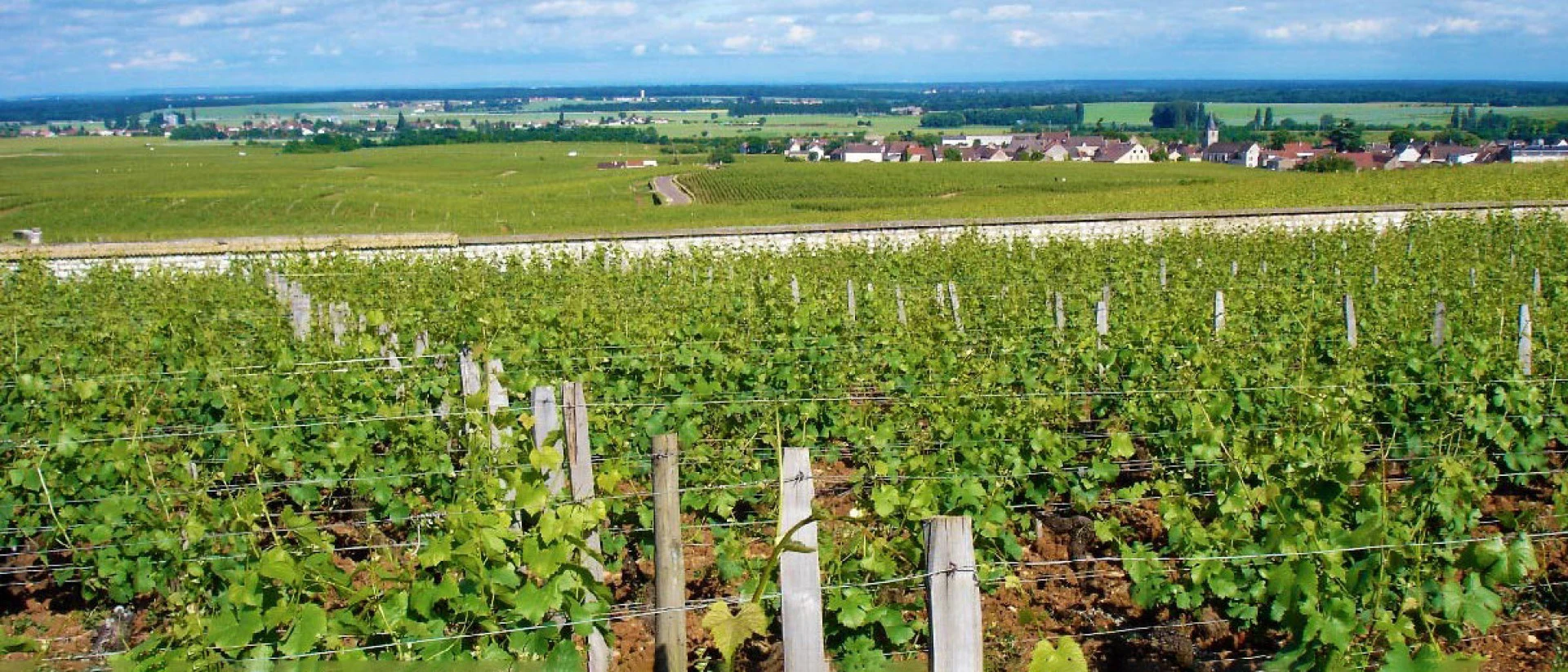
The Clos de Vougeot grand cru sits inside a walled enclosure that has defined Burgundy's vineyard architecture since the Cistercian monks of Cîteaux Abbey cleared and planted the parcel in the 12th century. Château de la Tour operates the largest single holding within that clos, 5.48 hectares of the 50.59-hectare grand cru, and has maintained unbroken family ownership since François Labet acquired the estate in 1889. Édouard Labet, sixth generation, took over winemaking in 2013 after a decade working alongside his father, and works the estate inside the low-intervention, terroir-first lineage that has shaped top-tier Burgundy domaine practice since the 1980s.
The estate's position inside Clos de Vougeot carries specific viticultural weight. The 5.48-hectare holding spans three distinct soil bands within the clos, upper-slope limestone scree, mid-slope clay-limestone, and lower-slope heavier clay, allowing the domaine to produce multiple cuvées that reflect intra-cru variation rather than blending across the whole parcel. This segmented approach to a grand cru holding sits closer to the Domaine de la Romanée-Conti model of parcel-specific bottlings than to the blended single-cuvée practice common among smaller Clos de Vougeot holders. Édouard Labet bottles three separate Clos de Vougeot cuvées, Vieilles Vignes from vines planted in 1910 and 1945 on the upper and mid-slope, a standard cuvée from mid-slope parcels, and a lower-slope cuvée from heavier clay soils, alongside a village-level Vougeot and a Bourgogne rouge. Total annual production runs approximately 25,000 bottles across all cuvées, with the Vieilles Vignes cuvée accounting for roughly 3,000 bottles in a typical vintage.
Labet family's approach to viticulture has remained consistent across five generations: high-density planting at 10,000 vines per hectare, manual harvest, rigorous green harvest to limit yields to 30–35 hectoliters per hectare in the grand cru parcels, and an estate-wide conversion to organic certification completed in 2012. The decision to pursue organic certification came relatively late compared to early-mover estates like Domaine Hudelot-Noëllat in nearby Vosne-Romanée, which began transitioning in the 1990s, but the underlying viticultural practice at Château de la Tour had long avoided synthetic inputs. The formal certification formalized what was already operative protocol.
Winemaking under Édouard Labet follows the Burgundy grand cru standard: whole-cluster fermentation for 15–20% of the fruit in most vintages, wild yeast fermentation in open-top wooden vats, 10–14 days of maceration with gentle punch-downs, and aging in French oak barrels with 30–40% new wood for the Vieilles Vignes cuvée and 20–25% for the standard Clos de Vougeot. The estate has its own cooperage relationship with Tonnellerie François Frères in Saint-Romain, sourcing barrels from a consistent forestry lot in the Tronçais and Bertranges forests to maintain barrel-to-barrel consistency across vintages. This cooperage consistency sits inside the same supply-chain logic practiced by Coche-Dury in Meursault and Domaine Georges Roumier in Chambolle-Musigny, where barrel variation is treated as a craft variable to be controlled rather than as an acceptable source of vintage-to-vintage inconsistency.
The estate does not fine or filter its wines, a decision that aligns with the broader movement toward minimal intervention in top-tier Burgundy but remains less common among Clos de Vougeot producers than among Vosne-Romanée or Chambolle-Musigny domaines. The choice reflects Édouard Labet's training period in the cellar alongside his father between 2003 and 2013, a decade that overlapped with the rise of natural wine protocols in Burgundy and the increasing influence of producers like Domaine Cécile Tremblay in Morey-Saint-Denis and Domaine Dugat-Py in Gevrey-Chambertin, both of whom work with minimal SO2 and no fining or filtration. Château de la Tour does not position itself as a natural wine domaine, SO2 additions remain standard practice at bottling, typically in the 30–40 mg/L range, but the cellar protocol reflects the same technical logic that drives the low-intervention school: that every step between fermentation and bottle is an opportunity to strip complexity, and that the best winemaking is the least winemaking.
The Vieilles Vignes cuvée has drawn the most consistent critical attention, with scores in the 92–95 point range from Vinous, Burghound, and Decanter across the 2015, 2017, and 2019 vintages. The cuvée's profile sits closer to the structured, age-worthy model of Burgundy grand cru than to the more immediate, fruit-forward style common in village-level Vougeot. Typical tasting notes cite dark cherry, forest floor, sous-bois, and a firm tannic structure that requires 8–10 years of bottle age to integrate. This aging curve positions the wine inside the same cellaring expectations as top-tier Gevrey-Chambertin grand cru from producers like Domaine Dugat-Py or Chambolle-Musigny premier cru from Domaine Georges Roumier, where the wines are effectively unbottled cellar projects for the first five to seven years.
Estate's pricing structure reflects its position as a working domaine with significant holdings rather than as a micro-négociant or cult producer. The Vieilles Vignes cuvée typically releases at €120–150 per bottle ex-cellar, with the standard Clos de Vougeot cuvée at €80–100. These release prices sit well below the allocation-market premiums commanded by Domaine de la Romanée-Conti, Domaine d'Auvenay, or even single-vineyard bottlings from Domaine Hudelot-Noëllat, but track closely with other established family domaines of comparable size and grand cru holdings. The estate sells primarily through a network of long-standing importers in France, the UK, the US, and Japan, with minimal direct-to-consumer sales. Allocation is not a formal system, the estate does not maintain a mailing list or a tiered allocation structure, but established importers receive consistent yearly allocations based on historical purchase volume, a distribution model common among Burgundy estates that predate the modern allocation-market dynamics.
Édouard Labet's generation represents a transitional moment for Burgundy family domaines. The previous generation, François Labet's cohort, active from the 1970s through the 2000s, worked inside a Burgundy market where family holdings still functioned as working agricultural operations with regional rather than global distribution. The current generation has inherited those holdings at a moment when Burgundy grand cru pricing has entered the luxury-collectible category, and when global demand far exceeds supply. Château de la Tour's response to this transition has been conservative: production volume remains stable, the estate has not expanded its holdings, and the pricing structure has tracked regional averages rather than pushing into the speculative top tier. This approach sits closer to the Jean-Marc & Thomas Bouley model in Volnay, a respected family domaine maintaining its working-operation identity, than to the market-driven expansion and pricing strategies of newer high-visibility producers.
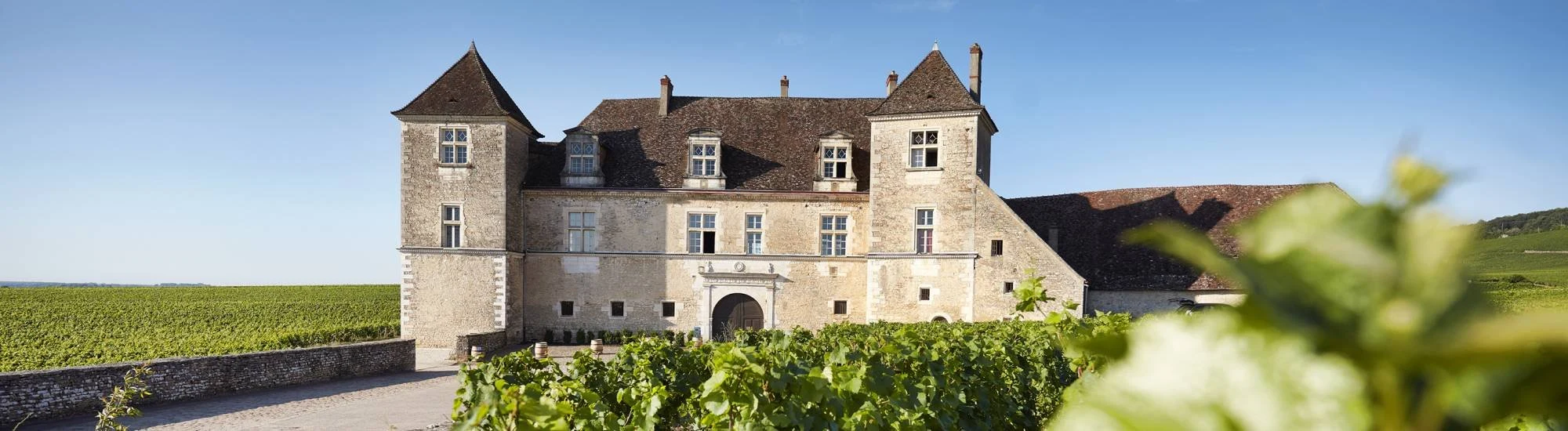
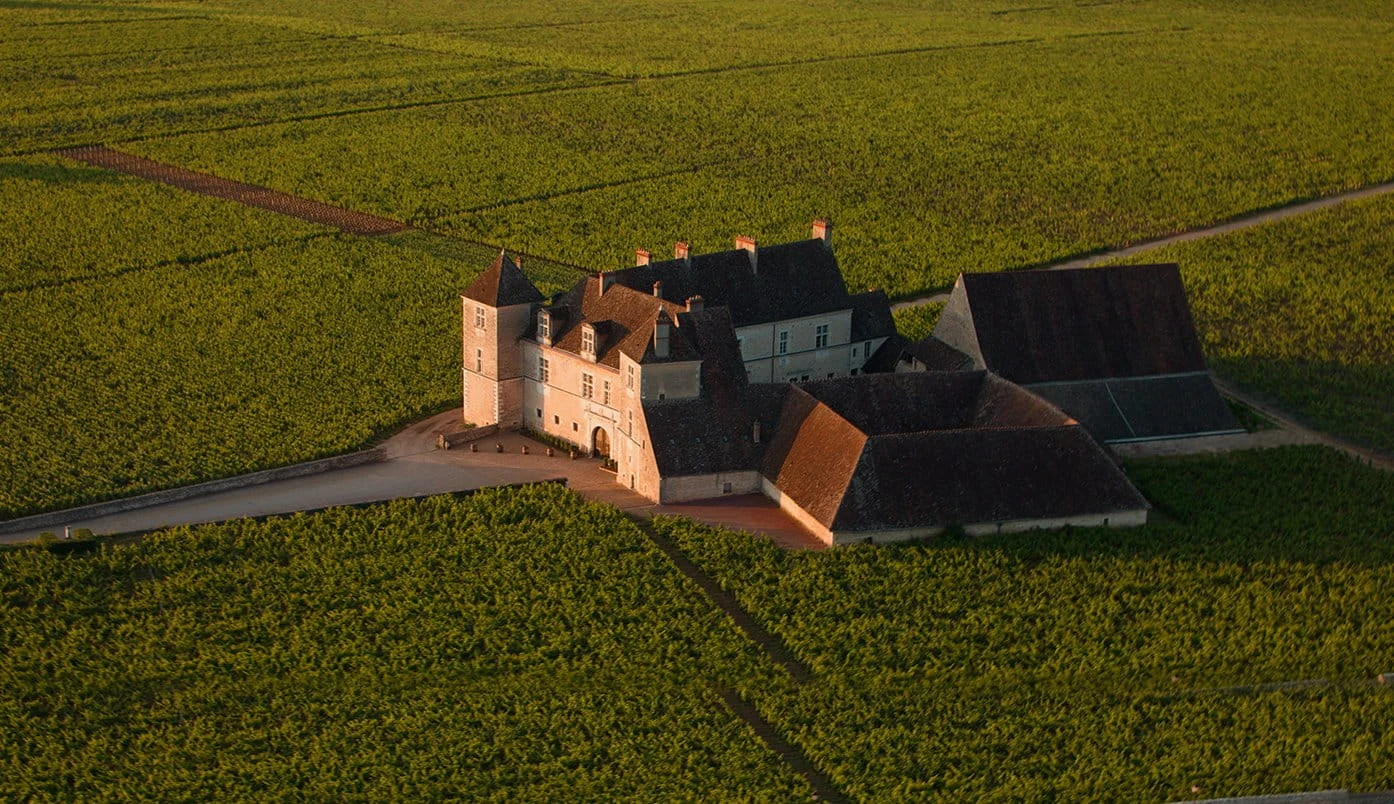
The estate operates a small tasting room inside the château itself, a 16th-century building that sits at the edge of the Clos de Vougeot vineyard and functions as both the family residence and the working cellar. Visits are by appointment only, typically structured as a 60–90 minute cellar tour and tasting of current releases across the full range of cuvées. The estate does not charge a tasting fee, a practice increasingly rare among Burgundy grand cru producers, and does not require a minimum purchase. This access model reflects the estate's pre-allocation-market operating assumptions: the tasting room exists to serve the estate's established buyer network and to introduce new importers and trade buyers, not to function as a direct-to-consumer retail channel. The estate does not maintain an online shop, does not ship to individuals, and directs consumer inquiries to its importer network. For a full directory of working domaines in the region, see our Vougeot wineries guide.
The surrounding village of Vougeot functions as a working vineyard commune rather than as a wine-tourism destination, with fewer than 200 permanent residents and no significant restaurant or hospitality infrastructure. The Clos de Vougeot itself is the primary attraction, with the Château du Clos de Vougeot, a separate entity from Château de la Tour, owned by the Confrérie des Chevaliers du Tastevin and operated as a museum and event space, serving as the historical and architectural anchor for the appellation. The village sits between Chambolle-Musigny to the south and Morey-Saint-Denis to the north, with Gevrey-Chambertin and Vosne-Romanée within a 10-minute drive. For broader context on the region's dining and hospitality options, see our guides to Vougeot restaurants, Vougeot hotels, and Vougeot bars.
Château de la Tour operates without a formal sustainability certification beyond the organic designation, but the estate's long-term family ownership has produced a working viticultural practice that aligns with the sustainability frameworks now being formalized across Burgundy. The estate does not irrigate, does not use herbicides or synthetic fertilizers, hand-harvests all fruit, and maintains permanent grass cover between vine rows to prevent erosion and support soil microbiology. These practices are standard among top-tier Burgundy domaines and reflect a viticultural tradition that predates modern sustainability language. The estate has not pursued biodynamic certification, a decision that places it outside the biodynamic cohort that includes Domaine Hubert Lamy in Saint-Aubin and portions of the Domaine de la Romanée-Conti holdings, but the organic baseline is itself a significant operational commitment in a region where organic certification remains the minority practice.
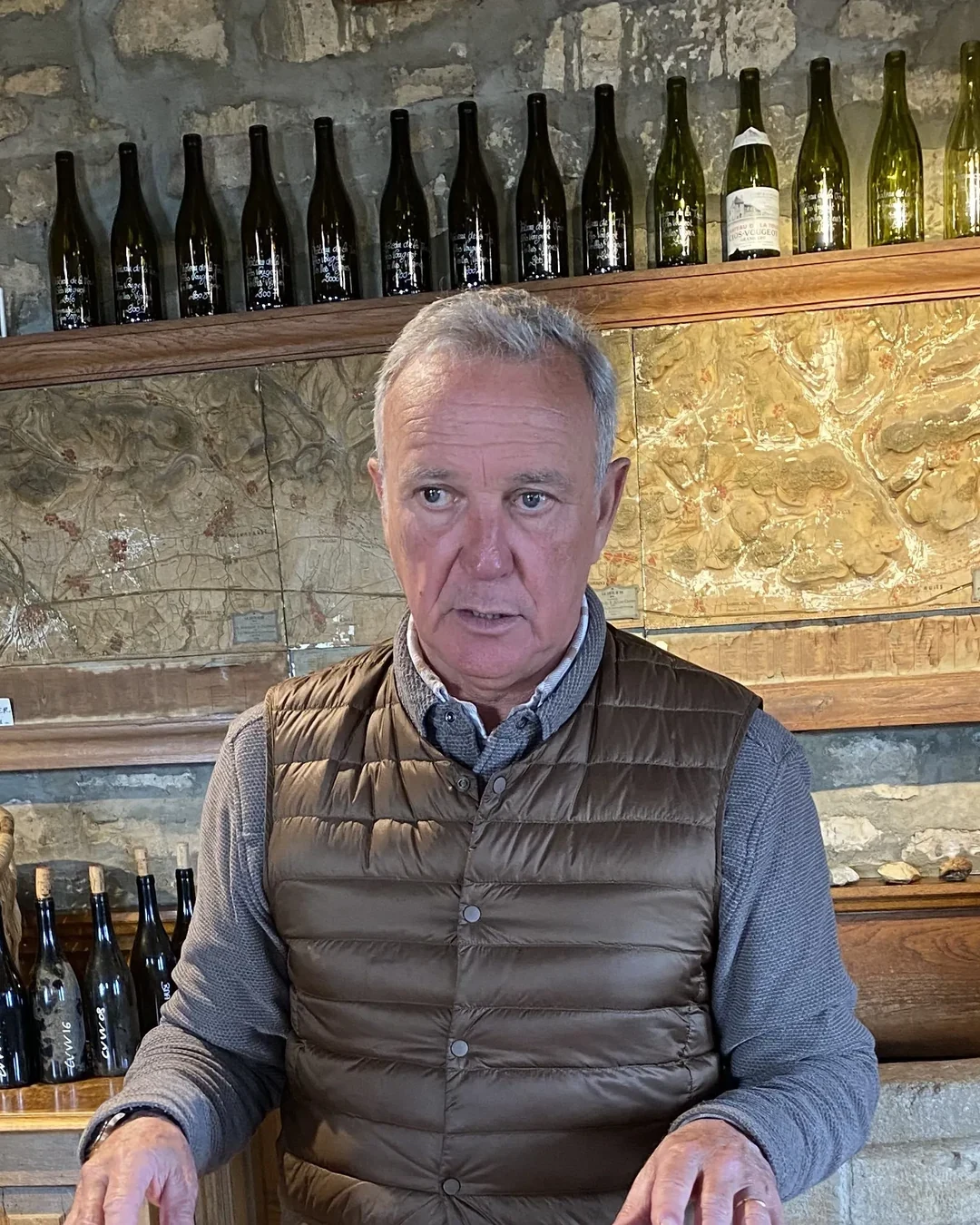
The estate's five-generation continuity is itself a form of craft transmission. François Labet worked alongside his father; Édouard Labet worked alongside his. The knowledge transfer at Château de la Tour is not formal apprenticeship, there is no stage system, no rotating cohort of young winemakers, but rather the slow accumulation of site-specific knowledge across decades of work in the same parcels. This transmission model is becoming rarer in Burgundy as estate ownership shifts toward investment groups and as younger winemakers increasingly train outside the family domaine before returning. Château de la Tour represents the older model, where the estate itself is the training ground and where the winemaker's entire working life has been spent inside the same 5.48 hectares.
Questions
Frequently asked
Who works at Château de la Tour?
Made By profiles Édouard Labet (Winemaker) and François Labet (Winemaker) at Château de la Tour.
How expensive is Château de la Tour?
Château de la Tour is listed at a price level of $$$.
The field
How it compares
| Place | Notes | Awards |
|---|---|---|
| Château de la Tour | Vougeot, $$$ | · |
| Clos de Vougeot | Vougeot | · |
| Domaine Bertagna | Vougeot | · |
| Domaine Comte Georges de Vogüé | Chambolle-Musigny | · |
| Domaine Méo-Camuzet | Vosne-Romanée | · |
| Masi | Sant'Ambrogio di Valpolicella | · |
| Weingut Dr. Loosen | Bernkastel-Kues | World's 50 Best |
In residence
Similar places
The Sunday letter
Get the next Made By story in your inbox.
We send one email every Sunday morning with the places and people we covered that week.
See a sample of the Sunday emailOne email a week. Unsubscribe from any issue.