Broken Spanish Comedor
- 01CuisineModern Mexican Alta California
- 02CityCulver City, United States
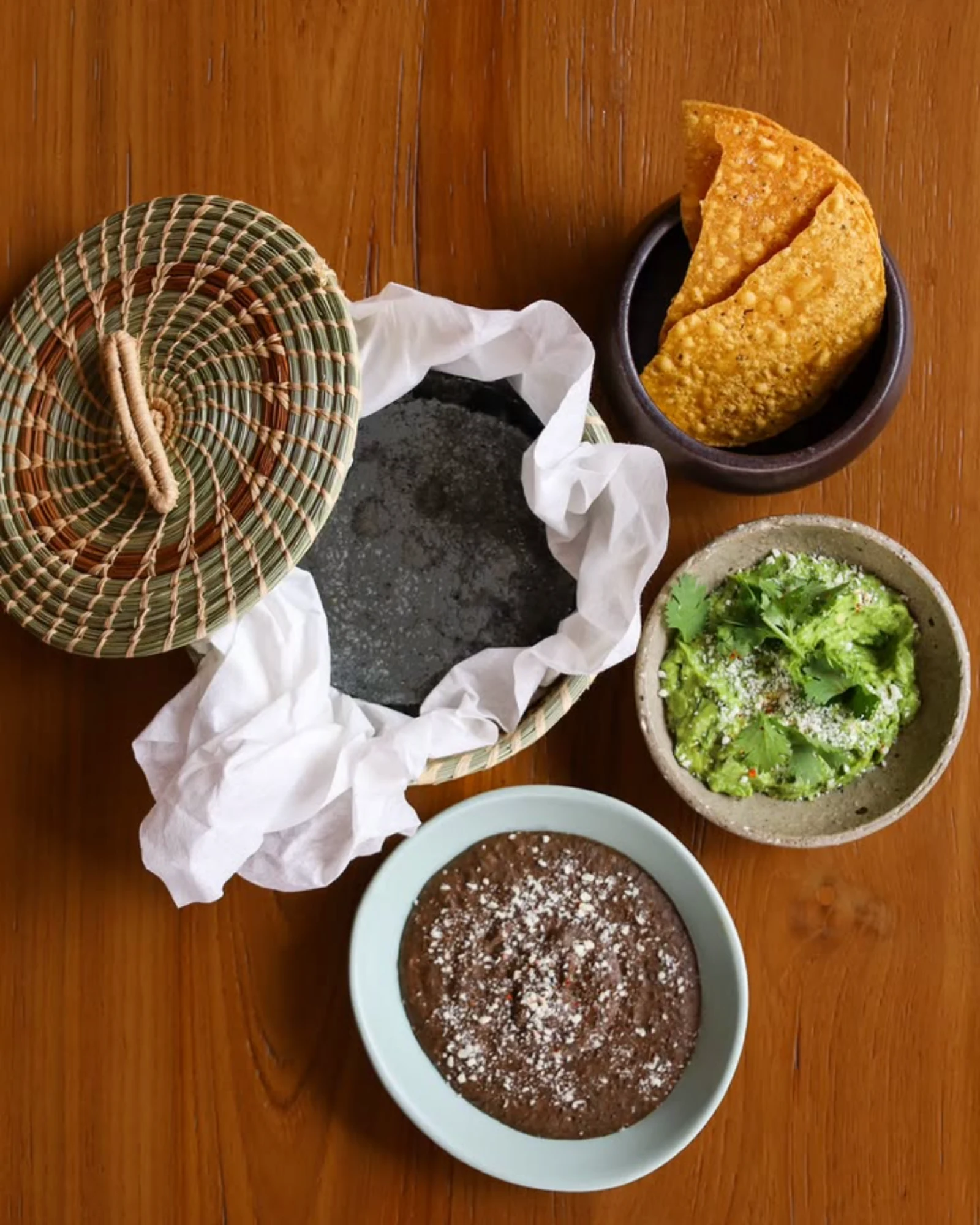
Chicharrón returns to the pass
- Michelin Plate · 2026
- Bon Appétit Best New Restaurant: 125pts · 2026
Chicharrón back on the pass
Chicharrón returns to the pass as Ray Garcia, chef and owner at Broken Spanish Comedor in Culver City, carries the Broken Spanish name into its next room. His path runs through the California School of Culinary Arts, Los Angeles chef posts, BS Taqueria, and the dish that stayed close to his public cooking, chicharron porchetta. At this address, the work narrows again to a neighborhood comedor, modern Mexican in the Alta California register, with Mexican heritage read through Los Angeles markets rather than sealed behind a museum case.
Garcia is the named maker here, not a distant signature on the menu. The restaurant’s own framing places him at the center of the kitchen and calls the room a comedor by Chef Ray Garcia, which matters because the Broken Spanish name carries memory from an earlier Los Angeles chapter. The current role is chef and owner, a useful distinction in a dining room built around continuation rather than replication. The lineage that can be named is compact: formal training, a sustainability honor in 2010, chef roles in 2015, then the present Culver City address. The rest of the work has to be read from the plate and the station.
The Sunday letter
Find new places through the people who run them.
Our Sunday email brings you the chefs, winemakers and hoteliers behind our newest stories. See a sample before you subscribe.
See a sample of the Sunday emailOne email a week. Unsubscribe from any issue.
Alta California by the plate
The menu keeps familiar Mexican structures legible, then lets Los Angeles change the hand. Albondigas arrive as chicken and duck meatballs with bacon, chipotle, and nopales. Flautas use flour tortilla, smoked tuna, queso chihuahua, and avocado yuzu crema. Camote brings Japanese sweet potato together with salsa macha butter, pork rinds, and chives. Fideo verde folds toasted vermicelli noodles through fennel, hoja santa, avocado, and parmesan. Ceviche sets kampachi against carrot-habanero clamato and tostadas.
Those combinations tell the method more clearly than a thesis could. Garcia does not erase the old forms; he keeps the skeleton, then changes the pressure points, the fat, the acid, the produce, the finish. The kitchen is built for à la carte eating and small plates rather than a fixed tasting sequence, with dinner, brunch, and a separate happy hour menu giving the program several tempos. The beverage focus sits with agave spirits and cocktails, which suits the food’s heat, masa, citrus, smoke, and green herbs without turning the room into a bar first.
A neighborhood comedor with wood and tile
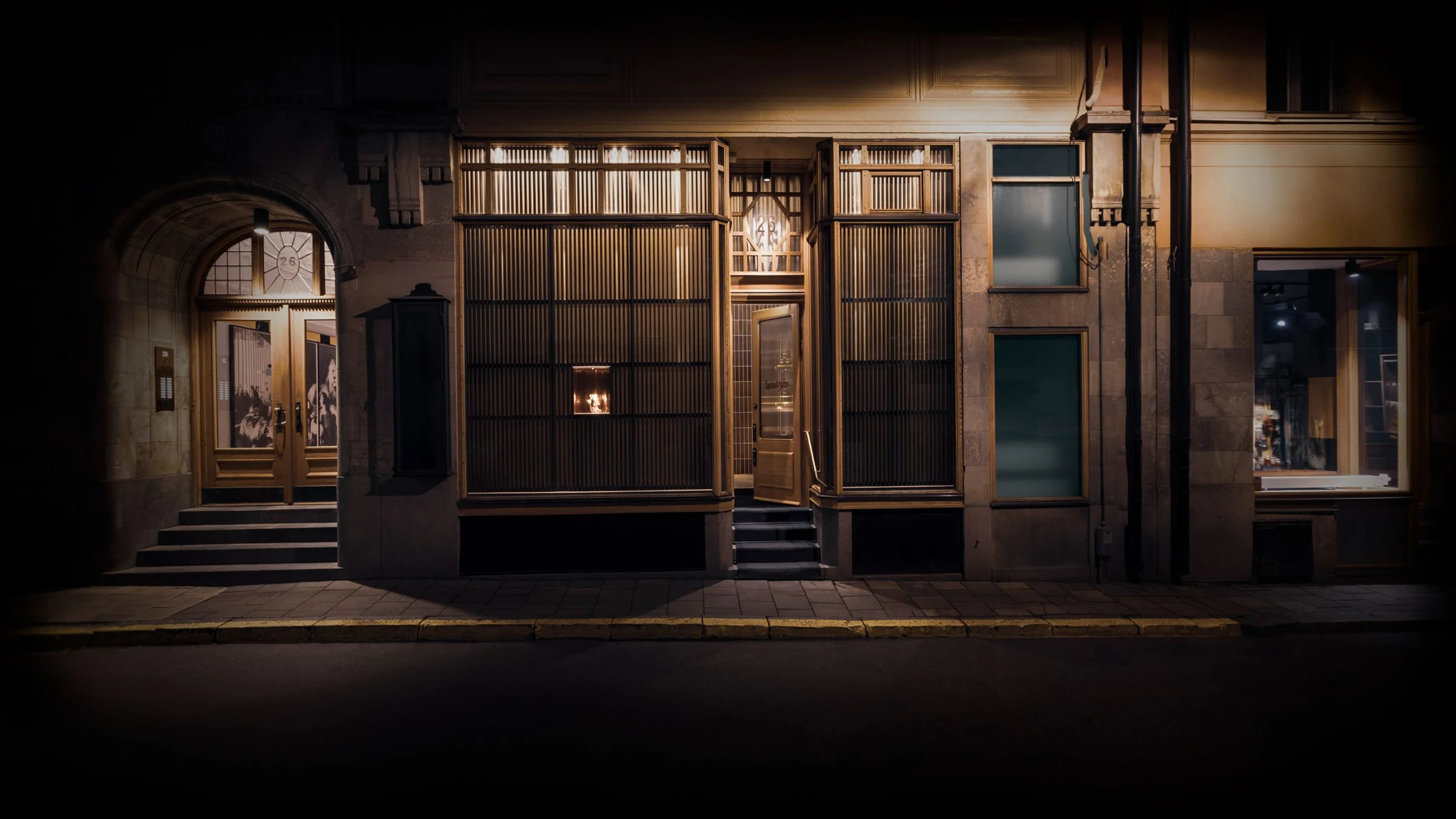
The room carries the ease of a modern Mexican neighborhood restaurant: sage-green tile, wood accents, a compact dining room, and a patio that lets the service loosen at the edges. It is polished enough for a date, relaxed enough for friends, and built for the kind of meal where the table orders across the menu instead of guarding one plate per person. The noise belongs to a lively room, not a hushed one. Plates move through the pass in a cadence suited to sharing, with chicharrón, refried lentils with quesillo, duck albondigas, fideo verde, and enchiladas verdes all fitting the comedor idea: food with structure, memory, and enough immediate pleasure to survive conversation.
The Los Angeles thread
The restaurant’s language keeps returning to Los Angeles, not as backdrop but as method. Mexican heritage meets markets, neighborhoods, seasonal produce, and the appetite of a city used to hybrid forms. Jonathan Gold once wrote, “If you could design a perfect chef for Los Angeles, he might seem a lot like Ray Garcia...” The quote belongs because this room depends on that same fit between cook and city. If the next chapter of Broken Spanish has a measure, it is how Garcia keeps that fit alive in Culver City through chicharrón.
Questions
Frequently asked
Who cooks at Broken Spanish Comedor?
Ray Garcia is chef and owner, carrying the Broken Spanish name into a Culver City comedor built around modern Mexican Alta California cooking.
What is Broken Spanish Comedor known for?
The restaurant is known for Garcia’s Los Angeles reading of Mexican tradition, with dishes such as chicharrón, refried lentils with quesillo, duck albondigas, fideo verde, and enchiladas verdes.
What is the dining format?
The format is à la carte and small plates, with separate dinner, brunch, and happy hour menus rather than a fixed tasting menu.
What recognition has Ray Garcia received?
Garcia received the StarChefs Rising Star Award for Sustainability in 2010, before the later Los Angeles chef roles that led into this Culver City chapter.
The field
How it compares
| Place | Cuisine | Notes | Awards |
|---|---|---|---|
| Broken Spanish Comedor | Modern Mexican Alta California | Culver City, $$ | · |
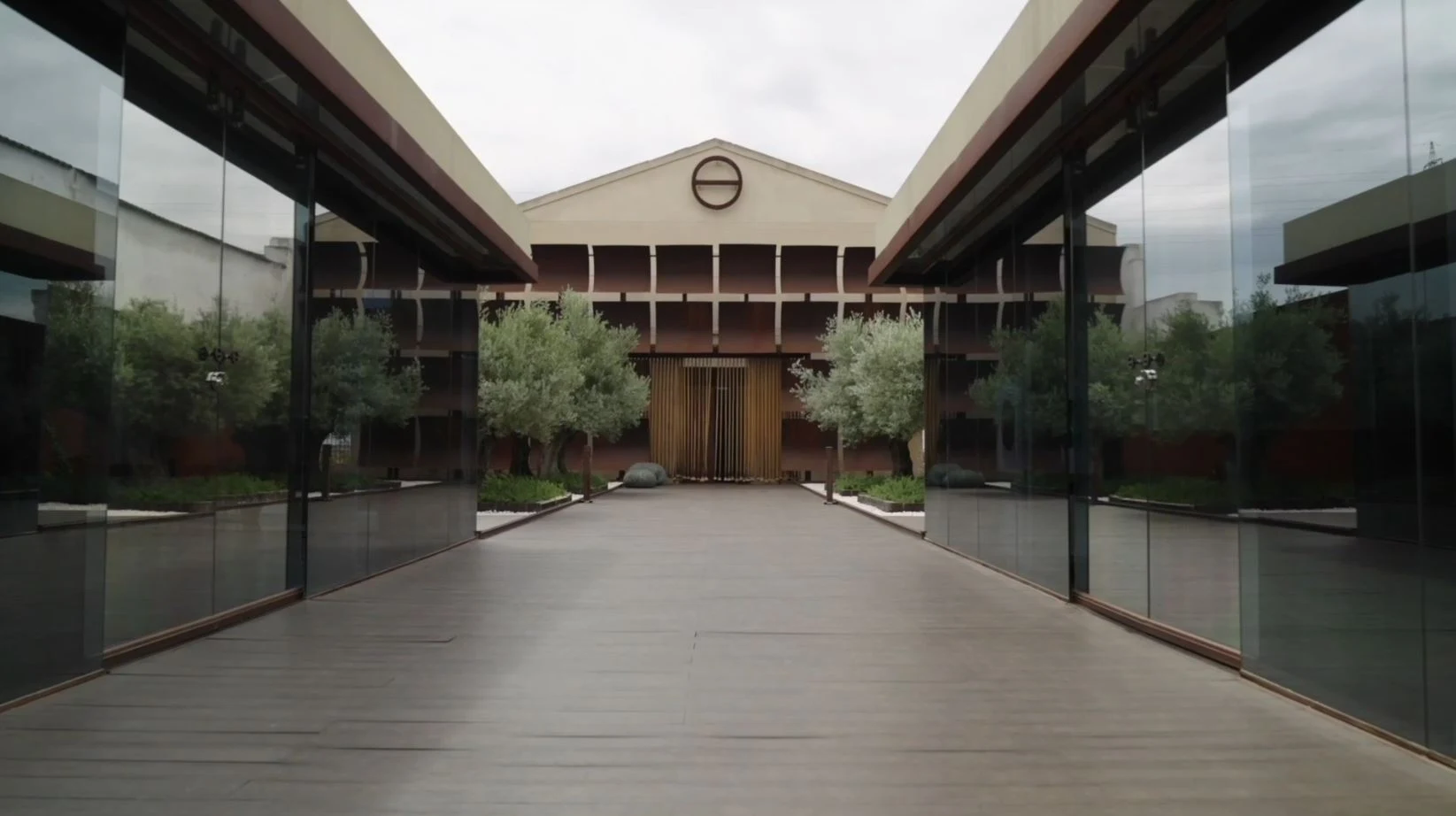
| Aponiente | Avant-Garde Marine Seafood | El Puerto de Santa María | Michelin 3 Stars, World's 50 Best |
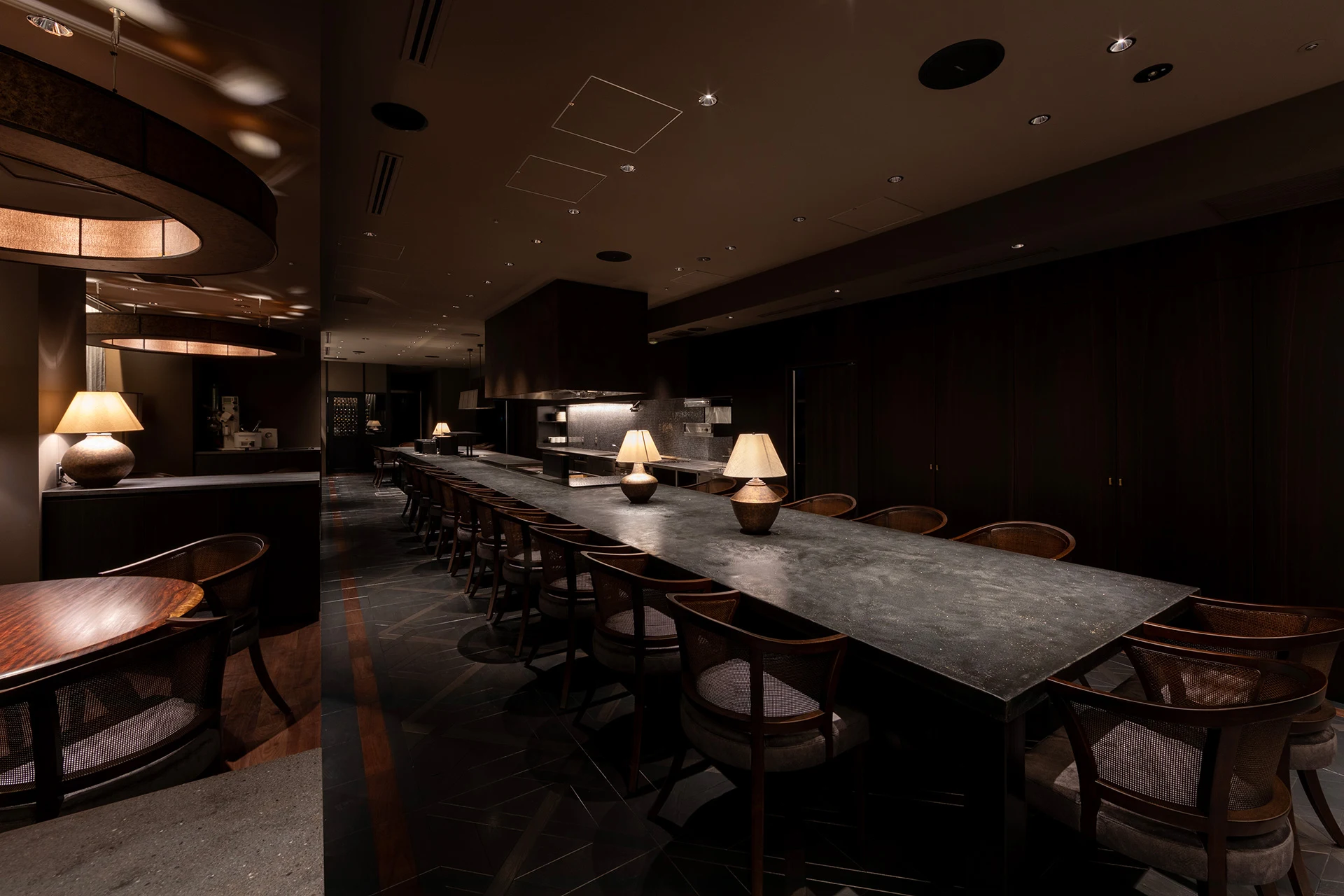
| Florilège | Modern French-Japanese Plant-Based Fine Dining | Tokyo | Michelin 2 Stars, World's 50 Best |
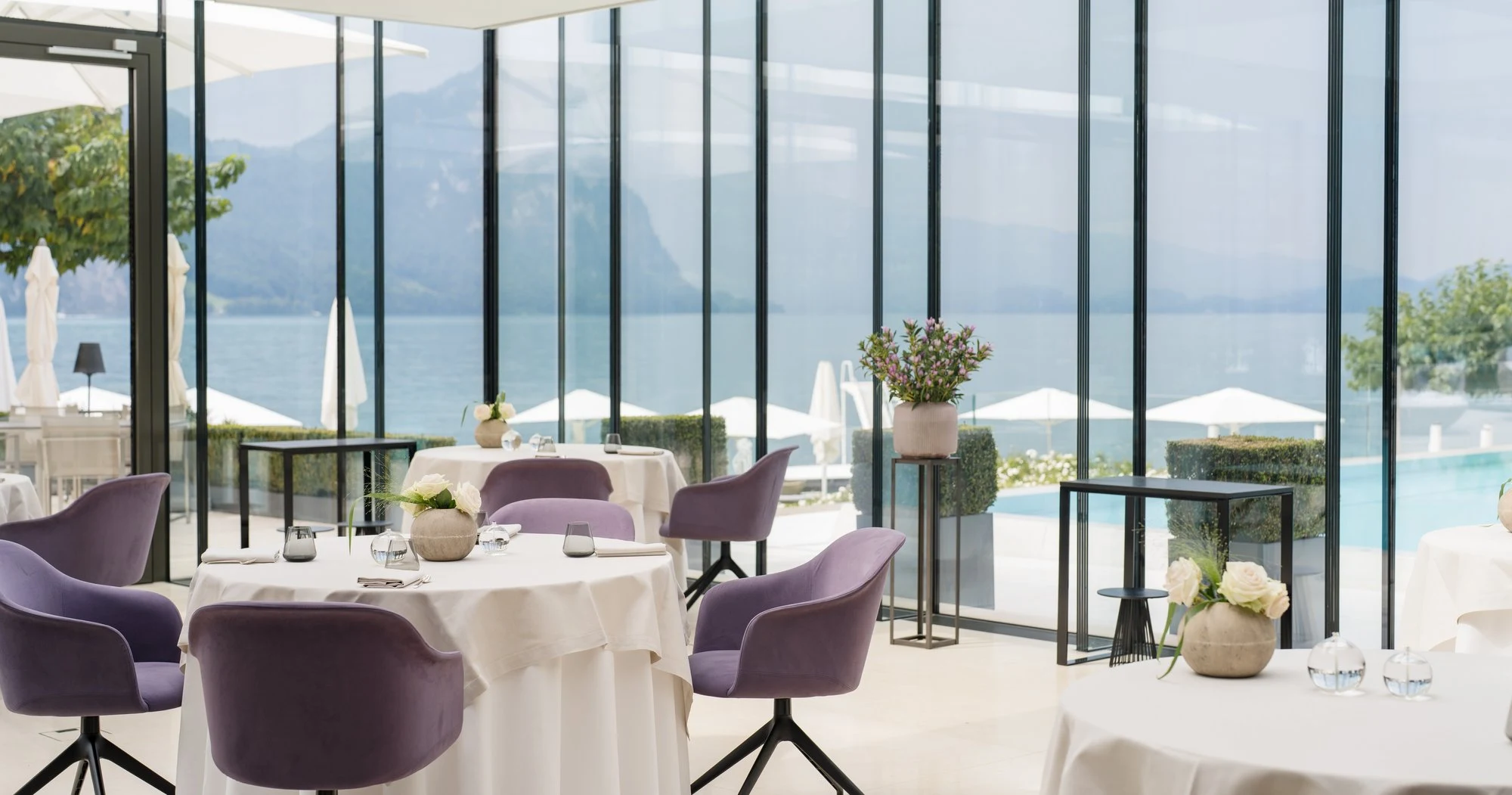
| focus ATELIER | Modern French Fine Dining | Vitznau | Michelin 2 Stars |
| Frantzén | Modern Nordic Fusion with Japanese Influences | Stockholm | Michelin 3 Stars, World's 50 Best |
| Ta Vie | Modern French-Japanese Fine Dining | Hong Kong | Michelin 3 Stars, World's 50 Best |
| The Modern | Contemporary American Fine Dining | New York City | Michelin 2 Stars |
Similar places
Avant-Garde Marine Seafood
Aponiente
El Puerto de Santa María, Spain
★★★ · 50 Best
Modern French-Japanese Plant-Based Fine Dining
Florilège
Tokyo, Japan
★★ · 50 Best
Modern French Fine Dining
focus ATELIER
Vitznau, Switzerland
★★
Modern Nordic Fusion with Japanese Influences
Frantzén
Stockholm, Sweden
★★★ · 50 Best
Modern French-Japanese Fine Dining
Ta Vie
Hong Kong, Hong Kong
★★★ · 50 Best
Contemporary American Fine Dining
The Modern
New York City, United States
★★
The Sunday letter
Get the next Made By story in your inbox.
We send one email every Sunday morning with the places and people we covered that week.
See a sample of the Sunday emailOne email a week. Unsubscribe from any issue.