Café Hunan
In Residence
David Coisman
Chef
- 01CuisineAuthentic Hunan Chinese
- 02CityCentral And Western, Hong Kong
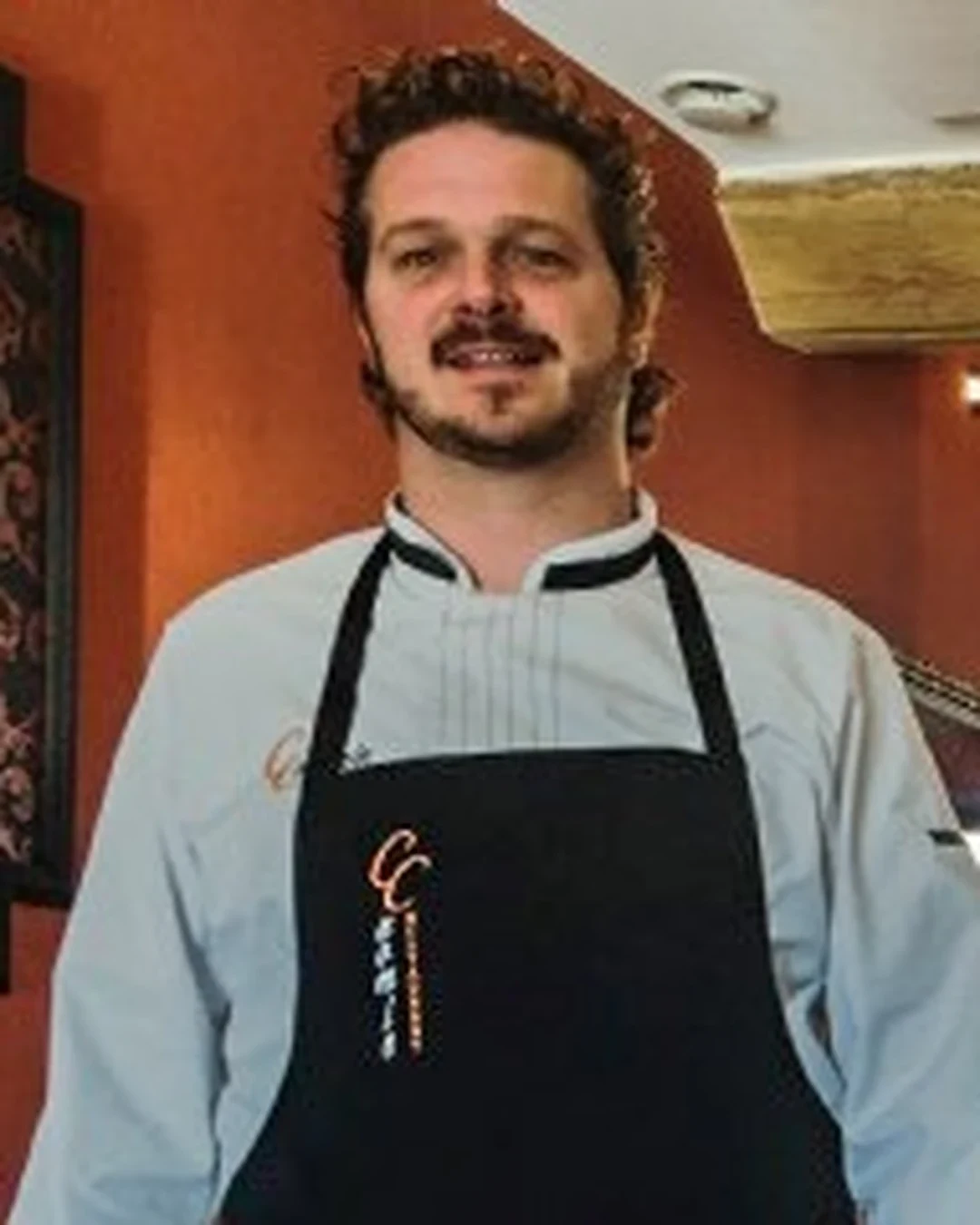
Chef David Coisman works the pass at Café Hunan in Central And Western, Hong Kong, where Hunan heat meets wok timing.
Timing the wok at the pass
A quick-fried dish leaves the wok by heat and timing; David Coisman, chef at Café Hunan in Central And Western, Hong Kong, works inside that narrow margin. His record begins at CCnomie in Falmignoul, Dinant, Belgium, where the title of chef meant the daily grammar of the pass: control the fire, read the room, repeat the plate without letting repetition flatten it. That early post gives his path a fixed kitchen address before the later movement to Hong Kong and Sankt Gallen.
At Café Hunan, Coisman holds a chef’s station inside a restaurant built around traditional Hunan cooking, not a chef’s tasting format or a wine-led dining room. The craft here is more direct. The kitchen has to keep chili, steam, braise, and wok heat in rhythm for an a la carte room, with dishes leaving when the pan says they are ready. How long Coisman has held this post is not something the restaurant states. What is clear is the nature of the responsibility: a chef moving from the discipline of an earlier Belgian kitchen into a Hong Kong restaurant where the signature measure is the heat of the wok and the steadiness of service.
Chili, steam, braise, wok heat
The menu’s named anchors set the method in plain terms: Braised Pork Elbow, Pork with Green Pepper, and Steamed Fish Head with Diced Hot and Yellow Pepper. Each asks a different patience from the kitchen. The elbow belongs to the slower side of the stove, where collagen, seasoning, and time have to settle into the cut. Pork with green pepper belongs to the quick pass, where the wok has to carry breath, char, and heat without blunting the vegetable. The fish head depends on steam and the sharp lift of diced hot and yellow pepper.
Café Hunan’s wine program is minimal, which leaves the food to set the pace of the table. That suits a kitchen whose stated approach is traditional and whose reputation rests on bold, chili-driven flavors and wok hei in quick-fried dishes made by Hunanese chefs. Wok hei is not decoration here. It is the trace of high heat, oil, moisture, and motion meeting at the right instant, then disappearing if the cook waits too long. The dish has to move.
The room across the floors
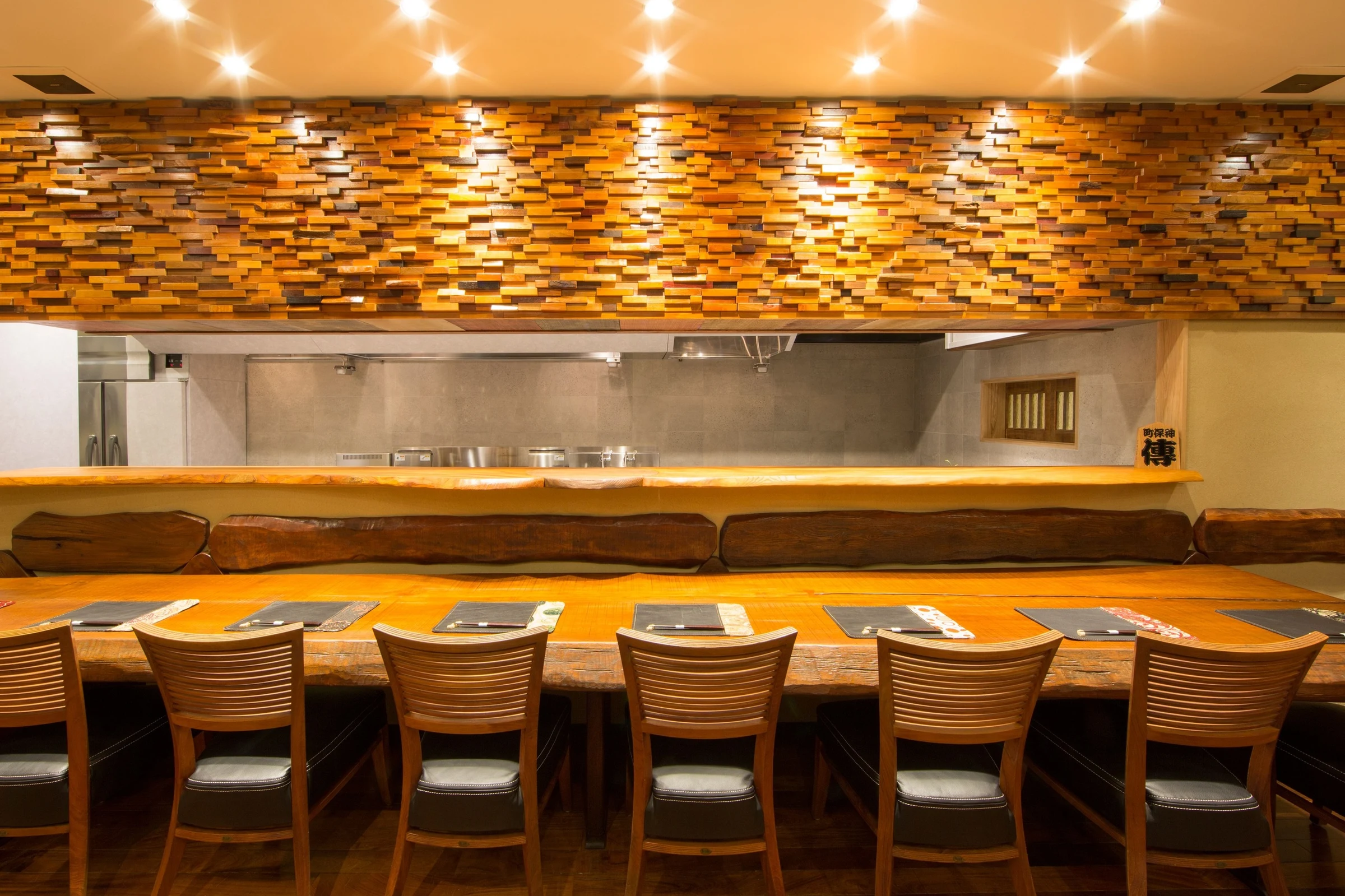
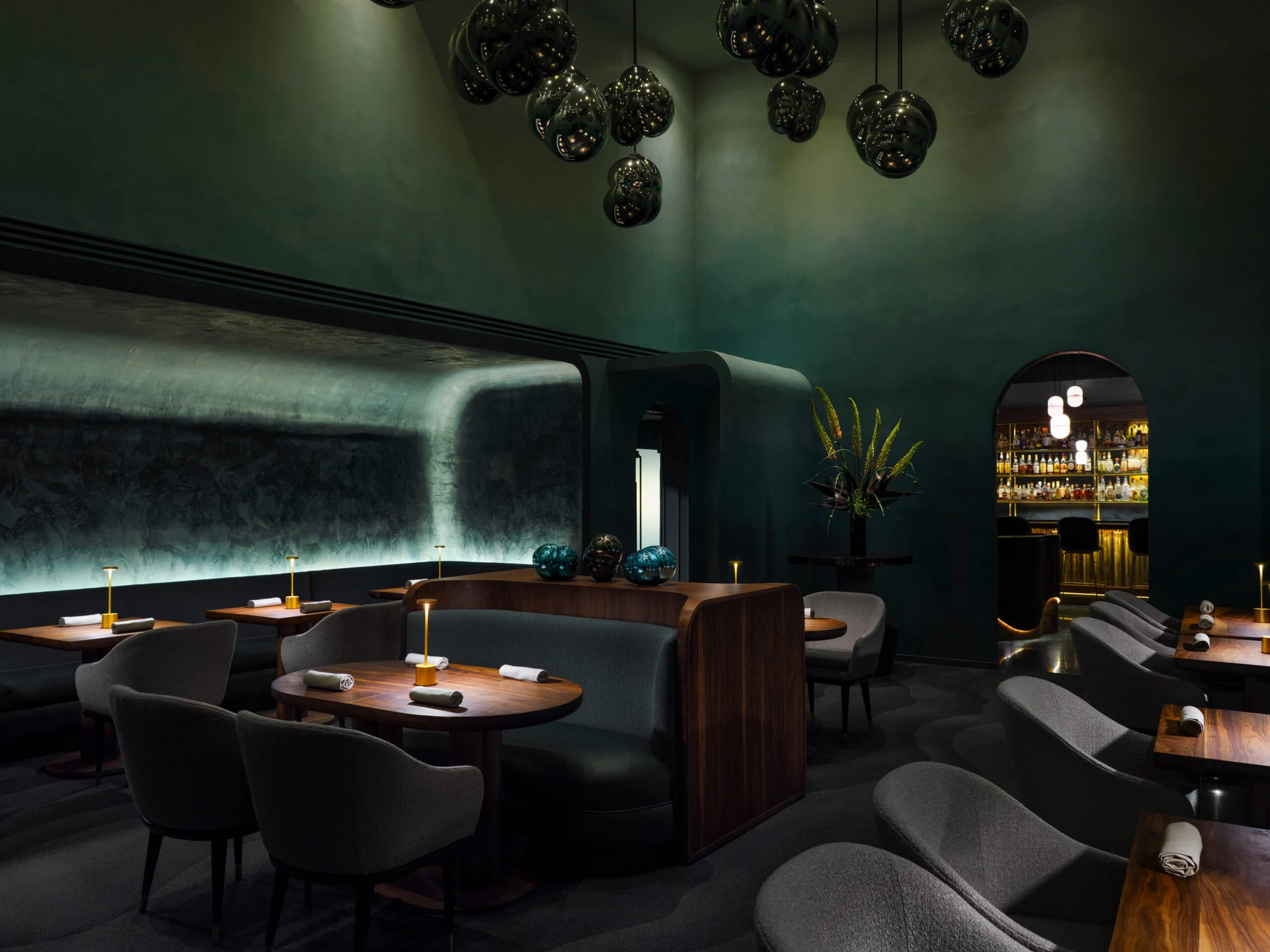
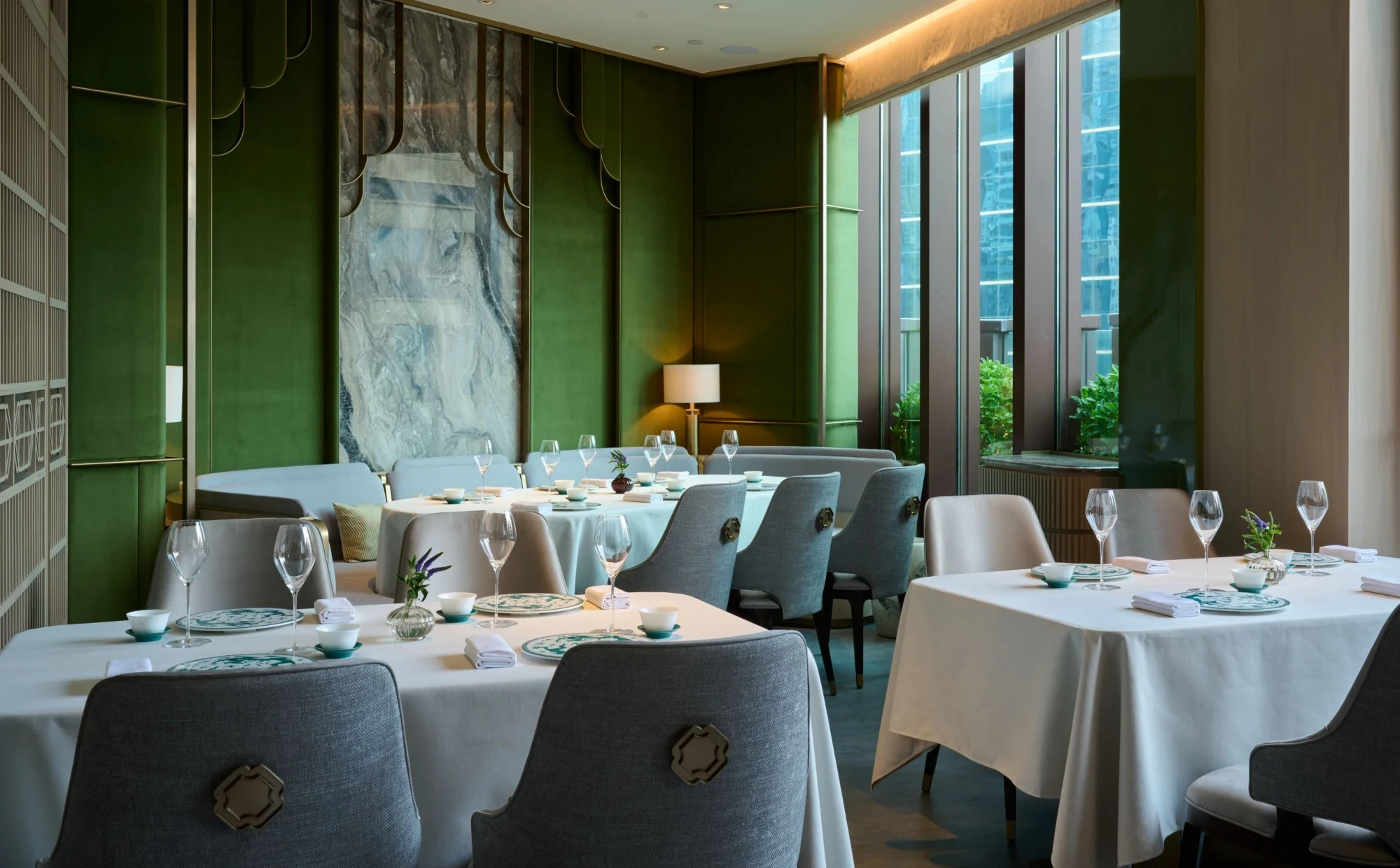
The room is casual and comfortable, with spacious seating across multiple floors and a service style that keeps the restaurant close to its cooking rather than above it. This is not a hushed room built around ceremony. It is a place for bowls, steam, passing plates, and the short interval between the wok and the table. The noise sits at a conversational level, enough for a dining room with movement, not enough to pull attention away from the food.
The counter and the pass carry the force of the place. A braise can wait for its moment, but the quick-fried dishes cannot; they depend on a cook making the last gesture with the pan before the plate goes out. The room gives that work a direct audience. Chili arrives first, then heat, then the heavier comfort of pork elbow or the sharper steam of fish head.
A chain held to the pan
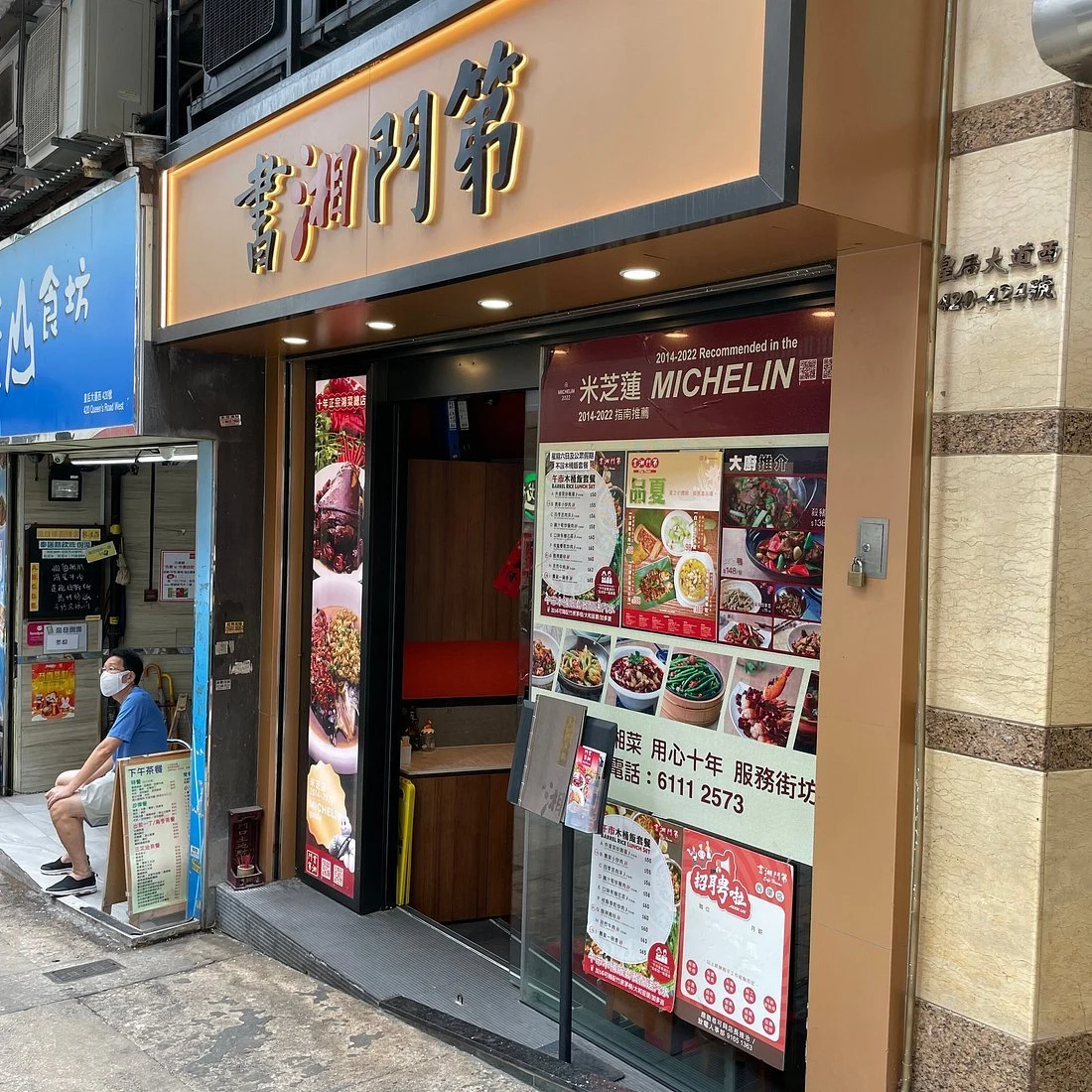
Café Hunan is part of a named chain, but the venue is smaller than the brand. It is the station, the dish, the service. Coisman’s path has passed through CCnomie, Café Hunan, and Candela, yet this Hong Kong room asks for a specific discipline: keep traditional Hunan cooking legible at speed, with no-frills service and a kitchen that can repeat heat without dulling it.
The plate comes rather than the claim. The next service still turns on Yellow Pepper.
Questions
Frequently asked
Who is the chef at Café Hunan?
Chef David Coisman works at the pass at Café Hunan in Central and Western, Hong Kong.
What kind of cooking is Café Hunan known for?
The restaurant is built around traditional Hunan cooking, with a focus on chili-driven flavors and wok heat in quick-fried dishes.
What are some signature dishes on the menu?
Named dishes include Braised Pork Elbow, Pork with Green Pepper, and Steamed Fish Head with Diced Hot and Yellow Pepper.
Is Café Hunan a formal tasting-menu restaurant?
No. The venue is described as an a la carte restaurant rather than a chef’s tasting format or a wine-led dining room.
What is the booking style at Café Hunan?
Café Hunan is walk-in friendly.
The field
How it compares
| Place | Cuisine | Notes | Awards |
|---|---|---|---|
| Café Hunan | Authentic Hunan Chinese | Central And Western, $$ | · |
| Benu | Modern Asian Fusion Fine Dining | San Francisco | Michelin 3 Stars, World's 50 Best |
| Den | Modern Japanese Kaiseki | Tokyo | Michelin 2 Stars, World's 50 Best |
| Emeril’s | Modern Creole-Cajun Fine Dining | New Orleans | Michelin 2 Stars, World's 50 Best |
| L'Enclume | Modern British Farm-to-Table | Cartmel | Michelin 3 Stars |
| Providence | Modern Seafood Fine Dining | Los Angeles | Michelin 3 Stars, World's 50 Best |
| WING Restaurant | Modern Chinese Fine Dining | Hong Kong | World's 50 Best |
In residence
Similar places
Modern Asian Fusion Fine Dining
Benu
San Francisco, United States
★★★ · 50 Best
Modern Japanese Kaiseki
Den
Tokyo, Japan
★★ · 50 Best
Modern Creole-Cajun Fine Dining
Emeril’s
New Orleans, United States
★★ · 50 Best
Modern British Farm-to-Table
L'Enclume
Cartmel, United Kingdom
★★★
Modern Seafood Fine Dining
Providence
Los Angeles, United States
★★★ · 50 Best
Modern Chinese Fine Dining
WING Restaurant
Hong Kong, Hong Kong
50 Best