Made ByRestaurant

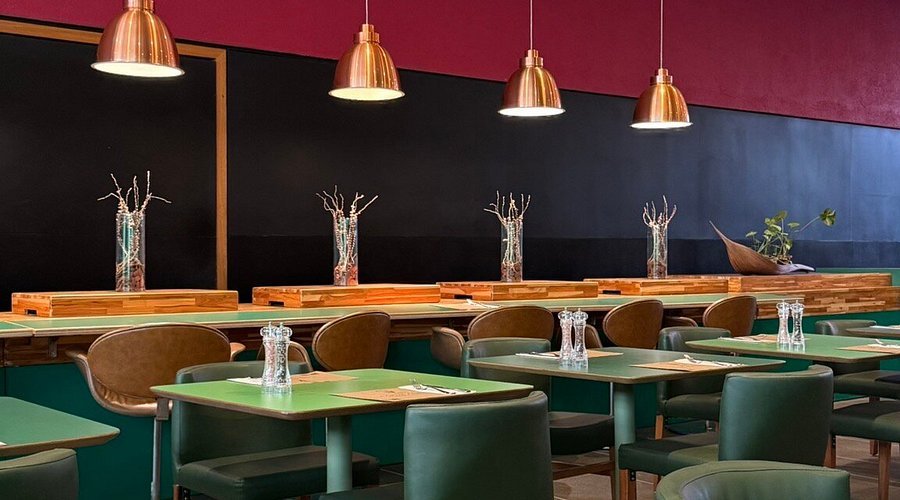
Capim Santo brings the flavors of Brazil's northeast to Jardim Paulistano at a price point that sits well below the city's Michelin-starred tasting-menu circuit. Chef Morena Leite's kitchen has held the Michelin Bib Gourmand in both 2024 and 2025, a signal that quality and value are both in play. On Avenida Brigadeiro Faria Lima, it occupies a different register from São Paulo's creative fine-dining tier while drawing from the same serious culinary tradition.
- Michelin Bib Gourmand
At a glance
- Cuisine
- Contemporary Brazilian
- Price
- $$$
- Hours
- Mon: Closed; Tue: 10 AM–6 PM; Wed: 10 AM–6 PM; Thu: 10 AM–6 PM; Fri: 10 AM–6 PM; Sat: 10 AM–6 PM; Sun: 10 AM–6 PM
- Neighborhood
- Jardim Paulistano
- Rating
- 4.5 (4,401)
<h2>A Different Register on Faria Lima</h2><p>Avenida Brigadeiro Faria Lima is better known for its banking towers and high-end retail than for the kind of restaurant that earns consecutive Michelin recognition. The commercial density of Jardim Paulistano means most diners arrive with their minds still half on the city outside: the noise, the traffic, the constant forward motion that defines São Paulo at street level. Capim Santo is a contemporary Brazilian restaurant in São Paulo, led by chef Morena Leite.</p><p>That contrast between location and atmosphere is part of what makes the address interesting. Faria Lima's dining scene skews international and corporate; traditional Brazilian cooking, the kind that references Bahian and Mineiro technique rather than European fine-dining frameworks, tends to cluster elsewhere in the city. Capim Santo is an outlier on that block, and its sustained Bib Gourmand recognition suggests the outlier status is working.</p><h2>Where It Sits in São Paulo's Dining Tiers</h2><p>São Paulo operates one of the most stratified restaurant markets in South America. At one end, two-Michelin-starred kitchens like D.O.M. and <a href="https://www.enprimeurclub.com/restaurants/evvai-sao-paulo-restaurant">Evvai</a> command tasting-menu prices that put them in a global conversation. One tier below, restaurants like <a href="https://www.enprimeurclub.com/restaurants/mani-sao-paulo-restaurant">Maní</a>, with a single Michelin star and a Brazilian-international identity, occupy the serious à la carte middle ground. Then there is the value-anchored category, where Michelin's Bib Gourmand designation marks kitchens that deliver notable cooking without a premium price structure.</p><p>Capim Santo sits firmly in that third tier, marked with a dollar-sign price range and back-to-back Bib Gourmands in 2024 and 2025. That pairing of low price and sustained Michelin attention is relatively rare in São Paulo. It positions the restaurant in the same peer conversation as A Casa do Porco, another regionally grounded, value-conscious address that has built serious critical standing, rather than against the tasting-menu circuit. The comparison is instructive: both kitchens take Brazilian culinary identity seriously, neither uses the tasting-menu format as a signal of ambition, and both have found audiences that span locals and informed visitors.</p><p></p><h2>The Tradition Behind the Cooking</h2><p>Brazilian traditional cuisine in the sense that Capim Santo practices it draws primarily from the northeast: dendê oil, dried shrimp, fresh coriander, moquecas built on coconut milk and slow heat. These are not subtle flavors. The cooking tradition is assertive by design, built for communal tables and long meals rather than the precision-portioned format of contemporary fine dining.</p><p>That contrast with the dominant São Paulo fine-dining mode, which, at restaurants like <a href="https://www.enprimeurclub.com/restaurants/tuju-sao-paulo-restaurant">Tuju</a>, tends toward restraint and technical precision, is worth noting. Traditional Brazilian cooking in a city that has spent two decades building a creative fine-dining identity occupies a specific cultural role. It functions as both a counterweight and a reminder that the country's most characterful food often predates the modernist techniques that have defined São Paulo's international reputation.</p><p>Chef Morena Leite has been associated with this tradition for years. As a credential rather than a personal journey: her presence in the kitchen gives the restaurant a clear lineage within northeast Brazilian cooking, and the Michelin committee's repeated recognition of the address under her direction confirms the cooking meets a consistent technical standard.</p><h2>The Sensory Shape of the Meal</h2><p>Traditional Brazilian cooking at this level operates through layered aromatics that build from the moment the kitchen begins its prep. The smell of dendê oil heating is specific and unmistakable, faintly smoky, deeply savory, and it tends to reach the dining room before the food does. Dishes built on that foundation arrive with a warmth that is as much olfactory as thermal.</p><p>The visual register of this kind of food is vivid without being decorative: deep ochre stews, bright green herb oils, the orange tint that palm oil gives to almost everything it touches. These are not plates assembled for a photograph. They are built for the table, for sharing, for a second serving. The sound in a room serving this food tends to be high: conversation carries, dishes arrive at the table rather than being placed, and the pace is sociable rather than ceremonial.</p><p>For a Faria Lima address, that sociable register is notable. The surrounding blocks trend toward quieter, more formal dining rooms. Capim Santo's atmosphere, rooted in the communal logic of the cooking tradition rather than the corporate geography of its location, sits differently on the avenue.</p><h2>Getting There and Planning Your Visit</h2><p>The restaurant is on Avenida Brigadeiro Faria Lima at number 2705, in the Jardim Paulistano district. The avenue is well-served by Uber and taxi, and the Faria Lima metro station is within the district, though the walk from there covers several blocks. Jardim Paulistano sits close to Itaim Bibi and Pinheiros, two neighborhoods with strong bar and hotel infrastructure, useful context if you are planning an evening around the meal.</p><p>The 4.5 Google rating across 4,401 reviews points to consistent execution across a large sample.</p><h2>Brazilian Traditional Cooking Across the Country</h2><p>Capim Santo's register connects to a broader current in Brazilian cooking that extends well beyond São Paulo. In Rio de Janeiro, <a href="https://www.enprimeurclub.com/restaurants/lasai-rio-de-janeiro-restaurant">Lasai</a> works a different end of the quality-value conversation. In Salvador, <a href="https://www.enprimeurclub.com/restaurants/manga-salvador-restaurant">Manga</a> operates closer to the northeastern source material that informs Capim Santo's kitchen. In Curitiba, <a href="https://www.enprimeurclub.com/restaurants/manu-curitiba-restaurant">Manu</a> represents what regionally grounded cooking looks like in the south. In Campos do Jordão, <a href="https://www.enprimeurclub.com/restaurants/mina-campos-do-jordao-restaurant">Mina</a> works in a mountain context that shapes its ingredients and format. And in Itacaré, <a href="https://www.enprimeurclub.com/restaurants/orixas-north-restaurant-itacare-restaurant">Orixás North Restaurant</a> draws on Bahian traditions close to their geographic origin.</p><p>The common thread across these addresses is seriousness about Brazilian culinary identity at a range of price points. Capim Santo's contribution to that conversation is its refusal to translate traditional northeast cooking into a fine-dining format or inflate its price structure to match the ambitions of São Paulo's tasting-menu circuit. For comparison, the same instinct toward traditional cooking in European contexts shows up at addresses like Auberge Grand'Maison in Mûr-de-Bretagne and <a href="https://www.enprimeurclub.com/restaurants/auga-gijon-restaurant">Auga in Gijón</a>, regional kitchens that hold Michelin recognition without abandoning the cooking traditions that defined them.</p><p> Capim Santo fits that map as a grounded, credentialed option in a tier that São Paulo's dining scene does not always foreground, and that the Michelin committee has now validated twice in a row.</p>
Know before you go
- Dress code
- smart_casual
- Reservations
- recommended
- Parking
- valet
- Payment
- cash, credit_card, debit_card
- Outdoor seating
- Yes
- Groups
- Welcomed
Frequently asked
Where is Capim Santo in São Paulo?
Capim Santo is located at Av. Brig. Faria Lima, 2705 - Jardim Paulistano, São Paulo - SP, 01451-000, Brazil, São Paulo.
What kind of recognition has Capim Santo received?
Capim Santo has received recognition including: Michelin Bib Gourmand (2025); Michelin Bib Gourmand (2024).
What's the signature dish at Capim Santo?
Capim Santo's menu centres on northeast Brazilian cooking, the tradition that defines chef Morena Leite's approach at the restaurant. Specific dishes are not documented in current records, but the kitchen draws on foundational ingredients of that region: dendê oil, dried shrimp, and fresh coriander. The Michelin Bib Gourmand in both 2024 and 2025 points to cooking that earns critical recognition at a price point marked as accessible, which for São Paulo places it in a different tier from the starred kitchens on the same avenue.
Is Capim Santo expensive?
Pricing at Capim Santo is listed as $.
Who is the chef at Capim Santo?
The chef associated with Capim Santo is Morena Leite.
Address
Av. Brig. Faria Lima, 2705 - Jardim Paulistano, São Paulo - SP, 01451-000, Brazil
Jardim Paulistano
How it compares
- Notes
- Pinheiros, Contemporary Brazilian
- Price
- $$$
- Notes
- Perdizes, Contemporary Brazilian
- Price
- $$
Petí Gastronomia
- Notes
- Barra Funda, Modern Brazilian Contemporary
- Price
- $$
AE! Café & Cozinha
- Notes
- Moema, Modern Brazilian
- Price
- $$
- Notes
- Pinheiros, Modern Brazilian Grill
- Price
- $$$
- Notes
- Pinheiros, Modern Brazilian Grill
- Price
- $$
In residence
Similar places
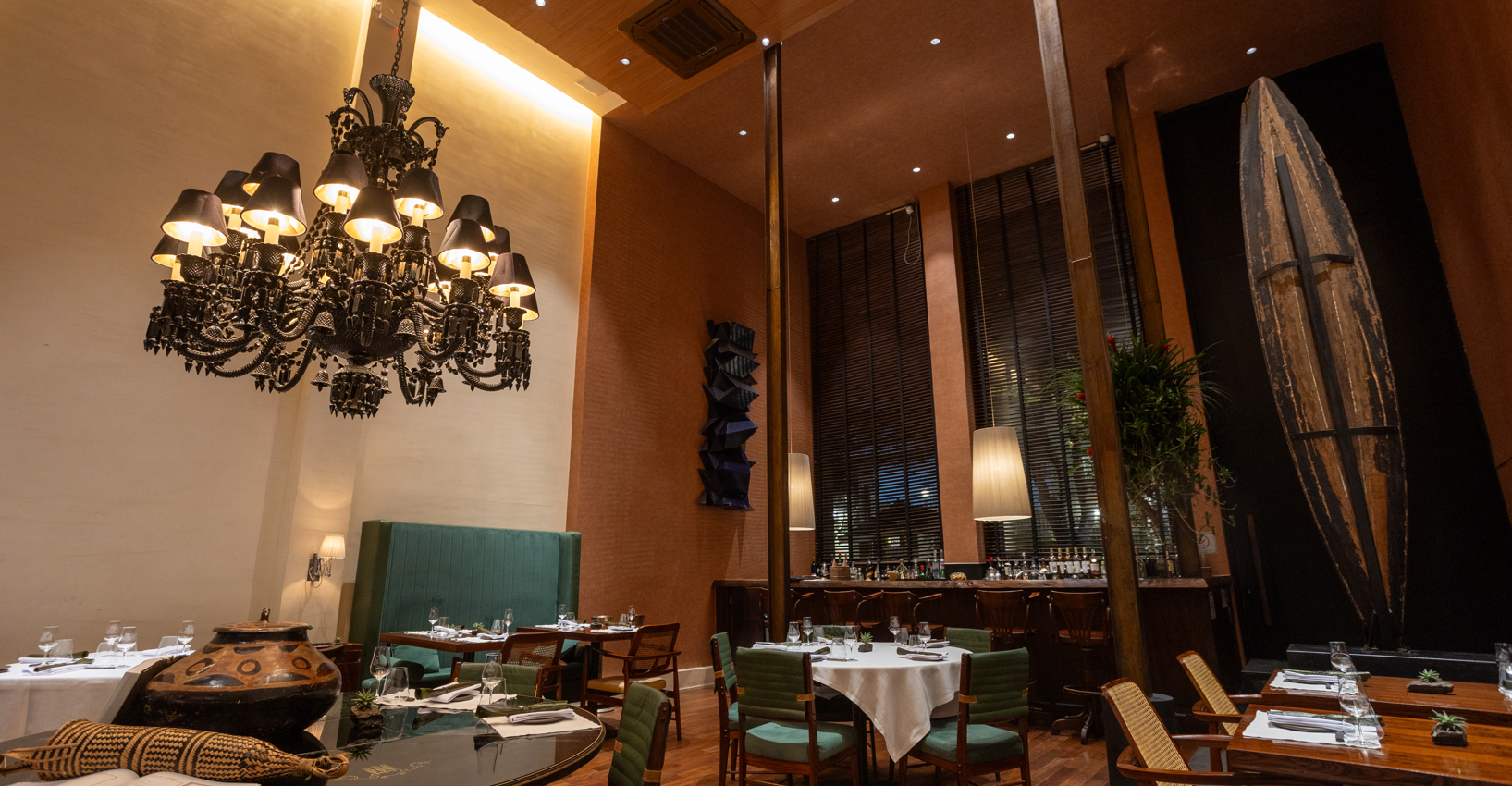
Modern Brazilian Amazonian Fine Dining
D.O.M.
São Paulo, Brazil
★★ · 50 Best
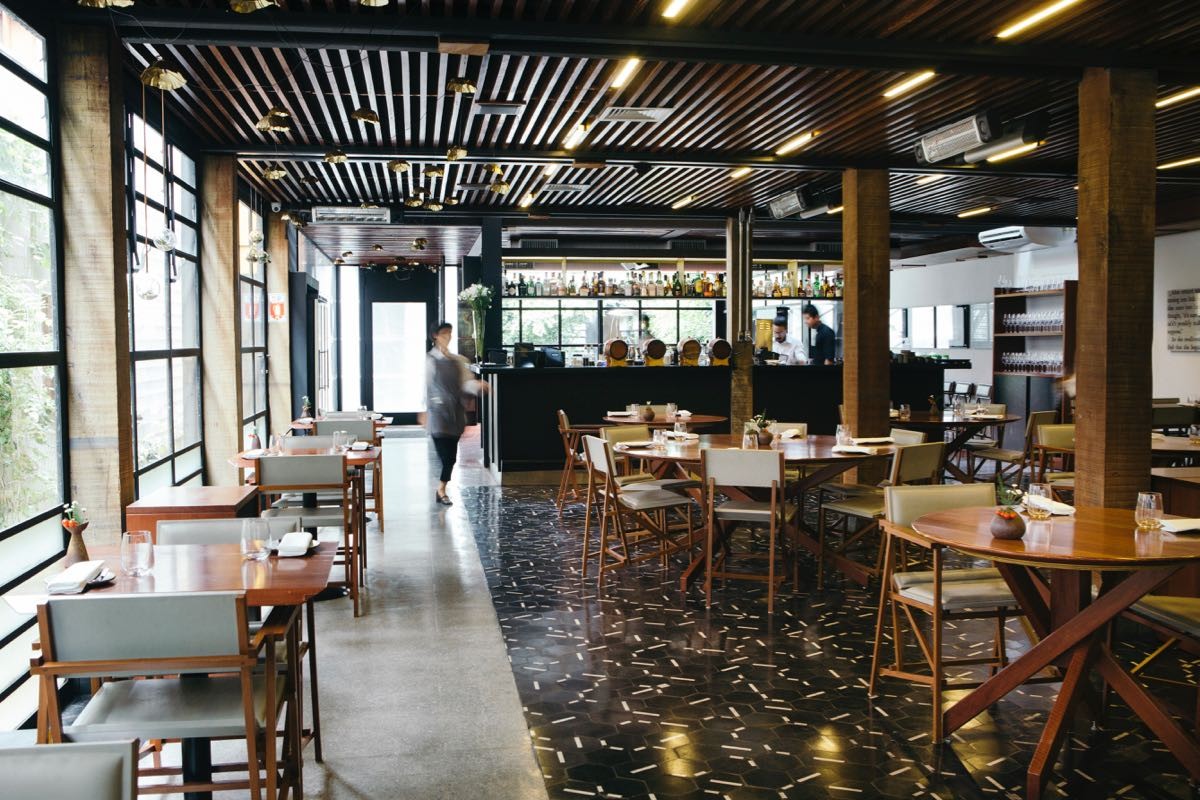
Modern Brazilian Fine Dining
Tuju
São Paulo, Brazil
★★★ · 50 Best
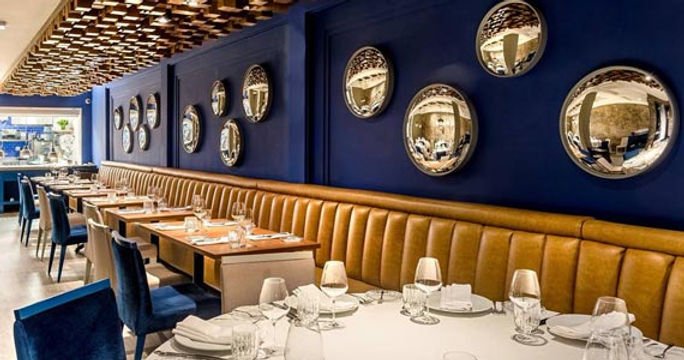
Modern Italian-Brazilian Fusion
Evvai
São Paulo, Brazil
★★★ · 50 Best
Modern Brazilian Pork-Centric
A Casa do Porco
São Paulo, Brazil
50 Best
Modern Creative Brazilian
Maní
São Paulo, Brazil
★ · 50 Best
Japanese Omakase
Jun Sakamoto
São Paulo, Brazil
★