
- Falstaff Winery - Listed · 2026
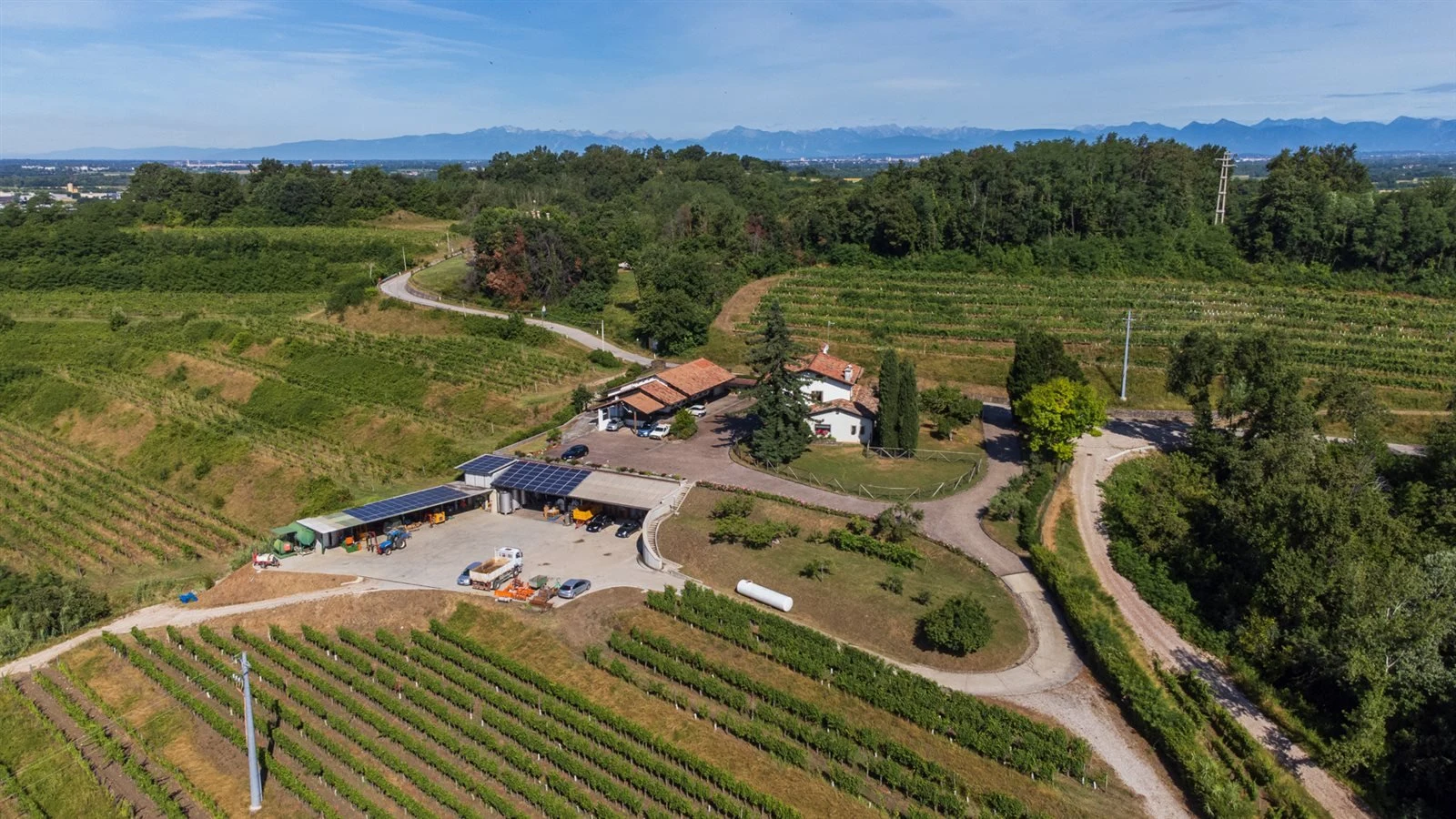
Approaching the Pampinutta hill, the first signal is not cellar technology or label design but geography: vines, gardens and a restored castle arranged above Buttrio, with the Friulian countryside doing much of the scene-setting. This part of Friuli-Venezia Giulia rewards estates that can translate slope, exposure and mixed climatic influence into wines with regional character rather than generic polish. Castello di Buttrio belongs in that conversation because the hospitality is inseparable from the land around it: a working winery, boutique country retreat, bistrot and agritourism setting held together by vineyard views and a quiet pace.
Friuli is often read through its white wines, and that reading remains useful. Friulano, Ribolla Gialla, Sauvignon Blanc, Chardonnay and Pinot Grigio are not decorative entries here; they map the regional grammar of freshness, texture and aromatic restraint. The more interesting editorial point is that the estate also gives serious room to reds, including Refosco, Merlot and Pignolo. In a zone whose international reputation has long leaned white, that breadth matters. It shifts the visit from a narrow tasting-room exercise into a fuller study of how Buttrio can carry both bright whites and more structured red expressions.
The Sunday letter
Find new places through the people who run them.
Our Sunday email brings you the chefs, winemakers and hoteliers behind our newest stories. See a sample before you subscribe.
See a sample of the Sunday emailOne email a week. Unsubscribe from any issue.
Friulian terroir, read through whites and reds
The estate was founded in 1994 by Alessandra Felluga, and its modern identity sits on a practical tension: respect the white-wine strength of Friuli Colli Orientali while allowing red varieties to claim space in the portfolio. That is not a personality story; it is a regional one. Friuli’s hills sit between Alpine and Adriatic influences, with calcareous-marly soils and variations of clay and sand commonly associated with the area. In glass terms, that often means wines shaped by acidity, aromatic clarity and structure rather than excess weight.
The vineyard scale is large enough to support range but small enough to keep the estate identity legible: 26 hectares surround the castle. That matters for visitors because the tasting is not detached from the place being discussed. The same hill, gardens and vineyard rows that frame the arrival also explain why the range can move from Friulano and Ribolla Gialla to Refosco and Pignolo without feeling like a merchant’s catalogue. The production philosophy is listed as sustainable, and the sourcing emphasis is estate-led, which gives the tasting a clearer agricultural frame than a purely brand-led cellar visit.
For readers building a Buttrio wine day, the useful distinction is format. Some estates are chiefly cellar doors; this one folds wine into lodging, food, private tastings, vineyard-and-cellar tours and event hospitality. That breadth can dilute focus at weaker properties. Here, the stronger interpretation is that the castle setting makes wine tourism feel anchored rather than theatrical. The visit works for drinkers who want varietal context and for travelers who understand Friuli through landscape, not only through bottles.
The castle format changes the pace of tasting
Country-house wine hospitality has its own rhythm. The room tone is quieter, the visual field wider, and the tasting tends to reward time on the grounds as much as time at the counter. Castello di Buttrio’s setting is described through historic interiors, gardens, parkland, terraces and panoramic vineyard views, which places it closer to a wine-country retreat than an urban tasting bar. The dress code is smart casual, but the deeper cue is pace: this is a low-noise, reservation-led estate experience built around lingering rather than turnover.
The tasting formats cover the main traveler needs without overcomplicating the proposition: standard tastings, vineyard and cellar tours with tasting, paired tastings with local cuisine and private tastings. Tour languages include Italian and English, and the typical tour duration runs 60 to 90 minutes. Food pairing is part of the program, supported by a bistrot oriented toward local cuisine, so the wines can be read against Friulian food rather than tasted in isolation. Families and groups are within the intended use case, while the atmosphere remains better suited to a measured afternoon than a high-energy group crawl.
The estate’s practical comforts also matter in a rural wine itinerary. On-site parking, wheelchair accessibility, outdoor seating, contactless payment and shipping availability reduce the friction that often separates a pleasant countryside idea from a workable visit. There is no wine club structure to decode, and allocation is open, so the decision is less about access politics and more about whether the format suits the day. For a broader local plan, the wider Buttrio map is useful: see Our full Buttrio wineries guide, plus the city’s dining, lodging, drinking and activity rails at Our full Buttrio restaurants guide, Our full Buttrio hotels guide, Our full Buttrio bars guide and Our full Buttrio experiences guide.
How to place it in a wider wine itinerary
Buttrio is compact enough that a focused wine itinerary can be built around a few addresses rather than a long transfer day. Within the local winery circuit, useful further reading includes Azienda Agricola Miani, Conte D'Attimis Maniago, Croatto Piero, Marina Danieli Estate and Meroi Davino. The point is not to chase volume. Friuli rewards comparison by grape, soil and hospitality style: one visit can sharpen the whites, another can test the reds, and a castle estate adds the cultural architecture around both.
For travelers comparing Italian and Central European wine-country formats more broadly, the contrast becomes clearer when placed beside other regional winery pages such as 3GP SRL in Treviso, 47 Anno Domini in Trebaseleghe, A Mano Wine in Noci, »der Steiner« Hans Steiner in Podersdorf am See and & Handwein in Mannheim. Castello di Buttrio’s argument is not scale or spectacle. Its appeal lies in a specific Friulian combination: hilltop castle, estate vineyards, regional varieties, local food and a calm hospitality frame that lets the land set the terms.
Questions
Frequently asked
Who works at Castello di Buttrio?
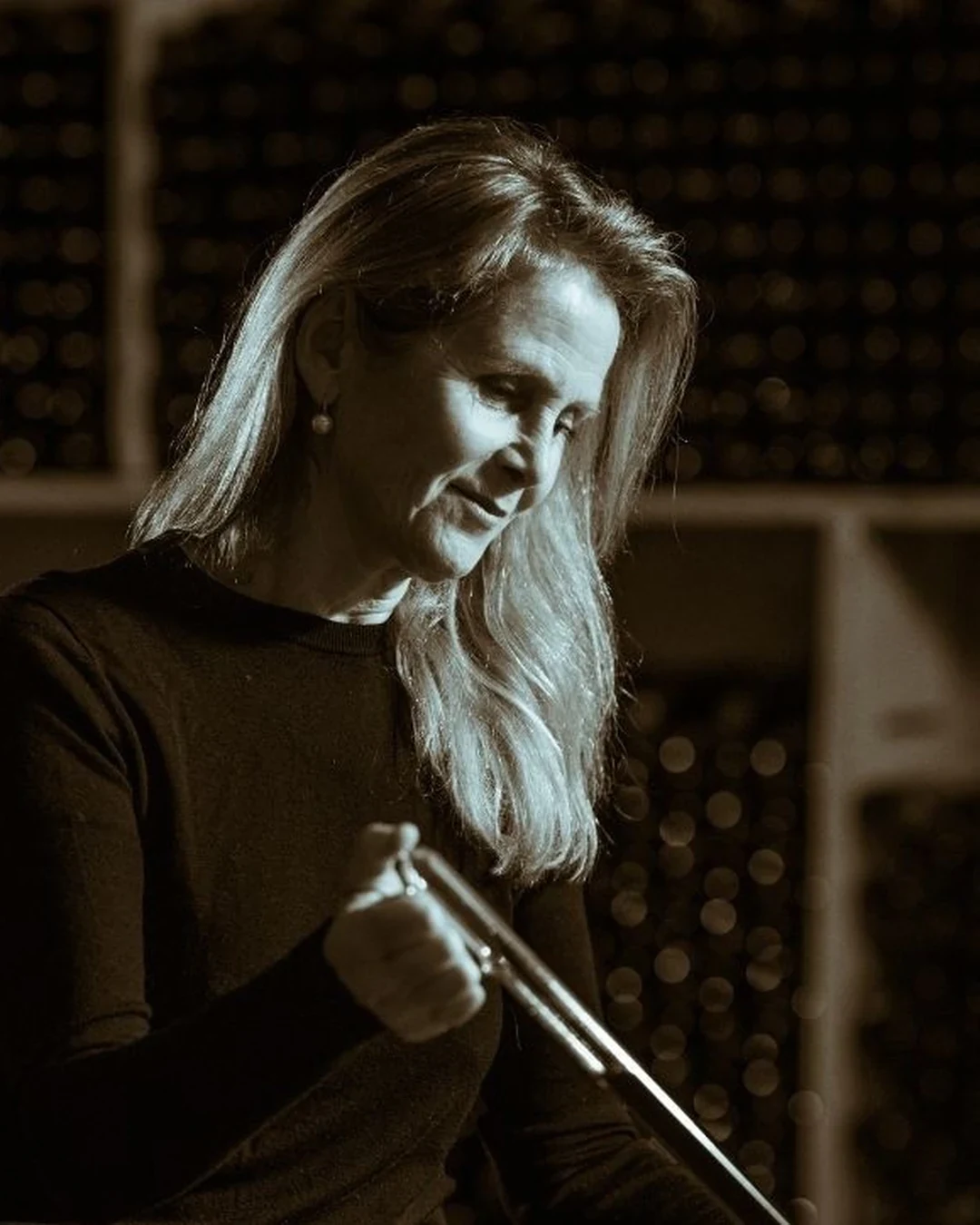
Made By profiles Alessandra Felluga (Winemaker) at Castello di Buttrio.
How expensive is Castello di Buttrio?
Castello di Buttrio is listed at a price level of $$$.
The field
How it compares
| Place | Notes |
|---|---|
| Castello di Buttrio | Pampinutta hill, $$$ |
| Azienda Agricola Miani | Buttrio |
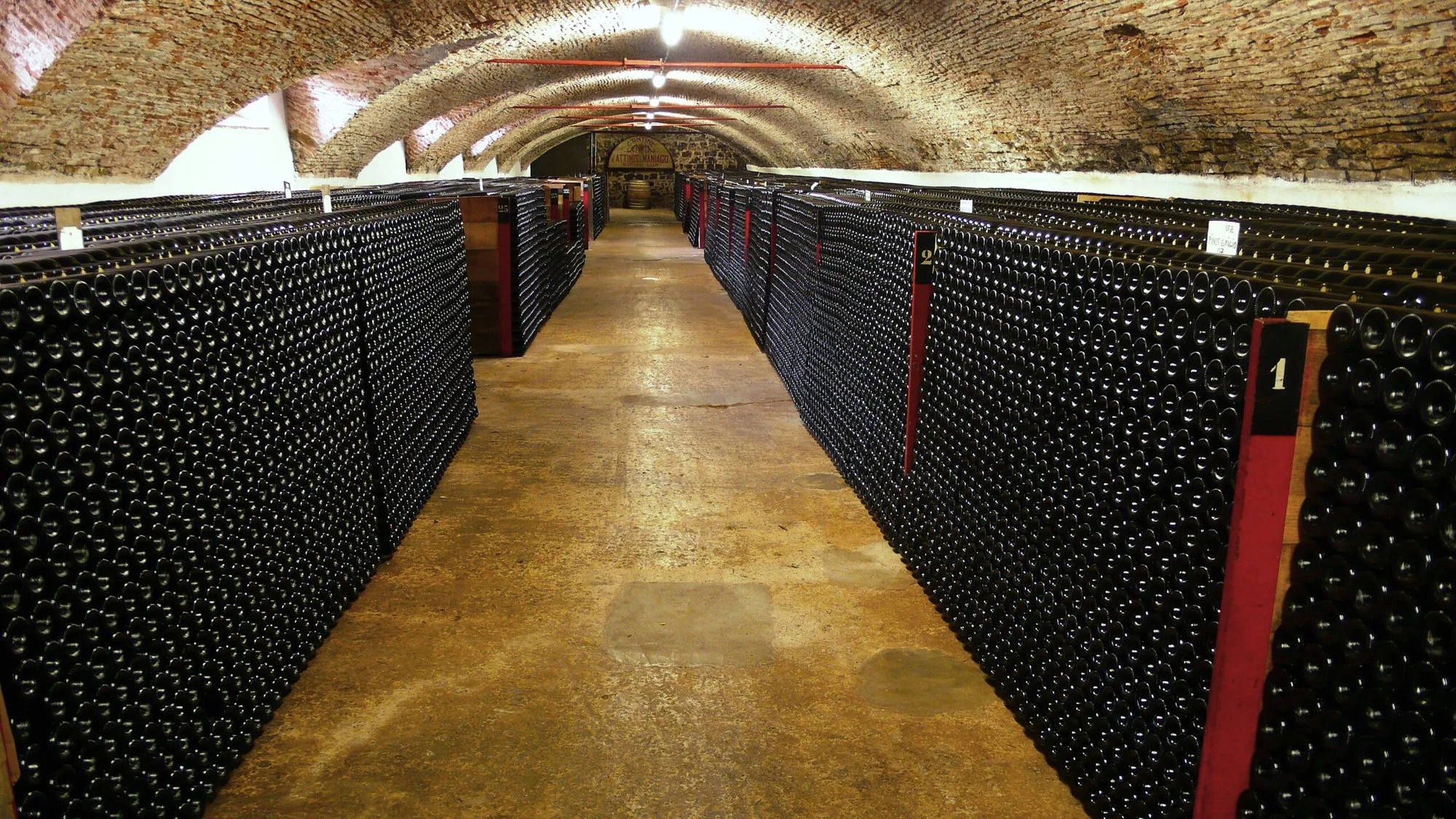
| Conte D'Attimis Maniago | Buttrio |
| Croatto Piero | Buttrio |
| Marina Danieli Estate | Buttrio |
| Meroi Davino | Buttrio |
| Petrucco | Buttrio |
In residence
Similar places
The Sunday letter
Get the next Made By story in your inbox.
We send one email every Sunday morning with the places and people we covered that week.
See a sample of the Sunday emailOne email a week. Unsubscribe from any issue.