
- Falstaff Winery - Listed · 2026
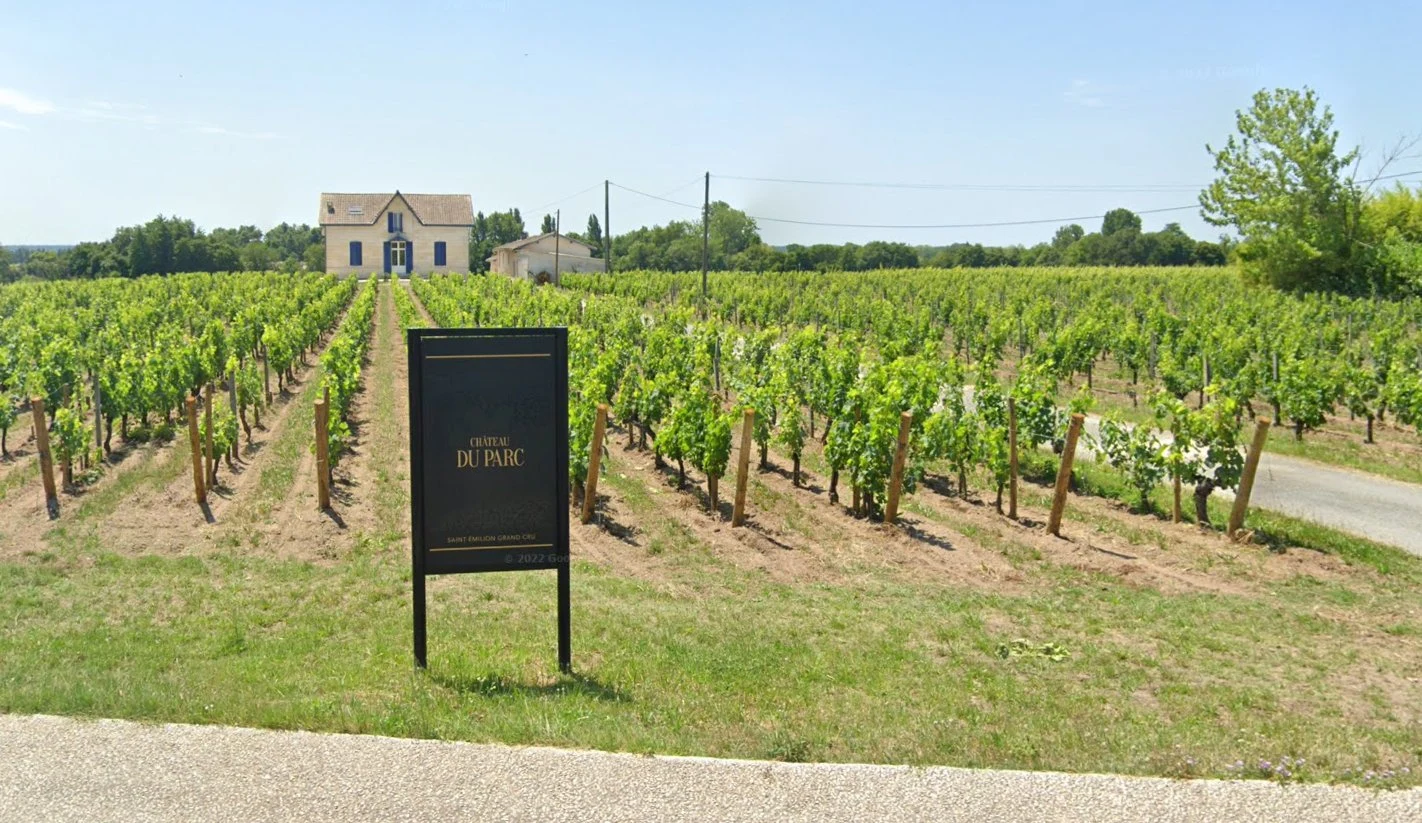
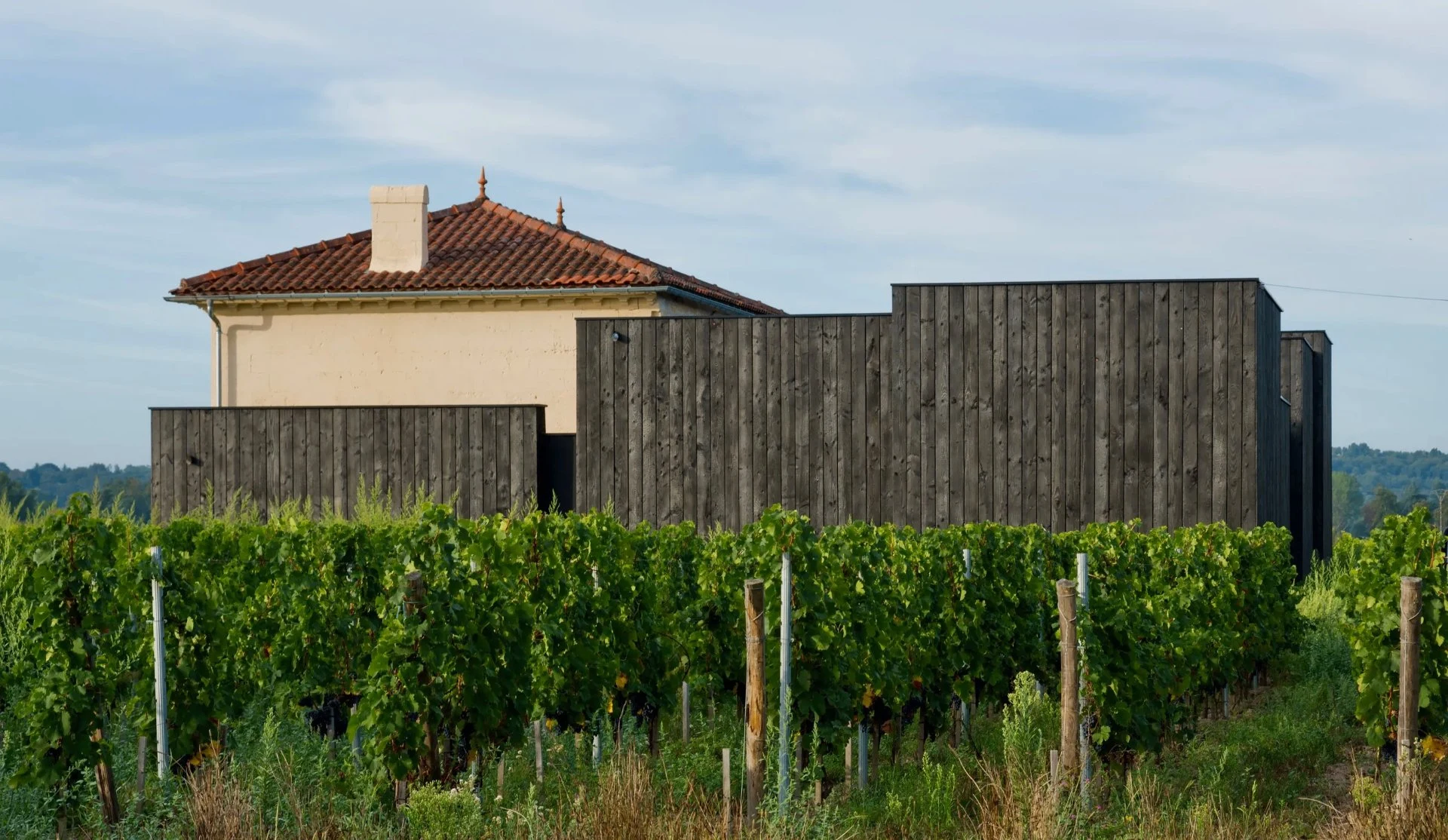
In Saint-Sulpice-de-Faleyrens, Château du Parc is best understood as a quiet Right Bank Bordeaux wine-estate experience rather than a large-scale tourism stop. The picture is intentionally compact: a historic estate, a small meticulously farmed vineyard, and a classic Saint-Émilion Grand Cru atmosphere shaped around terroir and table wines. Its appeal comes from that sense of proportion. Nothing in the available description suggests a venue trying to overwhelm visitors with size, spectacle, or a broad leisure program; instead, the emphasis stays on the estate itself and on the wine-country setting that surrounds it.
The appeal is rural and scenic, with a mood that suits visitors looking for a calmer reading of Bordeaux wine country. Rather than leaning on spectacle, the estate’s positioning is grounded in the land, the vineyard setting, and the traditional Right Bank context around Saint-Émilion. That makes Château du Parc feel most relevant for travelers who are not trying to tick off the biggest or busiest stop, but who want to spend time with the quieter texture of a Bordeaux property: the historic frame, the cultivated vineyard, and the sense that table wine is tied directly to place.
The Sunday letter
Find new places through the people who run them.
Our Sunday email brings you the chefs, winemakers and hoteliers behind our newest stories. See a sample before you subscribe.
See a sample of the Sunday emailOne email a week. Unsubscribe from any issue.
A quiet Saint-Émilion Grand Cru frame
Château du Parc sits within the Saint-Sulpice-de-Faleyrens wine landscape, where the experience is less about scale and more about a close view of a Bordeaux wine estate. The draw is the combination of a historic setting, a small vineyard, and a classic atmosphere focused on terroir. In practical editorial terms, that means the estate reads as intimate rather than expansive. The vineyard is part of the point, not just a backdrop, and the Saint-Émilion Grand Cru frame gives the visit its essential context.
For travelers comparing wine-country stops, the useful distinction is restraint. Château du Parc is presented as a place for table-wine appreciation and a quieter rural visit, not as a destination built around large visitor infrastructure or broad entertainment cues. That restraint can be a strength for the right visitor. It encourages attention to the fundamentals already present in the description: the land, the small scale of the vineyard, the historic estate identity, and the classic Right Bank atmosphere. If the goal is to understand a wine property through setting and terroir rather than through a heavily packaged experience, Château du Parc fits that quieter category.
A classic Right Bank atmosphere
The character of Château du Parc is classic and scenic. That matters because the estate’s identity rests on atmosphere as much as logistics: a historic Bordeaux property, a small carefully farmed vineyard, and a calm Saint-Émilion Grand Cru context. The phrase “Right Bank” is doing important work here, because it places the estate within the wider Bordeaux imagination without needing to turn the visit into a grand production. The experience is best read through that lens: traditional, rural, and grounded in the vineyard rather than in a list of extra amenities.
What should not be assumed from the available facts is just as important. The current description does not support adding claims about elaborate facilities, a restaurant program, specific tasting formats, particular wines, special events, awards, or extended visitor services. Château du Parc should therefore be approached as a focused estate stop, with expectations shaped by the facts that are actually present: a historic setting, a small meticulously farmed vineyard, a Saint-Émilion Grand Cru atmosphere, and an emphasis on terroir and table wines. Keeping the expectations this precise helps preserve what is appealing about the place without overstating it.
For a broader Saint-Sulpice-de-Faleyrens itinerary, compare Château du Parc with other local dining and wine-country options generically, keeping the focus on the commune’s quiet rural setting and Saint-Émilion Grand Cru context. It can sit well within a day that values atmosphere and landscape, especially for visitors who want the Right Bank to feel less hurried and more observational. The estate’s role in such an itinerary is not to compete through scale, but to offer a calmer counterpoint: a compact, historic, vineyard-centered address that reflects the quieter side of the surrounding wine country.
Who this estate suits
Château du Parc suits travelers who want a calm, classic Bordeaux setting rather than a high-energy visitor attraction. The tone is rural, scenic and focused on terroir, which makes it a natural fit for people who prefer a more understated wine-estate stop. It is particularly well matched to visitors who respond to setting: those who want the historic estate, the vineyard, and the Saint-Émilion Grand Cru context to carry the experience without needing a large amount of additional programming.
It is also a good match for visitors who value context over spectacle: a historic Right Bank estate, a small vineyard, and a Saint-Émilion Grand Cru atmosphere centered on table wines. For planning purposes, keep the confirmed price of $40 per person in mind and verify any operational details directly before visiting. That final step is important precisely because the venue is presented in such a focused way; direct confirmation keeps expectations aligned with what is actually available, while the reason to go remains clear: a quiet, scenic, terroir-led Bordeaux estate experience in Saint-Sulpice-de-Faleyrens.
Questions
Frequently asked
Who works at Château du Parc?
Made By profiles Alain Raynaud (Winemaker) at Château du Parc.
How expensive is Château du Parc?
Château du Parc is listed at a price level of $$$.
The field
How it compares
| Place | Notes |
|---|---|
| Château du Parc | Saint-Sulpice-de-Faleyrens, $$$ |
| Château Edmus | Saint-Sulpice-de-Faleyrens |
| Château Grand Destieu | Saint-Sulpice-de-Faleyrens |
| Château Lynsolence | Saint-Sulpice-de-Faleyrens |
| Château Mondou | Saint-Sulpice-de-Faleyrens |
| Château Roc de Boisseaux | Saint-Sulpice-de-Faleyrens |
| Clos Saint-Vincent | Saint-Sulpice-de-Faleyrens |
In residence
Similar places

Château Edmus
Saint-Sulpice-de-Faleyrens, France
Château Grand Destieu
Saint-Sulpice-de-Faleyrens, France
Château Lynsolence
Saint-Sulpice-de-Faleyrens, France
Château Mondou
Saint-Sulpice-de-Faleyrens, France
Château Roc de Boisseaux
Saint-Sulpice-de-Faleyrens, France
Clos Saint-Vincent
Saint-Sulpice-de-Faleyrens, France
The Sunday letter
Get the next Made By story in your inbox.
We send one email every Sunday morning with the places and people we covered that week.
See a sample of the Sunday emailOne email a week. Unsubscribe from any issue.