Made ByWinery
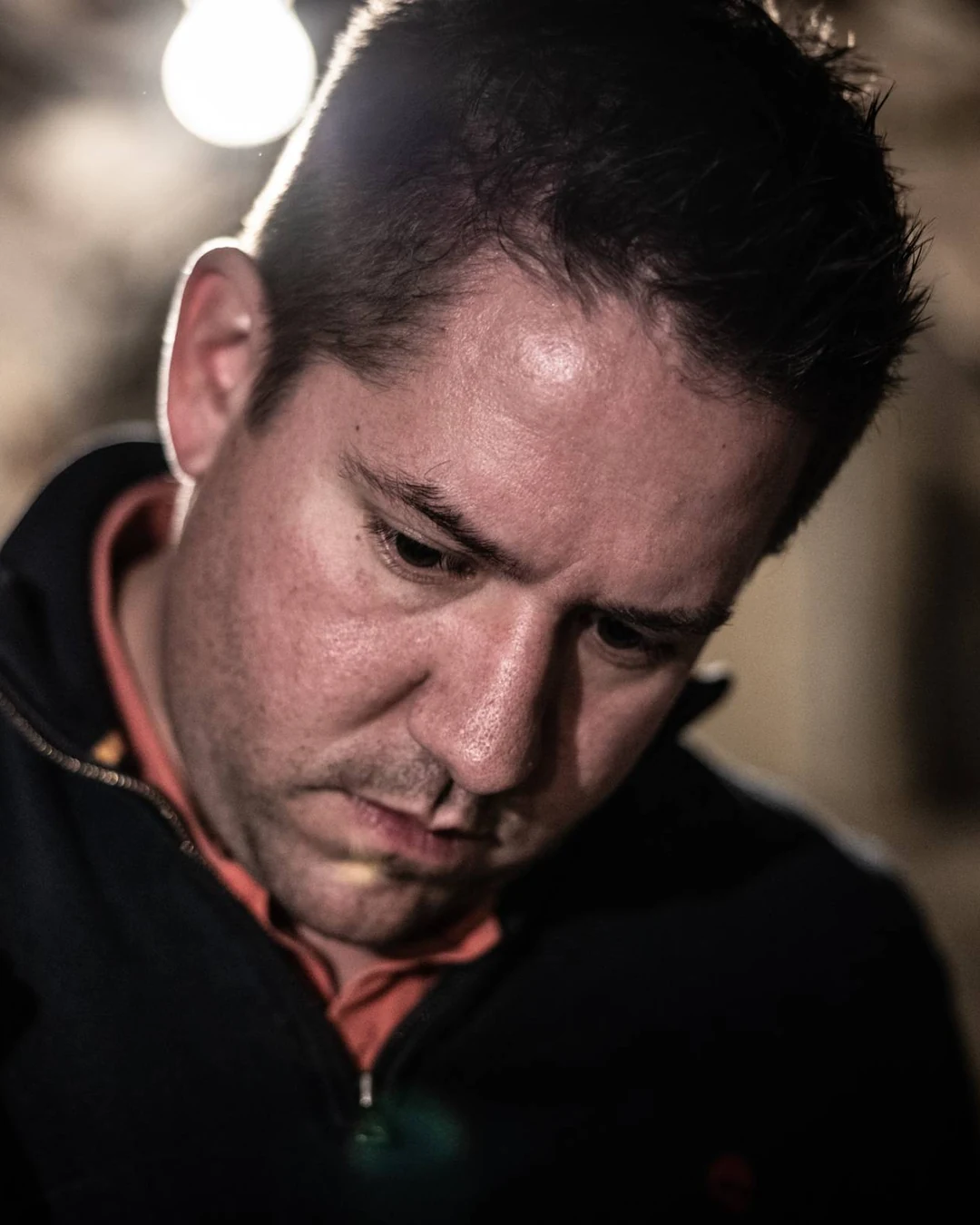
Julian Gout, Cellar Master at Champagne Ayala in Aÿ, guides a Chardonnay-led cellar built on separate crus and low dosage.
At a glance
- Price
- $$$
- Per person
- $77
- Neighborhood
- Aÿ Grand Cru
From vineyard work to the cellar
The blend comes together cru by cru before Julian Gout, Cellar Master at Champagne Ayala in Aÿ, France, sets the final line. His station is not a new room to him. Before his appointment in 2022, Gout worked here as assistant to the Cellar Master and in charge of the vineyard, a post that kept his hands between the agricultural calendar and the cellar’s decisions. That continuity matters in a house whose style depends less on a single gesture than on alignment: fruit picked for freshness, vinification kept separate, blends drawn toward lift rather than weight. Champagne Ayala was founded in 1860 by Edmond de Ayala, and the house’s low-dosage direction was already visible in 1865, when one of its first dry Champagnes sat at approximately 21 g/L. Gout now holds that lineage from inside the same working ground, covering vineyard management, vinification, and cellar management. He has described the work plainly: "There is no routine in this job, every day is different like every vintage." At Ayala, that is not a flourish. It is the job description.
One hundred and twenty tanks for separate crus
The cellar is built around separation before blending. Champagne Ayala works with 120 stainless steel tanks, using them to vinify grapes from each cru and each vintage individually, so the aromatic line of a parcel can stay legible until the blend is made. The method suits a Chardonnay-led house, but it also leaves room for Pinot Noir and Pinot Meunier to carry their parts without being flattened early. Brut Majeur gives the clearest measure of the approach: 55% Chardonnay, 30% Pinot Noir, and 15% Pinot Meunier. The proportions are not decoration; they explain the house’s preference for freshness, shape, and a dry finish held in balance with acidity. Brut Nature pushes that conviction further, with essentially no added sugar. PERLE 2015 sits at the other end of the clock, a vintage cuvée aged for 8-9 years before release. The house is also moving its vineyards toward organic culture, keeping the field decisions close to the cellar work that follows.
The quiet discipline of Aÿ
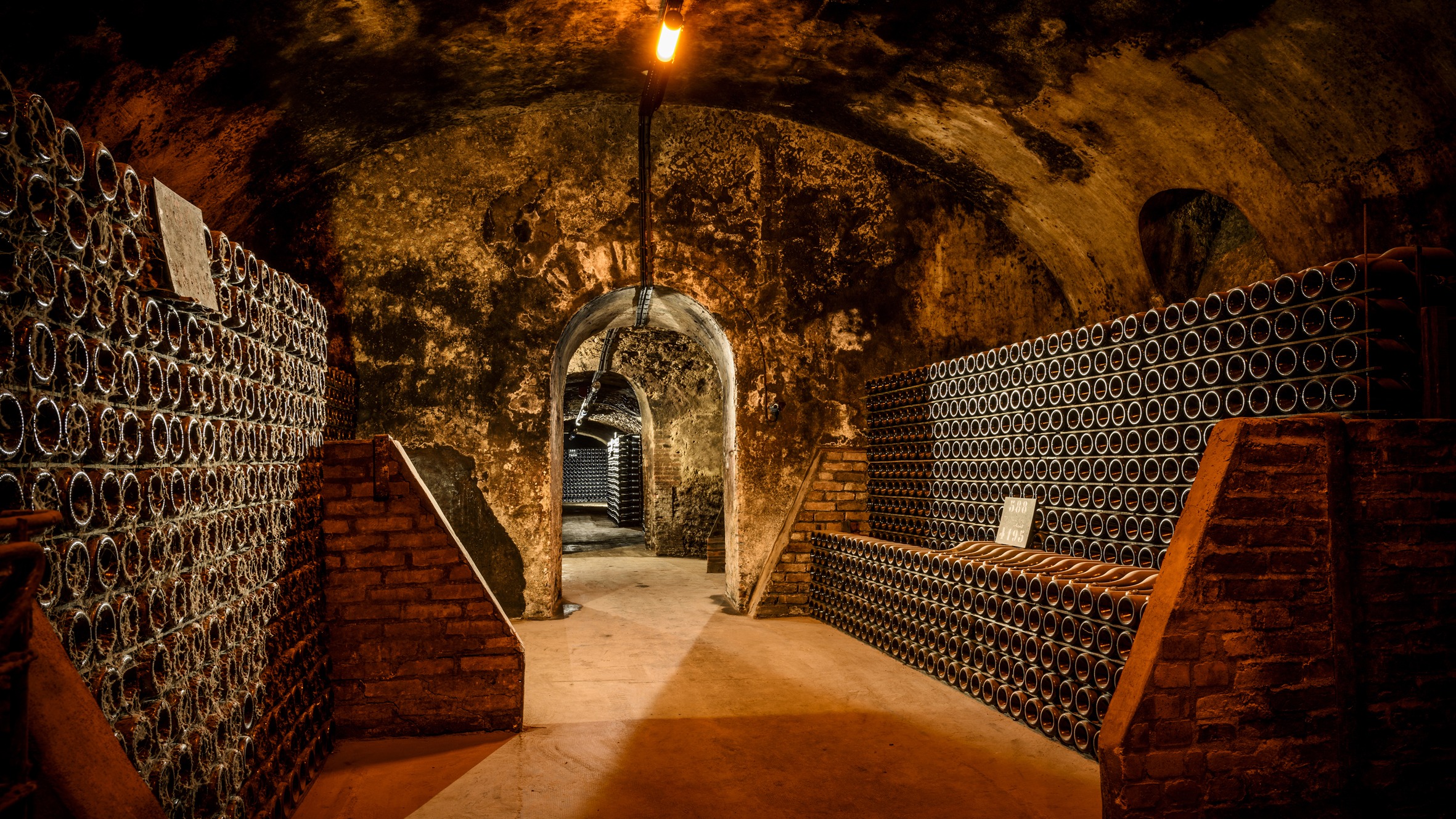
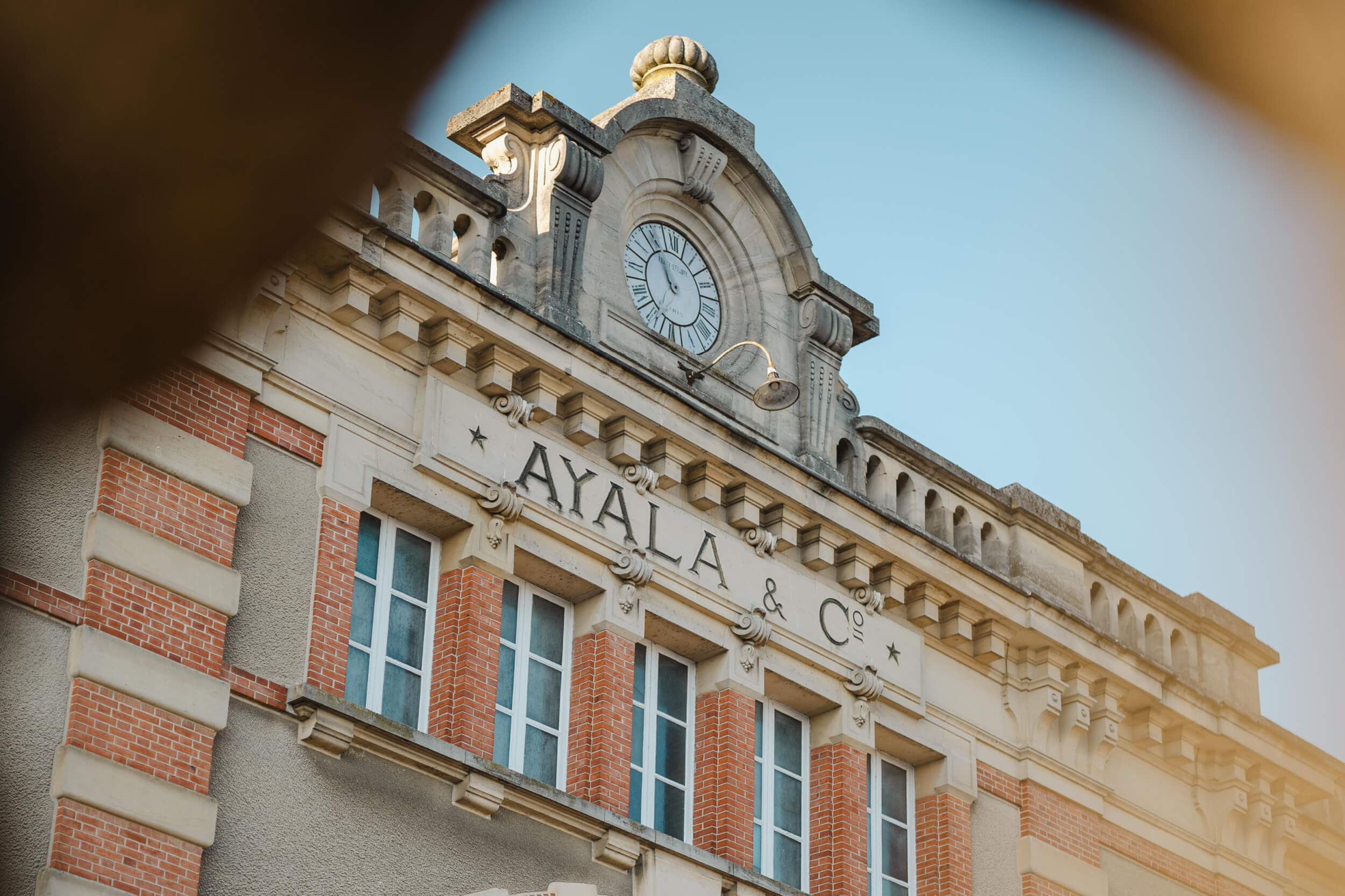
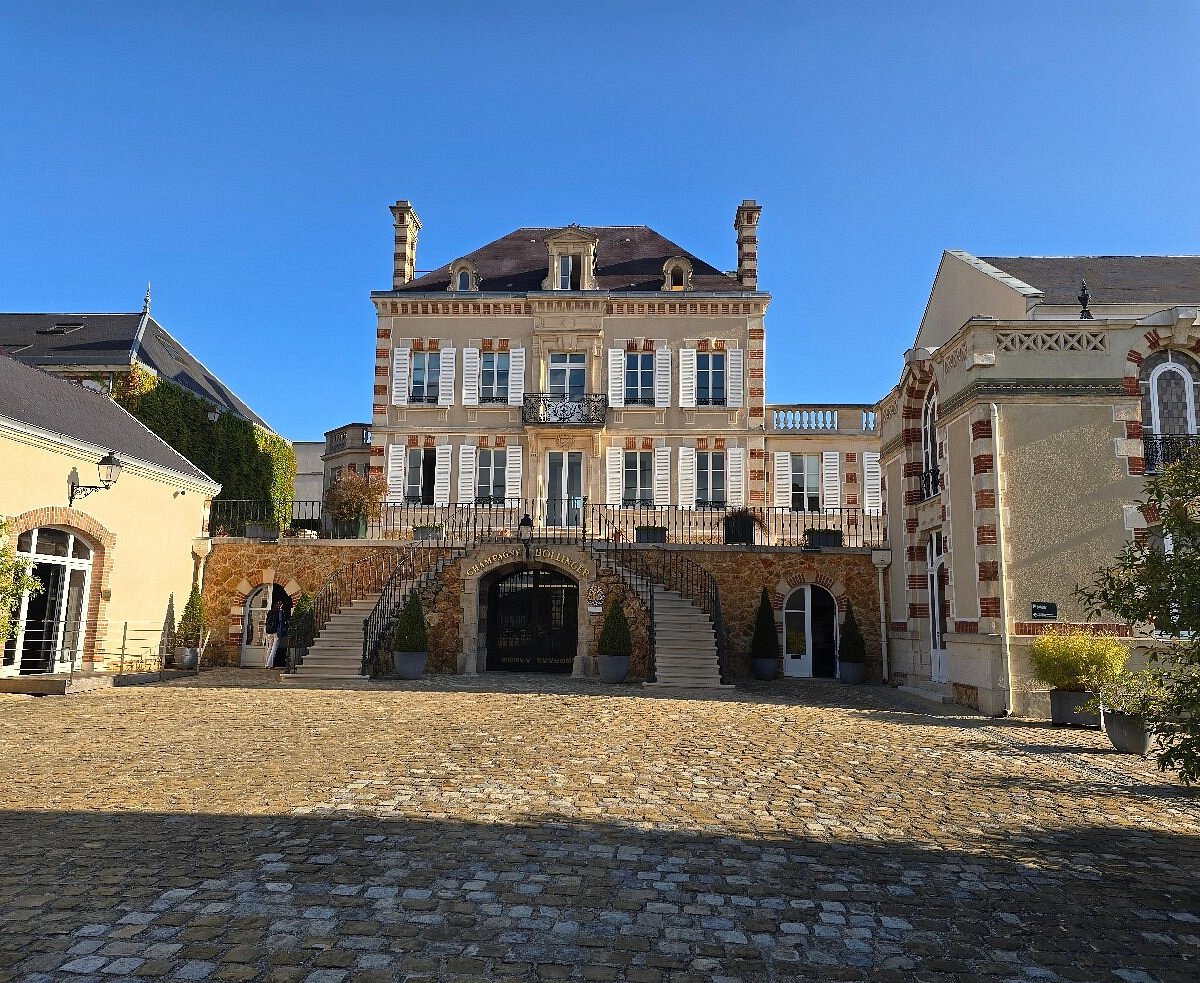
The cellar estate sits in Aÿ Grand Cru, a historic Champagne village where the house keeps all cuvées made on-site. The atmosphere is quiet, more station than spectacle: stainless steel, bottle stacks, the steady passage from grape reception to labeling. In that setting, the tasting room reads as an extension of the cellar rather than a stage apart from it. The house style carries through the room in the same register as the work below ground, focused on purity, freshness, and low dosage rather than amplitude for its own sake. There is history in the walls, including Ayala’s role as a founding member of the Syndicat des Grandes Marques in 1882 and a Royal Warrant from King Edward VII in 1908, but the present tense belongs to the tanks and the blends.
Continuity after the renaissance
The modern chapter of Champagne Ayala changed in 2005, when the Bollinger family purchased the house and renewed its facilities and direction. Gout’s appointment in 2022 brought that renewal back to the bench-side logic of one person who already knew the vines, the vats, and the house tempo. His signature range at Ayala includes Brut Majeur, AYALA Rosé Majeur, Collection N°16, and AYALA PERLE 2015. Those bottles are where the cellar’s separate crus finally leave Aÿ as Champagne Ayala.
Know before you go
- Dress code
- smart_casual
- Reservations
- appointment_only
- Groups
- Welcomed
Address
Aÿ, Grand Est, Frankreich
Aÿ Grand Cru