Made ByWinery
Chateau Beauregard
- 01CitySaint-Émilion, France
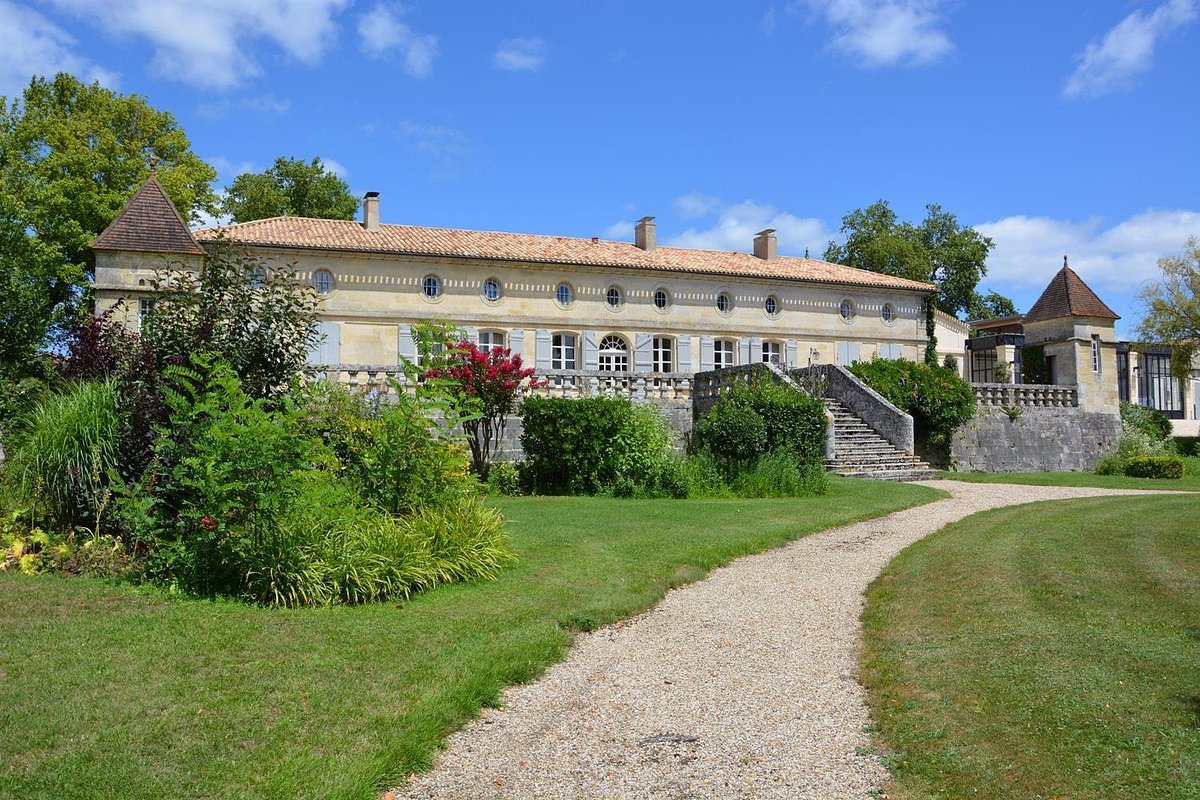
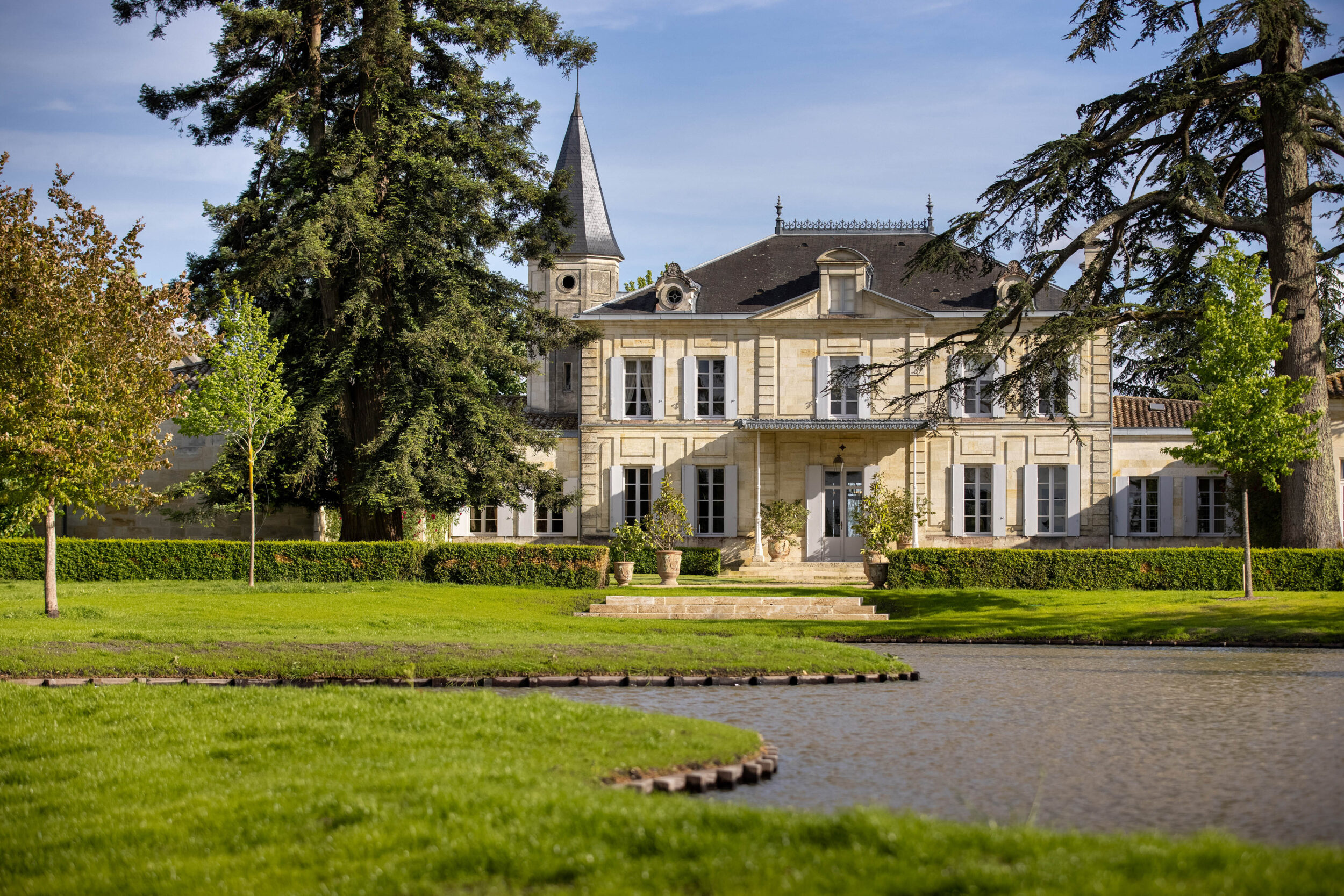
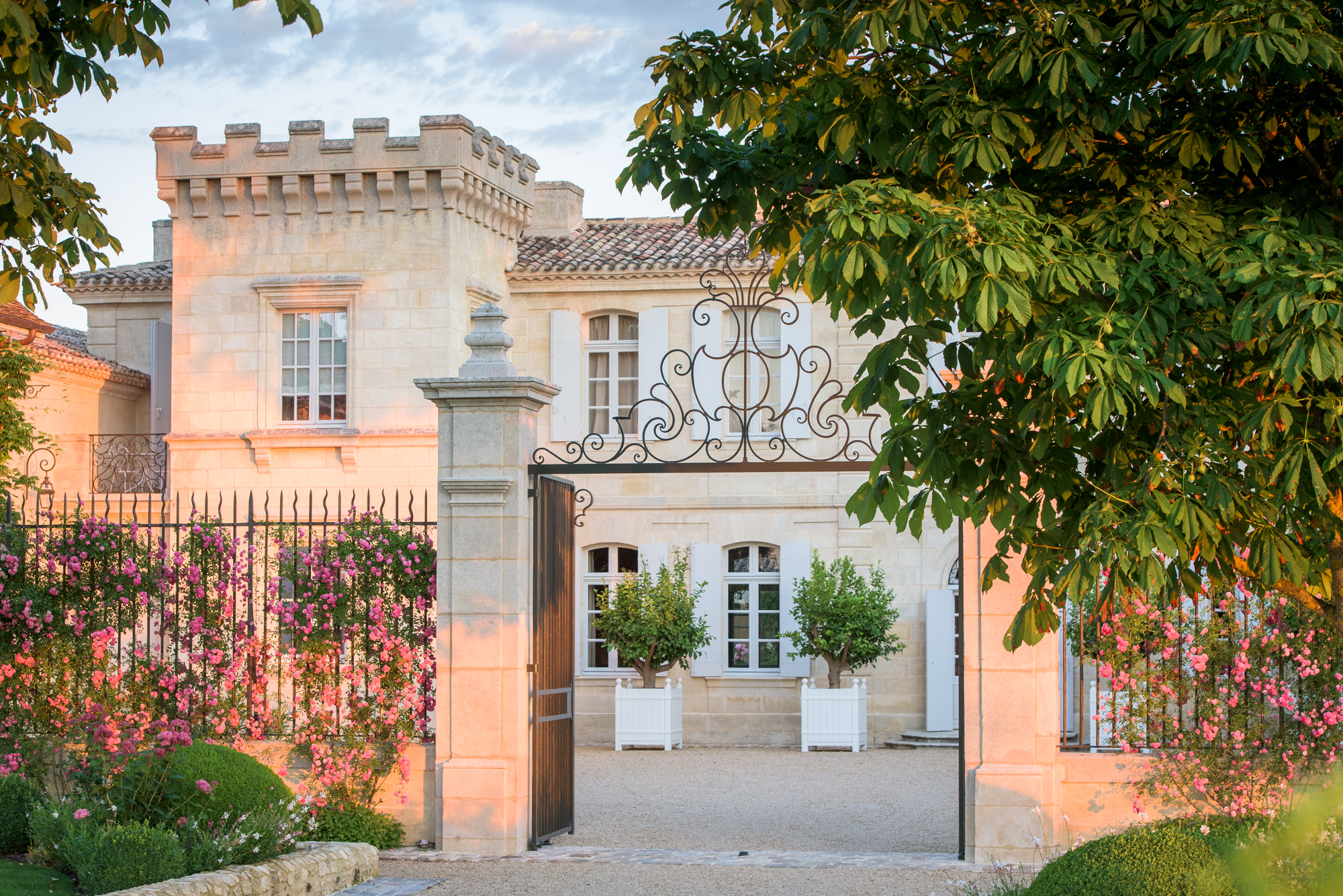
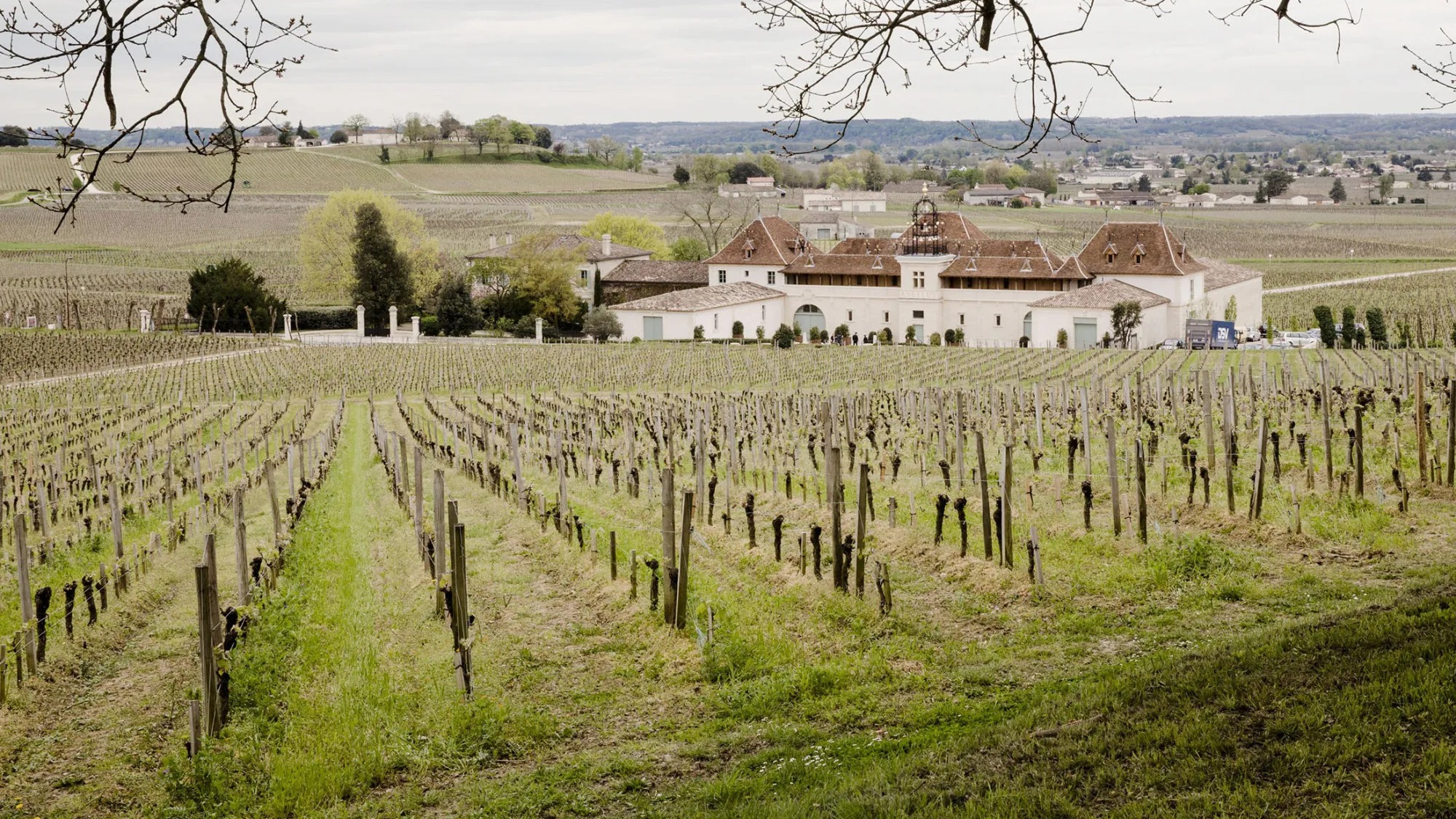
Chateau Beauregard sits on the Pomerol plateau, where iron-rich clay soils and a cool Atlantic-influenced climate have shaped Merlot-dominant wines for generations. The estate occupies a distinct position in the right bank's comparable set, where geology speaks louder than appellation rank. Visitors encounter a property where the land's character is the primary argument, not marketing.
At a glance
- Price
- $$$
- Neighborhood
- Pomerol
- Rating
- 4.8 (140)
Where the Pomerol Plateau Does the Talking
Approach Pomerol from Saint-Émilion and the terrain shifts almost without announcement. The land flattens, the subsoil deepens, and the iron-rich clay that defines the plateau's most serious addresses announces itself in the colour of the earth between vine rows. Chateau Beauregard sits within this geology, at 73 Rue de Catusseau, and the address matters more than most in this appellation. On the Pomerol plateau, location is not background detail; it is the entire argument for why the wine in the glass tastes the way it does.
Pomerol has no formal classification system, which makes the right bank's hierarchy entirely informal and therefore more contested than the Médoc's rigid cru structure. Estates here are ranked by reputation, by the consistency of their vinous expression, and by how faithfully that expression tracks back to the particulars of their terroir. Beauregard competes in exactly that register, drawing its positioning from the quality of the clay-iron soils beneath its vines rather than from any official tier.
The Geology Beneath the Glass
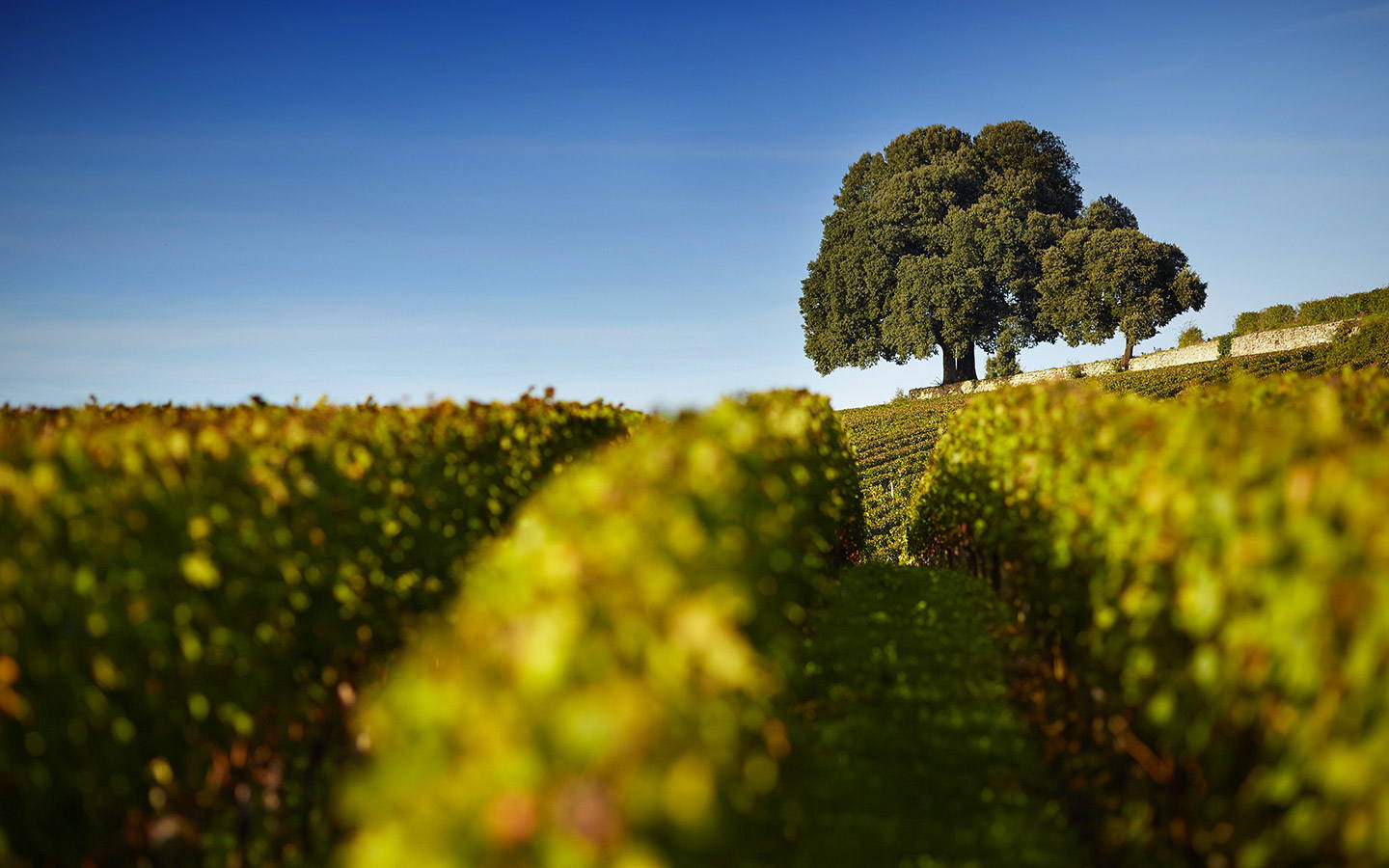
Merlot dominates the right bank's Pomerol and Saint-Émilion appellations for reasons that begin underground. The iron-rich clay soils, locally called crasse de fer or, in their densest form, galène, retain moisture through dry summers, moderate the Merlot vine's tendency toward over-ripeness, and lend wines a structural density that pure limestone or gravel would not. This is the terroir argument that separates Pomerol from its neighbours: not the grape variety, which appears across Bordeaux, but the specific interplay between iron, clay, and Atlantic-tempered climate.
The Atlantic influence is worth pausing on. Bordeaux's oceanic climate moderates temperature swings but also introduces harvest-season rain risk. On the plateau, well-drained subsoils mean that even wet autumns can produce concentrated fruit, because excess water moves through the profile rather than sitting at root level. The result is a growing environment where vintage variation is real but the underlying mineral signature of the place persists across years. In that sense, Beauregard's wines, whatever the vintage, are conversations with the same geological address.
For comparison within the right bank, properties such as Château Clinet in Pomerol and Château Bélair-Monange in Saint-Émilion operate in overlapping terroir conversations, where soil composition and drainage are the primary differentiators between estates that might sit only hundreds of metres apart. The density of the right bank's quality map is part of what makes visiting the region instructive: small distances translate into meaningful wine differences.
Right Bank Context: Where Beauregard Sits in the comparable set
The right bank's leading Pomerol estates operate without the scaffolding of an official classification, which means their market position is maintained entirely through critical reputation and the consistency of their vinous identity across decades. This is a demanding standard: there is no classification tier to fall back on, and no bureaucratic upgrade path. The comparable set for an estate of Beauregard's standing includes properties that have similarly built their standing through the accumulated evidence of their bottles rather than through appellation rank.
Within Bordeaux more broadly, the contrast with classified left bank estates is instructive. Properties such as Château Batailley in Pauillac, Château Branaire Ducru in St-Julien, Château Boyd-Cantenac in Cantenac, Château Dauzac in Labarde, and Château Cantemerle in Haut-Médoc carry the 1855 Classification as a reputational anchor. Right bank Pomerol estates must build and maintain their standing on different terms entirely, which tends to attract a particular kind of wine buyer: one less interested in rank than in the specificity of what a plot of land produces year after year.
That dynamic also shapes the en primeur market for Pomerol wines. Futures buying in this appellation is driven by terroir conviction rather than classification status, and estates with a consistent track record of expressing their plateau soils tend to hold collector interest across vintages.
The Region as a Whole: Visiting Pomerol and Saint-Émilion
Pomerol and Saint-Émilion are geographically adjacent and often visited together, though they reward different kinds of attention. Saint-Émilion's medieval village, with its limestone catacombs and UNESCO recognition, draws tourists year-round and supports a fuller infrastructure of restaurants and accommodation. Pomerol, by contrast, has no village centre of any note, it is almost entirely agricultural, a plateau of vines interrupted by estate chais and private residences. For the wine-focused visitor, this is the point. Our full Saint Emilion restaurants guide covers the practical infrastructure for using the medieval town as a base while exploring both appellations.
The harvest window, typically September into October depending on vintage conditions, is when the region is most active, though estate visits during this period require advance planning and flexibility. The quieter months of late spring offer cooler temperatures, open cellars, and more considered tasting conditions. Regardless of season, visitors should approach Pomerol with the understanding that this is not a show appellation, it rewards patience and prior knowledge over spectacle.
For those building a broader Bordeaux itinerary, the right bank is worth pairing with excursions to other French wine regions to appreciate how differently terroir expresses itself across geology and climate. Albert Boxler in Niedermorschwihr offers a useful Alsatian counterpoint, where granite and gneiss soils shape Riesling with an entirely different mineral vocabulary. Closer to Bordeaux, Château Bastor-Lamontagne in Preignac and Château d'Arche in Sauternes show how climate and botrytis risk shape an entirely different expression within the same broad Bordeaux geography.
Planning Your Visit
Chateau Beauregard is located at 73 Rue de Catusseau, 33500 Pomerol, France. Given the rural character of the Pomerol plateau, a car is the practical means of reaching the estate from either Saint-Émilion (a short drive east) or Libourne (a few kilometres to the west), which serves as the nearest town with rail connections to Bordeaux. Visit by appointment only, and confirm arrangements directly before travelling. The estate does not publish a general visitor website in widely available form, so direct outreach is advisable.
For context on how other serious Bordeaux and international estates handle cellar visits and tasting formats, the approaches taken by Château Branaire Ducru on the left bank and Accendo Cellars in St. Helena in Napa offer useful comparisons in how allocation-tier estates manage visitor access. Properties such as Chartreuse in Voiron and Château d'Esclans in Courthézon illustrate that the French tradition of controlled estate visits extends well beyond Bordeaux, each property setting its own terms for access based on production scale and visitor philosophy. At Aberlour in Aberlour, the comparison extends across categories entirely, a reminder that terroir-led production and considered visitor access are not uniquely Bordelais ideas.
Know before you go
- Dress code
- smart_casual
- Reservations
- appointment_only
- Parking
- on_site_lot
- Payment
- credit_card
Frequently asked
Is Chateau Beauregard more formal or casual?
Pomerol estates as a category lean toward the understated rather than ceremonial, and Beauregard, sitting at 73 Rue de Catusseau on the plateau, follows that pattern. There is no grand classified-growth visitor centre here. Expect a working estate atmosphere rather than the curated tourism infrastructure found across the Gironde in the Médoc.
What's the address for Chateau Beauregard?
Chateau Beauregard is located at 73 Rue de Catusseau, 33500 Pomerol, France, Saint Emilion.
How does Chateau Beauregard's location within the Pomerol appellation affect the style of its wine?
Beauregard's address on the Pomerol plateau places it on the appellation's iron-rich clay subsoil, known locally as crasse de fer, which is the geological driver behind Pomerol's distinctively structured, fruit-dense Merlot. This specific soil type retains moisture through dry seasons and moderates ripening in ways that distinguish plateau Pomerol from sandier parcels at the appellation's edges. The address at 73 Rue de Catusseau is not incidental — in an appellation where no official classification exists, soil position is the primary argument for a wine's identity.
What's the must-try wine at Chateau Beauregard?
The estate's principal Pomerol bottling is where the iron-clay geology of the plateau reads most clearly in the glass, making it the natural focus of any visit. Second labels are useful context but the terroir argument is carried by the grand vin. Given Pomerol's unclassified status, Beauregard's position in the appellation hierarchy is maintained entirely through the quality of that primary wine.
What should I know about Chateau Beauregard before I go?
Pomerol has no village centre and no tourist office, so reaching Beauregard at 73 Rue de Catusseau, 33500 Pomerol requires a car and independent planning. The estate sits within easy reach of Saint-Émilion, which offers accommodation, restaurants, and the region's main visitor services. Confirm visit arrangements directly with the estate before travelling, as Pomerol estates do not maintain walk-in tasting rooms.
Address
73 Rue de Catusseau, 33500 Pomerol, France
Pomerol
How it compares
Chateau Beauregard
- Cuisine
- Merlot, Cabernet Franc
- Price
- $$$
- Awards
- —
- Notes
- Pomerol
Château Canon-la-Gaffeliere
- Cuisine
- Merlot, Cabernet Franc
- Price
- $$$
- Awards
- 1 recognition
- Notes
- Saint-Émilion
Château Angelus
- Cuisine
- Merlot, Cabernet Franc
- Price
- $$$$
- Awards
- 1 recognition
- Notes
- Saint-Emilion
Château Larcis Ducasse
- Cuisine
- Merlot, Cabernet Franc
- Price
- $$$$
- Awards
- 1 recognition
- Notes
- Saint-Emilion
Château Figeac
- Cuisine
- Cabernet Sauvignon, Cabernet Franc
- Price
- $$$$
- Awards
- 1 recognition
- Notes
- Saint-Emilion
Château Bélair-Monange
- Cuisine
- Merlot, Cabernet Franc
- Price
- $$$$
- Awards
- 1 recognition
- Notes
- Saint-Emilion