Made ByWinery

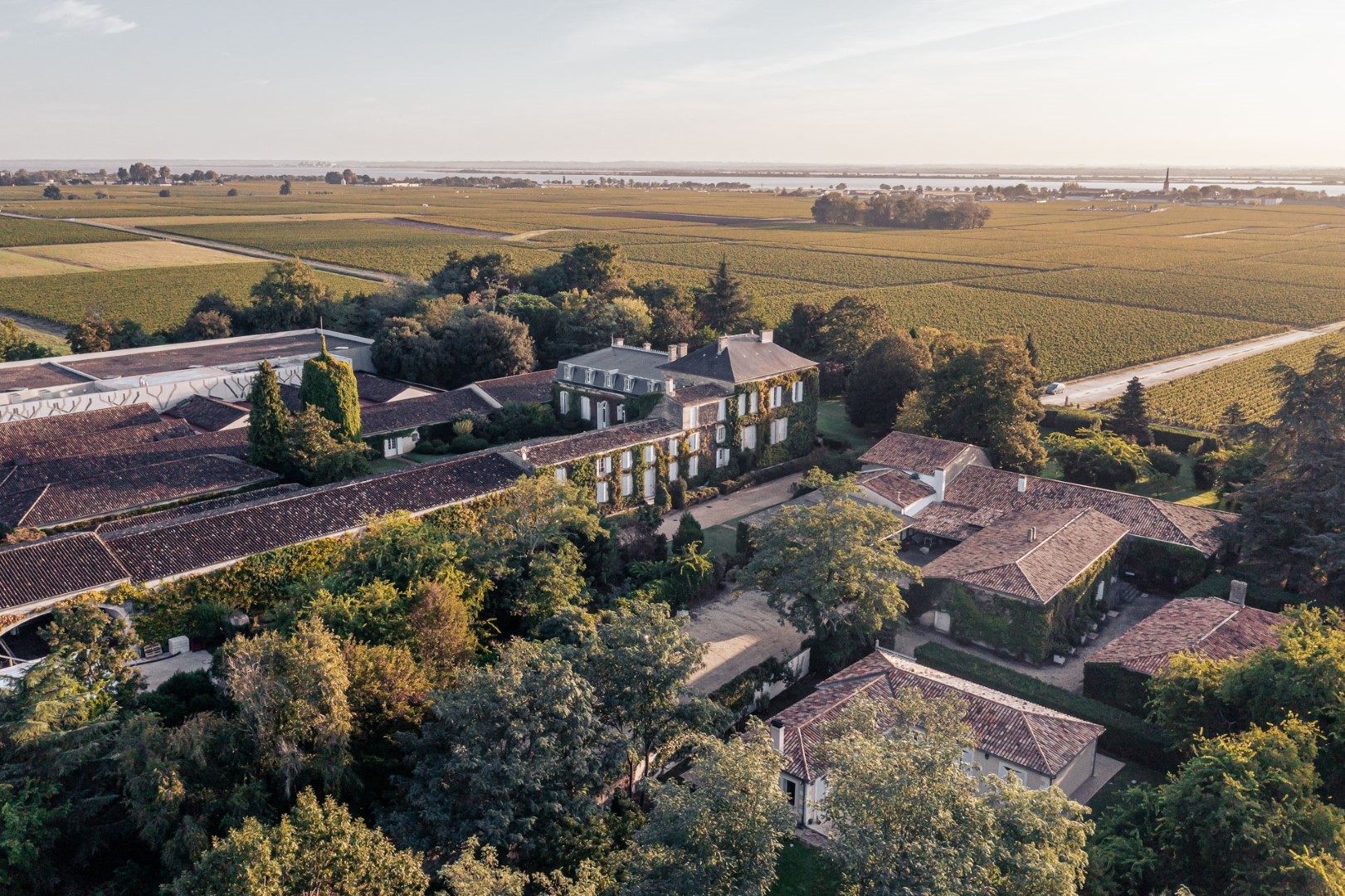
A fourth-growth Saint-Julien property with a recorded history stretching back to 1825, Château Talbot holds an EP Club Pearl 4 Star Prestige rating for 2025. Under winemaker Jean-Michel Laporte, the estate sits firmly within the classic Médoc tradition, where barrel selection and blending discipline define the character of each vintage. It occupies the upper tier of classified Saint-Julien producers.
At a glance
- Price
- $$$$
- Neighborhood
- Saint-Julien-Beychevelle
<h2>Saint-Julien's Aging Tradition and Where Château Talbot Fits</h2><p>The commune of Saint-Julien-Beychevelle produces some of the Médoc's most structurally consistent classified growths, a reputation built not on flamboyant fruit expression but on the discipline applied after harvest. Among its grands crus classés, the appellationhas a particular identity: wines that reward patience, where barrel aging decisions and blending ratios carry as much weight as the growing season itself. Château Talbot, classified as a quatrième cru in the 1855 classification and operating continuously since at least 1825, sits inside that tradition at considerable depth. Its 2025 Pearl 4 Star Prestige rating places it among the appellation's most closely watched estates. For visitors planning a broader Saint-Julien-Beychevelle itinerary, Talbot remains a key reference for understanding what the Médoc's post-harvest craft actually looks like.</p><h2>After the Harvest: Barrel Selection and Blending at the Core</h2><p>In classified Médoc viticulture, the harvest date and yield decisions get most of the attention. The less visible work happens in the chai, in the months between fermentation and bottling, and Talbot's reputation has been built precisely there. Winemaker Jean-Michel Laporte oversees a program grounded in the estate's long-documented history, working with the characteristic assemblage framework of Médoc reds: Cabernet Sauvignon as the structural backbone, Merlot providing textural integration, and small proportions of Cabernet Franc and Petit Verdot for aromatic complexity and mid-palate definition.</p><p>Barrel selection in a property of this scale involves matching different vineyard parcels to different oak regimes, with new oak percentages calibrated vintage by vintage rather than set at a fixed rate. This is where Laporte's role becomes consequential: the decision to push or restrain new oak influence in a given year shapes whether a Talbot reads as austere and age-dependent or approachable within a shorter window. The estate's 2025 recognition reflects consistent execution of these decisions across recent releases. Among classified Saint-Julien properties, this kind of year-on-year blending discipline is what separates the upper tier from estates where terroir alone carries the argument. Neighbouring classified estates like <a href="https://www.enprimeurclub.com/wineries/chateau-lagrange-saint-julien-beychevelle-winery">Château Lagrange</a> and <a href="https://www.enprimeurclub.com/wineries/chateau-langoa-barton-saint-julien-beychevelle-winery">Château Langoa-Barton</a> operate within the same framework, making Saint-Julien a particularly instructive appellation for understanding how blending philosophy differentiates producers at the same classification level.</p><h2>A Property with Two Centuries of Recorded Production</h2><p>Estates with documented vintages running back to 1825 occupy a different category of reference in Bordeaux. Two centuries of recorded production means the property has been read, compared, and critiqued across enough vintages to give buyers a reliable performance curve. This is not a minor consideration in a market where en primeur purchasing decisions depend on long-run consistency as much as on individual release quality. Talbot's classification in 1855 fixed its formal status, but the estate's longevity provides an independent data set that classification alone cannot supply.</p><p></p><p>Talbot's fourth-growth position within this system gives it a specific market position: above the median classified growth, but below the premier and deuxième cru tier where pricing becomes significantly less accessible.</p><h2>The Estate Setting in Context</h2><p>Saint-Julien is among the Médoc's smaller appellations by area, and its classified estates are concentrated enough that a single visit can cover meaningful ground. Château Talbot's address places it within Saint-Julien-Beychevelle. The Gironde estuary runs along the appellation's eastern boundary, and the gravel-dominated soils that define the Médoc's left bank are present throughout.</p><p>Visitors planning a broader Bordeaux itinerary might cross-reference with right-bank properties for stylistic contrast: <a href="https://www.enprimeurclub.com/wineries/chateau-belair-monange-saint-emilion-winery">Château Bélair-Monange in Saint-Émilion</a> offers a point of comparison in terms of prestige-tier positioning, while <a href="https://www.enprimeurclub.com/wineries/chateau-bastor-lamontagne">Château Bastor-Lamontagne in Preignac</a> represents a Sauternes reference for those extending a trip into the sweet wine zones south of Bordeaux. Further afield, properties like <a href="https://www.enprimeurclub.com/wineries/chateau-le-pin">Chateau Le Pin</a> represent the Pomerol category's extreme micro-production model, a useful counterpoint to Talbot's more traditionally scaled classified growth operation.</p><h2>Planning a Visit and What to Know in Advance</h2><p>Château Talbot is appointment only. The practical timing consideration for Saint-Julien is seasonal: the post-harvest period in autumn brings increased estate activity and is frequently when producers are most engaged with the current vintage, though this can also mean limited availability for visitors during crush.</p><p>For those building a wider reference picture across French wine regions, the contrast between Médoc's classified growth model and the approach taken by producers like <a href="https://www.enprimeurclub.com/wineries/albert-boxler-niedermorschwihr-winery">Albert Boxler in Niedermorschwihr</a> or <a href="https://www.enprimeurclub.com/wineries/accendo-cellars">Accendo Cellars in St. Helena</a> is instructive. The 1855 classification system creates a fixed hierarchy that has no equivalent in Alsace's domaine structure or in Napa's more fluid prestige signalling. Even entirely different production categories, such as <a href="https://www.enprimeurclub.com/wineries/chartreuse-voiron-winery">Chartreuse in Voiron</a> or <a href="https://www.enprimeurclub.com/wineries/aberlour-aberlour-winery">Aberlour in Aberlour</a>, share with Talbot a reliance on extended aging and blending precision as the defining element of product identity, a useful reminder that the principles of cellaring are not unique to Bordeaux even if the formal classification system is.</p>
Know before you go
- Dress code
- smart_casual
- Reservations
- appointment_only
- Parking
- on_site_lot
Frequently asked
What kind of setting is Château Talbot?
Château Talbot sits within the commune of Saint-Julien-Beychevelle, one of the Médoc's more concentrated appellations where classified estates are close enough to one another that a single itinerary can cover several properties. The estate is a working classified growth, meaning the setting is defined by vineyard blocks, chai facilities, and production infrastructure rather than tourism amenities. It holds a Pearl 4 Star Prestige rating for 2025.
What part of town is Château Talbot in?
Château Talbot is located at Château Talbot, 33250 Saint-Julien-Beychevelle, Saint-Julien-Beychevelle.
What accolades does Château Talbot have?
Château Talbot has received recognition including: Pearl 4 Star Prestige (2025).
What do visitors recommend trying at Château Talbot?
Château Talbot's focus is its classified Bordeaux production, and visitors with access to the property typically orient around the wines themselves. The blending and barrel-selection work overseen by winemaker Jean-Michel Laporte is central to understanding what distinguishes the estate within the Saint-Julien appellation. Specific tasting formats or visitor programmes are not published in the estate's public-facing information.
What is Château Talbot known for?
Château Talbot is a classified Médoc growth in Saint-Julien-Beychevelle with documented production records extending back to 1825, placing it among Bordeaux's longest-running reference estates. Its 2025 Pearl 4 Star Prestige award reflects continued recognition within the classified growth tier. Winemaker Jean-Michel Laporte leads the estate's production, with barrel selection and blending decisions defining its stylistic signature.
Can I walk in to Château Talbot?
Château Talbot does not publish visitor hours or booking details through its public-facing channels, which is consistent with the majority of classified Médoc estates that operate by appointment rather than open-door access. Visits are best arranged through direct contact with the property or via an established Bordeaux wine travel specialist. Saint-Julien-Beychevelle itself is a small commune, and logistics for estate visits typically require advance planning.
How long has Château Talbot been producing wine under documented records?
Château Talbot has recorded production vintages running back to 1825, giving the estate a two-century archive that relatively few Bordeaux properties can match. That depth of production history provides winemaker Jean-Michel Laporte and the estate's team with a substantial body of reference for understanding how Saint-Julien-Beychevelle terroir performs across varying conditions. The estate's Pearl 4 Star Prestige recognition in 2025 reflects its continued standing within the classified growth category.
Address
Château Talbot, 33250 Saint-Julien-Beychevelle
Saint-Julien-Beychevelle · Bordeaux
How it compares
- Cuisine
- Cabernet Sauvignon, Merlot
- Price
- $$$$
- Notes
- Saint-Julien-Beychevelle
- Cuisine
- Cabernet Sauvignon, Merlot
- Price
- $$$$
- Notes
- Saint-Julien
- Cuisine
- Cabernet Sauvignon, Merlot
- Price
- $$$$
- Notes
- Saint-Julien
- Cuisine
- Cabernet Sauvignon, Merlot
- Price
- $$$
- Notes
- Saint-Julien-Beychevelle
- Cuisine
- Cabernet Sauvignon, Merlot
- Price
- $$$$
- Notes
- Saint-Julien-Beychevelle
- Cuisine
- Merlot
- Price
- $$$$
- Notes
- Pomerol
In residence
Similar places
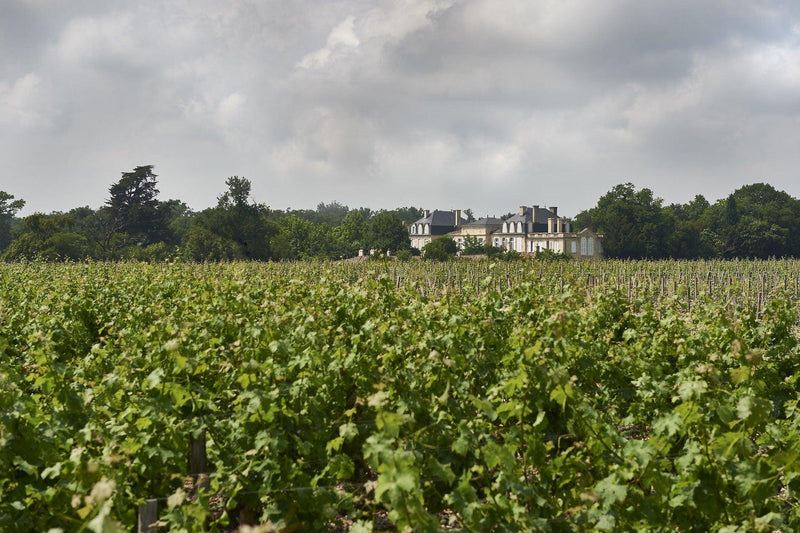
Château Léoville Barton
Saint-Julien-Beychevelle, France
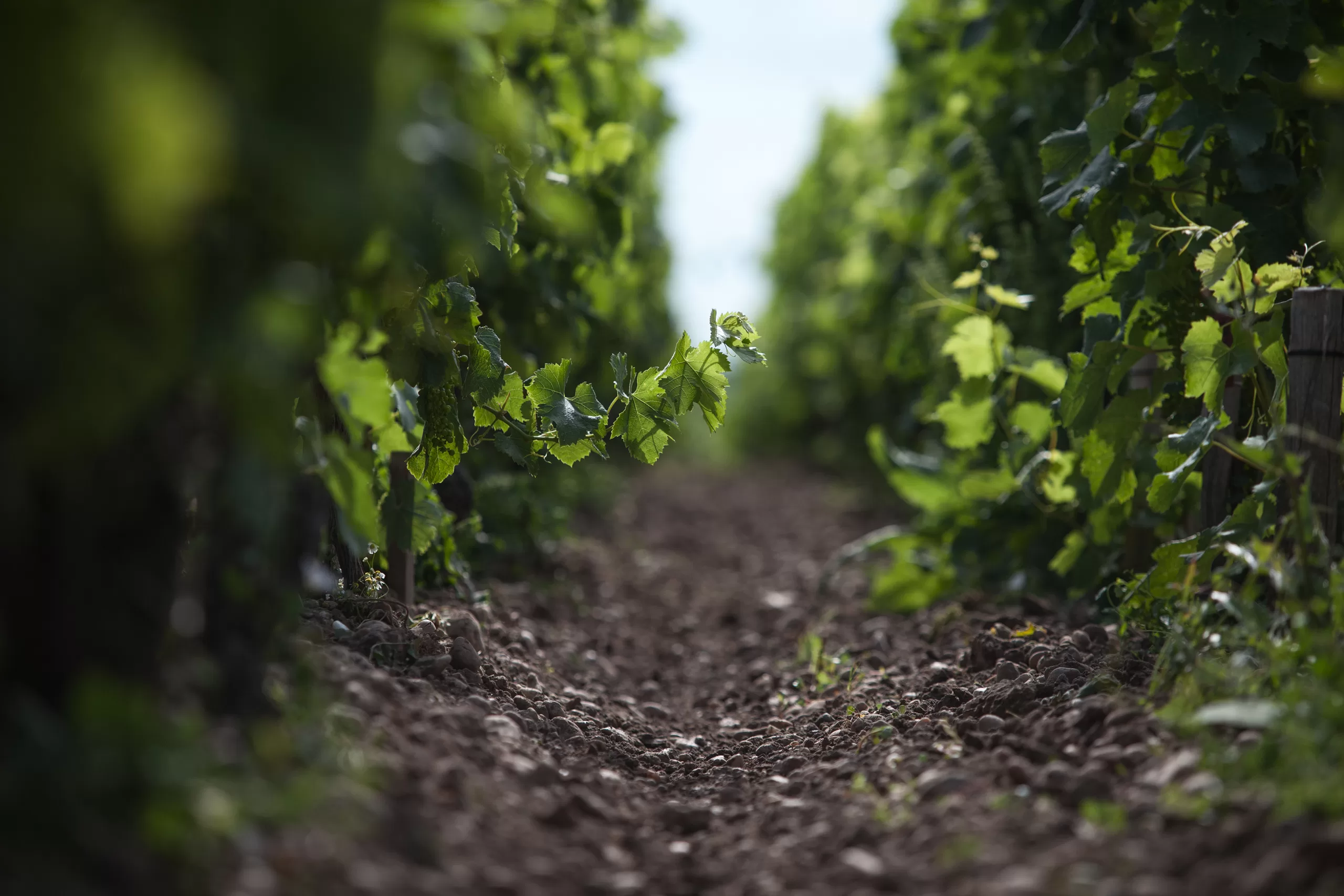
Château Beychevelle
Saint-Julien-Beychevelle, France
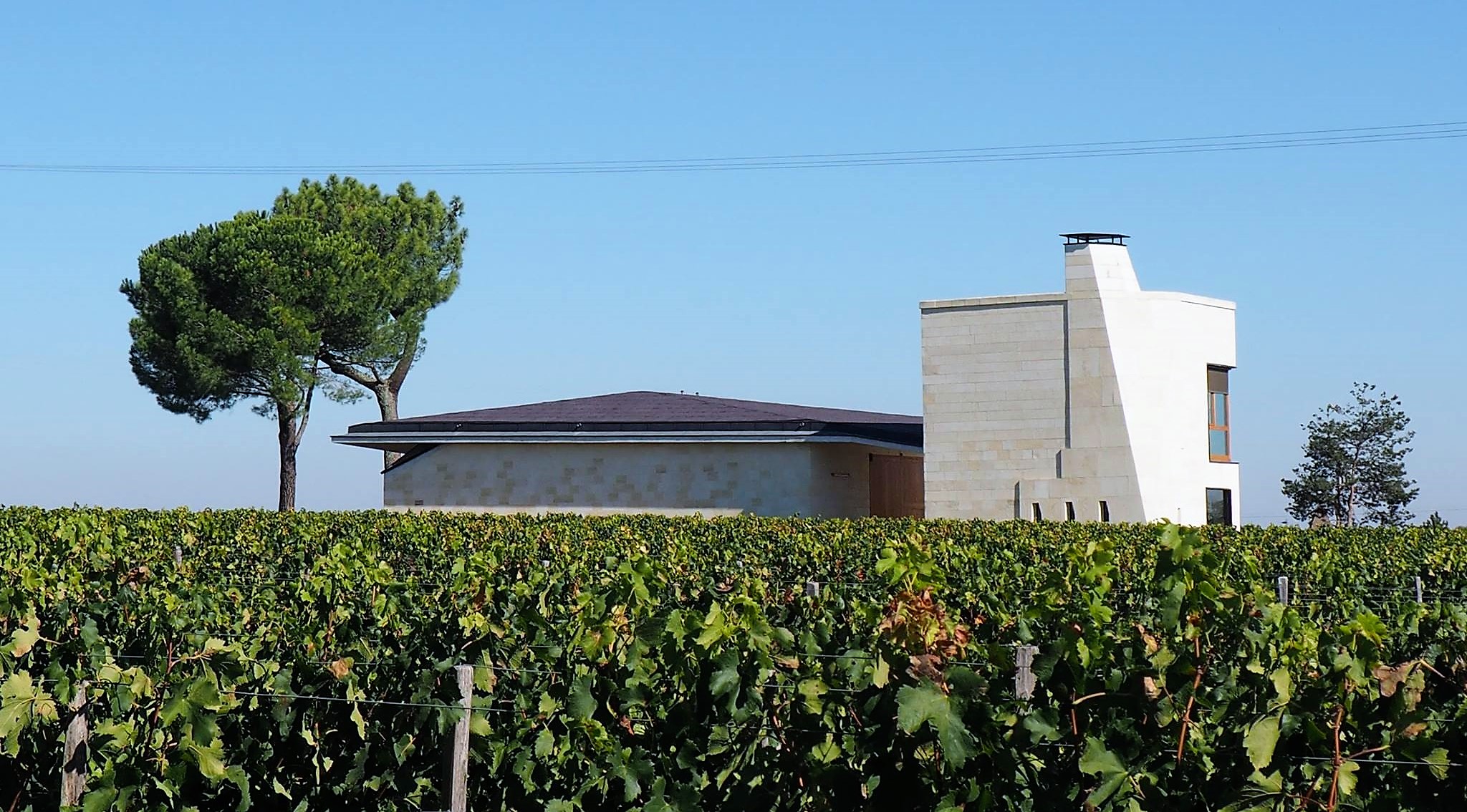
Chateau Le Pin
Saint-Julien-Beychevelle, France
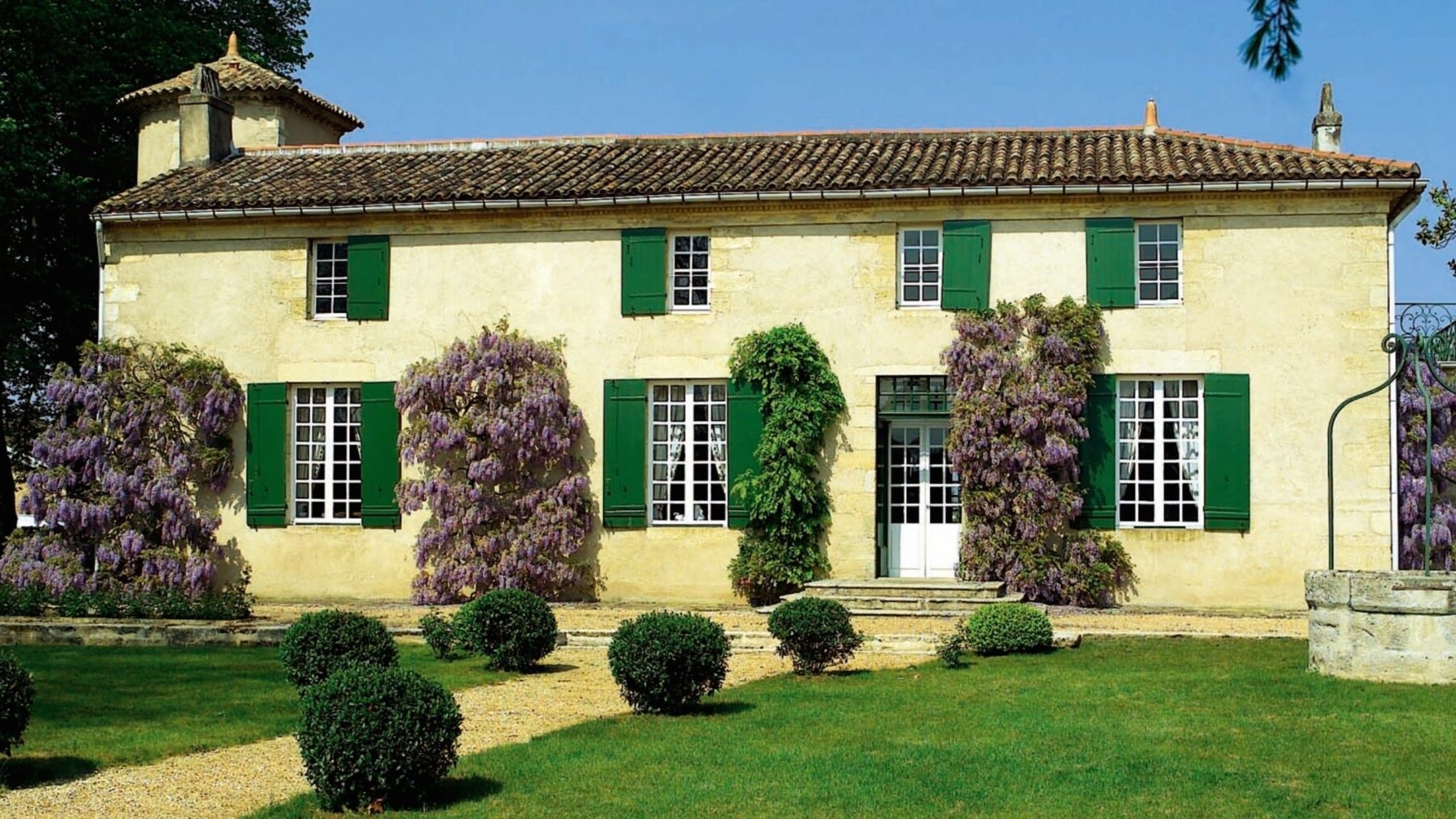
Château Doisy-Védrines
Saint-Julien-Beychevelle, France
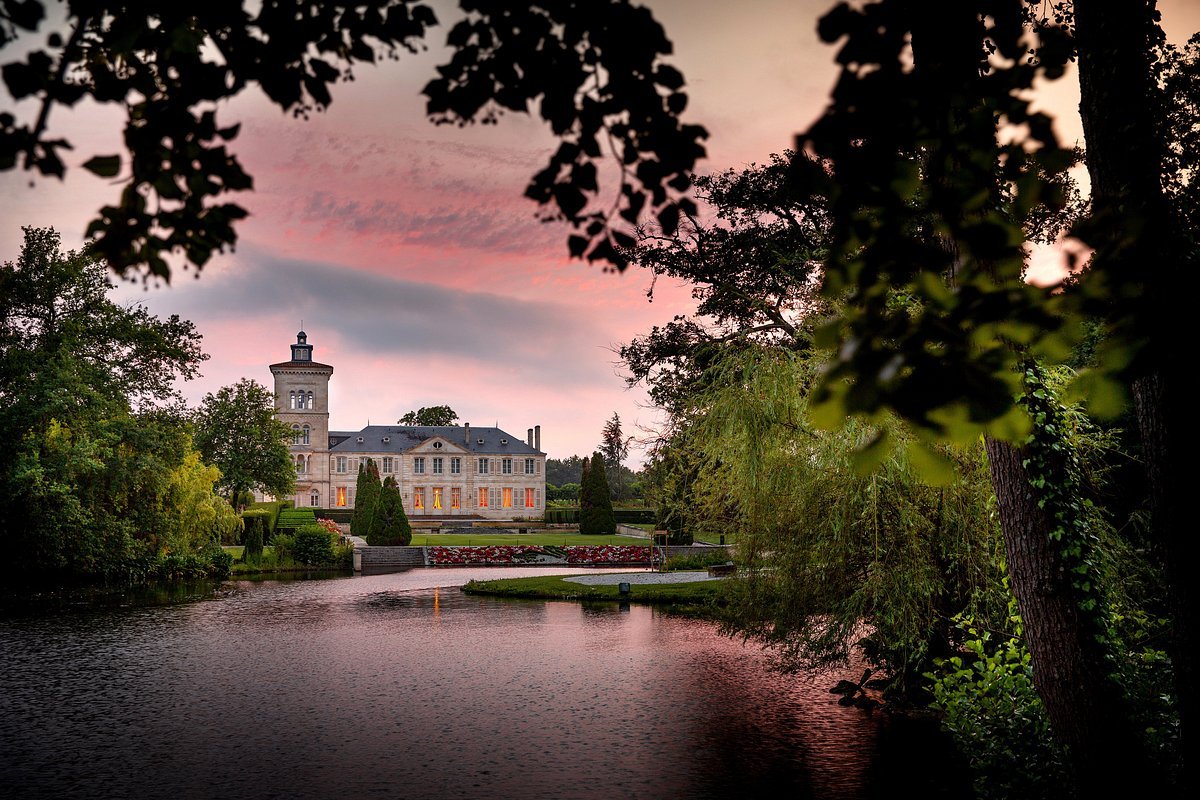
Château Lagrange
Saint-Julien-Beychevelle, France
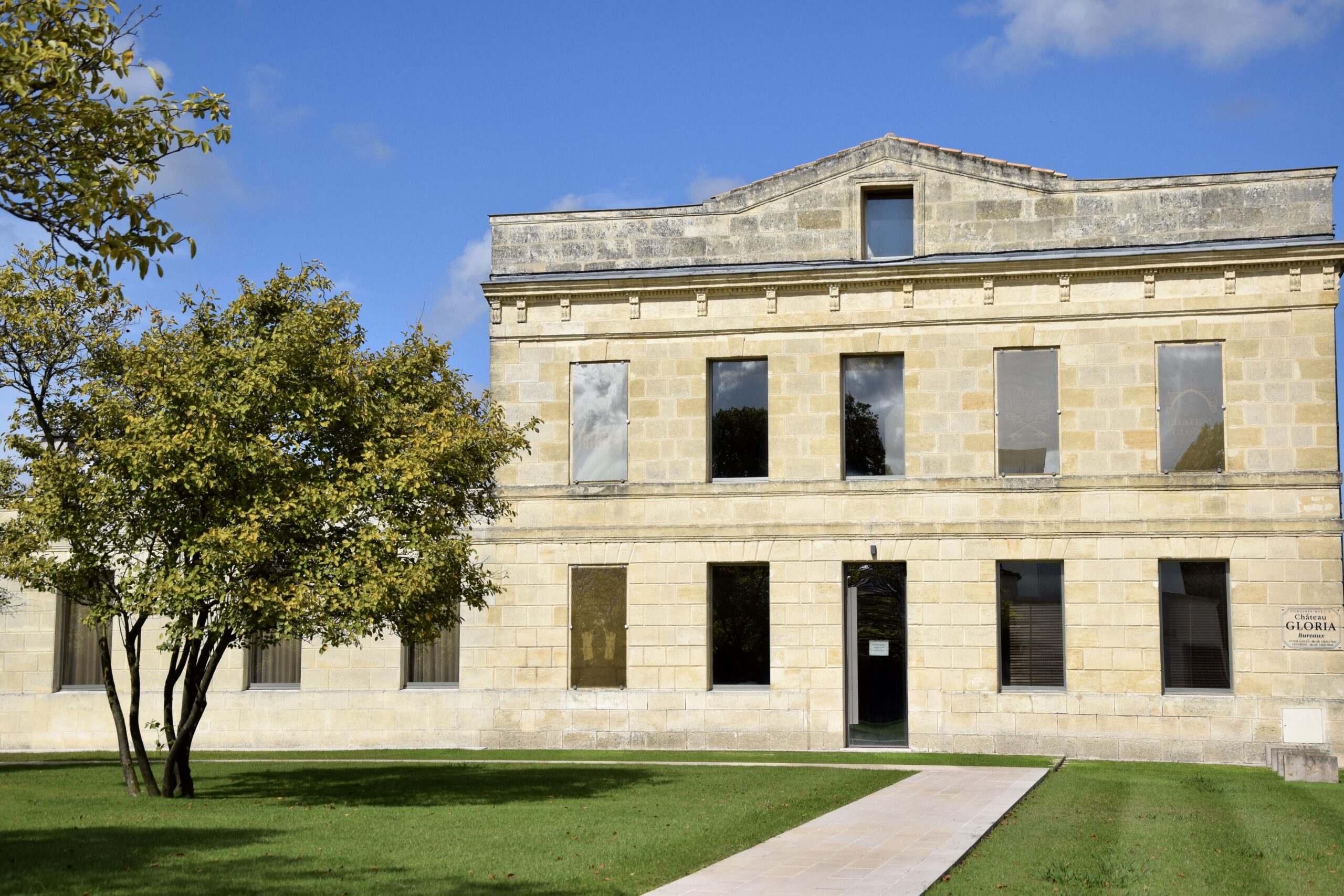
Château Gloria
Saint-Julien-Beychevelle, France