Made ByWinery
Cheval des Andes (Cheval Blanc & Terrazas de los Andes)
Chef in Residence
Gérald Gabillet
Winemaker
- 01CityLuján de Cuyo, Argentina
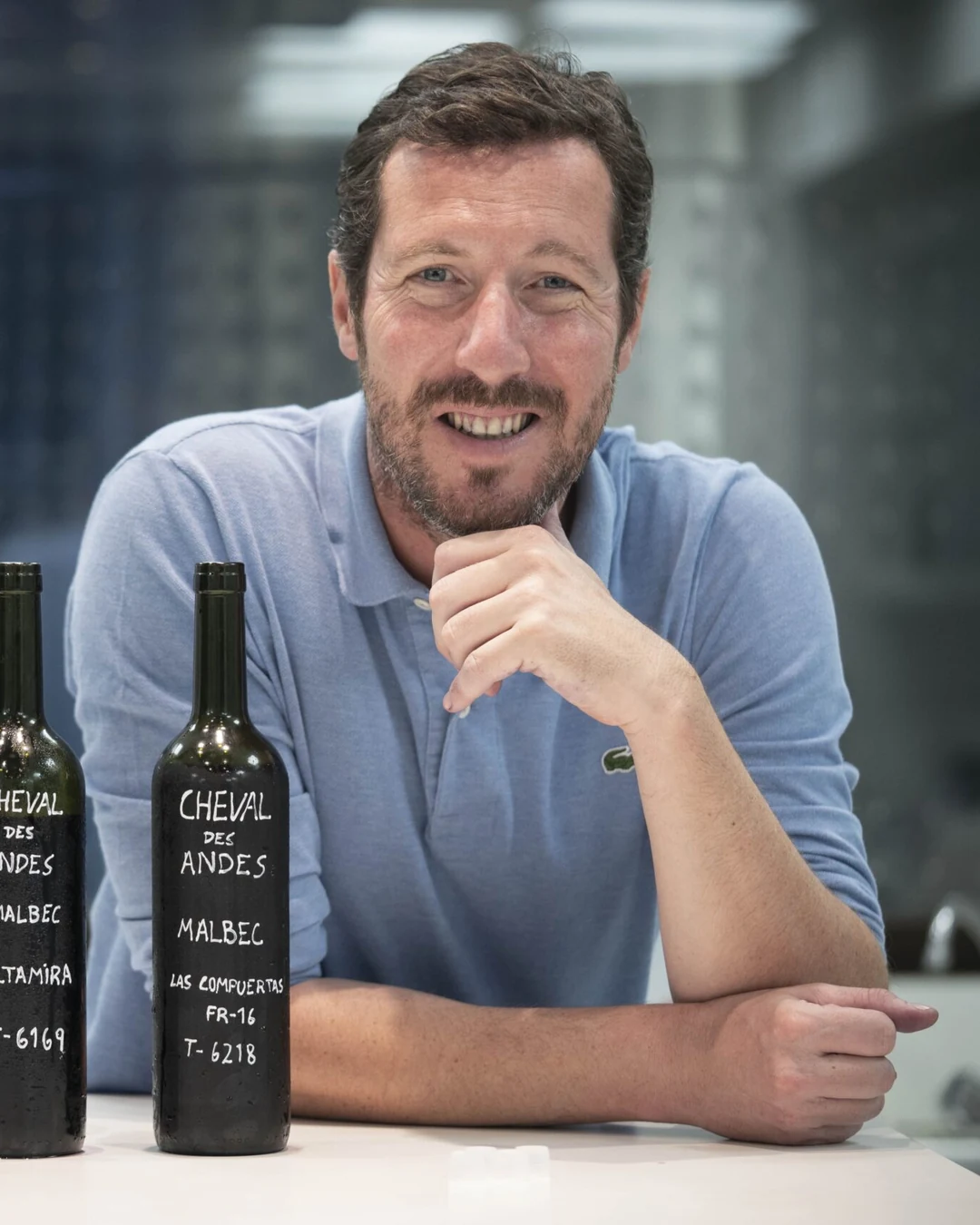
Gérald Gabillet, Winemaker at Cheval des Andes in Luján de Cuyo, shapes a single high-altitude Malbec Cabernet blend.
At a glance
- Price
- $$$$
- Neighborhood
- Las Compuertas, Luján de Cuyo[1][4][22][27]
Earlier picking in Las Compuertas
Picking now comes earlier for Malbec, and Gérald Gabillet, Winemaker at Cheval des Andes in Luján de Cuyo, reads that shift from the vineyard before it reaches the cellar. His work here carries a Bordeaux discipline learned at Château Angélus into the dry light of Mendoza, where irrigation, altitude, and tannin maturity set the terms. At Cheval des Andes, the brief is not to copy Saint-Émilion, but to let Cheval Blanc’s blending culture meet estate fruit from the Andes without forcing either side to speak louder than the other. Gabillet has described the recent move to pick Malbec earlier and irrigate much less than in the past; for him, that gives more intensity and better tannins, and the same holds for Cabernet. The role asks for restraint at every stage. Malbec, Cabernet Sauvignon, and Petit Verdot remain the stated core varieties, with the flagship wine built as a single estate blend rather than a spread of reserve labels. The house was conceived in 1999 as a Grand Cru of the Andes, a phrase with ambition inside it, but the day-to-day work is smaller in scale: parcel decisions, fruit selection, oak choices, and the patience to let natural balance decide the frame.
One parcel, one vat
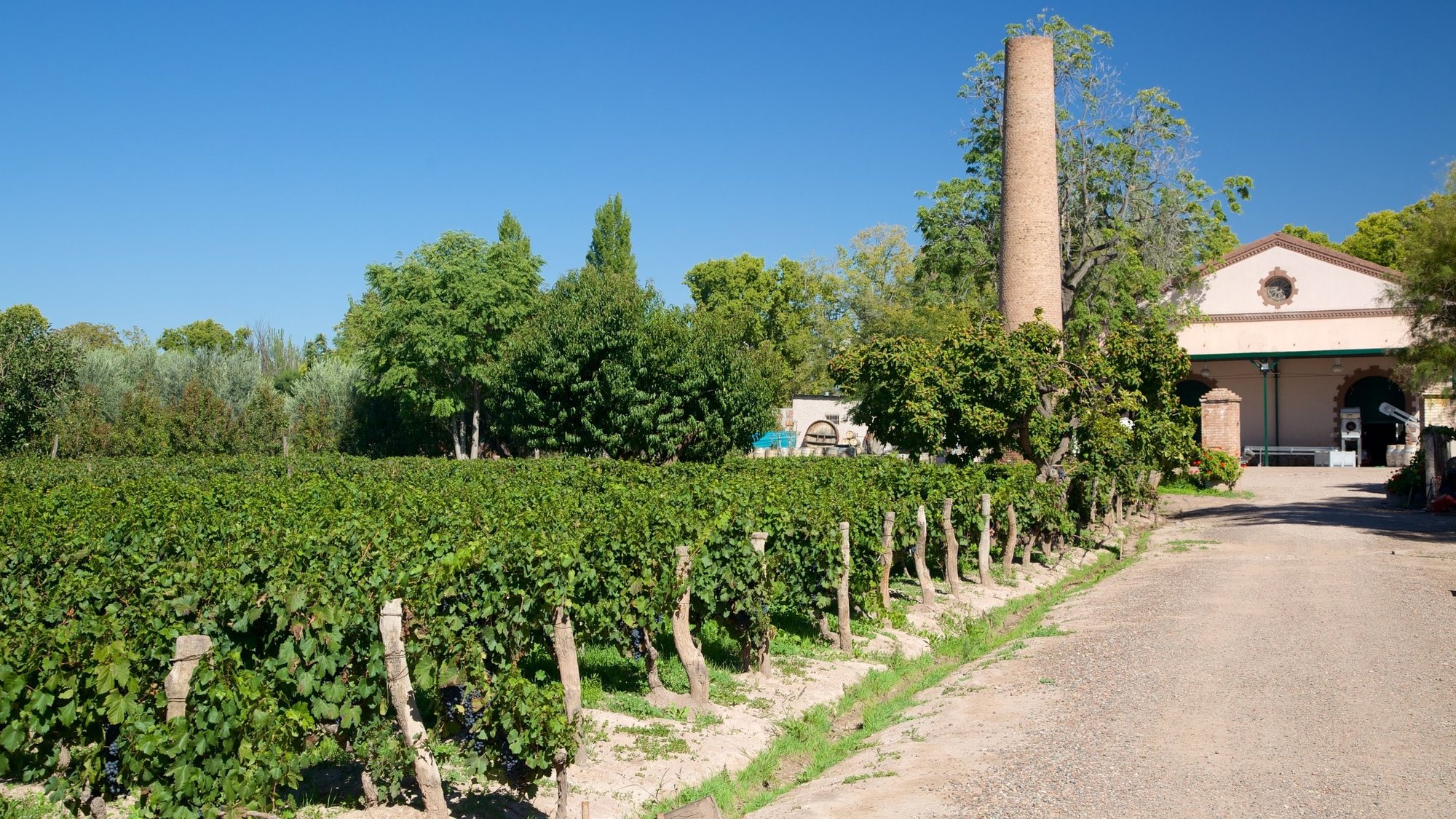
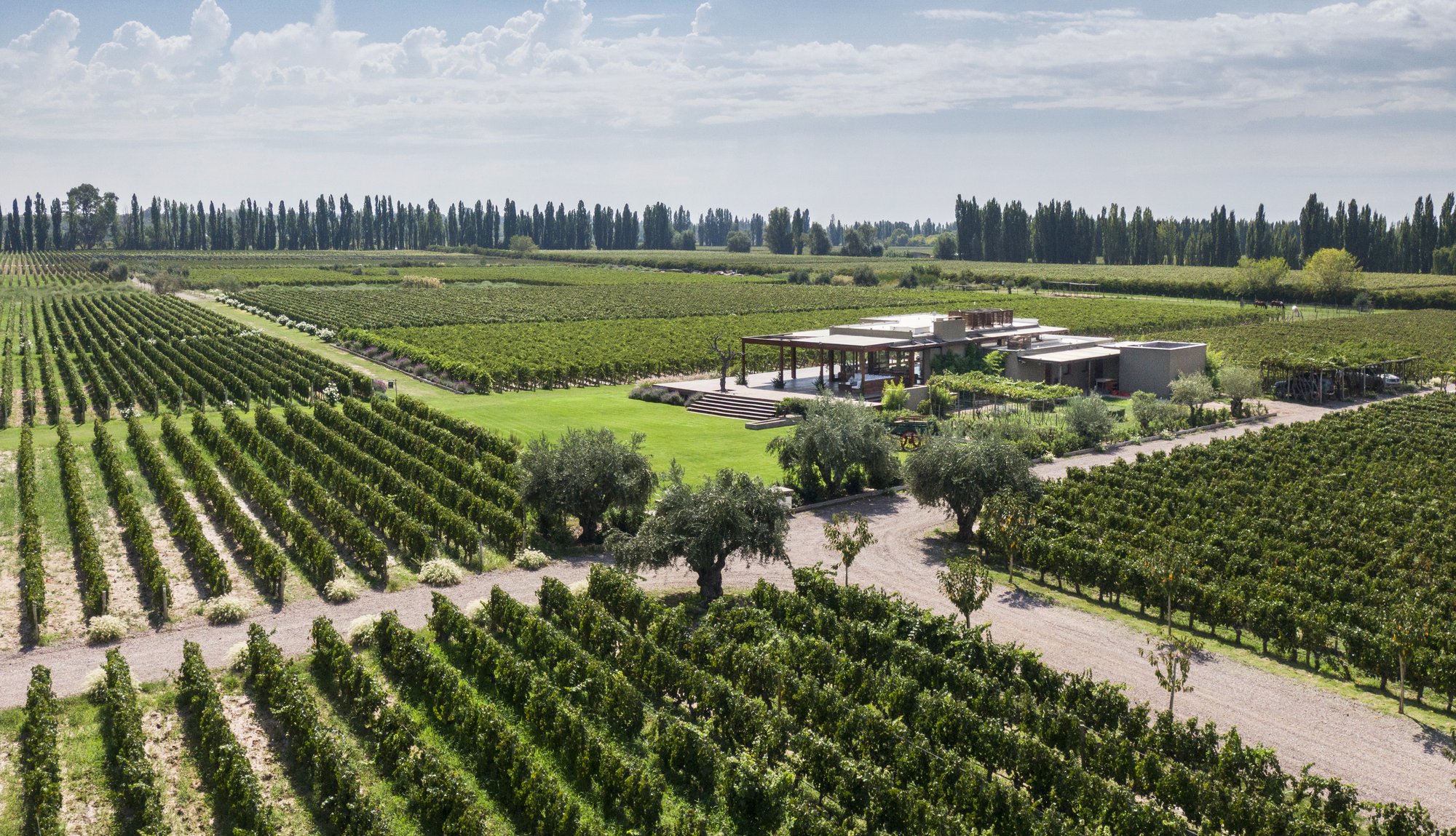
The method begins with separation. Cheval des Andes works its estate vineyards plot by plot, with each parcel managed according to soil, variety, age, and fertility, then fermented under the principle of one parcel, one vat. Fruit travels to the bodega in refrigerated lorries, packed in 20 kg crates, before hand selection. Las Compuertas sits at approximately 1,000 meters above sea level, on gentle slopes with limestone subsoil; Paraje Altamira in the Uco Valley brings a second register of altitude, soil, and slower ripening. The oldest named material includes Malbec from 1945 and Cabernet Sauvignon of comparable age. The 2020 blend gives the grammar clearly: 49% Cabernet Sauvignon, 49% Malbec, and 2% Petit Verdot. Its élevage also shows the house’s preference for structure without a single oak signature: 80% in French oak barrels, 20% in triple oak from Austria, Slovenia, and Germany; 15 months in barrel, with 50% new oak. Barrel size matters here, too, with 40% in 225-litre barriques, 40% in 400-litre barrels, and 20% in 2,500-litre tuns.
The cellar below the Andes
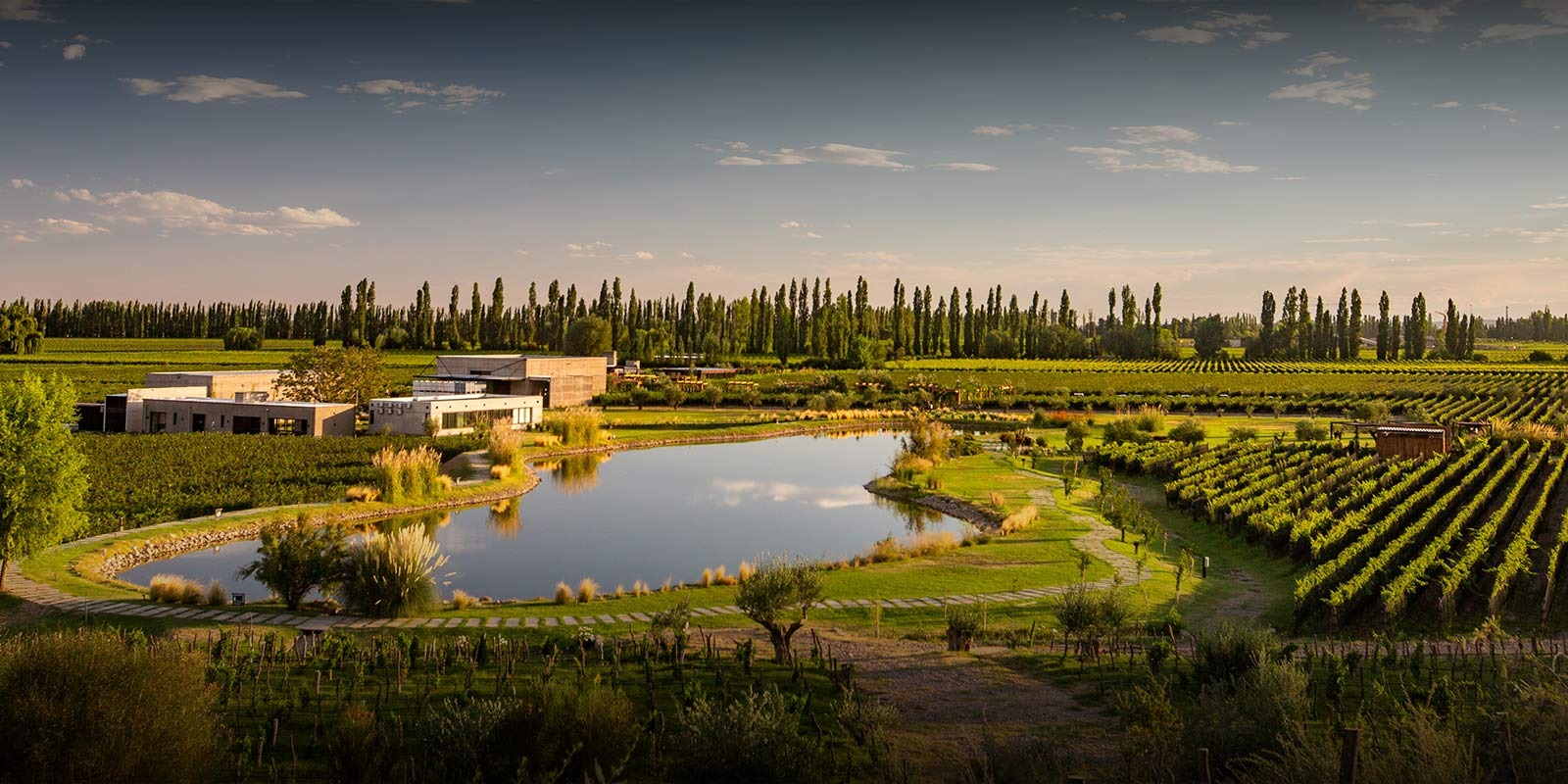
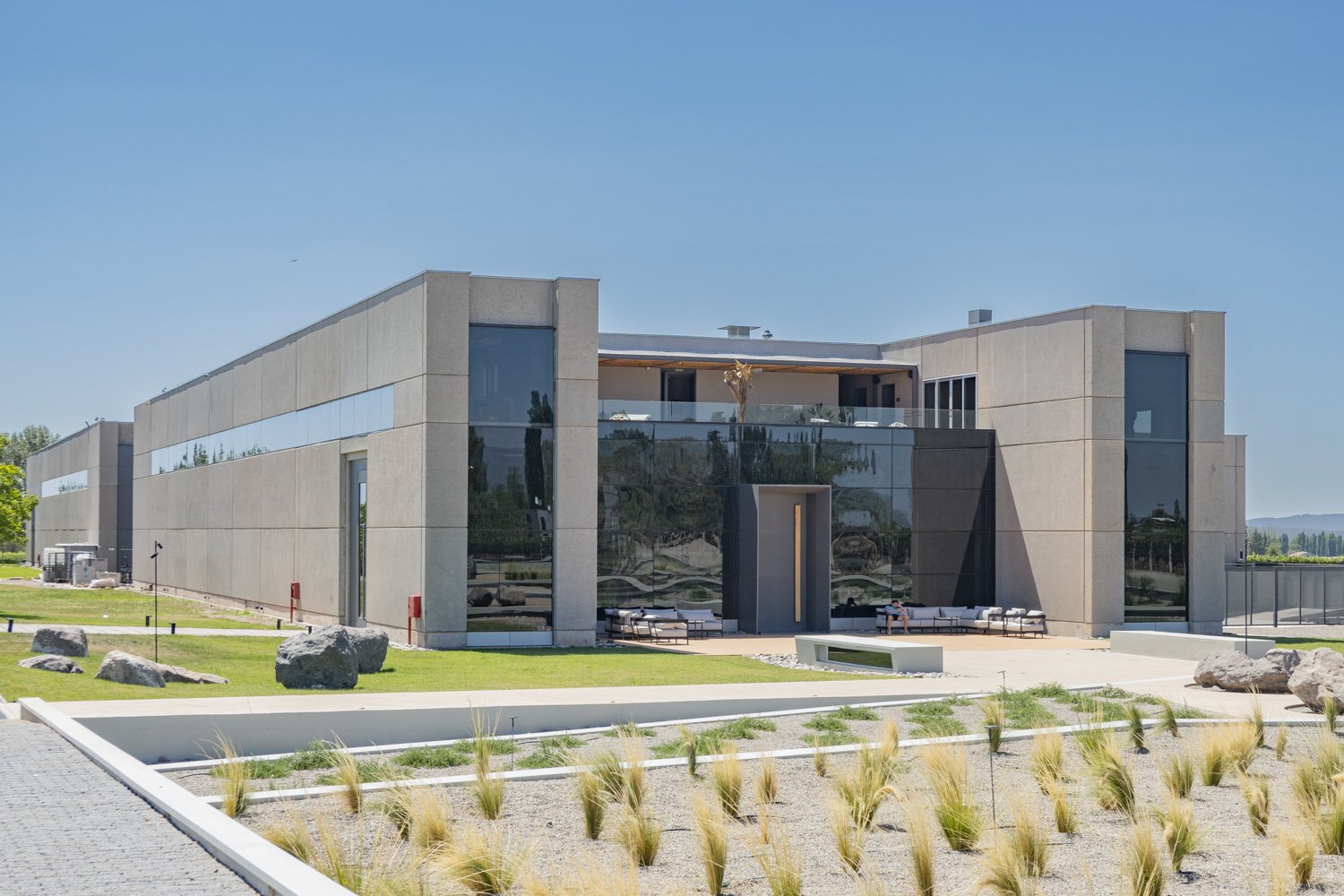
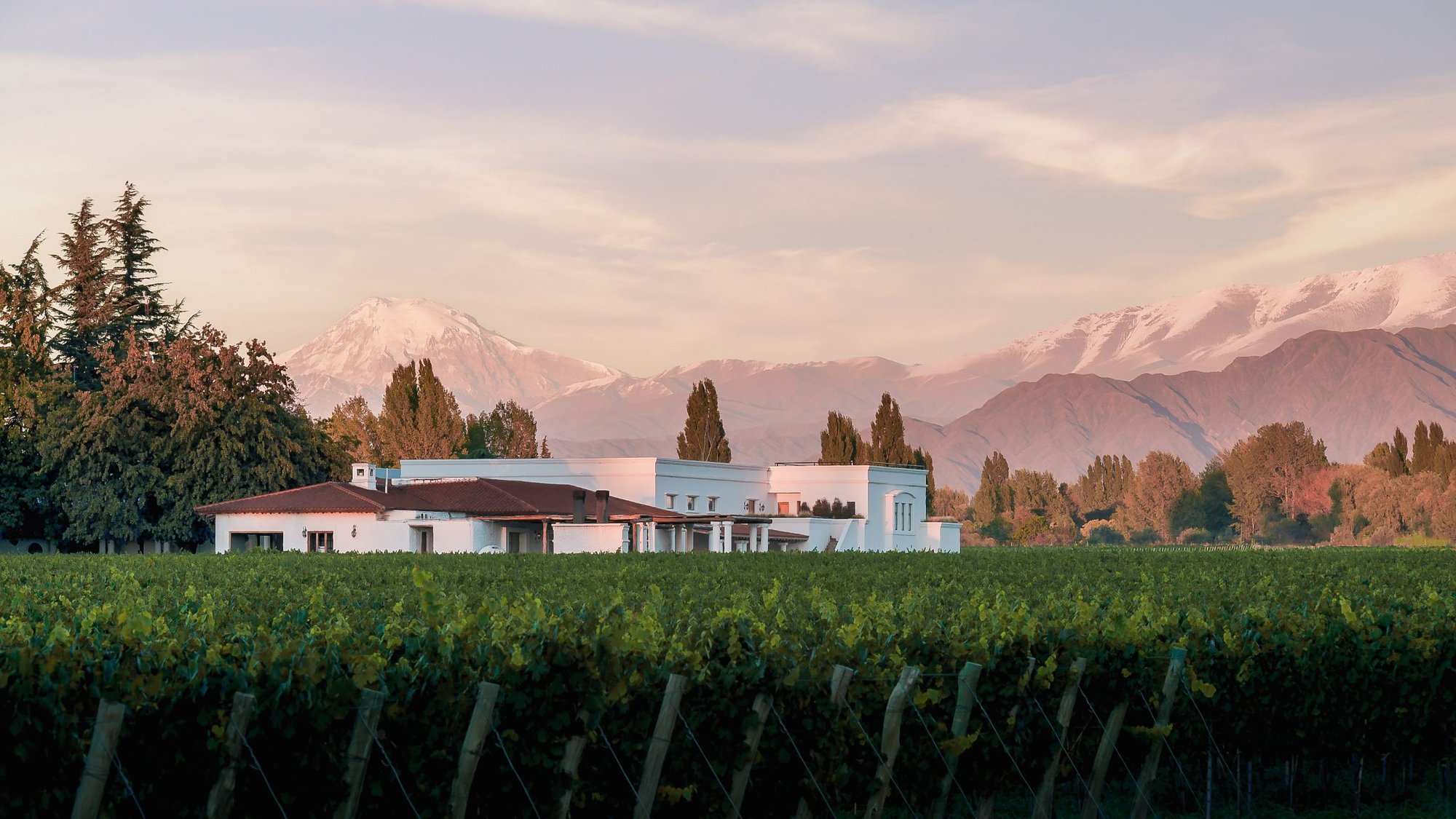
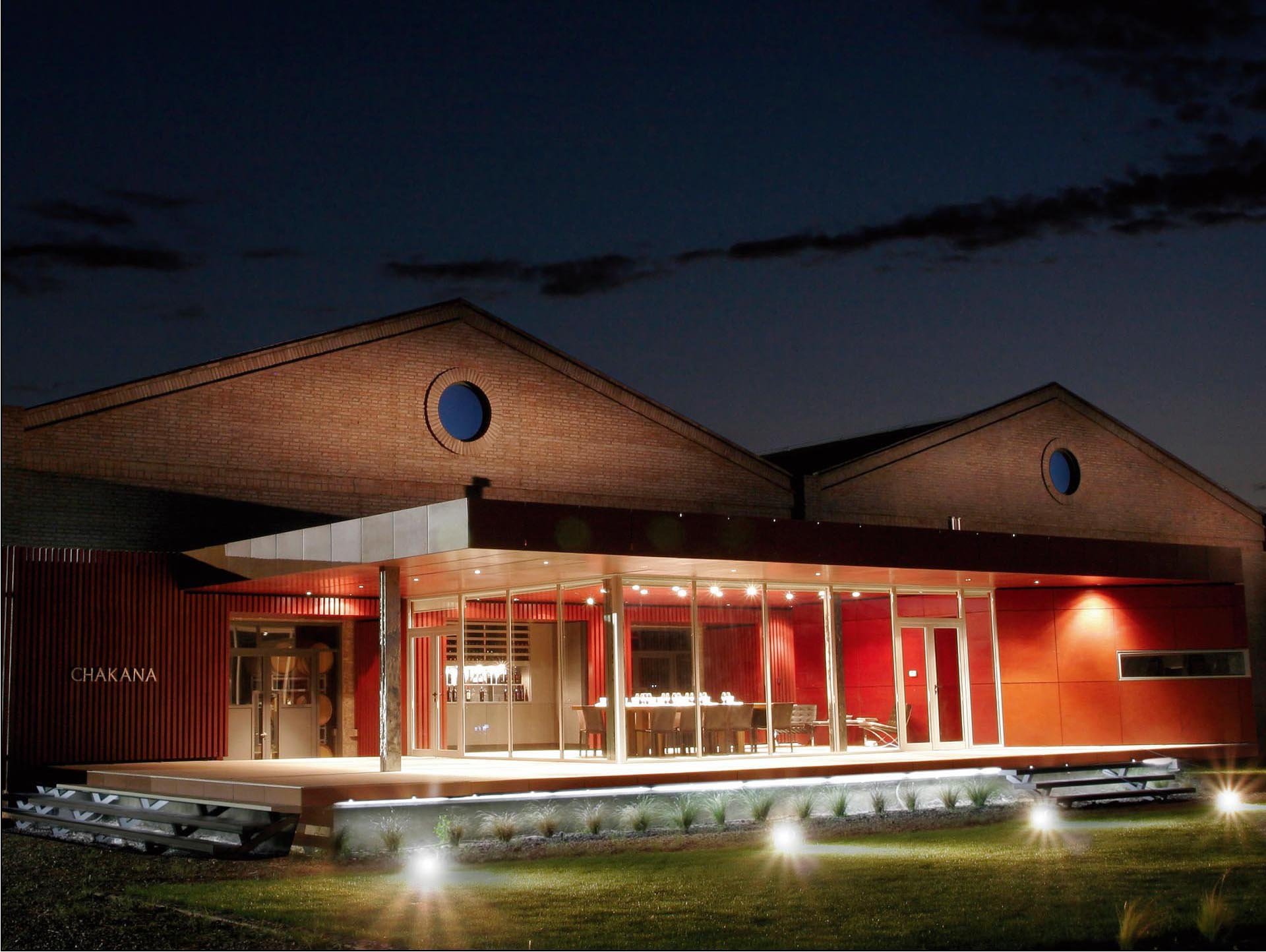
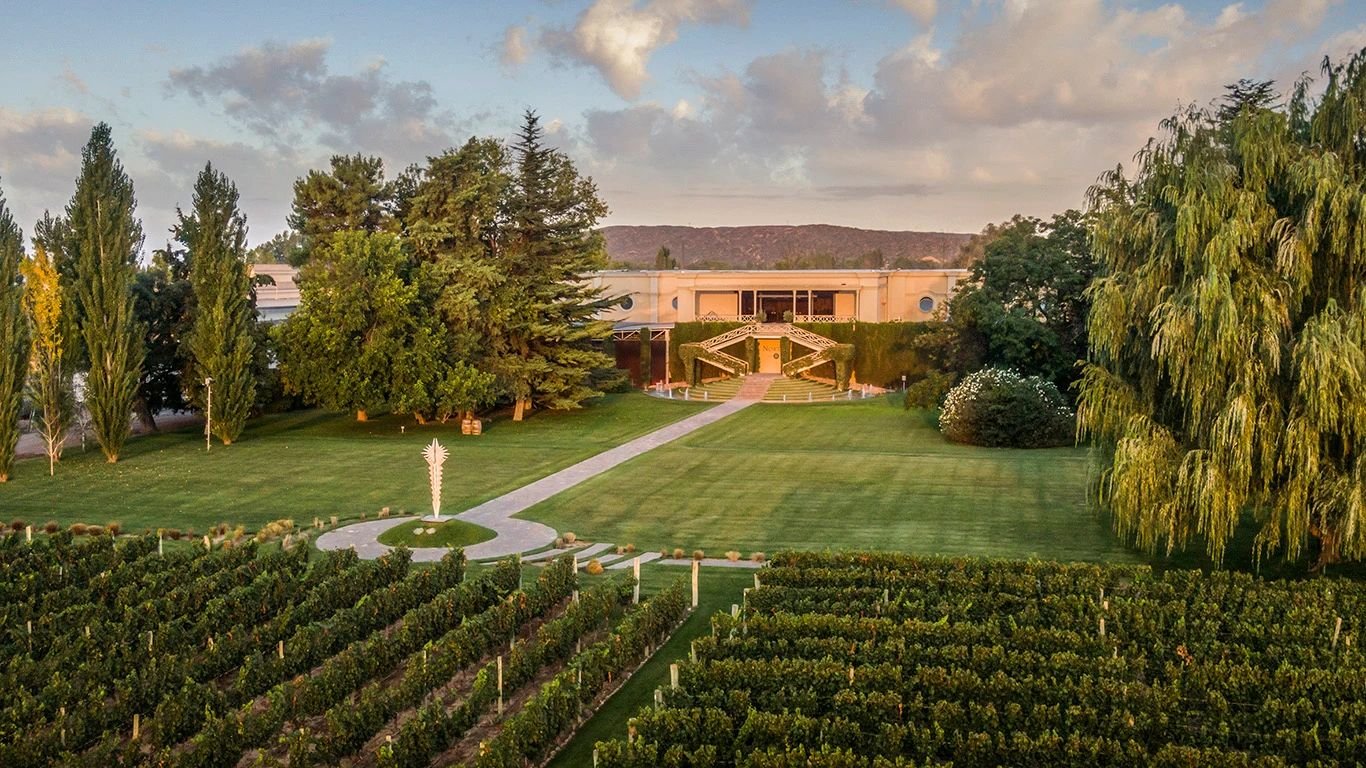
The estate’s quiet suits the work. This is not a rustic room built around performance, but a high-altitude winery where the Andes sit behind the vineyards and the cellar keeps its attention on ageing potential, freshness, and the shape of tannin. The tasting room belongs to serious wine drinkers and collectors, yet the more telling texture is bench-side: crates arriving cold, parcels kept apart, samples held against each other before the final blend takes form. In the cellar, Bordeaux habit and Mendoza light meet through practical gestures rather than theatre. Gabillet’s stated aim is clear, to bring some Cheval Blanc ideas back to the roots of the project and allow the grapes’ natural balance to come through in the wines.
A single wine with many decisions
Cheval des Andes matters because it narrows its public voice to one flagship blend while multiplying the decisions behind it. There are no separate reserve or single-vineyard bottlings in the stated portfolio; the estate folds its two owned sites, its varieties, and each year’s conditions into Cheval des Andes itself. That choice gives the blend a demanding kind of transparency. Each vintage has to carry Las Compuertas, Paraje Altamira, Malbec, Cabernet Sauvignon, and the cellar’s oak program in one bottle. The close attention remains on the same concrete object: the Cheval des Andes blend.
Know before you go
- Dress code
- smart_casual
- Reservations
- appointment_only
- Parking
- on_site_lot
- Payment
- credit_card, debit_card
- Outdoor seating
- Yes
- Groups
- Welcomed
Address
Luján de Cuyo, Mendoza, Argentinien
Las Compuertas, Luján de Cuyo[1][4][22][27]