Earlier picking for Mendoza reds
- Falstaff Winery - Listed · 2026
- Pearl 3 Star Prestige · 2025
Earlier picking in Luján de Cuyo
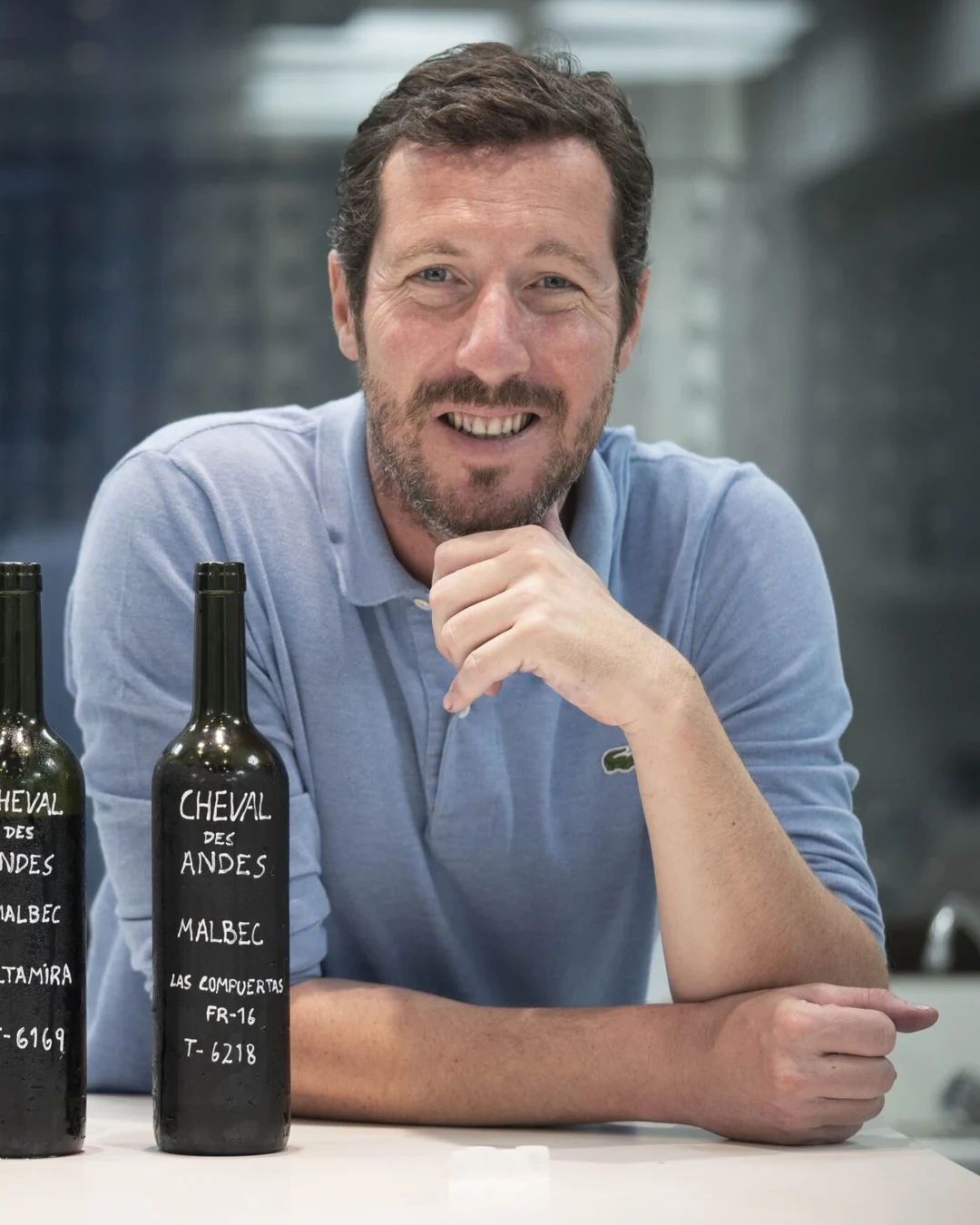
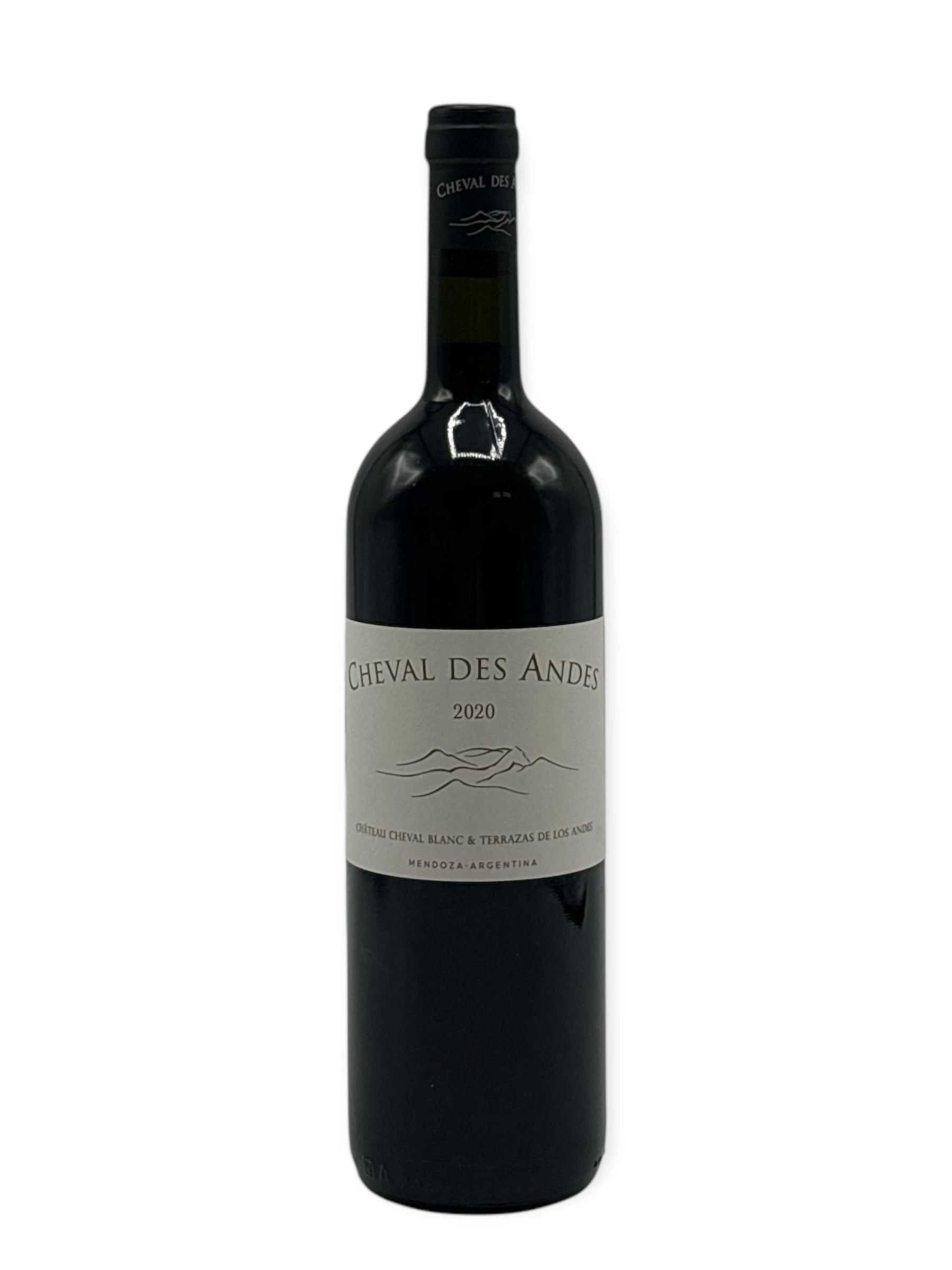
Picking decisions come earlier now for Malbec. Gérald Gabillet, winemaker at Cheval des Andes in Luján de Cuyo, reads that timing from fruit grown for a Mendoza red built on Malbec, Cabernet Sauvignon, and Petit Verdot. His work here sits between two houses with different memories of the vine: Château Cheval Blanc and Terrazas de los Andes, joined at the foot of the Andes in a project that asks Bordeaux structure to listen to Argentine altitude.
Gabillet brought cellar discipline from Château Angélus before taking the director and head winemaker brief at Cheval des Andes. The useful word is discipline, not severity. His own account of the work turns on restraint: Pierre-Olivier urged the team to bring Cheval Blanc ideas back into the project, and to return to its roots, so the natural balance of the grapes could carry more of the wine. At this station, the hand is visible in what it refuses to overwork. The cellar does not need force when the fruit has been picked with enough nerve.
The Sunday letter
Find new places through the people who run them.
Our Sunday email brings you the chefs, winemakers and hoteliers behind our newest stories. See a sample before you subscribe.
See a sample of the Sunday emailOne email a week. Unsubscribe from any issue.
Malbec, Cabernet, Petit Verdot
The program is still red wine, shaped around varieties that can easily become weighty if the picking and water are pushed too far. Gabillet has described a move toward earlier harvest for Malbec, alongside much less irrigation than in the past. In his view, that shift gives more intensity and better quality tannins, and the same lesson applies to Cabernet. It is a vineyard decision before it is a cellar decision.
That matters in a place where Bordeaux language can become costume if it is handled too literally. Cheval des Andes works with Malbec as a central voice, not as local color, and Cabernet Sauvignon and Petit Verdot give frame, grain, and line. The aim is freshness and complexity rather than volume. The house presents itself through terroir expression, but Gabillet’s method gives the phrase a practical edge: pick sooner, irrigate less, protect balance, let tannin ripen without turning the wine broad.
The cellar under the Andes
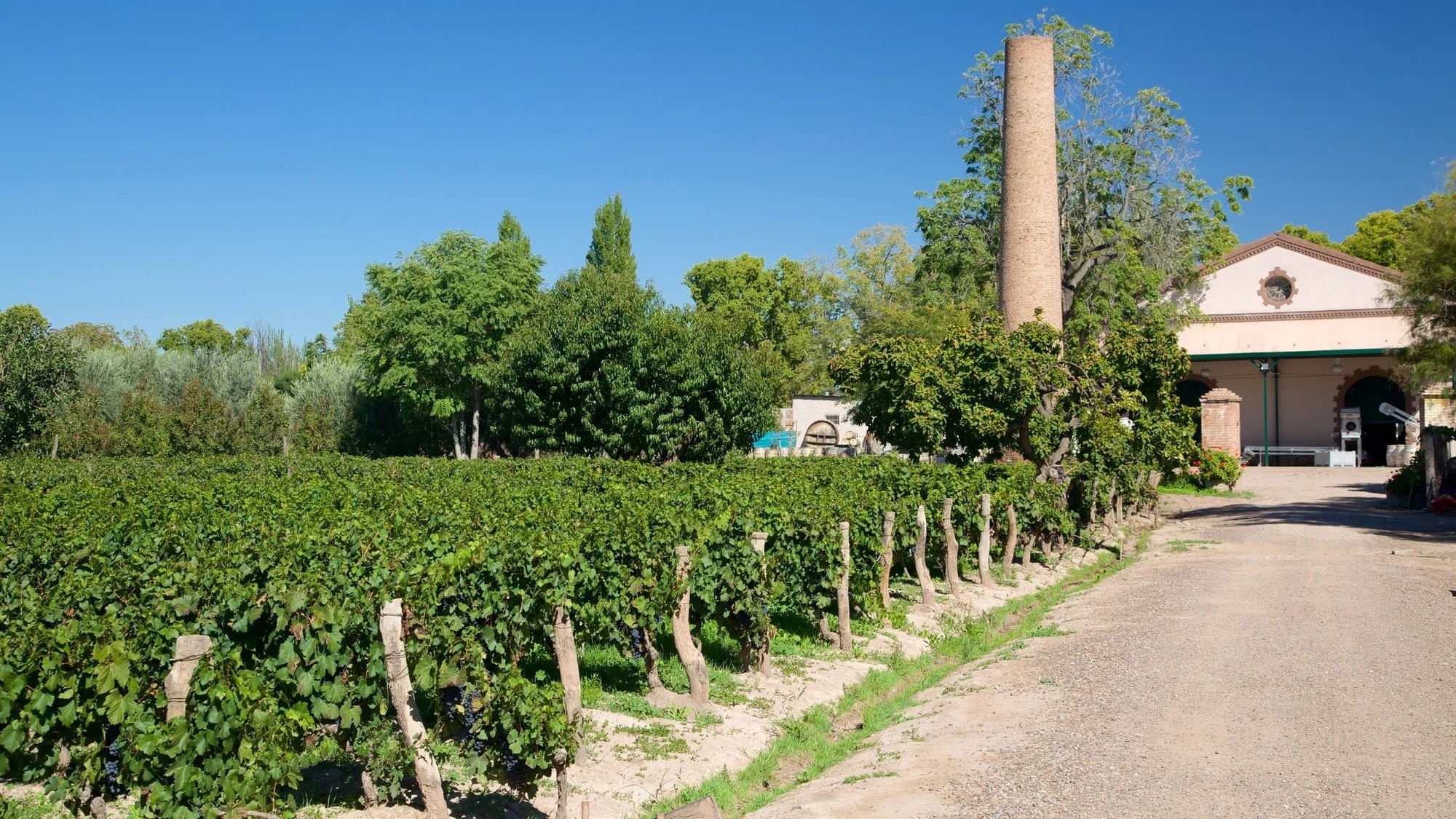
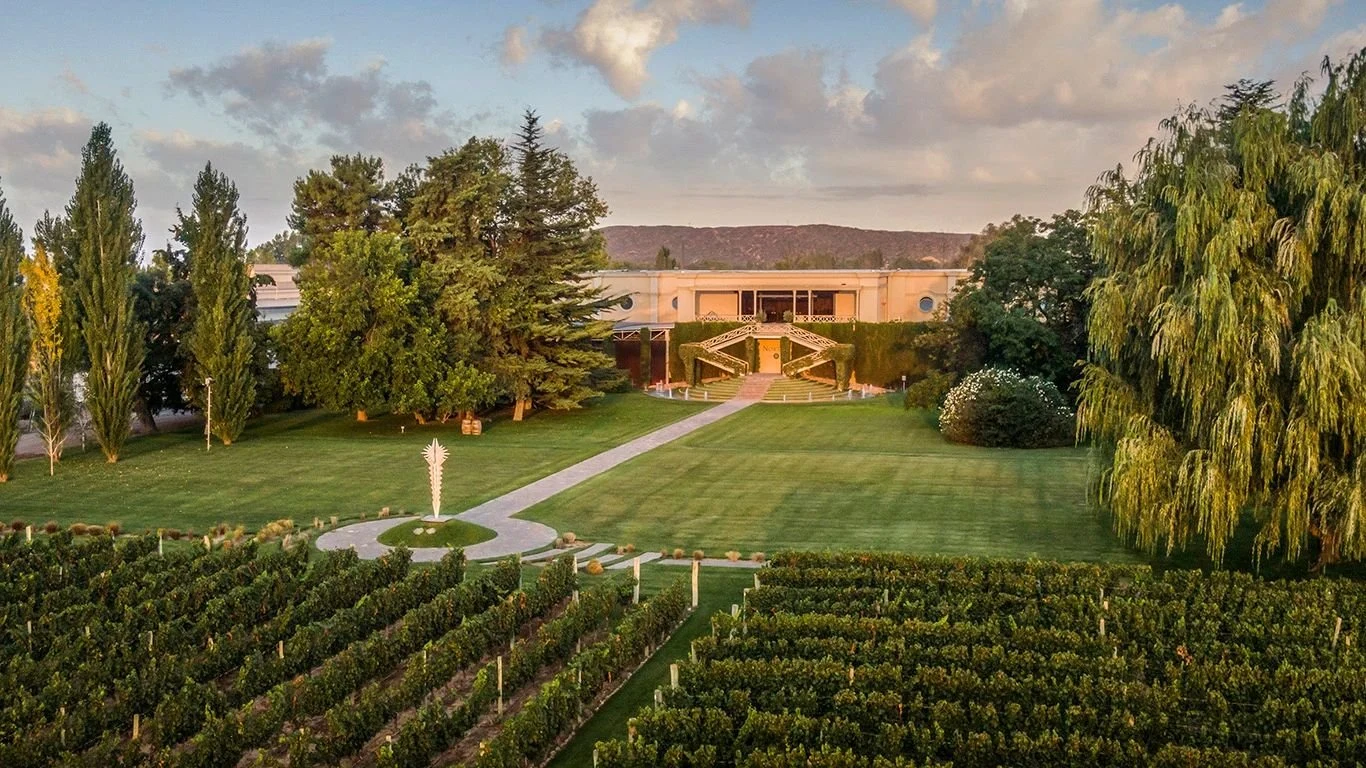
The setting is quiet by design: high-altitude vineyards in Luján de Cuyo, the Andes holding the horizon, the cellar’s work turned toward precision rather than theatre. The tasting room belongs to a private register, refined and composed, with the vineyard never far from the glass. Nothing about the place asks to be hurried.
Inside that calm, the craft depends on small corrections made at the right moment. A red blend can change course through a harvest date, an irrigation choice, a decision to leave structure alone. Gabillet’s work at Cheval des Andes gives those decisions a clear hierarchy. The fruit comes first, then the frame, then the cellar. The close of the glass should still carry Luján de Cuyo, Malbec, and the foot of the Andes.
Questions
Frequently asked
Who is the winemaker at Cheval des Andes?
Gérald Gabillet is the winemaker and director at Cheval des Andes in Luján de Cuyo.
What kind of wine does Cheval des Andes make?
The winery focuses on red wine, built around Malbec, Cabernet Sauvignon, and Petit Verdot.
What is the style of the wines here?
Cheval des Andes aims for freshness and complexity rather than volume, with earlier picking and less irrigation shaping the fruit.
How do reservations work?
Visits are by appointment only.
Is there parking and a dress code?
There is an on-site parking lot, and the dress code is smart casual.
The field
How it compares
| Place | Notes | Awards |
|---|---|---|
| Cheval des Andes | Luján de Cuyo, $$$$ | · |
| Bodega Lagarde | Luján de Cuyo | World's 50 Best |
| Bodega Norton | Luján de Cuyo | · |
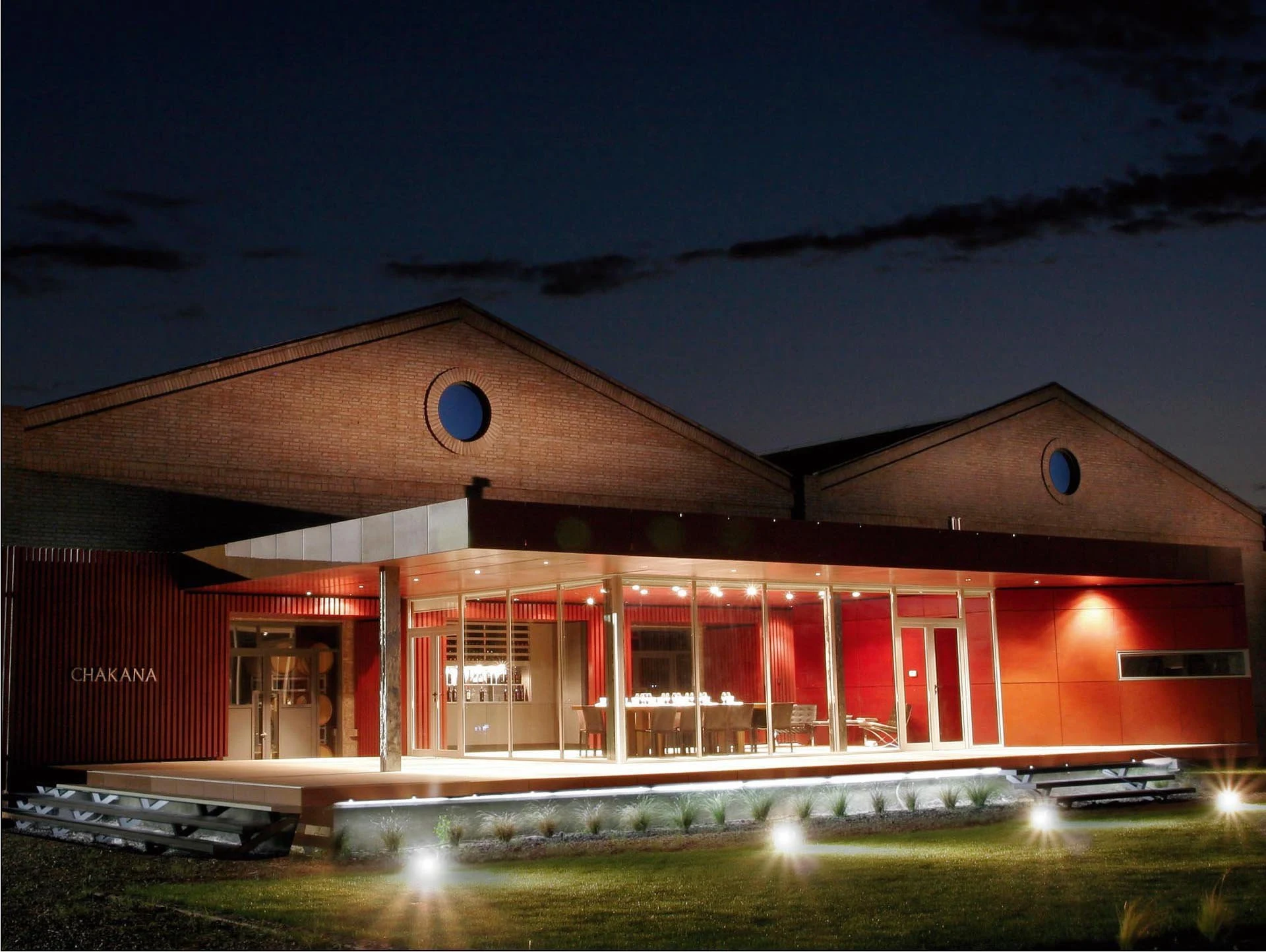
| Chakana Winery | Luján de Cuyo | · |
| DURIGUTTI Family Winemakers | Luján de Cuyo | World's 50 Best |
| Nieto Senetiner | Luján de Cuyo | · |
| Viña Cobos | Luján de Cuyo | World's 50 Best |
In residence
Similar places
The Sunday letter
Get the next Made By story in your inbox.
We send one email every Sunday morning with the places and people we covered that week.
See a sample of the Sunday emailOne email a week. Unsubscribe from any issue.