Made ByRestaurant
Chez Boulay - Bistro Boréal

Chef in Residence
Kwame Onwuachi
Chef
- 01CuisineBoreal French Bistro
- 02CityQuebec City, Canada
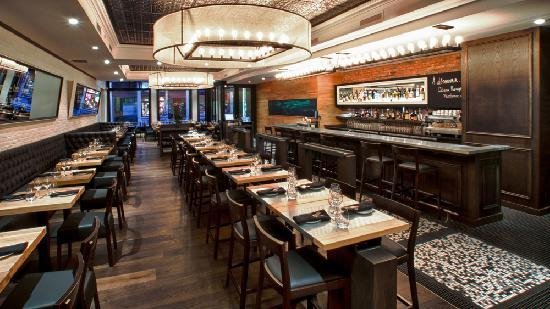
Chez Boulay - Bistro Boréal brings northern Quebec's larder to Rue Saint-Jean with a modern bistro format that earned a Michelin Plate in 2025. The kitchen draws on boreal ingredients, think wild herbs, game, and cold-climate produce, to build a menu that reads as distinctly regional. With a 4.7 Google rating across more than 3,500 reviews, it holds a consistent place in Quebec City's mid-tier dining conversation.
At a glance
- Cuisine
- Boreal French Bistro
- Price
- $$$
- Per person
- $65
- Hours
- Mon: 5–9:45 PM; Tue: 5–9:45 PM; Wed: 11:30 AM–2 PM, 5–9:45 PM; Thu: 11:30 AM–2 PM, 5–9:45 PM; Fri: 11:30 AM–2 PM, 5–9:45 PM; Sat: 10 AM–2 PM, 5–9:45 PM; Sun: 10 AM–2 PM, 5–9:45 PM
- Neighborhood
- Vieux-Québec
- Rating
- 4.7 (4,217)
<h2>Boreal Cooking and Critical Recognition on Rue Saint-Jean</h2><p>Rue Saint-Jean runs through the heart of Old Quebec with the particular density of a street that has been feeding people for centuries: bakeries beside wine bars beside century-old institutions. Within that context, Chez Boulay - Bistro Boréal occupies a position that goes beyond neighbourhood character. The dining room announces itself through an aesthetic shaped by the north, raw materials, cool tones, and a menu architecture that treats the boreal forest as both larder and identity. This is not alpine-rustic cosplay; it is a deliberate editorial position on what Quebec cooking can mean when it moves past the poutine-and-tourtière shorthand that still defines the region for outside visitors.</p><p>Chez Boulay - Bistro Boréal is a Boreal French Bistro in Québec City, with a Google rating of 4.7 and an average spend of about US$65 per person. In Quebec City's current dining map, that puts Chez Boulay in a middle tier between the city's most ambitious tasting-menu rooms, <a href="https://www.enprimeurclub.com/restaurants/arvi-qubec-city-restaurant">ARVI</a>, which holds a Michelin Star at the top of the modern cuisine bracket, and Tanière³, sitting at two stars, and the neighbourhood casual-dining category below. The bistro pricing at $$ signals a deliberate accessibility position, one that separates Chez Boulay from the $$$$ tier where ARVI and Tanière³ operate, and makes the Michelin recognition more pointed: this is cooking that earns critical attention without demanding a tasting-menu budget.</p><h2>The Boreal Framework in Quebec's Dining Scene</h2><p>Quebec's most interesting culinary conversation over the past decade has centred on the province's northern and subarctic larder. Boreal ingredients, labrador tea, spruce tips, cloudberries, game meats, cold-water fish, wild mushrooms gathered from forest floors that freeze eight months of the year, have moved from novelty to foundational vocabulary in the kitchens of serious Quebec chefs. This is the category Chez Boulay helped define and continues to work within. The bistro format matters here: where other Quebec City tables deliver these ingredients through multi-course tasting menus at substantial price points, Chez Boulay runs them through a more accessible à la carte structure, which broadens who engages with the cooking and how often they return.</p><p>That approach places Chez Boulay in an interesting comparative position not just within Quebec City but within Canada's wider regional-cuisine conversation. Restaurants like <a href="https://www.enprimeurclub.com/restaurants/narval-rimouski-restaurant">Narval in Rimouski</a> are building similar arguments from the St. Lawrence estuary, while <a href="https://www.enprimeurclub.com/restaurants/annalena-vancouver-restaurant">AnnaLena in Vancouver</a> and <a href="https://www.enprimeurclub.com/restaurants/alo-toronto-restaurant">Alo in Toronto</a> pursue their own regional-identity theses from different provincial starting points. What distinguishes the Quebec boreal school is the severity of its climate reference, this is cooking that leans into cold, into scarcity, into fermentation and preservation as structural technique rather than garnish.</p><h2>A 4.7 Across 3,500-Plus Reviews: What That Signal Means</h2><p> Taken at volume, 3,522 reviews at 4.7, they say something more specific: the experience delivers consistently enough to satisfy a wide range of diners, not just the subset primed to appreciate advanced technique. For a restaurant working with ingredients that can read as challenging (bitter shoots, fermented bark preparations, game proteins with pronounced flavour) to an audience that includes tourists exploring Old Quebec alongside local regulars, that consistency is operationally meaningful. It suggests the kitchen has solved the translation problem that trips up many technique-forward restaurants: how to make cooking that is genuinely specific and regionally grounded without becoming exclusionary.</p><p>The combination of Michelin recognition and high-volume positive guest feedback is not automatic. Many critically recognised restaurants accumulate mixed public reviews precisely because their priorities run perpendicular to mainstream comfort. Chez Boulay's dual signal, Michelin Plate plus 4.7 at scale, positions it as one of the more legible entries into Quebec City's serious dining tier, which has implications for how to think about booking order when constructing a visit to the city.</p><h2>Placing Chez Boulay in Quebec City's Broader Dining Map</h2><p>Quebec City's dining scene has matured considerably since the early 2010s. The arrival of Michelin inspectors and the subsequent 2025 guide formalised what local food media had tracked for years: that the city had developed a genuine upper tier with distinctive culinary identity rather than just replicating French or Montreal restaurant models. Within that tier, different tables occupy different roles. <a href="https://www.enprimeurclub.com/restaurants/champlain-qubec-city-restaurant">Champlain</a> holds institutional weight. <a href="https://www.enprimeurclub.com/restaurants/ambre-buvette-qubec-city-restaurant">Ambre Buvette</a> anchors the natural-wine and small-plates segment. Chez Boulay holds the position of the boreal-bistro format that made northern Quebec ingredients legible to a broad audience, then earned formal critical validation for doing so.</p><p>For context beyond Quebec, the bistro boréal approach finds loose parallels in how Scandinavian kitchens have processed New Nordic grammar into more accessible formats over time, the distance between Frantzén's two- and three-Michelin-star rooms (<a href="https://www.enprimeurclub.com/restaurants/frantzen-stockholm-restaurant">Frantzén in Stockholm</a>, <a href="https://www.enprimeurclub.com/restaurants/fzn-by-bjorn-frantzen-dubai-restaurant">FZN in Dubai</a>) and neighbourhood restaurants applying similar ingredient philosophy at a bistro price point mirrors the Quebec City split between Tanière³ and Chez Boulay. The point is not hierarchy but ecosystem: serious regional-cuisine movements require both the high-wire rooms and the accessible mid-tier that brings the ideas into everyday circulation. Chez Boulay has consistently occupied that mid-tier role in Quebec City.</p><p>For readers building a broader Quebec dining picture, <a href="https://www.enprimeurclub.com/restaurants/jerome-ferrer-europea-montreal-restaurant">Jérôme Ferrer's Europea in Montreal</a> offers a useful stylistic counterpoint, French-influenced modern cuisine at a similar critical level but with a very different regional identity. Closer to home, <a href="https://www.enprimeurclub.com/restaurants/restaurant-pearl-morissette-lincoln-restaurant">Restaurant Pearl Morissette in Lincoln</a> and <a href="https://www.enprimeurclub.com/restaurants/the-pine-creemore-restaurant">The Pine in Creemore</a> represent how other Canadian tables are processing terroir-driven identity at the mid-to-upper tier.</p><h2>Planning Your Visit</h2><p>Chez Boulay - Bistro Boréal sits at 1110 Rue Saint-Jean in Old Quebec, within walking distance of the Old City's main hotel cluster. The $$ price positioning means a full dinner for two with wine lands well below what the city's starred rooms require, making it a practical first or second night choice before committing to the higher-stakes tasting menus elsewhere on the Quebec City list. The Rue Saint-Jean address places it in a high-foot-traffic corridor, so booking ahead is advisable, particularly during the summer festival season and winter Carnaval period when Old Quebec fills beyond its normal tourist density.</p>
Know before you go
- Dress code
- smart_casual
- Reservations
- recommended
- Parking
- street
- Payment
- credit_card
- Outdoor seating
- Yes
- Groups
- Welcomed
- Children
- Welcomed
Frequently asked
What distinctions does Chez Boulay - Bistro Boréal have?
Chez Boulay - Bistro Boréal has received recognition including: Michelin Plate (2025).
What do regulars order at Chez Boulay - Bistro Boréal?
The kitchen builds its identity around boreal ingredients: wild herbs, game proteins, cold-climate produce, and forest-gathered elements that shift with the season. The 2025 Michelin Plate recognises the consistency of that approach at the $$ price tier, which makes this one of the more accessible entry points into serious Quebec regional cooking. Specific dishes rotate with availability, so the menu on any given visit reflects what the northern larder is yielding rather than a fixed card.
What does dinner at Chez Boulay - Bistro Boréal typically cost?
Pricing at Chez Boulay - Bistro Boréal is listed as $$.
How do I find Chez Boulay - Bistro Boréal?
Chez Boulay - Bistro Boréal is located at 1110 Rue Saint-Jean, Québec, QC G1R 1S4, Canada, Québec City.
Who's behind the kitchen at Chez Boulay - Bistro Boréal?
The chef associated with Chez Boulay - Bistro Boréal is Kwame Onwuachi.
Address
1110 Rue Saint-Jean, Québec, QC G1R 1S4, Canada
Vieux-Québec
How it compares
- Cuisine
- Boreal French Bistro
- Awards
- Michelin Plate
- Notes
- Vieux-Québec—Cap-Blanc—Colline parlementaire, $$$
- Cuisine
- Modern French Market Cuisine
- Awards
- Michelin Bib Gourmand
- Notes
- Saint-Roch, $$$
- Cuisine
- Modern French Bistro
- Awards
- Michelin Plate
- Notes
- Saint-Jean-Baptiste, $$
- Cuisine
- Modern Quebecois Bistro
- Awards
- Michelin Plate
- Notes
- Vieux-Québec—Cap-Blanc—Colline parlementaire, $$$
- Cuisine
- Modern French Bistro
- Awards
- Michelin Plate
- Notes
- Vieux-Limoilou, $$$
- Cuisine
- Traditional French Bistro
- Awards
- —
- Notes
- Saint-Sacrement, $$
In residence
Similar places
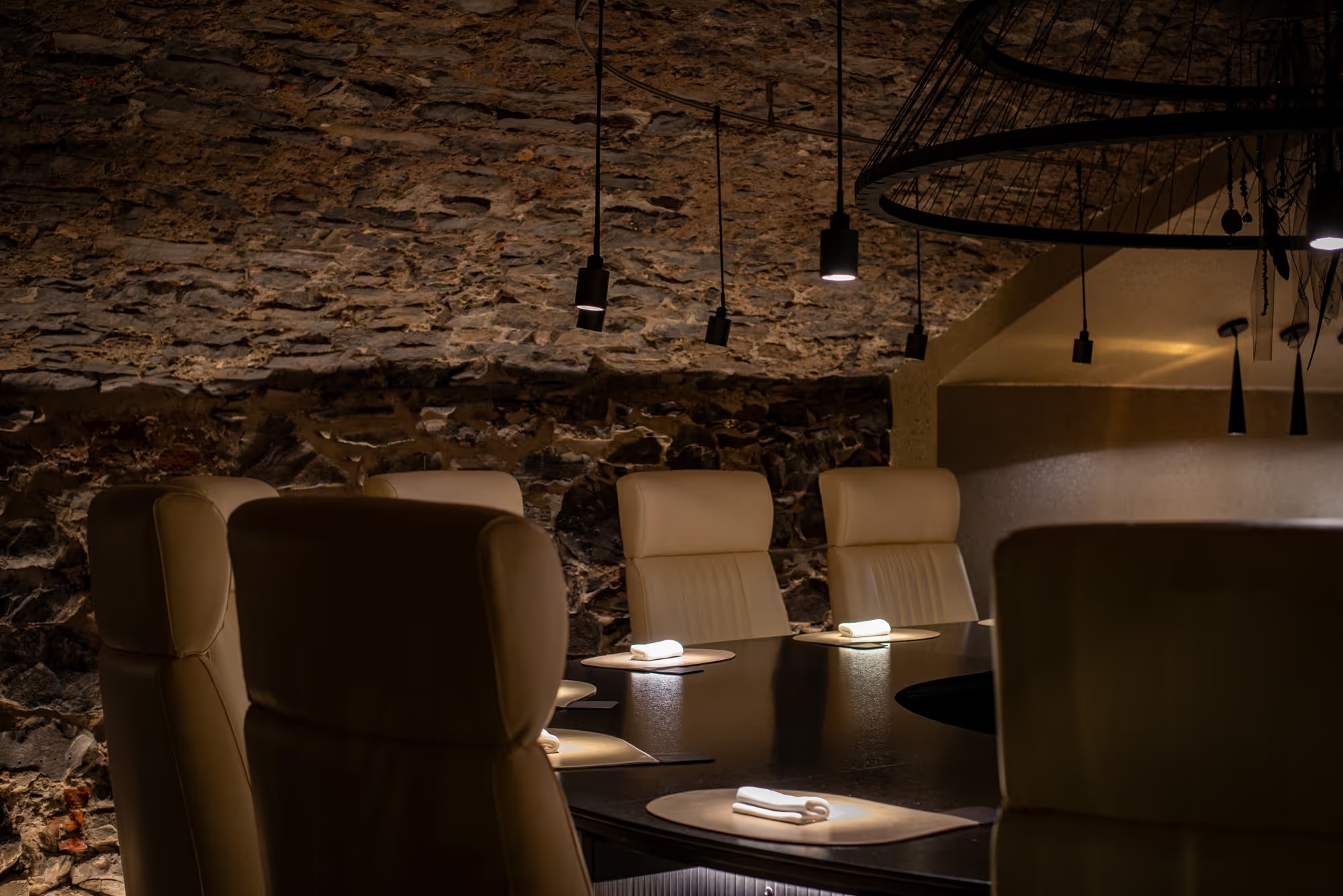
Modern Quebec Terroir - Avant-Garde Tasting Menu
Tanière³
Quebec City, Canada
★★ · 50 Best
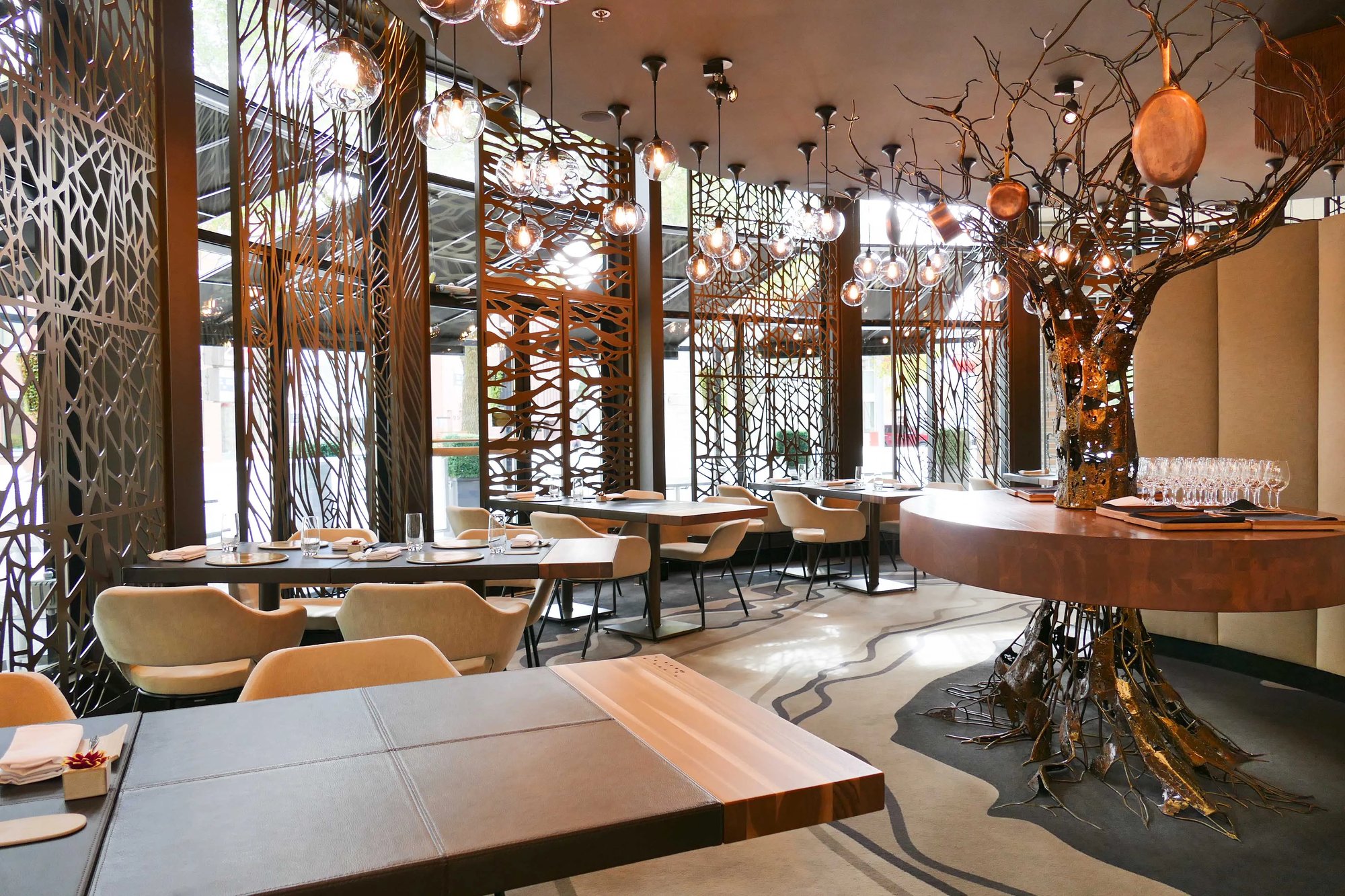
Modern French Gastronomic
Laurie Raphaël
Quebec City, Canada
★

Modern Québecois Locavore
Légende
Quebec City, Canada
★
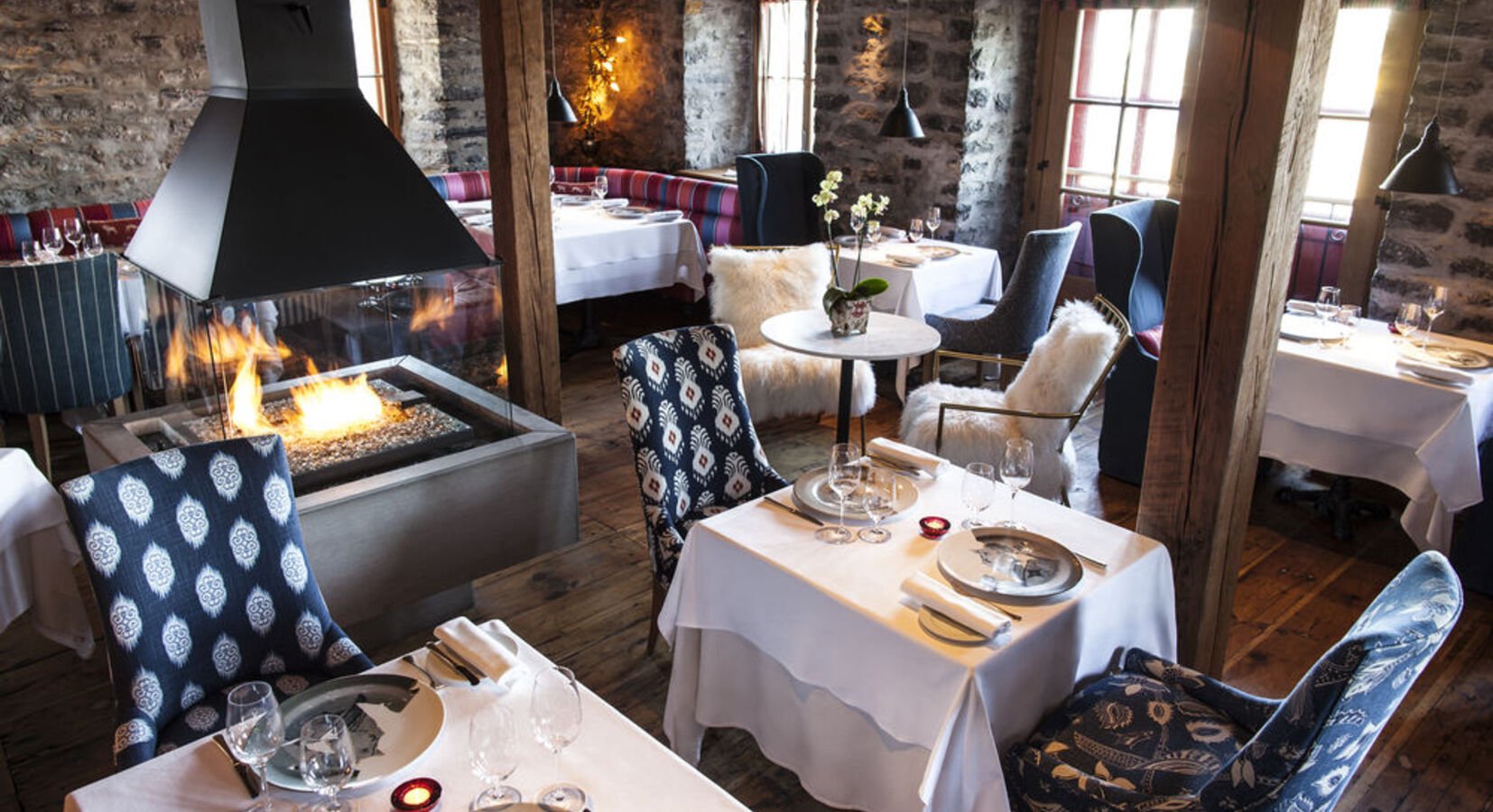
French Farm-to-Table Fine Dining
Auberge Saint-Antoine
Quebec City, Canada
2K
Québécois Fine Dining
Kebec Club Privé
Quebec City, Canada
★
Modern Quebec Cuisine
ARVI
Quebec City, Canada
★