Made ByRestaurant
Cicada

Chef in Residence
David Chiddo
Chef
- 01CuisinePan-Mediterranean tapas and plates
- 02CityTokyo, Japan
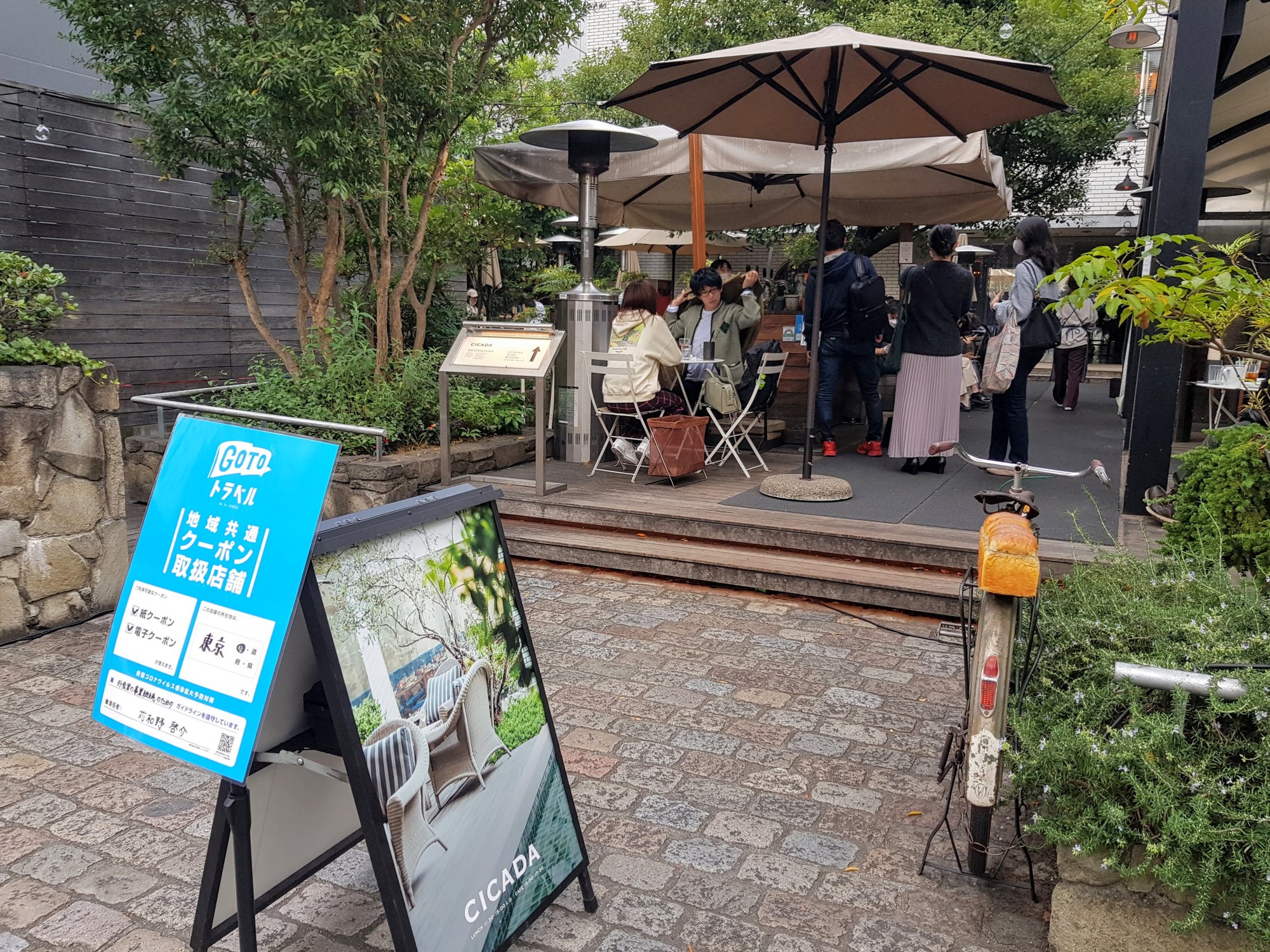
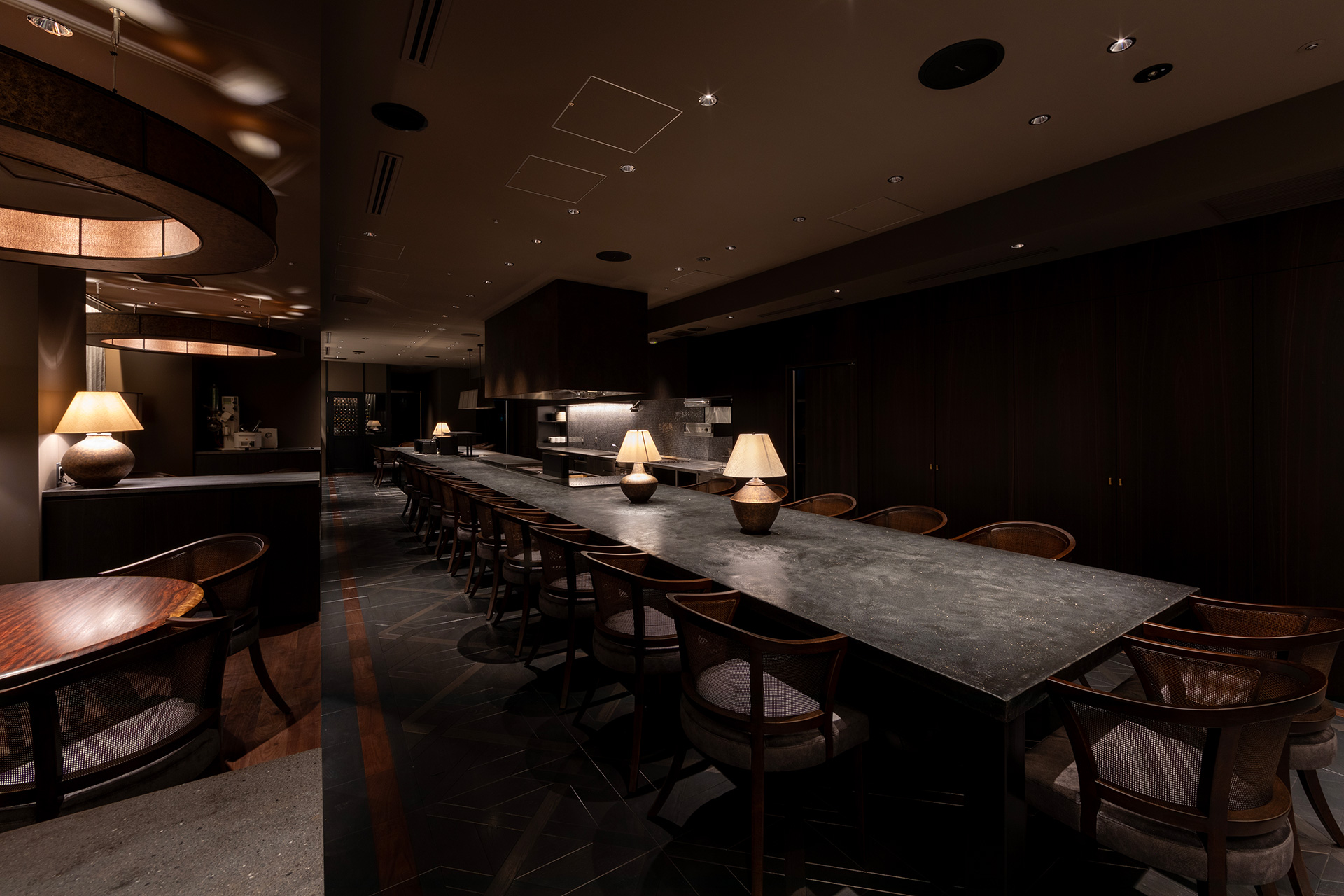
Cicada brings Mediterranean table culture into Minamiaoyama, with David Chiddo attached and a 2026 Opinionated About Dining Highly Recommended citation in Japan’s Casual category. Its appeal sits less in ceremony than in the shared-plate rhythm: dips, grilled dishes, wine-friendly ordering, and a room suited to Tokyo diners looking beyond sushi counters and kaiseki formality.
At a glance
- Cuisine
- Pan-Mediterranean tapas and plates
- Price
- $$$
- Per person
- $70
- Neighborhood
- Minami-Aoyama
<p>Minamiaoyama makes restaurants feel composed before the first plate: low traffic hum, polished storefronts, and diners who treat dinner as part of the neighbourhood’s social fabric. Cicada fits that register. The interest is not a Mediterranean fantasy imported into Tokyo, but how a city built around precision dining absorbs a looser, shared-table tradition without losing control.</p><p>Tokyo restaurant culture is often described through counters: sushi, tempura, yakitori, kappo, ramen, each with its own choreography and cook-guest hierarchy. Mediterranean dining pulls the other way. It puts the table, not the counter, at the centre; the meal builds through small plates, dips, grilled seafood or meat, vegetables, bread, wine, and passed dishes. In Tokyo, that changes the tempo: instead of a chef-led sequence, the table edits its own meal.</p><h2>Minamiaoyama gives Mediterranean sharing a Tokyo frame</h2><p>The neighbourhood does useful work. Minamiaoyama is not late-night chaos or a tourist shorthand for Japanese tradition. It is fashion, galleries, design offices, apartments, and restaurants that know the value of a room where conversation carries. A Mediterranean restaurant here must read the room: generous enough for groups, disciplined enough for diners used to sharp service and ingredient quality.</p><p>Cicada’s 2026 placement as Highly Recommended in Opinionated About Dining’s Casual Japan list is a useful signal because it puts the restaurant in a category trophy-driven dining coverage often ignores. Tokyo’s international reputation leans on formal Japanese counters and high-priced tasting menus, yet much of the city’s dining intelligence sits in casual rooms with repeat local use. OAD’s Casual category recognises that middle ground: restaurants where consistency, identity, and usefulness matter as much as ceremony.</p><p>Chef David Chiddo’s name gives the kitchen authorship, but the broader story is Mediterranean table habits translated into Tokyo. Meze-style ordering rewards appetite and pacing rather than obedience to a fixed sequence. Practically, the meal works differently from omakase: the table can start with shared cold plates, move into grilled or cooked dishes, and use wine as structure rather than ornament. The pleasure is cumulative, not theatrical.</p><p>For readers mapping Tokyo by dining mood rather than cuisine checklist, this sits apart from specialist Japanese counters. A yakitori-focused night such as <a href="https://www.enprimeurclub.com/restaurants/124-kagurazaka-tokyo-restaurant">124. KAGURAZAKA (Yakitori)</a> concentrates attention around smoke, skewers, and sequencing; <a href="https://www.enprimeurclub.com/restaurants/7aef54c3-tokyo-restaurant">. 鮪と炭火焼き うお炭 秋葉原店</a> points toward tuna and charcoal-grill appetite. Cicada changes the social architecture: less linear, more collective, built for a table ordering across categories.</p><h2>The point is the table, not the tasting-menu script</h2><p>Mediterranean food outside its home region can turn vague when treated as a mood board. The stronger version is anchored by table logic: acidity, olive oil, herbs, grill smoke, bread, legumes, seafood, and vegetables in combinations that encourage sharing. Tokyo suits that logic because diners are comfortable with multiple small plates, though the reference points differ. Izakaya culture already understands shared ordering; the Mediterranean version shifts the seasoning, wine relationship, and warmth.</p><p>That is why Cicada is better read as a social dining room than a single-dish destination. The value lies in assembling the meal, not chasing a named plate. It suits visitors who have spent several nights in formal Japanese formats and want dinner that lets the table breathe. It also suits Tokyo regulars who do not need every meal to prove locality through Japanese cuisine. In a city with deep French, Italian, Chinese, Korean, and modern European scenes, Mediterranean cooking occupies a useful pocket: familiar enough for a group, distinctive enough to avoid hotel-restaurant neutrality.</p><p>The OAD citation separates it from generic international dining. “Highly Recommended” in the 2026 Casual Japan list is not a luxury claim; it points to credibility within a looser tier. Tokyo has a dense field of casual restaurants where quality can be high without star counts, months-long booking cycles, or tasting-menu price escalation. For an EP Club reader, the question is not whether this replaces a serious sushi counter. It does not. The question is whether it adds a different evening to a Tokyo itinerary. It does.</p><p>For a broader scan of the city’s dining range, Our full Tokyo restaurants guide is the more useful planning layer. Travellers building a full stay can pair that with Our full Tokyo hotels guide, Our full Tokyo bars guide, Our full Tokyo wineries guide, and Our full Tokyo experiences guide. The point is sequence: one night for counter precision, one for a bar-led evening, one for shared plates in Aoyama.</p><h2>How to place it in a Japan itinerary</h2><p>Cicada makes most sense midway through a Tokyo trip, after the first wave of destination dining and before fatigue sets in. The Mediterranean format is forgiving for mixed groups because it does not force one tasting-menu pace on every guest. It is also a clean answer to a common Tokyo problem: a polished dinner that feels adult without being solemn.</p><p>Within the wider Japan map, the contrast sharpens. A Tokyo curry stop such as 3 Chome no Curry Ya San, a visual café format like 2D Cafe, or a Shinjuku address such as 12/10 Shinjuku ten serves a different planning role. Outside the capital, the spread becomes clearer: -Grilled beef Sukiyaki- KAMAKURA TANUKIAN 鎌倉 たぬき庵 in Kamakura,.cafe in Osaka,.know in Kumamoto, (Shoku) Vietnam in Kawasaki, [Curry Senmon Ten] Maruyama Kyoju. in Sapporo, and [ki:] in Kyoto each answer different appetites.</p><p>International Mediterranean references also frame the category. Agora Bethesda, Mediterranean in Bethesda and Alassio, Mediterranean in Florence sit in cities with different expectations around generosity, regionality, and dining rhythm. Tokyo’s version must meet a stricter demand for polish. Cicada’s role is to make shared plates feel native to an Aoyama evening, not imported as decoration.</p>
Know before you go
- Dress code
- smart_casual
- Reservations
- recommended
- Payment
- cash, credit_card
- Outdoor seating
- Yes
- Groups
- Welcomed
Frequently asked
Where is Cicada located?
Cicada is located at 5 Chome-7-28 Minamiaoyama, Minato City, Tokyo 107-0062, Japan, Tokyo, Kantō, Japan, Tokyo.
What style of cooking does Cicada do?
Cicada serves Mediterranean cuisine.
Who runs the kitchen at Cicada?
The chef associated with Cicada is David Chiddo.
Do they take walk-ins at Cicada?
The listing gives Cicada’s Minamiaoyama address and its OAD 2026 Highly Recommended status, which points to a place where planning ahead makes sense. the public record also lists +81 3-6434-1255 if a caller wants to check the day’s seating situation. Check the venue's official channels for the latest details.
What do critics highlight about Cicada?
Critics singled out Cicada with an OAD 2026 Highly Recommended listing for its Mediterranean cooking in Tokyo. The combination of David Chiddo’s kitchen, the Minamiaoyama address, and that OAD recognition is the clearest signal in the public record. Check the venue's official channels for the latest details.
Address
5 Chome-7-28 Minamiaoyama, Minato City, Tokyo 107-0062, Japan, Tokyo, Kantō, Japan
Minami-Aoyama
How it compares
- Price
- $$$
- Awards
- —
- Notes
- Minami-Aoyama, Pan-Mediterranean tapas and plates
- Price
- $$$
- Awards
- —
- Notes
- Sumida, Yakitori Omakase Counter
- Price
- $$$
- Awards
- —
- Notes
- Roppongi, Modern Ramen
- Price
- $$$
- Awards
- —
- Notes
- Chūō, Cocktail & Whisky Bar
STARBUCKS RESERVE ROASTERY TOKYO
- Price
- $$$
- Awards
- —
- Notes
- Meguro, Starbucks Reserve Roastery café & bar with Italian bakery
- Price
- $$$
- Awards
- —
- Notes
- Shibuya, Kobe Beef Teppanyaki
In residence
Similar places
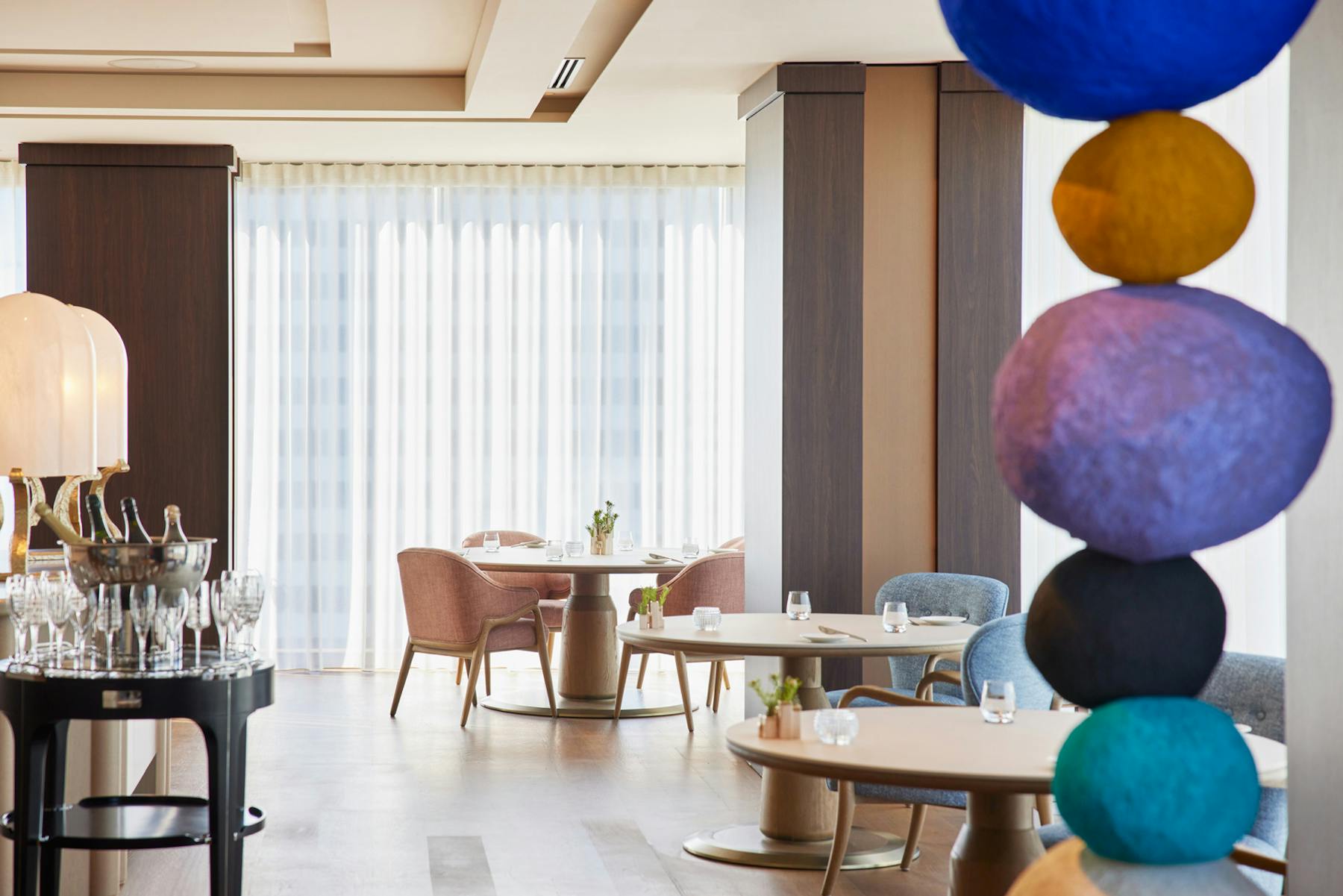
French
Sézanne
Tokyo, Japan
★★★ · 50 Best
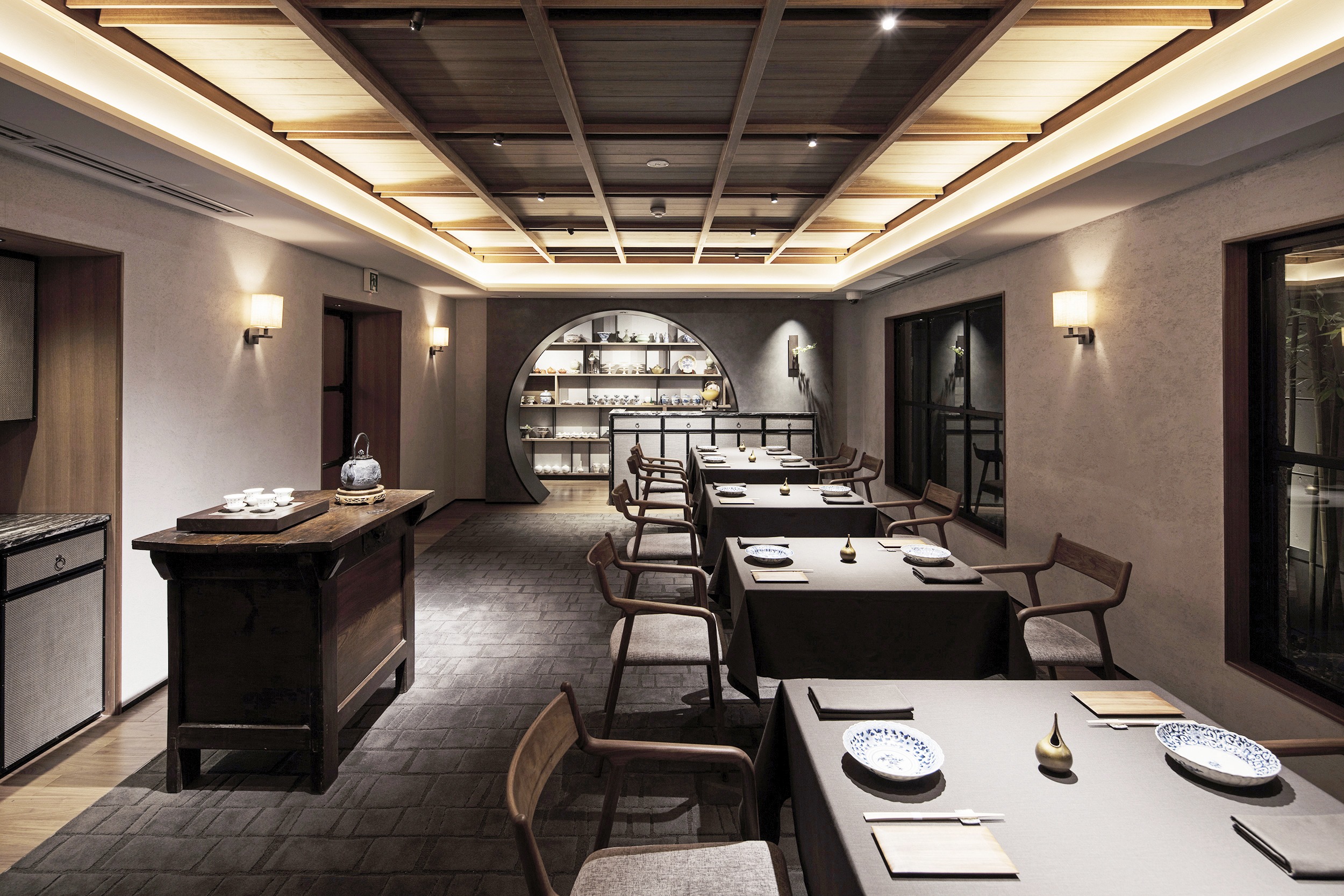
Modern Chinese Fine Dining
Sazenka
Tokyo, Japan
★★★ · 50 Best
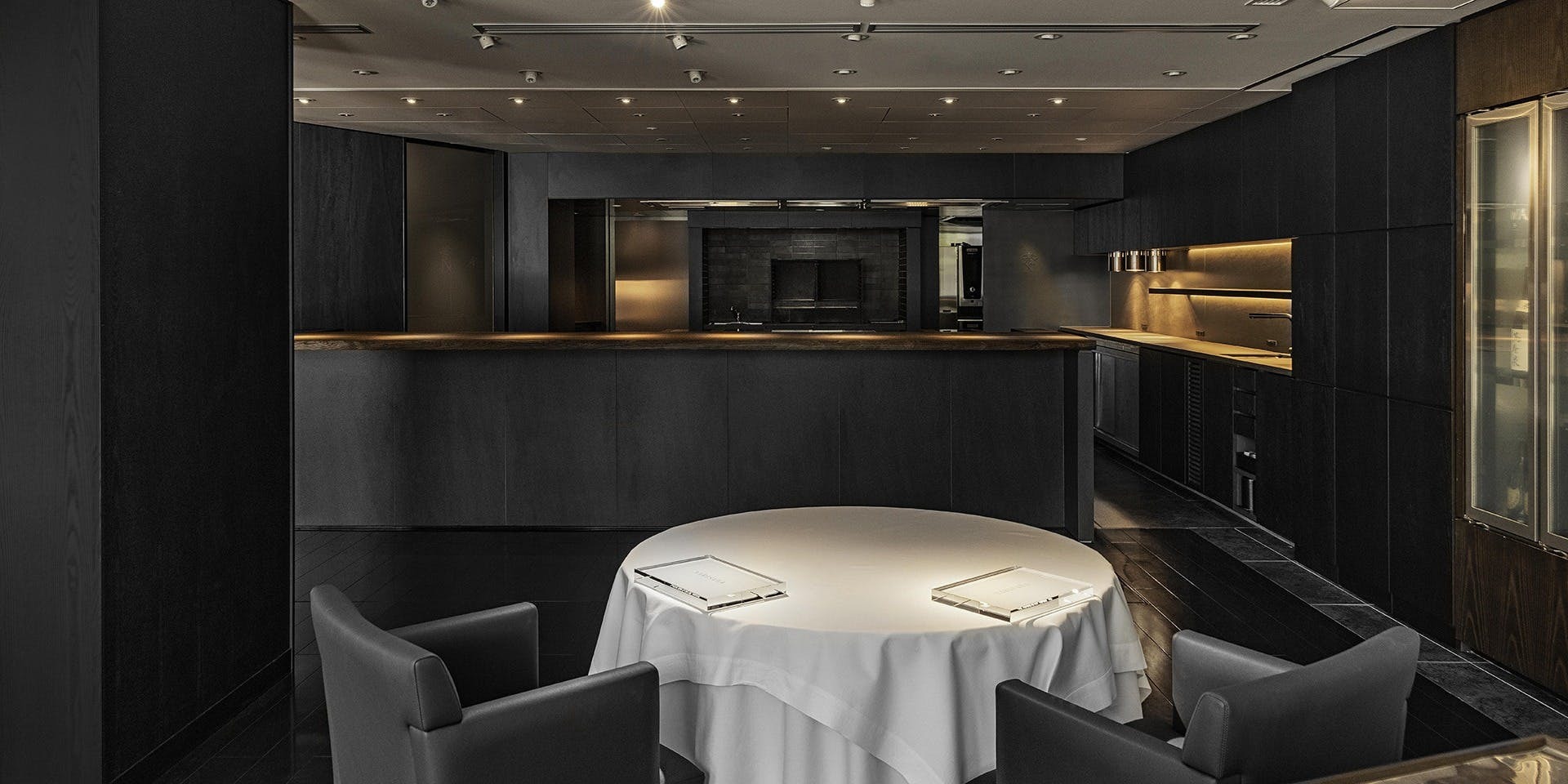
Modern Japanese Satoyama Fine Dining
Narisawa
Tokyo, Japan
★★ · 50 Best
Modern French-Japanese Plant-Based Fine Dining
Florilège
Tokyo, Japan
★★ · 50 Best
Modern Japanese Kaiseki
Den
Tokyo, Japan
★★ · 50 Best
Modern French Fine Dining
Quintessence
Tokyo, Japan
★★★