Collefrisio
- 01CityFrisa, Italy
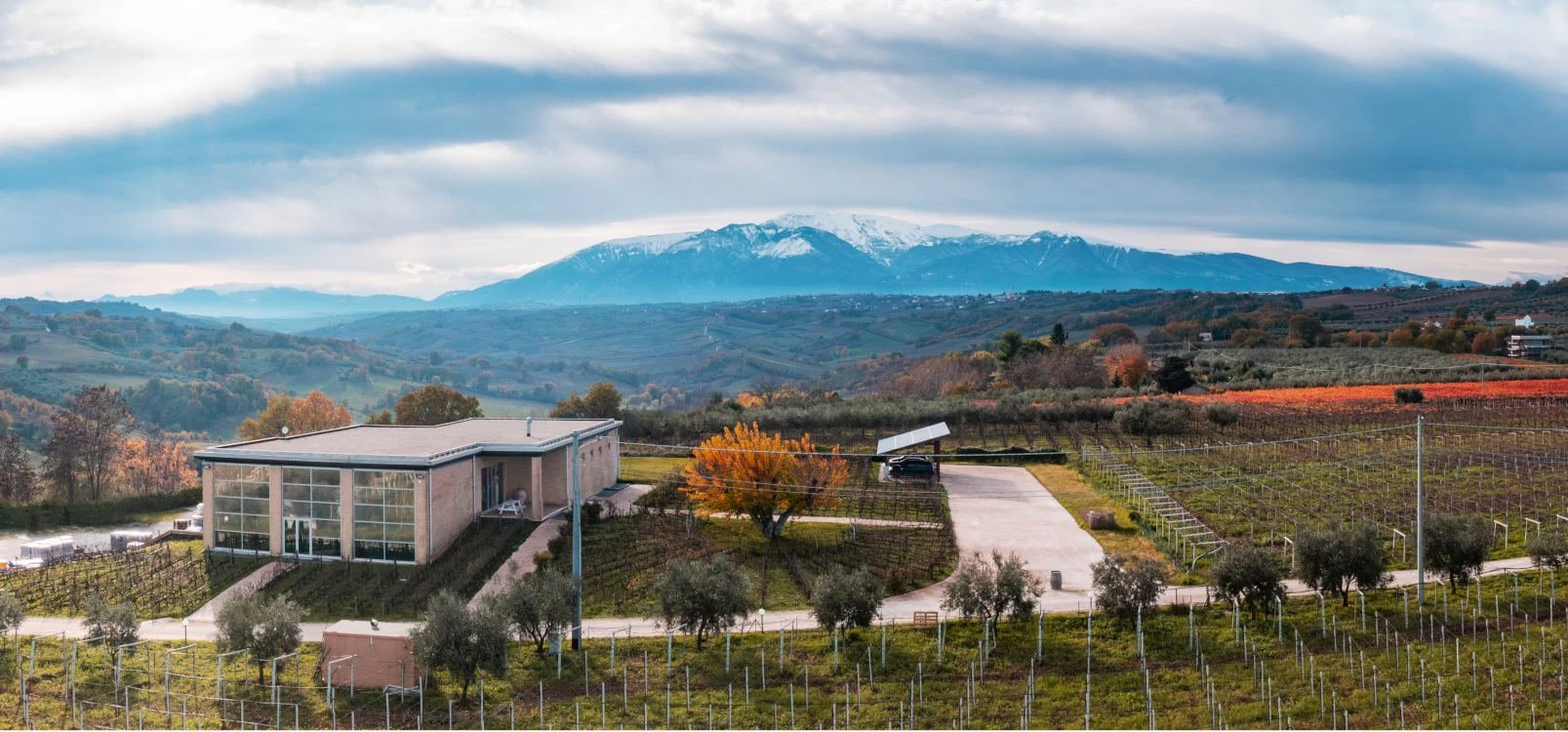
Organic vineyards across three estates
- Falstaff Winery - 2 Stars · 2026
Since 2004, the hands have stayed on the estate
The first decision is agricultural: healthy grapes, cared-for vines, home soil. Amedeo De Luca, winemaker at Collefrisio in Piane di Maggio, Frisa, works from that premise with Antonio Patricelli, co-owner and Sales Director, inside an Abruzzo estate they founded in 2004. Both come from third-generation winemaking families, and the continuity matters here. Collefrisio is not a label separated from its site; its name comes from hilltop holdings once belonging to the Frisio family, and the work still gathers around that ground.
De Luca’s role joins ownership to the cellar. Patricelli’s role joins ownership to the way the wines leave the estate and meet the table. Their stated idea of wine keeps those functions close: soil, grapes, vines, then a contemporary register that keeps freshness and sharing in view. The house language is not nostalgic. It asks Montepulciano, Pecorino, Falanghina and Trebbiano to carry Abruzzo without turning the bottle into a museum piece.
The Sunday letter
Find new places through the people who run them.
Our Sunday email brings you the chefs, winemakers and hoteliers behind our newest stories. See a sample before you subscribe.
See a sample of the Sunday emailOne email a week. Unsubscribe from any issue.
Thirty-five hectares divided by microclimate
The vineyard work runs across 35 hectares farmed organically, divided among three estates selected for their microclimates: Valle del Moro at 12 hectares, Giuliano Teatino at 11 hectares, and Morrecine at 12 hectares. That spread gives the cellar more than one reading of Frisa and the Chieti hills. Warm days and cool evenings help the fruit hold its line, with the Adriatic on one side of the territory and the Majella National Park on the other.
Production sits below the main building, where the cellar handles transformation, refinement, bottling and packaging. The estate describes an in-house chain that begins with laboratory processing of the first grapes and continues through barrels, high-capacity silos and logistics for shipment beyond Italy. The method is organic and excludes animal products throughout production. In the Appassimento Rosso 2022, the blend is given plainly: 60% Montepulciano, 20% Sangiovese and 20% Merlot, at 14.0% Vol, with 10.4 g/l residual sugar and 5.34 g/l total acidity. The figures read like cellar notes, not decoration.
A cellar below white walls and reclaimed brick
The building arrived in 2005 with a low-impact idea of presence: smooth white walls, brick lines, offices and tasting rooms above, the cellar underneath. Inside, wood and recycled brick from a dismissed industrial site soften the geometry. Large windows turn the surrounding rows and olive groves into part of the room, while the garden terrace keeps the estate’s social life close to the vineyard rather than apart from it.
The atmosphere is quiet, modern and familiar. This is not a cellar trying to look old before its time. The work is visible in the way the house has been arranged: production below, hospitality at ground level, the countryside held in the frame. In 2012, Collefrisio turned particular attention toward operators from Japan and the Netherlands, insisting that knowing the area helps the wine make sense. The same argument still gathers around Valle del Moro, Giuliano Teatino and Morrecine.
Questions
Frequently asked
Who makes the wines at Collefrisio?
Amedeo De Luca is the winemaker, and Antonio Patricelli is the co-owner and Sales Director. Both come from third-generation winemaking families, and they founded the estate in 2004.
What kind of wines does Collefrisio produce?
The estate works with organic Abruzzo wines, using Montepulciano, Pecorino, Falanghina and Trebbiano in a contemporary style. The production is organic and excludes animal products throughout production.
Where is the winery set, and how is the estate organised?
Collefrisio is in Piane di Maggio, Frisa, in Abruzzo. The vineyards cover 35 hectares across three estates selected for their microclimates: Valle del Moro, Giuliano Teatino and Morrecine.
What should visitors expect from the building and tasting spaces?
The building was completed in 2005 with offices and tasting rooms above and the cellar below. It uses smooth white walls, reclaimed brick, wood, large windows and a garden terrace, and the atmosphere is described as quiet, modern and familiar.
Is a booking needed to visit?
Visits are by appointment only, and there is parking on site.
The field
How it compares
| Place | Notes | Awards |
|---|---|---|
| Collefrisio | Piane di Maggio, $$ | · |
| Bollinger | Aÿ | World's 50 Best |
| Château Montrose | Saint-Estèphe | · |
| Chateau Mouton Rothschild | Pauillac | World's 50 Best |
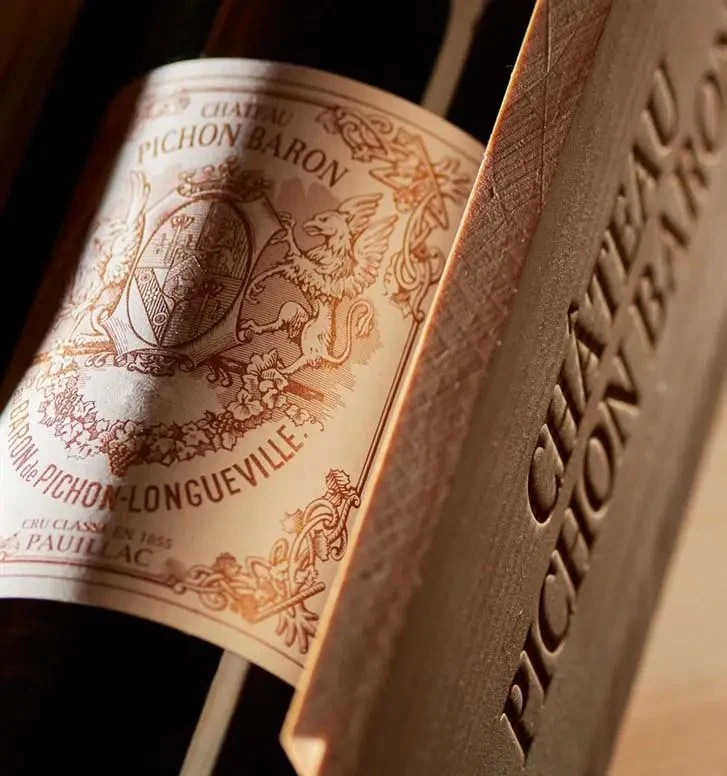
| Château Pichon Longueville Baron | Pauillac | World's 50 Best |
| Château Rayas | Châteauneuf-du-Pape | · |
| Domaine Armand Rousseau | Gevrey-Chambertin | · |
Similar places
The Sunday letter
Get the next Made By story in your inbox.
We send one email every Sunday morning with the places and people we covered that week.
See a sample of the Sunday emailOne email a week. Unsubscribe from any issue.