Made ByRestaurant
COME by Paco Méndez
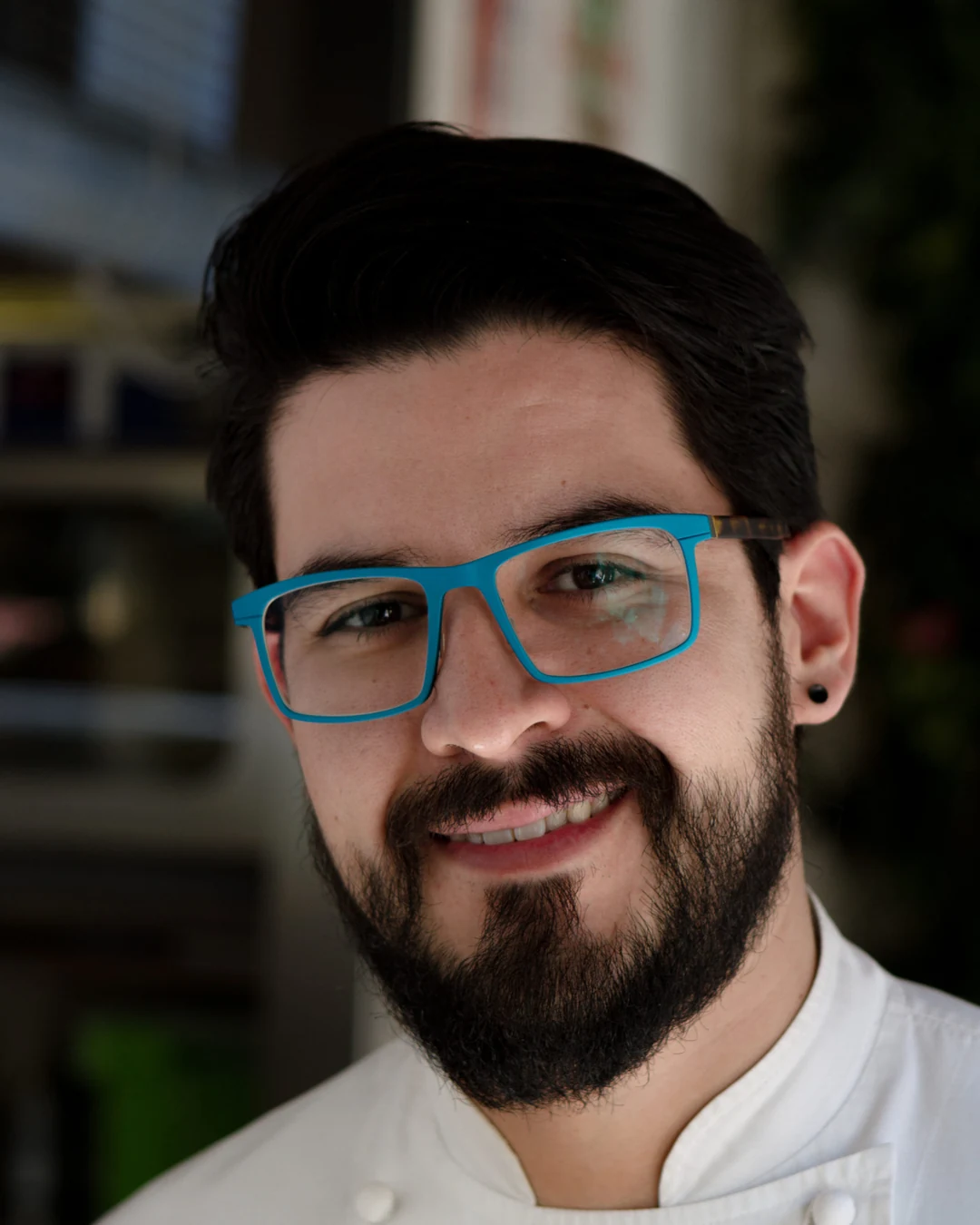
Chef in Residence
Paco Méndez
Chef
- 01CuisineModern Mexican Fine Dining
- 02CityBarcelona, Spain
- 03RecognitionOne Michelin Star

A Michelin-starred address in Barcelona's Eixample where modern Mexican cooking meets Mediterranean produce and El Bulli's technical legacy. Chef Paco Méndez runs the COME Festival tasting menu across a space that previously housed Hoja Santa, framing Mexican culinary tradition through zero-mile ingredients and a drinks list that takes micheladas and mezcales as seriously as the food. Ranked #198 in Europe by Opinionated About Dining in 2025.
- 1 Michelin Star
At a glance
- Cuisine
- Modern Mexican Fine Dining
- Price
- $$$$
- Per person
- $160
- Hours
- Mon: 1–2 PM, 7–9:15 PM; Tue: 7–9:15 PM; Wed: 7–9:15 PM; Thu: 7–9:15 PM; Fri: 7–9:15 PM; Sat: Closed; Sun: Closed
- Neighborhood
- L'Eixample
- Rating
- 4.5 (637)
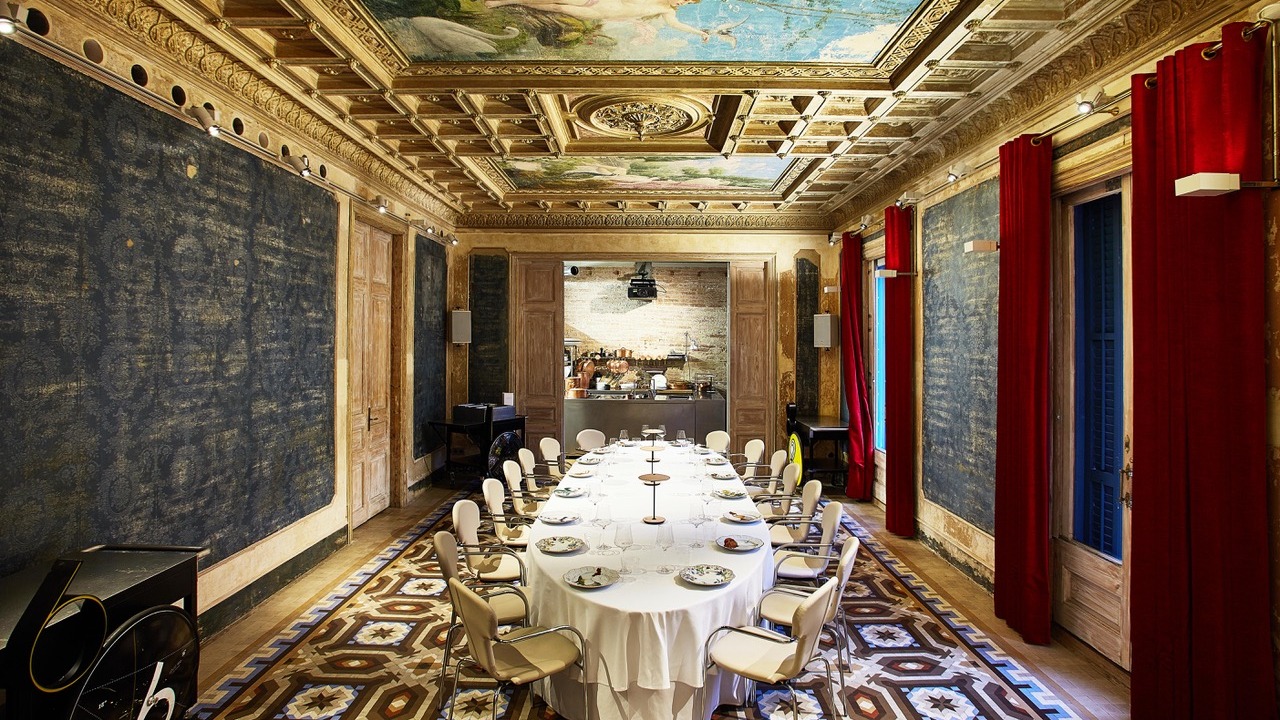
<h2>Where Mexican Tradition Meets the Mediterranean</h2><p>COME by Paco Méndez is a one-Michelin-star restaurant in Barcelona's Eixample, serving modern Mexican fine dining at Av. de Mistral, 54. The building at number 54 carries specific weight in Barcelona's dining memory: it formerly housed Hoja Santa, the Albert Adrià restaurant that put serious Mexican cooking on the city's fine-dining map. COME by Paco Méndez now occupies that same space, and the transition is conscious rather than incidental. The name itself nods to the Day of the Dead, the Mexican tradition of welcoming back what has passed, framing the restaurant not as a replacement but as a continuation transformed.</p><p>This particular corner of the Eixample sits at the intersection of two culinary currents that have defined Barcelona's creative scene for two decades: the technical radicalism that came out of El Bulli, and a growing interest in cuisines from outside Europe that go beyond surface-level borrowing. COME operates at that intersection, using Mexican cooking as a primary framework while drawing on Mediterranean produce and the kind of technical discipline associated with the Adrià era. That combination places it in a distinct comparable set, separate from the Catalan-anchored tasting menus at <a href="https://www.enprimeurclub.com/restaurants/cocina-hermanos-torres-barcelona-restaurant">Cocina Hermanos Torres</a>, <a href="https://www.enprimeurclub.com/restaurants/disfrutar-barcelona-restaurant">Disfrutar</a>, or <a href="https://www.enprimeurclub.com/restaurants/lasarte-barcelona-restaurant">Lasarte</a>, and from the more abstract formalism of <a href="https://www.enprimeurclub.com/restaurants/enigma-barcelona-restaurant">Enigma</a> or <a href="https://www.enprimeurclub.com/restaurants/abac-barcelona-restaurant">ABaC</a>.</p><h2>The Cultural Argument Behind the Menu</h2><p>Mexican gastronomy is one of the few national cuisines with UNESCO Intangible Cultural Heritage status, awarded in 2010 in recognition of its depth, regional complexity, and the social rituals bound up with its preparation. That distinction matters when assessing what COME is attempting: this is not Mexican food filtered through a European sensibility for approachability, but a reading of Mexican culinary tradition that takes its techniques and symbolic weight seriously while placing it within a specific European context.</p><p>Chef Paco Méndez, who trained within the broader Adrià ecosystem, brings a position that is explicitly stated rather than implied: the coming together of Mexican culture and cooking, Mediterranean ingredients, and the legacy of El Bulli. That three-part frame is worth taking seriously. El Bulli's influence here is less about showmanship and more about the idea that ingredients and culinary traditions can be examined rather than simply reproduced. Mediterranean sourcing, with a permanent emphasis on zero-mile produce, means that the Mexican framework is being applied to whatever the Catalan agricultural calendar makes available, which creates a genuinely seasonal tension in the menu rather than a fixed representation of a national cuisine.</p><p>Head pastry chef Erinna Méndez, who works alongside Paco, extends that approach into the dessert section, treating Mexican sugar traditions with the same structural seriousness applied to the savoury courses. The combined result is a kitchen where the cultural reference points are explicit and the technical tools are borrowed from one of the most influential restaurants of the past fifty years.</p><h2>The COME Festival Format</h2><p>The menu here is called COME Festival, and the format carries that name's implication of occasion and sequence. Arrival begins with welcome drinks and snacks at the door before the move into the dining room, a structure that creates a deliberate threshold between the street and the full experience. Private dining and show cooking options are available within the space, which gives the room functional flexibility without diluting the primary format.</p><p>The drinks program is treated as a serious parallel track rather than an afterthought. The list covers micheladas, tequilas, and mezcales in depth, which reflects a genuine engagement with Mexican drinking culture rather than a token gesture toward it. In cities like Mexico City, a meal at addresses such as <a href="https://www.enprimeurclub.com/restaurants/lorea-mexico-city-restaurant">Lorea</a> would be accompanied by exactly this kind of considered spirits and mixed-drink selection. COME imports that expectation to Barcelona, making the drinks list a cultural argument as much as a commercial one.</p><p>Zero-mile ingredients commitment, applied consistently rather than selectively, means the menu changes with what local producers can supply. That is not unusual in Barcelona's top tier, where <a href="https://www.enprimeurclub.com/restaurants/disfrutar-barcelona-restaurant">Disfrutar</a> and others have built strong supplier relationships into their identities. What is less common is the application of that sourcing discipline to a non-European cuisine, where the tension between local produce and distant culinary tradition becomes part of the conceptual work the kitchen is doing.</p><h2>Recognition and Position in Barcelona's Creative Tier</h2><p>COME holds one Michelin star (awarded 2024), which places it in a tier below Barcelona's three-star houses but within the city's recognised creative dining circuit. Opinionated About Dining, the data-driven restaurant ranking that aggregates expert critic scores, ranked it #220 in Europe in 2024 and moved it up to #198 in 2025, a trajectory that indicates growing recognition rather than a one-cycle spike.</p><p>The Creativity Award in 2024 is a separate signal. In Barcelona's creative-dining circuit, where <a href="https://www.enprimeurclub.com/restaurants/disfrutar-barcelona-restaurant">Disfrutar</a>, <a href="https://www.enprimeurclub.com/restaurants/cocina-hermanos-torres-barcelona-restaurant">Cocina Hermanos Torres</a>, and <a href="https://www.enprimeurclub.com/restaurants/lasarte-barcelona-restaurant">Lasarte</a> all hold three Michelin stars, a one-star address earning a specific creativity recognition suggests that the evaluators consider COME's conceptual approach noteworthy beyond what its star count alone implies. For context, Spain's most decorated creative addresses, from <a href="https://www.enprimeurclub.com/restaurants/el-celler-de-can-roca-girona-restaurant">El Celler de Can Roca in Girona</a> to <a href="https://www.enprimeurclub.com/restaurants/arzak-san-sebastian-restaurant">Arzak in San Sebastián</a>, <a href="https://www.enprimeurclub.com/restaurants/azurmendi-larrabetzu-restaurant">Azurmendi in Larrabetzu</a>, <a href="https://www.enprimeurclub.com/restaurants/aponiente-el-puerto-de-santa-maria-restaurant">Aponiente in El Puerto de Santa María</a>, and <a href="https://www.enprimeurclub.com/restaurants/diverxo-madrid-restaurant">DiverXO in Madrid</a>, have all built their reputations on conceptual clarity as much as technical execution. COME's positioning within that broader Spanish creative conversation is still developing, but the award suggests the direction is clear.</p><p>Google reviews sit at 4.5 across 637 ratings.</p><h2>How COME Fits the Broader Creative Mexican Moment</h2><p>Modern Mexican fine dining has developed its own international conversation over the past decade. In Tulum, <a href="https://www.enprimeurclub.com/restaurants/hartwood">Hartwood</a> has built a reputation on open-fire cooking and local sourcing that draws international attention to the Yucatán. In Mexico City, addresses like <a href="https://www.enprimeurclub.com/restaurants/lorea-mexico-city-restaurant">Lorea</a> work within the tradition from the inside, treating the country's culinary complexity as a living archive rather than a heritage museum. COME operates in a third mode: translating that tradition through European technique and European produce, from a kitchen whose lead chef trained in one of Europe's most technically demanding environments.</p><p>That triangulation, Mexican cultural framework, Mediterranean sourcing, El Bulli-lineage technique, is what separates COME from the broader category of European restaurants that incorporate Mexican flavours as accent. The question the restaurant poses, and answers through the COME Festival menu, is whether the cultural logic of a cuisine can survive and remain meaningful when its ingredients are replaced by local equivalents. On current evidence, the answer appears to be yes.</p><h2>Planning a Visit</h2><p>COME operates a notably compressed schedule: lunch and dinner on Monday, Friday, and Saturday, lunch only on Sunday, and closed Tuesday and Wednesday. That four-day week and the two-session-per-day lunch format of 1pm to 2:30pm mean booking lead time matters. At a price point of €€€€, the restaurant sits within Barcelona's top tier alongside its Eixample and broader city peers.</p><p>The address is Av. de Mistral, 54, Eixample, 08015 Barcelona, Spain.</p>
Know before you go
- Dress code
- smart_casual
- Reservations
- essential
- Payment
- credit_card
Frequently asked
What's the pricing like at COME by Paco Méndez?
Pricing at COME by Paco Méndez is listed as €€€€.
Who runs the kitchen at COME by Paco Méndez?
The chef associated with COME by Paco Méndez is Paco Méndez.
What do regulars order at COME by Paco Méndez?
The kitchen doesn't publish a static à la carte, so regulars commit to the COME Festival tasting format, which sequences through modern Mexican cooking built on Mediterranean zero-mile ingredients and the technical vocabulary of El Bulli. Beyond the food, the drinks selection draws consistent attention: micheladas, mezcales, and tequilas form an extensive list that OAD ranked among the venue's defining credentials when placing COME at #198 in Europe in 2025. Arriving early enough to catch the welcome drinks and snacks service at the door is how seasoned visitors treat the format as it's intended — as a full occasion, not a seated meal.
When can I go to COME by Paco Méndez?
Hours at COME by Paco Méndez: Monday 1 PM-2:30 PM 8 PM-10 PM Tuesday closed Wednesday closed Thursday closed Friday 1 PM-2:30 PM 8 PM-10 PM Saturday 1 PM-2:30 PM 8 PM-10 PM Sunday 1 PM-2:30 PM.
Where is COME by Paco Méndez located?
COME by Paco Méndez is located at Av. de Mistral, 54, Eixample, 08015 Barcelona, Spain, Barcelona.
What's COME by Paco Méndez known for in terms of accolades?
COME by Paco Méndez has received recognition including: If you were once a regular visitor to the legendary Hoja Santa, you won’t want to miss out on a visit to COME by Paco Méndez, which now occupies the same premises (also home to the former Niño Viejo restaurant) and which, in a nod to the at….
Address
Av. de Mistral, 54, Eixample, 08015 Barcelona, Spain
L'Eixample
How it compares
- Cuisine
- Modern Mexican Fine Dining
- Price
- $$$$
- Awards
- Michelin 1 Star
- Notes
- Sant Antoni
- Cuisine
- Creative Catalan Tapas
- Price
- $$$$
- Awards
- Michelin 1 Star
- Notes
- Sant Antoni
- Cuisine
- Modern Catalan Fine Dining
- Price
- $$$$
- Awards
- Michelin 1 Star
- Notes
- la Dreta de l'Eixample
- Cuisine
- Contemporary French-Mediterranean Fine Dining
- Price
- $$$$
- Awards
- Michelin 1 Star
- Notes
- l'Antiga Esquerra de l'Eixample
- Cuisine
- Modern Catalan Fine Dining
- Price
- $$$
- Awards
- Michelin 1 Star
- Notes
- Sant Gervasi - Galvany
- Cuisine
- Modern Seafood Tasting
- Price
- $$$$
- Awards
- Michelin 1 Star
- Notes
- la Nova Esquerra de l'Eixample
In residence
Similar places
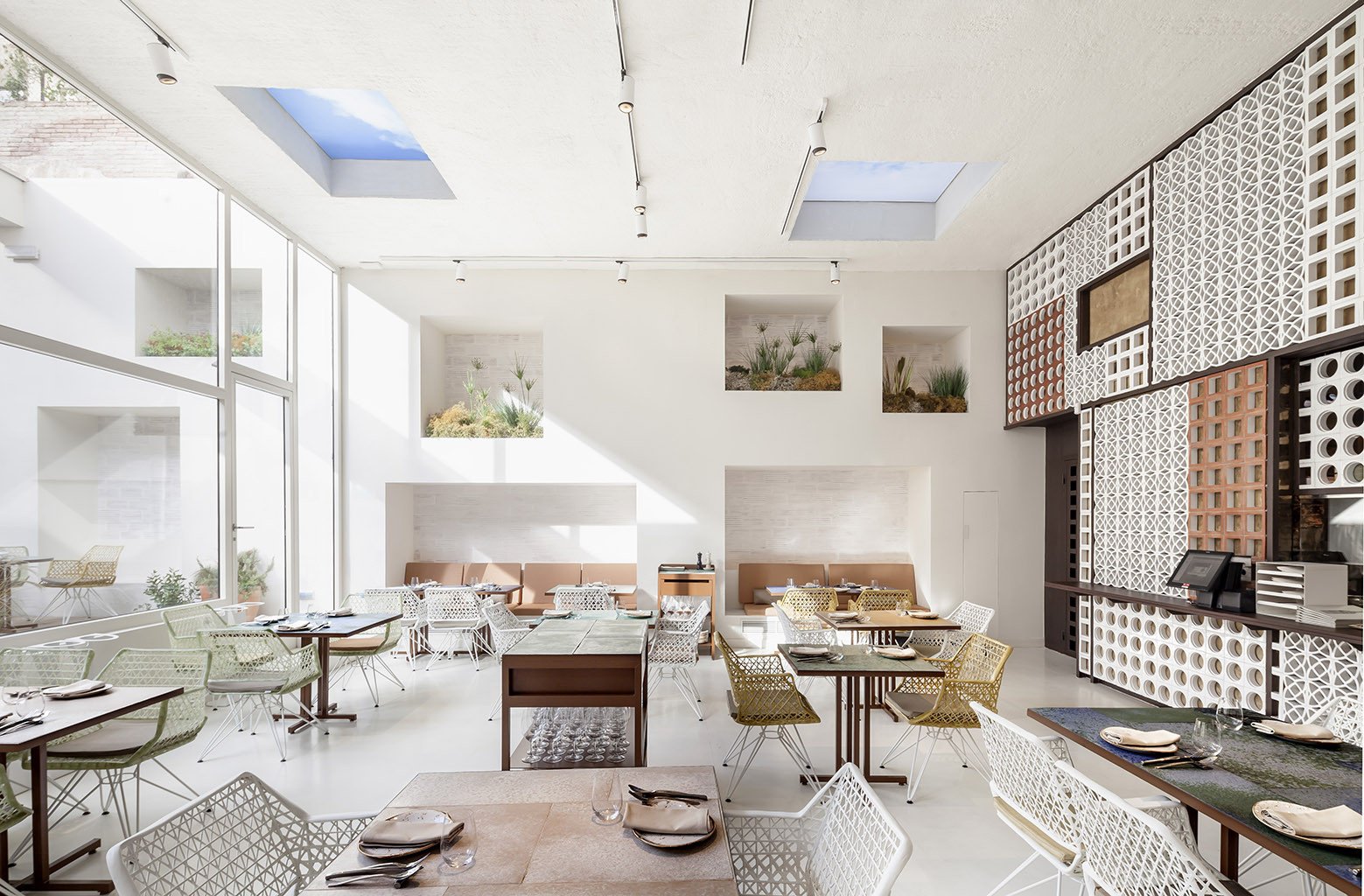
Avant-Garde Catalan Fine Dining
Disfrutar
Barcelona, Spain
★★★ · 50 Best
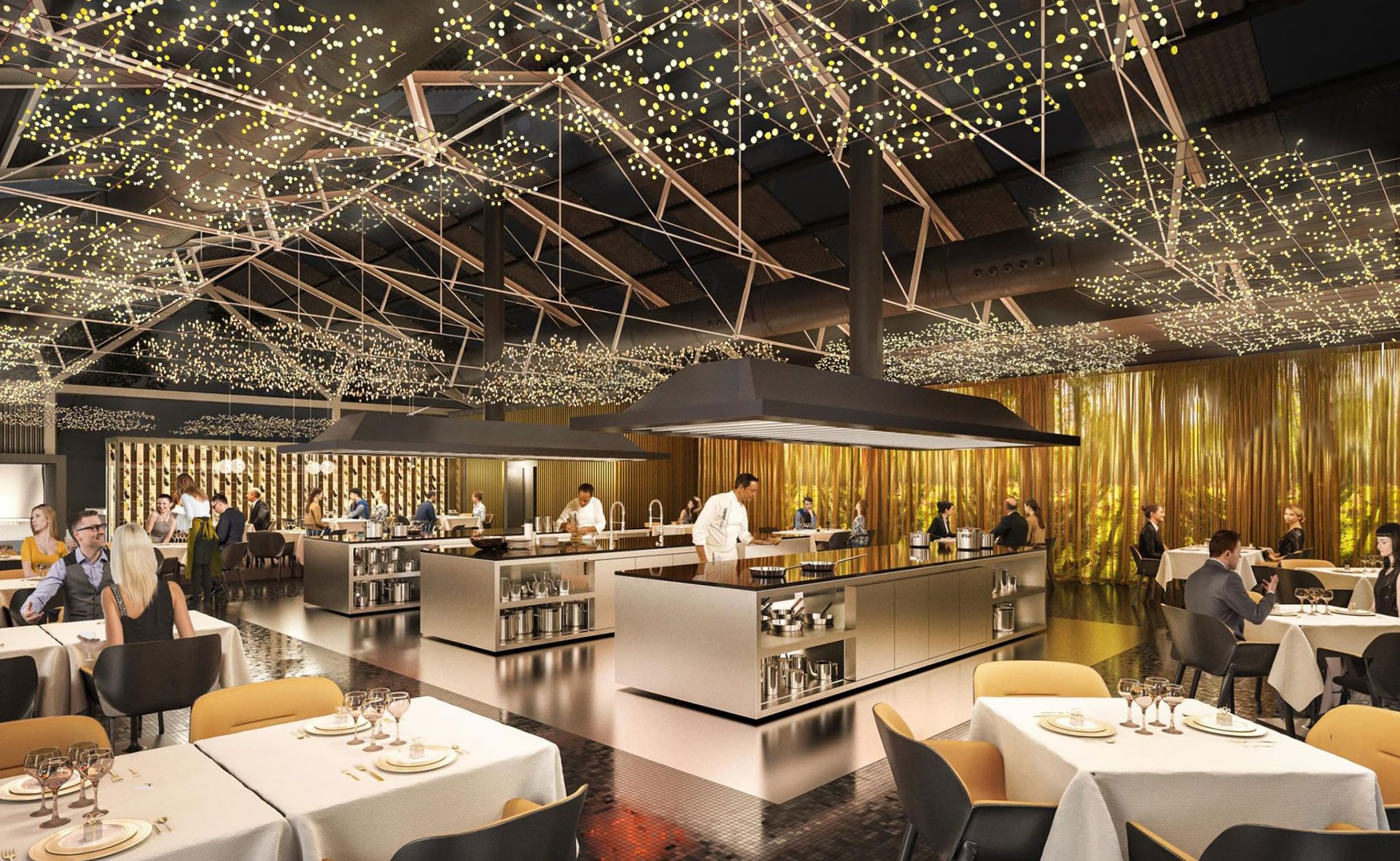
Modern Spanish Fine Dining
Cocina Hermanos Torres
Barcelona, Spain
★★★ · 50 Best
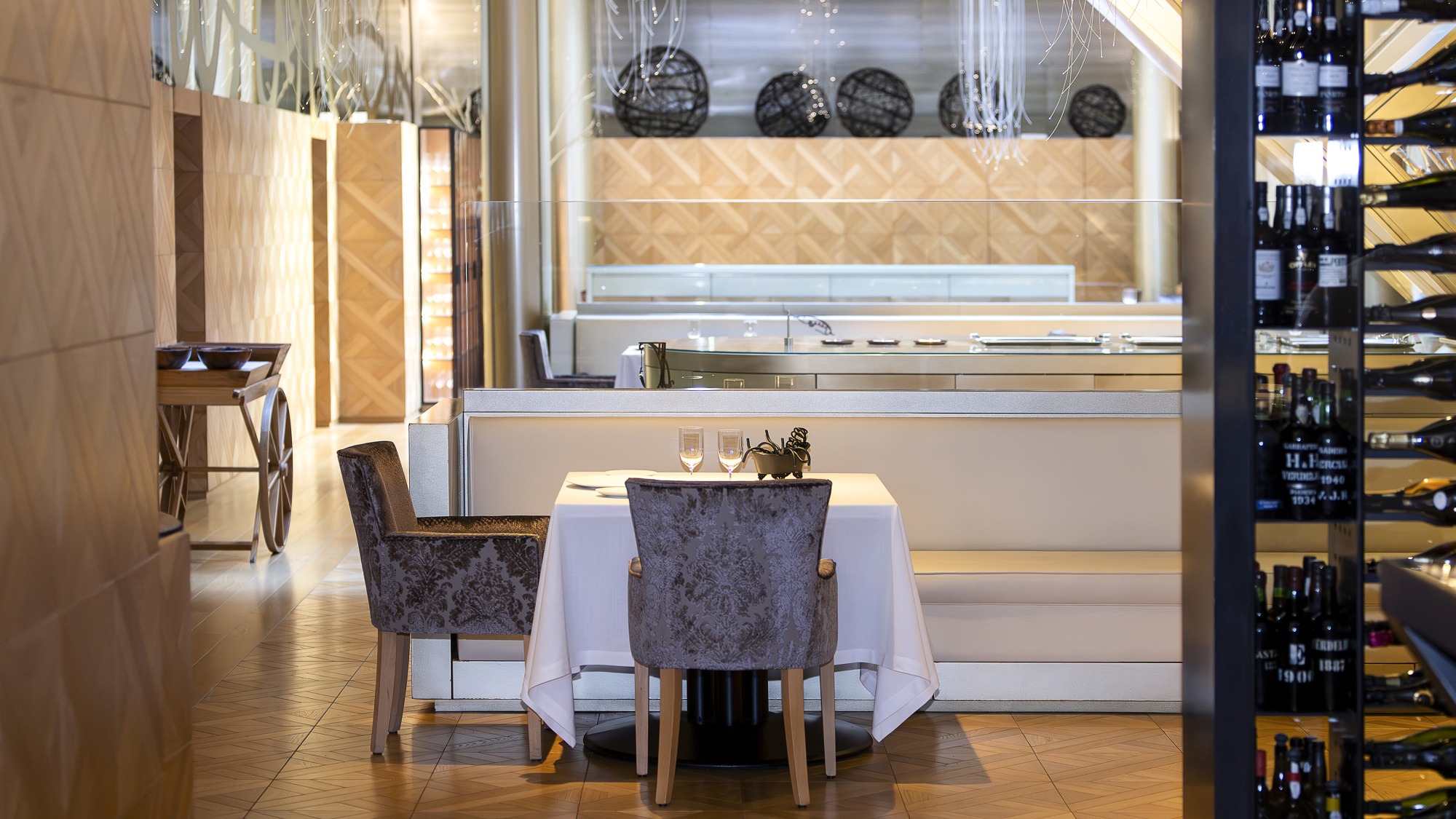
Modern Basque-Mediterranean Fine Dining
Lasarte
Barcelona, Spain
★★★
Modern Catalan Fine Dining
Alkimia
Barcelona, Spain
★
Modern Catalan Fine Dining
ABaC
Barcelona, Spain
★★★
Modern Catalan Fine Dining
Moments
Barcelona, Spain
★