Made ByRestaurant
Contesto Alimentare

Chef in Residence
Orli Del Angel
Chef
- 01CuisineModern Piedmontese Italian
- 02CityTurin, Italy
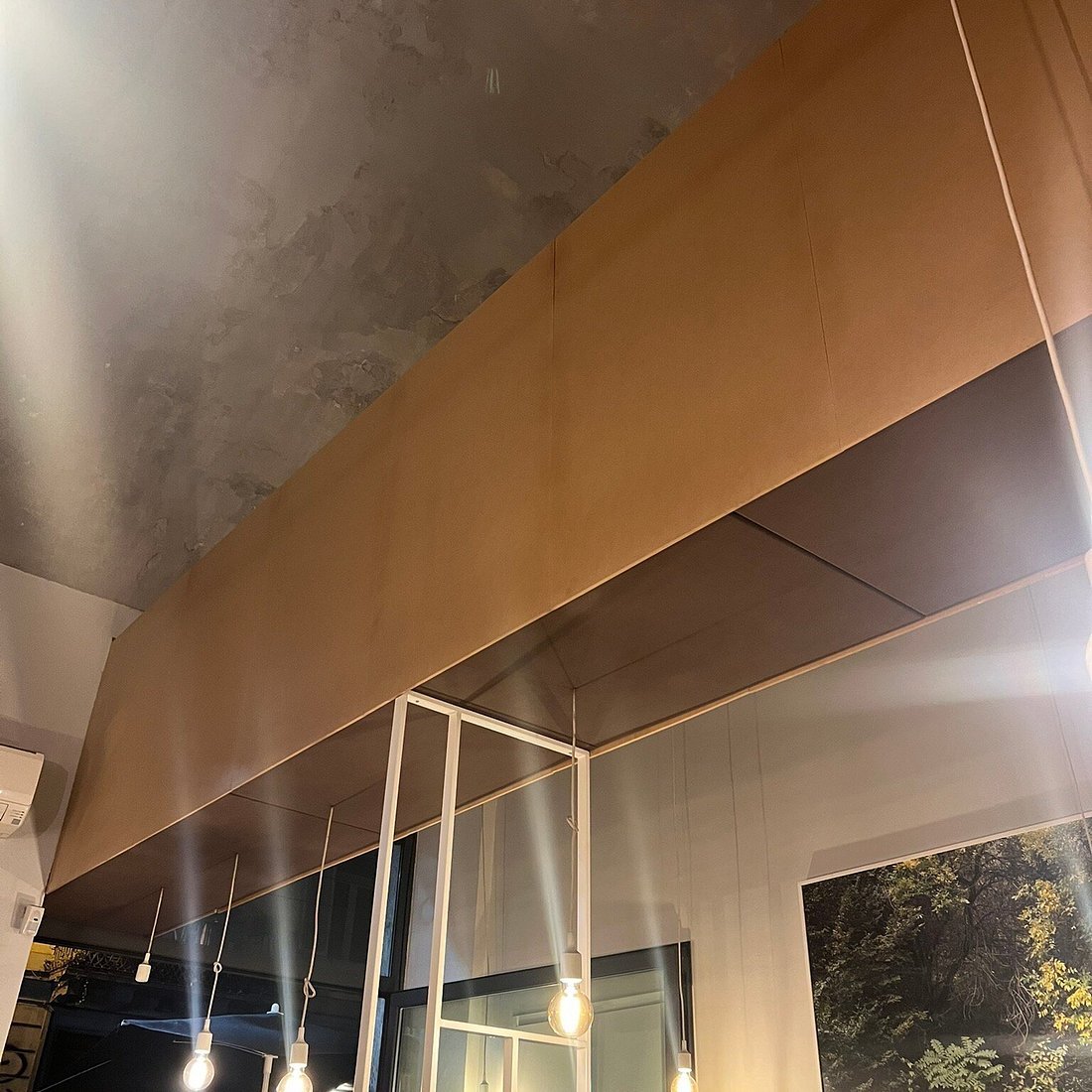
A Michelin Bib Gourmand holder for consecutive years, Contesto Alimentare on Via Accademia Albertina delivers serious Piedmontese cooking at mid-range prices. The tajarin made with 40 egg yolks and the meat-focused menu anchor it firmly in the regional tradition, while occasional Sicilian dishes extend the range. Small tables, a compact room, and a loyal local following make advance booking sensible.
- Michelin Bib Gourmand
At a glance
- Cuisine
- Modern Piedmontese Italian
- Price
- $$
- Per person
- $50
- Hours
- Mon: Closed; Tue: 12–2:15 PM, 7–10:15 PM; Wed: 12–2:15 PM, 7–10:15 PM; Thu: 12–2:15 PM, 7–10:15 PM; Fri: 12–2:15 PM, 7–10:15 PM; Sat: 12–2:15 PM, 7–10:15 PM; Sun: 12–2:15 PM, 7–10:15 PM
- Neighborhood
- Centro
- Rating
- 4.4 (736)
<h2>A Street Where Piedmont Takes Itself Seriously</h2><p>Via Accademia Albertina runs through one of Turin's more composed central quarters, flanked by the kind of civic architecture that reminds you this was once a royal capital. The street does not announce itself as a dining destination, which is part of why the restaurants along it tend to attract locals. Contesto Alimentare fits that pattern: a small room with tables set close together, no particular design statement, and a menu that frames Piedmontese cuisine as a subject worth treating with care. In a city where the tension between tradition and creative reinvention plays out across dozens of dining rooms, this is a room that has chosen a side.</p><h2>What Piedmontese Cooking Actually Means</h2><p>To understand what Contesto Alimentare is doing, it helps to understand what Piedmontese cuisine asks of a kitchen. The region's food culture is one of the most codified in Italy, built around a small number of techniques and ingredients that resist shortcut: hand-rolled pasta made rich with egg yolks, slow-braised meats, offal preparations that require both skill and confidence, and a pastry tradition anchored in butter and hazelnuts. The Langhe and Monferrato hills to the south supply the wines and the truffles; the Po plain supplies the cattle. What Turin has long done is absorb those ingredients and refine them into an urban dining register that sits somewhere between the farmhouse and the fine dining room.</p><p>The tajarin here, made from 40 egg yolks, is the clearest expression of that tradition. Tajarin is Piedmont's answer to tagliolini, but the egg-yolk count matters: a higher count produces a pasta with deeper colour, more richness, and a texture that holds sauce in a particular way. Served with veal ragù, it represents one of the most demanding and specific preparations in the regional canon. That this dish appears on a mid-range menu, executed to a standard that has drawn Michelin Bib Gourmand recognition in both 2024 and 2025, says something about how seriously the kitchen takes its brief.</p><h2>Meat, Structure, and the Sicilian Footnote</h2><p>The menu at Contesto Alimentare is weighted toward meat, which aligns it with Piedmontese convention. Rabbit and pork belly are among the dishes that have drawn consistent attention, both preparations that reward patience over heat. Piedmont's cooking is not flash cookery; it is slow cookery, and a kitchen that understands that rhythm will always produce more coherent plates than one applying technique borrowed from elsewhere.</p><p>What is less expected is the inclusion of dishes from Sicily. Italy's regional cuisines are not a single unified tradition but a collection of distinct local practices, and menus that genuinely move between them are rarer than they might appear. Including Sicilian dishes on a menu anchored in Piedmont is an editorial decision, not a concession to variety for its own sake. It extends the range without diluting the kitchen's identity, and it positions Contesto Alimentare slightly apart from the strictly regionalist posture of places like <a href="https://www.enprimeurclub.com/restaurants/almondo-trattoria-turin-restaurant">Almondo Trattoria</a>.</p><p>Desserts close the meal with Piedmontese specificity: panna cotta in its proper form, and bacio di dama, the hazelnut and chocolate sandwich biscuit that originates in Casale Monferrato and has become one of the region's most recognisable confections. These are not afterthoughts but affirmations of regional identity, finishing a meal that has been consistent in its loyalties throughout.</p><h2>Where This Sits in Turin's Dining Tiers</h2><p>Turin has developed a layered restaurant culture over the past two decades, with a cluster of Michelin-starred rooms at the leading end operating in the €€€€ range. <a href="https://www.enprimeurclub.com/restaurants/del-cambio-turin-restaurant">Del Cambio</a> and <a href="https://www.enprimeurclub.com/restaurants/condividere-turin-restaurant">Condividere</a> both hold one Michelin star and occupy that higher price bracket, as does <a href="https://www.enprimeurclub.com/restaurants/cannavacciuolo-bistrot-turin-restaurant">Cannavacciuolo Bistrot</a>. <a href="https://www.enprimeurclub.com/restaurants/vintage-1997-turin-restaurant">Vintage 1997</a> represents another point of reference in the city's more formal register.</p><p>Contesto Alimentare operates at €€, which puts it in a different competitive set entirely. The Bib Gourmand designation is specifically calibrated for this tier: Michelin awards it to restaurants that deliver quality above what the price point would typically suggest. Holding that designation in consecutive years is not a minor detail; it indicates a kitchen maintaining standards under the scrutiny of repeat assessment. For a diner willing to trade white tablecloths and amuse-bouches for sharper regional cooking at a lower price, this is the more honest comparison than any starred room in the city.</p><p>The room itself reflects that positioning: small tables, limited space, an atmosphere produced by proximity rather than design. This is the format that defines a particular category of Italian trattoria, distinct from the casual tourist-facing model and from the self-consciously curated neighbourhood restaurant that has proliferated elsewhere in Europe. At its finest, the format functions as a social leveller, where the quality of what arrives on the plate carries all the status it needs.</p><h2>Chef Orli Del Angel and the Kitchen's Identity</h2><p>Chef Orli Del Angel leads the kitchen. The menu's coherence and the sustained Bib Gourmand recognition provide the meaningful signals. In Turin's dining culture, where culinary identity tends to be defined by relationship to the regional canon rather than by individual creative signature, what a kitchen produces over time is a more reliable indicator than biography.</p><h2>Planning a Visit</h2><p>Contesto Alimentare is located at Via Accademia Albertina 21E, in central Turin, within walking distance of Piazza Vittorio Veneto and the Po riverfront. The address places it in a part of the city that rewards exploration on foot, with the Museo Nazionale del Risorgimento and the Accademia delle Belle Arti nearby. The price range makes it accessible without requiring the kind of advance financial commitment that the city's starred rooms demand, but the combination of a small room and consistent Michelin recognition means tables fill. Booking ahead is advisable, particularly for evening service on weekdays and across the full weekend.</p><h2>The Wider Italian Table</h2><p>For those placing Contesto Alimentare within a broader appreciation of Italian regional cooking, the country's dining scene spans everything from Bib Gourmand-level trattorie to some of Europe's most closely watched fine dining rooms. <a href="https://www.enprimeurclub.com/restaurants/osteria-francescana">Osteria Francescana in Modena</a>, <a href="https://www.enprimeurclub.com/restaurants/dal-pescatore-runate-restaurant">Dal Pescatore in Runate</a>, <a href="https://www.enprimeurclub.com/restaurants/enoteca-pinchiorri">Enoteca Pinchiorri in Florence</a>, <a href="https://www.enprimeurclub.com/restaurants/le-calandre-rubano-restaurant">Le Calandre in Rubano</a>, <a href="https://www.enprimeurclub.com/restaurants/enrico-bartolini-milan-restaurant">Enrico Bartolini in Milan</a>, and <a href="https://www.enprimeurclub.com/restaurants/atelier-moessmer-norbert-niederkofler-brunico-restaurant">Atelier Moessmer Norbert Niederkofler in Brunico</a> each represent a different register of what Italian cooking can do at its most serious. The Italian dining tradition also travels: <a href="https://www.enprimeurclub.com/restaurants/8-12-otto-e-mezzo-bombana-hong-kong-restaurant">8 1/2 Otto e Mezzo Bombana in Hong Kong</a> and <a href="https://www.enprimeurclub.com/restaurants/cenci-kyoto-restaurant">cenci in Kyoto</a> demonstrate how far the idiom carries when applied with rigour outside Italy.</p>
Know before you go
- Dress code
- smart_casual
- Reservations
- recommended
- Parking
- street
- Payment
- credit_card
Frequently asked
Is Contesto Alimentare expensive?
Pricing at Contesto Alimentare is listed as €€.
Is Contesto Alimentare Michelin-listed?
Contesto Alimentare has received recognition including: Situated on the central Via Accademia Albertina, this small, simple and unfussy restaurant with small tables set close together serves top-quality Piedmontese cuisine. Alongside its delicious regional specialities, the menu also features di….
What's the signature dish at Contesto Alimentare?
Tajarin pasta made from 40 egg yolks, served with veal ragù, is the preparation that defines the kitchen's identity. It is among the clearest expressions of Piedmontese pasta tradition on the menu and the dish most cited in the restaurant's Michelin Bib Gourmand recognition for both 2024 and 2025.
What's the address for Contesto Alimentare?
Contesto Alimentare is located at Via Accademia Albertina, 21 E, 10123 Torino TO, Italy, Turin.
Who is the chef or culinary lead at Contesto Alimentare?
The chef associated with Contesto Alimentare is Orli Del Angel.
Should I book Contesto Alimentare in advance?
Yes. The dining room is small, tables are arranged close together, and consecutive Bib Gourmand awards for 2024 and 2025 have put the restaurant on a short list of well-priced Michelin-recognised rooms in central Turin. Reserve ahead, particularly for weekend visits.
Address
Via Accademia Albertina, 21 E, 10123 Torino TO, Italy
Centro
How it compares
- Awards
- Michelin Bib Gourmand
- Cuisine
- Modern Piedmontese Italian
- Notes
- Centro, $$
- Awards
- Michelin Bib Gourmand
- Cuisine
- Traditional Piedmontese
- Notes
- San Salvario, $$
- Awards
- Michelin Plate
- Cuisine
- Modern Piedmontese
- Notes
- San Donato, $$
- Awards
- Michelin Plate
- Cuisine
- Traditional Piedmontese
- Notes
- Quadrilatero Romano, $$
- Awards
- Michelin Plate
- Cuisine
- Piedmontese Regional Italian Trattoria
- Notes
- Vanchiglia, $$
- Awards
- Michelin Bib Gourmand
- Cuisine
- Modern Piedmontese & Seafood
- Notes
- Porta Nuova, $$
In residence
Similar places
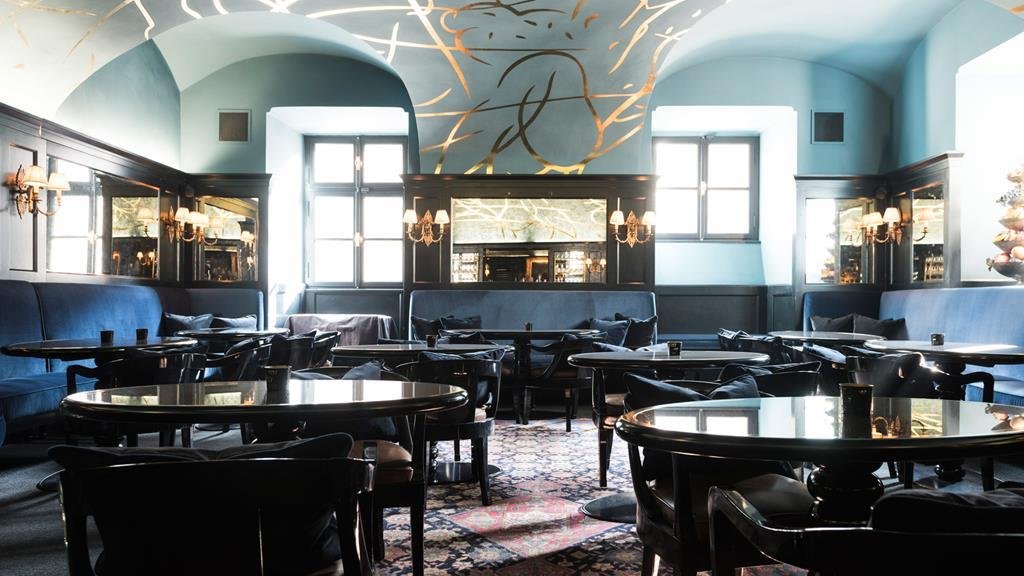
Modern Piedmontese Fine Dining
Del Cambio
Turin, Italy
★
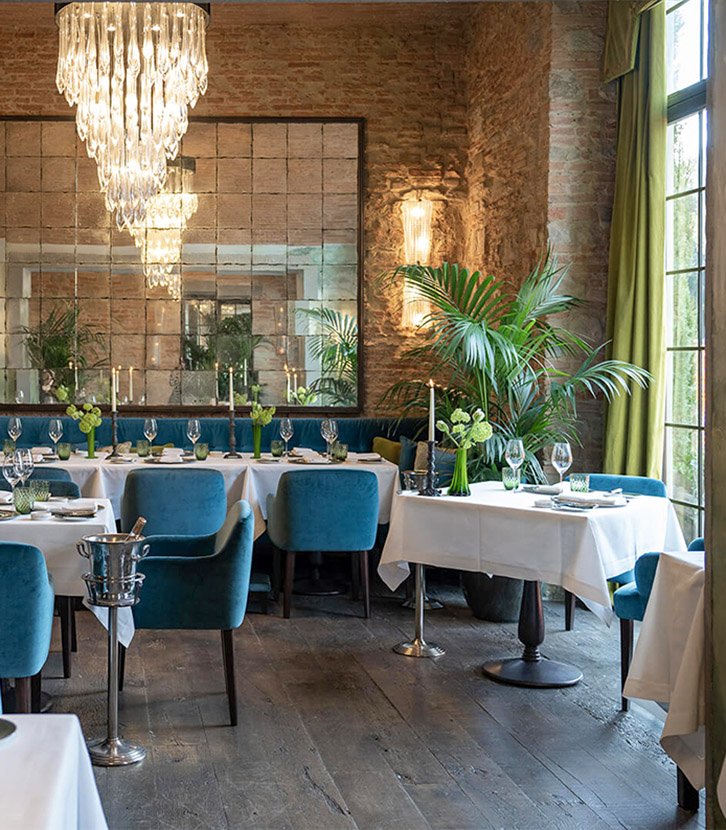
Modern Italian Tasting Menu
Unforgettable
Turin, Italy
★
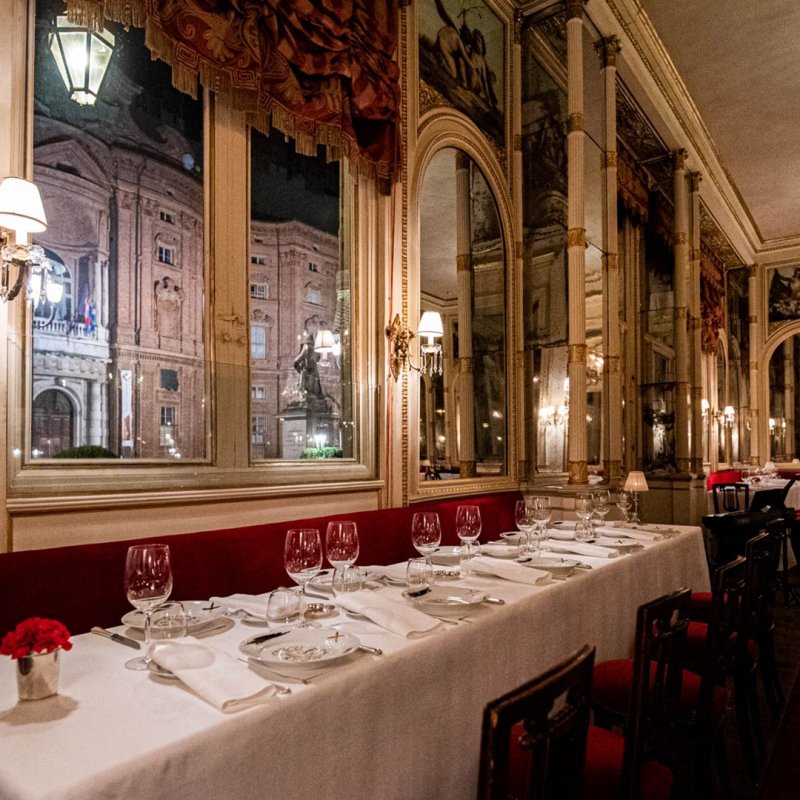
Modern Piedmontese Fine Dining
Carignano
Turin, Italy
★
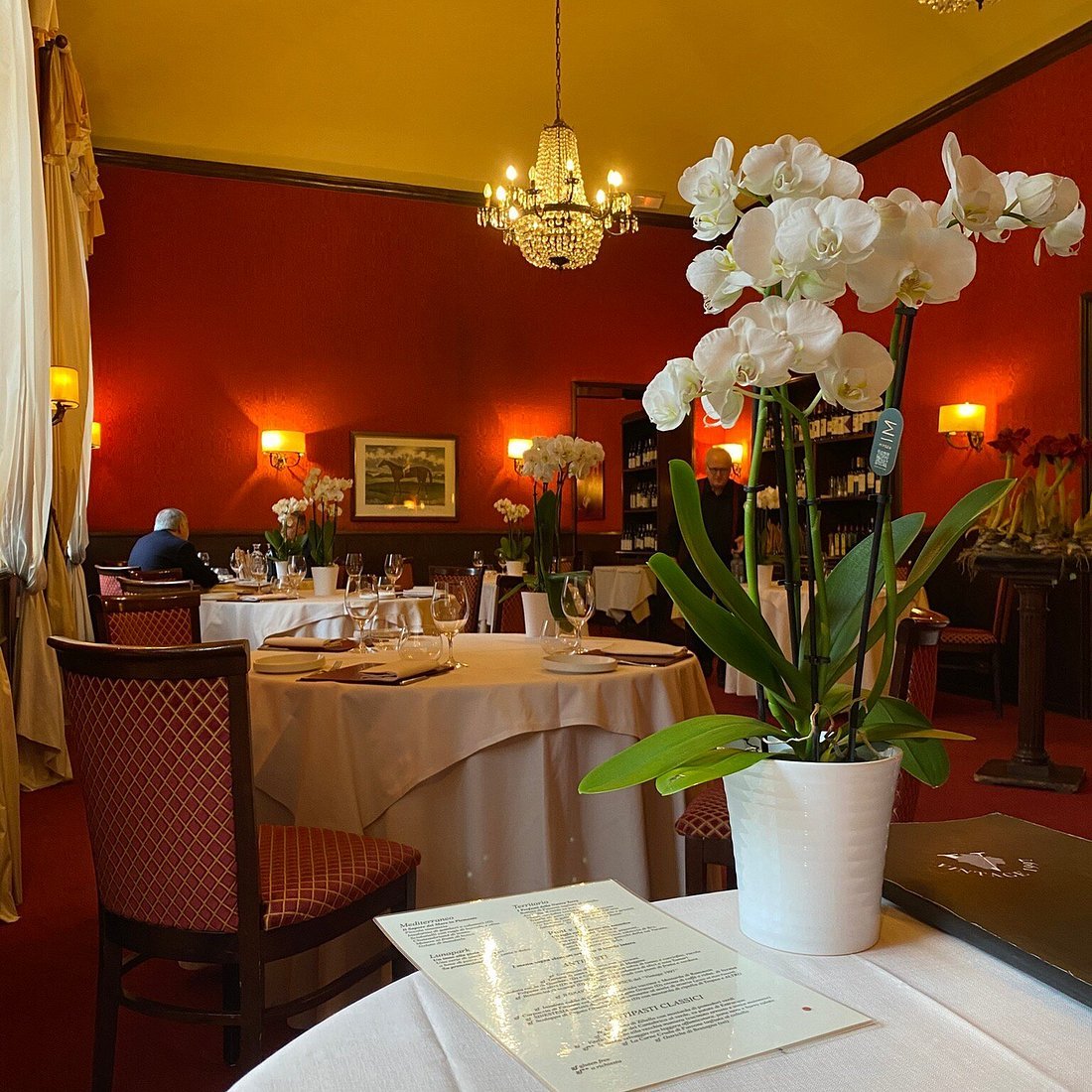
Traditional Piedmontese Fine Dining
Vintage 1997
Turin, Italy
★
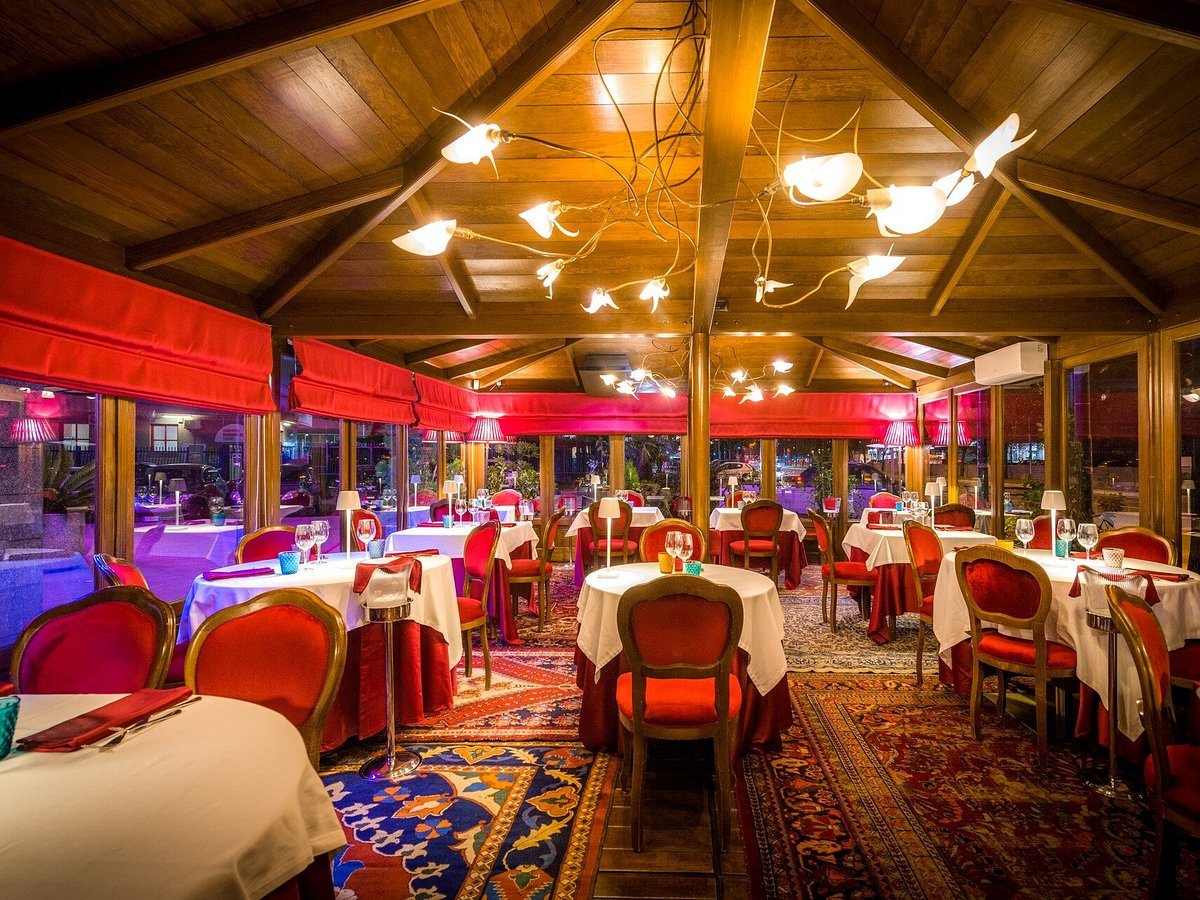
Modern Italian Fine Dining with Piedmontese Influences
Piano35
Turin, Italy
★
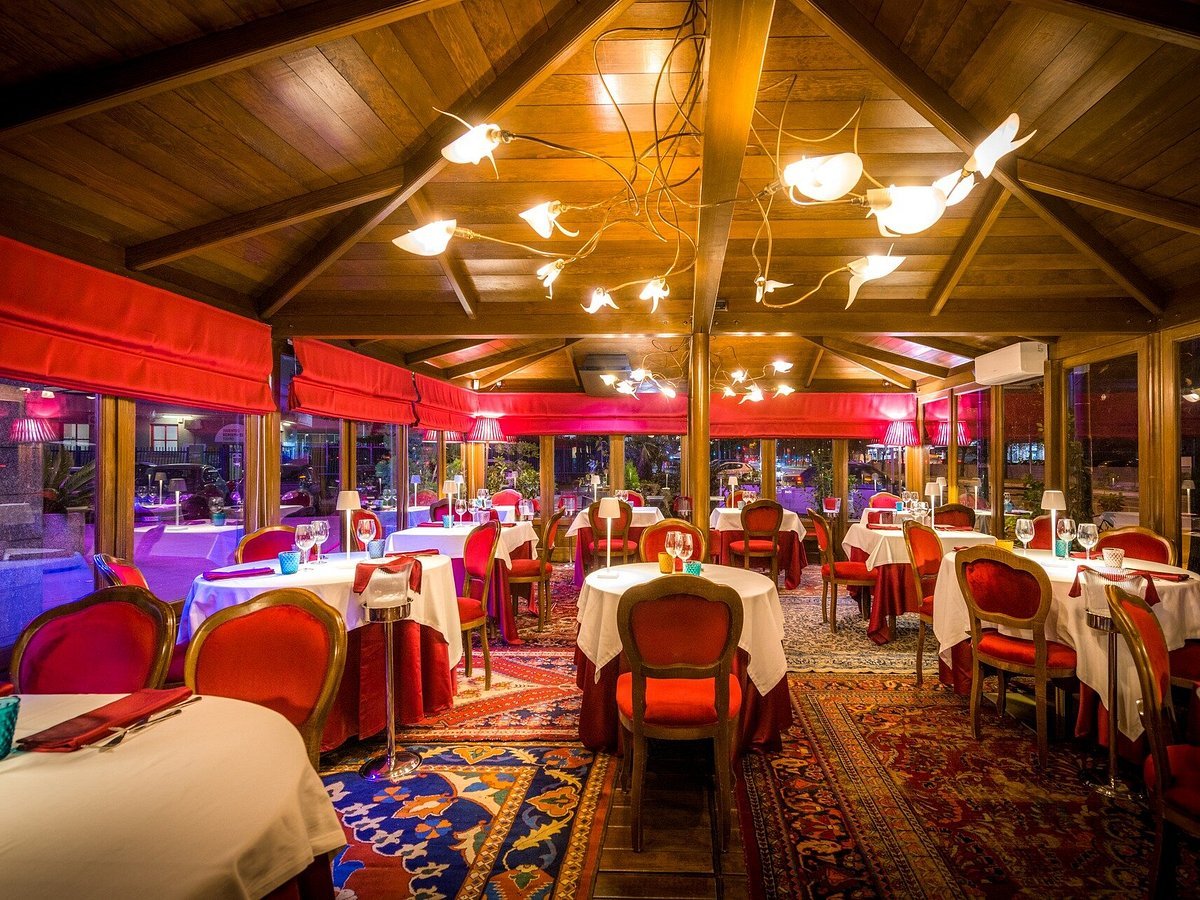
Modern Piedmontese Fine Dining
Andrea Larossa
Turin, Italy
★