De Vry Distillery sits on Plaas Oppermanshoogde outside Oranjeville, a producer operating well outside South Africa's established Cape wine corridors. Awarded Pearl 2 Star Prestige in 2025, it represents the quieter, inland tier of South African craft distilling, where the Free State's heat and distance from tourism infrastructure shape both what is made and how visitors experience it.
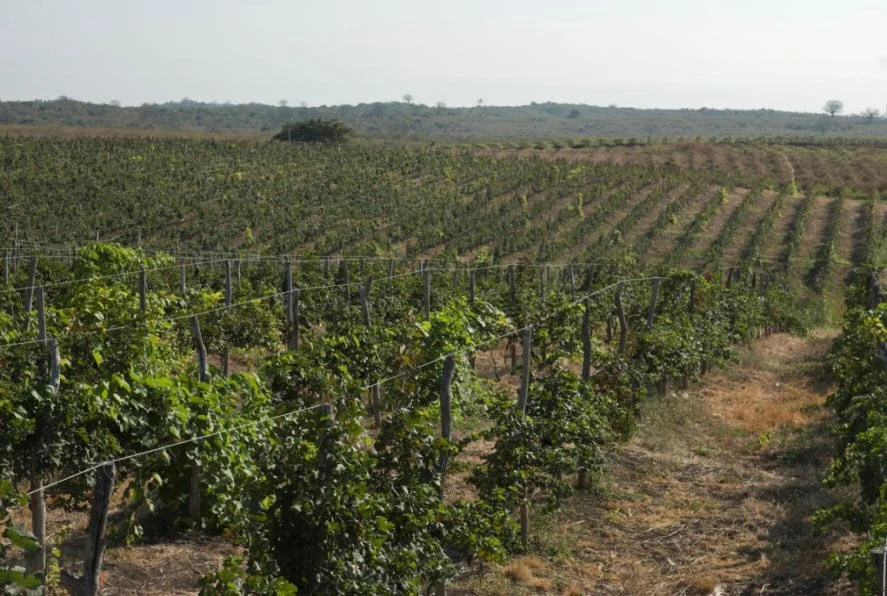
South Africa's distilling and winemaking reputation is almost entirely coastal in the public imagination: Stellenbosch, Franschhoek, Swartland, Robertson. The Free State interior is a different proposition. Oranjeville sits along the Vaal River in a part of the country where agriculture is shaped by flat terrain, intense summer heat, and an absence of the wine-tourism infrastructure that cushions producers further south. De Vry Distillery, on Plaas Oppermanshoogde outside town, operates in that context: a producer whose identity is defined less by proximity to established routes and more by what the land and climate here actually allow. For comparison, consider how Sadie Family Wines in Swartland built its reputation by insisting on terroir that mainstream Cape wine had historically dismissed. The logic in Oranjeville is not dissimilar, even if the distance from critical attention is greater.
Terroir in the Free State interior does not express itself in the way it does at, say, Creation Wines in Hermanus, where cool maritime air and elevation moderate growing conditions into something reliably elegant. The Vaal River basin is hot, continental, and unforgiving in its diurnal patterns. That heat profile shapes the character of what can be distilled here: producers in this kind of climate tend toward spirit styles where extraction and concentration work in their favour rather than against them. The result is typically fuller-bodied, less delicate than what emerges from Walker Bay or Elgin. Whether that suits a given visitor depends on what they are looking for, but it is worth being clear that the sensory register here is set by geography as much as craft decision-making. The same dynamic applies further north at Bezalel Wine and Brandy Estate in Upington, which also operates in the arid interior and has built a recognisable identity around that limitation rather than despite it.
South African craft distilling has matured considerably over the past decade, with producers increasingly differentiated by scale, method, and geographic origin. De Vry Distillery earned a Pearl 2 Star Prestige rating in 2025, a credential that positions it within the quality tier of South African producers receiving independent critical recognition. That places it above entry-level farm distilleries but within a broad mid-to-upper field that includes more established names. For reference, Oude Molen Distillery in Grabouw and Boplaas Winery and Distillery in Calitzdorp are among the producers that have built longer track records in pot-still brandy and craft spirit categories. De Vry is newer to that conversation at this recognition level, and a 2025 award without accompanying historical vintage data means it is a producer to watch rather than one with a deep back catalogue to excavate.
A 2 Star Prestige outcome is a meaningful signal of quality at a point in time.
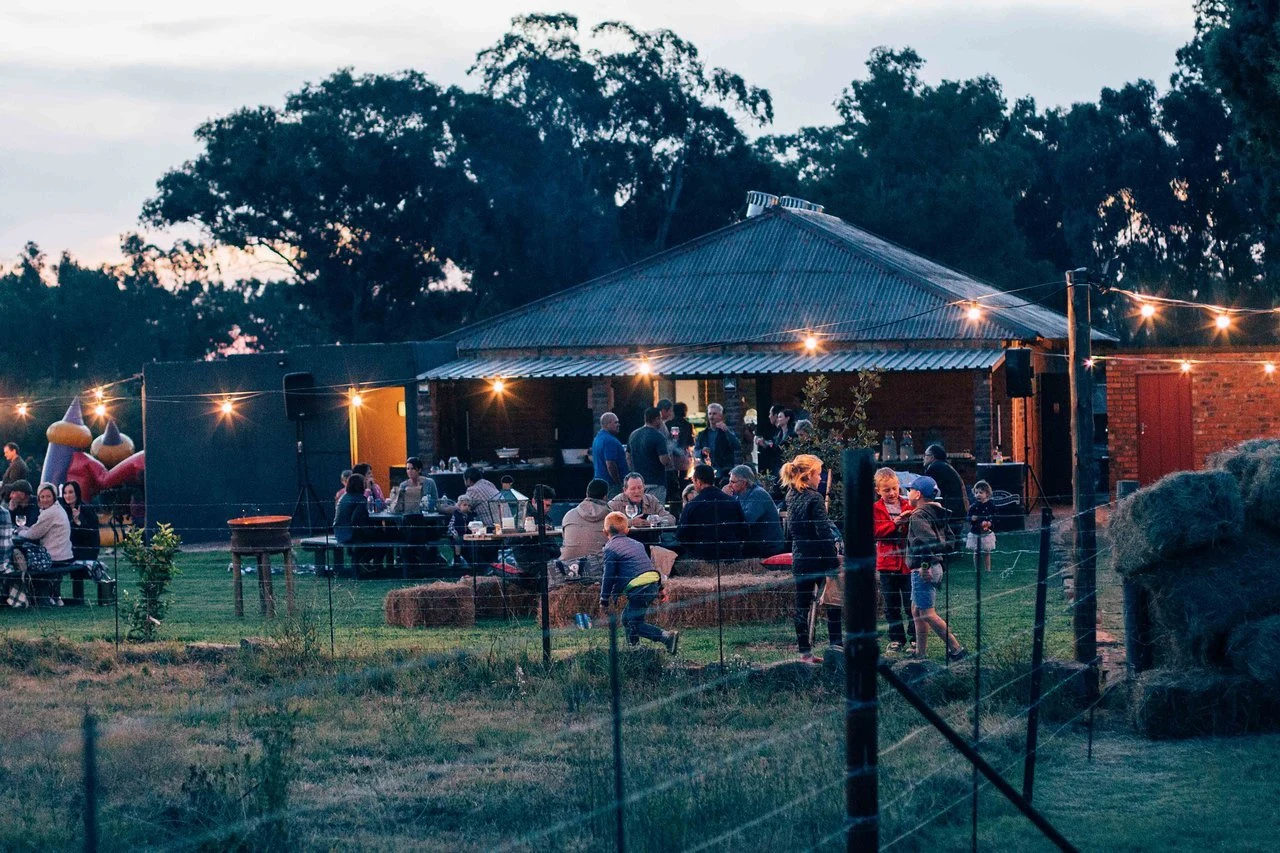
Visiting a distillery on a working farm outside a small Free State town is a materially different experience from visiting Babylonstoren in Franschhoek or Val de Vie Estate in Paarl, where hospitality infrastructure, restaurants, and curated garden experiences are part of the offering by design. Plaas Oppermanshoogde is a farm address. The approach to it signals that the experience here is oriented around production rather than presentation. That is not a criticism; it is a meaningful distinction. Visitors who drive out from Oranjeville to reach De Vry are self-selecting for something more direct. The setting along the Vaal basin, flat and open, does not offer the dramatic mountain backdrops of the Cape Winelands, but it offers something arguably more honest: an encounter with South African craft production in the landscape that actually produces it, without the mediation of hospitality theatre.
This positions De Vry within the same spirit-forward, farm-based distillery format that characterises much of the country's inland production tier.
Oranjeville is a small municipality in the Metsimaholo Local Municipality area of the Free State, which means visitor infrastructure in the town itself is limited. Travellers coming specifically for De Vry Distillery should treat this as a destination visit rather than a spontaneous detour. The address, Plaas Oppermanshoogde, Oranjeville, 1995, places the distillery on a farm property outside the town centre. Advance booking is essential. The distillery operates by appointment only. South Africa's broader craft distilling scene often operates on structured tasting-room schedules that are bookable in advance. De Vry's model may be more informal, but that makes advance communication more important, not less.
South Africa's premium wine and spirits map spreads from the Western Cape's established appellations outward into less-documented territory. The Winelands corridor, anchored by estates like Constantia Glen in Cape Town, Vergelegen Wine Estate in Somerset West, and Beaumont Family Wines in Bot River, benefits from decades of tourism infrastructure, appellation identity, and international press attention. De Vry sits well outside that framework, geographically and commercially. The 2025 Pearl 2 Star Prestige award confirms that independent evaluation finds merit here, but the producer is operating without the institutional support that Winelands addresses provide automatically.
For visitors building a broader South African spirits itinerary that intentionally reaches beyond the Cape, De Vry offers the kind of encounter that a circuit of Franschhoek and Stellenbosch estates cannot: a producer shaped entirely by its own local conditions, with no borrowed cachet from a famous appellation name. Comparable in this regard to what Bezalel in Upington represents for the Northern Cape, De Vry is part of a small group of inland producers making a case for quality on its own geographic terms.
De Vry operates on Plaas Oppermanshoogde, a working farm outside Oranjeville in the Free State interior. The setting is agricultural rather than curated-tourism: expect open land, functional farm infrastructure, and none of the boutique-hotel polish of Western Cape wine estates. That rawness is precisely what distinguishes a visit here from anything in Stellenbosch or Franschhoek.
De Vry Distillery has received recognition including: Pearl 2 Star Prestige (2025).
De Vry is a distillery, not a winery, so wine is not the focus here. The operation's credentials are in craft spirits, recognised by a Pearl 2 Star Prestige award in 2025. Specific spirit expressions are best confirmed directly with the distillery before visiting, as the range is not publicly catalogued.
De Vry Distillery is located at Plaas Oppermanshoogde, Oranjeville, 1995, Oranjeville.
The Pearl 2 Star Prestige (2025) places De Vry among a small tier of South African craft producers with independently verified quality at that level. Beyond the spirits themselves, the Free State farm location offers a perspective on South African distilling that sits entirely outside the coastal appellation circuit most visitors follow. Few producers in this region have attracted comparable formal recognition.
Oranjeville is a small municipality with limited visitor infrastructure, which makes advance contact with De Vry essential before planning a trip.
Plaas Oppermanshoogde, Oranjeville, 1995
De Vry Distillery
Ginologist Distillery
Flowstone Distillery (Craft Gin)
Whistler Rum Distillery
Monks Gin Distillery
Primal Spirits Distillery