Made ByWinery

Diamond Creek Vineyards has produced single-vineyard Cabernet Sauvignon from Diamond Mountain since 1972, making it one of Napa's earliest advocates for terroir-specific bottlings. Under winemaker Graham Wehmeier, the estate holds a Pearl 4 Star Prestige rating (2025) and occupies the upper tier of Calistoga's small-production Cabernet houses. Visits to the mountain property place the wines in direct physical context with the soils that define them.
At a glance
- Price
- $$$$
- Neighborhood
- Diamond Mountain
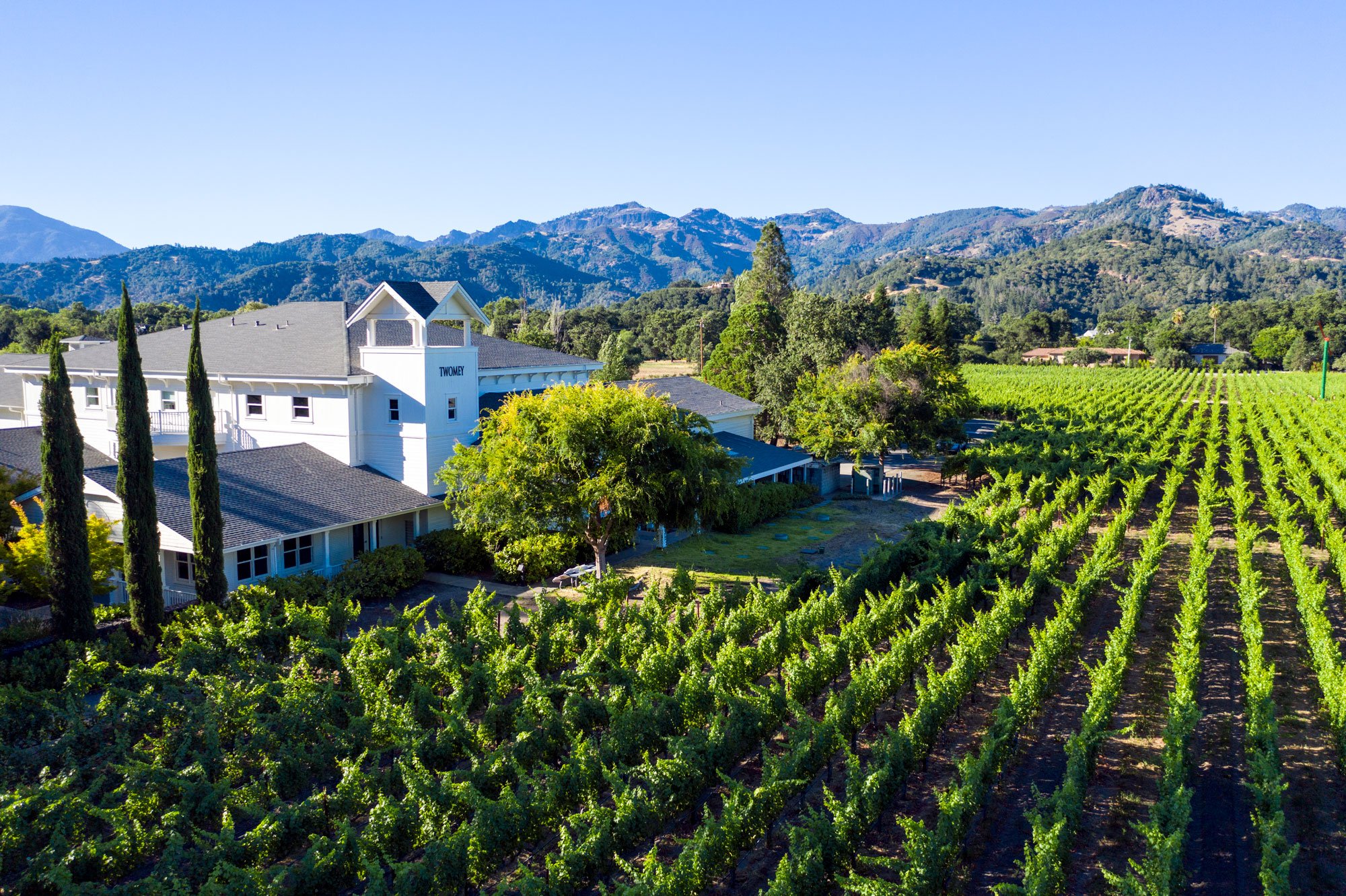
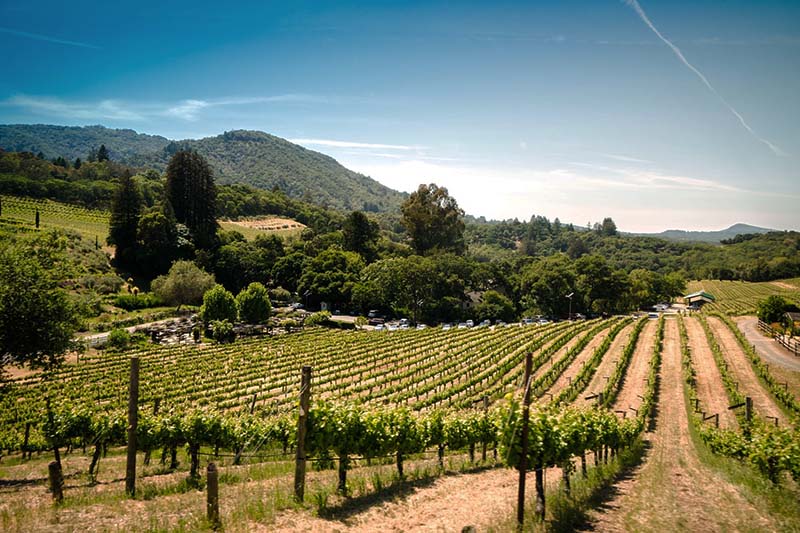
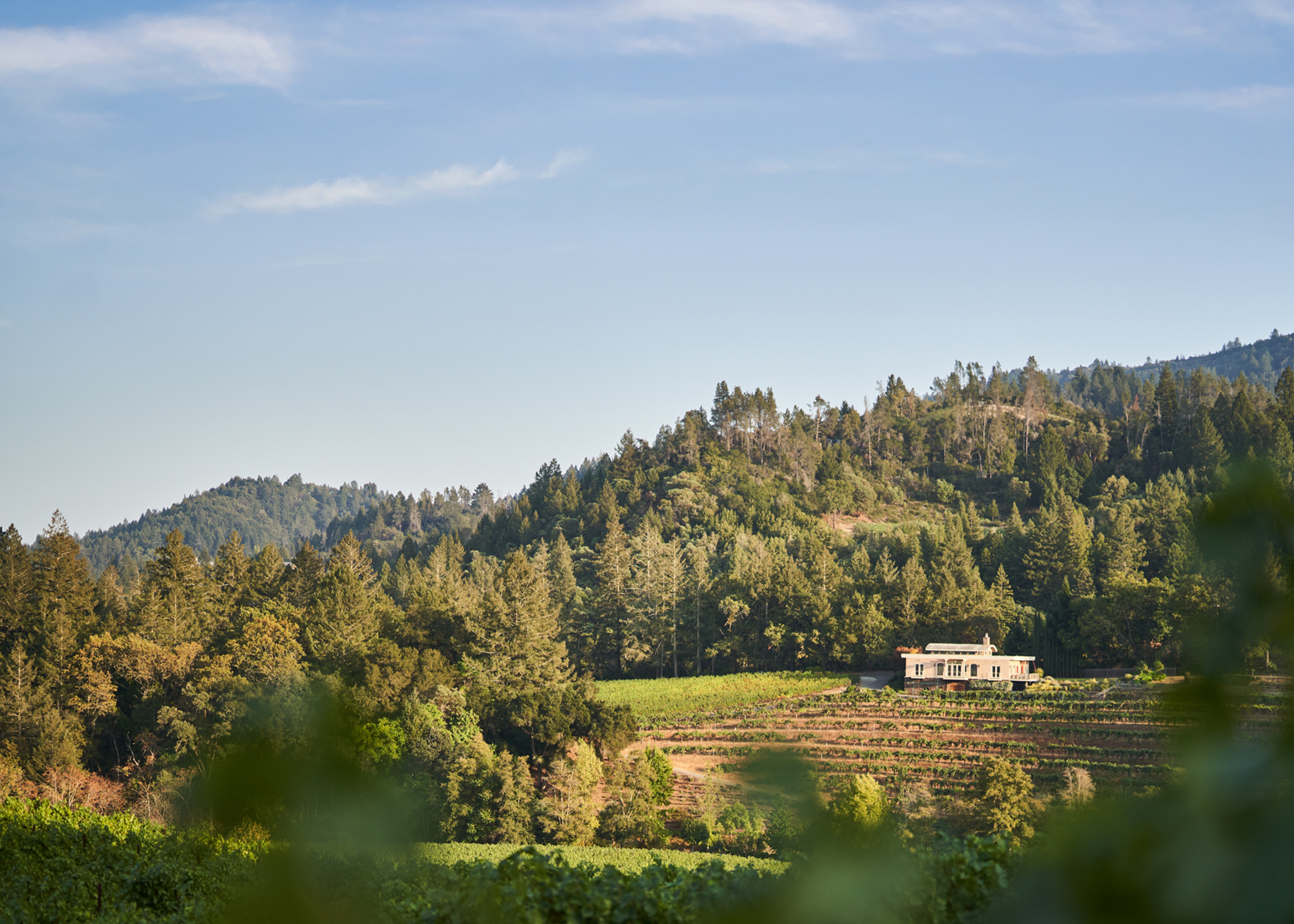
<h2>Diamond Mountain and the Case for Soil-Specific Cabernet</h2><p>Drive north past Calistoga's geothermal flats and the road climbs quickly toward volcanic ridge country. The terrain changes faster than the map suggests: the floor of the valley gives way to weathered tuff and fractured rhyolite, and the air thins slightly. Diamond Creek Vineyards sits on Diamond Mountain Road at the point where Napa's valley-floor Cabernet logic no longer applies. The soils here, volcanic ash and shallow clay, produce fruit with a different structural grammar than Rutherford benchland or Oakville loam, and the winery has been arguing that point through the label since its first commercially released vintages in 1972, the same era that put Calistoga-area Cabernet on the map.</p><p>That date matters. The early 1970s in Napa were defined by a small cohort of estates willing to bet on terroir specificity when the dominant commercial logic still favoured appellation-wide blending. Diamond Creek was among the first Napa producers to bottle separate vineyard designates from plots within the same estate, a practice that is now standard vocabulary in fine wine but was genuinely unusual at the time. Its longevity across more than five decades gives the 2025 Pearl 4 Star Prestige rating a foundation that most newer properties cannot claim.</p><h2>Three Soils, Three Wines: How Diamond Creek Built Its Argument</h2><p>The estate is divided into three named plots, Volcanic Hill, Gravelly Meadow, and Red Rock Terrace, each farmed as a distinct unit and bottled separately in qualifying vintages. This isn't branding; it's a geological proposition. Volcanic Hill sits on white volcanic ash and tends to produce the most angular, mineral-driven wine. Gravelly Meadow, with its alluvial gravel drainage, typically yields a rounder frame. Red Rock Terrace takes its name from the iron-rich clay that tints the soil a distinctive rust colour and gives its wine a firmer tannic structure. A fourth bottling, Lake, appears in small quantities in exceptional years, drawn from a block surrounding the estate's small reservoir.</p><p>The educational value of this structure is high for visitors who engage with it seriously. Few estates in California offer this kind of side-by-side comparison of adjacent plots producing materially different wines from the same grape variety, the same winemaker, and the same vintage. For those familiar with how Burgundy argues the case for individual climate and soil variation within a single commune, Diamond Creek functions as something close to a California parallel, not identical in cultural context or grape variety, but structurally analogous in its commitment to place over formula. <a href="https://www.enprimeurclub.com/wineries/aubert-wines">Aubert Wines</a> pursues a similar logic with Chardonnay and Pinot Noir in coastal Sonoma, while <a href="https://www.enprimeurclub.com/wineries/newton-vineyard">Newton Vineyard</a> on Spring Mountain takes a comparable elevation-focused approach. Diamond Creek remains, however, among the longest-running exponents of the idea in California.</p><h2>Graham Wehmeier and the Weight of Continuity</h2><p>Winemaker Phil Steinschriber inherited a program with deep institutional memory and a competitive set that has grown considerably more crowded since the 1970s. Mountain Cabernet from Napa now attracts significant investment and critical attention, with producers across Howell Mountain, Spring Mountain, and Diamond Mountain all competing for recognition in the upper allocation tier. In that context, Wehmeier's task is less about invention and more about calibration: holding the thread of what makes the estate's three plots legible while adapting viticulture and cellar practice to each new vintage's conditions. The Pearl 4 Star Prestige recognition in 2025 suggests the program is holding that calibration well.</p><p>Continuity is itself a form of quality signal in a wine region that has seen considerable winery turnover. Estates like <a href="https://www.enprimeurclub.com/wineries/larkmead-vineyards-calistoga-winery">Larkmead Vineyards</a> and <a href="https://www.enprimeurclub.com/wineries/frank-family-vineyards-calistoga-winery">Frank Family Vineyards</a> have their own long-running Calistoga histories, but Diamond Creek's specific claim, consistent single-plot Cabernet from volcanic mountain soils since 1972, sits in a narrow category. Peer properties in the premium Napa Cabernet tier often position themselves through winemaker reputation, allocation scarcity, or critic scores. Diamond Creek's primary credential is stratigraphic: it has been making the case for Diamond Mountain soil since before the appellation framework existed to name it.</p><h2>Placing Diamond Creek in the Calistoga Tier</h2><p>Calistoga's wine identity is partly thermal, partly geological. The town sits at the narrow northern end of the Napa Valley where daytime heat is intense, but the elevation gains available on the surrounding ridgelines allow producers to access significantly cooler conditions within a short drive of the valley floor. <a href="https://www.enprimeurclub.com/wineries/chateau-montelena-winery">Chateau Montelena</a>, whose 1973 Chardonnay won the 1976 Paris Tasting, operates from the valley's edge near the town centre with a different soil and microclimate profile than the mountain estates. The two wineries represent different arguments about what northern Napa can do, and both have the vintage depth to make those arguments with authority.</p><p>For visitors planning a focused day in the area, the Calistoga mountain estates reward a different kind of itinerary than the valley-floor circuit. Road access to Diamond Mountain requires patience and a reasonable vehicle; the payoff is the physical understanding of why the wines taste the way they do. Elsewhere in California, the terroir-specificity approach Diamond Creek pioneered shows up in different climatic registers: <a href="https://www.enprimeurclub.com/wineries/adelaida-vineyards">Adelaida Vineyards in Paso Robles</a>, <a href="https://www.enprimeurclub.com/wineries/alban-vineyards">Alban Vineyards in Arroyo Grande</a>, and <a href="https://www.enprimeurclub.com/wineries/andrew-murray-vineyards">Andrew Murray Vineyards in Los Olivos</a> each make comparable bets on specific soils and exposures, albeit with different varieties and traditions.</p><h2>The Wider Argument: Terroir-Specific Winemaking as Cultural Practice</h2><p>Diamond Creek's longevity sits within a broader cultural shift in how American wine came to be understood. The 1970s California wine movement was, among other things, a debate about whether New World wine could have a sense of place comparable to the Old World estates it was beginning to challenge critically. Establishing that a specific block of volcanic ash on a Calistoga hillside could produce wine distinguishable from a gravel meadow fifty metres away was not a trivial claim at the time. It required repeated demonstration over decades, and Diamond Creek's track record, with its first vintage now more than fifty years in the past, represents exactly that kind of cumulative evidence.</p><p>This cultural context is worth holding in mind when comparing Diamond Creek to newer entrants in the mountain Cabernet category. Properties like <a href="https://www.enprimeurclub.com/wineries/accendo-cellars">Accendo Cellars in St. Helena</a> and <a href="https://www.enprimeurclub.com/wineries/alpha-omega-winery-rutherford-winery">Alpha Omega in Rutherford</a> occupy different tier positions and price points, but Diamond Creek's case for distinct plot-level terroir predates the critical vocabulary that now makes such distinctions legible to wine buyers globally. The 2025 Pearl 4 Star Prestige rating confirms its current standing within that refined tier, but the more significant signal is simply chronological: fifty-plus vintages of consistent, plot-specific bottling from the same volcanic mountain site is a form of argument that accumulates rather than diminishes with time.</p><p>For those whose California wine interest extends beyond the valley floor and into regional comparison, <a href="https://www.enprimeurclub.com/wineries/adelsheim-vineyard-newberg-winery">Adelsheim Vineyard in Newberg</a> and <a href="https://www.enprimeurclub.com/wineries/alexander-valley-vineyards-geyserville-winery">Alexander Valley Vineyards in Geyserville</a> offer parallel studies in long-running estate commitment to place, though with different varieties and climate conditions. Internationally, the terroir-specificity tradition has its own long history; <a href="https://www.enprimeurclub.com/wineries/achaia-clauss-patras-winery">Achaia Clauss in Patras</a> and <a href="https://www.enprimeurclub.com/wineries/aberlour-aberlour-winery">Aberlour in Aberlour</a> represent analogous commitments to specific site and tradition in their respective categories.</p><h2>Planning Your Visit</h2><p>Diamond Creek Vineyards is located at 1500 Diamond Mountain Road, Calistoga, CA 94515. The property sits on a working mountain estate, and the experience of visiting reflects that: this is not a valley-floor tasting room designed for high-volume throughput. Appointments are advisable, given both the estate's production scale and the access logistics of the mountain road. Appointments are advisable, given both the estate's production scale and the access logistics of the mountain road. The estate's single-vineyard bottlings, particularly in well-reviewed vintages, are in demand.</p>
Know before you go
- Dress code
- smart_casual
- Reservations
- appointment_only
- Parking
- on_site_lot
Frequently asked
How would you describe the overall feel of Diamond Creek Vineyards?
Diamond Creek operates as a working mountain estate, not a polished hospitality venue. The focus is the land itself — three named plots on Diamond Mountain Road, Calistoga, each farmed and bottled separately. The 2025 Pearl 4 Star Prestige rating reflects that agricultural seriousness, not theatrical presentation.
Where is Diamond Creek Vineyards located?
Diamond Creek Vineyards is located at 1500 Diamond Mountain Rd, Calistoga, CA 94515, Calistoga.
What accolades does Diamond Creek Vineyards have?
Diamond Creek Vineyards has received recognition including: Pearl 4 Star Prestige (2025).
What wines should I try at Diamond Creek Vineyards?
The three estate Cabernet Sauvignon designates — Volcanic Hill, Gravelly Meadow, and Red Rock Terrace — are the central argument of the property. Tasting them side by side is the point: each plot produces a structurally different wine from the same vintage, making the soil distinctions legible in the glass under winemaker Graham Wehmeier.
What makes Diamond Creek Vineyards worth visiting?
The 2025 Pearl 4 Star Prestige rating places Diamond Creek in Calistoga's upper tier, but the durable case rests on a first vintage dating to 1972 and a commitment to plot-specific bottling that predates most of Napa's current single-vineyard conversation. Few estates on Diamond Mountain can point to that depth of continuous soil documentation.
Address
1500 Diamond Mountain Rd, Calistoga, CA 94515
Diamond Mountain · Napa Valley
How it compares
- Notes
- Diamond Mountain, Cabernet Sauvignon, Merlot
- Price
- $$$$
- Notes
- Calistoga, Cabernet Sauvignon, Cabernet Franc
- Price
- $$$$
- Notes
- St. Helena, Pinot Noir, Cabernet Sauvignon
- Price
- $$$
- Notes
- Diamond Mountain, Calistoga, Chardonnay, Pinot Noir
- Price
- $$$
Constant Diamond Mountain Vineyard
- Notes
- Diamond Mountain District, Cabernet Sauvignon, Cabernet Franc
- Price
- $$$$
- Notes
- Calistoga, Cabernet Sauvignon
- Price
- $$$$