Sangiovese shaped before the cellar
- Falstaff Winery - Listed · 2026
Sangiovese before the cellar
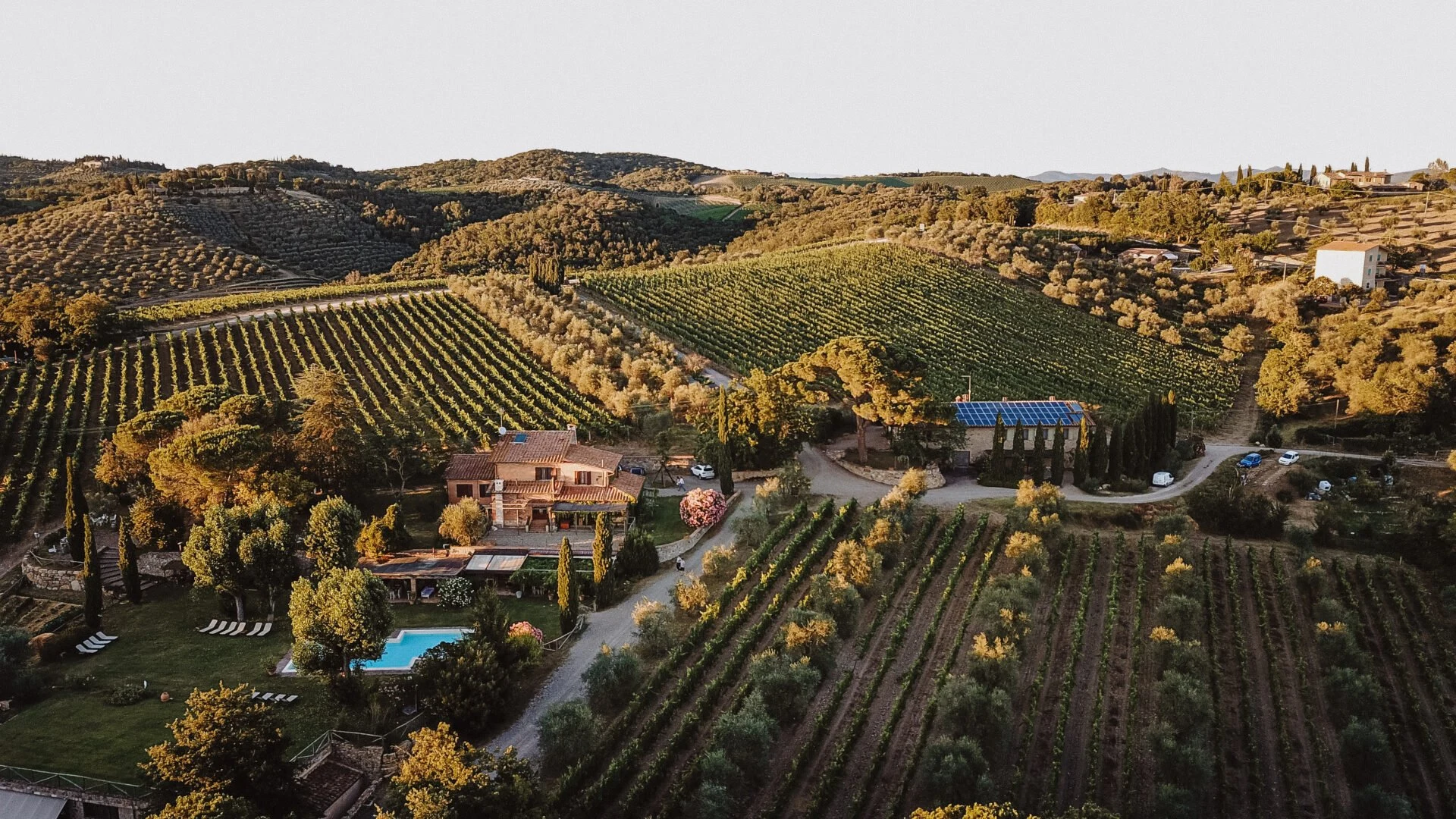
Sangiovese sets the first decision at Dievole, in Vagliagli, well before fruit reaches the cellar. The estate works from site rather than recipe: 341 hectares of vineyard, olive groves, gardens and old buildings folded into the hills of Chianti Classico near Siena, farmed as a sustainable estate programme built around native varieties and the discipline of one grape.
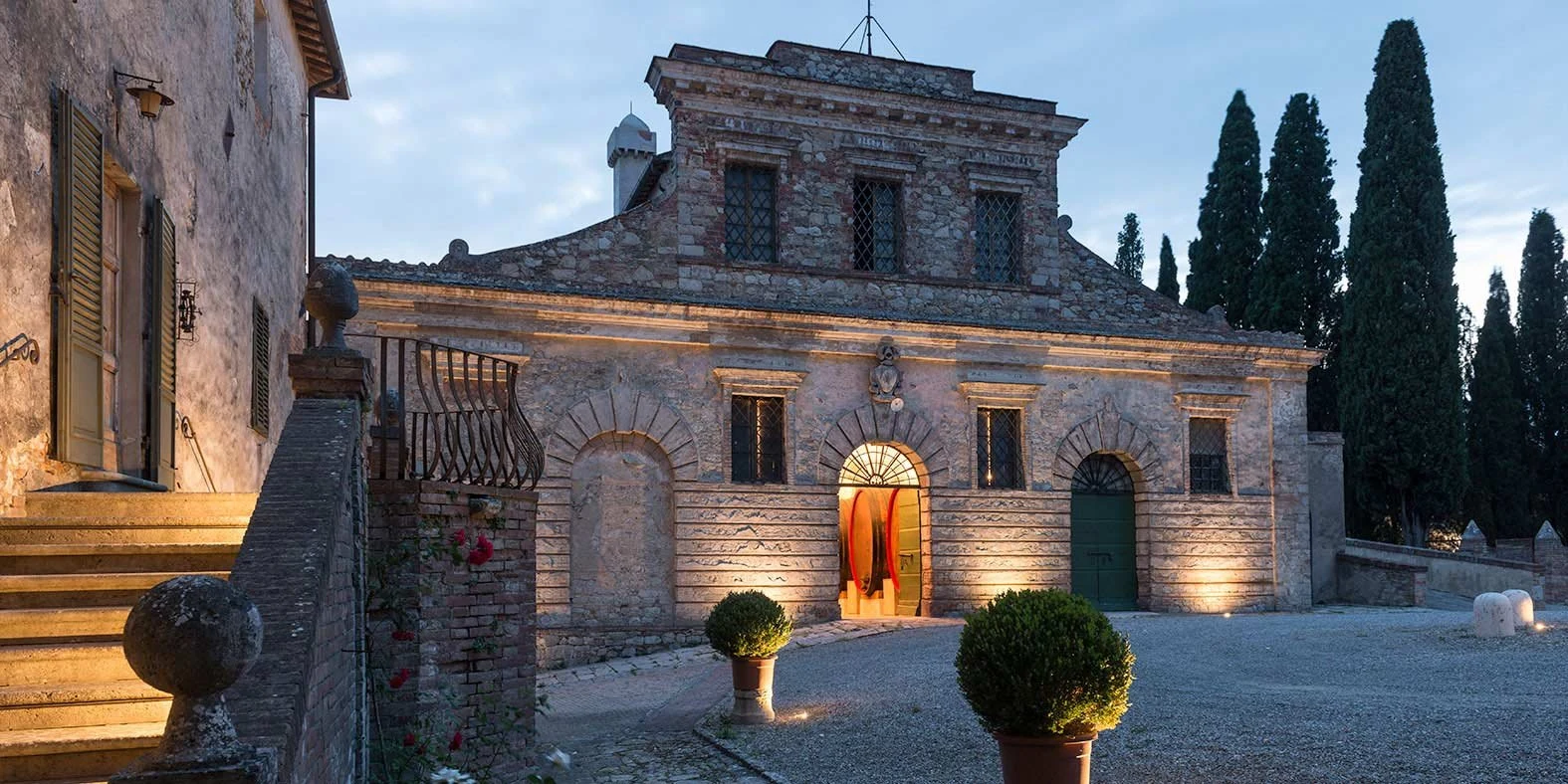
The recorded origins reach back to 1090, and the name is a contraction of Dio Vuole, God willing, which appears in medieval documents rather than in a marketing line. The present work is not preservation alone. Alejandro Pedro Bulgheroni acquired the estate in 2012, and Dievole now sits inside Alejandro Bulgheroni Family Vineyards Italy alongside holdings in Bolgheri and Montalcino, with a scale large enough for export and a method still built on reading the vineyard. Organic certification came out of that shift, moving the farming from conventional practice to something the estate has to prove every season.
The Sunday letter
Find new places through the people who run them.
Our Sunday email brings you the chefs, winemakers and hoteliers behind our newest stories. See a sample before you subscribe.
See a sample of the Sunday emailOne email a week. Unsubscribe from any issue.
Concrete, galestro, albarese
The estate’s Chianti Classico program works from Sangiovese, supported in the flagship cuvée by Canaiolo Nero and Colorino. The given blend is 95% Sangiovese, 3–5% Canaiolo Nero, and 2% Colorino, a composition that keeps the center of gravity on the grape most closely tied to this part of Tuscany. Dievole farms across parcels of galestro and albarese, the friable schistous clay and limestone-rich sandstone that give the wines their line and structure. Elevation is part of the method too, with vineyard sites described between 300 and 450 meters, a range that moderates ripening and holds acidity. In the cellar, the flagship Chianti Classico ferments in concrete and Slavonian oak with native yeasts. Fermentation temperatures are held between 26–28°C. For Novecento Riserva, the house uses cement egg-shaped vessels, then moves the wine into neutral French oak foudres. The standard Chianti Classico DOCG 2015 is described with 13 months in French oak casks and at least 3 months in bottle; Novecento Riserva 2020 is aged for 17–24 months in neutral French oak foudres. The numbers matter because they show where force is withheld.
The cellar below the resort
The cellar at Dievole works inside a larger Tuscan house: vineyards outside, olive groves beyond them, cypress-lined approaches, stone walls, pools, a restaurant, and tasting rooms held within the estate buildings. The atmosphere is quiet rather than theatrical. Guests encounter the wine through seated tastings, vineyard walks, estate tours, food pairings, and cellar visits, but the more durable texture is bench-side and agricultural: fruit moving from Sangiovese parcels, concrete receiving must, large oak slowing the wine without marking it too heavily. The resort polish does not erase the working estate. It frames it. In the tasting room, Chianti Classico DOCG and Riserva Novecento give the clearest view of that discipline, especially when the glass leads back to galestro, albarese and the slopes of Dievole.
Questions
Frequently asked
What is Dievole known for?
Dievole is a Chianti Classico winery and farm in Vagliagli, near Siena, with 341 hectares of vineyard, olive groves, gardens and old buildings. Its work is centred on Sangiovese, and the estate has recorded origins going back to 1090.
What grapes are used in the main Chianti Classico?
The flagship Chianti Classico is built around Sangiovese, with support from Canaiolo Nero and Colorino. The given blend is 95% Sangiovese, 3–5% Canaiolo Nero and 2% Colorino.
How is the wine made at Dievole?
The estate ferments its flagship Chianti Classico in concrete and Slavonian oak with native yeasts, at temperatures held between 26 and 28°C. Novecento Riserva is made with cement egg-shaped vessels before moving into neutral French oak foudres.
Is Dievole an organic estate?
Yes. Organic certification came after Alejandro Pedro Bulgheroni acquired the estate in 2012, and the farming now sits within a sustainable estate programme.
Can visitors book a tasting or tour?
Yes. Guests can visit through seated tastings, vineyard walks, estate tours, food pairings and cellar visits, and reservations are recommended.
The field
How it compares
| Place | Notes |
|---|---|
| Dievole | Vagliagli, $$$$ |
| Fattoria di Corsignano | Castelnuovo Berardenga |
| Fèlsina | Castelnuovo Berardenga |
| Pagliarese | Castelnuovo Berardenga |
| San Felice Toscana A.D. 714 | Castelnuovo Berardenga |
| Tenuta Moraia | Castelnuovo Berardenga |
| Villa la Pagliaia | Castelnuovo Berardenga |
In residence
Similar places
The Sunday letter
Get the next Made By story in your inbox.
We send one email every Sunday morning with the places and people we covered that week.
See a sample of the Sunday emailOne email a week. Unsubscribe from any issue.