Made ByWinery
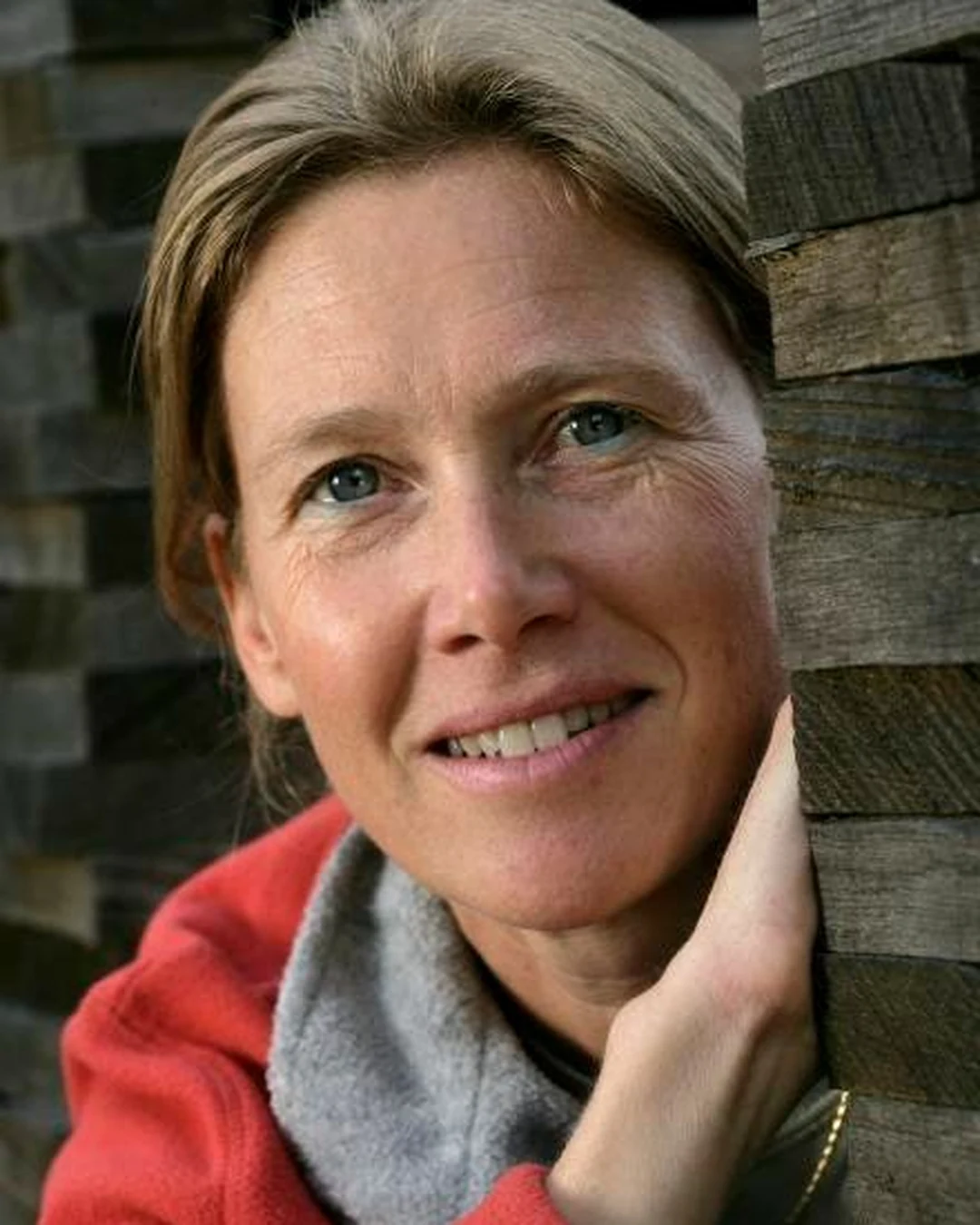

Véronique Drouhin-Boss, winemaker at Domain Drouhin Oregon in Dundee Hills, guides Pinot Noir and Chardonnay through gravity-flow work.
At a glance
- Price
- $$$
- Neighborhood
- Dundee Hills
Gravity before the pump
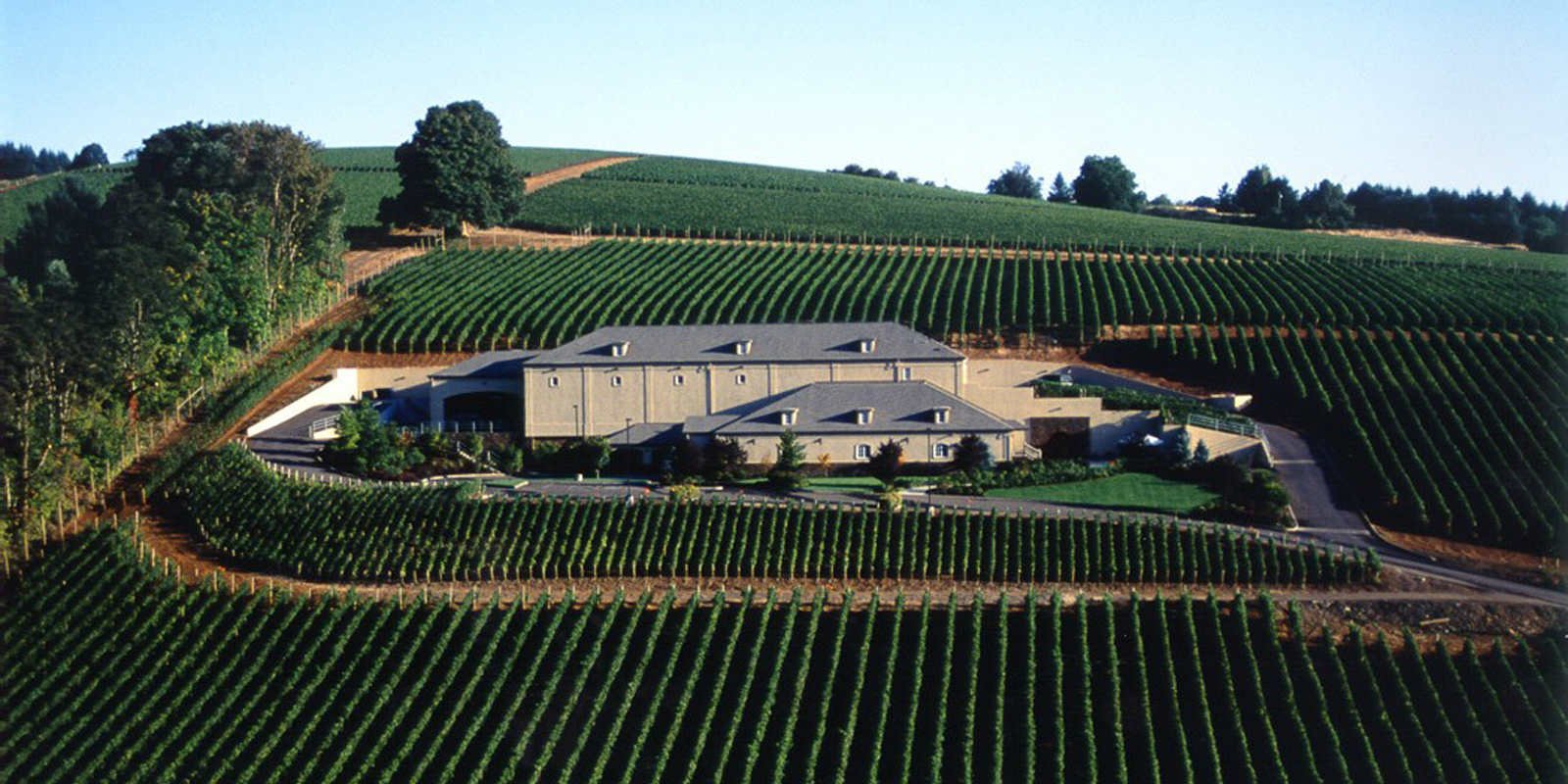
The fruit moves downward before it moves anywhere else. In Dayton, Véronique Drouhin-Boss, winemaker at Domain Drouhin Oregon, works inside a four-level gravity-flow winery set above the estate vineyard near Dayton, carrying a Burgundy-trained discipline into Oregon fruit without asking it to become Burgundy. She studied Enology and Viticulture at the University of Dijon and graduated in 1985, then became winemaker here in 1988, one year after Robert Drouhin and his daughter established the American estate. The family line reaches back to Joseph Drouhin, who founded Maison Joseph Drouhin in Beaune in 1880, and the Oregon work still keeps one hand on that house method. Site selection mattered from the beginning: topography, climate, soil, and aging potential. Véronique has described her father’s decision plainly: “My father liked the topography and identical climate in Oregon. He considered California, but felt overall that it was too fertile and the soil too rich to produce wines with aging potential.” That sentence is still the brief. The cellar does not chase weight for its own sake; it holds Pinot Noir and Chardonnay to restraint, structure, and the natural elegance the Drouhin family looked for in the Dundee Hills.
Two varieties on red volcanic ground
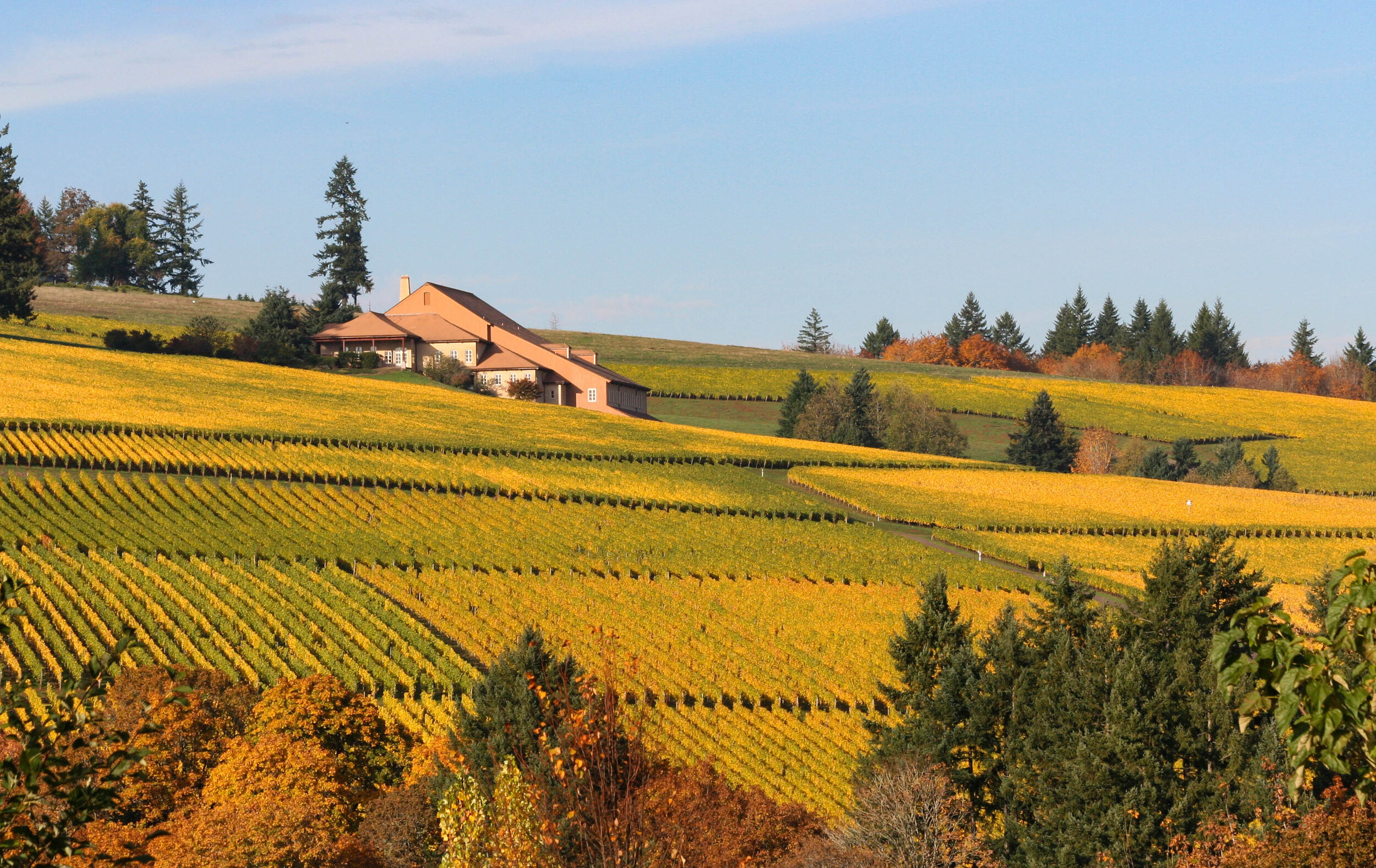
The program narrows the field rather than widening it. Domain Drouhin Oregon works with Pinot Noir and Chardonnay from its 235-acre estate in the Dundee Hills AVA, where red volcanic soils and marine sedimentary layers give the vines the cool-climate tension the family came west to find. The production philosophy is sustainable and estate-focused, with the vineyard treated as the first cellar decision. Inside the winery, the four-level gravity-flow design lets fruit, must, and wine move through the building with less mechanical force. That architectural choice is not decorative; it sets the pace of the work. Pinot Noir remains the house’s central translation problem, a variety that can lose its line if extraction becomes the point. The American wines made by Véronique are known for an understated Drouhin signature, one that favors lifted fruit, balance, and aging potential over obvious power. Chardonnay sits beside it with the same premise: Oregon conditions, Burgundian training, and a cellar method built to preserve rather than impose.
The terrace above the rows
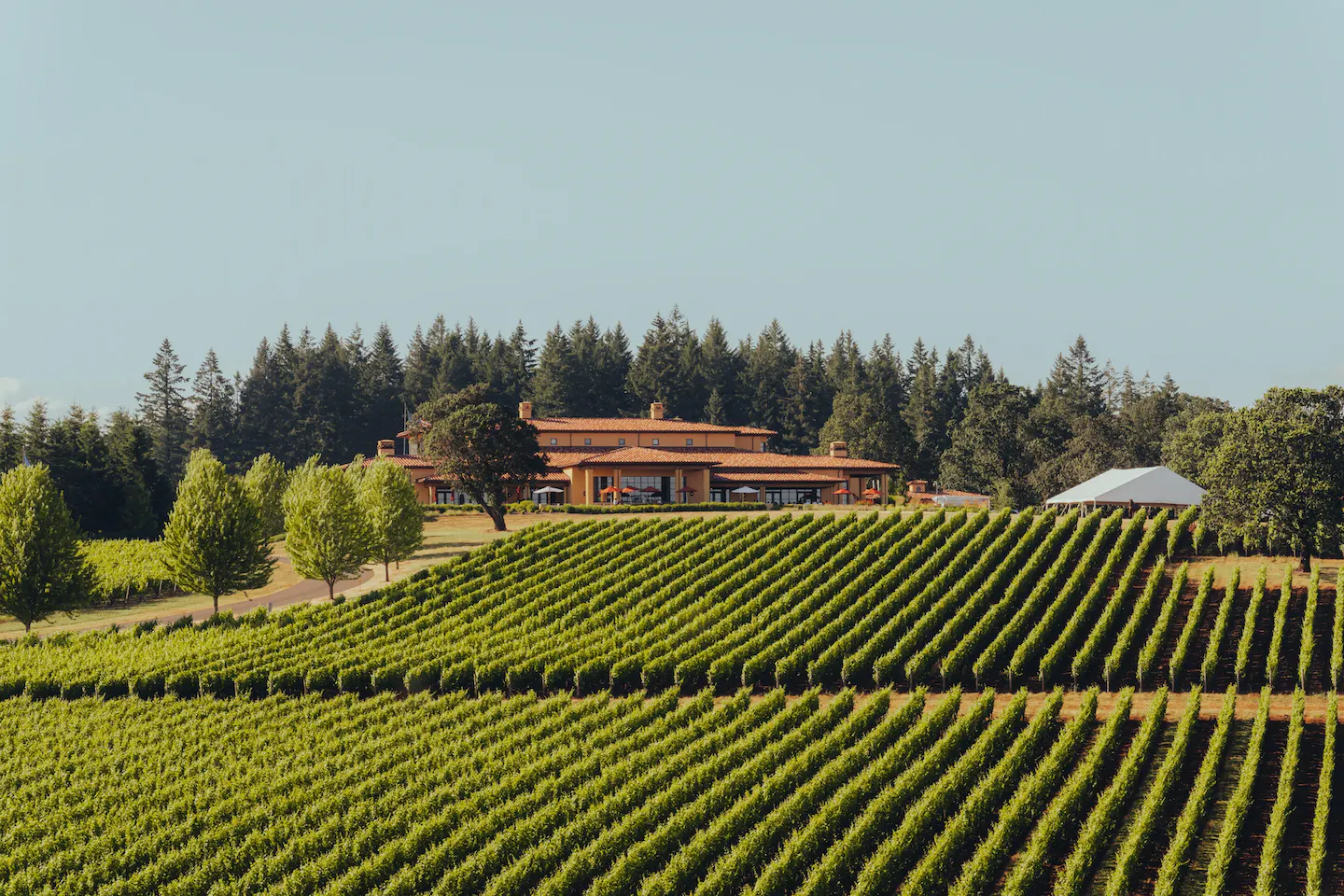
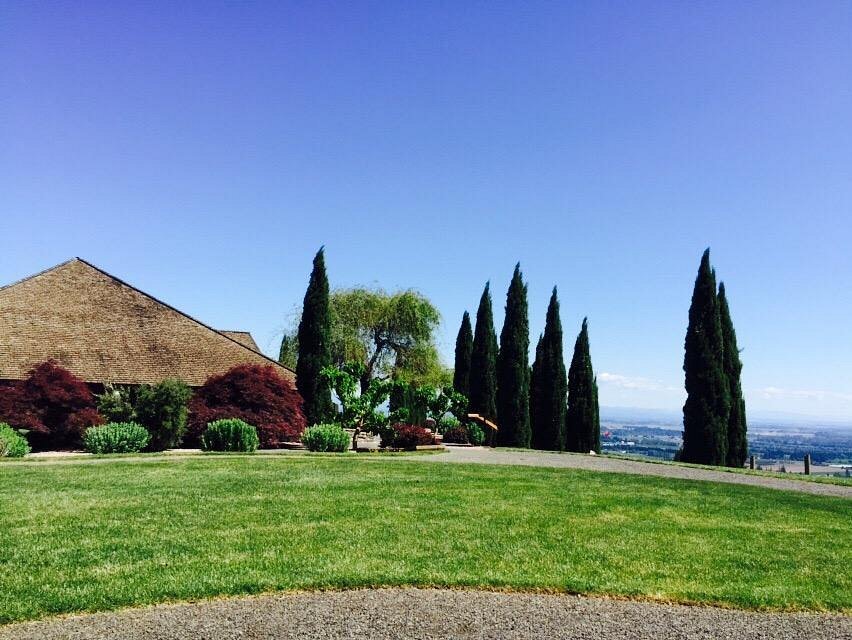
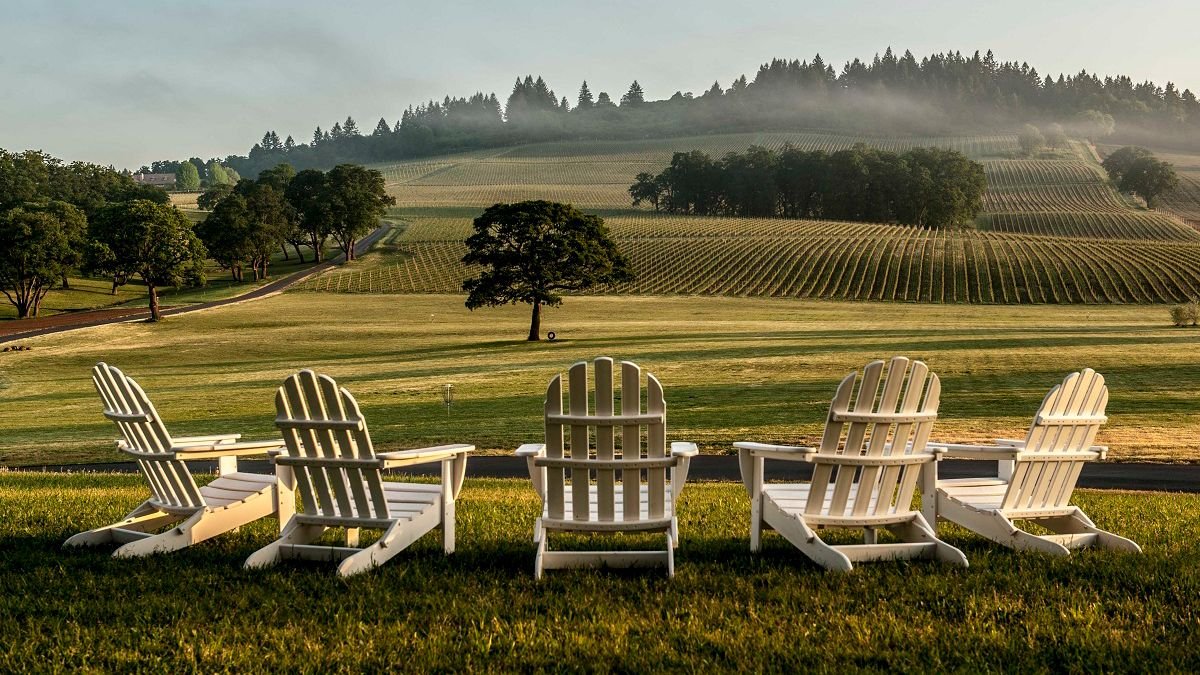
The cellar sits high enough in the Dundee Hills that the place reads vertically. Vineyard, winery, terrace, and garden fall into relation, each one visible from the next. The tasting room is quiet, with a refined but welcoming feel, and the outdoor spaces open toward the estate rows rather than away from them. On the terrace, the scale of the 235-acre property becomes part of the lesson; this is not an abstract Oregon project, but a working hill of Pinot Noir and Chardonnay, seen from the same slope that feeds the tanks below. The Secret Garden softens the estate’s geometry, while the winery keeps its working logic clear. The room stays calm because the craft has already made the argument.
A house line carried across regions
The reason to pay attention here is continuity, not novelty. Véronique’s work remains divided between Domain Drouhin Oregon and Maison Joseph Drouhin, and the discipline is to let each place speak without severing the family line between them. The next glass here is still measured against that older question: how much Burgundy method can guide Dundee Hills fruit before the Dundee Hills disappear. At Domain Drouhin Oregon, the answer continues to pass through Laurène Pinot Noir, Louise Pinot Noir, and the Chardonnay grown on the 235-acre estate.
Know before you go
- Reservations
- appointment_only
- Parking
- on_site_lot
- Payment
- credit_card, debit_card
- Outdoor seating
- Yes
- Groups
- Welcomed
Address
Dayton, Oregon, Vereinigte Staaten
Dundee Hills