Made ByWinery
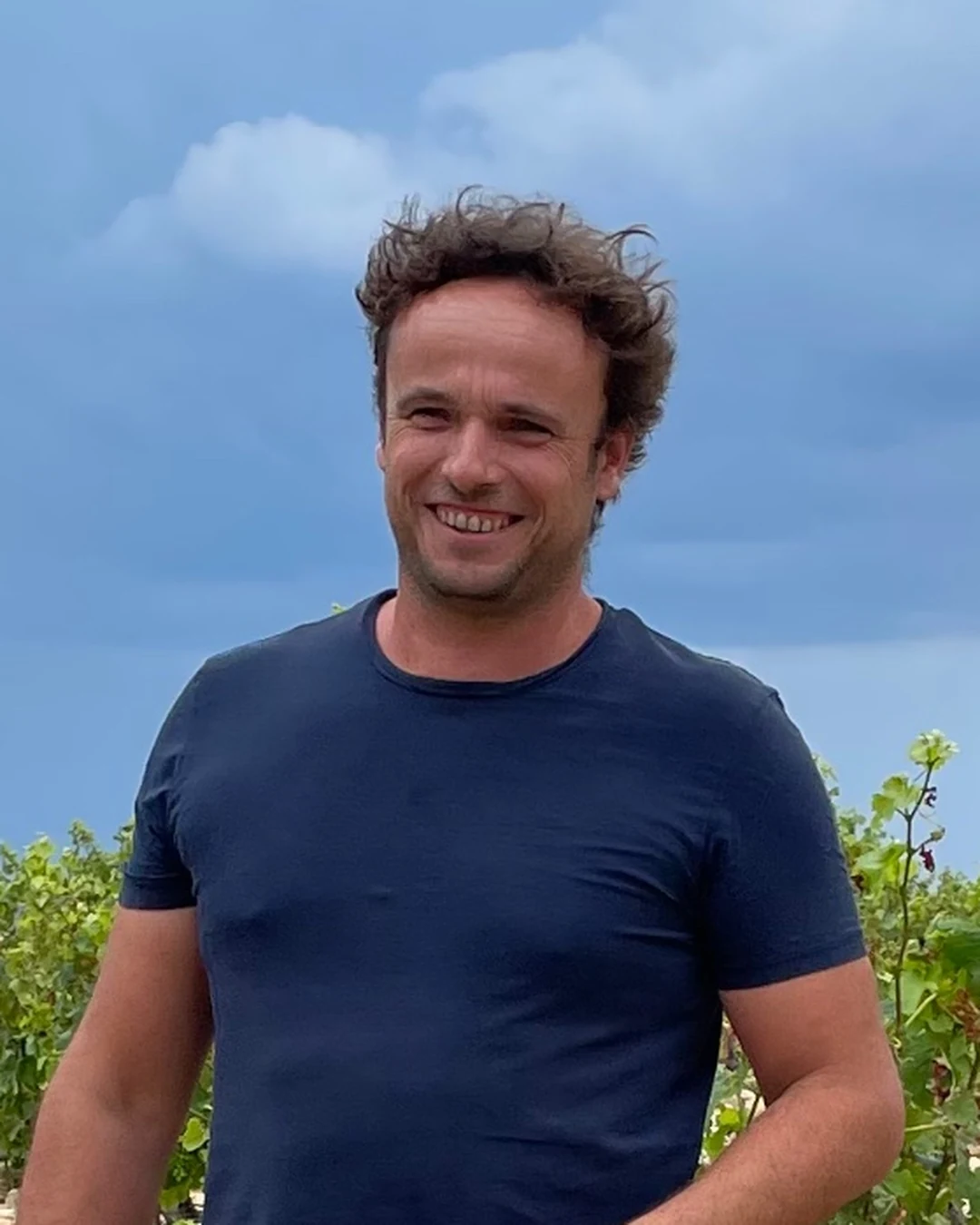
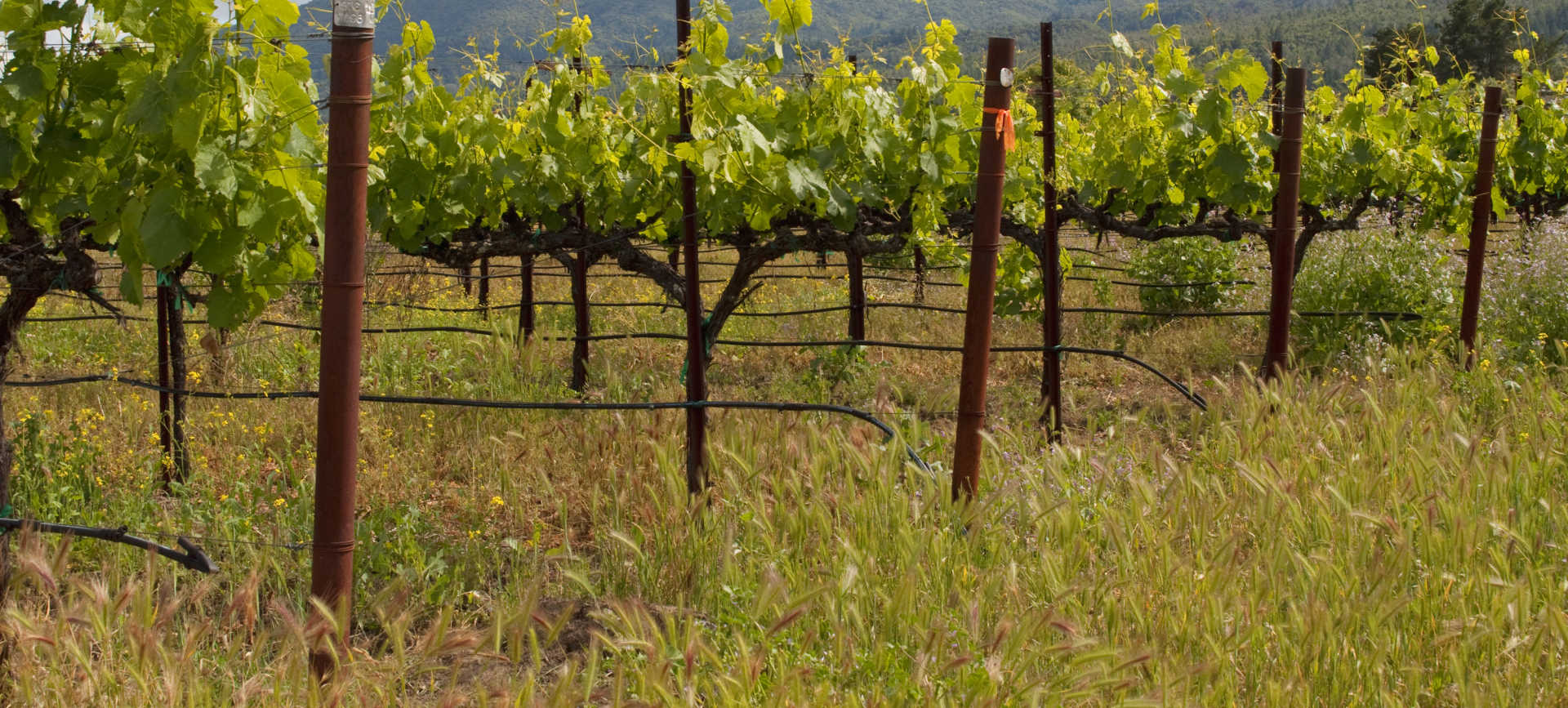
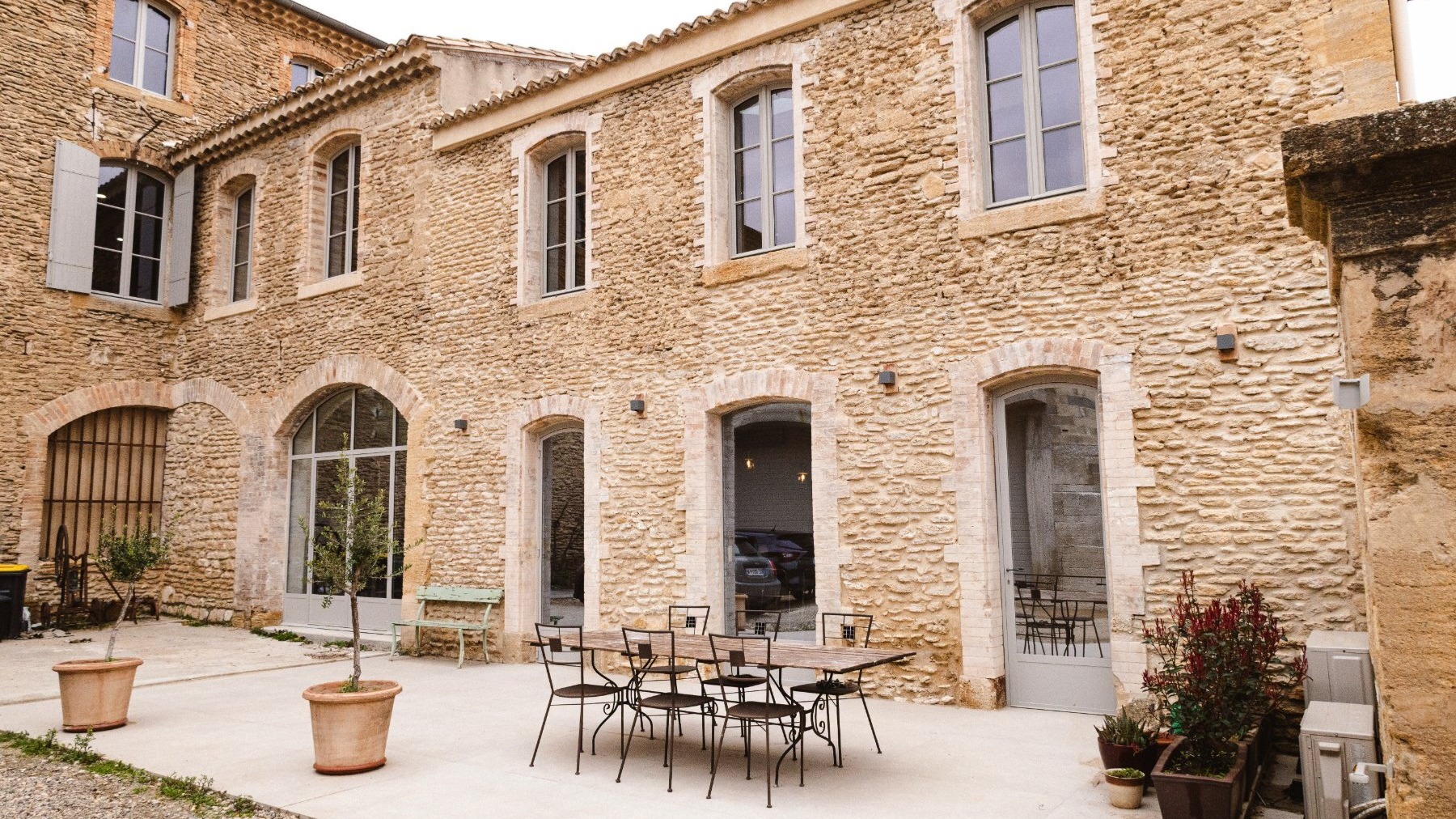
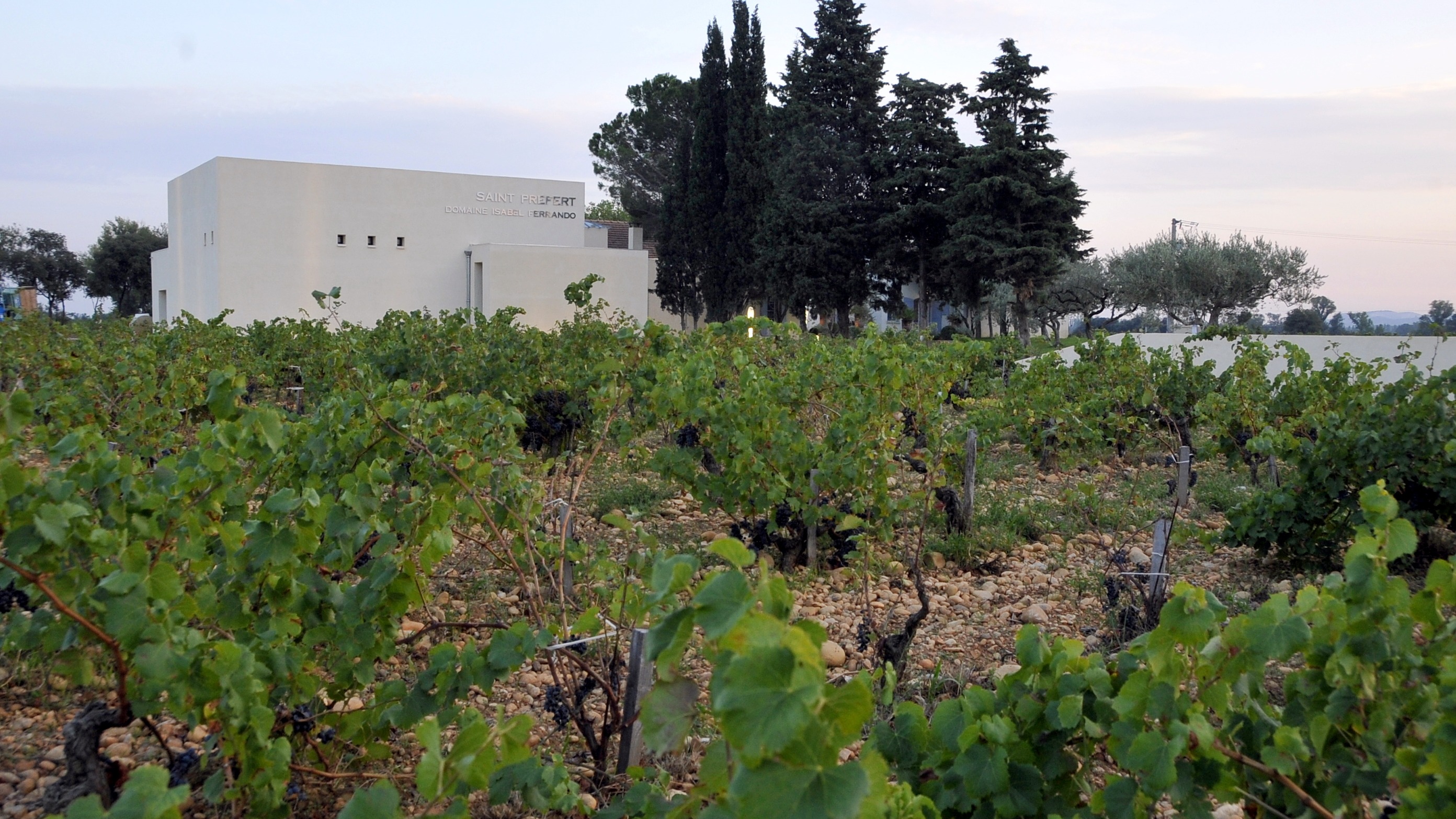
One of Châteauneuf-du-Pape's oldest continuously operating domaines, Domaine de la Solitude traces its first vintage to 1495 and earned a Pearl 3 Star Prestige rating in 2025. Under winemaker Florent Lançon, the estate sits on the plateau outside the village where the appellation's characteristic galets roulés define both the terrain and the wines. It belongs to the tier of historically grounded Châteauneuf producers whose reputations rest on site continuity rather than recent reinvention.
At a glance
- Price
- $$$
- Neighborhood
- Châteauneuf-du-Pape
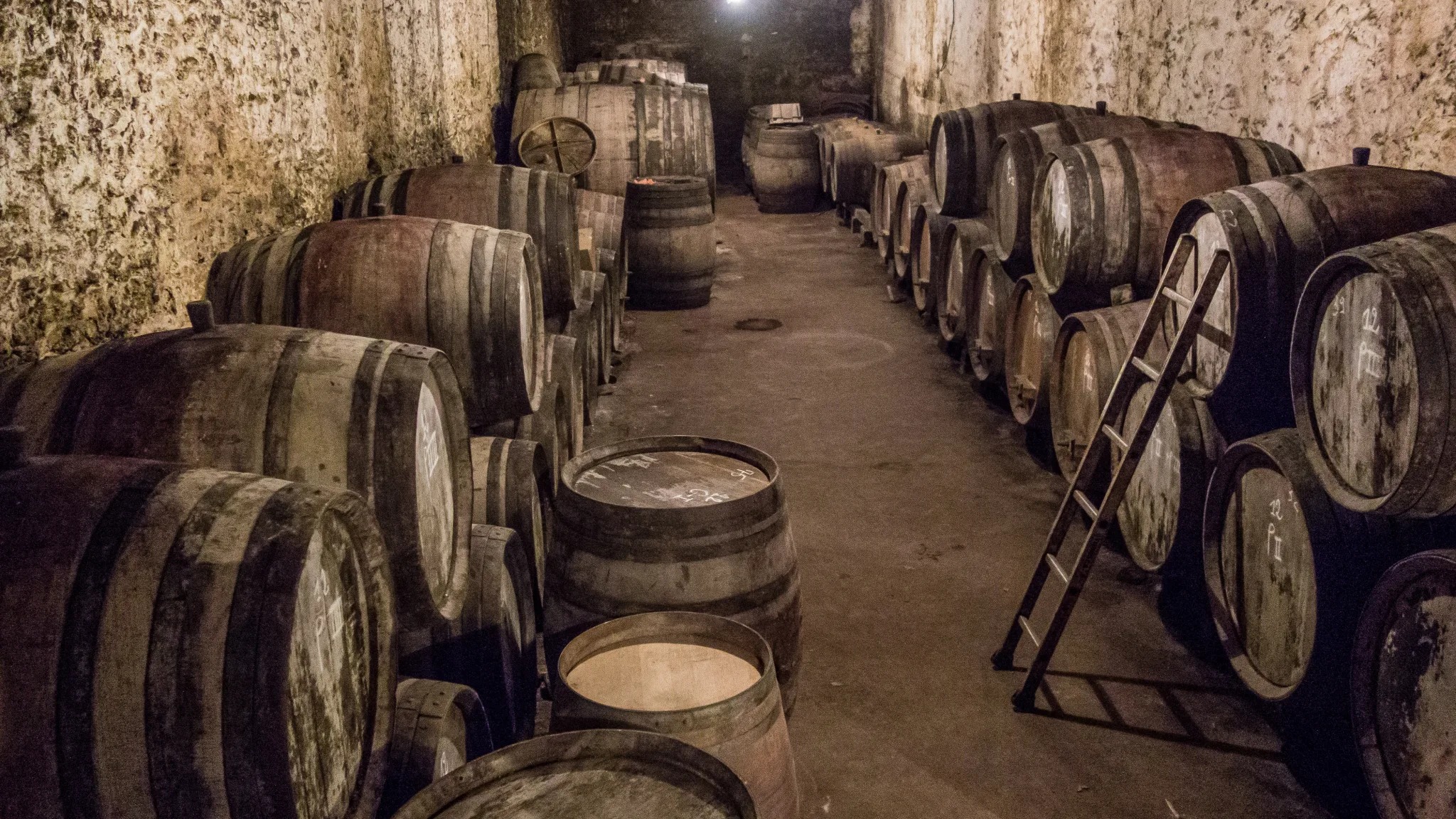
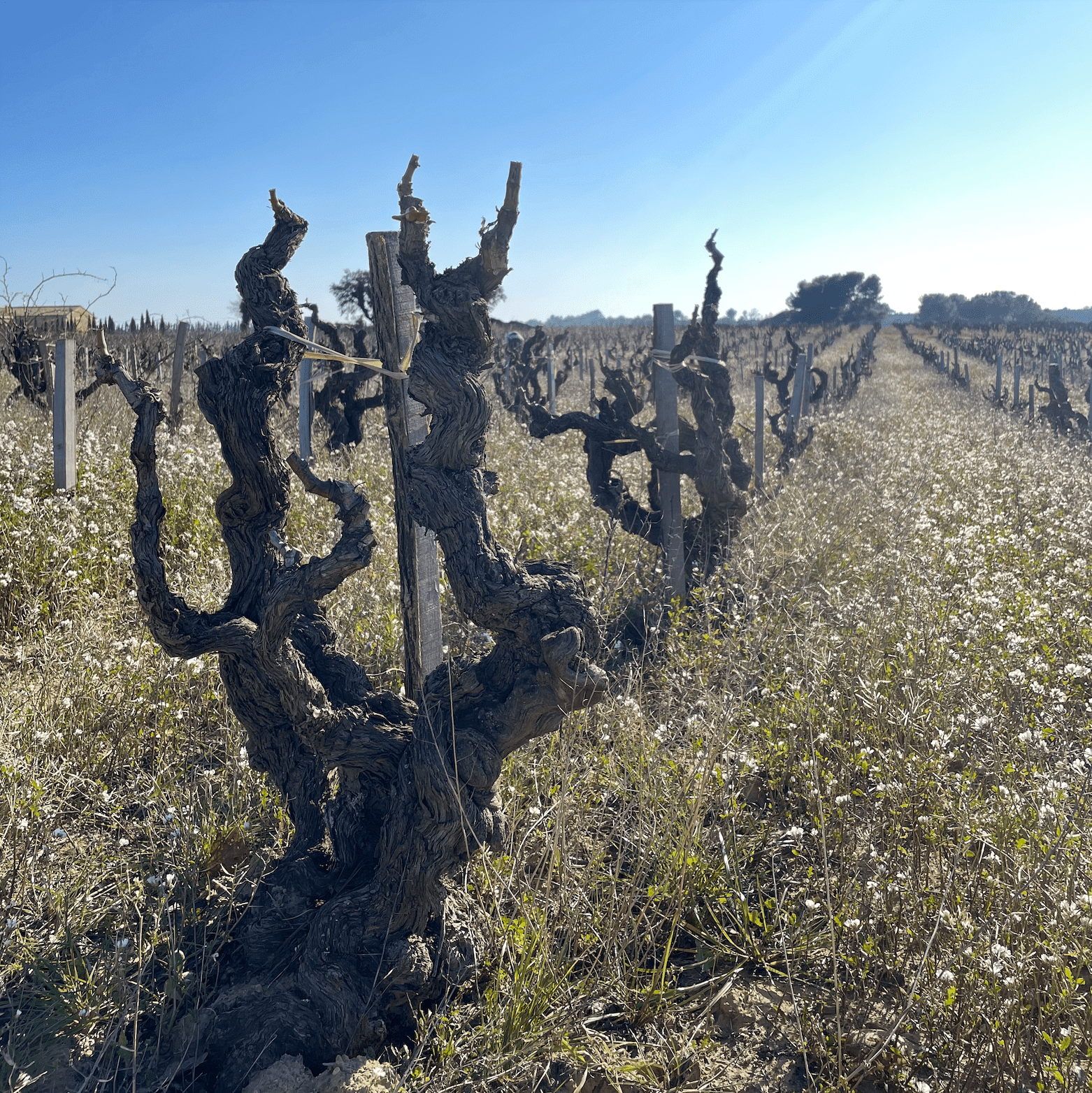
<h2>Where the Galets Remember Five Centuries</h2><p>Approach Domaine de la Solitude along the Route de Bédarrides and the Châteauneuf-du-Pape plateau opens up around you in a way that the village itself never quite does. The heat radiating off the large, flat stones, the <em>galets roulés</em> that have defined this appellation for as long as anyone has bothered to write about it, arrives before any building does. These stones, deposited here by an ancient course of the Rhône, absorb heat through the day and release it slowly into the night, compressing the growing season and concentrating the fruit in ways that viticulture on flatter, cooler ground simply cannot replicate. The physical environment is not a backdrop here; it is the argument.</p><p>That argument has been made continuously at Domaine de la Solitude since 1495, a first-vintage date that places the estate in an almost geological category of French wine history. Most of the great appellations of France were still being defined when this property was already producing. For context: Châteauneuf-du-Pape itself only received its appellation contrôlée status in 1936, nearly four and a half centuries after Domaine de la Solitude's first recorded harvest. Site continuity of this order is uncommon anywhere in the wine world, and within the Southern Rhône it is close to singular.</p><h2>A 2025 Prestige Rating in a Field of Serious Peers</h2><p>The appellation's premium tier has never been more competitive. Estates like <a href="https://www.enprimeurclub.com/wineries/chateau-rayas">Chateau Rayas</a>, whose Grenache-only approach has made it a reference point for restraint-led Châteauneuf, and <a href="https://www.enprimeurclub.com/wineries/clos-des-papes-rhne">Clos Des Papes</a>, consistently one of the most precise technical producers in the appellation, set a high benchmark for what prestige-level recognition means here. <a href="https://www.enprimeurclub.com/wineries/domaine-du-pegau">Domaine du Pegau</a> and <a href="https://www.enprimeurclub.com/wineries/domaine-charvin">Domaine Charvin</a> occupy positions at the structured, age-worthy end of the spectrum, while <a href="https://www.enprimeurclub.com/wineries/domaine-du-clos-saint-jean-rhne">Domaine du Clos Saint Jean</a> has built a reputation on modern-facing, richer interpretations of the same terroir.</p><p>Against this comparable set, Domaine de la Solitude's 2025 Pearl 3 Star Prestige award places it squarely in the appellation's upper tier. The rating carries weight not as a marketing credential but as a sorting mechanism: it separates the handful of estates whose wines merit serious cellaring and deliberate sourcing from the much larger body of competent, commercially-oriented Châteauneuf on the market. At this level, the conversation is no longer about whether a wine is good; it is about where it sits in the appellation's long-run hierarchy of terroir expression and consistency.</p><h2>Florent Lançon and the Weight of the Plateau</h2><p>Winemaker Florent Lançon operates within a tradition that predates modern viticultural thinking by several hundred years. In Châteauneuf-du-Pape, that tradition is partly practical, the appellation permits up to eighteen grape varieties, giving producers more blending latitude than almost anywhere else in France, and partly philosophical. The plateau's terroir is assertive enough that the winemaker's primary task is often one of restraint and accuracy rather than invention. Getting out of the way of the galets, the Mistral wind, and the long dry summers requires its own discipline.</p><p>Across French wine regions, the estates that earn sustained prestige recognition tend to share a common characteristic: they treat site expression as the primary brief and stylistic signature as secondary. This is the operating logic at the top end of Burgundy, at properties like <a href="https://www.enprimeurclub.com/wineries/chateau-belair-monange-saint-emilion-winery">Château Bélair-Monange in Saint-Emilion</a>, and at precision-focused houses elsewhere in France such as <a href="https://www.enprimeurclub.com/wineries/albert-boxler-niedermorschwihr-winery">Albert Boxler in Niedermorschwihr</a>. The discipline required at Domaine de la Solitude is analogous: a 530-year track record is a liability as much as an asset if the winemaking diverges too sharply from what the site has historically produced.</p><h2>The Plateau in Season</h2><p>The physical character of the Châteauneuf-du-Pape plateau shifts significantly across the year, and visiting at the right time matters. Harvest, typically in September, is the period of greatest activity: the stones are still warm from summer, the Grenache comes in at high sugar levels, and the working pace of the domaine reflects the urgency of the growing season's endpoint. Late spring offers the opposite register, cooler mornings, the vines in leaf, and the plateau at its least austere. The brutal heat of July and August, while formative for the vintage, makes visiting physically demanding and the cellar visit experience correspondingly compressed.</p><p>The Rhône Valley wine calendar also intersects with broader Southern French travel patterns. The nearby city of Avignon, roughly twenty kilometres to the south, hosts its festival in July, which pushes accommodation prices and availability sharply. Visitors planning a serious tasting itinerary through the appellation, one that might also include stops at <a href="https://www.enprimeurclub.com/wineries/chateau-batailley-pauillac-winery">Château Batailley in Pauillac</a> on a broader Bordeaux arc, or at <a href="https://www.enprimeurclub.com/wineries/chateau-branaire-ducru-st-julien">Château Branaire Ducru in St-Julien</a> for Bordeaux comparison, should factor in that the Southern Rhône corridor operates differently from Bordeaux or Burgundy in terms of tasting room access and appointment culture. Many of the appellation's prestige estates require advance contact.</p><h2>Châteauneuf in the Broader French Wine Geography</h2><p>It is worth situating Châteauneuf-du-Pape in the wider French wine context to understand what makes the appellation's leading producers a distinct category. Unlike Bordeaux, where château reputation is partly a function of the 1855 classification's institutional gravity, or Burgundy, where the grand cru system provides an externally verified hierarchy of sites, Châteauneuf-du-Pape operates without a formal internal classification. Prestige here is earned through producer reputation, critical recognition, and the kind of sustained award history that takes decades to accumulate, not through a listed rank.</p><p>That absence of formal classification has consequences for how the appellation's wines reach the market. Allocation-based distribution, which governs access to properties like <a href="https://www.enprimeurclub.com/wineries/chateau-boyd-cantenac-cantenac-winery">Château Boyd-Cantenac in Cantenac</a> or <a href="https://www.enprimeurclub.com/wineries/chateau-bastor-lamontagne">Château Bastor-Lamontagne in Preignac</a> at the classified Bordeaux level, plays a role at the top of Châteauneuf too. The prestige-rated estates produce quantities that are modest relative to demand, and their wines move quickly through specialist merchant channels. Sourcing from estates like Domaine de la Solitude at the cellar door, where the geography cooperates, remains one of the more direct routes.</p><p></p><h2>Planning Your Visit</h2><p>Domaine de la Solitude is located on the Route de Bédarrides in Châteauneuf-du-Pape, and visits are by appointment only. Avignon, the nearest major city with rail connections and a full range of accommodation, provides the most convenient base.</p>
Know before you go
- Dress code
- smart_casual
- Reservations
- appointment_only
- Parking
- on_site_lot
Frequently asked
What distinctions does Domaine de la Solitude have?
Domaine de la Solitude has received recognition including: Pearl 3 Star Prestige (2025).
Where is Domaine de la Solitude in Châteauneuf-du-Pape?
Domaine de la Solitude is located at Rte de Bédarrides, 84230 Châteauneuf-du-Pape, Châteauneuf-du-Pape.
What's the must-try wine at Domaine de la Solitude?
What is documented is a Pearl 3 Star Prestige rating in 2025, placing the estate among the appellation's most seriously rated producers. Florent Lançon oversees winemaking, and any release bearing his name warrants attention at that tier.
Why do people go to Domaine de la Solitude?
The estate earned a Pearl 3 Star Prestige rating in 2025, which positions it among the upper tier of Châteauneuf-du-Pape producers in a historically competitive appellation. Visitors come both for the wines themselves and for the context of the plateau terroir on the Route de Bédarrides, which shapes the character of what winemaker Florent Lançon produces. For serious Rhône wine enthusiasts, this level of recognition makes a visit to the estate a deliberate choice rather than a passing stop.
Should I book Domaine de la Solitude in advance?
At Pearl 3 Star Prestige level, estates in Châteauneuf-du-Pape typically receive visitors by appointment rather than through open walk-in hours. Phone and website details are not currently listed for the domaine, so reaching out through the Route de Bédarrides address or through a specialist wine travel agent is the practical approach. Visiting during harvest in autumn or the quieter spring months generally offers the most access to winemakers at this tier.
How does Domaine de la Solitude's 2025 Pearl 3 Star Prestige rating compare to other Châteauneuf-du-Pape estates?
The Pearl 3 Star Prestige designation in 2025 places Domaine de la Solitude at the top tier of rated producers in an appellation where the competition includes reference-point estates with decades of critical attention. Châteauneuf-du-Pape is one of the few Southern Rhône appellations where prestige-level ratings carry meaningful weight, given the appellation's strict yield and grape variety regulations. Winemaker Florent Lançon's role at the estate grounds that rating in a specific viticultural tradition on the plateau outside the village.
Address
Rte de Bédarrides, 84230 Châteauneuf-du-Pape
Châteauneuf-du-Pape · Rhone
How it compares
- Notes
- Châteauneuf-du-Pape, Grenache, Syrah
- Price
- $$$
- Notes
- Châteauneuf-du-Pape, Grenache, Syrah
- Price
- $$$
- Notes
- Châteauneuf-du-Pape, Grenache, Syrah
- Price
- $$$
- Notes
- Châteauneuf-du-Pape, Grenache, Syrah
- Price
- $$$
- Notes
- Châteauneuf-du-Pape, Grenache, Mourvèdre
- Price
- $$$
- Notes
- northern Châteauneuf-du-Pape, Grenache Noir, Grenache Blanc
- Price
- $$$$