Made ByWinery

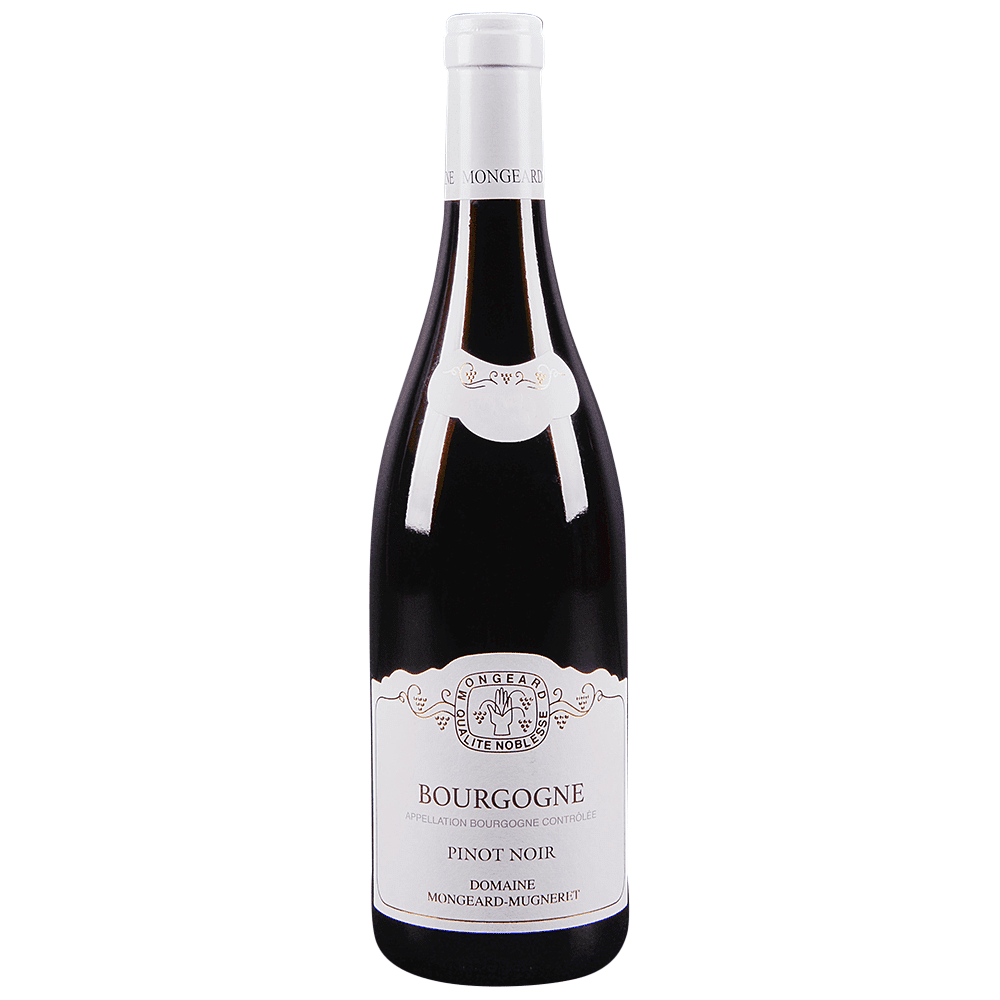
A Vosne-Romanée domaine with roots going back to 1945, Domaine Mongeard-Mugneret holds a Pearl 4 Star Prestige rating for 2025 and operates under winemaker Vincent Mongeard. The estate occupies the upper tier of village-level Burgundy producers, working across a portfolio of appellations that spans the Côte de Nuits from premier to grand cru.
At a glance
- Price
- $$$$
- Neighborhood
- Vosne-Romanée
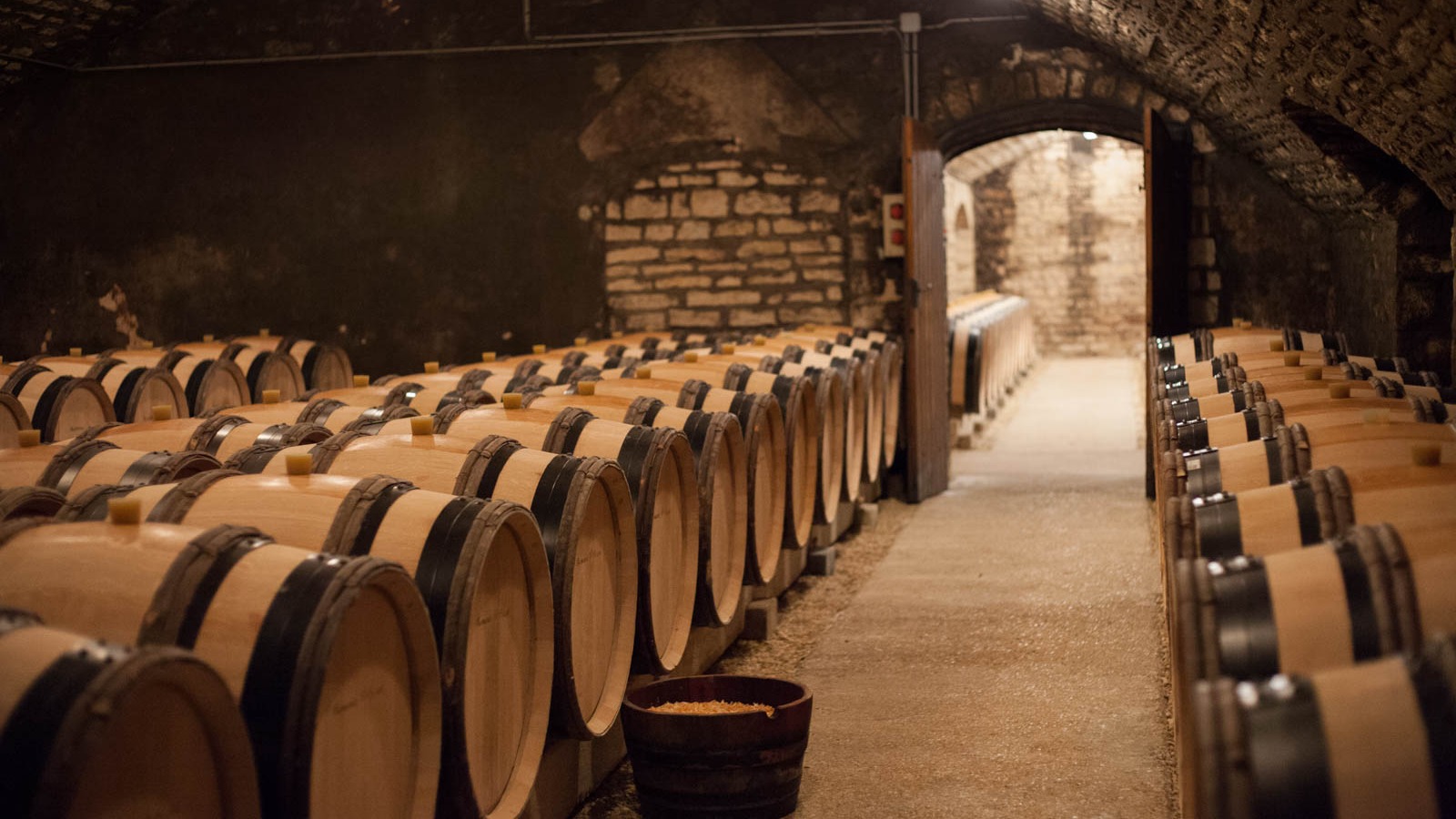
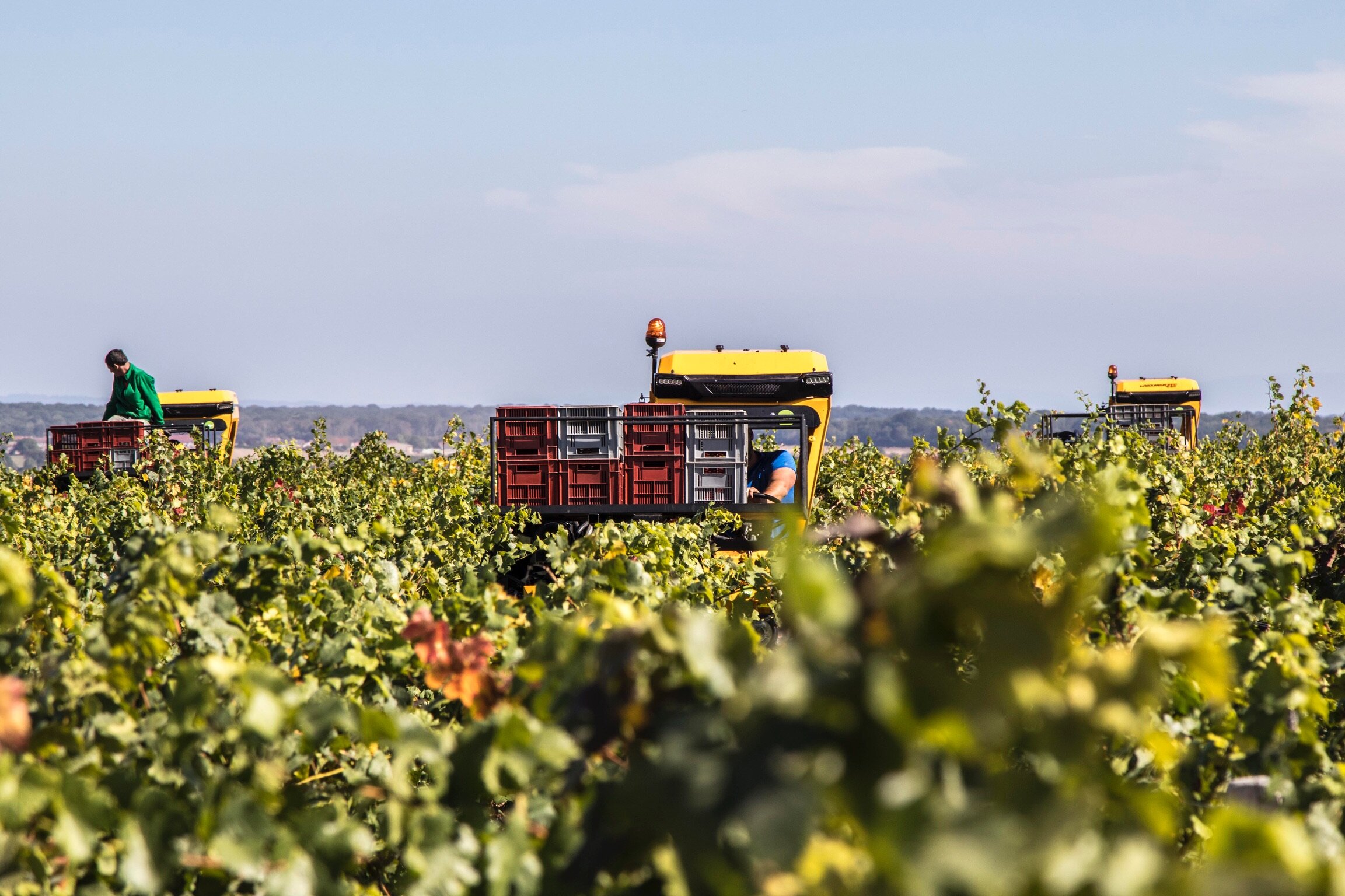
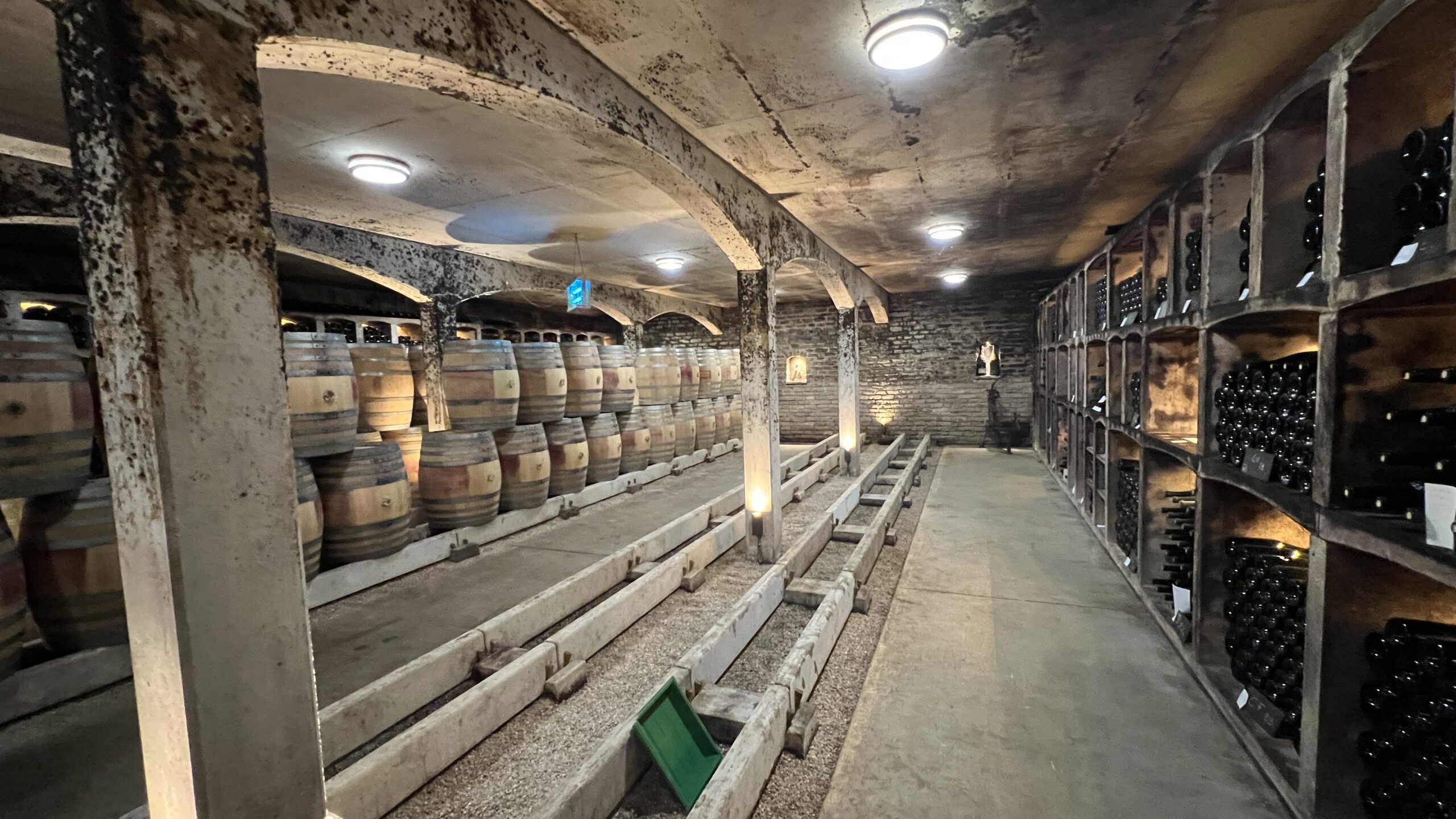
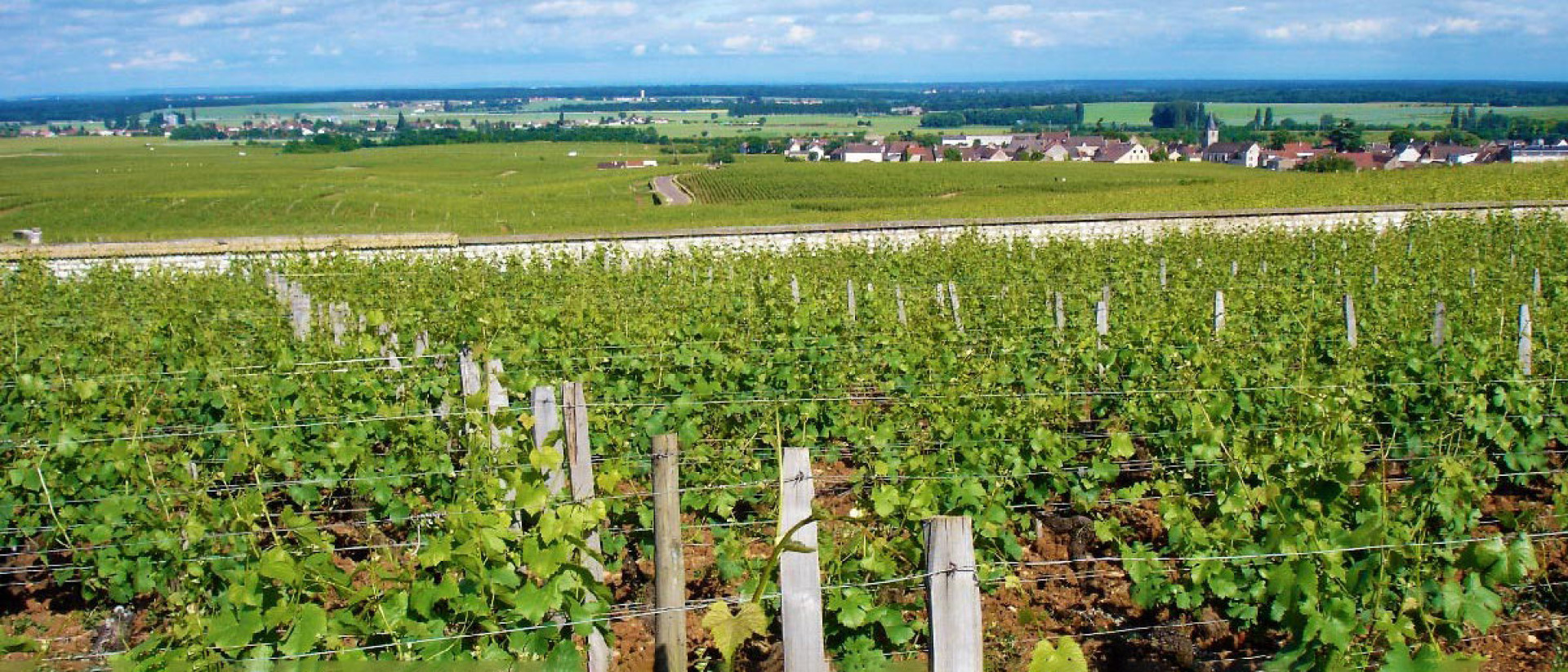
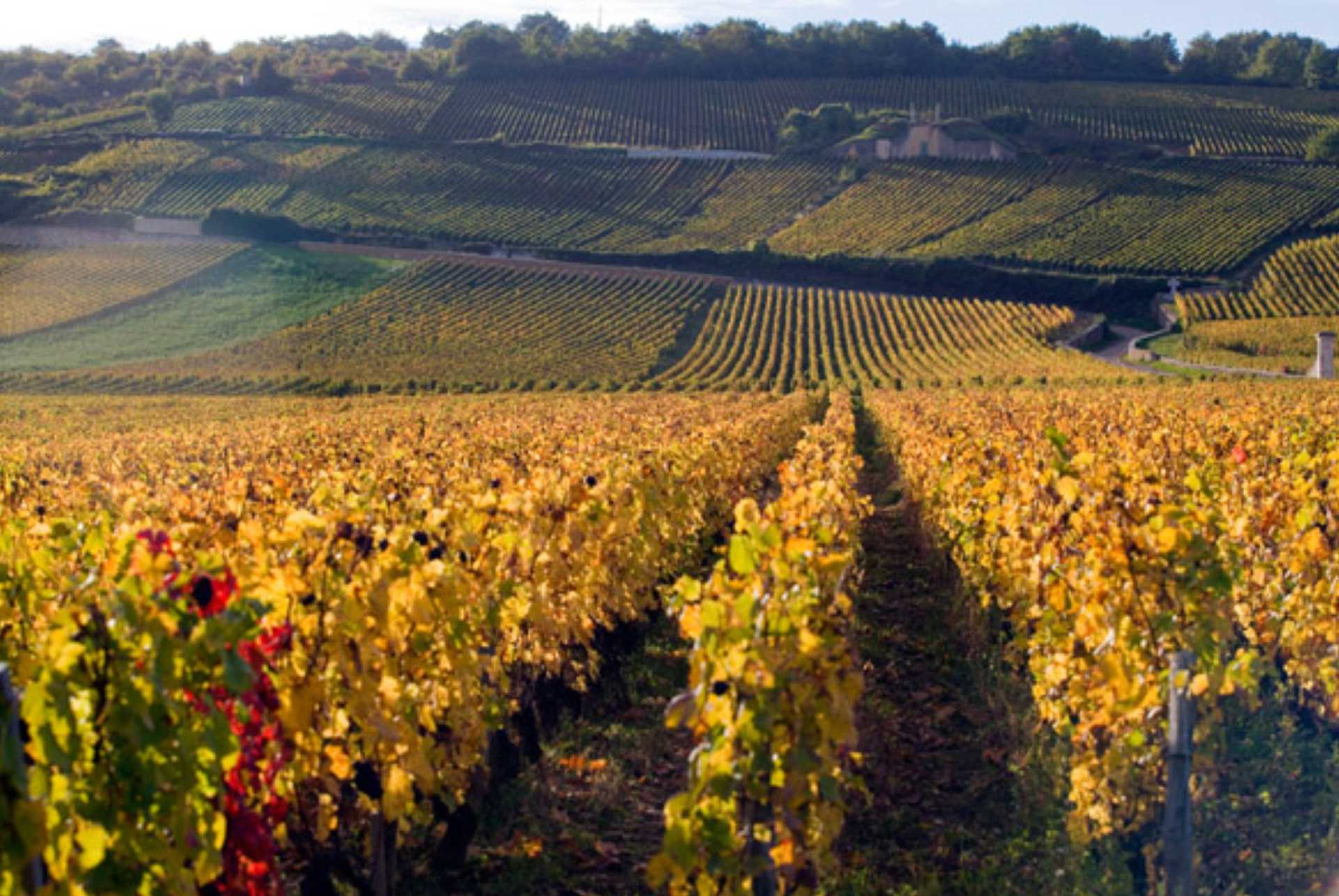
<h2>The Village That Sets the Standard</h2><p>Arriving in Vosne-Romanée on a grey autumn morning, the village barely announces itself. A narrow road, stone walls worn to grey, the low roofline of cellars that predate the automobile. This is a village where understatement is part of the appeal. This is the commune that contains Romanée-Conti, La Tâche, and Richebourg within walking distance of each other, and its producers have never needed to compete on spectacle. The competition runs entirely underground, in barrels and bottles.</p><p>Domaine Mongeard-Mugneret has been part of that competition since 1945, the year of its first vintage. Across more than seven decades, the estate has accumulated holdings across several of the Côte de Nuits appellations that collectors treat as benchmarks for Pinot Noir. Under winemaker Vincent Mongeard, the domaine now carries a Pearl 4 Star Prestige rating for 2025, placing it within the recognised tier of Burgundy producers whose wines draw serious allocation interest. In a village where credentialed neighbours include <a href="https://www.enprimeurclub.com/wineries/domaine-jean-grivot">Domaine Jean Grivot</a>, <a href="https://www.enprimeurclub.com/wineries/domaine-bizot-vosne-romanee-winery">Domaine Bizot</a>, and <a href="https://www.enprimeurclub.com/wineries/domaine-cecile-tremblay-vosne-romanee-winery">Domaine Cécile Tremblay</a>, that standing is earned against a demanding comparable set.</p><h2>What Vosne-Romanée Means for a Producer of This Tier</h2><p>The Côte de Nuits operates as a hierarchy of appellation, and Vosne-Romanée sits at the top of that hierarchy for Pinot Noir. The commune's grand crus, Romanée-Conti, La Tâche, Richebourg, Romanée-Saint-Vivant, Grands Échézeaux, Échézeaux, are the reference points against which all red Burgundy is ultimately measured. Producers who hold parcels here, or in the surrounding premiers crus, are automatically placed in a different conversation than those working further north or south along the Côte.</p><p>What that means practically for a domaine of Mongeard-Mugneret's vintage depth is that the estate carries the kind of historical data that serious Burgundy buyers require. A first vintage in 1945 means there are bottles in private collections and at auction that span most of the great post-war Burgundy vintages. The 1959, 1969, 1971, 1978, 1985, 1990, 1999, 2005, 2010, 2015, and 2023 vintages, the years that define the modern canon of Burgundy collecting, all passed through this cellar. That institutional continuity is not common among domaines in any price tier, and it matters to buyers whose interest is as much archival as it is sensory.</p><p>For comparison, neighbours such as <a href="https://www.enprimeurclub.com/wineries/domaine-rene-engel-vosne-romanee">Domaine René Engel</a> and <a href="https://www.enprimeurclub.com/wineries/domaine-deugnie-vosne-romanee-winery">Domaine d'Eugénie</a> represent different trajectories within the same geographic frame, the former now dormant, the latter rebuilt under François Pinault's ownership. Mongeard-Mugneret's path has been one of continuous family operation, which positions it differently in terms of stylistic continuity and archival depth.</p><h2>The Sensory Register of a Côte de Nuits Cellar Visit</h2><p>The experience of visiting a Vosne-Romanée cellar is specific in ways that distinguish it from winery visits elsewhere. The village is small enough that the address at 16 Rue de la Fontaine is found on foot without difficulty. The architecture of the cellar itself, like most in the village, is built partly below grade, where year-round temperatures hold in the range that allows long ageing without mechanical intervention. The smell when the cellar door opens is the smell of old Burgundy: cool stone, damp earth, the faint reductive quality of wine working through its barrel time.</p><p>Burgundy's sensory proposition is built on restraint rather than spectacle. The wines at this level, premier and grand cru Pinot Noir from the Côte de Nuits, are designed to communicate place through subtlety: soil type, aspect, vine age, the particular microclimate of a named parcel. These are not wines that announce themselves loudly in the glass. They ask for time, both in the bottle and at the table. The 2025 Pearl 4 Star Prestige rating signals that the current releases meet the quality threshold associated with serious, age-worthy Burgundy production.</p><p>Visitors who engage with the domaine directly should expect the format typical of serious Burgundy producers at this tier: a structured tasting in the cellar or a dedicated tasting room, focused on the current releases with reference to the appellation hierarchy. The cellar visit focuses on parcel composition, vintage character, and the relative merits of different appellation levels within the estate's portfolio.</p><h2>Where Mongeard-Mugneret Sits in the Broader Burgundy Field</h2><p>The 2025 Pearl 4 Star Prestige rating places Domaine Mongeard-Mugneret within a recognisable tier in the Burgundy market. Below the handful of domaines whose allocations are essentially closed to new buyers, Romanée-Conti being the obvious limit case, there is a substantial group of village and premier cru producers whose wines are obtainable through established négociant or direct relationships, but whose allocation lists fill quickly in strong vintages.</p><p>Mongeard-Mugneret occupies that middle ground with a portfolio that spans multiple appellations. The range-width is itself a data point: a domaine with this many holdings across the Côte de Nuits is operating at a scale that allows buyers to build vertical collections across appellation levels, from village Vosne-Romanée through to grand cru parcels. That breadth is less common among the more concentrated, smaller-production estates that have gained attention in recent years.</p><p>The comparison with prestige estates in other regions is instructive for buyers new to Burgundy. The discipline of appellation and parcel specificity that defines Côte de Nuits production is its own system, quite separate from the château classification model of Bordeaux as practiced by estates like <a href="https://www.enprimeurclub.com/wineries/chateau-batailley-pauillac-winery">Château Batailley</a> or <a href="https://www.enprimeurclub.com/wineries/chateau-branaire-ducru-st-julien">Château Branaire-Ducru</a>, or from the single-variety focus of New World producers like <a href="https://www.enprimeurclub.com/wineries/accendo-cellars">Accendo Cellars</a>. Burgundy's geography is its classification system, and understanding where a domaine's parcels sit within it is the primary task for any buyer.</p><p>Other rated producers across different categories and regions offer useful reference points for the 4 Star Prestige tier. The precision viticulture practiced by <a href="https://www.enprimeurclub.com/wineries/albert-boxler-niedermorschwihr-winery">Albert Boxler in Alsace</a> and the depth of cellar history at <a href="https://www.enprimeurclub.com/wineries/chartreuse-voiron-winery">Chartreuse in Voiron</a> each illustrate how different French production traditions sustain long-term collector interest. In Bordeaux, <a href="https://www.enprimeurclub.com/wineries/chateau-belair-monange-saint-emilion-winery">Château Bélair-Monange</a>, <a href="https://www.enprimeurclub.com/wineries/chateau-bastor-lamontagne">Château Bastor-Lamontagne</a>, <a href="https://www.enprimeurclub.com/wineries/chateau-boyd-cantenac-cantenac-winery">Château Boyd-Cantenac</a>, and <a href="https://www.enprimeurclub.com/wineries/aberlour-aberlour-winery">Aberlour in Speyside</a> each represent their own regional standards against which prestige ratings carry meaning.</p><h2>Planning a Visit and Engaging the Domaine</h2><p>Vosne-Romanée sits roughly 15 kilometres south of Dijon, accessible by car via the D974 Route des Grands Crus that connects the major Côte de Nuits communes. The village has no substantial tourist infrastructure, there are no hotels within Vosne-Romanée itself, and dining options are limited. Visitors typically base themselves in Beaune or Dijon and make the drive north. Appointments with domaines of this calibre are scheduled in advance, generally through direct contact or through an established wine merchant relationship. Walk-in visits are not the norm at serious Burgundy producers.</p><p>Timing within the year shapes what the visit looks and sounds like. Harvest in late September or early October brings the village to a different tempo: tractor noise, the smell of crushed fruit in the air, cellar teams working around the clock. Visits outside harvest tend to be quieter and more focused on tasting finished wines. Spring, when domaines are bottling or evaluating the previous vintage from barrel, offers a different kind of access and a different sensory experience.</p>
Know before you go
- Dress code
- smart_casual
- Reservations
- appointment_only
- Parking
- street
Frequently asked
What distinctions does Domaine Mongeard-Mugneret have?
Domaine Mongeard-Mugneret has received recognition including: Pearl 4 Star Prestige (2025).
What's Domaine Mongeard-Mugneret's location?
Domaine Mongeard-Mugneret is located at 16 Rue de la Fontaine, 21700 Vosne-Romanée, Vosne-Romanée.
What's the signature bottle at Domaine Mongeard-Mugneret?
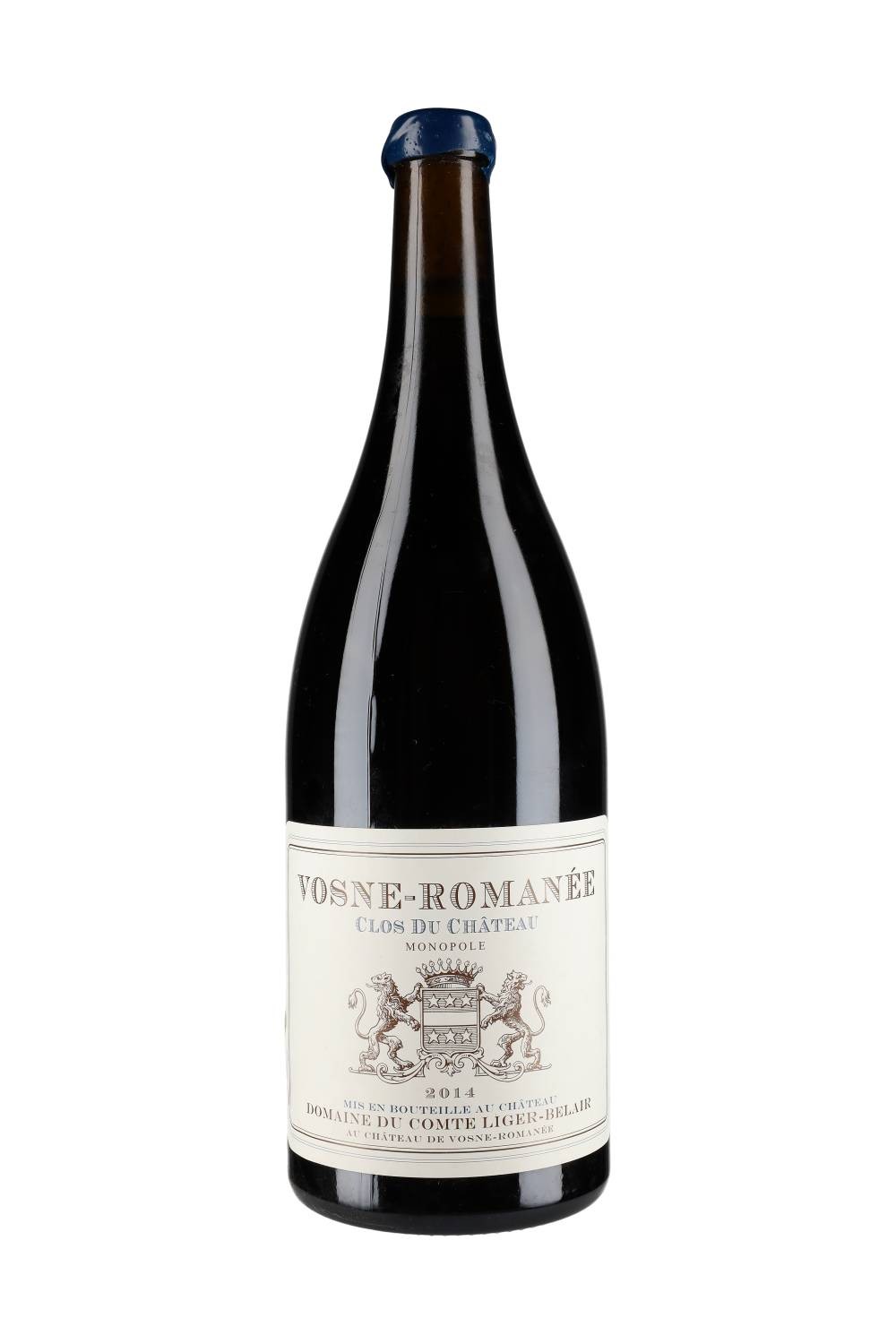
The domaine's holdings span several Vosne-Romanée appellations, from village-level wines through premier and grand cru parcels — the grand cru expressions are what earn the domaine its 2025 Pearl 4 Star Prestige recognition. Vincent Mongeard oversees production at 16 Rue de la Fontaine, and the grand cru bottlings from Vosne-Romanée are the reference point for understanding the domaine's positioning in the Côte de Nuits. Specific current-release bottles and pricing are confirmed at the cellar directly.
What's the defining thing about Domaine Mongeard-Mugneret?
The domaine is a multi-generational family estate operating from the village of Vosne-Romanée, the commune that sets the benchmark for Côte de Nuits Pinot Noir. Its 2025 Pearl 4 Star Prestige rating places it in a recognised tier below the handful of allocation-only names that dominate collector conversation, but above the broad middle of Burgundy négociants and smaller domaines. Winemaker Vincent Mongeard represents the continuing family stewardship of parcels in one of Burgundy's most competitive appellations.
How far ahead should I plan for Domaine Mongeard-Mugneret?
Visits to producers in Vosne-Romanée at the Pearl 4 Star Prestige level typically require contact several weeks to two months in advance, particularly during harvest in October and the Burgundy trade week in November when cellar schedules are saturated. The domaine is located at 16 Rue de la Fontaine, Vosne-Romanée, approximately 15 kilometres south of Dijon along the D974 Route des Grands Crus. Contact details are best confirmed through the domaine directly or via a specialist Burgundy importer who maintains a trade relationship.
How does Domaine Mongeard-Mugneret's Pearl 4 Star Prestige rating compare to other Vosne-Romanée producers?
The 2025 Pearl 4 Star Prestige award positions Domaine Mongeard-Mugneret above the mid-tier of Côte de Nuits estates while sitting beneath the allocation-controlled grand cru names such as Domaine de la Romanée-Conti that occupy the top of the Vosne-Romanée hierarchy. For a visitor planning a serious Burgundy itinerary, this tier represents domaines where cellar access is still feasible without négociant-level trade connections, unlike the most sought-after names in the village. Vincent Mongeard's stewardship at 16 Rue de la Fontaine places the estate among producers worth scheduling on any focused Côte de Nuits route.
Address
16 Rue de la Fontaine, 21700 Vosne-Romanée
Vosne-Romanée · Burgundy
How it compares
- Price
- $$$$
- Awards
- 1 recognition
- Notes
- Vosne-Romanée, Pinot Noir, Chardonnay
- Price
- $$$$
- Awards
- 1 recognition
- Notes
- Vosne-Romanée, Pinot Noir, Chardonnay
Domaine Georges Mugneret-Gibourg
- Price
- $$$$
- Awards
- 1 recognition
- Notes
- Vosne-Romanée, Pinot Noir
- Price
- $$$$
- Awards
- 1 recognition
- Notes
- Vosne-Romanée, Pinot Noir, Aligoté
- Price
- $$$$
- Awards
- 1 recognition
- Notes
- Vosne-Romanée, Pinot Noir, Chardonnay
- Price
- $$$$
- Awards
- 1 recognition
- Notes
- Vosne-Romanée, Pinot Noir, Chardonnay