Made ByRestaurant
Dulce Patria
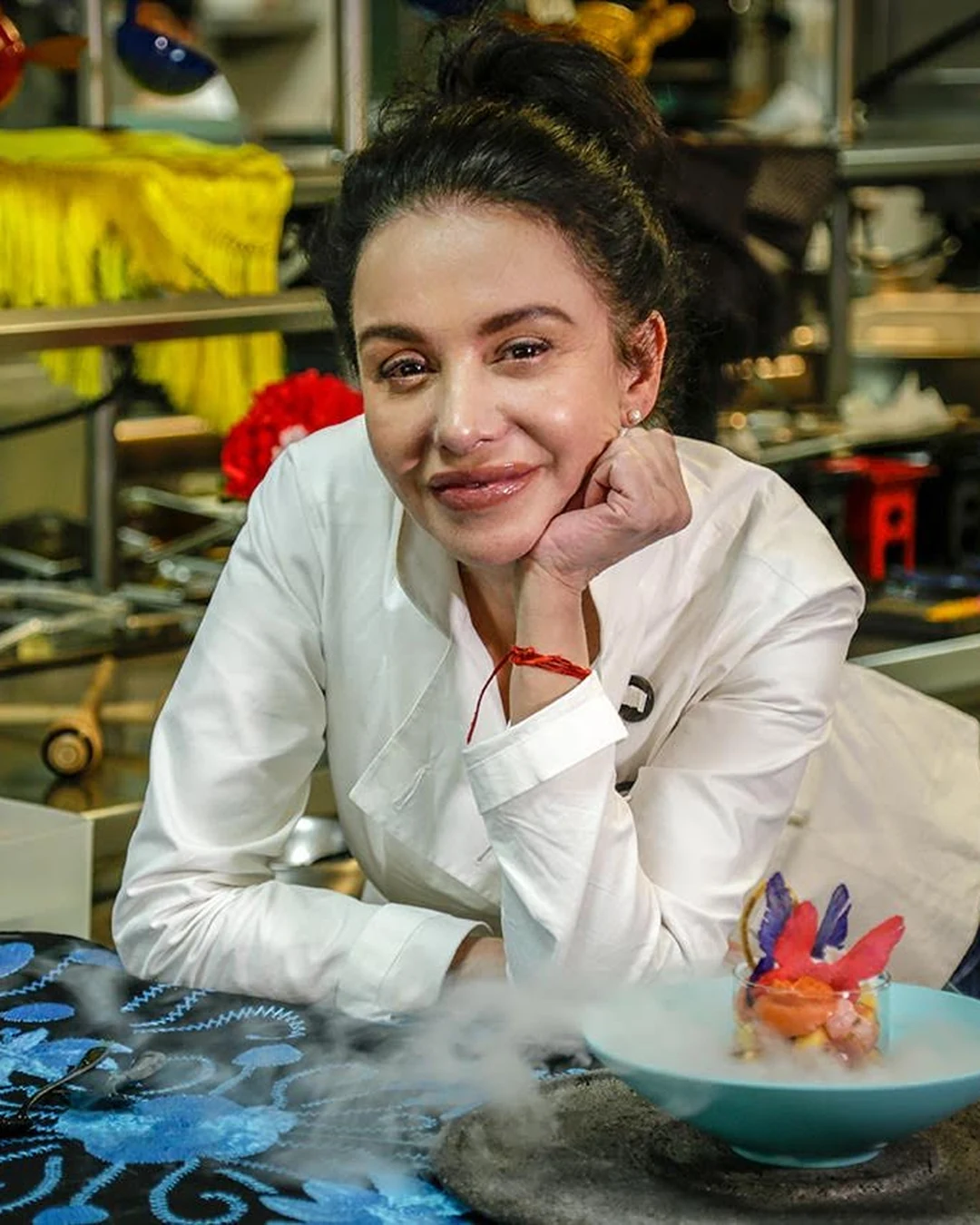
Chef in Residence
Martha Ortiz
Chef
- 01CuisineModern Mexican fine dining
- 02CityMexico City, Mexico
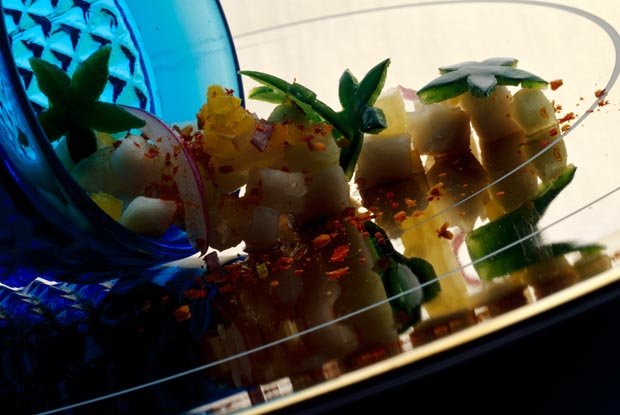
Martha Ortiz, chef at Dulce Patria in Mexico City, gives modern Mexican fine dining a narrative form through color and rhythm.
At a glance
- Cuisine
- Modern Mexican fine dining
- Price
- $$$
- Per person
- $60
- Neighborhood
- Polanco Chapultepec
Rhythm before the plate leaves the pass
The plate has to arrive as image and argument. Martha Ortiz, chef at Dulce Patria in Polanco, Mexico City, builds that discipline into a room where Mexican memory is handled with color, timing, and theatrical control. Her own account of the kitchen gives the measure: “Kitchens should be like orchestras where each instrument has its own time and rhythm.” At Dulce Patria, that is not a metaphor laid over the work after service. It is the method at the pass, where naming, garnish, sauce, plateware, and sequence have to land together.
Ortiz’s formation moved from university into professional kitchens in Hong Kong and Paris, where brigade order and international service became part of her working language. Dulce Patria opened in 2010, and her ownership of the restaurant is part of a broader practice that also includes Ella Canta in London and judgment on Top Chef Mexico. The lineage here is not presented through a named mentor or inherited house style. It sits in the discipline she carried across rooms: control first, expression through control. The restaurant’s public language calls the cooking feminine, sensual, and imaginative, but the craft underneath depends on restraint. A dish can be playful only if the station holds its line.
A menu written in collections
Dulce Patria treats the menu less as a fixed inventory than as an authored sequence. The house divides dishes into a permanent collection and a temporary collection, a structure that gives Ortiz room for continuity and change without loosening the identity of the kitchen. The permanent side moves through entrées, salads, soups, main courses, and desserts; the temporary chapters have carried titles such as “La patria rural,” “Fantastic and marvelous,” “Painted pink, chapter IV,” “Painted black,” “Amar,” and “Liquid jewels.” The vocabulary matters because it shapes how the plate is built. A course is expected to carry flavor, image, and title at once.
The signatures show the method in detail: Enchiladas del mole que mancha el mantel, Ceviche vampiro con frutas tropicales, Pato al mole negro con penacho de plátano, Sopa cremosa de frijol negro con foie gras, and Pastel de elote con salsa mística de manzanilla. Around them, the kitchen works with requesón and pomegranate in nationalist guacamole, habanero spirit in papalotes of corn and tuna, piquín mayonnaise over esquites, morita chile vinaigrette, mushrooms and milpa vegetables in clear broth, seafood pozole with lobster, and pork loin in amarillito. These are not neutral titles. They ask the hands at the bench to make language edible without letting language replace the cooking.
Red, gold, flowers, porcelain
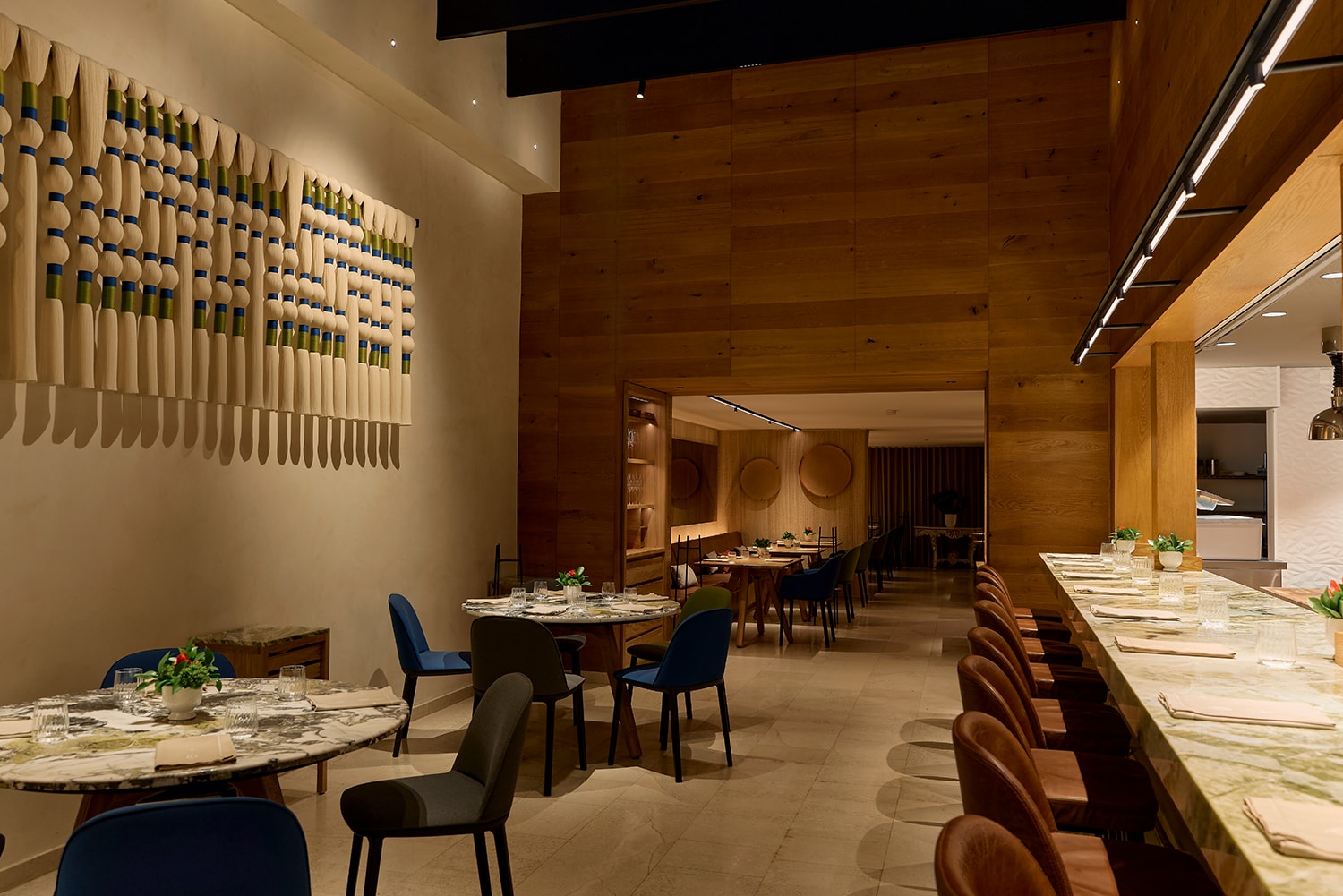
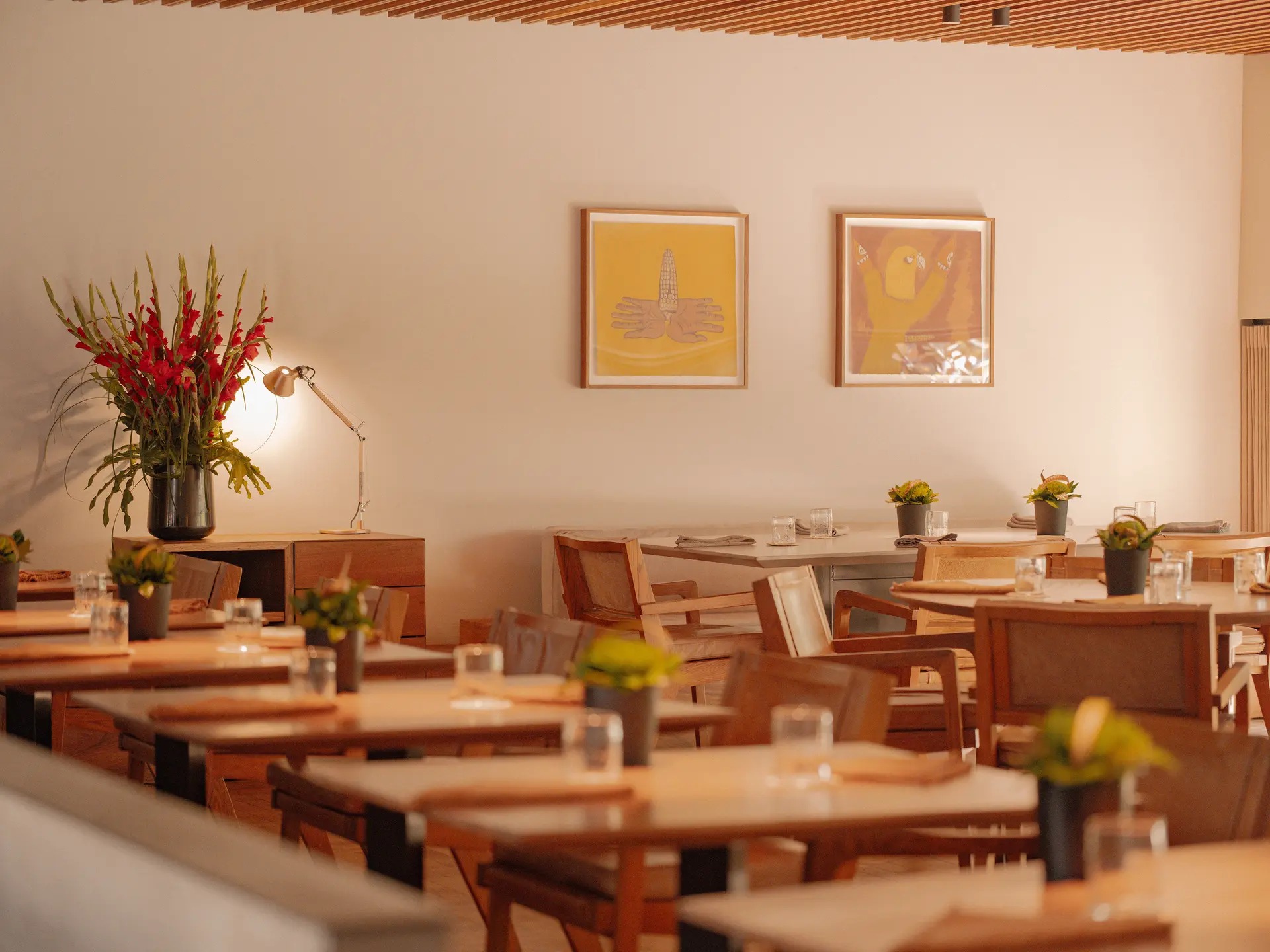
The room carries the same grammar as the plate. Red and gold tones set the field; flowers, artistic plateware, and saturated color keep the service close to ceremony without making it solemn. Dulce Patria is polished, social, and lively, the kind of room where formal service has to move with precision through a festive register. The counterpoint is important. If the dish arrives as a scene, the pass has to keep the scene from becoming excess.
Beverage follows the same authored pattern rather than sitting apart from it. The restaurant’s program includes cocktails, wine, Mexican sodas, aguas frescas, and a hot-drinks section with café de olla, Chocolate Fuego, spiced cappuccino, and teas. “Liquid jewels” appears as its own special collection, placing the glass inside the same narrative frame as the courses. The result is a house where the table reads as composition: mole, fruit, porcelain, flowers, cacao, corn.
The collection keeps moving
Ortiz remains in post, and the restaurant’s changing chapters keep the work from hardening into a single set piece. The useful close is on the station rather than on a claim of permanence: each temporary collection has to earn its place beside the permanent one, and each service has to make room again for Ceviche vampiro con frutas tropicales.
Know before you go
- Dress code
- smart_casual
- Reservations
- recommended
- Parking
- street
- Payment
- credit_card, debit_card, cash
- Groups
- Welcomed
Frequently asked
Is Dulce Patria award-winning?
Dulce Patria has received recognition including: Opinionated About Dining Top Restaurants in North America Ranked #181 (2025); Opinionated About Dining Top Restaurants in North America Ranked #168 (2024); Opinionated About Dining Top Restaurants in North America Highly Recommended (2023).
What part of town is Dulce Patria in?
Dulce Patria is located at Address:Anatole France 100, Mexico City, Mexico City, Mexico, Mexico City.
What's the must-try dish at Dulce Patria?
Dulce Patria's menu is shaped by chef Martha Ortiz's approach to Mexican culinary tradition as visual and narrative expression, so the specific dishes that define a visit shift with the season and the meal's progression. The kitchen's through-line is modern Mexican technique applied to culturally grounded ingredients. For the most current menu detail, check directly with the restaurant at Anatole France 100 in Polanco before visiting.
Is there a head chef associated with Dulce Patria?
The chef associated with Dulce Patria is Martha Ortiz.
What's the best way to book Dulce Patria?
Dulce Patria sits at Anatole France 100 in Polanco, one of Mexico City's most concentrated fine-dining corridors. The restaurant's consistent ranking in the Opinionated About Dining North America top 200 — placing #168 in 2024 and #181 in 2025 — means tables at peak hours fill well in advance. Booking through the restaurant's own website or a concierge with local connections is advisable for preferred seatings.
What's the standout thing about Dulce Patria?
Chef Martha Ortiz has built Dulce Patria around a vision of Mexican cuisine as cultural narrative rather than trend-chasing fusion, and that consistency has earned consecutive rankings in the Opinionated About Dining North America top 200 from 2023 through 2025. In a Mexico City dining scene that draws some of the sharpest critical attention in the Americas, holding that position across three successive editions marks a clear point of difference from the city's newer entrants.
Address
Anatole France 100, Mexico City, Mexico City, Mexico
Polanco Chapultepec
In residence
Similar places
Modern Mexican Fine Dining
Quintonil
Mexico City, Mexico
★★ · 50 Best
Modern Mexican Fine Dining
Pujol
Mexico City, Mexico
★★ · 50 Best
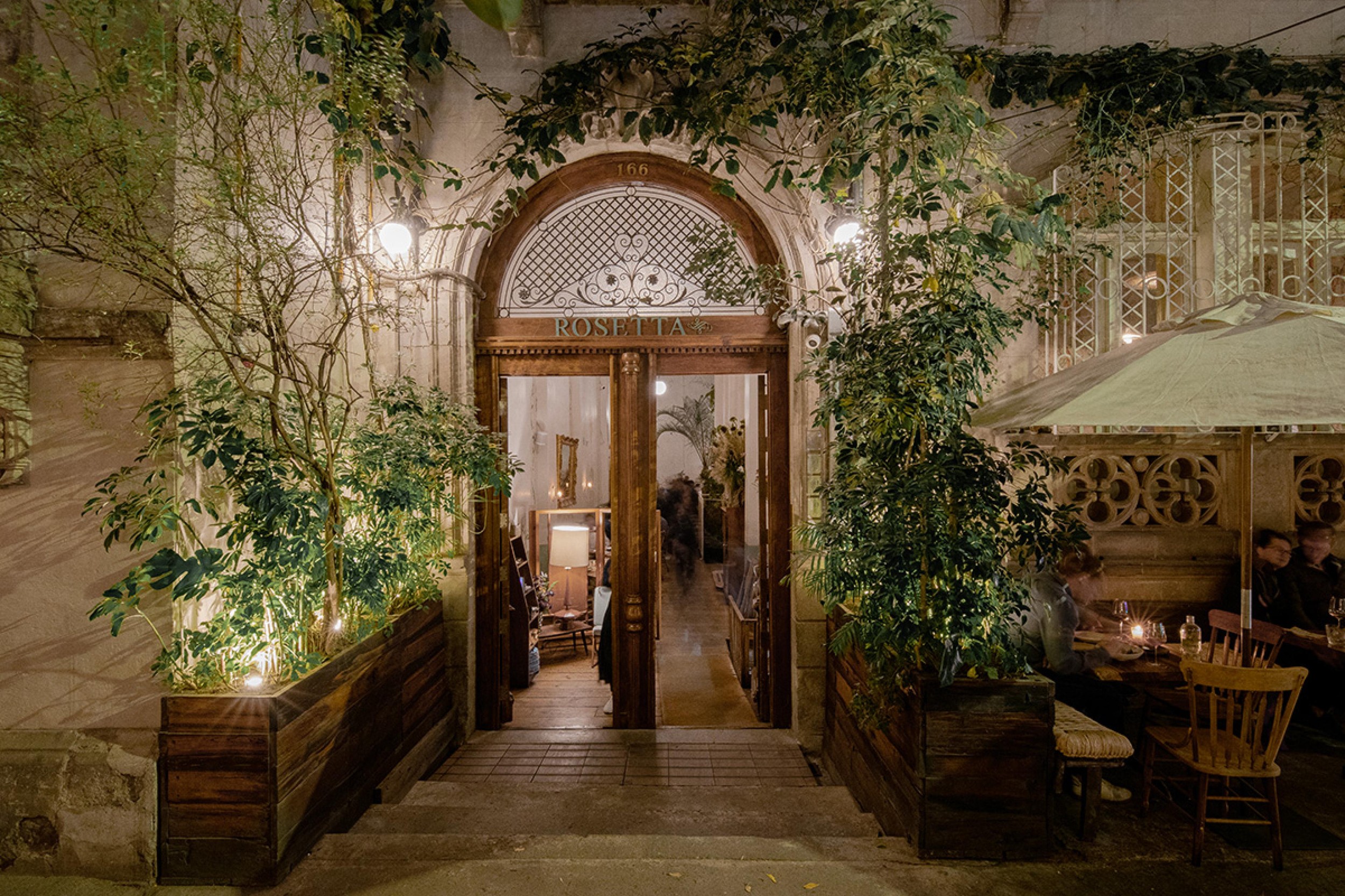
Mexican-Italian Fusion Fine Dining
Rosetta
Mexico City, Mexico
★ · 50 Best
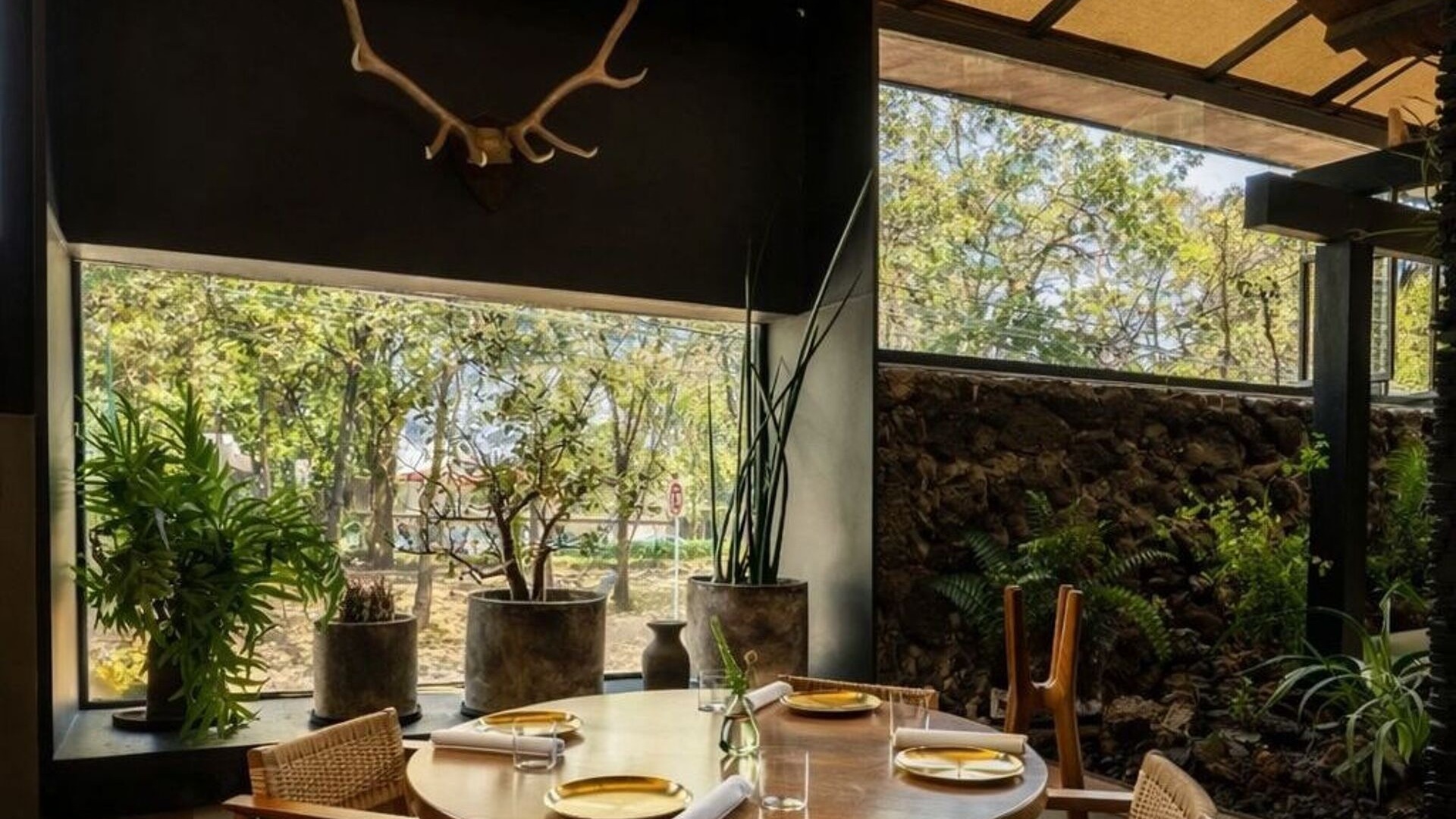
Modern Mexican Fine Dining
Sud 777
Mexico City, Mexico
★ · 50 Best
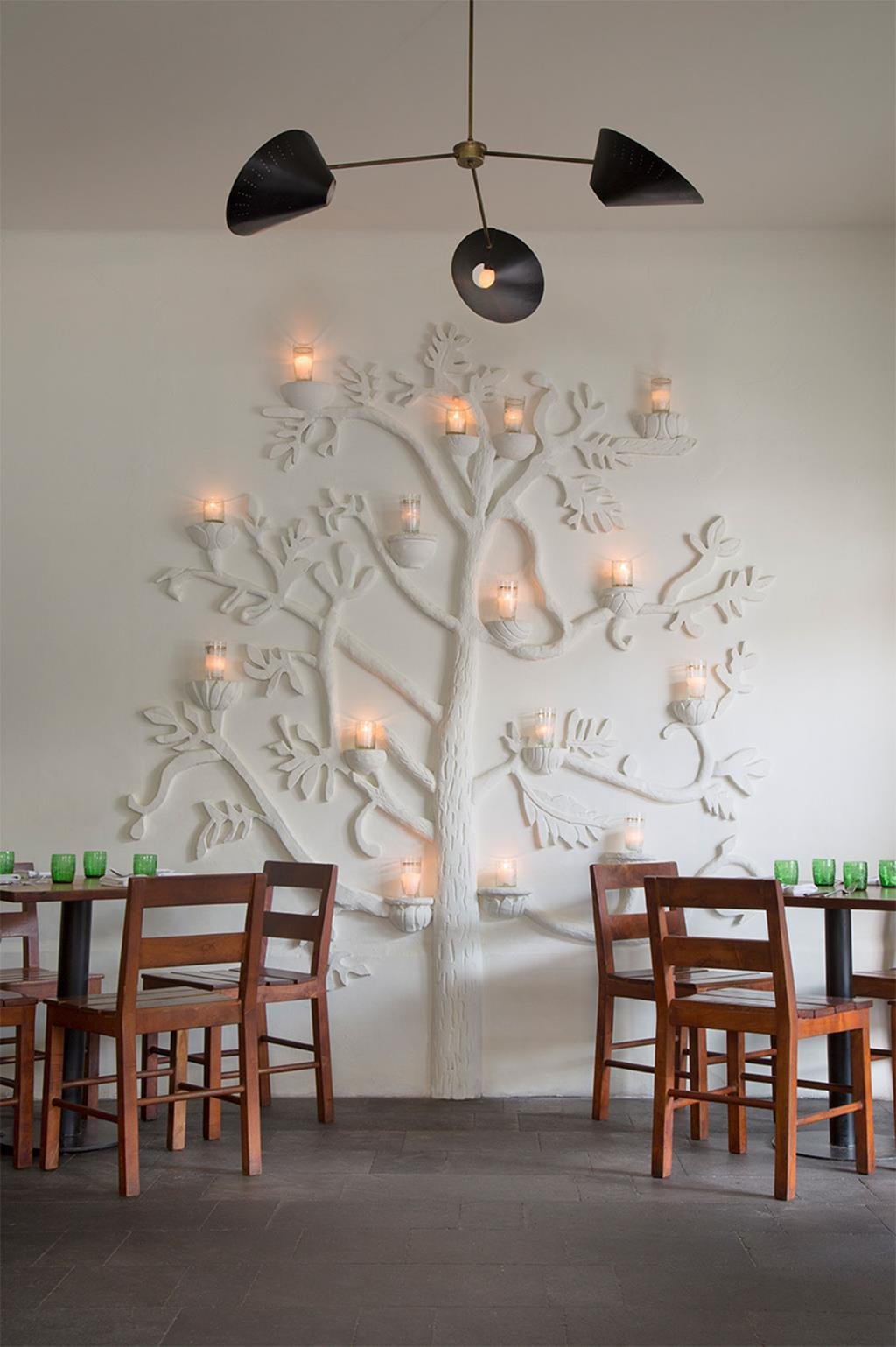
Modern Mexican with French Influences
Máximo
Mexico City, Mexico
★ · 50 Best
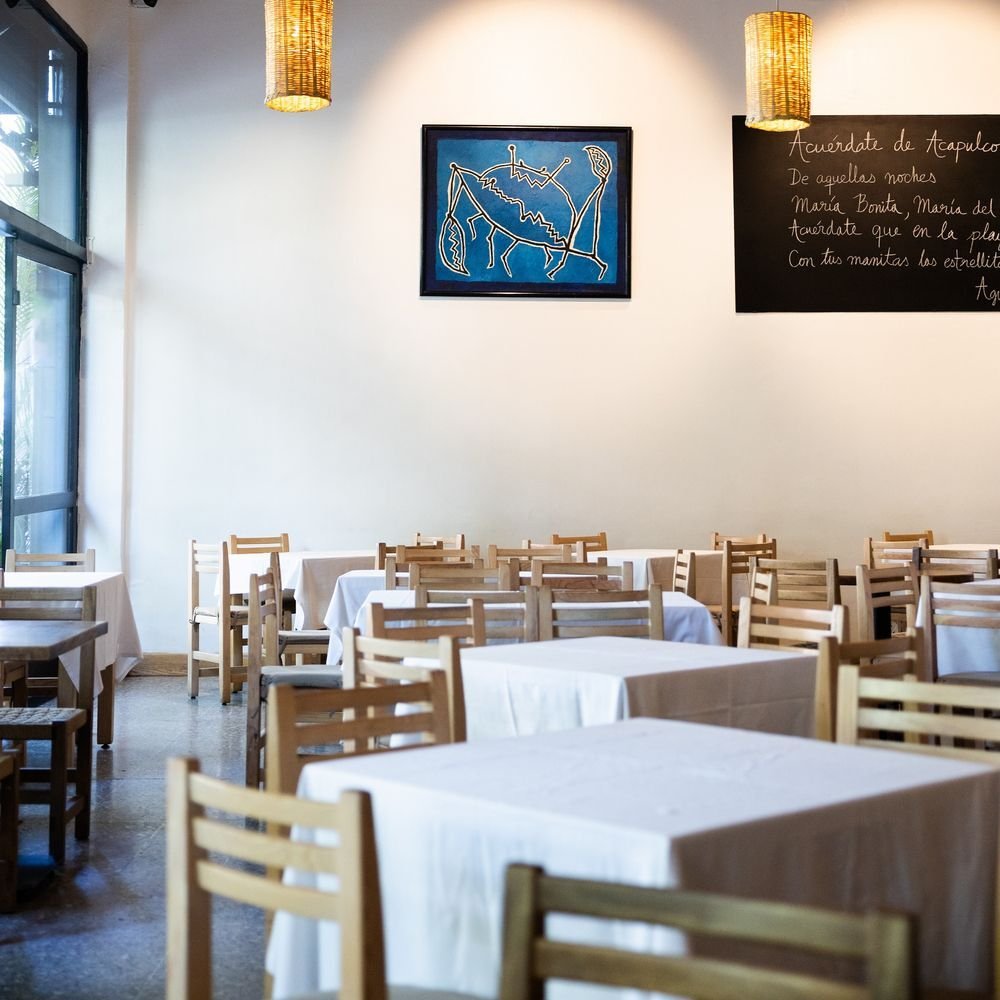
Modern Japanese-Mexican Fusion
Em
Mexico City, Mexico
★ · 50 Best