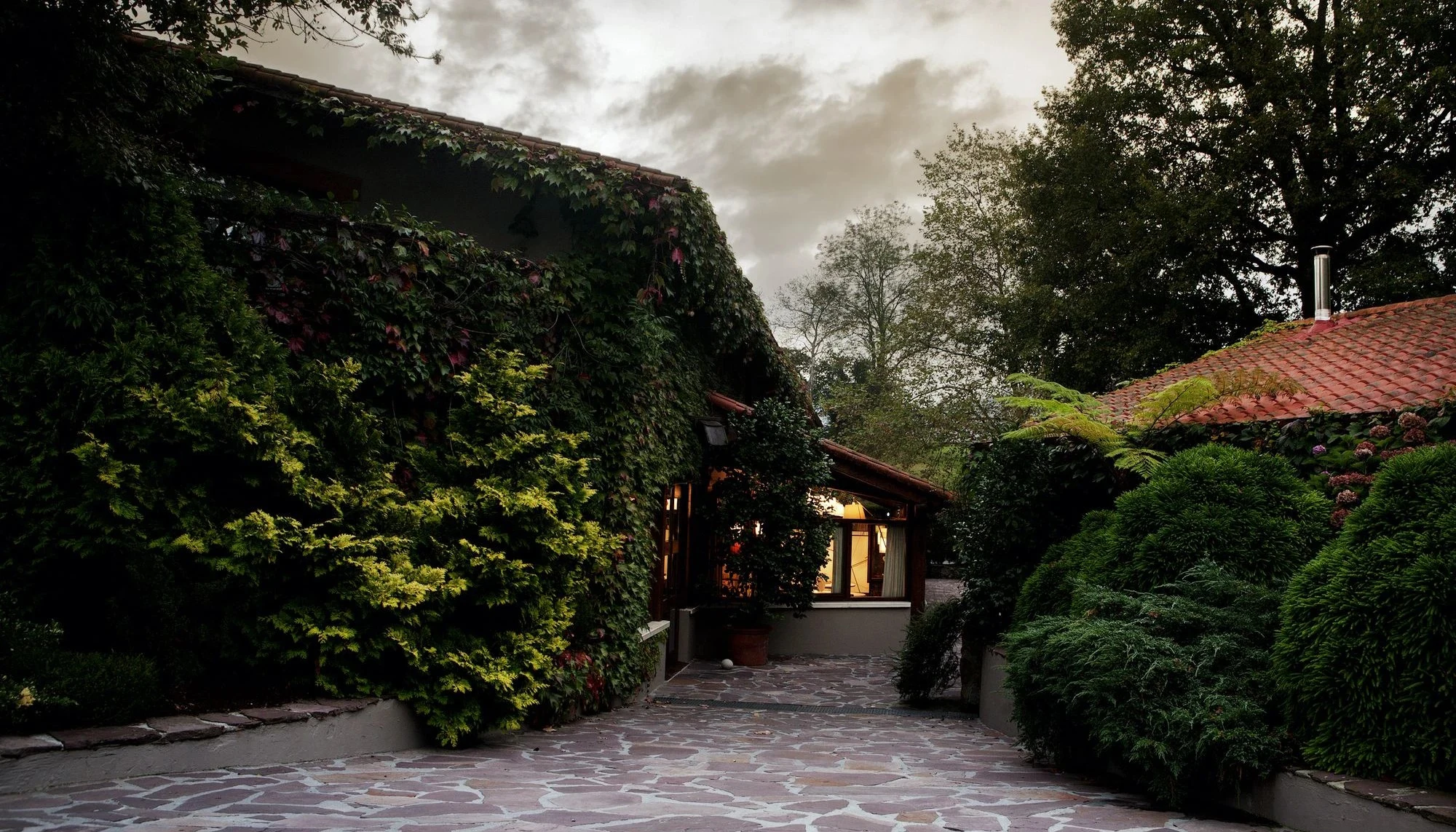
El Recetario
- 01CuisineModern Asturian with Market-Inspired Seasonal Cuisine
- 02CityGijón, Spain
Half-portions from the market pass
- Michelin Bib Gourmand · Michelin Guide
- Michelin Bib Gourmand · 2026
- Michelin Bib Gourmand · 2025
- Michelin Bib Gourmand · 2024
Since 2017 at the Gijón pass
Since 2017, the pass has belonged to Álex Sampedro, chef at El Recetario in Gijón, where market cooking moves through half-portions, daily suggestions, and a la carte plates. His route to this station began in Asturias at La Taberna de Viavélez from 1999, then continued at Los Tres Caracoles in Oviedo from 2004 to 2009. The line is not a clean reinvention. It is a regional practice built by repetition, product by product, service by service, after a move from Madrid placed his working life in Asturias.
At El Recetario, Sampedro’s authorship sits close to the room rather than above it. The restaurant calls itself an urban market restaurant, and the phrase fits the discipline of a kitchen that reads the day’s produce, then gives the diner room to compose a table from small plates, half-servings, fish, stews, croquettes, and desserts. His own line about the house is spare, “I am delighted to be here.” It has the weight of a cook who has already spent years finding the right scale for his hands.
Half-portions as kitchen method
The format matters here because it changes the work at the bench. Every dish can be ordered as a half-portion, which lets the kitchen serve a broad sequence without forcing the table into one fixed route. Hake meatballs with prawn sauce can sit beside Iberian ham croquettes; beef gizzards with potato cream can follow fish; octopus fideua can share space with foie gras pizza. The method asks for control over reduction, frying, saucing, and timing, because a smaller plate gives less cover for drift.
Sampedro’s cooking leans on Asturian product without treating tradition as a closed room. Long-cooked guisos, seafood, fresh fish, and market suggestions carry the menu, while modern assemblies bring contrast rather than noise. The wine program follows that rhythm with curated bottles and local sparkling wine, built to move between seafood, offal, pastry, and the richer dishes that arrive later in the meal. El Recetario holds a Michelin Bib Gourmand, and the restaurant’s current recognition sits with this house in Gijón, not with any earlier address.
A small room beside the old quarter
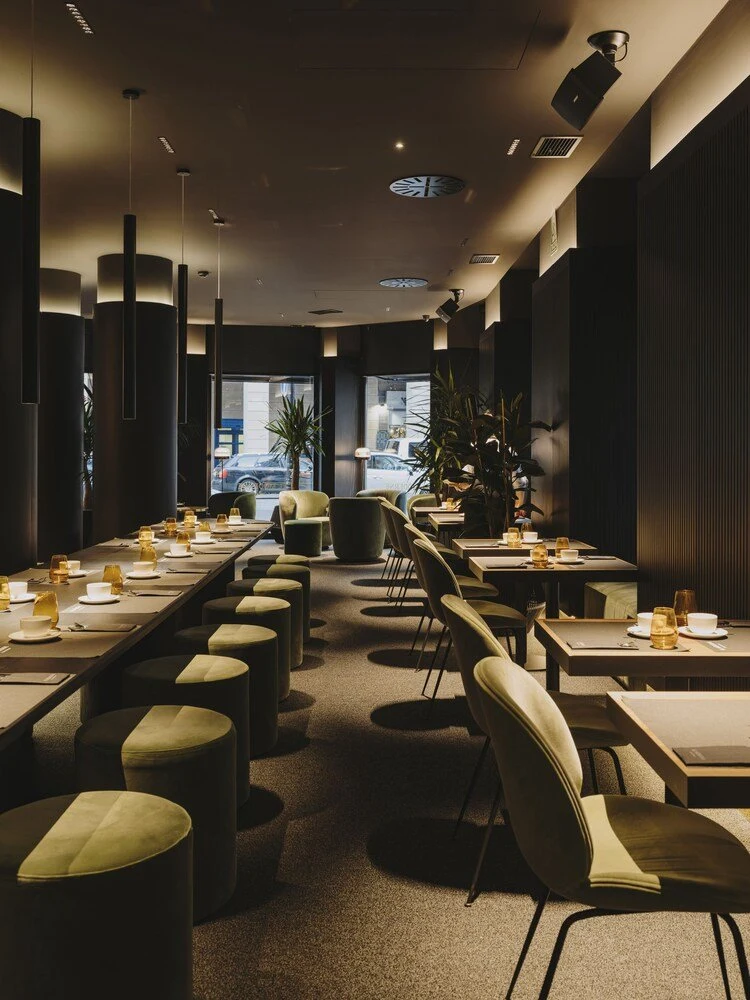
The dining room is modern and clean-lined, with careful spacing and a register that stays conversational. It is not a sidrería room of clatter and pour, though the Asturian coast is close in the cooking. The counter and entrance bar give the place a lighter first gesture, then the meal settles into a cozier, slightly formal room where service keeps pace with the sequence of shared plates.
That setting matters because Sampedro’s food depends on attention without ceremony. A table can move from croquettes to hake, from gizzards to apple pie, with the room holding its nerve around the pass. If the house has a next argument to make, it is already on the table: a market kitchen in Cimadevilla, measured through the foie gras pizza, the hake meatballs with prawn sauce, and Álex Sampedro.
Questions
Frequently asked
Who cooks at El Recetario?
Álex Sampedro is the chef at El Recetario in Gijón, where he has been at the pass since 2017.
What kind of cooking does the restaurant do?
El Recetario serves modern Asturian cooking with a market-led approach, using seasonal produce, half-portions, daily suggestions, and a la carte dishes.
What is El Recetario known for on the menu?
The menu includes dishes such as foie gras pizza, hake meatballs with prawn sauce, octopus fideua, beef gizzards with potato cream, apple pie, and Iberian ham croquettes.
What recognition does El Recetario hold?
El Recetario holds a Michelin Bib Gourmand.
What should visitors know about booking and dress?
Reservations are recommended, and the dress code is smart casual.
The field
How it compares
| Place | Cuisine | Notes | Awards |
|---|---|---|---|
| El Recetario | Modern Asturian with Market-Inspired Seasonal Cuisine | Cimadevilla, $$$ | · |
| Burnt Ends | Modern Australian Barbecue | Singapore | Michelin 1 Star, World's 50 Best |
| Farragua | Modern Spanish with Asturian and Extremaduran Roots | Gijón | · |
| Hélène Darroze at The Connaught | Three Michelin-Star Modern French Fine Dining | London | Michelin 3 Stars |
| Kumiko | Japanese Dining Bar | Chicago | · |
| Mugaritz | Avant-Garde Basque Fine Dining | Errenteria | Michelin 2 Stars, World's 50 Best |
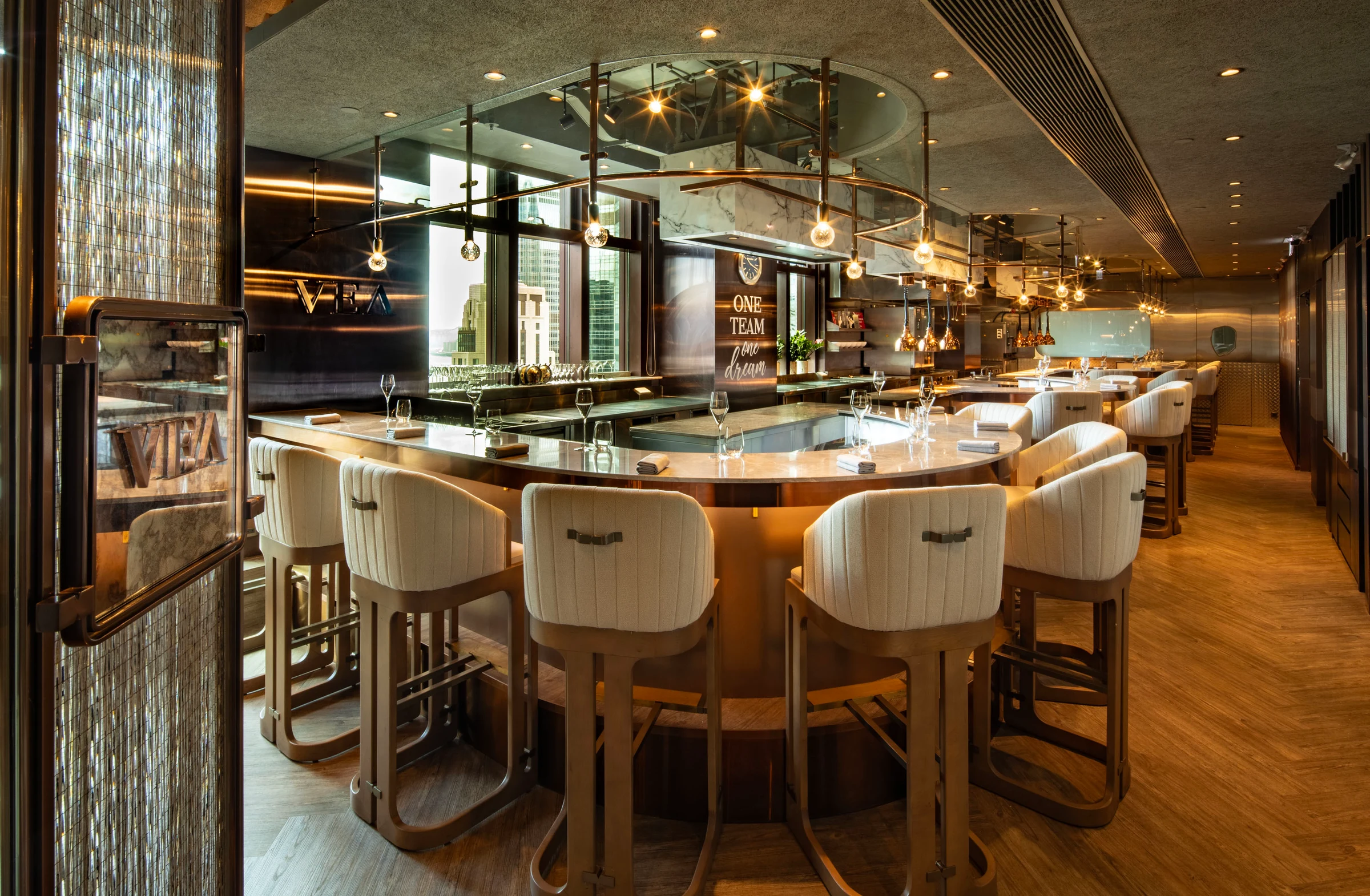
| Vea | Modern Chinese-French Fusion | Hong Kong | Michelin 1 Star, World's 50 Best |
Similar places
Modern Australian Barbecue
Burnt Ends
Singapore, Singapore
★ · 50 Best
Modern Spanish with Asturian and Extremaduran Roots
Farragua
Gijón, Spain
Three Michelin-Star Modern French Fine Dining
Hélène Darroze at The Connaught
London, United Kingdom
★★★
Japanese Dining Bar
Kumiko
Chicago, United States
Avant-Garde Basque Fine Dining
Mugaritz
Errenteria, Spain
★★ · 50 Best
Modern Chinese-French Fusion
Vea
Hong Kong, Hong Kong
★ · 50 Best