El Rinconcico
- 01CuisineModern Spanish with Peruvian Influences
- 02CityMora de Rubielos, Spain
- Michelin Bib Gourmand · Michelin Guide
- Michelin Bib Gourmand · 2026
- Macarfi 7.3 Food Rating · 2026
- Michelin Bib Gourmand · 2025
- Michelin Bib Gourmand · 2024
Where the Gúdar-Javalambre Comes to the Table
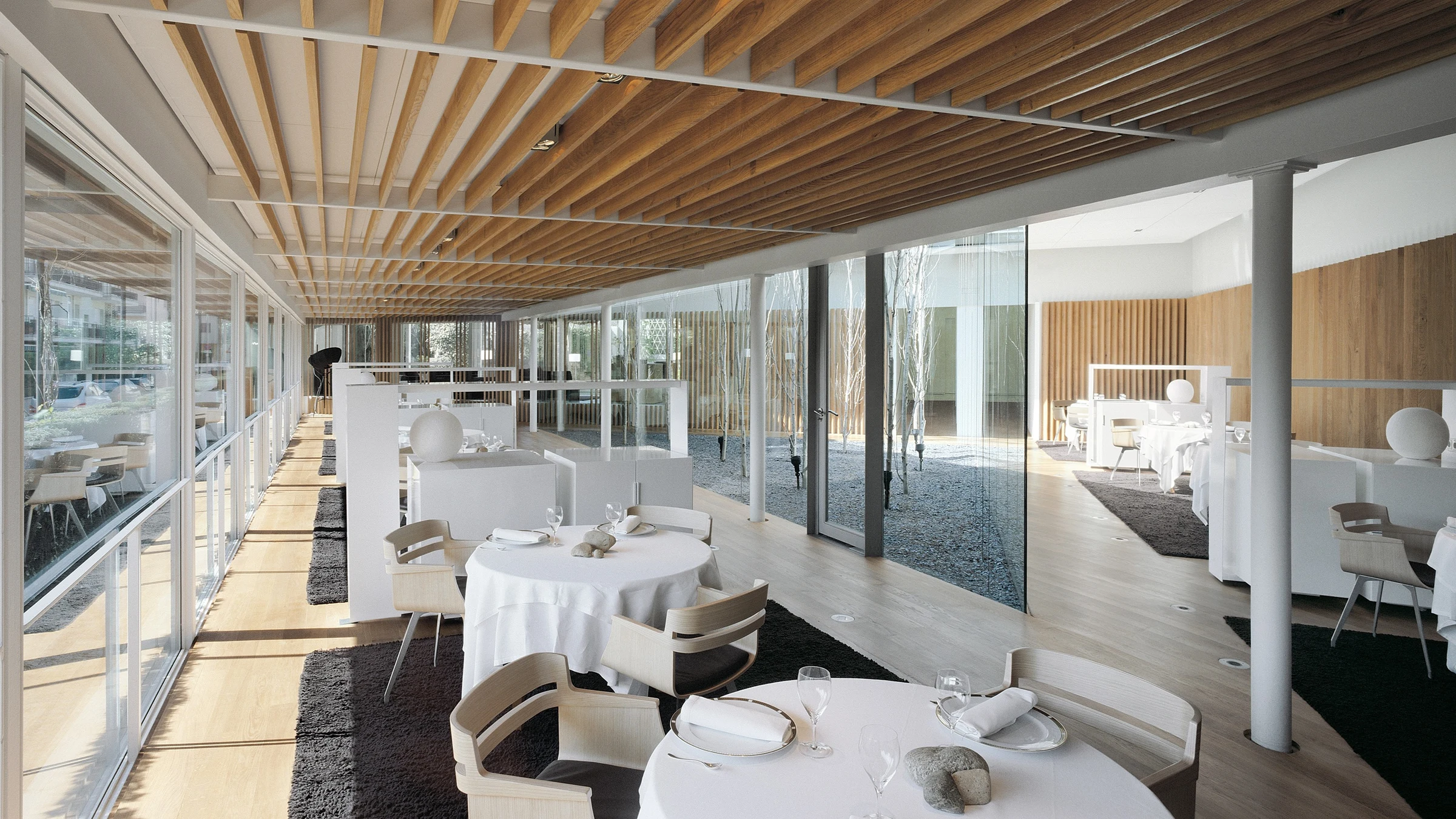
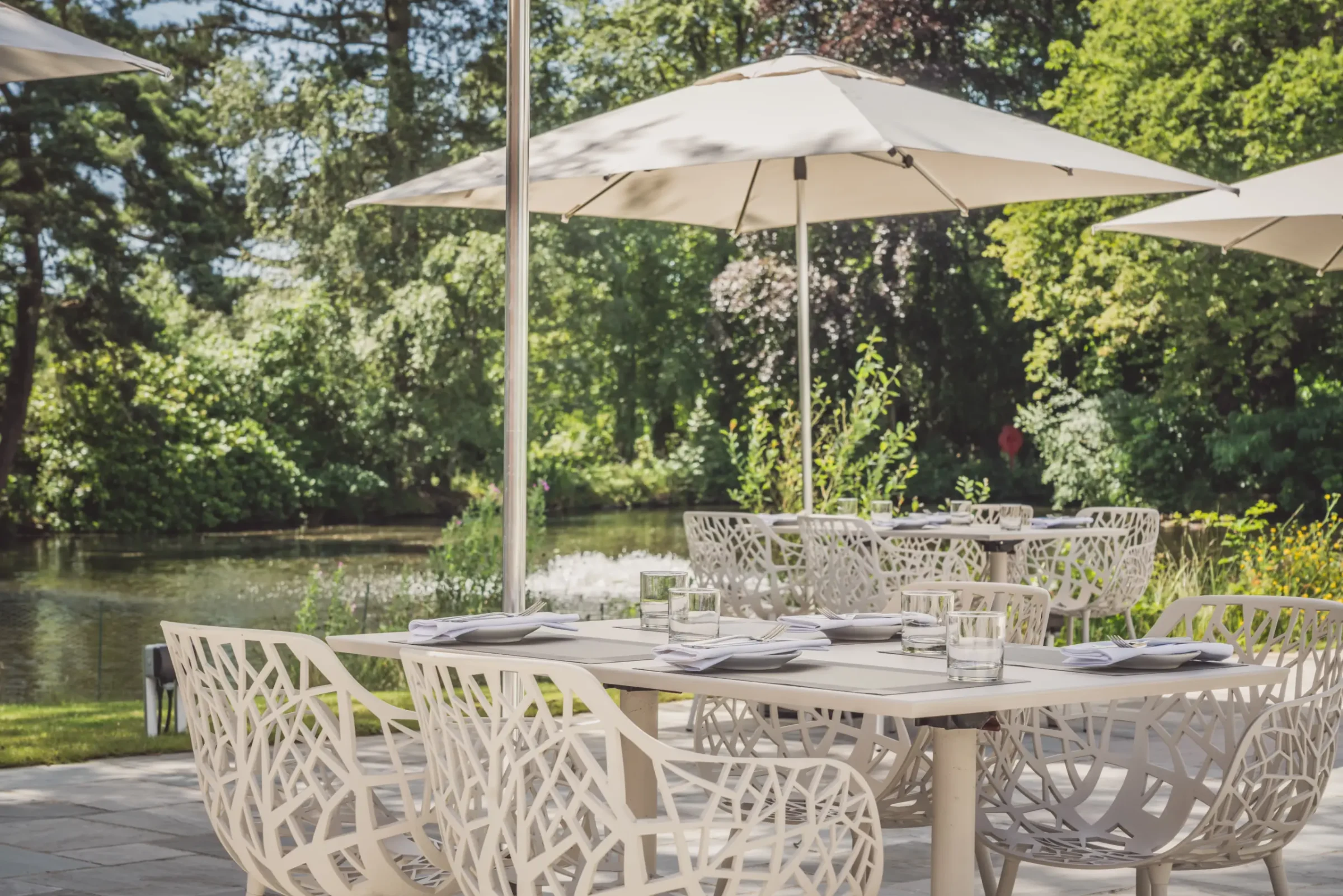
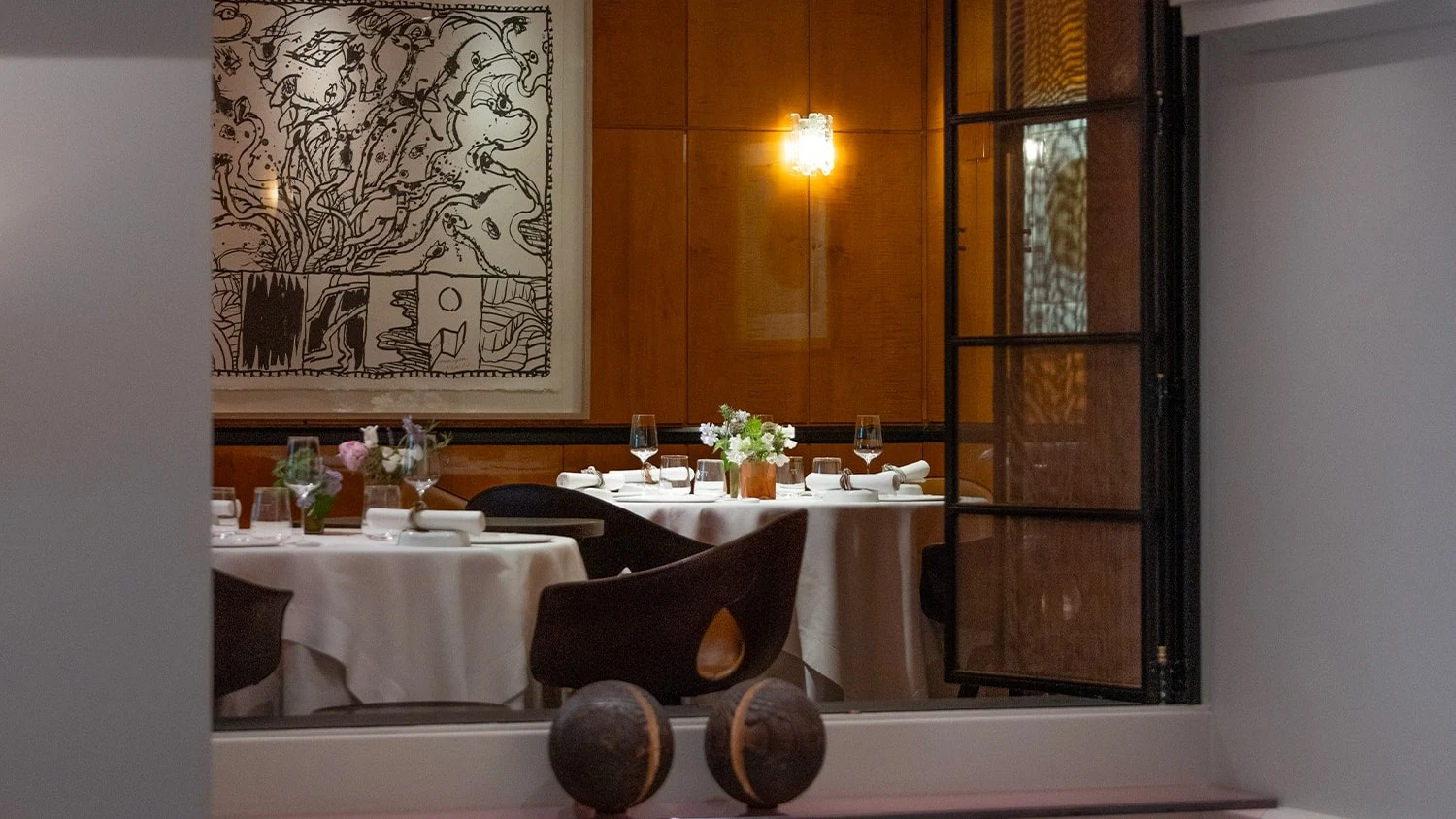
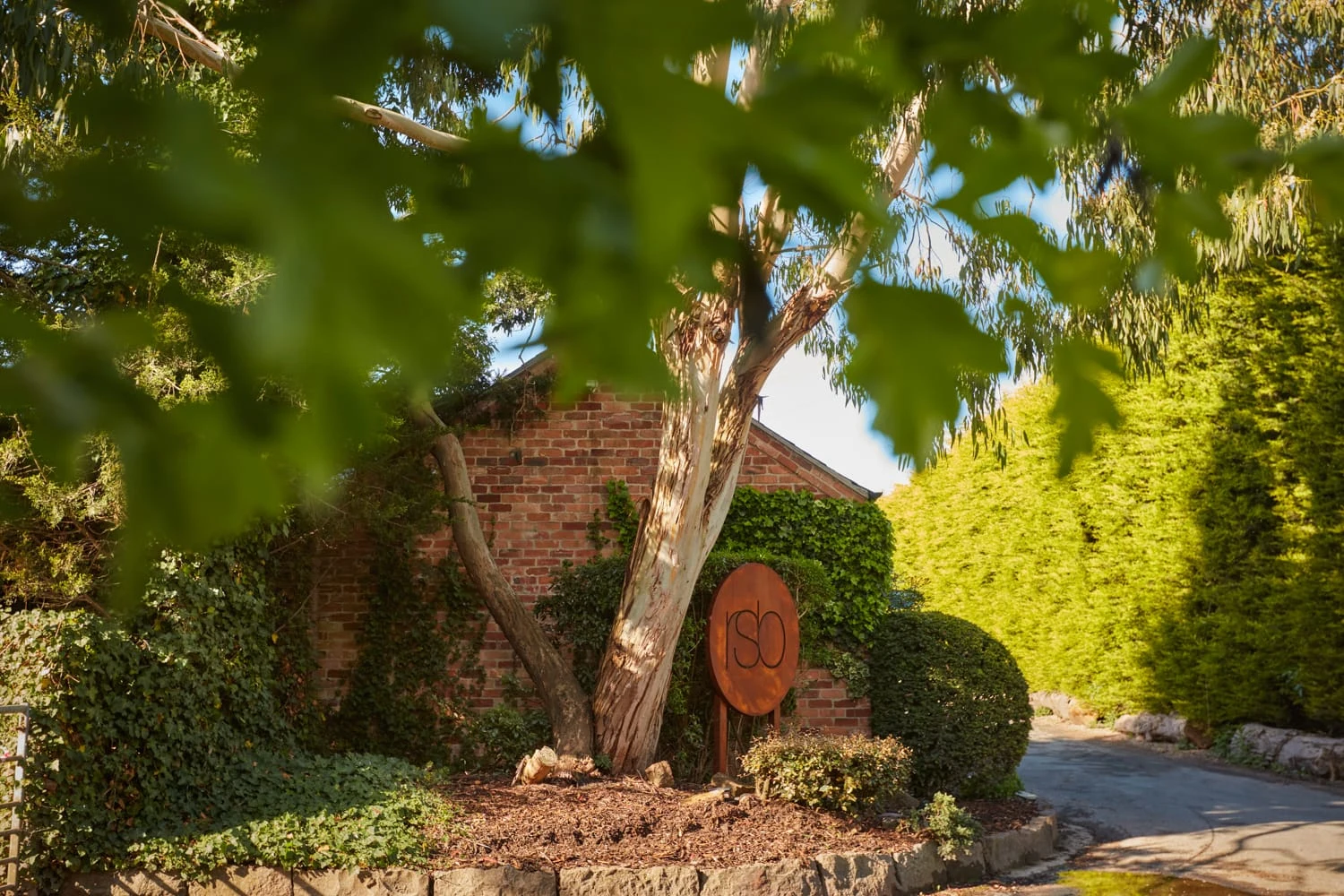
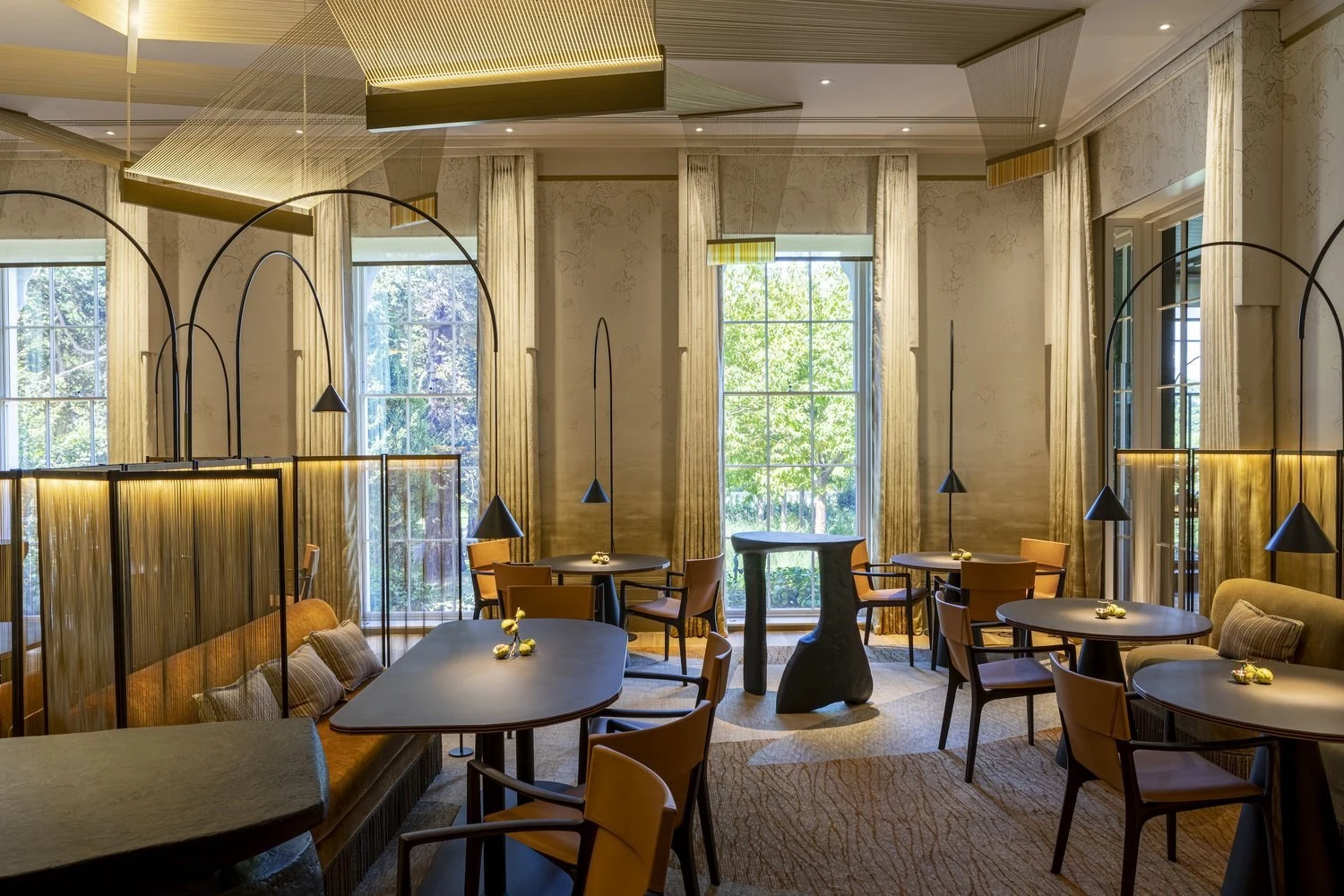
Approach Mora de Rubielos along the road from Teruel and the medieval walls of the town announce themselves before anything else, stone ramparts, a castle silhouette, and the River Mora threading quietly below. El Rinconcico sits at Bo. Sta. Lucía, 4, 44400 Mora de Rubielos, Teruel, Spain, on the edge of the River Mora and within easy reach of the town's medieval core. The ground floor runs as a gastro-bar, sociable and informal, with a few tables for those who want something between a quick plate and a full sit-down meal. Upstairs, the main dining room shifts the register: this is where the cooking gets its full expression, and where the Gúdar-Javalambre's reputation as one of Spain's most productive truffle zones lands on the plate rather than in a footnote.
A Region That Earns Its Gastronomic Reputation
Teruel province occupies a curious position in Spanish gastronomy. Its cured ham carries a protected designation of origin that places it alongside Jabugo and Guijuelo in national conversations about quality charcuterie. Its black truffle production, concentrated in the Gúdar-Javalambre highlands, supplies kitchens well beyond Spain's borders. Yet the province lacks the international name recognition of the Basque Country, Catalonia, or Valencia, the cities that anchor Spain's most-discussed dining. That gap creates a particular kind of restaurant opportunity: serious local ingredients, a visitor base that skews toward the genuinely curious, and pricing that reflects regional costs rather than metropolitan demand. El Rinconcico operates squarely within that opportunity, holding two consecutive Michelin Bib Gourmand awards (2024 and 2025) at a modest price point, a combination that makes it a compelling value in Aragonese dining.
For context, the Bib Gourmand sits below Michelin's star tier but is not a consolation prize. The distinction recognises restaurants where quality and value intersect in a way that the inspectors find worth flagging independently. Spain's Bib Gourmand cohort includes serious kitchens working with regional produce at accessible prices, a different register from the multi-course, high-ticket format of Arzak in San Sebastián, El Celler de Can Roca in Girona, or Azurmendi in Larrabetzu, but operating from a different set of ambitions rather than falling short of the same ones. It is trying to do something more specific: cook the Gúdar-Javalambre's ingredients with enough skill and conviction to earn independent scrutiny, and deliver that at a price that reflects the town rather than the tasting-menu circuit.
The Chef's Background and What It Brings to the Menu
Chef Keco Martínez-Anglés works with a dual reference point that shapes the cooking's identity. The traditional Aragonese repertoire provides the structural foundation, dishes rooted in local produce, preparation methods carried forward from the region's cooking culture, and a respect for ingredients that have established reputations for a reason. The Peruvian dimension, drawn from the chef's heritage, appears not as fusion novelty but as a selective inflection: techniques and flavour references introduced where they extend rather than disrupt what the kitchen is doing with Teruel's larder.
This approach belongs to a broader pattern visible across Spanish regional cooking over the past two decades. Chefs returning to or relocating to smaller cities and towns have increasingly brought international training into contact with local ingredient traditions, producing menus that are neither purely traditional nor straightforwardly modern. Ricard Camarena in València and Quique Dacosta in Dénia represent higher-profile versions of this dynamic on the Mediterranean coast. In Mora de Rubielos, the scale is different but the underlying logic, bring external perspective to bear on a specific local ingredient culture, is recognisably similar.
The Dishes That Define the Kitchen
Three preparations illustrate the range and coherence of what El Rinconcico is doing. The Ternasco D.O. de Aragón lamb draws on one of Aragon's most carefully protected ingredient designations: ternasco refers specifically to young lamb raised and slaughtered according to defined regional standards, producing meat with a particular tenderness and a flavour profile that differs from more generic lamb preparations. Cooking it well requires understanding what the ingredient is before it reaches the kitchen, and this is a case where local sourcing translates into a dish the kitchen can deliver with authority.
The potaje de garbanzos de Miguel, a chickpea stew named for the restaurant's founder, frames the other end of the menu's personality. Stews of this type belong to a deep layer of Spanish regional cooking, and including one named for a founding figure is a statement about continuity: the restaurant has been operating for more than thirty years, and this dish connects the current kitchen's work to that longer history. In an era where Spanish fine dining often emphasises rupture and reinvention, a preparation that openly acknowledges its own lineage makes a quiet counter-argument.
The Havana morcilla cigar sits between those two poles: a presentation built around visual misdirection, black pudding shaped and wrapped to resemble a cigar. It signals the kitchen's willingness to play with expectation without abandoning ingredient focus. Black pudding is a staple of Aragonese cooking; the presentation is the chef's intervention. The balance is calibrated.
Planning Your Visit
The single-euro price indicator places it in an accessible tier for the region, appropriate for a Bib Gourmand holder in a small Aragonese town, where the cost structure differs substantially from Barcelona or Madrid.
Mora de Rubielos is within reach of Valencia and Zaragoza, making it a viable day trip if you are already in the region. Given the truffle production that defines Gúdar-Javalambre, visiting between December and March puts you in the territory of the black truffle season, when local restaurants are most likely to feature it prominently. The two-tier format, gastro-bar downstairs, dining room upstairs, gives the visit some flexibility depending on how much time you have and what kind of meal you are after.
For regional comparison in the traditional cuisine category, Auga in Gijón and Auberge Grand'Maison in Mûr-de-Bretagne represent analogous approaches to regional ingredient cooking in different European contexts. For the higher-end of Spain's creative dining tier, Martin Berasategui in Lasarte-Oria, Mugaritz in Errenteria, Cocina Hermanos Torres in Barcelona, and Atrio in Cáceres offer useful contrast with the Bib Gourmand tier where El Rinconcico operates.
Questions
Frequently asked
What recognition does El Rinconcico hold?
El Rinconcico holds a Michelin Bib Gourmand.
How expensive is El Rinconcico?
El Rinconcico is listed at a price level of $$.
Where is El Rinconcico and what does it serve?
El Rinconcico is in Bo. Sta. Lucía, Mora de Rubielos, serving Modern Spanish with Peruvian Influences.
The field
How it compares
| Place | Cuisine | Notes | Awards |
|---|---|---|---|
| El Rinconcico | Modern Spanish with Peruvian Influences | Bo. Sta. Lucía, $$ | · |
| El Celler de Can Roca | Creative Catalan Fine Dining | Girona | Michelin 3 Stars, World's 50 Best |
| focus ATELIER | Modern French Fine Dining | Vitznau | Michelin 2 Stars |
| Moor Hall | Modern British Fine Dining | Aughton | Michelin 3 Stars |
| Pierre Gagnaire | Avant-Garde French Fine Dining | Paris | Michelin 3 Stars, World's 50 Best |
| Restaurant Sat Bains | Modern British Fine Dining | Nottingham | Michelin 2 Stars |
| Woven by Adam Smith | Modern British Fine Dining | Ascot | Michelin 1 Star |
Similar places
Creative Catalan Fine Dining
El Celler de Can Roca
Girona, Spain
★★★ · 50 Best
Modern French Fine Dining
focus ATELIER
Vitznau, Switzerland
★★
Modern British Fine Dining
Moor Hall
Aughton, United Kingdom
★★★
Avant-Garde French Fine Dining
Pierre Gagnaire
Paris, France
★★★ · 50 Best
Modern British Fine Dining
Restaurant Sat Bains
Nottingham, United Kingdom
★★
Modern British Fine Dining
Woven by Adam Smith
Ascot, United Kingdom
★