Made ByRestaurant
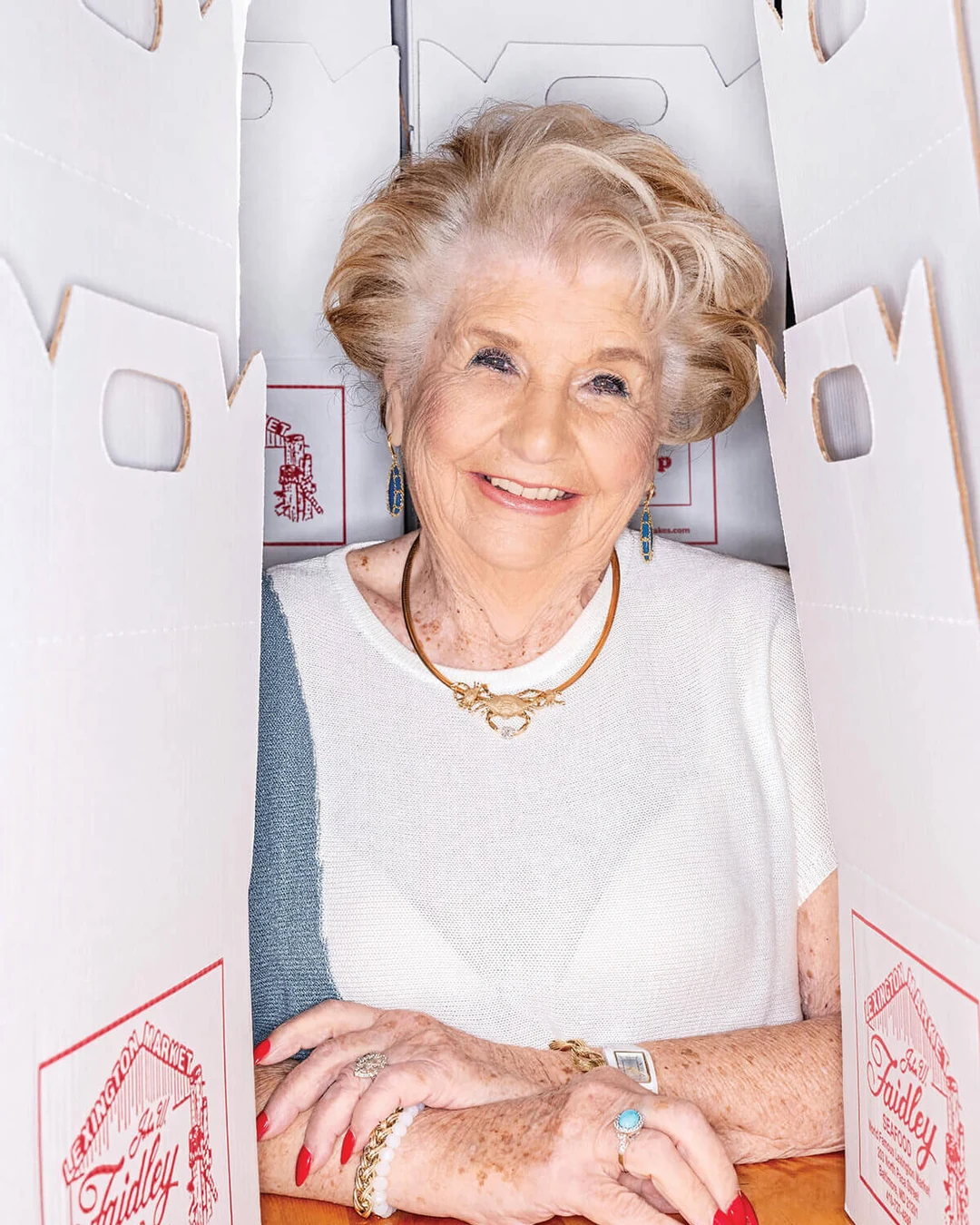
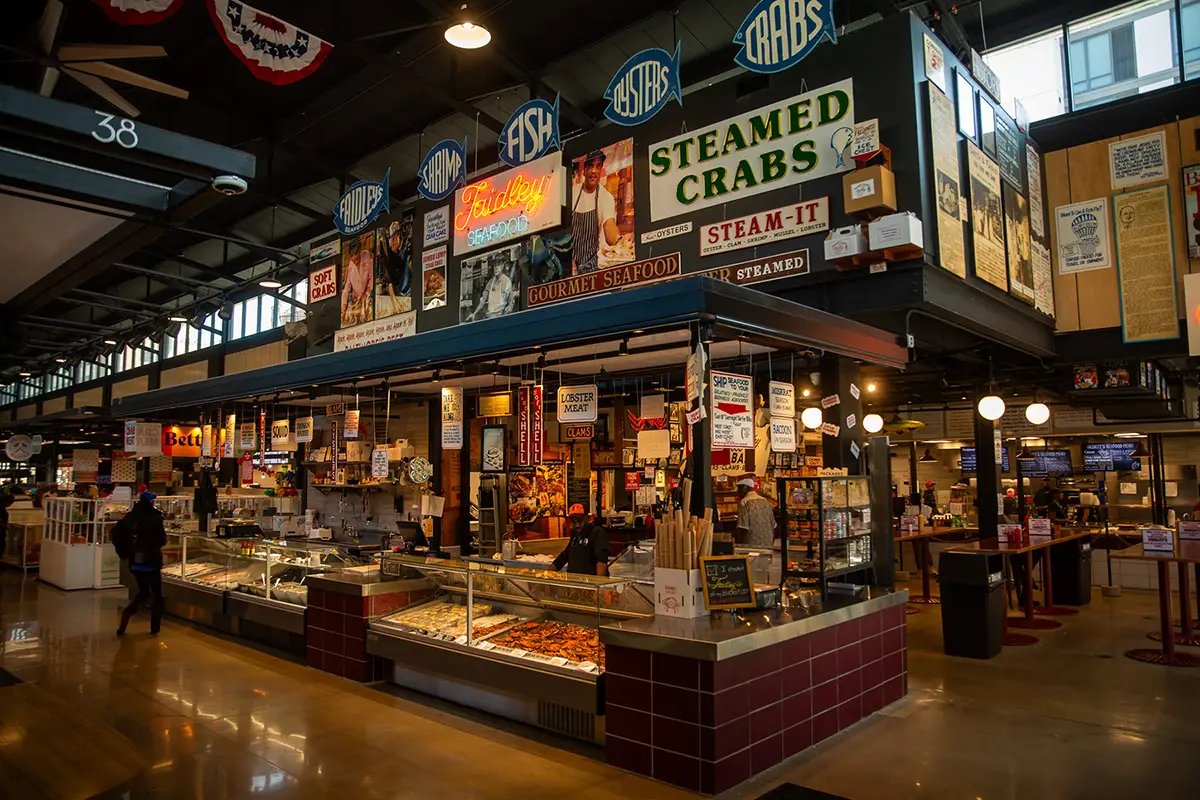
Nancy Devine, Chef at Faidley Seafood in Baltimore, keeps jumbo lump crab cakes centered on handwork, restraint, and the counter.
At a glance
- Cuisine
- Seafood
- Price
- $
- Per person
- $25
- Neighborhood
- Downtown
Jumbo lump in Nancy Devine’s hands
Nancy Devine folds jumbo lump crab by hand as Chef at Faidley Seafood in Baltimore, keeping the cake loose enough to read as crab, not filler. The gesture is small, but the standard is public. At a seafood counter, the customer sees the case, the bench, the fryer, the pass, and the hands that decide when a portion has been handled enough. Devine works inside the family inheritance of John W. Faidley Seafood, founded in 1886 by John W. Faidley, Sr. and Flossie Faidley, and still tied to Lexington Market as a fifth-generation house.
Her role here is not a restaurant title laid over a market stall. It is ownership as production work: selecting, portioning, forming, and protecting the house item from drift. The family’s method passes through the counter rather than a school, with Bill Devine having learned the work from parents and grandparents and the family keeping the crab cake as a daily measure. Nancy’s authority sits in that narrow tolerance. The cake has to hold together, but the lump meat has to remain visible. The customer should meet crab first.
A cake made with little else
The house signature is direct: Faidley’s JUMBO LUMP Crabcake, built around all-lump Maryland-style crab with minimal binder. The kitchen makes the crab cakes by hand daily with sweet crab and little else, then lightly fries them for a crust that protects the meat without turning the cake into a croquette. The discipline is restraint. Too much seasoning takes over; too much handling breaks the pieces into paste; too much binder answers a problem the crab did not create.
That is why the counter’s method depends on fast judgment. Product comes in on ice, the crab is kept generous, and the finished cake carries the house name into the room one order at a time. Oysters, steamed blue crabs, shrimp, Maryland Crab Soup, Cream of Crab Soup, clam chowder, and lobster bisque sit around the crab cake rather than beside it as ornament. They belong to the same seafood-counter logic: clean handling, recognizable product, and a plate or bowl that does not ask the customer to search for the catch.
The counter inside Lexington Market
The room is loud in the way a working market is loud: orders called across the counter, cases opening, paper and trays moving, customers standing close enough to watch the station. Faidley Seafood keeps the classic market-counter feel, even after the 2023 remodel of the Lexington Market space. The setting matters because it refuses distance. This is not a hidden kitchen sending out a finished idea; it is a public bench where the craft is tested immediately.
Counter service gives the crab cake its own kind of pressure. There is no long menu arc to soften a weak pass, no dining-room ceremony to distract from texture. A customer orders, waits, receives the cake, and knows quickly whether the hand was right. In 1992, Faidley’s crab cakes were named one of the 10 best dishes in America by GQ, but the daily grade is still simpler: whether the next cake tastes like the one people came back for. Devine’s line remains the jumbo lump crab cake at Faidley Seafood.
Know before you go
- Reservations
- walk_in_friendly
- Parking
- garage_nearby
- Payment
- cash, credit_card, debit_card, contactless
- Groups
- Welcomed
- Children
- Welcomed
In residence
Similar places
Maryland Bistro
Magdalena
Baltimore, United States
Irish Gastropub
The Wren
Baltimore, United States
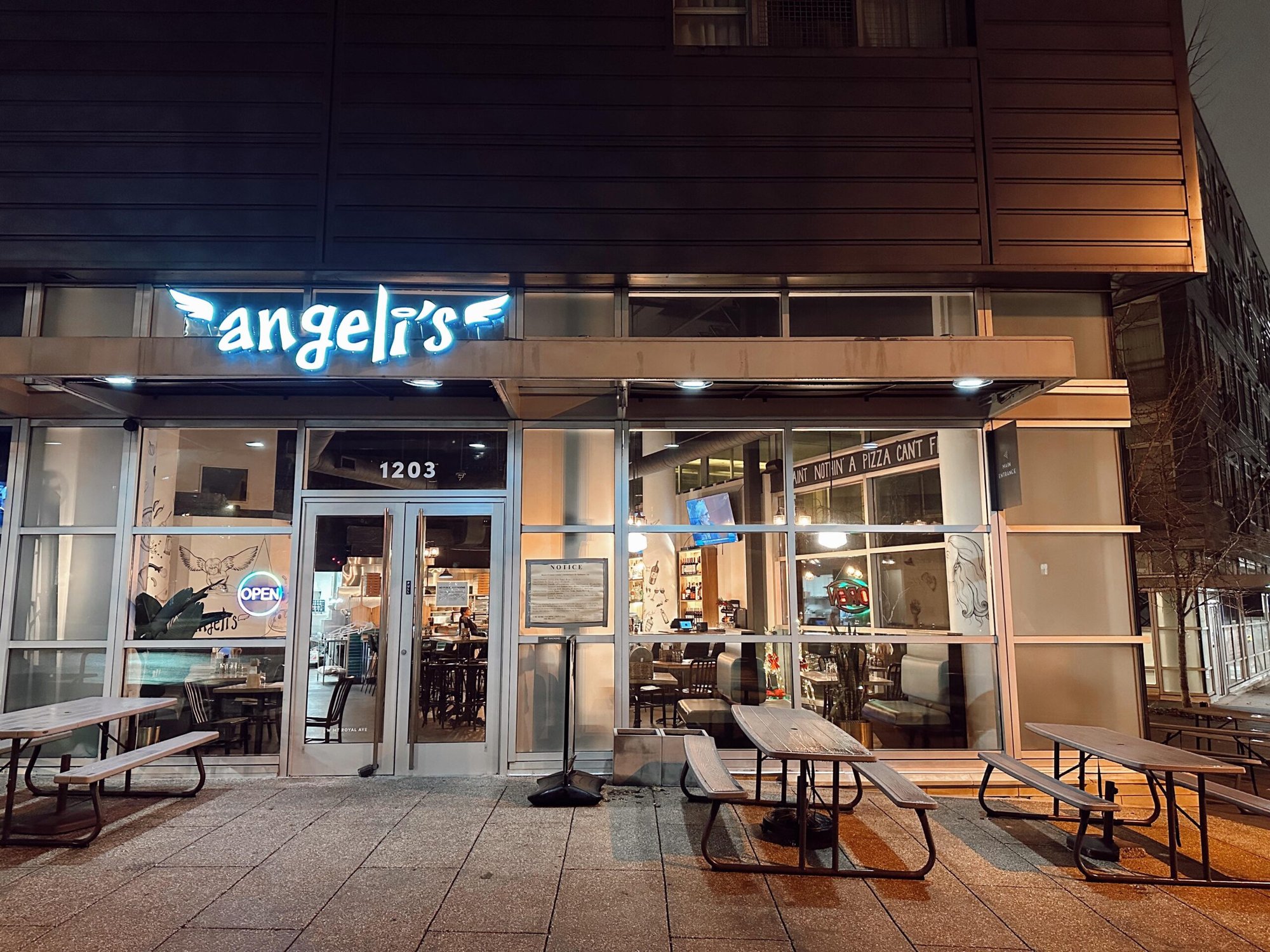
Authentic Italian Pizza
Angeli's Pizzeria
Baltimore, United States
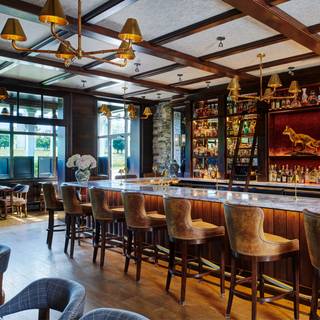
Contemporary Lowcountry Southern with French Influences
Cindy Wolf's Charleston
Baltimore, United States
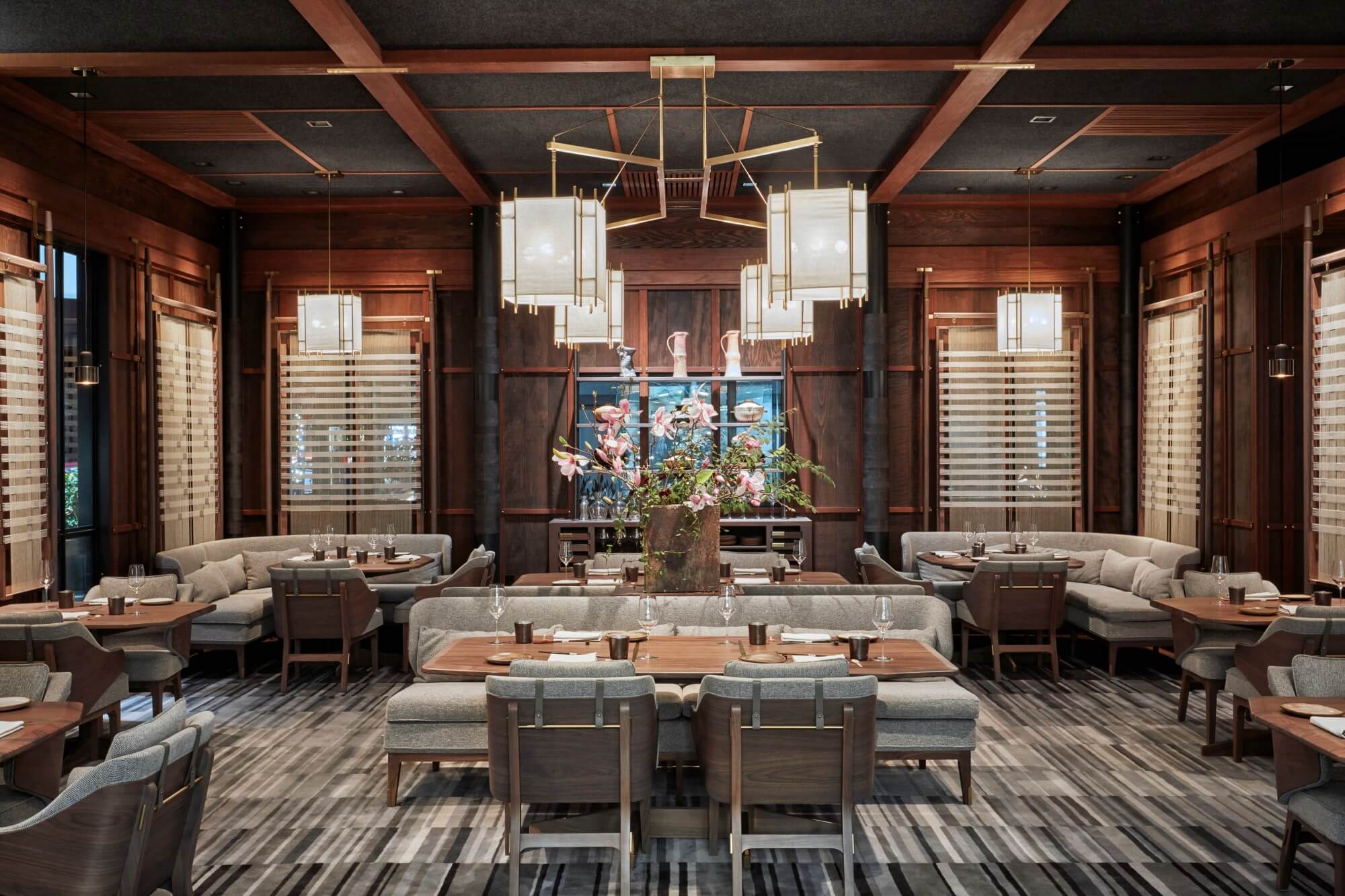
Japanese-influenced Californian Kaiseki
Single Thread Farm
Healdsburg, United States
★★★ · 50 Best
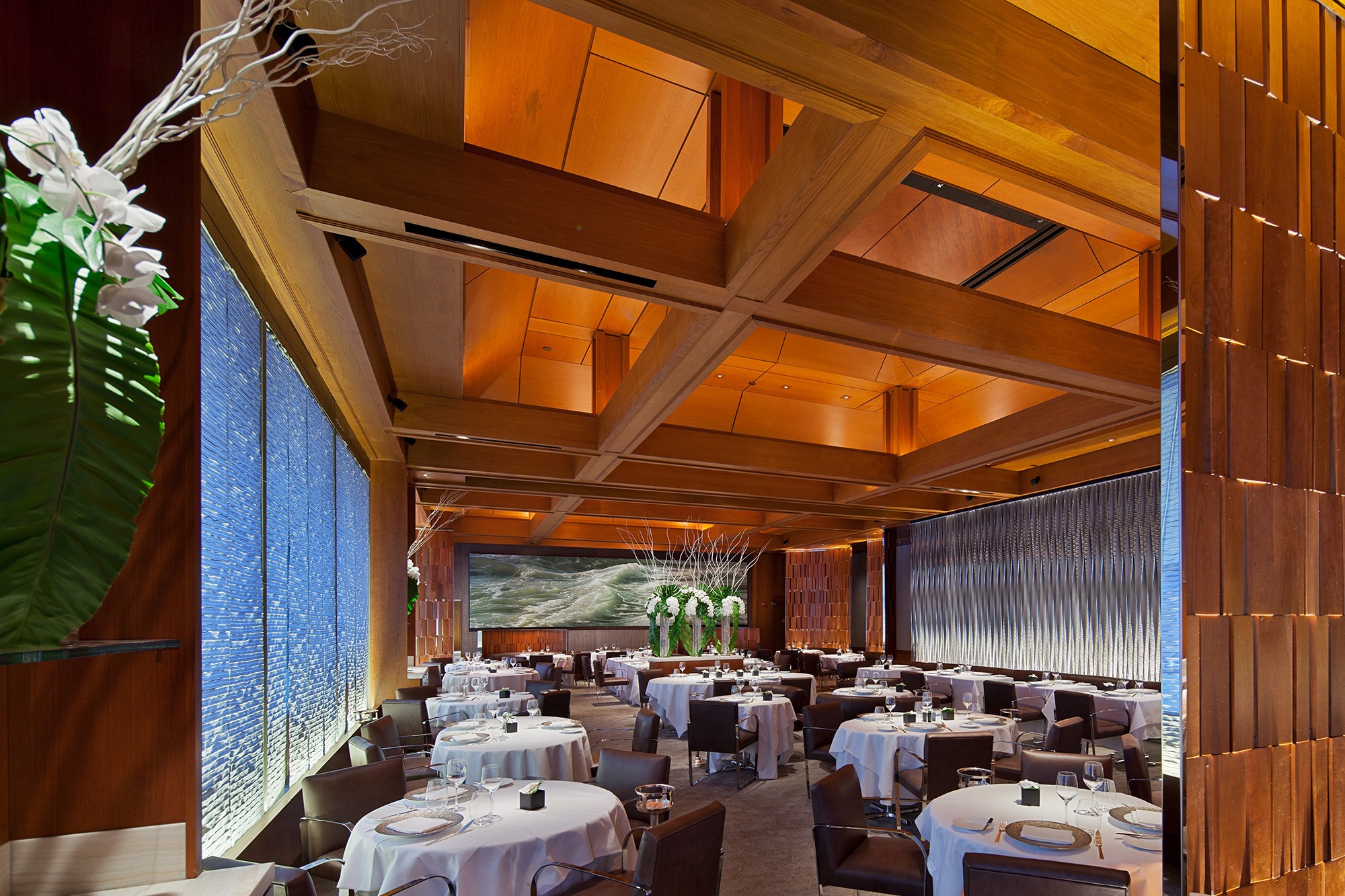
French Seafood Fine Dining
Le Bernardin
New York City, United States
★★★ · 50 Best