Made ByWinery
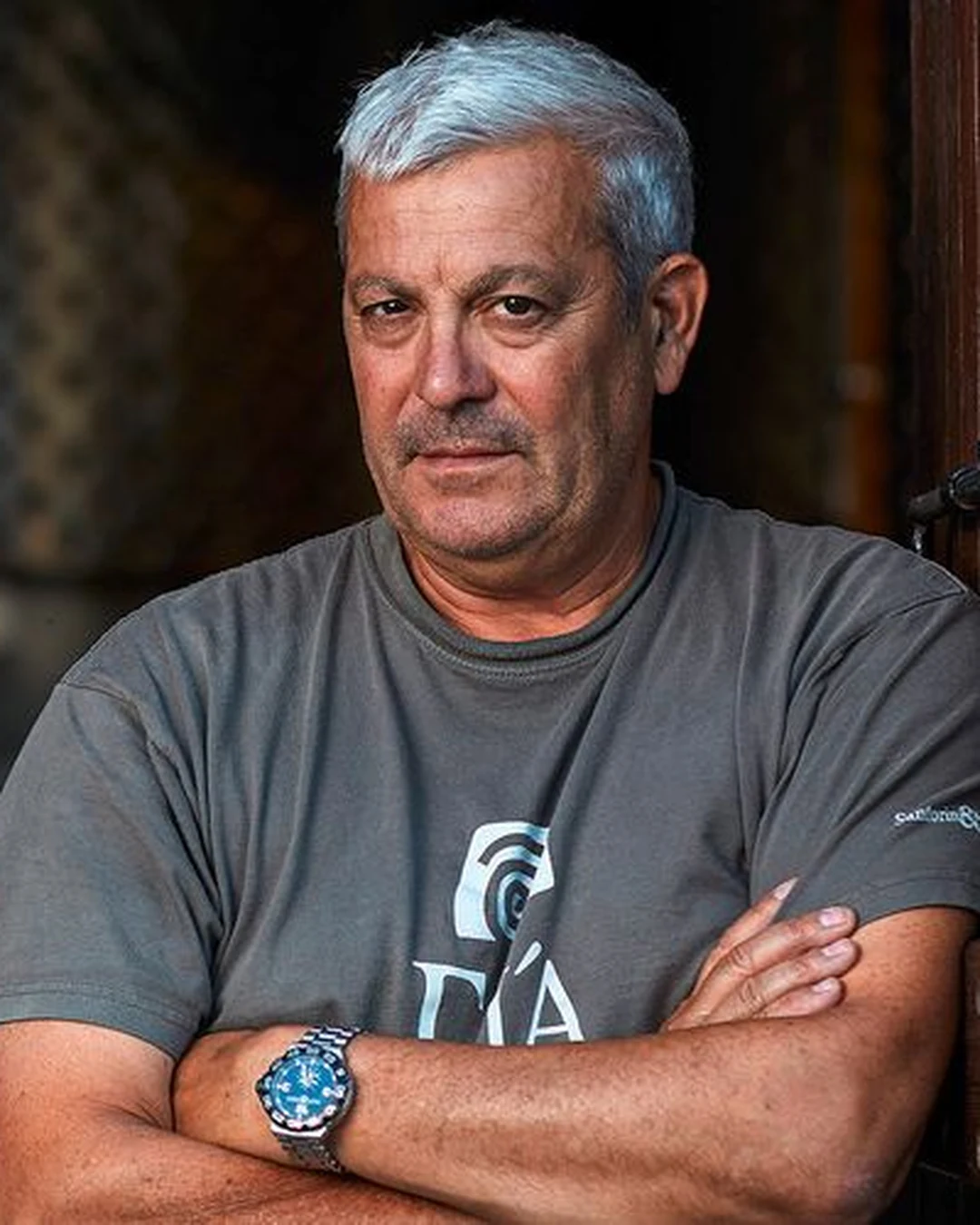

Yiannis Paraskevopoulos, winemaker at Gaia Wines Nemea in Koutsi, carefully works Agiorgitiko from a high estate vineyard there.
At a glance
- Price
- $$$
- Neighborhood
- Koutsi
The same hand across Nemea and Santorini
Agiorgitiko reaches the cellar from Koutsi’s high vineyard before Yiannis Paraskevopoulos, winemaker at Gaia Wines Nemea in Koutsi, Greece, decides how much structure the skins can give. His work at GAI'A Wines has run since 1994, as winemaker and owner, and the length of that tenure matters here because Gaia reads its identity through two Greek wine landscapes rather than one: Nemea for Agiorgitiko, Santorini for Assyrtiko. Paraskevopoulos trained at University of Bordeaux II, a technical base that shows in the way the estate speaks about site, variety, and control of detail. The Koutsi property is described by the house as the heart of the company, and its role is clear. This is where the estate-grown Agiorgitiko program gathers around Gaia Estate, the Nemea red that carries the single-vineyard work most directly. Gaia began production in 1994 with 9,800 bottles of Thalassitis, then built a two-winery practice between Koutsi, Nemea, and Exo Gonia, Santorini. The line has stayed native-grape first: Agiorgitiko here, Assyrtiko there, each asked to hold its own shape without becoming anonymous international wine.
Agiorgitiko measured from the vineyard in
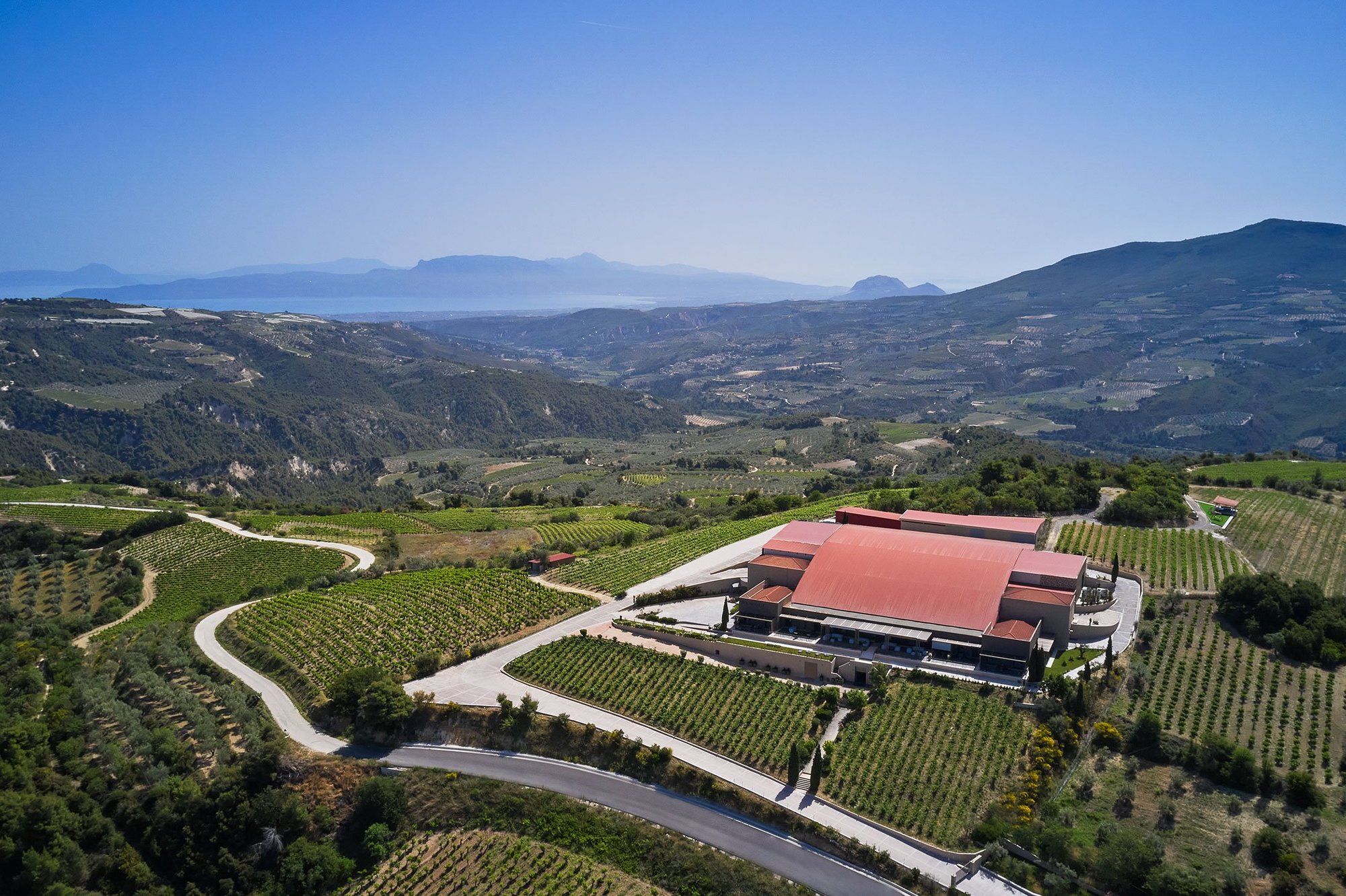
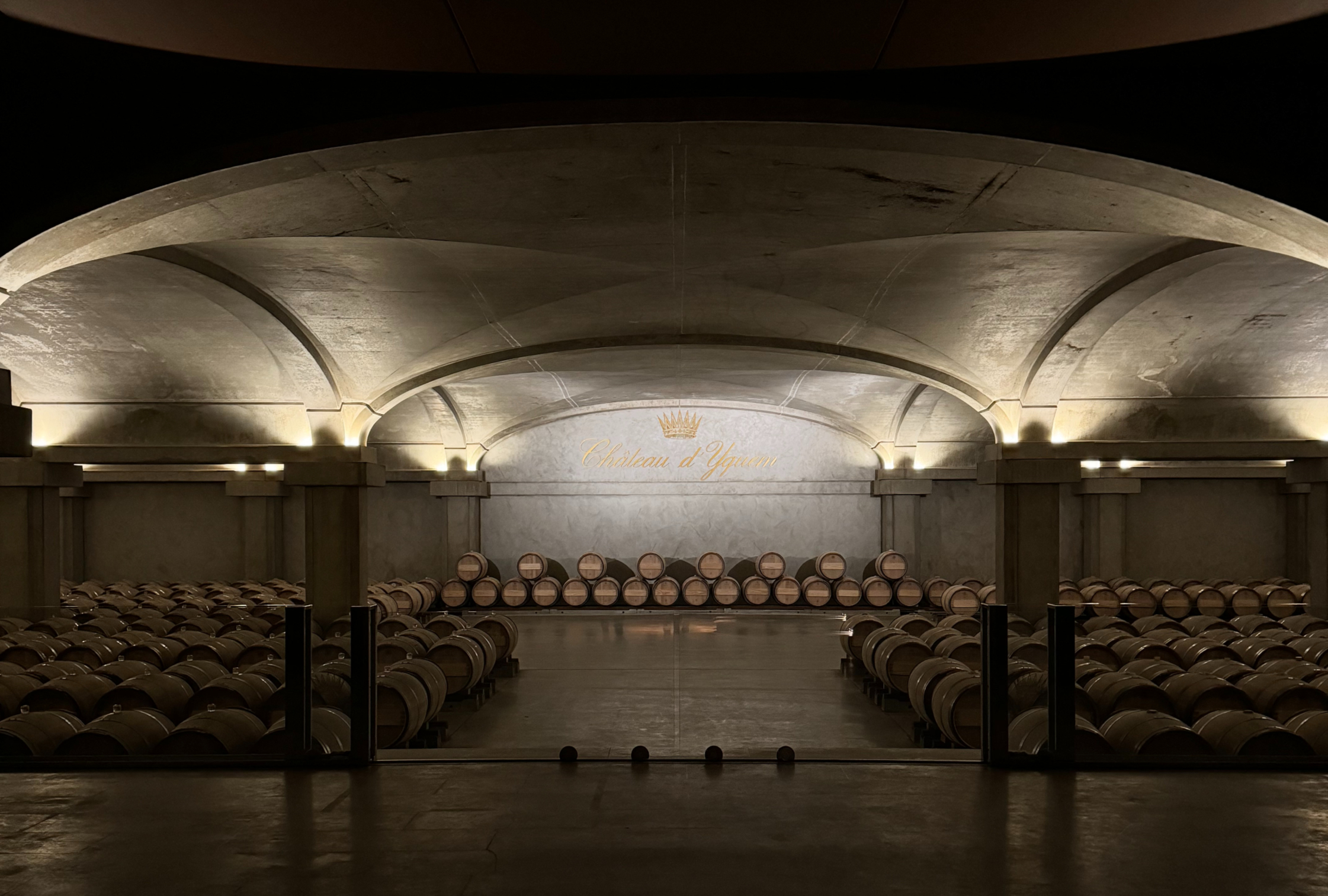
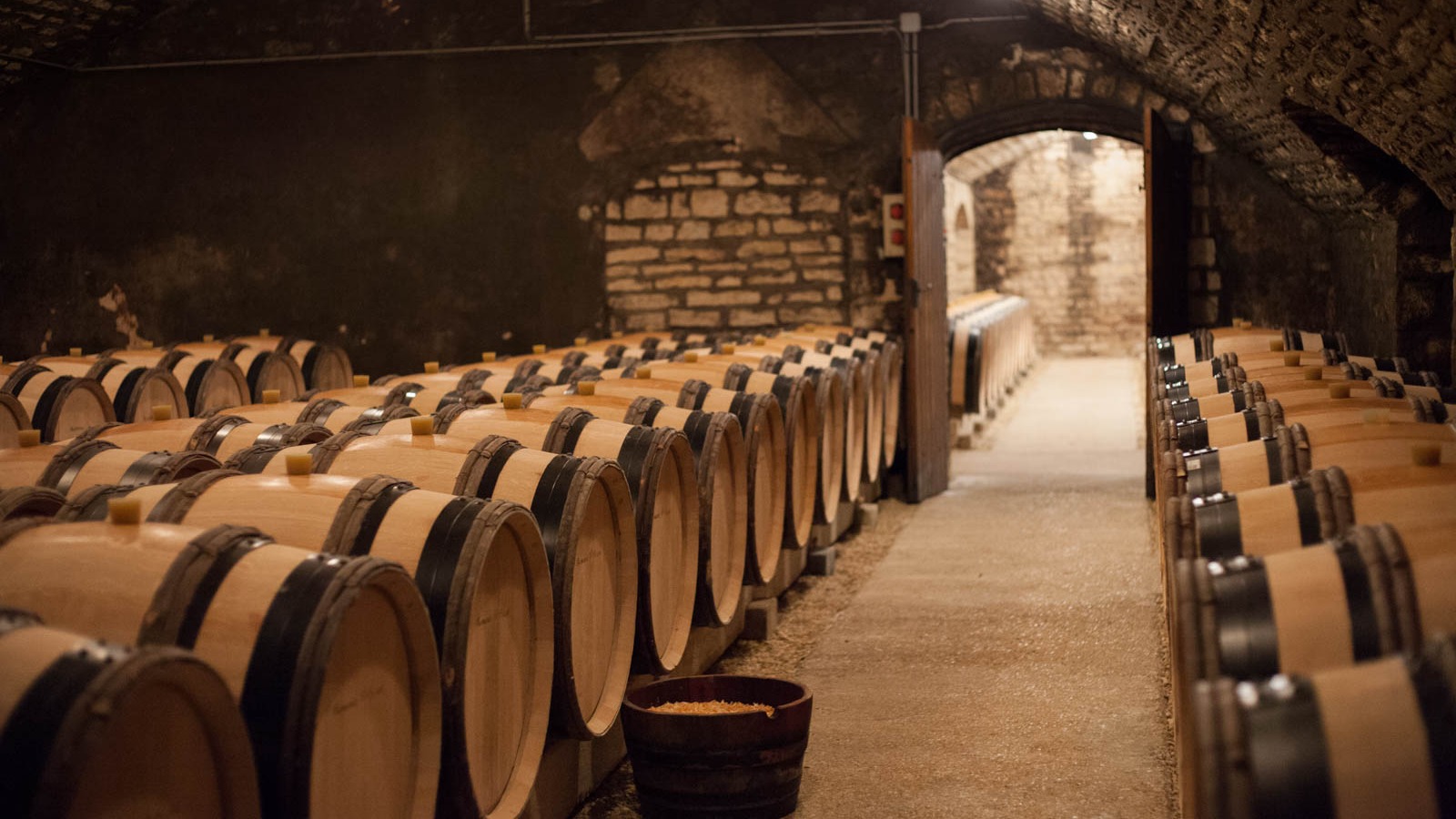
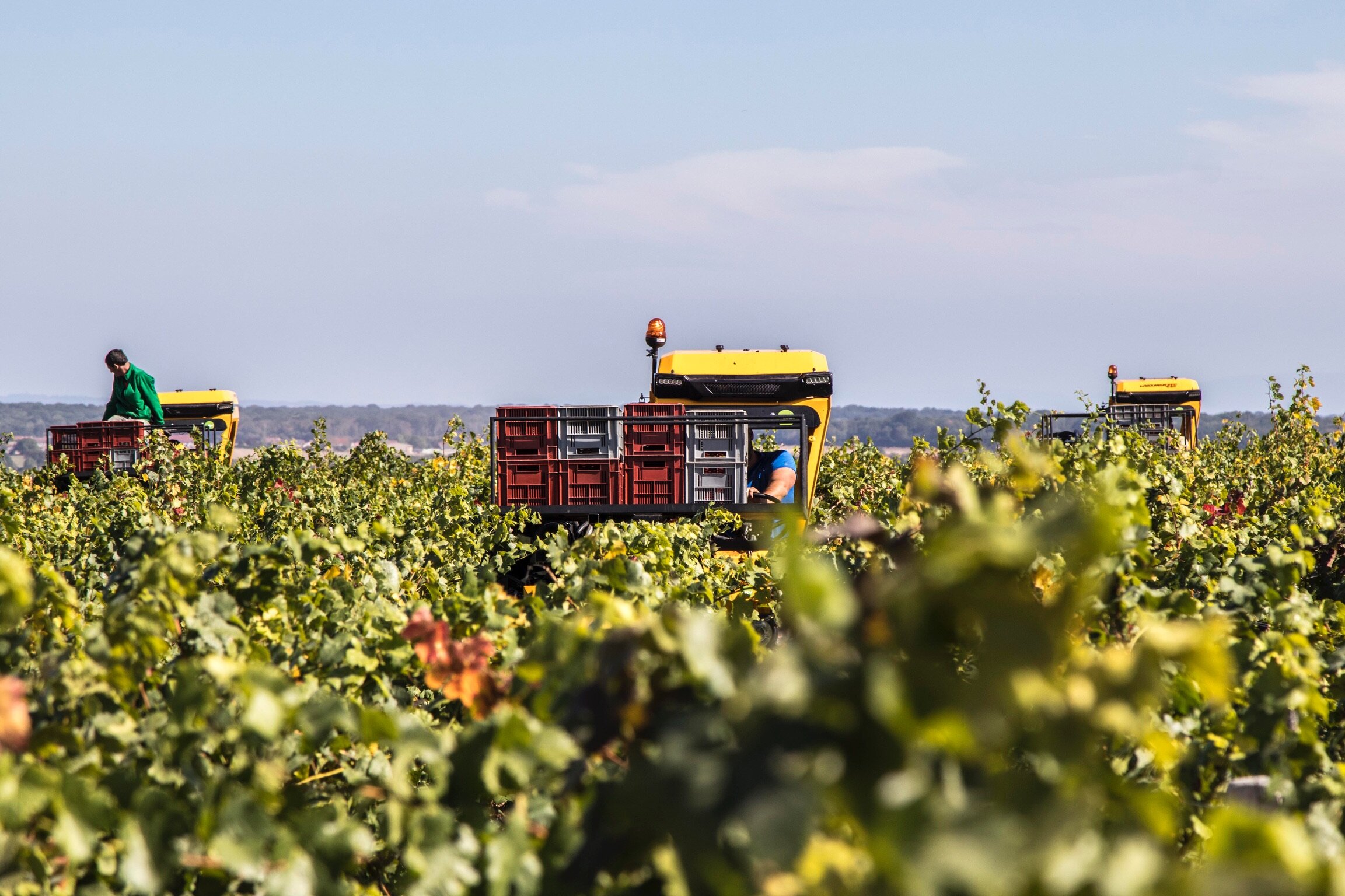
The Gaia Estate red comes entirely from a seven-hectare private vineyard in Koutsi, set at 550 metres above sea level. The vines are 40 years old, trained by the Spur Cordon method, and the yields sit at 45 to 48 hectolitres per hectare. Beneath them, the ground is about 75 cm of clay over limestone. Grapes are harvested by hand, then cold soaked and macerated for about 20 days, a long enough passage for color, tannin, and aroma to move from skin to must with intent. Fermentation takes place with selected yeasts in traditional oak fermenters at 22 to 28°C. After that, the wine completes 100% malolactic fermentation and spends 18 to 20 months in mostly new French oak casks. It is bottled without fining or filtration. The method is not framed as rustic minimalism. It is a controlled cellar program built around low yields, oak fermenters, long maturation, and a confidence that Agiorgitiko can carry weight without losing its origin.
The cellar above the vines
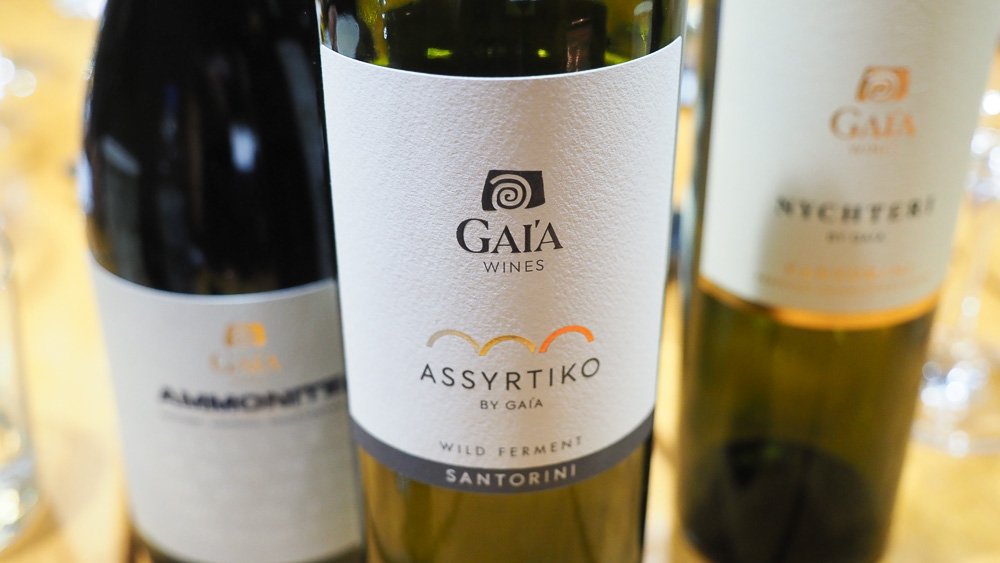
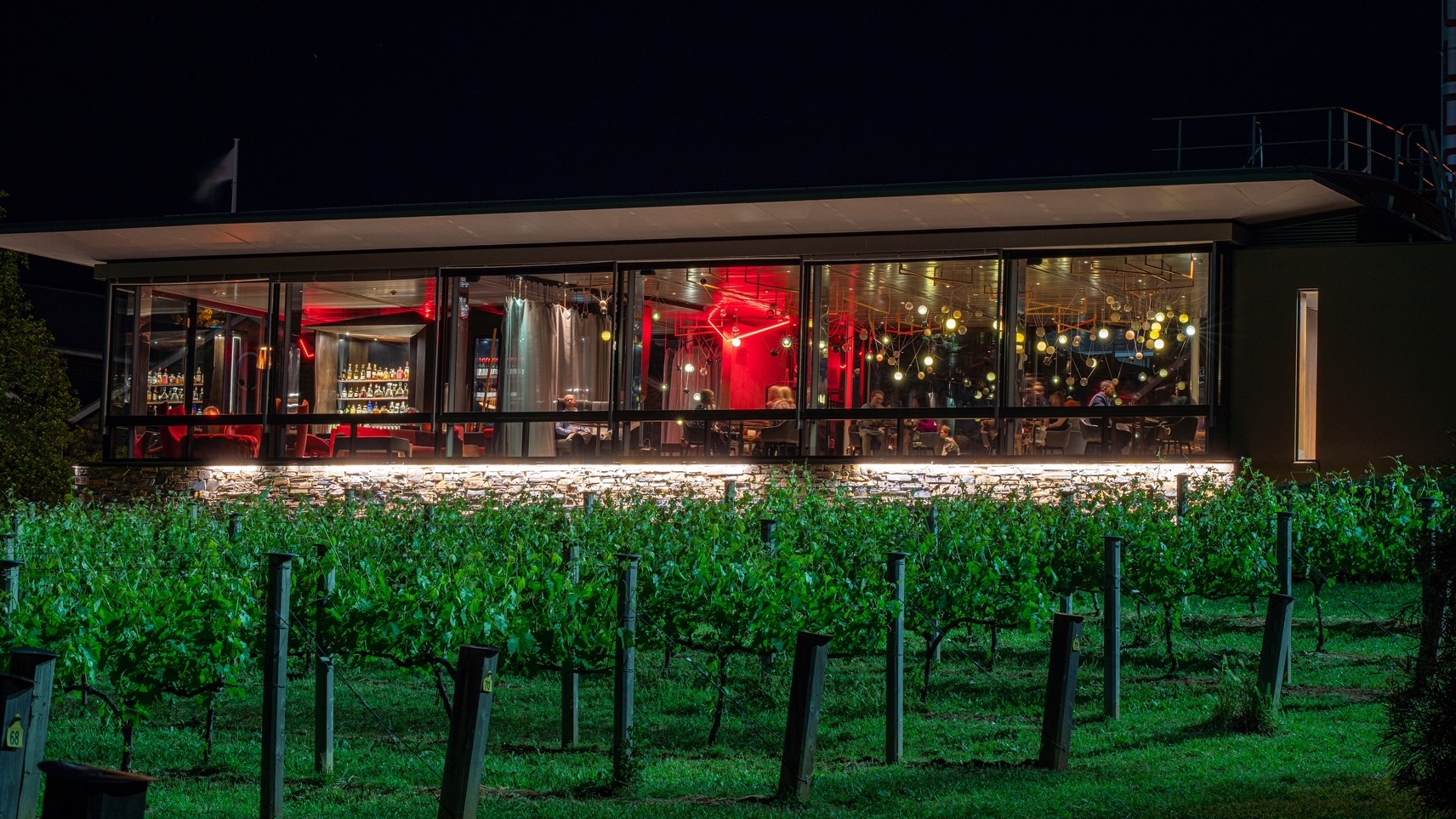
The place itself sits in the hills above Nemea, within the privately owned vineyard at Koutsi. The atmosphere is quiet, more cellar and vineyard than spectacle, with the Peloponnesian landscape doing its work outside the tasting room. Inside the estate frame, the wines move between categories without leaving the Greek register: Gaia Agiorgitiko red, Gaia S red, Agiorgitiko14-18h rosé, Notios white and red, Ritinitis Nobilis retsina, and Anatolikos sweet wine. The company also makes Thalassitis, oak-fermented Thalassitis, and Gaia Assyrtiko Wild Ferment from Assyrtiko. About 40% of production travels beyond Greece, especially to Europe, North America, Australia, and Brazil, but the Koutsi cellar keeps the reference point close. The vineyard is not scenery here. It is the station.
A native grape built to travel
Gaia’s stated aim has been to expand and highlight the quality of native Greek grape varieties and strengthen their recognition in international markets. At Nemea, that ambition narrows into one practical question: what can Agiorgitiko do when it is farmed from a defined site, fermented with care, and given time in cask before release? Recent named wines attached to Paraskevopoulos include Assyrtiko Wild Ferment, 2025; Ammonite, 2022; and Gaia Estate, 2021. The future here does not need a grand claim. It can be followed through the next bottle of Gaia Estate from Koutsi.
Know before you go
- Reservations
- recommended
- Parking
- on_site_lot
- Payment
- cash, credit_card, debit_card, contactless
- Outdoor seating
- Yes
- Groups
- Welcomed
Address
Koutsi, Griechenland
Koutsi