Gancia sits at the heart of Canelli, the Piedmontese town whose underground cathedral cellars helped define Italian sparkling wine. Awarded Pearl 2 Star Prestige recognition in 2025, the house occupies a position at the top of the local prestige tier, connecting visitors to one of Italy's most consequential sparkling wine traditions on Corso Libertà.
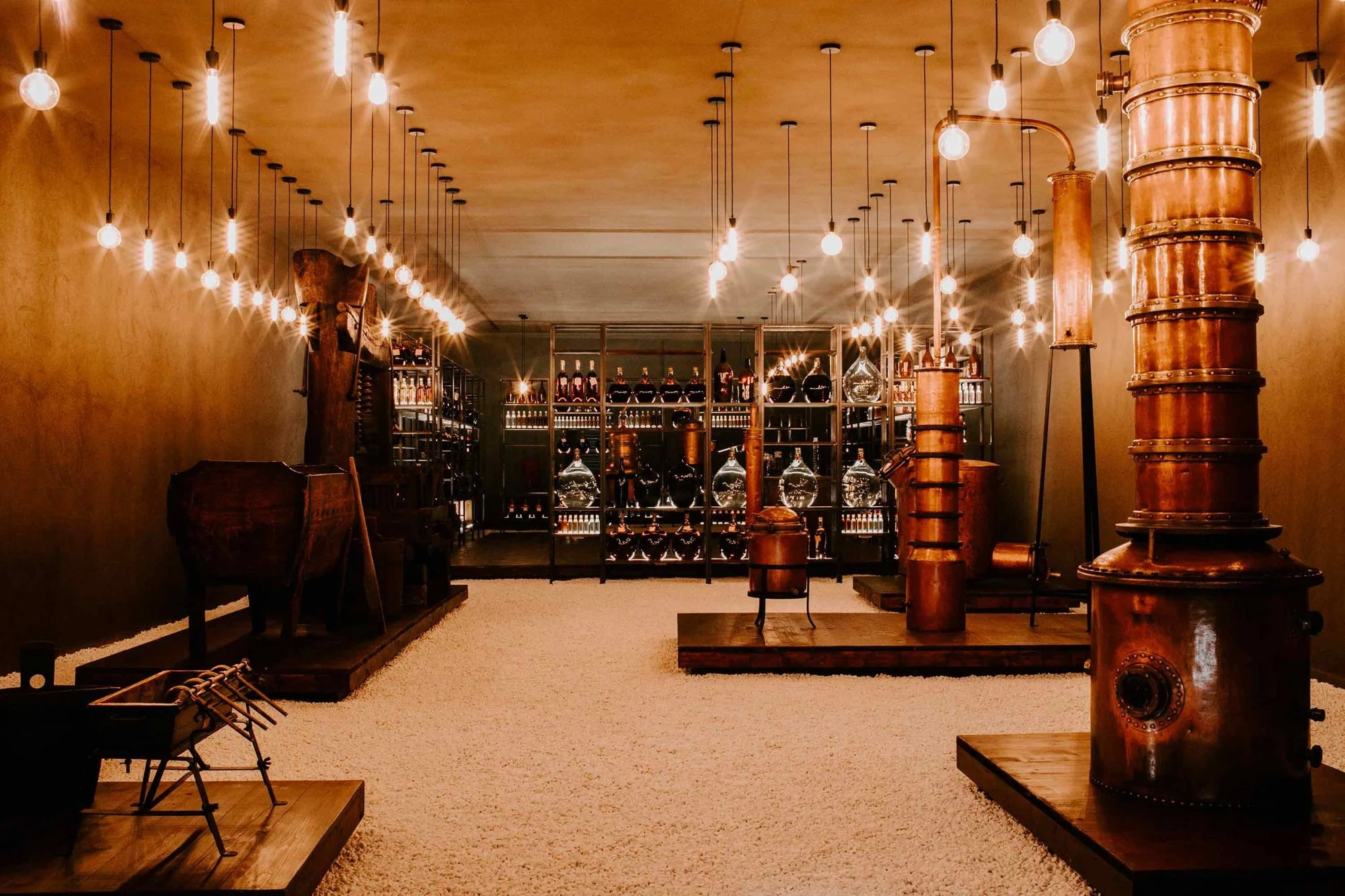
<h2>Where Canelli's Underground History Surfaces</h2><p>The town of Canelli, in the Asti province of southern Piedmont, occupies a specific and underappreciated position in the history of Italian wine. Its labyrinthine cellars, carved deep into the tufa hillsides beneath the town, were recognised as a UNESCO World Heritage Site as part of the Piedmont Wine Landscape designation, placing them alongside the Langhe and Monferrato hill zones that define the region's identity. These aren't decorative caves: they are production infrastructure that shaped the commercial logic of Italian sparkling wine across more than a century. Gancia, addressed at Corso Libertà 66, sits within that tradition. The house holds a Pearl 2 Star Prestige award for 2025.</p><p> Corso Libertà runs through the centre of town with the composed, slightly formal character typical of Piedmontese commercial streets, and Gancia's premises carry that same civic weight.</p><h2>The Sparkling Wine Tradition Gancia Operates Within</h2><p>Italian sparkling wine has two distinct production traditions that often get conflated in export markets. The Franciacorta model, practised by houses like <a href="https://www.enprimeurclub.com/wineries/ca-del-bosco-erbusco-winery">Ca' del Bosco in Erbusco</a> to the north, applies the classic method, secondary fermentation in bottle, extended lees ageing, to Chardonnay and Pinot Noir in a register that directly references Champagne. Canelli's tradition is different in character: Moscato Bianco is the anchor grape, and the gentle frizzante and spumante styles it produces have their own logic, shaped by the aromatic intensity of the grape and the cold-stabilisation methods refined in these very cellars over generations.</p><p>Gancia belongs to the second tradition. The Asti Spumante and Moscato d'Asti designations that define the zone reward freshness, low alcohol, and aromatic precision over the toasty complexity that extended lees contact produces. That makes the winemaking discipline here a different kind of challenge: capturing aromatics at the point of harvest and preserving them through a controlled fermentation process, rather than building complexity over years in the cellar. It is a production philosophy that sits philosophically closer to the great sweet wine traditions of Europe, the precision of a German Auslese, the delicacy of a Vouvray moelleux, than to the Champagne model it is sometimes lazily compared against.</p><p>The underground cellars beneath Canelli make this possible at scale. The consistent cool temperatures and humidity levels that the tufa geology creates are not merely atmospheric: they are a technical asset, and the houses that have worked with them longest have refined their understanding of how cellar conditions interact with the tank and bottle fermentation processes that define production here. In that sense, visiting Gancia is partly an exercise in understanding an engineering tradition as much as a winemaking one.</p><h2>Prestige Recognition in a Regional Context</h2><p>The 2025 Pearl 2 Star Prestige award places Gancia at the upper end of the prestige tier among Canelli producers. Across the wider Piedmont wine zone, that tier is increasingly competitive: estates in the Langhe, the Monferrato, and the Asti hills are all producing at a level that earns international recognition, and the distinction between producers within the prestige bracket often comes down to consistency across vintages and the depth of historical practice rather than single-vintage performance.</p><p>Comparing Gancia's position to peers elsewhere in the Italian wine calendar is instructive. In Tuscany, houses such as <a href="https://www.enprimeurclub.com/wineries/lenoteca-banfi">L'Enoteca Banfi in Montalcino</a> and <a href="https://www.enprimeurclub.com/wineries/poggio-antico">Poggio Antico in Monte San Vito</a> operate at similarly recognised levels but in the Sangiovese-dominant register that defines Brunello and Chianti production. In Umbria, <a href="https://www.enprimeurclub.com/wineries/lungarotti-torgiano-winery">Lungarotti in Torgiano</a> anchors a different regional tradition entirely. Gancia's distinction is its specificity: it is not making a product that competes across Italian wine broadly, but rather one that sits at the centre of a tightly defined geographical and varietal tradition.</p><p></p><h2>Canelli as a Wine Destination</h2><p>Wine tourism in southern Piedmont has historically been overshadowed by the Langhe, where Barolo and Barbaresco draw the highest volume of international visitors. Canelli's profile has grown as the UNESCO designation brought the underground cellars into wider circulation, but the town remains a specialist destination: visitors who arrive here are generally seeking the sparkling wine tradition rather than passing through on a broader itinerary. That specificity works in the destination's favour. The density of production history within a compact geography means that a day spent in Canelli covers significant ground without the kind of dispersal that characterises the Langhe touring circuit.</p><p></p><p>Further afield in Italy, the contrast with producers like <a href="https://www.enprimeurclub.com/wineries/planeta-menfi-winery">Planeta in Menfi</a> in Sicily or <a href="https://www.enprimeurclub.com/wineries/castello-di-volpaia-radda-in-chianti-winery">Castello di Volpaia in Radda in Chianti</a> in Tuscany underlines how distinctly regional Italian wine production remains. These are not substitutable experiences: they reflect different soils, climates, grape varieties, and production philosophies that have accumulated over centuries. Gancia's position in Canelli is inseparable from the specific geography that surrounds it.</p><p> <a href="https://www.enprimeurclub.com/wineries/nonino-distillery-pavia-di-udine-winery">Nonino Distillery in Pavia di Udine</a> and <a href="https://www.enprimeurclub.com/wineries/distilleria-marzadro-nogaredo-winery">Distilleria Marzadro in Nogaredo</a> in Trentino represent other regional Italian production traditions built around grapes but expressed through distillation. Across the Atlantic, <a href="https://www.enprimeurclub.com/wineries/accendo-cellars">Accendo Cellars in St. Helena</a> and <a href="https://www.enprimeurclub.com/wineries/aberlour-aberlour-winery">Aberlour in Aberlour</a> operate in entirely different registers but share the characteristic that their significance is inseparable from place, the same quality that makes Gancia worth visiting in Canelli rather than simply seeking out its wines on export markets.</p><h2>Planning a Visit</h2><p>Gancia is located at Corso Libertà 66 in Canelli, in the Asti province of Piedmont. Canelli is accessible by train from Asti, with connections available from Turin and Milan for those travelling from the major northern cities. The UNESCO designation has raised the town's profile for organised wine tourism, and Canelli is increasingly positioned as a half-day or full-day destination on Piedmont itineraries that include the Langhe to the north and the Monferrato hills to the east. Prospective visitors should arrange an appointment before travelling, particularly for cellar visits and tastings. The 2025 Pearl 2 Star Prestige recognition confirms Gancia's standing within the current Italian prestige tier and provides a useful benchmark when comparing it with other award-holders across the region.</p>
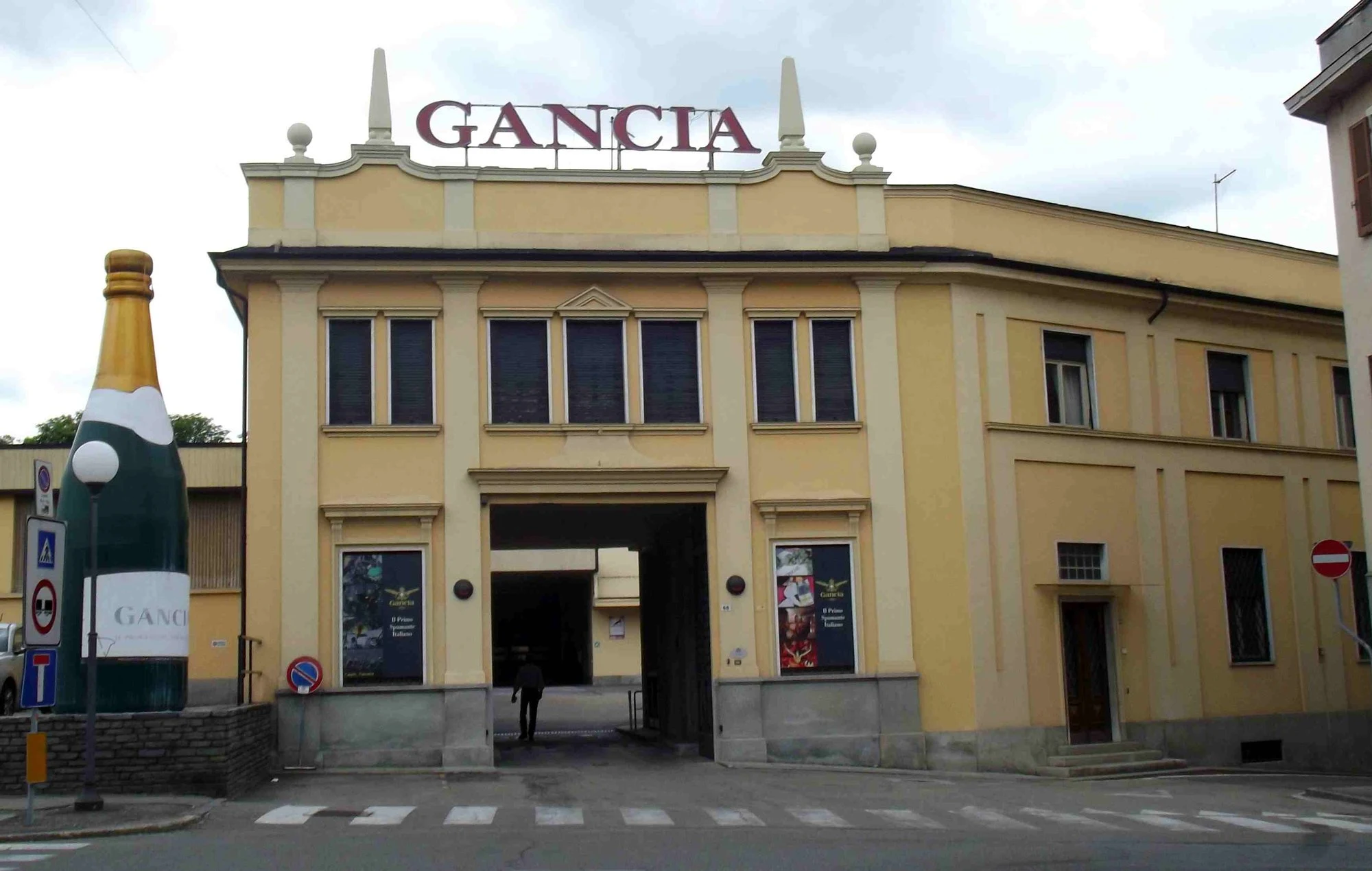
Gancia occupies Corso Libertà 66 on Canelli's central thoroughfare, in a town whose underground cellars carry UNESCO World Heritage status as part of the Piedmontese wine landscape. The setting reflects the seriousness of a house operating at Pearl 2 Star Prestige level — expect a historic production environment rather than a casual tasting room. Canelli itself is a working wine town, quieter and less trafficked than the Langhe, which shapes the pace of any visit.
Gancia is located at Corso Libertà, 66, 14053 Canelli AT, Italia, Canelli.
Gancia has received recognition including: Pearl 2 Star Prestige (2025).
Gancia's production is rooted in the Asti Spumante and Moscato d'Asti designations, both built around Moscato Bianco grown in the Canelli zone. These are the wines that define the house's tradition and align directly with its Pearl 2 Star Prestige recognition in 2025. For first-time visitors to the house, starting with these Canelli-anchored expressions gives the clearest read on what the producer does at its core.
Gancia's position at the centre of the Canelli sparkling wine tradition is its clearest strength — a production heritage that predates the modern Italian wine export era and has earned Pearl 2 Star Prestige recognition in 2025. Few producers in southern Piedmont combine that historical depth with active prestige-tier standing. Within the Asti Spumante and Moscato d'Asti designations, Gancia functions as a reference point for the Canelli style.
Walk-in availability is not confirmed in our current records. Italian wine houses operating at Pearl 2 Star Prestige level — as Gancia does in 2025 — typically require advance booking for cellar visits or tastings, particularly during harvest periods. Contacting Gancia directly via their Corso Libertà 66 address before arrival is the practical approach until booking details are confirmed.
Corso Libertà, 66, 14053 Canelli AT, Italia
Canelli