Gaucho
- 01CuisineAward-Winning Pintxos Bar
- 02CityPamplona, Spain
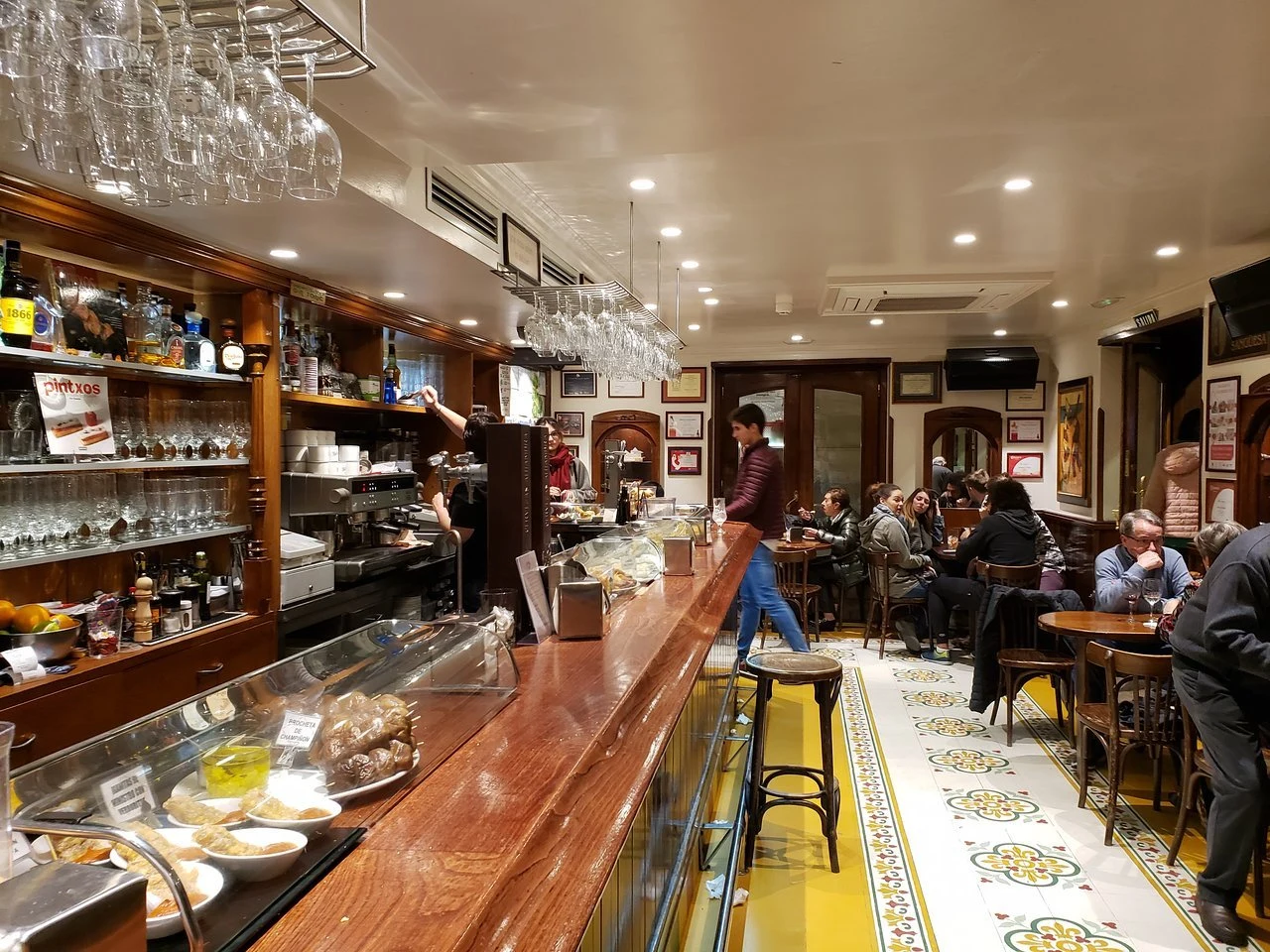
Pintxos worked at counter pace
- Macarfi 7.1 Food Rating · 2026
- Michelin Plate · 2025
- Opinionated About Dining Top Restaurants in North America Ranked #582 · 2025
- Michelin Plate · 2024
Foie set for a crowded counter
The foie pintxo moves first from the bench, followed by truffled egg and duck liver. Gaucho in Old Town, Pamplona, is a bar known for modern small plates and for the pressure of a counter that rarely feels still. The unit of work here is the pintxo, a narrower brief than a dining-room menu and a less forgiving one, because a single bite has to carry seasoning, temperature and structure at once.
What can be seen in the place is the discipline of a bar built around repeatable gestures: a bite assembled cleanly, sent while it is still warm, then replaced for the next guest leaning into the pass. Gaucho trades in cocina en miniatura navarra, the Navarran habit of making a small plate carry the structure of a larger one. The lineage here belongs less to a published mentor than to the counter itself, to a Pamplona form that asks for speed without loosening the hand.
Miniature cooking under pressure
Gaucho’s program turns on hot and cold pintxos, small plates that can be eaten standing yet still ask for proper sequencing. The kitchen’s known signatures include the foie pintxo, cod meatballs, pork cheek, txangurro with zucchini, fresh truffled pasta with parmesan, octopus, tortilla combinations, and the egg preparation that regulars single out. The method is modern in its combinations but bar-born in its rhythm: finished bites, skewered portions, warm plates coming through the crush, the counter acting as both display and pass.
The wine program is curated rather than ceremonious, with wines and beers set to the scale of the food. Gintonics have their own place at the back bar, made with a selected range of ginebras and tónicas. Nothing in the room asks the drink to become a lecture. It has to meet foie, cheek, cod, egg, and shellfish in quick succession, often while the guest is still standing, often while the next plate is already moving behind them.
The room around the pass
The room is old-school Spanish in its bones: a clean bar-tavern interior, a counter under pressure, high tables and spillover toward the street near Plaza del Castillo. Calle Espoz y Mina 7 gives the place its working address, close enough to the square that the movement of Pamplona seems to arrive in waves. Locals, Spanish travelers, and visitors fold into the same line of sight. The noise is part of the station.
Service here depends on compression. Guests read the counter, point, ask, step aside, return. Staff keep the room moving without turning it into a performance of control. The best view is bench-side at the bar, where the miniature plates pass from hand to hand and the room keeps adjusting around them. A pintxo bar earns its pace in public.
A Pamplona address measured in bites
Gaucho holds awards in the current year and three from previous years. Awards are not the craft, but they mark how a small format can carry a city’s appetite without becoming polite. The counter carries it: cod meatballs, pork cheek, txangurro, tortilla, and the foie pintxo leaving the pass at Cafe Bar Gaucho.
Questions
Frequently asked
What kind of place is Gaucho?
Gaucho is a pintxo bar in Old Town, Pamplona, with a counter built around hot and cold small plates.
What are the signature dishes at Gaucho?
The best-known pintxos include foie, truffled egg, and duck liver. The counter also turns out cod meatballs, pork cheek, txangurro with zucchini, fresh truffled pasta with parmesan, octopus, tortilla combinations, and an egg preparation that regulars often order.
Is Gaucho easy to drop into without booking?
Yes. The venue is walk-in friendly.
What is the atmosphere like inside Gaucho?
The room is old-school Spanish in feel, with a clean bar-tavern interior, high tables, and a counter that stays busy.
What recognition does Gaucho hold?
Gaucho holds awards in the current year and three from previous years.
The field
How it compares
| Place | Cuisine | Notes | Awards |
|---|---|---|---|
| Gaucho | Award-Winning Pintxos Bar | Old Town, $$ | · |
| Eleven Madison Park | Contemporary Plant-Based Fine Dining | New York City | Michelin 3 Stars, World's 50 Best |
| Jordnær | Modern Nordic Seafood Fine Dining | Gentofte | Michelin 3 Stars, World's 50 Best |
| Rodero | Modern Navarran Cuisine | Pamplona | Michelin 1 Star |
| Row on 5 | Modern British Fine Dining with Mediterranean & Asian Influences | London | Michelin 2 Stars |
| Smyth | Modern American Tasting Menu | Chicago | Michelin 3 Stars, World's 50 Best |
| The Ledbury | Modern British Fine Dining | London | Michelin 3 Stars, World's 50 Best |
Similar places
Contemporary Plant-Based Fine Dining
Eleven Madison Park
New York City, United States
★★★ · 50 Best
Modern Nordic Seafood Fine Dining
Jordnær
Gentofte, Denmark
★★★ · 50 Best
Modern Navarran Cuisine
Rodero
Pamplona, Spain
★
Modern British Fine Dining with Mediterranean & Asian Influences
Row on 5
London, United Kingdom
★★
Modern American Tasting Menu
Smyth
Chicago, United States
★★★ · 50 Best
Modern British Fine Dining
The Ledbury
London, United Kingdom
★★★ · 50 Best