Gia

In Residence
Sam Tran
Chef
- 01CuisineModern Vietnamese Fine Dining
- 02CityHanoi, Vietnam
- 03RecognitionOne Michelin Star
- 1 Michelin Star · Michelin Guide
- Michelin 1 Star · 2026
- Star Wine List · 2026
- Opinionated About Dining Top Restaurants in Asia Recommended · 2026
- Michelin 1 Star · 2025
- The Best Chef One Knife · 2025
- La Liste Top Restaurants: 75pts · 2025
- Michelin 1 Star · 2024
A Street Where Tradition Sets the Tone
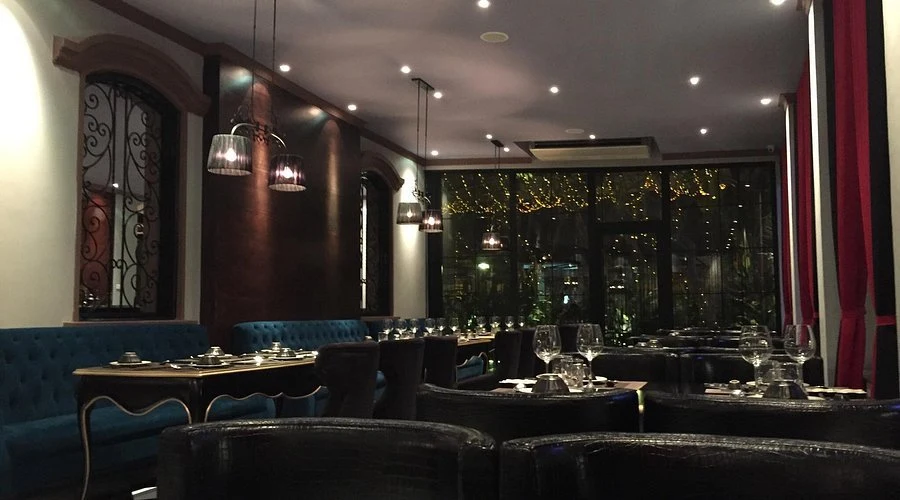
Văn Miếu, the Temple of Literature, has shaped the character of its surrounding streets for centuries. The Đống Đa address that Gia occupies sits directly across from that temple complex, and the dining room's design acknowledges the relationship: the interior mirrors the temple's architectural register, using materials and proportions that read as deliberate homage rather than coincidence. Arriving on foot along P. Văn Miếu, the context arrives before you do. Hanoi's fine dining tier has largely concentrated in the Old Quarter's tourist core or the newer hotel corridors further north, so a serious tasting-menu operation in this quieter, historically weighted pocket represents a conscious positioning choice.
That positioning matters for understanding what Gia is doing. Vietnamese contemporary cuisine has splintered in interesting directions across the country: Anan Saigon in Ho Chi Minh City approaches heritage through a street-food lens, while Nén Danang in Da Nang works with Central Vietnamese ingredients in a similarly intimate format. In Hanoi, the category has fewer anchors at the Michelin level. Gia's back-to-back Michelin stars in 2024 and 2025 place it in a compact peer group within its own city, and its 75-point La Liste Leading Restaurants placement in 2025 positions it within a national conversation about where Vietnamese fine dining is heading.
The Sunday letter
Find new places through the people who run them.
Our Sunday email brings you the chefs, winemakers and hoteliers behind our newest stories. See a sample before you subscribe.
See a sample of the Sunday emailOne email a week. Unsubscribe from any issue.
The Architecture of a 12-Course Meal
Tasting-menu restaurants succeed or fail on sequencing. A 12-course format requires a coherent arc, a sense of movement from opening gestures through accumulation toward resolution. The approach at Gia, structured around a seasonal menu that draws on Vietnamese heritage, suggests a kitchen thinking in chapters rather than dishes.
The menu's early courses typically establish a register: delicate, with attention to acidity as a structural tool rather than a garnish. Acidity in Vietnamese cooking has deep roots, the interplay of sourness, freshness, and fermented depth is fundamental to the cuisine's internal logic, from the fermented shrimp pastes of the north to the herb-forward broths that define Hanoian table culture. A kitchen that treats acidity with precision is engaging with that tradition seriously rather than decorating it.
As courses progress, the textural layering becomes the second structural element. Texture in Vietnamese cooking is equally codified: the contrast between crisp and yielding, between gelatinous and firm, has been central to the cuisine's sensibility long before contemporary fine dining adopted it as a technique. When those textures appear in a plated format, the question is always whether they feel researched or felt. The open kitchen at Gia is relevant here: watching the creative process from the dining room gives guests a different relationship with the food's construction, one that shifts the meal from passive consumption toward something more transparent.
The wine program adds a third dimension. Pairing wine with Vietnamese flavors involves genuine problem-solving: the cuisine's acidity, its umami depth, its herbal registers, and its occasional heat create a more demanding pairing context than European tasting menus typically face. A program that addresses that seriously changes the meal's rhythm in ways that matter across 12 courses.
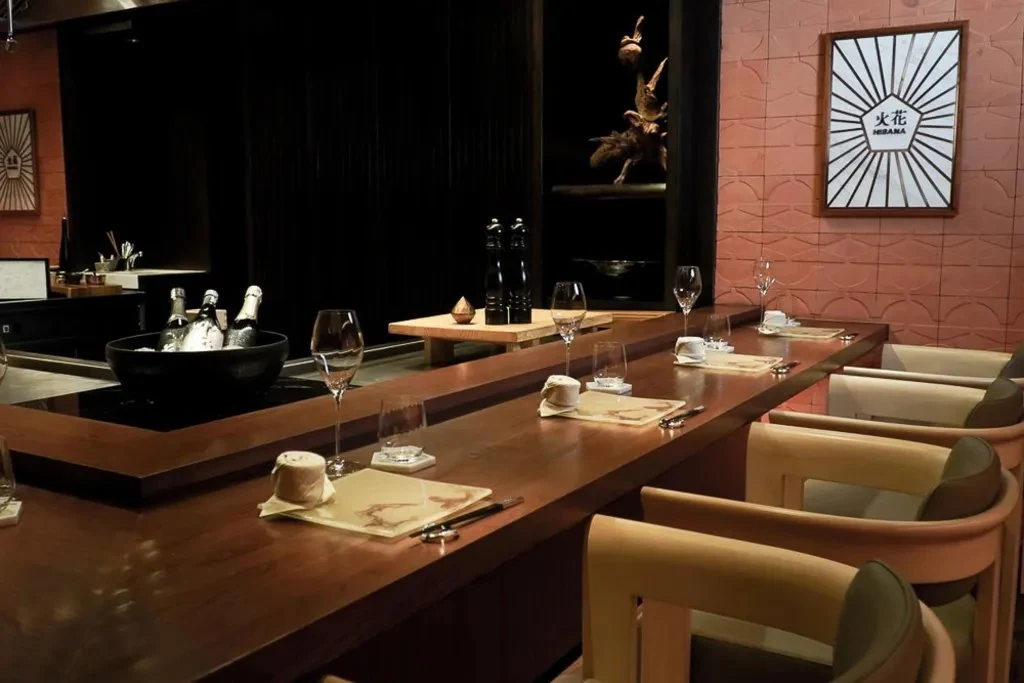
For broader context on how tasting-menu formats sit within Hanoi's dining scene, the options at Backstage and Lamai Garden offer different price tiers and formats, while Senté on Nguyen Quang Bich Street represents another reference point for modern Vietnamese positioning in the city. At the top of Hanoi's price tier, Hibana by Koki operates the Japanese teppanyaki format at the same ₫₫₫₫ level, serving a different cuisine tradition for a comparable spend. For those interested in Vietnamese cooking at a lower price point, Tầm Vị operates at ₫₫ with a traditional Vietnamese focus.
Vietnamese Contemporary Across the Country
Gia's approach belongs to a broader movement in Vietnamese fine dining that has accelerated since 2020. Ho Chi Minh City has the denser cluster: Bờm, Little Bear, Madame Lam, Tre Dining, and ST25 by KOTO all operate within the Vietnamese contemporary category in the south, each with distinct formats and price positions. Da Nang has developed its own version, with La Maison 1888 representing the French-colonial luxury tier alongside Nén's more heritage-ingredient focus.
What distinguishes the Hanoian approach, at least in principle, is the cuisine's northern character. Hanoian cooking is historically more restrained than its southern counterpart, less sweetness, fewer herbs in the same abundance, a stronger emphasis on umami from fermentation and long-cooked broths. A kitchen built around northern Vietnamese heritage is working from a different pantry and a different flavor logic than the Ho Chi Minh City Vietnamese contemporary operations. Whether that distinction plays out in practice across 12 courses is the question a visit answers.
Chef Sam Tran leads the kitchen. The Michelin committee's consecutive recognition across 2024 and 2025 suggests a program that has maintained consistency and continued to develop rather than plateauing after initial recognition, a distinction worth noting, since first-year Michelin awards sometimes reflect promise while second-year retention reflects proof.
Planning a Visit
Gia operates at the ₫₫₫₫ price tier, which places a 12-course meal here at a significant premium relative to the city's broader dining range. That spend is calibrated against the format: a full tasting menu with wine pairings at a double-starred restaurant represents a different value proposition than à la carte dining, and should be planned accordingly as an extended evening rather than a dinner slot to fit around other plans.
The Văn Miếu address (61 P. Văn Miếu) sits in the Đống Đa district, accessible by taxi or ride-share from the Old Quarter. The area is quieter than the tourist core, which affects both the arrival experience and the post-dinner walk, the temple complex and surrounding streets are atmospheric at night without the Old Quarter's congestion.
Given the consecutive Michelin recognition and the intimate dining room format, advance booking is advisable. A restaurant at this award level and format typically requires planning weeks rather than days ahead, particularly for weekend dates or peak travel periods between October and April when Hanoi's weather is at its most favorable.
Questions
Frequently asked
What recognition does Gia hold?
Gia holds 1 Michelin star.
Who works at Gia?
Made By profiles Sam Tran (Chef) at Gia.
How expensive is Gia?
Gia is listed at a price level of $$$$.
Where is Gia and what does it serve?
Gia is in Dong Da, Hanoi, serving Modern Vietnamese Fine Dining.
The field
How it compares
| Place | Awards | Cuisine | Notes |
|---|---|---|---|
| Gia | Michelin 1 Star | Modern Vietnamese Fine Dining | Dong Da, $$$$ |
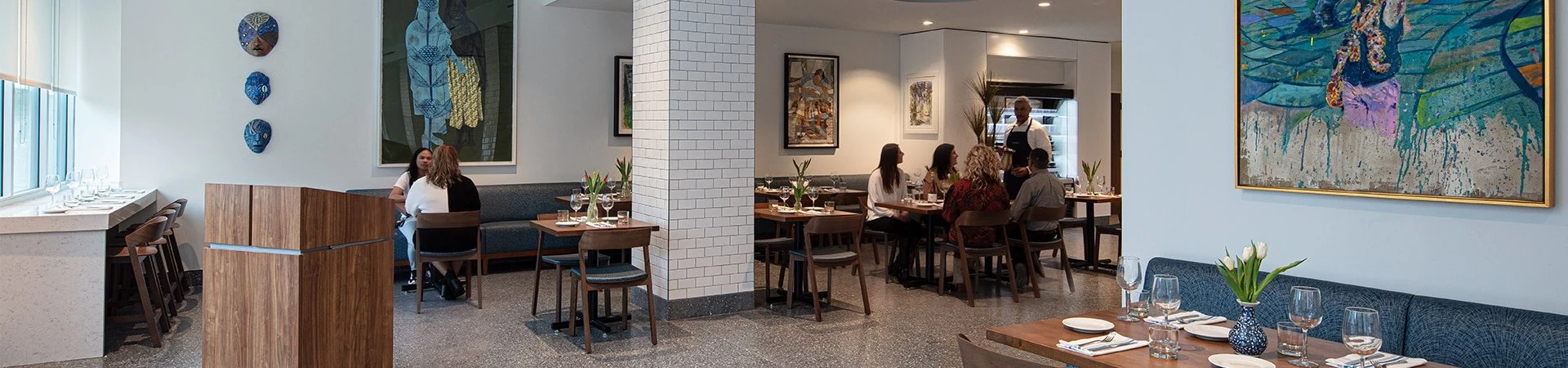
| Chapter Dining | · | Modern Northern Vietnamese Fine Dining | Hanoi |
| Hibana by Koki | Michelin 1 Star | Michelin-Starred Japanese Teppanyaki | Hanoi |
In residence
Similar places
The Sunday letter
Get the next Made By story in your inbox.
We send one email every Sunday morning with the places and people we covered that week.
See a sample of the Sunday emailOne email a week. Unsubscribe from any issue.