Made ByWinery
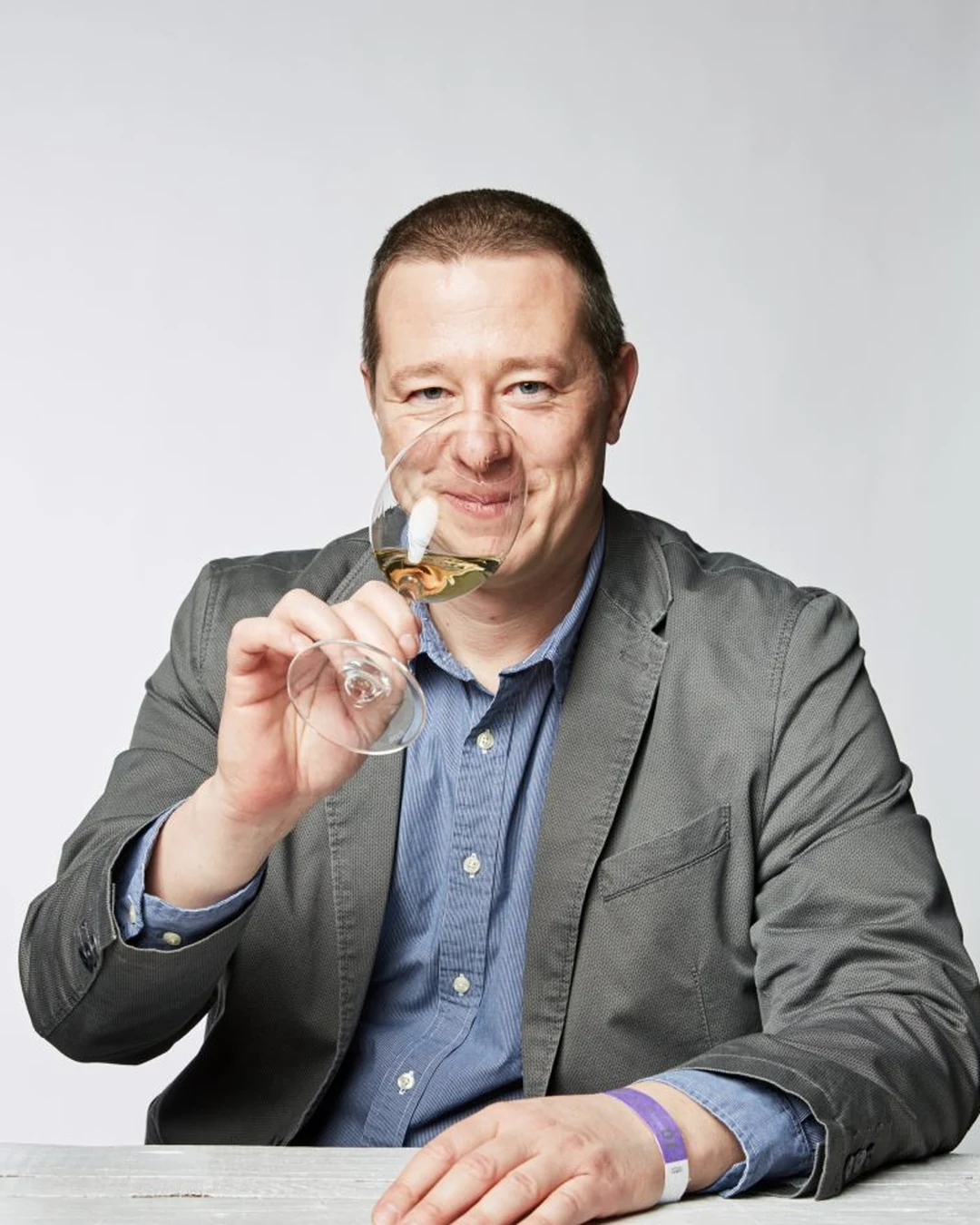

Laszlo Szilagyi, winemaker at Gizella Tokaj in Tokaj, works a compact family cellar shaped by Furmint, Hárslevelű, and Szamorodni.
At a glance
- Price
- $$
- Neighborhood
- Tokaj wine region
Vineyard work carried into the cellar
Laszlo Szilágyi moves between vine work and cellar decisions as winemaker at Gizella Tokaj in Tokaj, keeping the house close to Furmint, Hárslevelű, and the older Tokaji categories. As Laszlo Szilágyi describes his own training, “I am László Szilágyi, an agricultural economist and grape growing and wine making engineer.” The sentence matters because it starts in agriculture, not branding. At this scale, borász-tulajdonos is not an ornamental title; it puts cultivation, cellar timing, and ownership under the same pair of hands. Gizella Pince is an independent family estate, and the work reads that way: compact, regionally legible, built on decisions that have to hold from the vineyard row to the bottle. The house is known through expressive Furmint-based blends and traditional Tokaji styles, with Szilágyi’s role carrying both the practical and technical sides of the program.
Furmint, Hárslevelű, Szamorodni
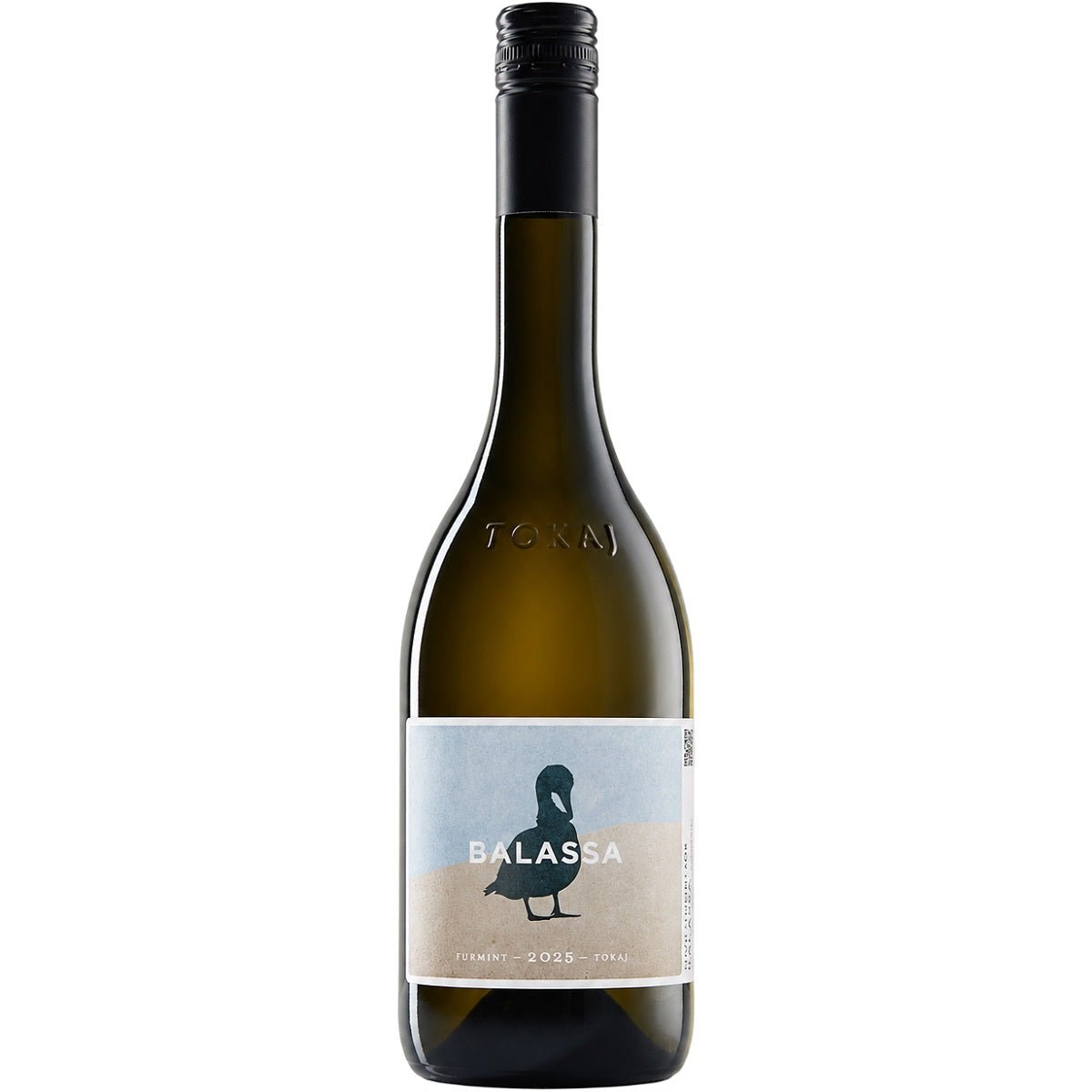
The program rests on Tokaj’s own vocabulary. Gizella Tokaj Cuvée Furmint Harslevelu places the two principal grapes beside each other in a blended white wine, while Gizella Szamorodni keeps the cellar tied to one of the region’s classical forms. The signature range also includes 6 PUTTONYOS ASZÚ 2018, 6 PUTTONYOS ASZÚ 2019, SZAMORODNI 2017, and Gizella Cuvée. Those names carry the measurements that matter here: puttonyos classification, vintage, grape, and category. They do not need decoration. Furmint gives the line its regional spine; Hárslevelű broadens the blend; Szamorodni and Aszú keep the estate inside Tokaj’s sweet-wine discipline as well as its still-white frame.
A quiet Tokaj cellar
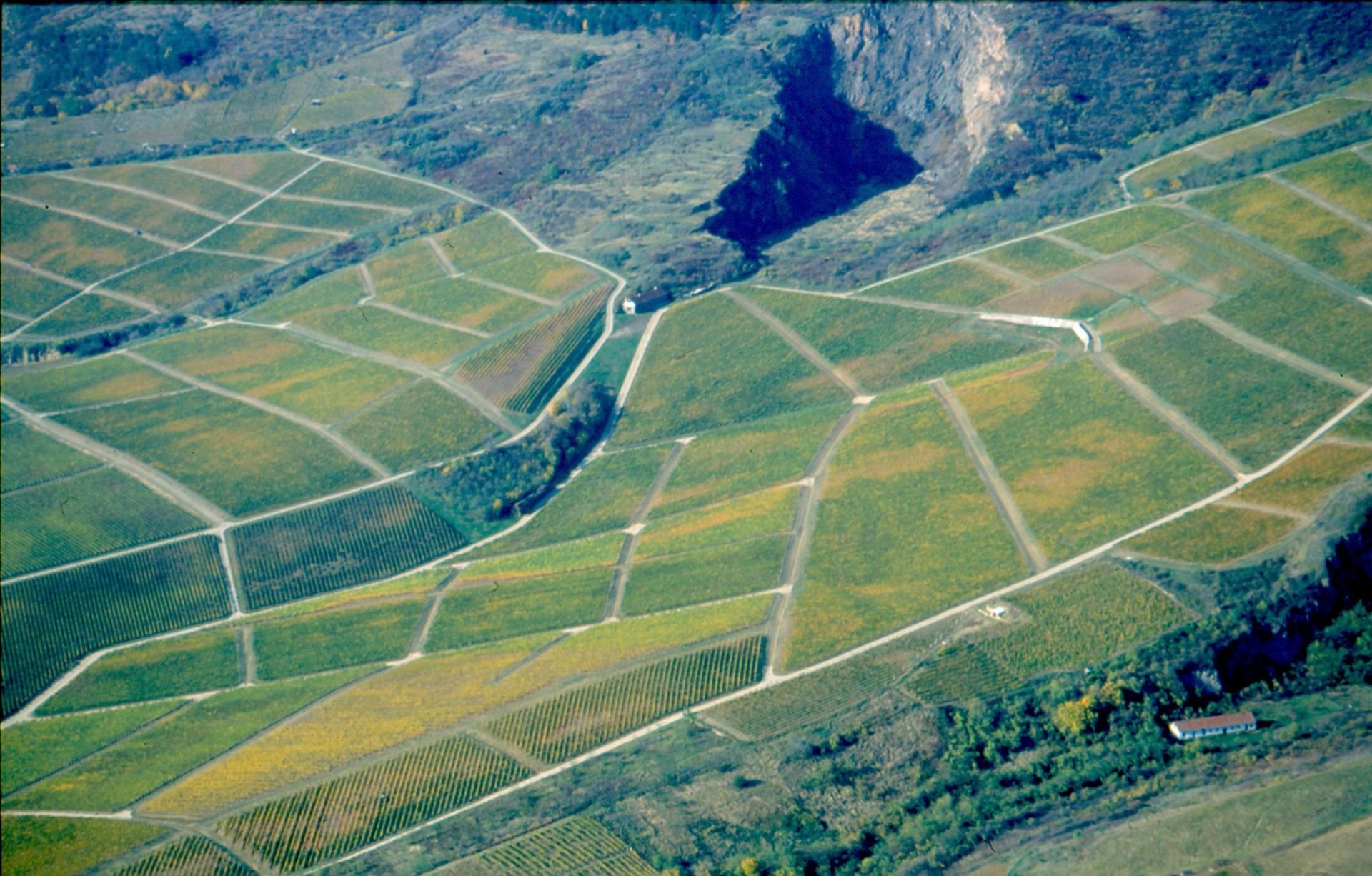
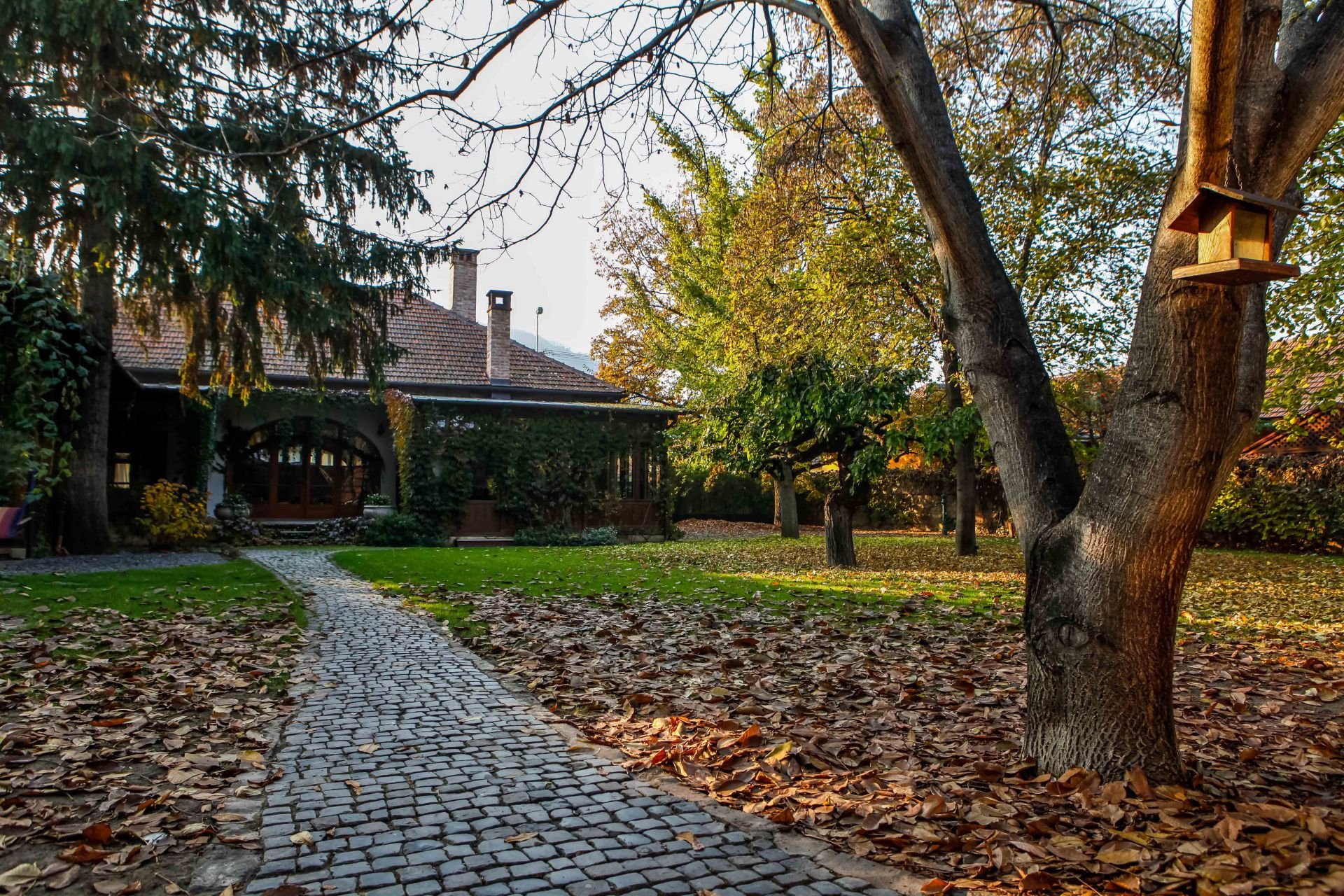
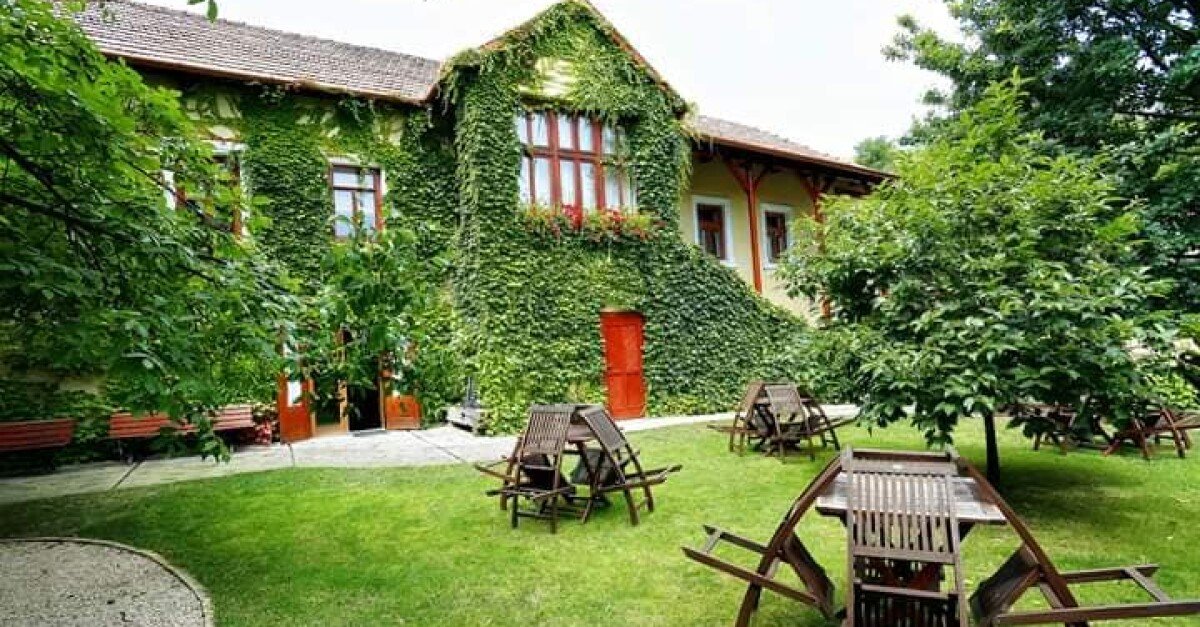
The setting is small and close to the old rhythm of the town: a family winery and cellar in Tokaj, surrounded by the historic vineyards of the region rather than staged as a broad visitor machine. The room is quiet. Tastings, where the house presents them, belong to the traditional cellar register, with the bottle and the glass doing most of the explaining. Nothing in the place suggests scale for its own sake. The atmosphere is rustic in the useful sense, shaped by stone, storage, cool air, and the patience required by wines that depend on acidity, sugar, and time finding their line. The cellar is not separate from the vineyard in the way Szilágyi speaks about the work; it is the next station in the same method.
The measure is repetition
Gizella Tokaj’s standing comes through continuity rather than spectacle. Szilágyi has been named to the Borászok Borásza 50-es listájának tagja, a peer recognition attached to sustained work in Hungarian wine, and the estate’s range shows the same discipline in quieter form. One Aszú vintage follows another; Szamorodni sits beside the cuvée; Furmint and Hárslevelű remain the grammar of the house. If the coming seasons change the emphasis, they will do so through those materials, beginning again with Gizella Cuvée.
Know before you go
- Reservations
- recommended
- Groups
- Welcomed
Address
Tokaj, Ungarn
Tokaj wine region