Made ByRestaurant
Gourmet Restaurant Le Pavillon
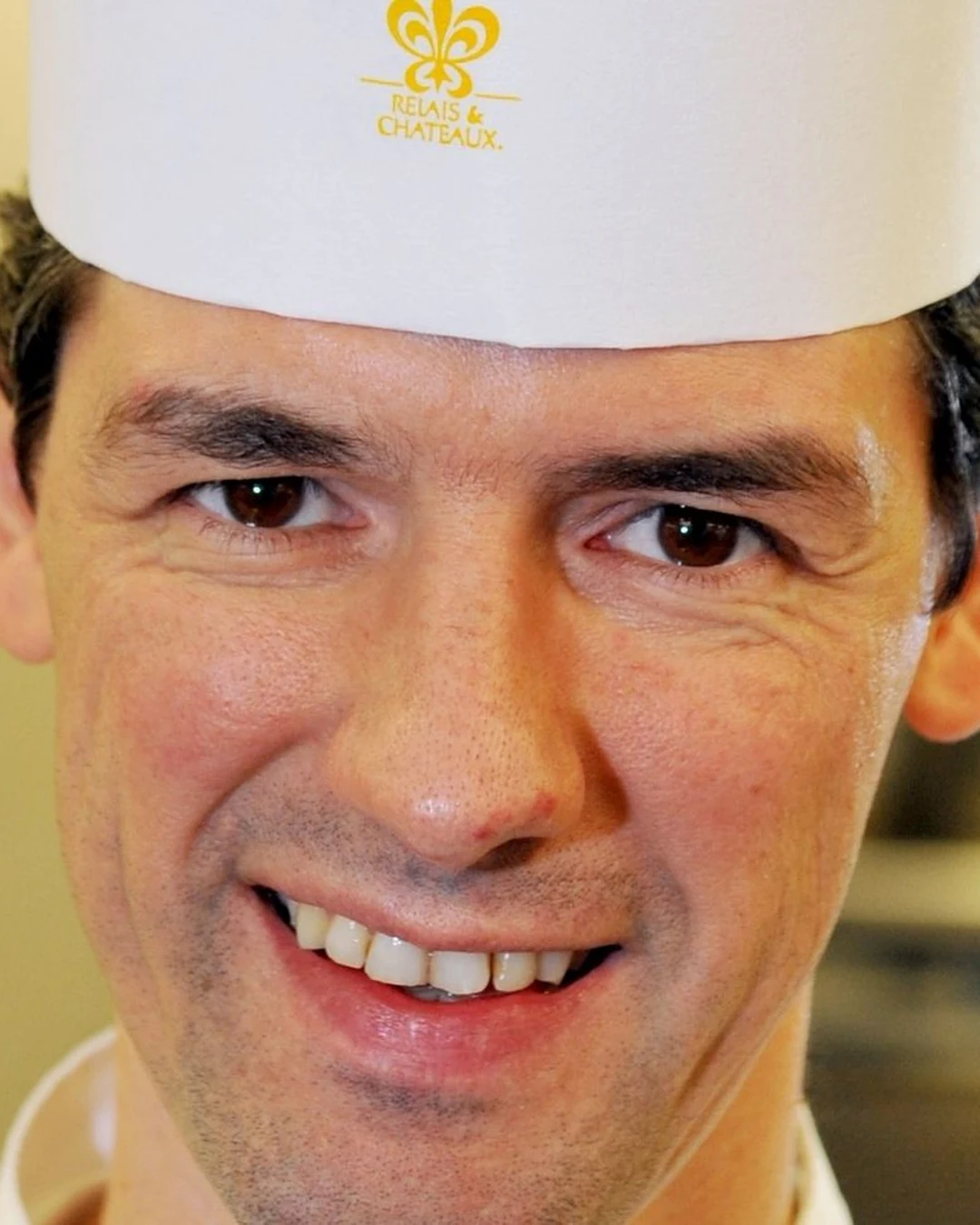
Chef in Residence
Chef Martin Herrmann
Chef
- 01Cuisine2‑Michelin‑star Classic French Fine Dining
- 02CityBad Peterstal Griesbach, Germany
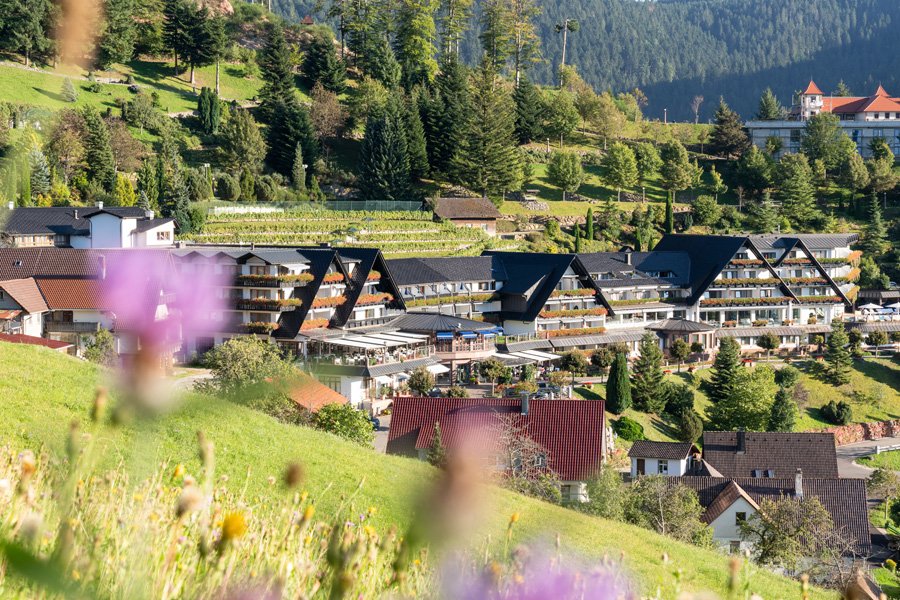
Gourmet Restaurant Le Pavillon sits in the Black Forest spa-country tradition, where classical cooking is expected to carry regional restraint rather than city theatrics. Chef Martin Herrmann’s stated interest in nature, scent and colour gives the room its editorial angle: polished cooking classics shaped by the hills around Bad Peterstal Griesbach, not by trend-chasing spectacle.
At a glance
- Cuisine
- 2‑Michelin‑star Classic French Fine Dining
- Price
- $$$$
- Per person
- $180
The approach to dining in Bad Peterstal Griesbach is set by the Black Forest before any menu is opened: wooded slopes, spa-town quiet, and a hotel-dining culture built around guests who plan meals as part of a longer stay rather than a quick city reservation. Gourmet Restaurant Le Pavillon belongs to that tradition. The useful way to read it is not as a standalone destination dropped into the valley, but as part of a regional grammar where classical technique, hotel hospitality and a strong sense of place carry more weight than novelty.
In this part of Baden-Württemberg, cooking classics are rarely neutral. They are judged by control: sauces with shape, produce handled without theatrical overstatement, and a rhythm that suits a room attached to a serious country retreat. That places Le Pavillon in a different lane from urban tasting-menu rooms in Berlin or Hamburg. The competitive reference is closer to Black Forest and Baden hotel gastronomy, where the meal has to work for guests staying on property, regional diners making a special trip, and travellers using the valley as a base.
Black Forest classicism with a nature-led chef's line
Chef Martin Herrmann gives the kitchen its clearest point of view. His own formulation, that his cuisine is inspired by nature, scents and colours, is not an incidental flourish here; it explains why the restaurant’s classical frame does not need to read as static. In German country-house dining, the risk is nostalgia without tension. The stronger version keeps the grammar of classic cooking while allowing the surrounding environment to sharpen the decisions on the plate.
That distinction matters in Bad Peterstal Griesbach. The town is not a large restaurant market where volume produces endless subgenres. It is a compact spa and hotel setting, so the more interesting dining question is how many registers of regional hospitality can coexist within a small area. Kaminstube (Main Restaurant) reads as the more direct main-restaurant expression of cooking classics, while Renchtalhütte (Expression of the terroir) points toward a more explicitly terroir-led mountain register. Le Pavillon sits between those poles: formal enough to carry a chef-driven argument, rooted enough that the argument still belongs to the valley.
The chef’s angle is useful because it avoids the common trap of treating “classic” as a museum label. Herrmann’s language points to renewal through observation rather than rupture. For a diner, that means the pleasure should come from calibration: how familiar forms are tightened, lightened or redirected by season, aroma and colour. The restaurant’s identity is strongest when read through that lens, as a Baden-Black Forest answer to the question of how classical cooking keeps moving without becoming a fashion exercise.
How it fits the valley's dining hierarchy
Bad Peterstal Griesbach rewards travellers who think in formats rather than checklists. A town this small will not behave like a capital-city dining district, and that is the point. The range runs from hotel dining to hut-style regional cooking, with the surrounding forest and spa culture setting the pace. For a broader read on the local scene, Our full Bad Peterstal Griesbach restaurants guide gives the practical map, while Our full Bad Peterstal Griesbach hotels guide explains why lodging and dining are so closely linked here.
Within the comparison set, the relevant question is not which room wins on luxury signals, but what kind of meal the evening requires. Gourmet-Restaurant "Bareiss" belongs to the broader Black Forest conversation around cooking classics beyond the immediate town, while Panorama Restaurant Postblick, jCUISINE and MISTRAL Restaurant show how the same category can stretch from scenic country dining to more chef-defined formats. Le Pavillon’s role is narrower and clearer: a polished, chef-led expression inside Bad Peterstal Griesbach itself, with Herrmann’s nature-facing language giving the classical base its current edge.
Travellers building a German food itinerary should also be careful not to flatten the country into one style. The contrasts are sharper than they first appear. Berlin food culture, represented here by "Inside Berlin" Food & Culture Tour in Berlin, is built around urban layering and immigrant influence. Heidelberg’s dining rhythm, including [CANTINACCIA] in Heidelberg, leans into university-town movement. In Deggendorf, [KOOK] 36 in Deggendorf belongs to a different Bavarian register, while steak-led city dining appears through [m]eatery in Hamburg and [m]eatery in Dresden. Against those contexts, Le Pavillon is not trying to sound metropolitan. Its authority comes from staying local and formal at the same time.
Planning the meal around the region, not only the table
The smarter plan is to treat Le Pavillon as part of a Bad Peterstal Griesbach stay rather than a detached stop. The valley’s appeal is cumulative: forest walks, spa-town pacing, hotel dining, and the slower meal structure that suits them. Drinks-led travellers can widen the frame with Our full Bad Peterstal Griesbach bars guide; wine-minded readers should check Our full Bad Peterstal Griesbach wineries guide; and cultural planning sits in Our full Bad Peterstal Griesbach experiences guide.
For Baden and nearby regional context, [maki:'dan] im Ritter in Durbach and #heimat im Badischen Hof in Buhl help place the area’s cooking against neighbouring towns. Farther afield, [w]einklang in Nuremberg and 100 Grad Restaurant in Ulm show how German regional dining changes with city scale and local demand. For readers comparing the phrase “cooking classics” across continents, Awasi Mendoza Restaurant, Cooking classics in Luján de Cuyo and Bistro Enkel, Cooking classics in Brampton underline the point: the category only becomes meaningful when filtered through place.
The editorial verdict is simple. Le Pavillon is for diners who want the Black Forest version of refinement: controlled, nature-aware, and grounded in the hospitality culture of Bad Peterstal Griesbach. It is less compelling for anyone chasing urban novelty for its own sake. The meal makes the strongest sense when the valley, the hotel setting and Herrmann’s classical-but-restless kitchen are read together.
Know before you go
- Dress code
- smart_casual
- Reservations
- essential
- Parking
- on_site_lot
- Payment
- cash, credit_card, debit_card, contactless
- Groups
- Welcomed
Frequently asked
Does Gourmet Restaurant Le Pavillon work for a family meal?
Yes, if the family is comfortable with a restaurant built around cooking classics and a chef-driven format. Gourmet Restaurant Le Pavillon sits at Dollenberg 3 in Bad Peterstal Griesbach, so it suits a planned meal rather than a casual drop-in.
Is Gourmet Restaurant Le Pavillon formal or casual?
It reads as formal rather than casual, shaped by Chef Martin Herrmann’s kitchen and its cooking classics brief. The setting in Bad Peterstal Griesbach and the Dollenberg 3 address point to a composed dining room, not an everyday bistro.
Is Gourmet Restaurant Le Pavillon Michelin-listed?
Gourmet Restaurant Le Pavillon has received recognition including: My cuisine is inspired by nature, scents, and colors, which always lead to new creations. Sometimes you need to go out there and have a look outside the box. A kitchen philosophy always needs new stimulation..
Is Gourmet Restaurant Le Pavillon focused on a specific cuisine style?
Gourmet Restaurant Le Pavillon serves Cooking classics cuisine.
What part of town is Gourmet Restaurant Le Pavillon in?
Gourmet Restaurant Le Pavillon is located at Dollenberg 3, Bad Peterstal Griesbach.
Address
Dollenberg 3
How it compares
Gourmet Restaurant Le Pavillon
- Cuisine
- 2‑Michelin‑star Classic French Fine Dining
- Price
- $$$$
- Awards
- —
- Notes
- Bad Peterstal Griesbach
Heinz Winkler
- Cuisine
- Modern French Fine Dining - Cuisine Vitale
- Price
- $$$$
- Awards
- —
- Notes
- Aschau im Chiemgau
Schlachthof Brasserie
- Cuisine
- French Brasserie & Steakhouse
- Price
- $$$
- Awards
- —
- Notes
- Saarbrücken
Atable im Amtshaus
- Cuisine
- Modern French Classic
- Price
- $$$$
- Awards
- Michelin Plate
- Notes
- Freinsheim Altstadt
Schlemmereule
- Cuisine
- Modern French-Nordic Fine Dining
- Price
- $$$
- Awards
- —
- Notes
- Domfreihof
Christian & Freunde
- Cuisine
- Modern French Fine Dining
- Price
- $$$$
- Awards
- —
- Notes
- old town
In residence
Similar places
Japanese-influenced Californian Kaiseki
Single Thread Farm
Healdsburg, United States
★★★ · 50 Best
French Seafood Fine Dining
Le Bernardin
New York City, United States
★★★ · 50 Best
Modern Korean Tasting Menu
Atomix
New York City, United States
★★ · 50 Best
French
Sézanne
Tokyo, Japan
★★★ · 50 Best
Modern Seafood Fine Dining
Providence
Los Angeles, United States
★★★ · 50 Best
Contemporary Plant-Based Fine Dining
Eleven Madison Park
New York City, United States
★★★ · 50 Best