Made ByRestaurant
Hai Nan Xing Zhou Beef Noodle
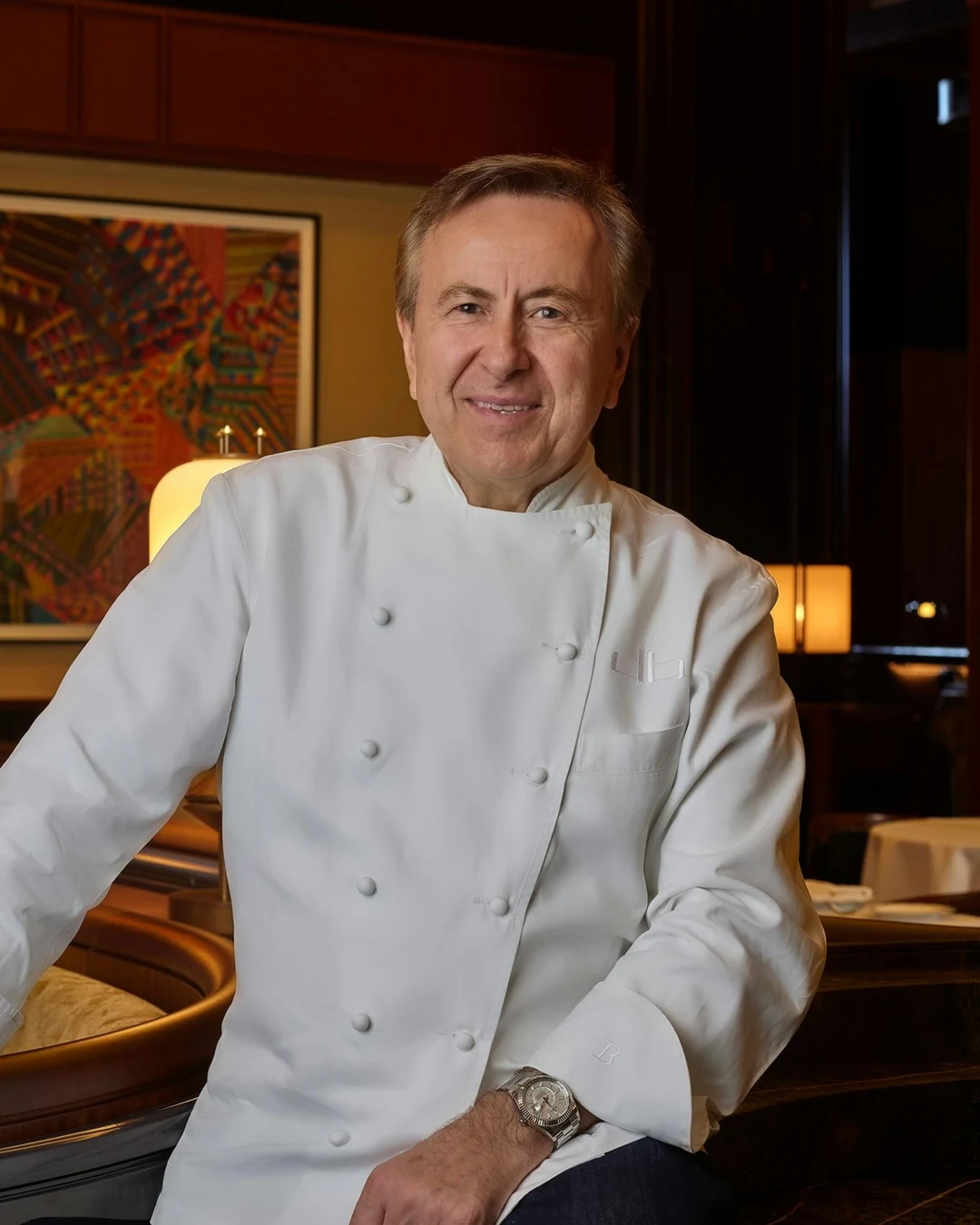
Chef in Residence
Daniel Boulud
Chef
- 01CuisineHainanese Beef Noodles
- 02CitySingapore, Singapore
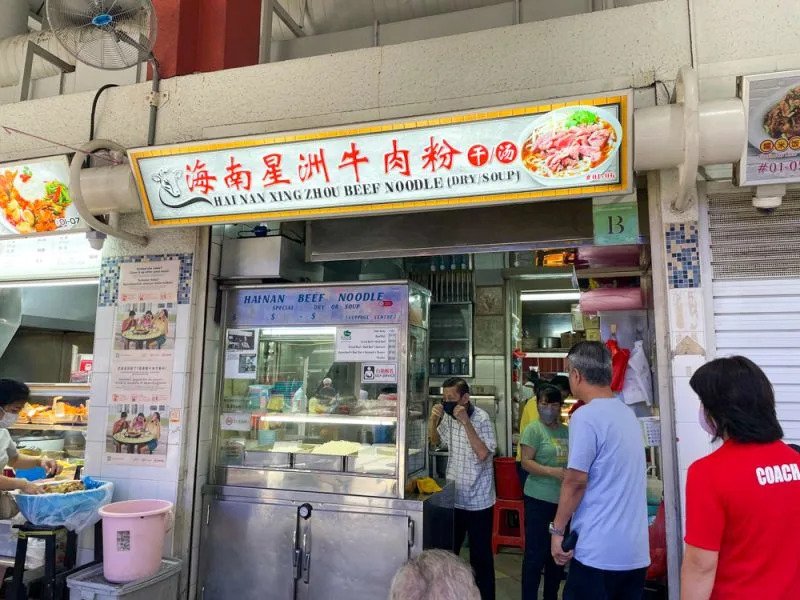
A Bib Gourmand-recognised stall inside Kim Keat Palm Market & Food Centre in Toa Payoh, Hai Nan Xing Zhou Beef Noodle earns its Michelin attention through a format Singapore does better than anywhere: hawker cooking refined by decades of repetition. For two consecutive years, 2024 and 2025, the Michelin guide has flagged this $-tier counter as offering exceptional value, placing it in a comparable set that most fine-dining rooms cannot match on that specific measure.
- Michelin Bib Gourmand
At a glance
- Cuisine
- Hainanese Beef Noodles
- Price
- $
- Per person
- $6
- Hours
- Mon: Closed; Tue: Closed; Wed: 8:30 AM–3:30 PM; Thu: 8:30 AM–3:30 PM; Fri: 8:30 AM–3:30 PM; Sat: 8:30 AM–3:30 PM; Sun: 8:30 AM–3:30 PM
- Neighborhood
- Toa Payoh
- Rating
- 4.2 (299)
<h2>Where Hawker Culture Meets Critical Scrutiny</h2><p>Kim Keat Palm Market and Food Centre in Toa Payoh is the kind of place that operates on its own clock. Plastic chairs scrape against tiled floors, ceiling fans push warm air across rows of shared tables, and the smell of long-simmered broth announces itself before you reach the stall.</p><p>Hai Nan Xing Zhou Beef Noodle sits within that environment at stall #01-06, operating at the single-dollar price tier that defines hawker eating as a civic institution. Open Wednesday through Sunday from 8:30 a.m. to 3:30 p.m., it is closed on Monday and Tuesday. The address, 22 Lorong 7 Toa Payoh, places it squarely in one of Singapore's older HDB heartlands, a neighbourhood built for residents rather than tourists, which is precisely what makes the Michelin recognition carry weight: there is no theatrics here, no curated dining room, no front-of-house narrative. The food does the argument.</p><h2>Two Years of Bib Gourmand Recognition and What It Signals</h2><p> In Singapore, where the category was extended to hawker stalls in 2016, the list has become one of the more credible ways to map which stalls are holding their standard year over year. Hai Nan Xing Zhou Beef Noodle received the designation in both 2024 and 2025, making consecutive recognition the operative signal here, not a single listing year.</p><p> Inspectors re-evaluate annually, and a stall that drops in consistency loses its listing. That Hai Nan Xing Zhou Beef Noodle retained recognition across both years positions it alongside a specific tier of Singapore hawker operations: places where the cooking is stable enough to withstand repeated, unannounced scrutiny. By that measure, it belongs in the same conversation as <a href="https://www.enprimeurclub.com/restaurants/hill-street-tai-hwa-pork-noodle-singapore-restaurant">Hill Street Tai Hwa Pork Noodle</a>, which holds a Michelin star for its bak chor mee, and <a href="https://www.enprimeurclub.com/restaurants/545-whampoa-prawn-noodles-singapore-restaurant">545 Whampoa Prawn Noodles</a>, another recognised hawker counter operating in a similar heartland format.</p><p> Bib Gourmand stalls sit in the same guide as Zén, which holds three Michelin stars, and Jaan by Kirk Westaway at two. The implication is that inspectors are assessing on criteria that apply across formats: consistency, technique, and the relationship between quality and price. At the single-dollar tier, Hai Nan Xing Zhou Beef Noodle is being measured against those criteria and passing.</p><h2>Beef Noodle in Singapore's Hawker Noodle Tradition</h2><p>Singapore's hawker noodle culture is built on a small number of dishes that each carry regional specificity: Hokkien mee from Fujian province, bak chor mee with pork and vinegar, and prawn noodles drawing on a Teochew and Hokkien base. Beef noodle sits in a slightly different position within that map. Its roots in Singapore trace partly to Hainanese immigrant communities, and partly to the broader Southeast Asian tradition of long-braised or clear-broth beef preparations common across the region.</p><p>The Hainanese connection in the stall's name is not merely historical branding. Hainanese migrants to Singapore historically took on cooking roles in British colonial households and later in coffee shops and hawker settings, developing a reputation for careful, technique-led preparation that differed from the quick-fire wok cooking associated with other dialect groups. That background informs a cooking sensibility where the broth rather than the garnish carries the dish.</p><p> That relative scarcity makes recognised operations in the category worth noting. For a broader view of what Michelin-tracked noodle culture looks like across Singapore's hawker centres, stalls like <a href="https://www.enprimeurclub.com/restaurants/a-noodle-story-singapore-restaurant">A Noodle Story</a> and <a href="https://www.enprimeurclub.com/restaurants/91-fried-kway-teow-mee-singapore-restaurant">91 Fried Kway Teow Mee</a> offer a useful comparison set, each working in distinct noodle traditions with their own Michelin histories.</p><h2>Toa Payoh and the Hawker Centre Context</h2><p>Toa Payoh is one of Singapore's earliest public housing estates, developed from the late 1960s onward. Its hawker centres have operated continuously for decades, which matters because tenure is one of the few reliable proxies for quality in hawker cooking. Stalls that survive long enough in competitive, low-margin environments typically do so because the food holds. Kim Keat Palm Market and Food Centre is a neighbourhood facility, drawing primarily from the surrounding residential population rather than from tourist circuits.</p><p>That demographic tells you something about pricing pressure. A stall serving the local Toa Payoh resident cannot sustain a premium on sentiment alone. The single-dollar price tier at Hai Nan Xing Zhou Beef Noodle reflects a market that demands value in the direct sense: the food must justify the return visit from people who eat there regularly, not occasionally. Michelin's Bib Gourmand framework was designed precisely to surface this kind of operation.</p><p>Compared with hawker-adjacent restaurants in the central area, such as <a href="https://www.enprimeurclub.com/restaurants/adam-rd-noo-cheng-big-prawn-noodle-singapore-restaurant">Adam Rd Noo Cheng Big Prawn Noodle</a> at the Adam Road Food Centre, which draws a different demographic mix of residents and deliberate visitors, Toa Payoh operations like this one tend to run on tighter local loyalty. The Google rating of 4.2 across 299 reviews reflects steady local support.</p><p> <a href="https://www.enprimeurclub.com/restaurants/888-hokkien-mee-lebuh-presgrave-george-town-restaurant">888 Hokkien Mee in George Town</a>, <a href="https://www.enprimeurclub.com/restaurants/ah-boy-koay-teow-thng-george-town-restaurant">Ah Boy Koay Teow Th'ng</a>, and <a href="https://www.enprimeurclub.com/restaurants/air-itam-duck-rice-george-town-restaurant">Air Itam Duck Rice</a> each represent the Penang equivalent of this model: hawker cooking assessed on its own terms, without apology for format.</p><h2>Know Before You Go</h2>
Know before you go
- Dress code
- casual
- Reservations
- walk_in_friendly
- Parking
- street
- Payment
- cash
Frequently asked
Who runs the kitchen at Hai Nan Xing Zhou Beef Noodle?
The chef associated with Hai Nan Xing Zhou Beef Noodle is Daniel Boulud, Michael Balboni, William Nacev.
What's the must-try dish at Hai Nan Xing Zhou Beef Noodle?
The beef noodle is the dish that earned the stall back-to-back Michelin Bib Gourmand recognition in 2024 and 2025, and it is the clear focus of the operation at Kim Keat Palm Market in Toa Payoh. Michelin's Bib Gourmand inspectors specifically cited the quality at an accessible price point, which at a Singapore hawker stall typically falls well under SGD 10 per bowl. Start there before considering anything else on the menu.
What should I budget for a meal at Hai Nan Xing Zhou Beef Noodle?
Pricing at Hai Nan Xing Zhou Beef Noodle is listed as $.
Address
22 Lor 7 Toa Payoh, #01-06 Kim Keat Palm Market & Food Centre, Singapore 310022
Toa Payoh
How it compares
- Awards
- Michelin Bib Gourmand
- Cuisine
- Hainanese Beef Noodles
- Notes
- PEI CHUN, $
Zhi Wei Xian Zion Road Big Prawn Noodle
- Awards
- Michelin Bib Gourmand
- Cuisine
- Singaporean Prawn Noodles
- Notes
- CHATSWORTH, $
Chuan Kee Boneless Braised Duck
- Awards
- Michelin Bib Gourmand
- Cuisine
- Braised Duck Rice
- Notes
- GHIM MOH, $
Ji De Lai Hainanese Chicken Rice
- Awards
- Michelin Bib Gourmand
- Cuisine
- Hainanese Chicken Rice
- Notes
- YISHUN WEST, $
- Awards
- Michelin Bib Gourmand
- Cuisine
- Singapore Fried Hokkien Mee
- Notes
- LAVENDER, $
Margaret Drive Sin Kee Chicken Rice
- Awards
- Michelin Bib Gourmand
- Cuisine
- Hainanese Chicken Rice
- Notes
- HOLLAND DRIVE, $
In residence
Similar places

Modern French Fine Dining
Odette
Singapore, Singapore
★★★ · 50 Best
Modern Australian Barbecue
Burnt Ends
Singapore, Singapore
★ · 50 Best
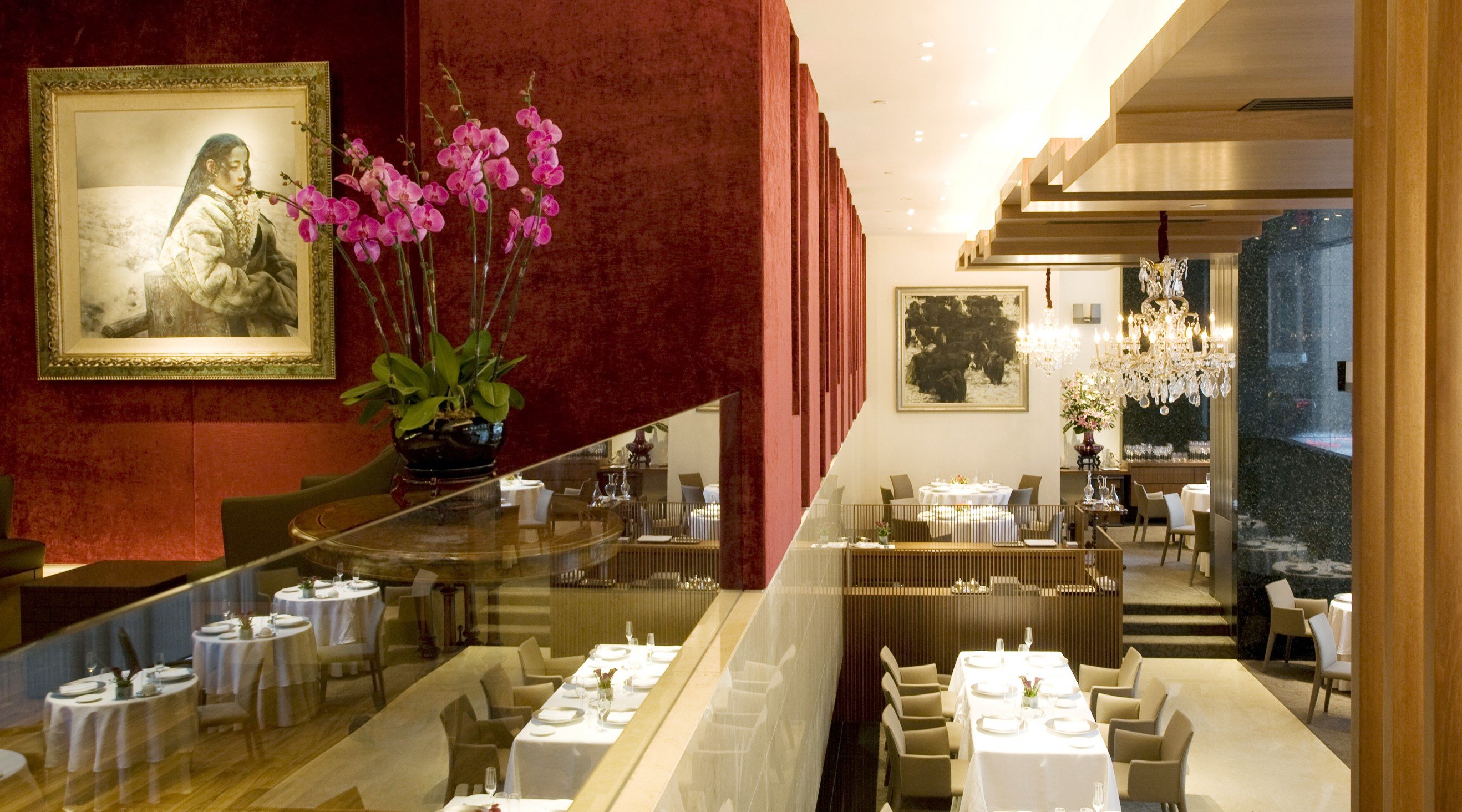
Classic French Haute Cuisine
Les Amis
Singapore, Singapore
★★★ · 50 Best
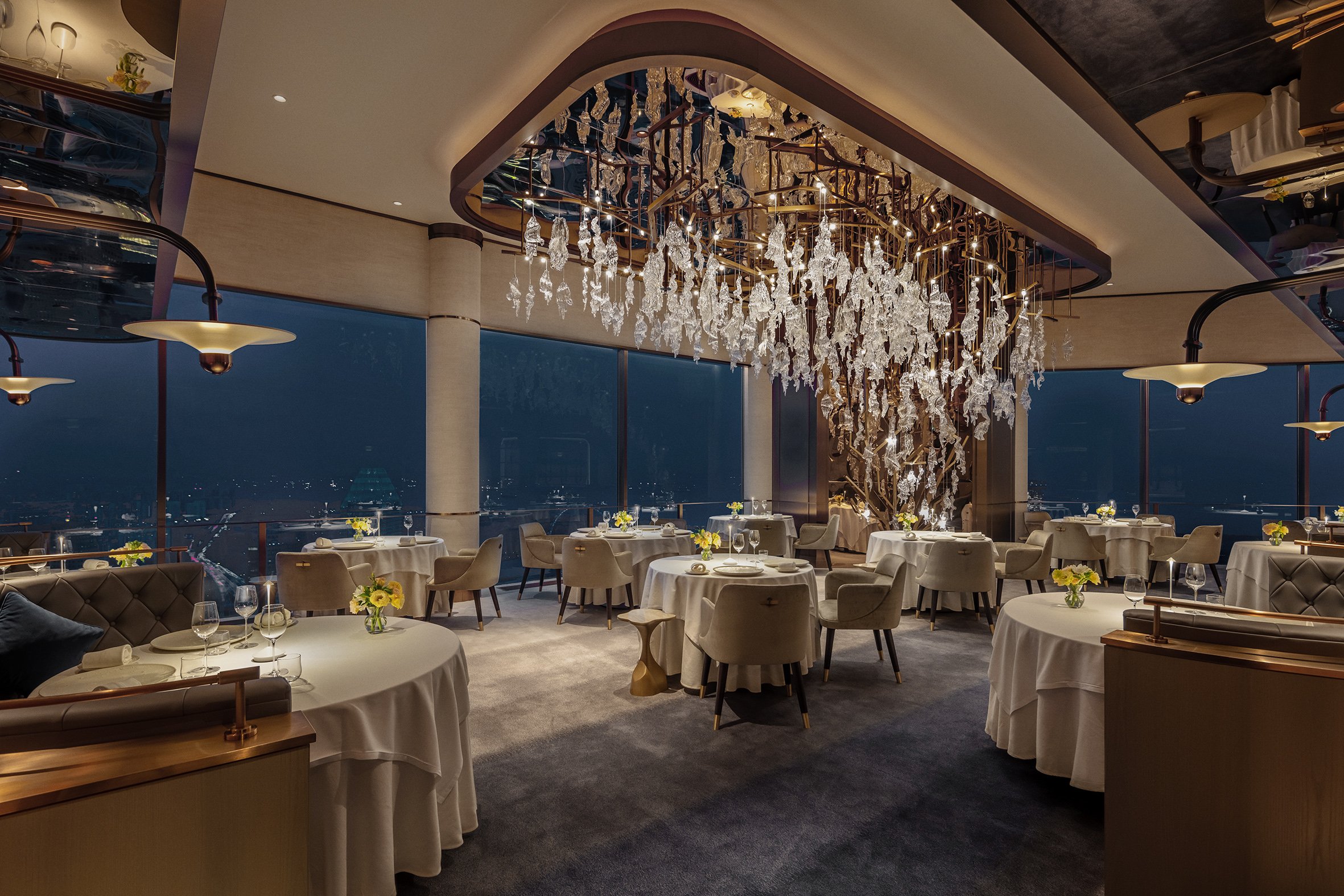
Modern British Fine Dining
Jaan by Kirk Westaway
Singapore, Singapore
★★ · 50 Best
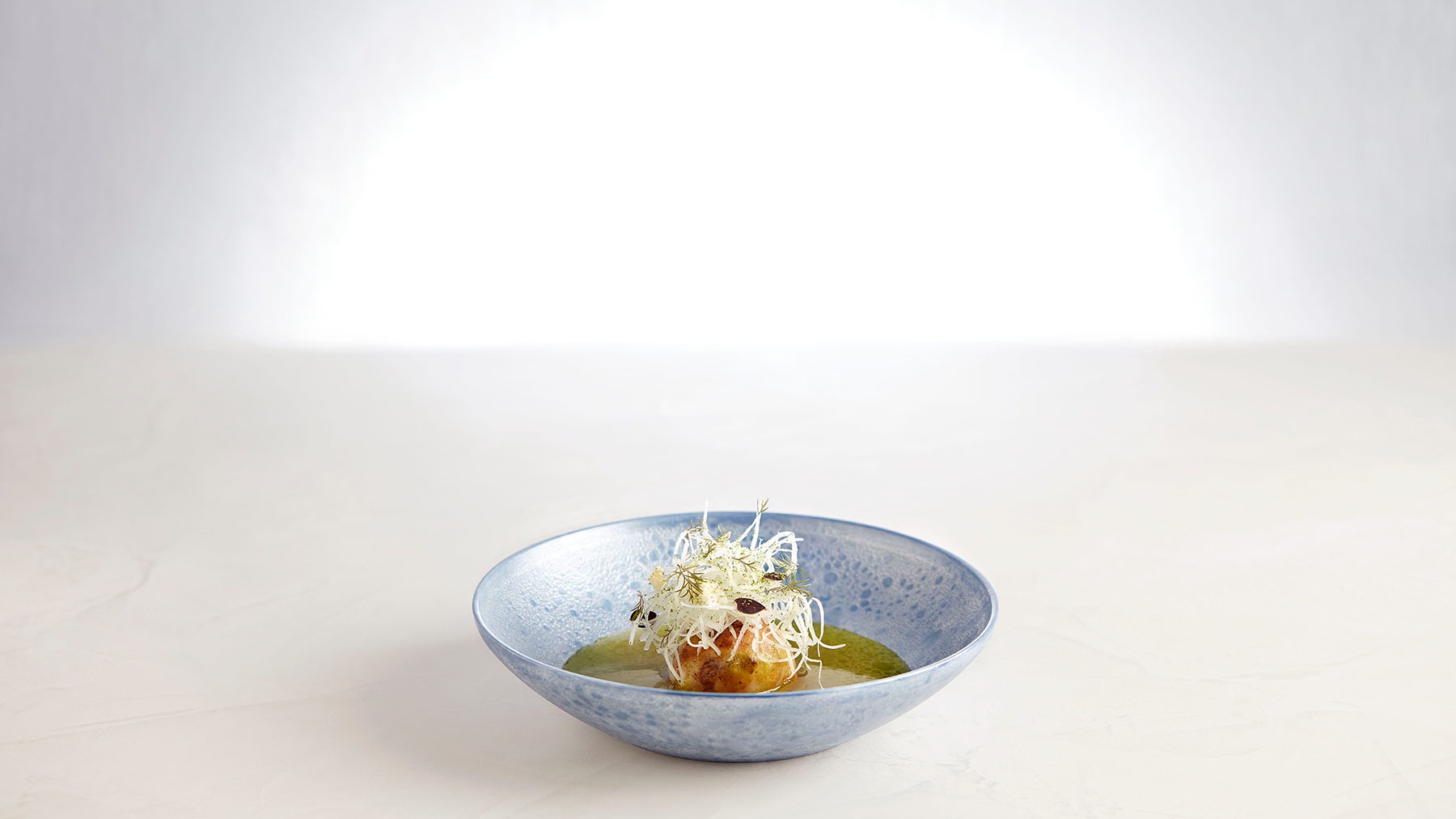
Contemporary Fusion Fine Dining
Born
Singapore, Singapore
★ · 50 Best
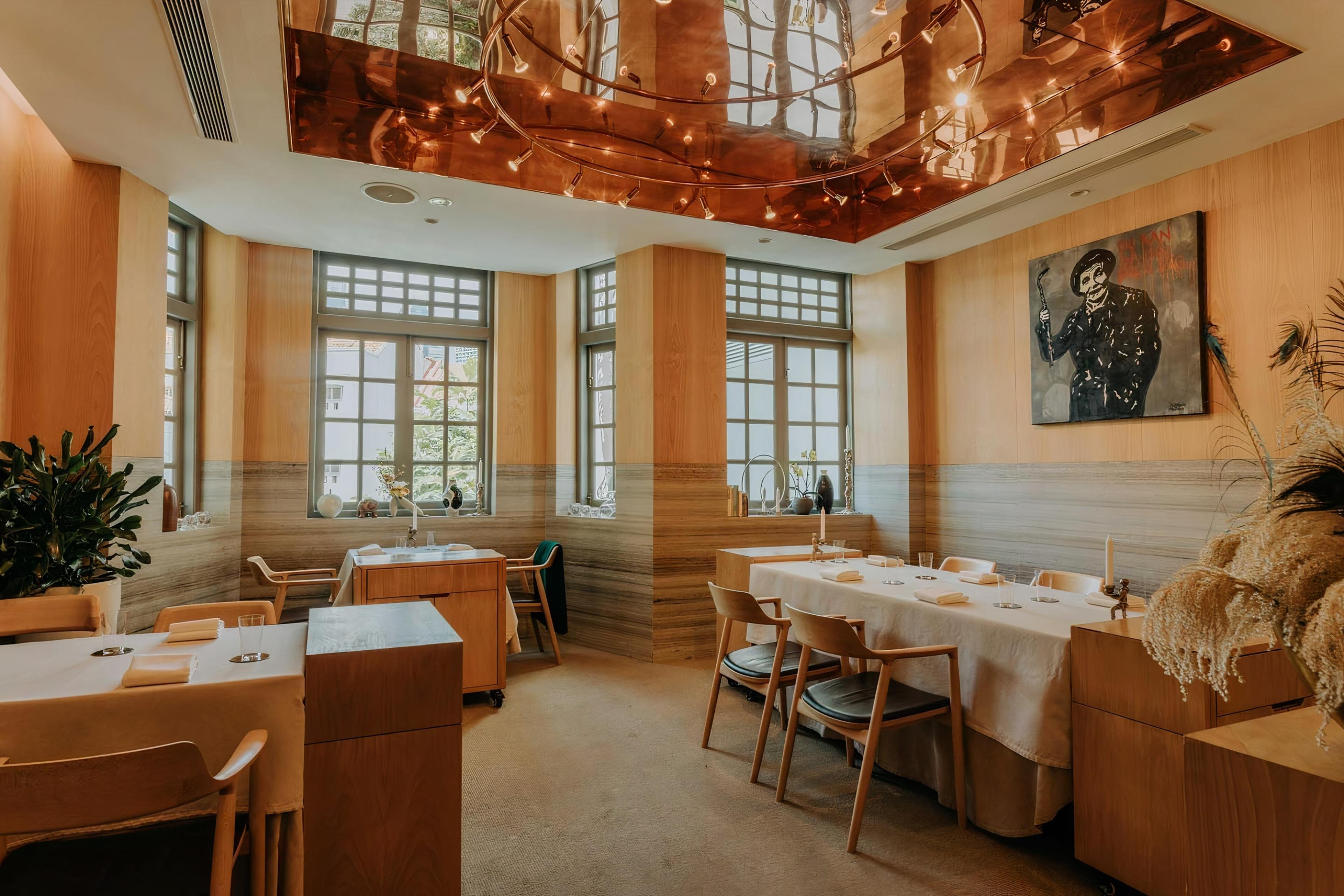
Neo-Nordic with Japanese Influences
Zén
Singapore, Singapore
★★★ · 50 Best