Haus Stemberg
In Residence
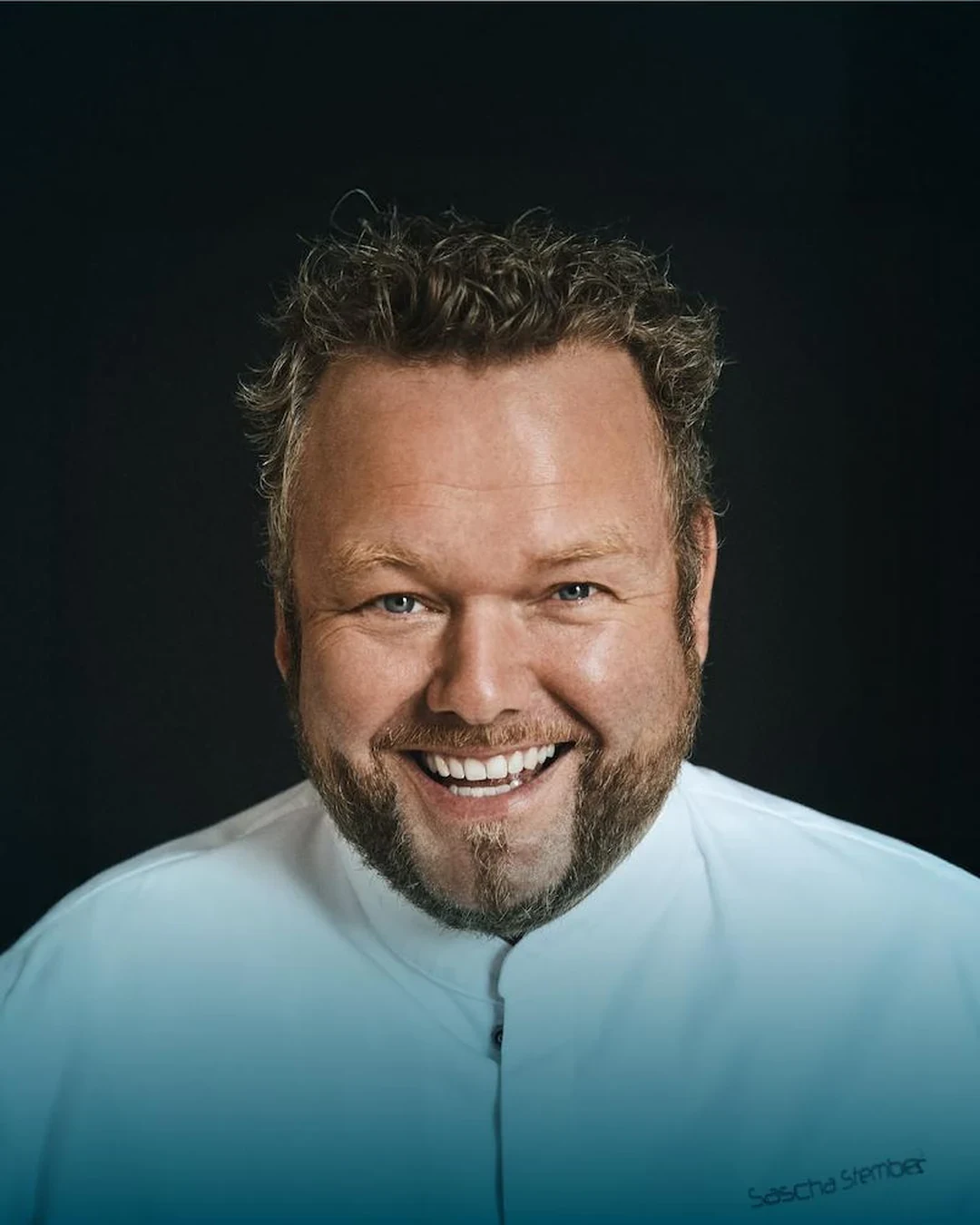
Sascha Stemberg
Chef
- 01CuisineModern German Fine Dining
- 02CityVelbert, Germany
- 03RecognitionOne Michelin Star
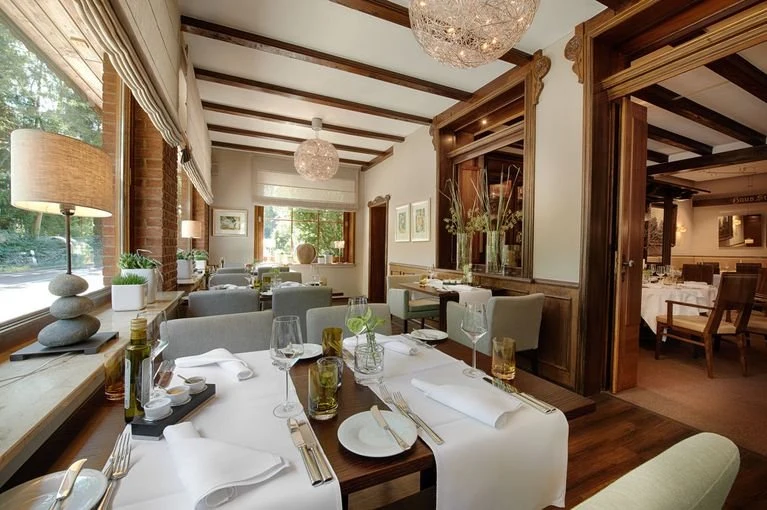
- 1 Michelin Star · Michelin Guide
- Michelin 1 Star · 2026
- Michelin 1 Star · 2025
- Opinionated About Dining Classical in Europe Ranked #330 · 2025
- Michelin 1 Star · 2024
- Opinionated About Dining Classical in Europe Ranked #375 · 2024
- Opinionated About Dining Classical in Europe Recommended · 2023
Dining Outside the Circuit
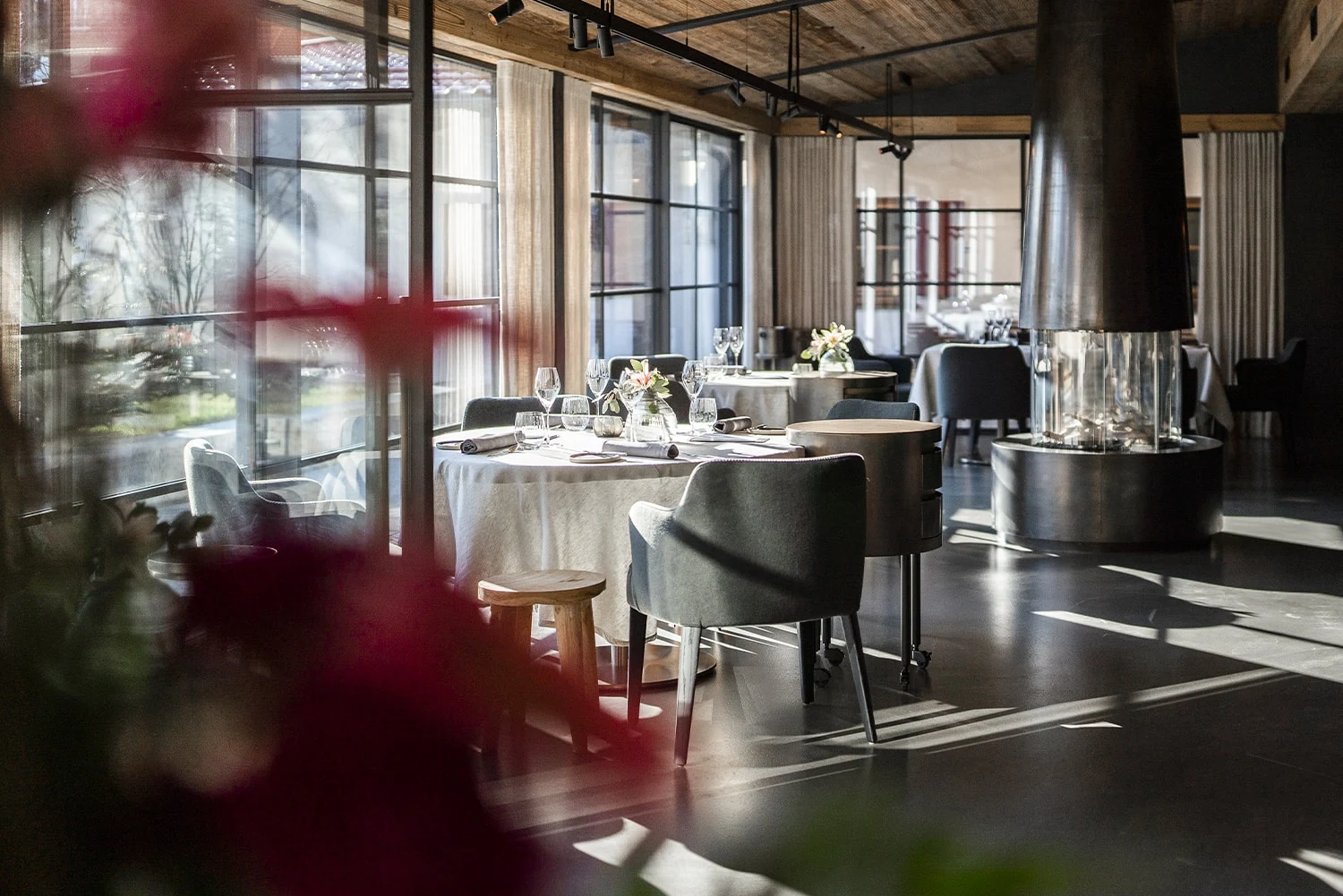
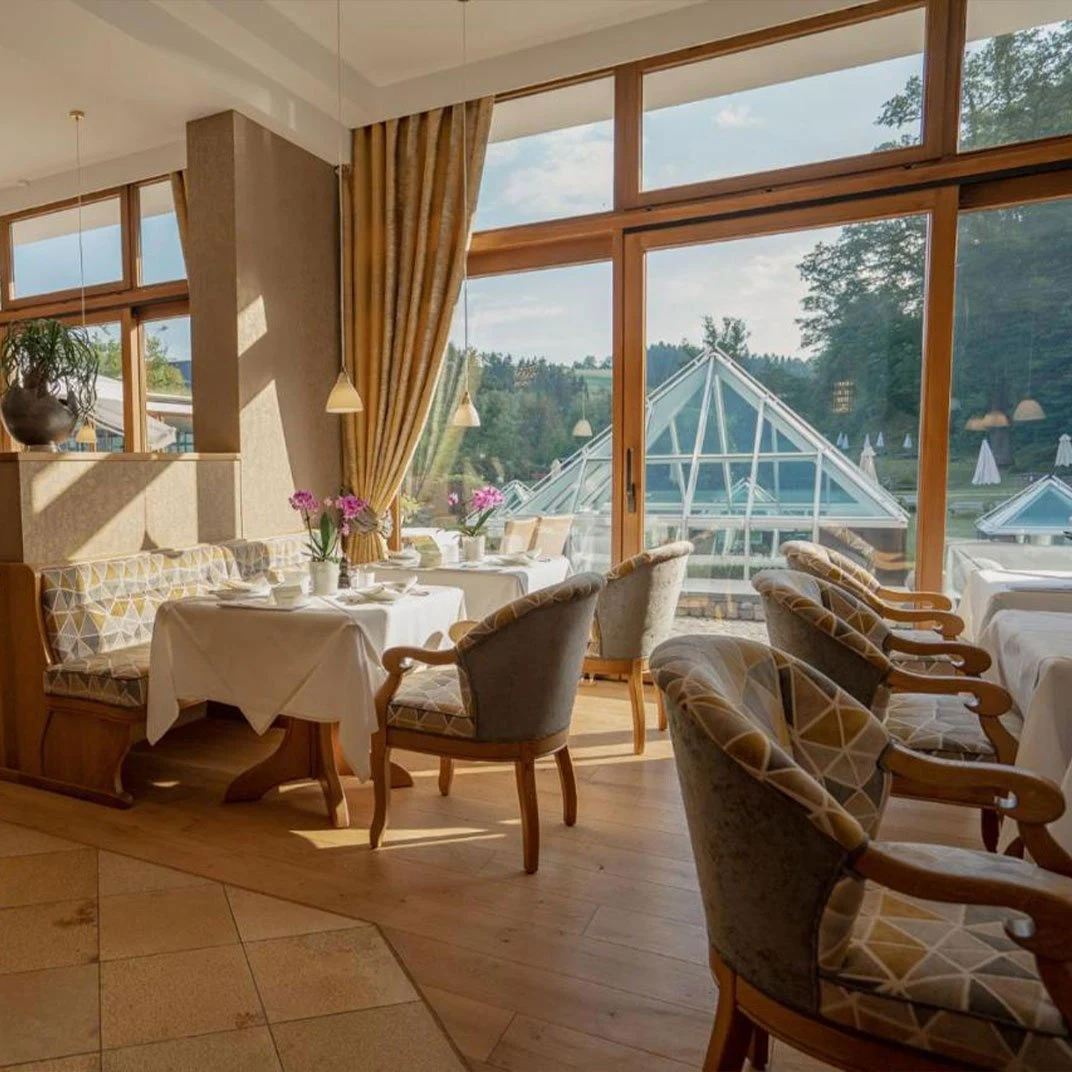
Germany's most-discussed restaurant corridors tend to follow motorway logic: Düsseldorf, Cologne, the Ruhr's western edge. Velbert sits slightly off that map, a mid-sized industrial town in the Bergisches Land whose name rarely appears in fine-dining conversation. That geographical displacement is, in part, what makes Haus Stemberg worth understanding. The restaurant occupies a house on Kuhlendahler Strasse in the town's quieter residential fringe, and the physical approach carries none of the urban theatre that frames comparable meals in bigger cities. No doorman, no marquee lighting, no crowd spilling onto a pavement. What visitors encounter instead is a building that reads as a family house first and a Michelin-starred restaurant second, which, in the specific tradition of German Gasthäuser that have evolved into serious dining institutions, is precisely the point.
That tradition is worth placing in context. Germany has a handful of restaurants where a family name has attached itself to a building across generations, gradually accumulating critical recognition without relocating to a prestige postcode. Schwarzwaldstube in Baiersbronn and Waldhotel Sonnora in Dreis both operate on similar logic: the address is not fashionable, the food is the reason anyone drives there. Haus Stemberg belongs to that cohort rather than to the city-centre fine-dining bracket, and understanding that distinction shapes how you evaluate it.
The Sunday letter
Find new places through the people who run them.
Our Sunday email brings you the chefs, winemakers and hoteliers behind our newest stories. See a sample before you subscribe.
See a sample of the Sunday emailOne email a week. Unsubscribe from any issue.
What the Rankings Signal
Haus Stemberg holds a Michelin star for 2025, a distinction it has maintained through consecutive award cycles. More telling, perhaps, is its trajectory on the Opinionated About Dining Classical Europe list: recommended in 2023, ranked #375 in 2024, and climbing to #330 in 2025. OAD's Classical Europe list is compiled from the votes of frequent, experienced diners rather than anonymous inspector visits, which means the upward movement reflects repeat engagement from a sophisticated audience rather than a one-time evaluation. A Google rating of 4.8 across 677 reviews adds a separate data point: the kind of consistent, high-volume approval that suggests the kitchen performs reliably rather than only on high-stakes nights.
For comparative positioning, consider where the star sits relative to the broader NRW field. Vendôme in Bergisch Gladbach, roughly 30 kilometres south, operates at the two-star level with a €€€€ price point and a distinctly different scale of ambition. Haus Stemberg pitches at €€€, which in Germany's current fine-dining pricing environment places it below the top tier but well above bistro territory. The decision to remain at that price level while maintaining a star is itself an editorial stance, a signal about who the restaurant is trying to feed and what kind of experience it considers primary.
The Chef in the Building
Chef Sascha Stemberg works within a modern European and farm-to-table framework, a pairing that in lesser hands produces menus full of seasonal decoration without much structural thought. In the context of a restaurant with this kind of consistent critical approval, it signals something more considered: sourcing that shapes the menu rather than illustrates it, and European technique applied with enough restraint to let ingredient quality carry weight. The farm-to-table designation in Germany often means direct relationships with regional producers in the Bergisches Land, an area with a genuine agricultural tradition, rather than the looser use of the phrase common in urban restaurant marketing.
The generational dimension of Haus Stemberg is relevant here not as biography but as context for the style. Restaurants that have operated under a family name across decades develop a particular kind of cooking identity: one that tends to prioritise coherence over novelty, and that accumulates a sense of place over time rather than chasing trend cycles. That trajectory is visible in the OAD ranking movement, which rewards exactly this kind of sustained, disciplined approach. Compare this with more concept-driven peers like CODA Dessert Dining in Berlin or JAN in Munich, both of which operate in urban settings with more explicit format identities. Haus Stemberg's identity is quieter and more durational.
It is worth noting how this compares internationally. Restaurants with a similar profile, family-run, rural or semi-rural address, farm-to-table orientation, single Michelin star, consistent critical recognition, exist across France, Belgium, and northern Spain as a recognisable and respected category. In Germany, that category is less densely populated, which partly explains why a Velbert address with these credentials draws from a wider catchment than its postcode alone would suggest. For context on what single-star European cooking can achieve at the top of its range, Schanz in Piesport and ES:SENZ in Grassau offer instructive comparisons in different German regions.
Format and Service Pattern
The kitchen operates on a schedule that reflects the restaurant's priorities. Monday through Wednesday, service runs evenings only, from 6 to 11 pm. Saturday and Sunday both offer a lunch sitting from noon to 3 pm in addition to the evening service. Thursday and Friday are closed. This is not a seven-days-a-week hospitality operation; it is a restaurant that has set limits on its output, which typically correlates with tighter kitchen control and more consistent execution. For visitors travelling from outside the immediate region, the Saturday lunch format offers a practical entry point, combining a full service window with the possibility of exploring the Bergisches Land before or after the meal.
Velbert itself is reachable from Düsseldorf in under 30 minutes by car and sits within an easy drive from Essen and Wuppertal. It is not well-served by rail connections that would make it accessible for an international visitor without a car, so the practical assumption is that most guests arrive by road. Accommodation options in Velbert are limited; most visitors staying overnight base themselves in Düsseldorf or Wuppertal and drive out for the meal.
Where It Sits in the German Dining Picture
Germany's Michelin map has never been as geographically concentrated as France's, but its elite addresses do cluster: Hamburg's Restaurant Haerlin, Aqua in Wolfsburg at the three-star level, Victor's Fine Dining by Christian Bau in Perl in the Saar region. The single-star tier outside major cities is where Germany's dining culture is perhaps most genuinely distinctive: a network of serious kitchens operating in smaller towns and rural settings, without the structural dependency on business-lunch trade or tourist volume that shapes urban addresses. Haus Stemberg sits squarely in that network, and its OAD ranking places it among the more closely watched names within it.
For those building a wider itinerary around German fine dining, Bagatelle in Trier and the three-star Schwarzwaldstube in Baiersbronn represent different regional expressions of cooking outside Germany's main cities. Internationally, the farm-to-table fine-dining model has been refined at very different scales, from Le Bernardin in New York City to Atomix in New York City, though the comparison with Haus Stemberg is one of shared critical rigour rather than stylistic overlap.
Questions
Frequently asked
What recognition does Haus Stemberg hold?
Haus Stemberg holds 1 Michelin star.
Who works at Haus Stemberg?
Made By profiles Sascha Stemberg (Chef) at Haus Stemberg.
How expensive is Haus Stemberg?
Haus Stemberg is listed at a price level of $$$.
Where is Haus Stemberg and what does it serve?
Haus Stemberg is in Neviges, Velbert, serving Modern German Fine Dining.
The field
How it compares
| Place | Awards | Cuisine | Notes |
|---|---|---|---|
| Haus Stemberg | Michelin 1 Star | Modern German Fine Dining | Neviges, $$$ |
| ES:SENZ | Michelin 3 Stars | Modern German Fine Dining | Grassau |
| Frieda | Michelin 1 Star | Modern German Fine Dining | Leipzig |
| Hofstube Deimann | Michelin 1 Star | Modern German Fine Dining | Schmallenberg |
| Kucher's Gourmet | Michelin 1 Star | Modern German Fine Dining | Darscheid |
| Rutz | Michelin 3 Stars | Modern German Fine Dining | Berlin |
| Sühring | Michelin 3 Stars, World's 50 Best | Modern German Fine Dining | Bangkok |
In residence
Similar places
Modern German Fine Dining
ES:SENZ
Grassau, Germany
★★★
Modern German Fine Dining
Frieda
Leipzig, Germany
★
Modern German Fine Dining
Hofstube Deimann
Schmallenberg, Germany
★
Modern German Fine Dining
Kucher's Gourmet
Darscheid, Germany
★
Modern German Fine Dining
Rutz
Berlin, Germany
★★★
Modern German Fine Dining
Sühring
Bangkok, Thailand
★★★ · 50 Best

The Sunday letter
Get the next Made By story in your inbox.
We send one email every Sunday morning with the places and people we covered that week.
See a sample of the Sunday emailOne email a week. Unsubscribe from any issue.