Made ByRestaurant
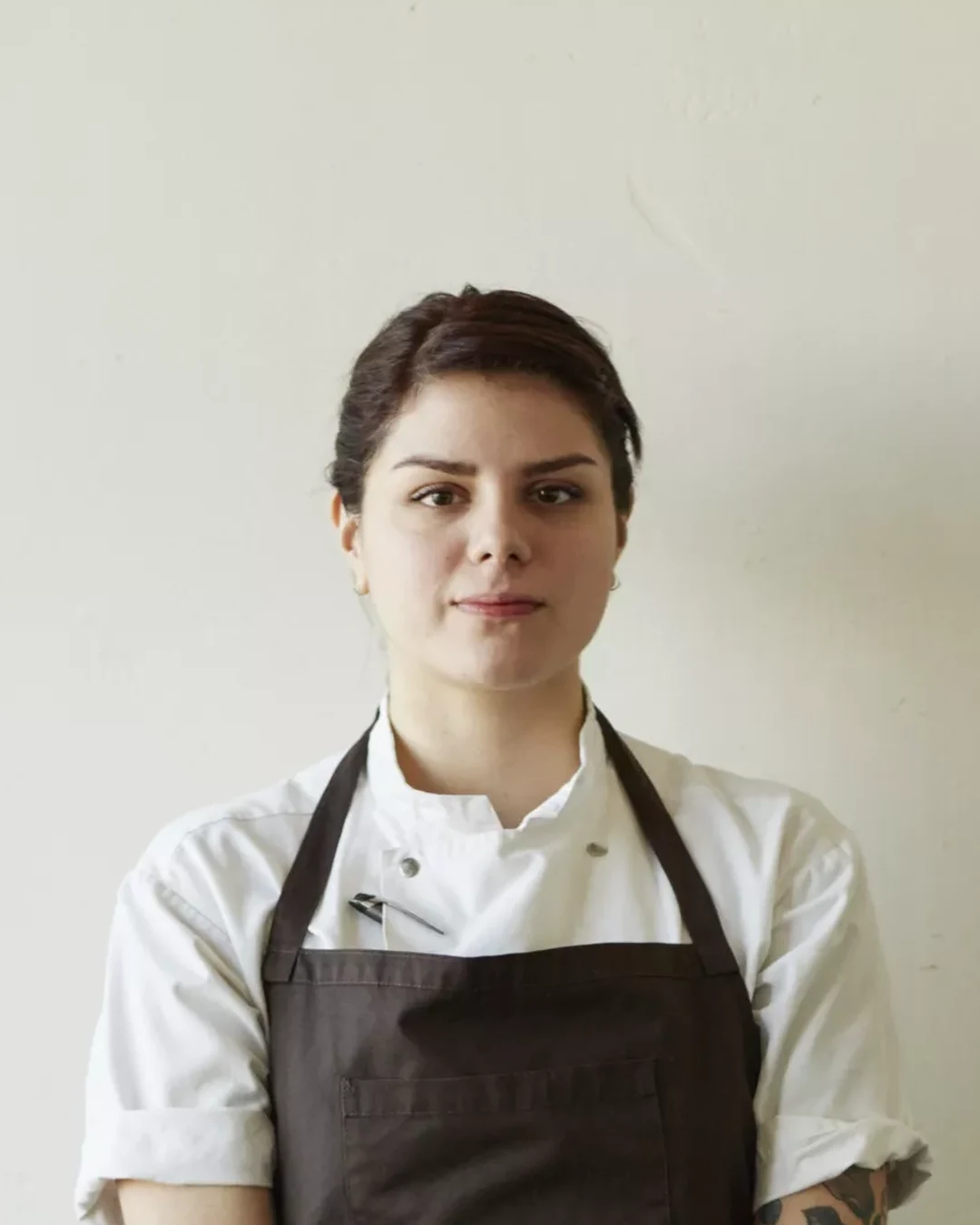
Rosio Sanchez, chef at Hija de Sanchez in Copenhagen, works Oaxacan corn into daily tortillas with fine-dining discipline.
At a glance
- Cuisine
- Tacos
Corn at the bench before service
Fresh tortillas set the pace before service; Rosio Sanchez, chef at Hija de Sanchez in Copenhagen, builds the day around that masa. The corn comes from indigenous Mexican varieties imported from Oaxaca, then meets a Copenhagen kitchen shaped by her fine-dining years and her own standard for Mexican food in Europe. Sanchez trained at Cordon Bleu, worked pastry at wd-50 in New York, then moved to Copenhagen and became head pastry chef at Noma, where she stayed until 2014. In 2015, Hija de Sanchez gave her a direct point of authorship, not as a translation of a restaurant tasting menu into tacos, but as a tighter form: tortilla, filling, salsa, heat, acid, the hand. Since 2017, her second platform, Sanchez, has run alongside it, carrying the same concern for heirloom corn, indigenous ingredients, and taste held in clear focus. At Hija de Sanchez, the role is founder and chef, but the more useful description is still maker. She chose the counter, the hatch, the taqueria format, and kept the discipline close enough to be felt in the dough.
Oaxacan corn and Copenhagen restraint
The method begins with corn, not garnish. Hija de Sanchez makes tortillas fresh daily from indigenous Mexican corn imported from Oaxaca, a decision that gives the taco its structure before any pork, fish, mussel, or salsa arrives. The fillings move between Mexican street-food grammar and a Nordic kitchen’s ingredient attention: slow-cooked achiote pork, carnitas, al pastor with pineapple, beer-braised barbacoa, baja fish, and a vegetable taco with grilled peppers, charred cabbage, and peanut macha. The same station can send out chipotle mussels in a creamy sauce, octopus tostadas with cured egg yolk and habanero salsa, cod empanadas with buttermilk crema, and chips with salsa roja and guacamole. Sanchez’s pastry background appears without announcing itself. Chilli chocolate mousse and avocado paletas with salty caramel and freeze-dried raspberries belong to the same discipline as the taco: sweetness cut by salt, fat held by acid, texture doing part of the speaking. House tepache and hibiscus drinks extend that palate rather than decorate it.
The room keeps the work close
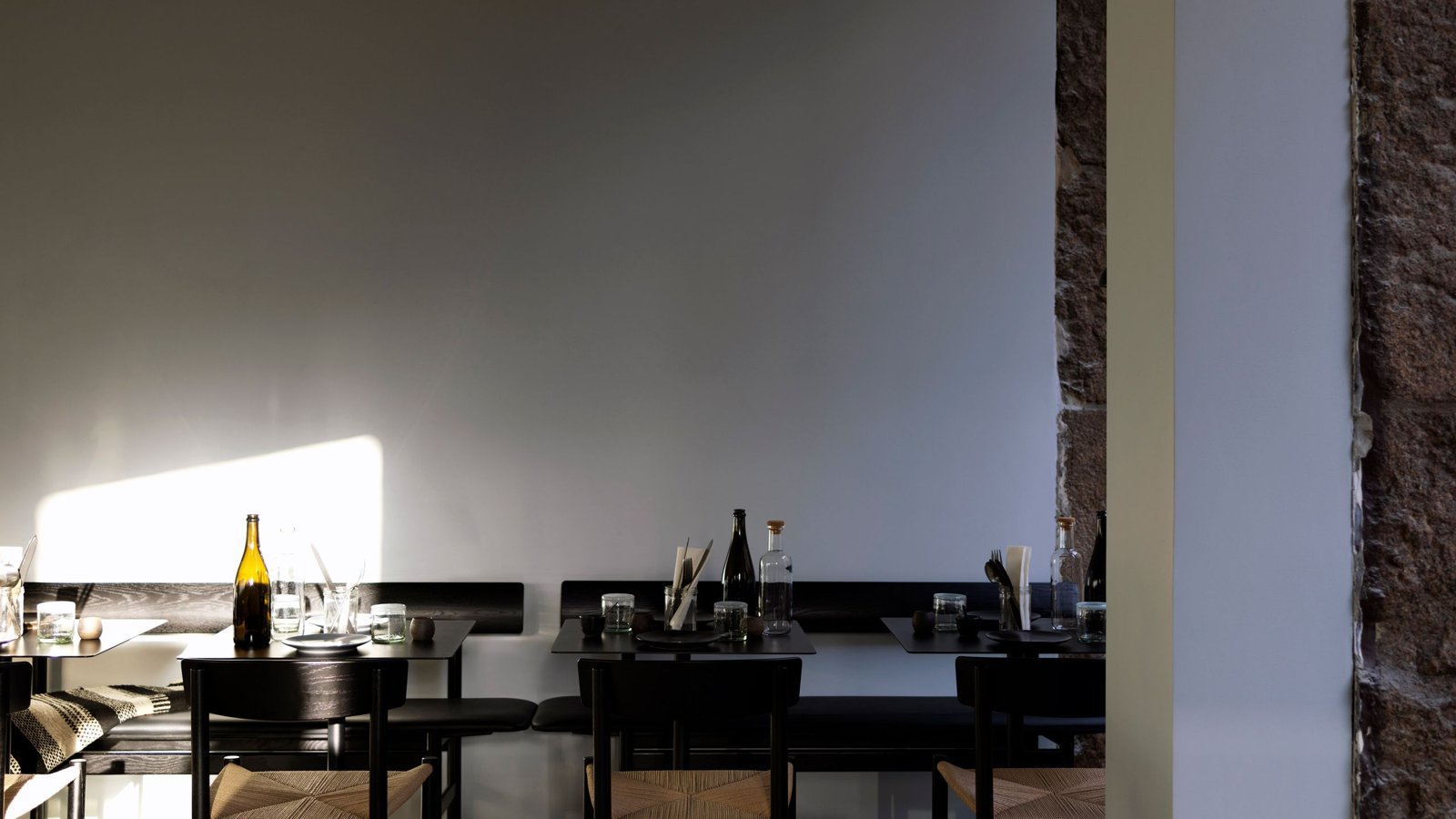
The places have different temperatures. The original stall at Torvehallerne keeps the work in plain view, with the counter doing what a pass does in a larger kitchen: receive, finish, hand over. Kødbyen carries the louder color and movement of a taqueria in the Meatpacking District. Nordhavn slows the register, with limewash paintwork, greenery, textured wall hangings, and an industrial room that still lets the tortilla remain the center of gravity. The design reads Danish in its restraint, but the food refuses to become vague. A take-out hatch keeps one part of the operation fast; the bench behind it stays exact. That tension is the point. Hija de Sanchez does not ask a taco to behave like a plated course, and it does not treat street food as shorthand for looseness. The craft happens where the hand meets the masa.
A second room without a second language
Sanchez has been plain about the standard behind the project: “More importantly, Europe deserves well-made Mexican food.” At Hija de Sanchez, that sentence lands as method. The restaurant group has grown across Copenhagen, and the work has gathered public notice, including a 2018 recognition for Europe’s best street food from an EasyJet Traveller panel. Awards are not the texture of the place; the tortilla is. The clearest thing to follow is still the daily return to Oaxacan corn at Hija de Sanchez.
Address
Slagterboderne 8, 1716 København, Denmark
In residence
Similar places

Avant-Garde Molecular Gastronomy with Social Commentary
Alchemist
Copenhagen, Denmark
★★ · 50 Best

Modern New Nordic Pescatarian
Geranium
Copenhagen, Denmark
★★★ · 50 Best

New Nordic Fine Dining
Noma
Copenhagen, Denmark
★★★ · 50 Best

New Nordic Cuisine
Kadeau
Copenhagen, Denmark
★★★ · 50 Best
Classic French Fine Dining
Kong Hans Kaelder
Copenhagen, Denmark
★★
Modern French Fine Dining
Søllerød Kro
Copenhagen, Denmark
★